Latest News
Women’s Euros set to be more popular with punters than Six Nations, survey shows

This summer’s Women’s Euros promises to be more popular with sports bettors than the Six Nations, Super Bowl and the Ashes, a new survey shows.
A new OLBG survey conducted by YouGov shows how bettors are likely to behave in 2025, including the most popular events to bet on, which regions of the country are most likely to gamble and how having kids affects betting behaviour.
The quarterly study asked 2,054 adults in the UK how they planned to bet this year.
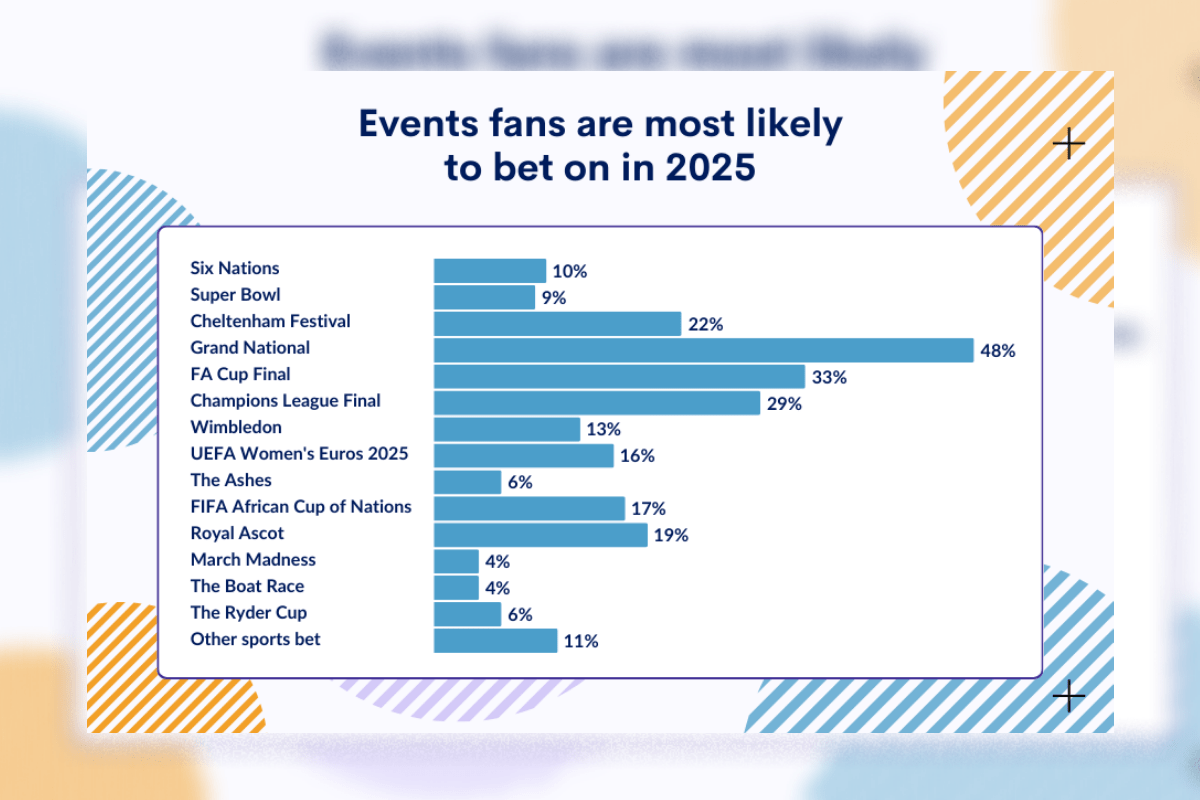
Of people who said they were likely to gamble in 2025, 16% said they would bet on the Women’s Euros, which will take place in Switzerland in July, with England and Wales among the 16 teams in action.
That compares with only 9% who said they would bet on the Super Bowl, 10% who would bet on Rugby Union’s Six Nations and 6% who said they would bet on cricket’s Ashes series.
The data shows that 18% of men expect to bet on the Women’s Euros, compared with 11% of women.
Among the events specified, racing’s Grand National (48%) is the event of 2025 that most respondents said they would bet on, ahead of the FA Cup Final (33%), Champions League Final (29%) and Cheltenham Festival (22%).
OLBG CEO Richard Moffat said: “The surge in popularity of women’s football is well documented and it seems that betting patterns are starting to follow suit. Undoubtedly, the fact there’s a major tournament this summer including England and Wales will drive interest among bettors.
“It’s interesting to see that more people intend to bet on the Euros than some big, established, showpiece events in 2025 such as The Ashes, the Superbowl and the Six Nations.”
North West is the UK betting capital
Data shows 26% of people in the North West plan to place a bet on a sporting event during 2025 – the highest percentage region in the country.
The region with the next highest percentage of people planning to gamble this year is Yorkshire and the Humber, with 24%. Third is London (22%) ahead of Northern Ireland (21%).
According to the results, the region with the lowest appetite for betting is the South West, with just 13% of people saying they plan to gamble this year.
In the North West, the listed sporting event people are most likely to bet on this year is the FA Cup final (39%), ahead of the Champions League final (36%), followed by the Grand National (35%).
The picture is quite different in Yorkshire and the Humber, where 55% of potential bettors expect to bet on the Grand National, 25% on the FA Cup final and just 12% expect to bet on the Champions League final.
Interestingly, London is the region with the lowest percentage of people intending to bet on the Grand National, with just 31% but the highest percentage of people expecting to bet on the FA Cup final at 55%.
OLBG’s CEO Richard Moffat said: “It looks like the North will be the sports betting capital of the UK this year, with northern regions such as the North West and Yorkshire leading the way in terms of percentage of people planning to bet.
“The breakdown of events people plan to bet on is fascinating and it’s interesting that the two big football finals – the FA Cup final and Champions League final – are the most popular events in the North West. This is perhaps driven by fans of big clubs like Liverpool and Man City optimistically planning to back their teams in those showpiece events.”
The post Women’s Euros set to be more popular with punters than Six Nations, survey shows appeared first on European Gaming Industry News.











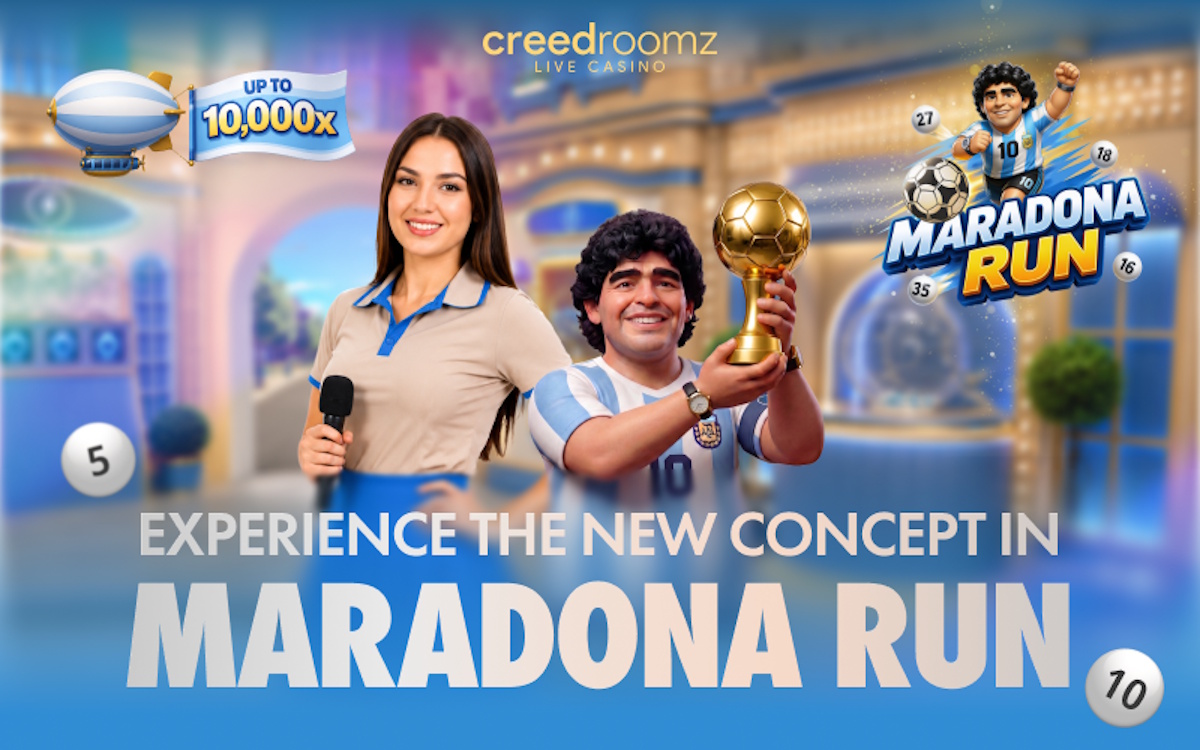
The new football-themed title keeps CreedRoomz’ existing mechanics and adds a Maradona-branded visual overhaul and 10,000x max payout claim.
CreedRoomz has launched a new live game show, “Maradona Run,” which the supplier says is backed by official rights and is now available to partner operators on the CreedRoomz Live Casino platform.
The company positions the release around the upcoming World Cup games, with a football-themed reskin of its existing interactive game show concept. CreedRoomz said the game’s “logic and core mechanics remain exactly the same,” while the visual identity has been rebuilt around a 3D animated caricature of Diego Maradona in a number 10 jersey.
Maradona Run combines a lottery-style ball draw, where players can manage up to eight interactive cards, with an “endless runner” bonus round. In the bonus sequence, the Maradona character runs through an obstacle course collecting glowing soccer balls that the supplier says translate into gameplay advantages including multipliers, speed boosts and prize doublers. CreedRoomz stated the game has a maximum payout potential of up to 10,000x the bet.
“Securing the official rights for Maradona Run allows us to hand our partners a massive competitive advantage just in time for the World Cup games,” said Armen Mnatsakanyan, Head of Sales Department at CreedRoomz. “By merging the legendary global appeal of Maradona with our high-retention endless-runner mechanic, we have created a premium crossover product that effortlessly converts football fans into loyal live casino players. The proven logic and math models are exactly what operators trust, but the brand power and vibrant new look make this a must-have commercial powerhouse.”
The title features a live presenter alongside the animated character and includes three bonus ticket tiers—Sprint, Trailblaze, and Marathon—intended to provide multiple bonus-entry paths per round, according to the supplier.
The post CreedRoomz launches Maradona Run live game show with licensed rights appeared first on EE Gaming | Global iGaming & Tech Intelligence Hub.
Armen Mnatsakanyan Head of Sales Department at CreedRoomz
“Maradona Run” Launched by CreedRoomz as New Live Game Show with Official Rights

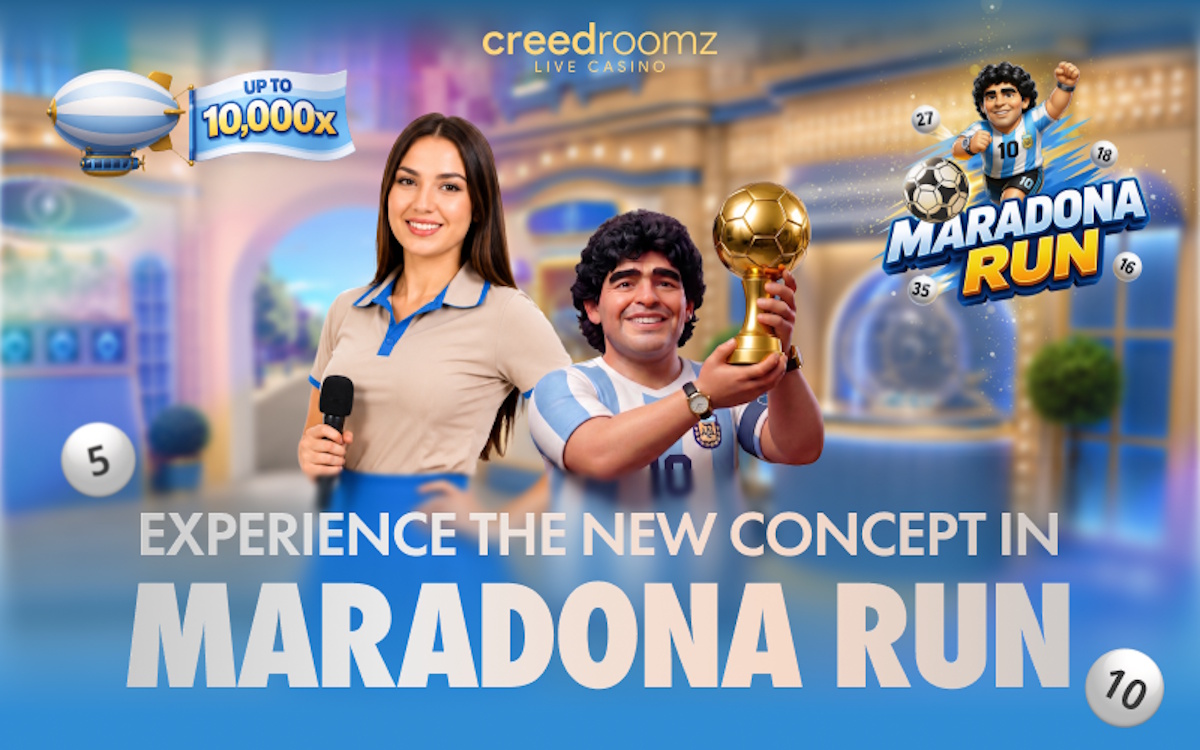
Leading live casino provider CreedRoomz has officially announced the launch of its highly anticipated new live game show, “Maradona Run,” backed by official rights.
Built to capture the celebratory spirit of the upcoming World Cup games, this groundbreaking release introduces an authorized, football-themed transformation of the company’s signature interactive game show concept. By securing the official rights to feature one of the greatest legends in football history, CreedRoomz is inviting global operators and players to engage with an entirely premium, legally authorized gaming experience.
While the game’s flawless logic and core mechanics remain exactly the same, the visual identity has been completely overhauled to welcome the World Cup games. The character has been transformed into a vibrant, 3D animated caricature of the legendary Maradona, proudly wearing his iconic number 10 jersey.
Maradona Run seamlessly bridges a fast-paced lottery ball draw with a cinematic, arcade-style endless runner bonus round. During the main game, players manage up to eight interactive cards as football-styled lottery numbers bounce in a high-tech studio chamber. When the bonus round triggers, players leave the studio behind and hit a digital, festive boulevard alongside Maradona himself.
Instead of traditional coins, the animated legend sprints down the obstacle-filled street course collecting glowing soccer balls. These collectibles correspond to crucial gameplay advantages, including total payout multipliers, energy speed-boosts, and prize doublers, culminating in a massive maximum payout potential of up to 10,000x the bet.
“Securing the official rights for Maradona Run allows us to hand our partners a massive competitive advantage just in time for the World Cup games,” said Armen Mnatsakanyan, Head of Sales Department at CreedRoomz. “By merging the legendary global appeal of Maradona with our high-retention endless-runner mechanic, we have created a premium crossover product that effortlessly converts football fans into loyal live casino players. The proven logic and math models are exactly what operators trust, but the brand power and vibrant new look make this a must-have commercial powerhouse.”
The live game show features a highly interactive setup where a live presenter stands side-by-side with the animated Maradona caricature, engaging with players in real-time. With three distinct bonus ticket tiers Sprint, Trailblaze, and Marathon players have multiple pathways to chase massive wins on every single round.
Maradona Run Live is now available to all partner operators integrating the CreedRoomz Live Casino platform.
The post “Maradona Run” Launched by CreedRoomz as New Live Game Show with Official Rights appeared first on Americas iGaming & Sports Betting News.
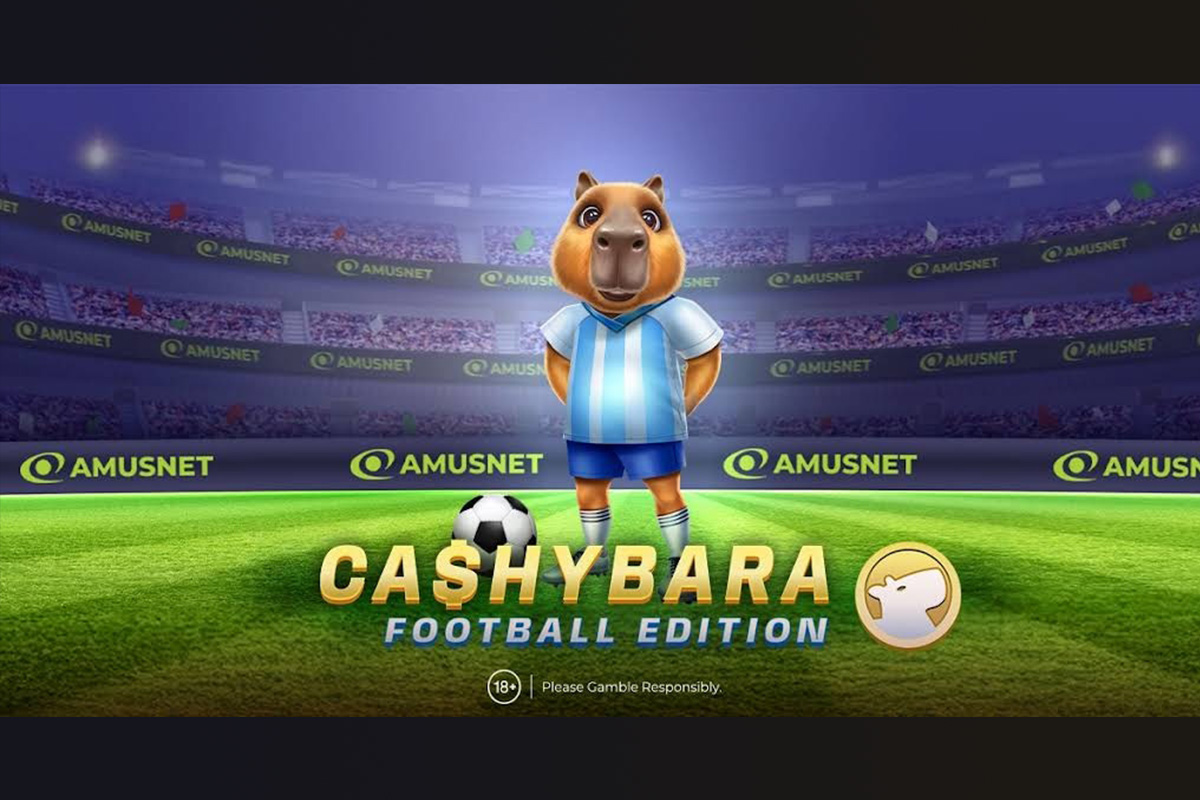
As football fever takes over the world and fans unite around the beautiful game, Amusnet is bringing the excitement from the stadium straight to the casino floor with the launch of Ca$hybara Football Edition – the latest addition to the beloved Ca$hybara series.
This energetic crash game puts players at the center of the action, where every touch of the ball could lead to bigger rewards. Taking the spotlight once again is the unstoppable Ca$hybara, this time stepping onto the football pitch with confidence, skill and plenty of flair.
In Ca$hybara Football Edition, the charismatic sports star keeps the ball airborne through an impressive display of juggling mastery. With every successful touch, the multiplier climbs higher, creating a thrilling balance between risk and reward. The challenge is simple: decide how long to stay in the game before cashing out. The longer Ca$hybara remains in control, the greater the potential winnings – but one missed touch can change everything.
Designed to keep players engaged from kick-off to the final whistle, the game introduces constant decision-making throughout every round. Players can choose to secure part of their winnings with the 50% Cashout option or continue riding the momentum in pursuit of even bigger multipliers. Timing, confidence and a little courage will determine who comes out on top.
Adding another layer of excitement are the popular Jackpot Cards, Amusnet’s signature jackpot feature, offering players additional chances for rewarding surprises and making every session even more dynamic.
With its football-inspired theme, fast-paced gameplay, and familiar Ca$hybara charm, Ca$hybara Football Edition arrives at the perfect moment, capturing the energy and passion of the season when football dominates conversations across the globe.
Whether players are seasoned crash game enthusiasts or discovering the genre for the first time, Ca$hybara Football Edition delivers an entertaining experience where every second counts and every decision matters.
Gamble
Play the game and multiply the winnings through the Gambling feature.
Multipliers
The game starts with a multiplier set at 1x and rises gradually and can go up to a max coefficient of 1,000,000. Multiplier can potentially crash at 1x, ending the game round.
50% Cash Out
Players can cash out 50% of their bet during the game round and continue playing with the remaining 50%.
Jackpot Cards
The Jackpot Cards bonus game is triggered at random during the gameplay to allow players to win impressive jackpots.
The post Amusnet Celebrates Football Season with the Launch of Ca$hybara Football Edition appeared first on EE Gaming | Global iGaming & Tech Intelligence Hub.

-

 América Latina6 days ago
Las diferencias locales de Argentina representan tanto un desafío como una oportunidad para el sector del iGaming
-
Latest News6 days ago
Connect with N1 Partners at G Gate Conf 2026
-
Gmonitor.ai5 days ago
Gmonitor llega a Latinoamérica: la plataforma de inteligencia de mercado para operadores debuta en seis mercados regulados
-
 Latest News5 days ago
Sportradar Report | World Cup 2026: Opportunities for the Latin American Sports Betting Market
-
game-launch6 days ago
Million Games launches East West Wild slot with progressive multipliers
-
Africa6 days ago
Booming Games signs content deal with World Sports Betting in South Africa
-
eSports6 days ago
G2 partners with PUBG MOBILE Esports to scale Western Europe competition
-
AI6 days ago
Veikkaus rolls out OpenBet’s Neccton responsible gambling platform ahead of 2027 reform