Sports
Sports Betting Sites 2025: Bovada’s New Customer Bonus

In its pursuit of cementing its position as a top sports betting site in 2025, Bovada’s welcome bonus remains one of the best to enhance the new player experience.
New York, July 07, 2025 (GLOBE NEWSWIRE) — 
Bovada has announced that it has launched a new customer bonus to welcome new players differently. This is in line with its mission of enhancing the accessibility of its offerings to players who are new to the sportsbook while increasing the value that they get when they sign up.
In addition, the new customer bonus is part of its broader initiative to modernize the offerings it grants to bettors utilizing its platform.
By integrating a new customer bonus, Bovada also showcases its appreciation to its users, who have helped shape its offerings today.
Beyond the new customer bonus, Bovada has also implemented several upgrades to enhance the gaming experience. The improvements across mobile functionality, payment methods, and market variety evidence this. This is a significant step in the right direction as it positions the sportsbook strategically among the best platforms in 2025.
For more information on Bovada’s new customer bonus, visit the official Bovada website.
Customer Bonus for 2025
Bovada’s welcome bonus has been designed to give new players the head start they need to start their betting journey, regardless of the mode of payment they choose to make their initial deposits.
With the new customer bonus, bettors can get up to $3,000 in bonus funds through three deposits. This comes about as the platform offers a 100% deposit match bonus of up to $1,000 on the first three deposits a player makes after signing up. This is, however, true for players using fiat funds to make their initial deposits.
Since the platform also supports select trending currencies, it offers a separate welcome bonus. For players using these trending currencies, the new customer bonus is up to $3,750 in bonus funds. The amount is distributed across the first three deposits, so players get a 125% welcome bonus up to $1,250 for each.
This update is part of Bovada’s renewed focus on creating more beginner-friendly incentives, lowering the barrier to entry into the sports betting world.
Broader Market Coverage and In-Play Betting Enhancements
To complement the new customer bonus, Bovada has also incorporated its coverage in terms of its sports betting options. With this in play, the sportsbook now features over 30 sports, including major U.S. sports leagues, international competitions, and even politics and entertainment.
In line with this, Bovada has also gone the extra mile to ensure that bettors can place different bets on every sport available on the platform. Some of the bet types that the platform supports include the most famous ones, such as moneyline bets, point spread bets, and totals bets. In addition, Bovada also features other advanced and strategic bets, such as teaser bets, parlays, and live betting, among others.
With such a variety, Bovada continues to position itself strategically to become the go-to destination for bettors looking to start their betting journey in 2025 and beyond. It has everything for everyone, regardless of taste, preference, and betting style.
Fast, Flexible Payment Options with Digital Priority
As part of its 2025 update, Bovada has also invested in expanding and improving its payment infrastructure to ensure that new and existing players can easily make deposits and withdrawals. Some payment options players can leverage include debit and credit cards, bank transfers, vouchers, and trending currencies.
Speaking of trending digital currencies, Bovada not only supports but also encourages their use. It does so by offering additional perks such as higher bonus rates, lower fees, and faster transaction times. This has further cemented the platform’s reputation as a futuristic sports betting site that has its eyes set on the future without compromising on the classic alternatives.
These advancements on the platform have helped Bovada rank highly as a flexible platform, as it offers bettors all the convenience they need regarding the payment methods available.
For more information on the available payment options, visit the official Bovada sports betting site.
Mobile Interface and UX Upgrades
As a result of its commitment to enhanced bettor satisfaction, Bovada has also made significant improvements to its operating platform, especially the mobile interface. This has led Bovada to redesign its mobile platform with a faster and cleaner interface optimized for betting on the go.
Moreover, the upgraded design includes a one-click bet slip, faster odds loading, and integrated live betting visuals. Also, with the new swipe gestures and the minimal screen clutter, Bovada has improved the navigation across all its offerings, making it easier for users to maneuver around the markets, games, and events on the platform.
To ensure that every player gets the most out of the upgrade, Bovada has also ensured its platform is supported across all major iOS and Android browsers. This has been made seamless by reducing the interface features’ latency, which allows bettors to quickly switch between pre-game and in-play markets.
Loyalty Rewards and Player Engagement
To support ongoing player engagement beyond the welcome bonus, Bovada has taken the initiative to offer a robust rewards program that rewards players for placing bets on the platform. Additional rewards beyond the new customer bonus include the refer-a-friend and deposit match bonuses.
The platform also features a loyalty program that features 14 tier levels. These work in such a way that the more wagers a bettor places on the platform, the more points they earn. These points can, in turn, be used to make redemptions and open doors to exclusive incentives.
Some of these incentives, which are unlocked as a player moves higher in the tiers, include faster withdrawals, personalized offers, and dedicated support access.
All these rewards, and many more, can be credited to Bovada’s team of experts. They collected all the necessary feedback from its users and then curated it so the players get the best experience when considering the bonuses and promotions.
About Bovada
Bovada is a premier online sportsbook and casino platform serving U.S. players since 2011. It has become one of the most trusted names in American online betting because of its user-friendly interface, reliable payouts, and wide market coverage. The platform offers a comprehensive range of betting options, including major sports leagues, live betting, casino games, poker, and horse racing.
- Email: [email protected]
- Toll-Free Number: 1-888-263-0000
Disclaimer and Affiliate Disclosure
The content provided in this article is for informational and entertainment purposes only and does not constitute legal, financial, or betting advice. While every effort has been made to ensure the accuracy and reliability of the information presented, the publisher and contributing parties make no representations or warranties of any kind, express or implied, about the completeness, accuracy, reliability, or suitability of the information contained herein. Any reliance placed on such information is strictly at the reader’s own risk.
This content may include references to third-party websites, services, or offers, including but not limited to bonuses, promotional codes, and betting platforms. These references may contain outdated information or be subject to change without notice. It is the responsibility of the reader to verify all terms and conditions directly with the official provider or source.
The publisher, its affiliates, and distribution partners may receive compensation from the companies or products mentioned in this article through affiliate links or referral partnerships. This compensation does not influence the editorial content, which is written to serve the informational needs of the reader with an aggressive SEO strategy in mind. All reviews and mentions are strictly editorial in nature and should not be interpreted as an endorsement, guarantee, or recommendation of any kind.
The publisher and its syndication partners are not liable for any losses, damages, or adverse outcomes that may arise from reliance on the content herein, including but not limited to typographical errors, outdated information, or third-party inaccuracies. Furthermore, no legal responsibility is accepted for any direct, indirect, or incidental damages arising from the use of this information, nor for the content or operation of external sites linked within this article.
Online betting and gaming are subject to legal and regulatory restrictions that vary by jurisdiction. It is the reader’s sole responsibility to ensure that they meet all age and legal requirements before engaging in any online gambling activity. The services referenced may not be available in certain regions and are intended only for audiences where such activity is lawful.
If you or someone you know may have a gambling problem, support resources are available through organizations such as the National Council on Problem Gambling (1-800-522-4700). Gambling should always be conducted responsibly.
CONTACT: Email: [email protected]
Toll-Free Number: 1-888-263-0000



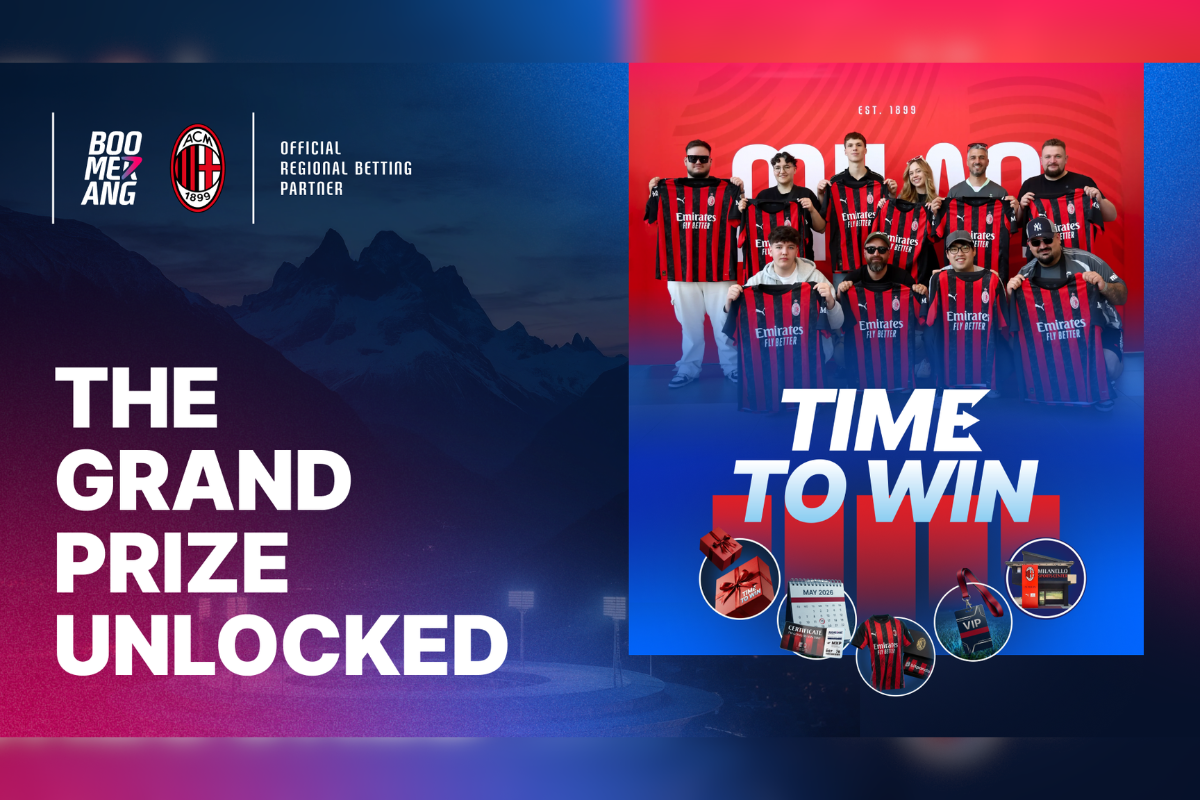
Boomerang Partners, an Official Regional Partner of AC Milan, has delivered the main prize of its completed TIME TO WIN affiliate tournament. It ran from February 12 to March 31, 2026, with 57 affiliate teams taking part. Two winning teams travelled to Milan for a three-day programme built around the Club. The winners attended AC Milan v Juventus at San Siro Stadium, visited Casa Milan and the Mondo Milan Museum, and completed the trip with an exclusive visit to Milanello Sports Centre powered by Clivet.
Matchday at San Siro opened the three-day programme


The programme began on April 26 with AC Milan v Juventus at San Siro Stadium. The winning teams arrived at the stadium ahead of kick-off and were met by an AC Milan representative, who guided the group through the matchday process.
Before the match, the guests were taken to the pitchside area to watch the teams warming up. The partners had time to take photos and videos from close to the field. After the warm-up, they watched the match from their seats and experienced the atmosphere of one of the key fixtures of the Serie A calendar. The group also had access to the hospitality lounge with food and drinks before and during the match.
Inside Casa Milan: history, trophies, and hospitality

On April 27, the programme continued at Casa Milan, where the group joined a guided Mondo Milan Museum tour in English. The tour covered AC Milan’s history, trophies, and key achievements, giving partners more context after the matchday experience at San Siro Stadium.
After the Mondo Milan Museum tour, the winners had time to visit the Casa Milan Store. The hospitality part of the day continued with snacks and drinks arranged for the group. The partners also received AC Milan shirts, which became a pleasant surprise during the visit.
The final day brought winners to Milanello


On April 28, the winners visited Milanello Sports Centre powered by Clivet, AC Milan’s legendary training base. The group was welcomed in the hospitality area before starting a tour of the facility, including the training fields and facilities used by the team.
Daniele Massaro, Club Ambassador and former AC Milan player, also joined the group at Milanello. He spoke with the guests and signed autographs. After the tour, the partners watched the team training session and joined an autograph session with the players. They also had time to speak with them, take photos, and have AC Milan shirts signed.
For the winning teams, Milanello was the strongest part of the programme. It gave them access to a setting usually closed to the public and direct contact with the Club, its players, and its training environment.
Liliia Sudachenko, Affiliate Team Lead at Boomerang Partners, who joined the winners during the trip, commented: “The trip went very well, and the feedback from partners was extremely positive. The programme was rich and very well organized, but balanced enough for everyone to enjoy all three days in Milan without feeling exhausted. The strongest emotions came from the pitchside access before AC Milan v Juventus, the warm-up at San Siro, the visit to Milanello, and the opportunity to meet the players, take photos, and get autographs. For us, the main result was stronger relationships with partners and a higher level of trust in Boomerang Partners. Everyone genuinely enjoyed the time in Milan, and for us that reaction was the best confirmation of the value of this prize.”
From TIME TO WIN to Golden Boomerang Awards 2026
Following the TIME TO WIN activation, Boomerang Partners continues its affiliate tournament series with Golden Boomerang Awards 2026. On April 3, the company launched the third season of its annual tournament for affiliate teams.
The 2026 season runs under the “Beyond the Moment” concept and includes exclusive sports experiences such as the trip to the Wimbledon Championships, the Formula 1 Grand Prix in Monza, and an exclusive dinner with an AC Milan Legend. The final ceremony will take place in Lisbon during the SBC Summit.
Further details on participation in the Golden Boomerang Awards 2026 are available on the official GBA 2026 website.
About Boomerang
Boomerang Partners is a rapidly growing global marketing agency offering a wide range of services. Boomerang Partners is an Official Regional Partner of AC Milan. In 2024, it launched the inaugural Golden Boomerang Awards – a global tournament for affiliate teams. More than 400 affiliate teams participated in the second season of the tournament in 2025. Partners of the Agency launched six new products in 2024-2025, contributing to a nearly 1.5-fold increase in product users.
The Agency’s clients’ portfolio contains 10+ brands offering affiliate and entertainment services across 40+ markets in compliance with local regulations. These products provide incentive programs and 24/7 multilingual support.
The post Boomerang Partners delivers TIME TO WIN main prize with Milanello experience appeared first on Eastern European Gaming | Global iGaming & Tech Intelligence Hub.

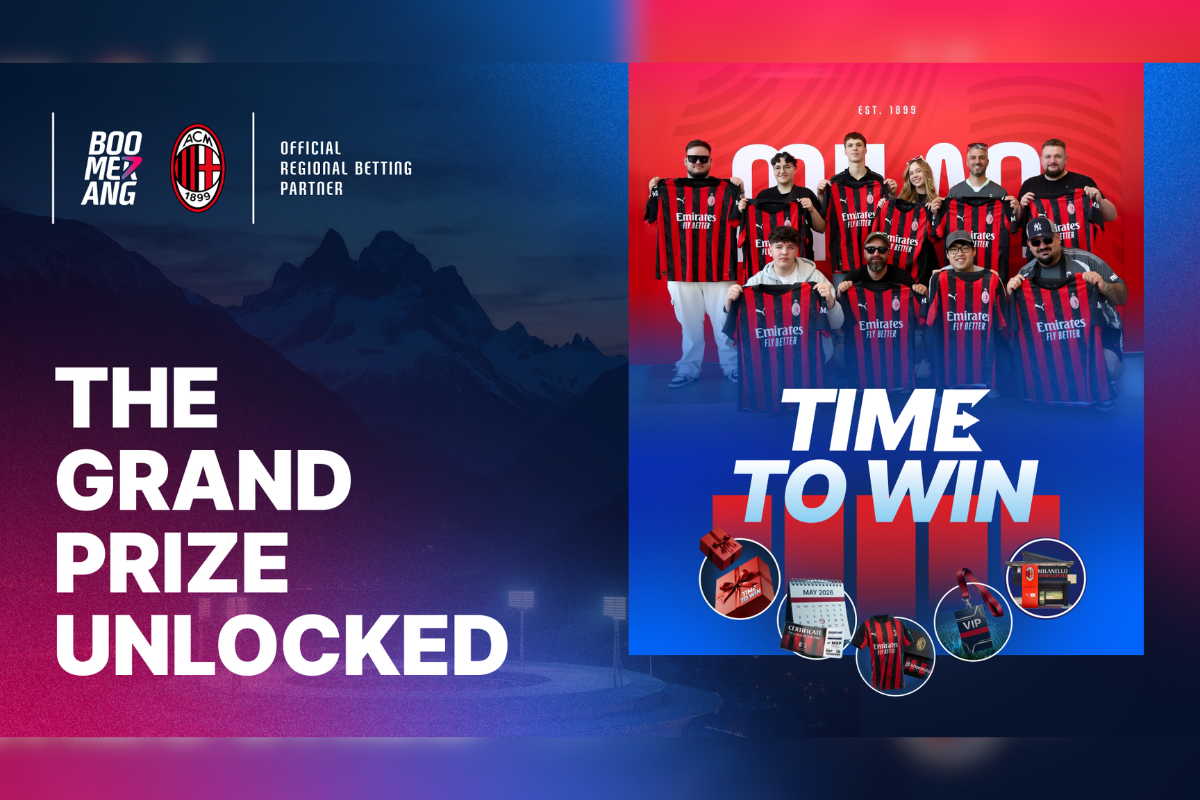
Boomerang Partners, an Official Regional Partner of AC Milan, has delivered the main prize of its completed TIME TO WIN affiliate tournament. It ran from February 12 to March 31, 2026, with 57 affiliate teams taking part. Two winning teams travelled to Milan for a three-day programme built around the Club. The winners attended AC Milan v Juventus at San Siro Stadium, visited Casa Milan and the Mondo Milan Museum, and completed the trip with an exclusive visit to Milanello Sports Centre powered by Clivet.
Matchday at San Siro opened the three-day programme
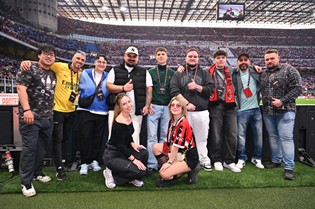
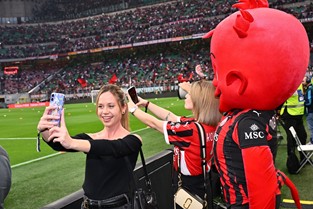
The programme began on April 26 with AC Milan v Juventus at San Siro Stadium. The winning teams arrived at the stadium ahead of kick-off and were met by an AC Milan representative, who guided the group through the matchday process.
Before the match, the guests were taken to the pitchside area to watch the teams warming up. The partners had time to take photos and videos from close to the field. After the warm-up, they watched the match from their seats and experienced the atmosphere of one of the key fixtures of the Serie A calendar. The group also had access to the hospitality lounge with food and drinks before and during the match.
Inside Casa Milan: history, trophies, and hospitality
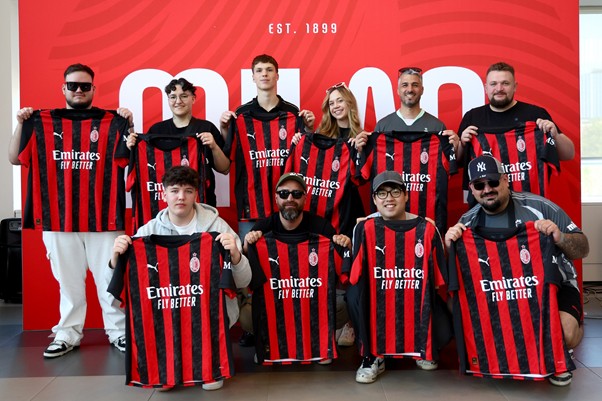
On April 27, the programme continued at Casa Milan, where the group joined a guided Mondo Milan Museum tour in English. The tour covered AC Milan’s history, trophies, and key achievements, giving partners more context after the matchday experience at San Siro Stadium.
After the Mondo Milan Museum tour, the winners had time to visit the Casa Milan Store. The hospitality part of the day continued with snacks and drinks arranged for the group. The partners also received AC Milan shirts, which became a pleasant surprise during the visit.
The final day brought winners to Milanello
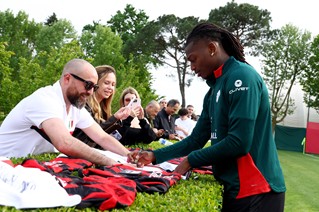
On April 28, the winners visited Milanello Sports Centre powered by Clivet, AC Milan’s legendary training base. The group was welcomed in the hospitality area before starting a tour of the facility, including the training fields and facilities used by the team.
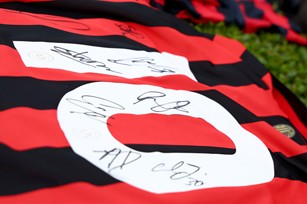
Daniele Massaro, Club Ambassador and former AC Milan player, also joined the group at Milanello. He spoke with the guests and signed autographs. After the tour, the partners watched the team training session and joined an autograph session with the players. They also had time to speak with them, take photos, and have AC Milan shirts signed.
For the winning teams, Milanello was the strongest part of the programme. It gave them access to a setting usually closed to the public and direct contact with the Club, its players, and its training environment.
Liliia Sudachenko, Affiliate Team Lead at Boomerang Partners, who joined the winners during the trip, commented: “The trip went very well, and the feedback from partners was extremely positive. The programme was rich and very well organized, but balanced enough for everyone to enjoy all three days in Milan without feeling exhausted. The strongest emotions came from the pitchside access before AC Milan v Juventus, the warm-up at San Siro, the visit to Milanello, and the opportunity to meet the players, take photos, and get autographs. For us, the main result was stronger relationships with partners and a higher level of trust in Boomerang Partners. Everyone genuinely enjoyed the time in Milan, and for us that reaction was the best confirmation of the value of this prize.”
From TIME TO WIN to Golden Boomerang Awards 2026
Following the TIME TO WIN activation, Boomerang Partners continues its affiliate tournament series with Golden Boomerang Awards 2026. On April 3, the company launched the third season of its annual tournament for affiliate teams.
The 2026 season runs under the “Beyond the Moment” concept and includes exclusive sports experiences such as the trip to the Wimbledon Championships, the Formula 1 Grand Prix in Monza, and an exclusive dinner with an AC Milan Legend. The final ceremony will take place in Lisbon during the SBC Summit.
Further details on participation in the Golden Boomerang Awards 2026 are available on the official GBA 2026 website.
About Boomerang
Boomerang Partners is a rapidly growing global marketing agency offering a wide range of services. Boomerang Partners is an Official Regional Partner of AC Milan. In 2024, it launched the inaugural Golden Boomerang Awards – a global tournament for affiliate teams. More than 400 affiliate teams participated in the second season of the tournament in 2025. Partners of the Agency launched six new products in 2024-2025, contributing to a nearly 1.5-fold increase in product users.
The Agency’s clients’ portfolio contains 10+ brands offering affiliate and entertainment services across 40+ markets in compliance with local regulations. These products provide incentive programs and 24/7 multilingual support.
The post Boomerang Partners delivers TIME TO WIN main prize with Milanello experience appeared first on Americas iGaming & Sports Betting News.

The JUSTIN2026 campaign was shot in Denver and rolls out over four weeks ahead of the 14 June event at the White House.
Duelbits has launched a branded content campaign with UFC interim Lightweight Champion Justin Gaethje, timed to UFC Freedom 250 at the White House on Saturday 14th June.
The campaign, branded JUSTIN2026, was shot on location in Denver, Colorado by UK-based creative agency YRDS. Duelbits said the content is designed as a “premium, cinematic series” and will roll out in phases over the next four weeks, peaking on event day.
According to the company, the campaign was planned before UFC Freedom was officially confirmed. Duelbits framed the early commitment as part of a strategy to move faster than traditional sportsbooks around major cultural moments.
“We didn’t want to create another sportsbook promo,” said Jasper Hoekert, Chief Marketing Officer at Duelbits. “We wanted to create something that combat sports fans want to watch, content built around Justin’s authenticity and intensity, not just his fight record. We were planning this before the White House event was even officially confirmed. When you believe in the magnitude of a moment, you don’t wait for permission to act on it.”
“Duelbits came to me with a vision, not just a brief,” said Gaethje. “They wanted to create something that reflected the reality of what I do and who I am, with no smoke and mirrors. When a brand shows up with that kind of conviction and creative ambition, you back it. This campaign is going to be something people remember.”
The post Duelbits signs Justin Gaethje for branded content ahead of UFC Freedom 250 appeared first on Eastern European Gaming | Global iGaming & Tech Intelligence Hub.

-

 Australia7 days ago
Former Star Entertainment Executives Mathias Bekier and Paula Martin Disqualified and Ordered to Pay Penalties
-
Alejandra Burato7 days ago
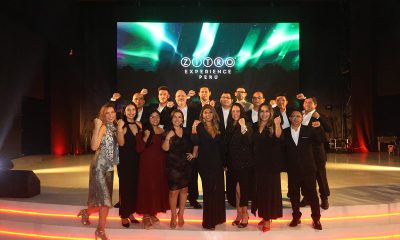
Record Attendance, Exciting New Releases, and a Resounding Success: This was Zitro Experience Peru
-
Amusnet7 days ago
Weekend Reels | Week 25: Slot Drops & Trends
-
ArenaPlus7 days ago
DigiPlus Wins “Digital Operator of the Year” Award at 2026 Global Gaming Awards Asia-Pacific
-
Anthony Dalla-Giacoma7 days ago
Elysium Studios Releases its Latest Slot Game “Hood and Loot”
-
Greece7 days ago
SYNOT Games Announces New Partnership with Superbet
-
Bragg Gaming Group4 days ago
Massive Gaming launches Blitzcrown titles on Superbet Brazil via Bragg Hub
-
BurraPay7 days ago
Byte Federal Announces Successful Launch of Custom-Built Integration Supporting BurraPay’s Historic Entry into America’s Regulated Gaming Market