Sports
Sports Betting Washington: Bovada Picked as Best WA Sportsbook

Châteauguay, May 14, 2025 (GLOBE NEWSWIRE) — 
Washington’s sports culture is as rich and diverse as its landscapes, from the roaring crowds of Lumen Field cheering on the Seahawks to the dedicated college basketball fandom of Gonzaga Bulldog supporters.
For sports enthusiasts in the state, Bovada has emerged as a reliable platform for sports betting, offering convenience, variety, and value through a 75% match bonus of up to $750 for crypto deposits. Whether it’s football, basketball, or tennis, Bovada provides an exciting way to engage with your favorite sports.
JOIN BOVADA AND CLAIM YOUR $750 BONUS TODAY!
Overview of Bovada, the Best Sports Betting Site in Washington
Washington has a vibrant sports culture that naturally lends itself to sports betting. While cheering for the Seahawks, Mariners, Kraken, or Huskies, fans across the state look to Bovada to enhance their sporting experience. Bovada stands out for its intuitive platform, vast betting markets, and tailored bonuses. Whether you’re a newcomer or a seasoned bettor, Bovada ensures that Washington players enjoy safe, seamless, and rewarding betting experiences.
Bovada is designed to accommodate the lifestyle of Washingtonians, providing mobile-friendly access that works just as well from coffee shops in Seattle as it does from remote cabins near Mount Rainier. With diverse wagering options and cutting-edge features like live betting, Bovada transforms the way users interact with sports while making every match even more thrilling.
Pros of Bovada
- Comprehensive Betting Markets
Bovada covers an extensive range of sports, from NFL games featuring the Seahawks to niche sports like rugby or MMA, ensuring something for every type of Washington sports enthusiast. - Attractive Crypto Bonus
With a 75% match up to $750 for crypto deposits, Washington users get excellent value while boosting the security and speed of transactions using Bitcoin or other cryptocurrencies. - User-Friendly Interface
Navigating Bovada is simple, whether on a desktop or mobile device, which is perfect for Washington players juggling busy schedules. - Live Betting Feature
Bovada’s live betting lets you place bets while games are in progress, adding extra excitement to Seahawks or Gonzaga games and letting you adjust bets based on real-time action. - Dedicated Prop Bets
Prop bets, like predicting player performance, bring a fun and strategic twist to sports betting, allowing fans to engage at deeper levels during Washington-based games.
Cons of Bovada
- Absence of Certain Niche Sports
Although comprehensive, Bovada’s library lacks some hyper-local or less popular sports, which might not meet the specific interests of some Washington users. - Withdrawal Times for Non-Crypto Methods
While crypto payouts are fast, traditional withdrawal methods may take longer, which could inconvenience some players.
How to Join Sports Betting Washington Sites
Setting up your Bovada account to start betting on your favorite sports in Washington is quick and straightforward. Follow these steps to get started today:
- Create Your Bovada Account
Click Here to Sign Up with Bovada, and register by entering your details, including email and Washington ZIP code, to personalize your experience. - Choose Your Deposit Option
Take advantage of Bovada’s secure and varied payment methods. For crypto users, this is where you unlock the 75% match bonus worth up to $750. - Explore the Betting Markets
From NFL games featuring the Seahawks to Sounders matches, you’ll find betting markets that cover all your favorite teams and sports. - Place Your First Bet
Make your predictions and immerse yourself in Bovada’s betting experiences, from pre-game wagers to real-time updates through live betting.
DON’T MISS YOUR CHANCE – SIGN UP WITH BOVADA TODAY!
How We Ranked Sports Betting Washington Platforms
Choosing the right platform for sports betting in Washington means focusing on what truly enhances user experience. Here’s what we considered when recommending Bovada:
- Depth of Betting Markets
Platforms offering a mix of mainstream and niche sports ranked higher, ensuring broad appeal to Washington sports fans, whether they follow football, soccer, or even esports. - Bonuses and Promotions
Valuable bonuses, like Bovada’s crypto deposit rewards, make platforms more appealing by extending betting funds. - Ease of Use
Whether exploring from a desktop in Tacoma or a smartphone in Bellevue, navigation should be effortless and intuitive. - Live Betting Capabilities
Platforms with robust real-time betting features earned top marks because live betting significantly enhances fan interaction. - Payment Security and Speed
Bovada scored high for offering fast, secure payment options like cryptocurrency, tailored to Washington users’ preferences.
Betting Options at Online Sports Betting Sites in Washington
Bovada’s betting markets offer exceptional variety and depth, providing Washington players with endless possibilities tailored to different interests:
- Traditional Bets (Moneylines, Spreads, Totals)
Predict which team will win, the margin, or total points scored in various Washington sports events, from Mariners MLB matchups to Huskies NCAA football games. - Prop Bets
Take game engagement to another level with prop bets. Predict quarterback passing yards or the number of goals scored by the Seattle Kraken in a game. - Live Bets
Perfect for adrenaline junkies, live betting lets Washington players adjust their bets as events unfold in real time. For example, bet on the next scoring player during a Seahawks game. - Parlays
Combine multiple predictions into one wager for bigger potential payouts. Imagine betting on a Seahawks win, a Sounders game total, and a Gonzaga victory all in one go! - Futures Bets
Predict season-long outcomes, like the Seahawks making the playoffs or a specific Gonzaga player winning an award.
This array of choices ensures that sports fans from Spokane to Tacoma can find bets that match their level of engagement and interests.
Payment Methods at Online Sportsbooks in Washington
Bovada offers a variety of payment options tailored to Washington players, accommodating both traditional bettors and tech-savvy crypto users:
- Cryptocurrencies
Bitcoin and Ethereum provide fast and private transactions, and, best of all, crypto users can claim Bovada’s 75% match bonus up to $750. - Credit/Debit Cards
Familiar and reliable, Visa and Mastercard streamline deposits, making them a great choice for first-time bettors in Washington. - E-Wallets
E-wallet providers offer speedy withdrawal times with added convenience. - Bank Transfers
Ideal for players making high-value deposits or withdrawals in Washington, this method emphasizes security and scale.
These transactions are protected by encryption technology, ensuring that all financial details remain safe while Washington users enjoy their betting adventures.
Responsible Gambling at Washington Online Sportsbooks
Bovada takes responsible gambling seriously, providing tools and resources to ensure that every Washington player can enjoy the platform safely:
- Deposit Limits
Washington users can set spending limits to better manage their budgets. - Self-Exclusion Options
Tools allow players to take temporary breaks from betting if they feel it’s necessary. - Resourceful Support
Bovada provides links to professional assistance for anyone seeking help with gambling during difficult times.
Washington players can count on Bovada as a responsible platform that prioritizes user well-being.
SPORTS BETTING IN WASHINGTON IS JUST A CLICK AWAY – JOIN BOVADA!
Editorial Note
This article is provided solely for informational and entertainment purposes. Nothing within should be interpreted as legal, financial, or professional advice. Readers should carry out their own research before participating in any gambling activities or signing up with any online casinos mentioned.
Gambling Caution
Online gambling comes with financial risks and may lead to addictive behavior or monetary loss. We urge all readers to gamble responsibly. If you or someone you know is struggling with gambling, professional help is available. The National Council on Problem Gambling (NCPG) can be contacted at 1-800-522-4700 or visited online at www.ncpgambling.org.
21+ only. It is up to each individual to verify whether online gambling is permitted under their local, state, or federal laws. Neither the publisher, the authors, nor any syndication partners condone or support unlawful gambling. Participation in online gambling is done at the reader’s own discretion and risk.
Affiliate Transparency
This article may include affiliate links. If you click on a link and make a purchase or register, a commission may be earned, at no extra cost to you.
Syndication and Liability Disclaimer
Any third-party publishers, media platforms, or syndication partners that republish this content do so understanding that it is meant for informational purposes only. These entities are not responsible for the legality, accuracy, or interpretation of the material.
Attachment
CONTACT: Châteauguay, Quebec, J0L 1B0, Canada
BOVADA
[email protected]



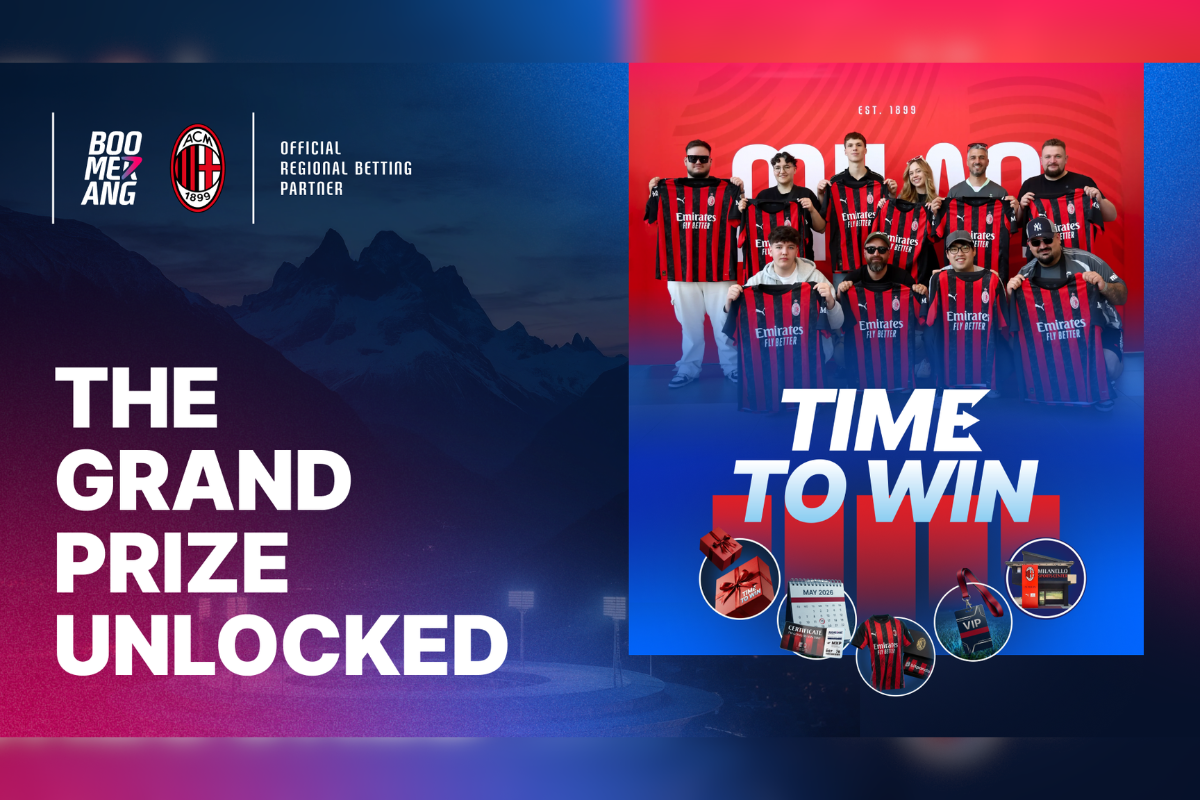
Boomerang Partners, an Official Regional Partner of AC Milan, has delivered the main prize of its completed TIME TO WIN affiliate tournament. It ran from February 12 to March 31, 2026, with 57 affiliate teams taking part. Two winning teams travelled to Milan for a three-day programme built around the Club. The winners attended AC Milan v Juventus at San Siro Stadium, visited Casa Milan and the Mondo Milan Museum, and completed the trip with an exclusive visit to Milanello Sports Centre powered by Clivet.
Matchday at San Siro opened the three-day programme


The programme began on April 26 with AC Milan v Juventus at San Siro Stadium. The winning teams arrived at the stadium ahead of kick-off and were met by an AC Milan representative, who guided the group through the matchday process.
Before the match, the guests were taken to the pitchside area to watch the teams warming up. The partners had time to take photos and videos from close to the field. After the warm-up, they watched the match from their seats and experienced the atmosphere of one of the key fixtures of the Serie A calendar. The group also had access to the hospitality lounge with food and drinks before and during the match.
Inside Casa Milan: history, trophies, and hospitality

On April 27, the programme continued at Casa Milan, where the group joined a guided Mondo Milan Museum tour in English. The tour covered AC Milan’s history, trophies, and key achievements, giving partners more context after the matchday experience at San Siro Stadium.
After the Mondo Milan Museum tour, the winners had time to visit the Casa Milan Store. The hospitality part of the day continued with snacks and drinks arranged for the group. The partners also received AC Milan shirts, which became a pleasant surprise during the visit.
The final day brought winners to Milanello


On April 28, the winners visited Milanello Sports Centre powered by Clivet, AC Milan’s legendary training base. The group was welcomed in the hospitality area before starting a tour of the facility, including the training fields and facilities used by the team.
Daniele Massaro, Club Ambassador and former AC Milan player, also joined the group at Milanello. He spoke with the guests and signed autographs. After the tour, the partners watched the team training session and joined an autograph session with the players. They also had time to speak with them, take photos, and have AC Milan shirts signed.
For the winning teams, Milanello was the strongest part of the programme. It gave them access to a setting usually closed to the public and direct contact with the Club, its players, and its training environment.
Liliia Sudachenko, Affiliate Team Lead at Boomerang Partners, who joined the winners during the trip, commented: “The trip went very well, and the feedback from partners was extremely positive. The programme was rich and very well organized, but balanced enough for everyone to enjoy all three days in Milan without feeling exhausted. The strongest emotions came from the pitchside access before AC Milan v Juventus, the warm-up at San Siro, the visit to Milanello, and the opportunity to meet the players, take photos, and get autographs. For us, the main result was stronger relationships with partners and a higher level of trust in Boomerang Partners. Everyone genuinely enjoyed the time in Milan, and for us that reaction was the best confirmation of the value of this prize.”
From TIME TO WIN to Golden Boomerang Awards 2026
Following the TIME TO WIN activation, Boomerang Partners continues its affiliate tournament series with Golden Boomerang Awards 2026. On April 3, the company launched the third season of its annual tournament for affiliate teams.
The 2026 season runs under the “Beyond the Moment” concept and includes exclusive sports experiences such as the trip to the Wimbledon Championships, the Formula 1 Grand Prix in Monza, and an exclusive dinner with an AC Milan Legend. The final ceremony will take place in Lisbon during the SBC Summit.
Further details on participation in the Golden Boomerang Awards 2026 are available on the official GBA 2026 website.
About Boomerang
Boomerang Partners is a rapidly growing global marketing agency offering a wide range of services. Boomerang Partners is an Official Regional Partner of AC Milan. In 2024, it launched the inaugural Golden Boomerang Awards – a global tournament for affiliate teams. More than 400 affiliate teams participated in the second season of the tournament in 2025. Partners of the Agency launched six new products in 2024-2025, contributing to a nearly 1.5-fold increase in product users.
The Agency’s clients’ portfolio contains 10+ brands offering affiliate and entertainment services across 40+ markets in compliance with local regulations. These products provide incentive programs and 24/7 multilingual support.
The post Boomerang Partners delivers TIME TO WIN main prize with Milanello experience appeared first on Eastern European Gaming | Global iGaming & Tech Intelligence Hub.

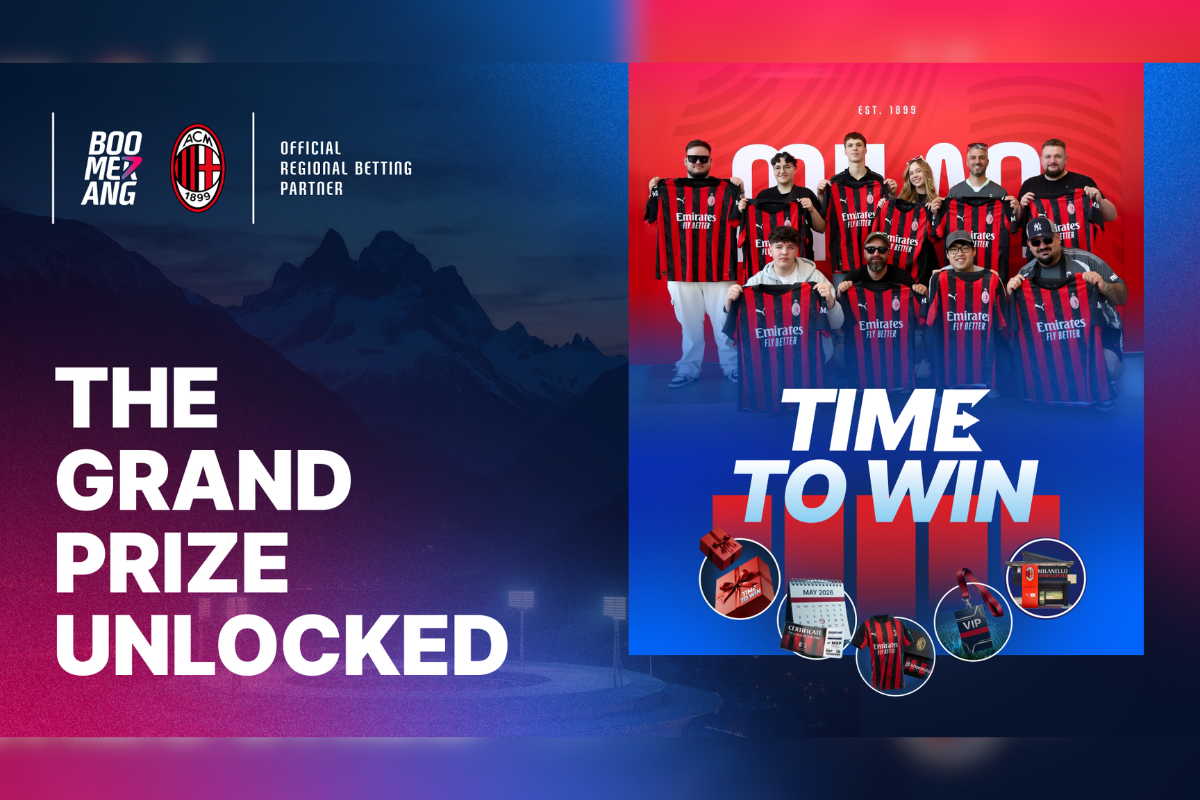
Boomerang Partners, an Official Regional Partner of AC Milan, has delivered the main prize of its completed TIME TO WIN affiliate tournament. It ran from February 12 to March 31, 2026, with 57 affiliate teams taking part. Two winning teams travelled to Milan for a three-day programme built around the Club. The winners attended AC Milan v Juventus at San Siro Stadium, visited Casa Milan and the Mondo Milan Museum, and completed the trip with an exclusive visit to Milanello Sports Centre powered by Clivet.
Matchday at San Siro opened the three-day programme
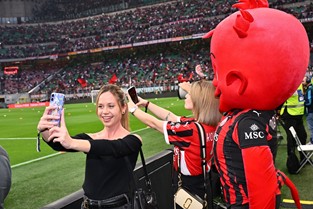
The programme began on April 26 with AC Milan v Juventus at San Siro Stadium. The winning teams arrived at the stadium ahead of kick-off and were met by an AC Milan representative, who guided the group through the matchday process.
Before the match, the guests were taken to the pitchside area to watch the teams warming up. The partners had time to take photos and videos from close to the field. After the warm-up, they watched the match from their seats and experienced the atmosphere of one of the key fixtures of the Serie A calendar. The group also had access to the hospitality lounge with food and drinks before and during the match.
Inside Casa Milan: history, trophies, and hospitality
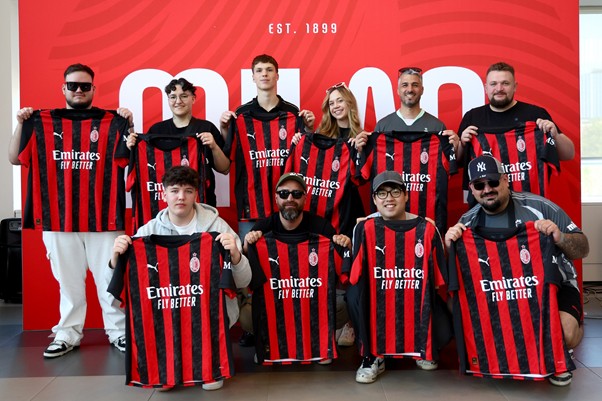
On April 27, the programme continued at Casa Milan, where the group joined a guided Mondo Milan Museum tour in English. The tour covered AC Milan’s history, trophies, and key achievements, giving partners more context after the matchday experience at San Siro Stadium.
After the Mondo Milan Museum tour, the winners had time to visit the Casa Milan Store. The hospitality part of the day continued with snacks and drinks arranged for the group. The partners also received AC Milan shirts, which became a pleasant surprise during the visit.
The final day brought winners to Milanello
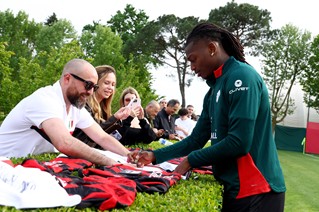
On April 28, the winners visited Milanello Sports Centre powered by Clivet, AC Milan’s legendary training base. The group was welcomed in the hospitality area before starting a tour of the facility, including the training fields and facilities used by the team.
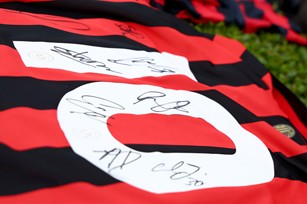
Daniele Massaro, Club Ambassador and former AC Milan player, also joined the group at Milanello. He spoke with the guests and signed autographs. After the tour, the partners watched the team training session and joined an autograph session with the players. They also had time to speak with them, take photos, and have AC Milan shirts signed.
For the winning teams, Milanello was the strongest part of the programme. It gave them access to a setting usually closed to the public and direct contact with the Club, its players, and its training environment.
Liliia Sudachenko, Affiliate Team Lead at Boomerang Partners, who joined the winners during the trip, commented: “The trip went very well, and the feedback from partners was extremely positive. The programme was rich and very well organized, but balanced enough for everyone to enjoy all three days in Milan without feeling exhausted. The strongest emotions came from the pitchside access before AC Milan v Juventus, the warm-up at San Siro, the visit to Milanello, and the opportunity to meet the players, take photos, and get autographs. For us, the main result was stronger relationships with partners and a higher level of trust in Boomerang Partners. Everyone genuinely enjoyed the time in Milan, and for us that reaction was the best confirmation of the value of this prize.”
From TIME TO WIN to Golden Boomerang Awards 2026
Following the TIME TO WIN activation, Boomerang Partners continues its affiliate tournament series with Golden Boomerang Awards 2026. On April 3, the company launched the third season of its annual tournament for affiliate teams.
The 2026 season runs under the “Beyond the Moment” concept and includes exclusive sports experiences such as the trip to the Wimbledon Championships, the Formula 1 Grand Prix in Monza, and an exclusive dinner with an AC Milan Legend. The final ceremony will take place in Lisbon during the SBC Summit.
Further details on participation in the Golden Boomerang Awards 2026 are available on the official GBA 2026 website.
About Boomerang
Boomerang Partners is a rapidly growing global marketing agency offering a wide range of services. Boomerang Partners is an Official Regional Partner of AC Milan. In 2024, it launched the inaugural Golden Boomerang Awards – a global tournament for affiliate teams. More than 400 affiliate teams participated in the second season of the tournament in 2025. Partners of the Agency launched six new products in 2024-2025, contributing to a nearly 1.5-fold increase in product users.
The Agency’s clients’ portfolio contains 10+ brands offering affiliate and entertainment services across 40+ markets in compliance with local regulations. These products provide incentive programs and 24/7 multilingual support.
The post Boomerang Partners delivers TIME TO WIN main prize with Milanello experience appeared first on Americas iGaming & Sports Betting News.
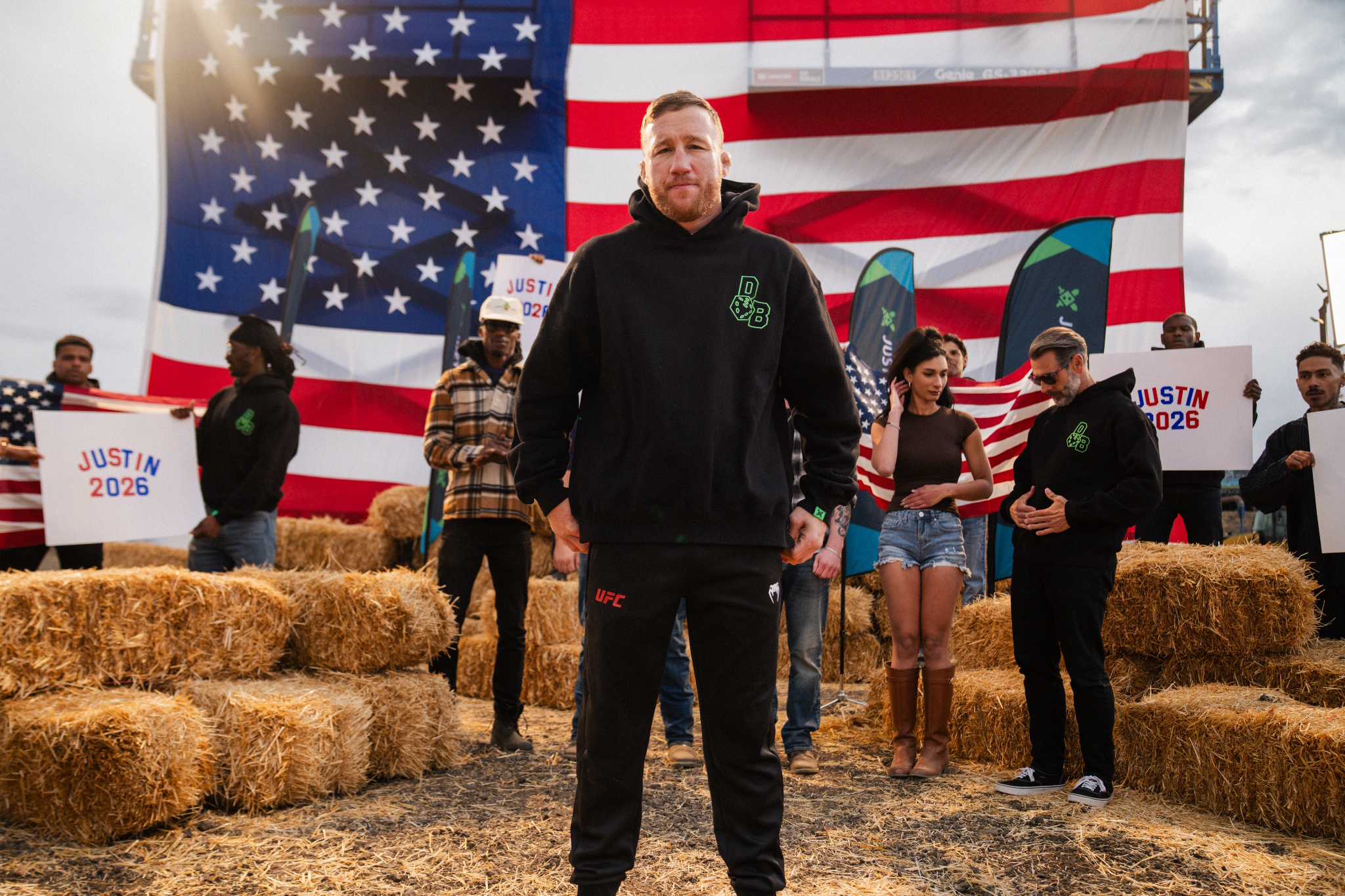
The JUSTIN2026 campaign was shot in Denver and rolls out over four weeks ahead of the 14 June event at the White House.
Duelbits has launched a branded content campaign with UFC interim Lightweight Champion Justin Gaethje, timed to UFC Freedom 250 at the White House on Saturday 14th June.
The campaign, branded JUSTIN2026, was shot on location in Denver, Colorado by UK-based creative agency YRDS. Duelbits said the content is designed as a “premium, cinematic series” and will roll out in phases over the next four weeks, peaking on event day.
According to the company, the campaign was planned before UFC Freedom was officially confirmed. Duelbits framed the early commitment as part of a strategy to move faster than traditional sportsbooks around major cultural moments.
“We didn’t want to create another sportsbook promo,” said Jasper Hoekert, Chief Marketing Officer at Duelbits. “We wanted to create something that combat sports fans want to watch, content built around Justin’s authenticity and intensity, not just his fight record. We were planning this before the White House event was even officially confirmed. When you believe in the magnitude of a moment, you don’t wait for permission to act on it.”
“Duelbits came to me with a vision, not just a brief,” said Gaethje. “They wanted to create something that reflected the reality of what I do and who I am, with no smoke and mirrors. When a brand shows up with that kind of conviction and creative ambition, you back it. This campaign is going to be something people remember.”
The post Duelbits signs Justin Gaethje for branded content ahead of UFC Freedom 250 appeared first on Eastern European Gaming | Global iGaming & Tech Intelligence Hub.

-

 Australia7 days ago
Former Star Entertainment Executives Mathias Bekier and Paula Martin Disqualified and Ordered to Pay Penalties
-
Alejandra Burato7 days ago
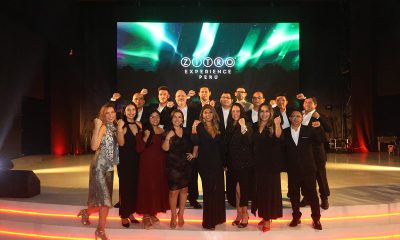
Record Attendance, Exciting New Releases, and a Resounding Success: This was Zitro Experience Peru
-
Amusnet7 days ago
Weekend Reels | Week 25: Slot Drops & Trends
-
ArenaPlus7 days ago
DigiPlus Wins “Digital Operator of the Year” Award at 2026 Global Gaming Awards Asia-Pacific
-
Anthony Dalla-Giacoma7 days ago
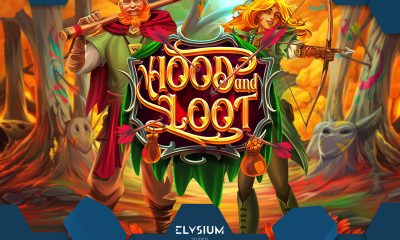
Elysium Studios Releases its Latest Slot Game “Hood and Loot”
-
Greece7 days ago
SYNOT Games Announces New Partnership with Superbet
-
Bragg Gaming Group4 days ago
Massive Gaming launches Blitzcrown titles on Superbet Brazil via Bragg Hub
-
BurraPay7 days ago
Byte Federal Announces Successful Launch of Custom-Built Integration Supporting BurraPay’s Historic Entry into America’s Regulated Gaming Market