Latest News
Week 40/2021 slot games releases


Here are this weeks latest slots releases!
Belatra Games, the specialist online slots developer, is foreseeing a fantastic future for players of its latest slot, Fortune Craft. This supernatural slot asks players to craft a fortune amongst a mystic backdrop that is surrounded by calming candles and peaceful melodies. A crystal-gazing fortune teller represents the Wild, while the magic ball is the Scatter symbol. When the Wild fortune teller symbol materialises onto the reels, it replaces all the regular icons and will boost the chances of securing huge payouts.
Realistic Games has released its latest arcade-style slot, Mice ‘N’ Easy! A 3-reel, 1 win-line game with holds, nudges and a win streak feature, Mice ‘N’ Easy! imbues a classic style that is still loved by legions of fans and with its low volatility, also makes it a perfect game for those new to online slots. Payouts are awarded when three of the same symbols appear on the win line. Any win can be followed by a hold, or a series of holds, which may be offered at random with a maximum of nine holds on offer.
Yggdrasil, has partnered with Reel Life Games to release its tropical undertaking, Winfall in Paradise. A majestic isle is the site of huge riches in the YG Masters program’s latest innovative hit and the 4×5, 20 payline slot is packed full of features. When a Wheel symbol lands on the fifth reel at any point, the Bonus Wheel is immediately triggered. This will show the three Bonus Features that can be awarded in multiple combinations. These are The Wave, The Wind and The Volcano.
BGaming is delighted to add one more traditional-style game to its collection! In addition to Fruit Million and All Lucky Clover slots, the brand’s new title called Miss Cherry Fruits is already available for players! The slot surprises players with fresh gorgeous graphics and impressive features! Juicy fruits along with stars and number 7 transform into winning combinations!
Evoplay has just announced the launch of its latest adventure-packed title inspired by ancient Egyptian deity, Anubis’ Moon. Having visited the genre recently with hit Curse of Pharaoh, Evoplay is back with a stirring journey that takes players back thousands of years to the times of ancient civilisations, in search of valuable treasure. Located in the temple that was once home to the wealthiest and most powerful Priestesses in ancient times, players will be able to find valuable treasure and precious jewels, but first they will need to gain entry from the great Sphinxes that guard the temple.
Relax Gaming, sees players stand with the Greek God Helios and save the city of Rhodes from flames in its latest slot, Helios’ Fury. This exciting 5×3 adventure of wild warships on bronze waves finds players searching for winning combinations of three or more connected ways using innovatively designed ancient Greek symbols. Helios’ Fury has 99 connected ways in the base game and 259 connected ways in Fury Free Spins, allowing players to win big.
CT Interactive released a new Asian-themed slot game Kingdom Treasures, offering thrilling experience and excitement with multipliers, Scatter and a Wild symbol. The game takes to treasure hunting, so hit the reels and meet the Asian inspired characters. Kingdom Treasures has an appealing interface, balancing the ornate red and gold colour and the Asian inspired background. Moreover, the game has an assortment of vivid symbols and lucrative prizes.
iSoftBet, has unveiled its spooky Halloween hit, Brides of Dracula Hold & Win. The latest instalment in the Twisted Tale series, Brides of Dracula is a terrifying Hold and Win hit set in the grounds of Dracula’s haunted lair, set on a 5×3, 25 payline grid that brings in game modifiers, Bonus Rounds and more. On any regular spin the Pick a Letter feature can be triggered, offering players one of three letters to choose, each of which will represent a different modifier. These include Win Spin, Bonus Add or Wild Desire.
Hold onto your lucky clovers – Stakelogic are back with a brand-new Irish adventure! Join them on a magical journey to the land of rolling green hills and frothy jugs of beer in Lucky Gold Pot and you could find there’s a fortune waiting for you at the end of the rainbow. Played out on a 5×3 reel matrix that features 20 paylines, Lucky Gold Pot is a charming trip to the Emerald Isle that gives players the chance to conjure up huge wins thanks to its ever-present multiplier wilds and a Free Spins feature that grants 15 bonus games with all payouts being boosted.
Play’n GO delve into the dark realms of Alice Cooper’s psyche with their latest release, Alice Cooper and the Tome of Madness. When exploring the city of his latest musical tour venue, Alice comes across an eerie bookstore. While running his fingers along the spines of old books, he lands on a journal that piques his curiosity. When opening the book, Alice finds that the pages are blank. Intrigued, he buys the book.
Playson has released Spirit of Egypt: Hold and Win, an immersive ancient Egyptian adventure slot that features merging Bonus symbols to deliver untold riches. The latest 3×5 slot featuring Hold and Win mechanics offers players endless entertainment as they navigate through the ancient ruins of Egypt in a bid to win big. Players will be mesmerised by the title’s intriguing Bonus Scarab Symbols which merge and enlarge to provide users with larger pay-outs during the Bonus Game.
Inspired Entertainment, Inc. is pleased to announce the launch of Reel Spooky King Megaways game mechanic to give players 117,649 ways to win on every spin. Available online and on mobile. Set in the moonlit night, the game’s eerie background, classic Halloween imagery and immersive ghostly soundtrack will heighten the player’s senses, for an engaging and highly entertaining twist on Inspired’s successful, hit slot, Reel King Megaways
Pragmatic Play, a leading content provider to the iGaming industry, invites players to try their luck in an atypical new release, Piggy Bank Bills
Powered by WPeMatico


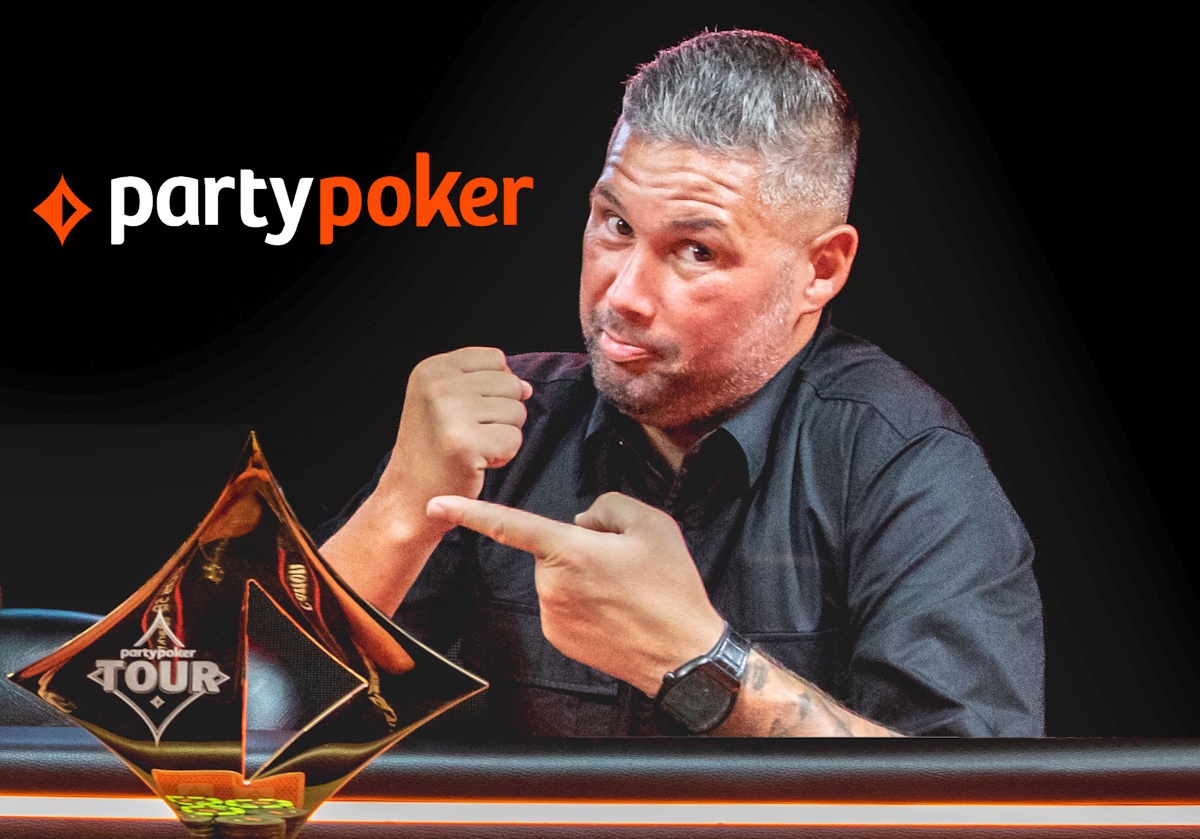
Former WBC cruiserweight champion to appear at PartyPoker Tour UK stops and take part in online activations.
PartyPoker has appointed former WBC Cruiserweight World Champion Tony Bellew as a brand ambassador for the remainder of 2026, with appearances tied to the operator’s live PartyPoker Tour and online poker offering.
The company said Bellew will be “a regular face” at its remaining UK tour stops this season following an earlier appearance at the PartyPoker Tour Birmingham. Bellew will also take part in online activity linked to the PartyPoker schedule.
“I had such a great time at the PartyPoker Tour Birmingham. The atmosphere, the people and the passion for the game were incredible. I’m really excited to be joining the PartyPoker team for the rest of the year, getting involved at the live events, meeting players and seeing where the cards take me,” Bellew said.
PartyPoker said Bellew is scheduled to attend each remaining UK stop on the 2026 PartyPoker Tour: London in July, Glasgow in August, Cork in November, and London in December. The operator also referenced a series of exclusive online events running alongside the live calendar.
The post Tony Bellew signs as PartyPoker brand ambassador through 2026 appeared first on EE Gaming | Global iGaming & Tech Intelligence Hub.

Cease-and-desist letters cite alleged felonies and underage access tied to BetOpenly, Bookmaker, Club WPT Online Poker, Kutt Inc., and Raffle Creator.
The Arizona Department of Gaming said it has issued cease-and-desist orders to five online platforms—BetOpenly, Bookmaker, Club WPT Online Poker, Kutt Inc., and Raffle Creator—after investigations that the Department says involved alleged illegal gambling activity and underage access in Arizona.
In its announcement, the Department said each enforcement action alleges conduct giving rise to three felonies under Arizona law: promotion of gambling, illegal control of an enterprise, and money laundering. The agency cited Arizona’s prohibition on gambling unless specifically authorized (Ariz. Rev. Stat. Tit. 13, Ch. 33) and said the legal gambling age in the state is 21.
“Arizona is taking decisive action against illegal gambling operators that put Arizonans at risk,” said Jackie Johnson, Department Director. “Our top priority is protecting Arizonans and I’m grateful for the efforts of our intelligence unit led by Chief Law Enforcement Officer Doug Jensen to do just that. Through these cease-and-desist orders we are putting operators on notice: their conduct runs contrary to Arizona law and they must stop promoting illegal gambling.”
The Department’s letters describe different alleged violations by operator. For BetOpenly, the Department said peer-to-peer gambling rules prohibit third-party benefit, and alleged the platform benefited via a commission structure while enabling event wagering and daily fantasy sports contests without the required state licenses, including availability to underage Arizonans. For Bookmaker, the Department said its investigation found wagering on horse racing, casino games, and sports betting without an event wagering license or an advanced deposit wagering provider license, adding that online casino games are not legal in Arizona.
For Club WPT Online Poker, the Department alleged the platform enabled individuals under 21 in Arizona to enter pay-to-play online poker tournaments for prizes while using deceptive “no purchase necessary” language; the Department said online poker is illegal in Arizona. For Kutt Inc., the Department said Arizona “social” gambling prohibits third-party benefit and directed the operator to stop allowing Arizona users to deposit money and wager on sports, politics, pop culture, and casino-style games. For Raffle Creator, the Department said the operator did not meet requirements that allow Arizona nonprofits to conduct lawful raffles and alleged it allowed people under 21 to purchase tickets for prize chances.
The Department said the notified entities are directed to immediately stop all gambling operations and activities in Arizona “whether through mobile applications, online, or otherwise,” and to cease any future illegal gambling in the state. It added that future actions may include criminal charges or civil action against entities, principals, and employees, and that operators “may be subject to a potential award of restitution” and forfeiture of monies acquired due to the alleged conduct.
The post Arizona regulator orders five operators to stop alleged illegal gambling activity appeared first on EE Gaming | Global iGaming & Tech Intelligence Hub.

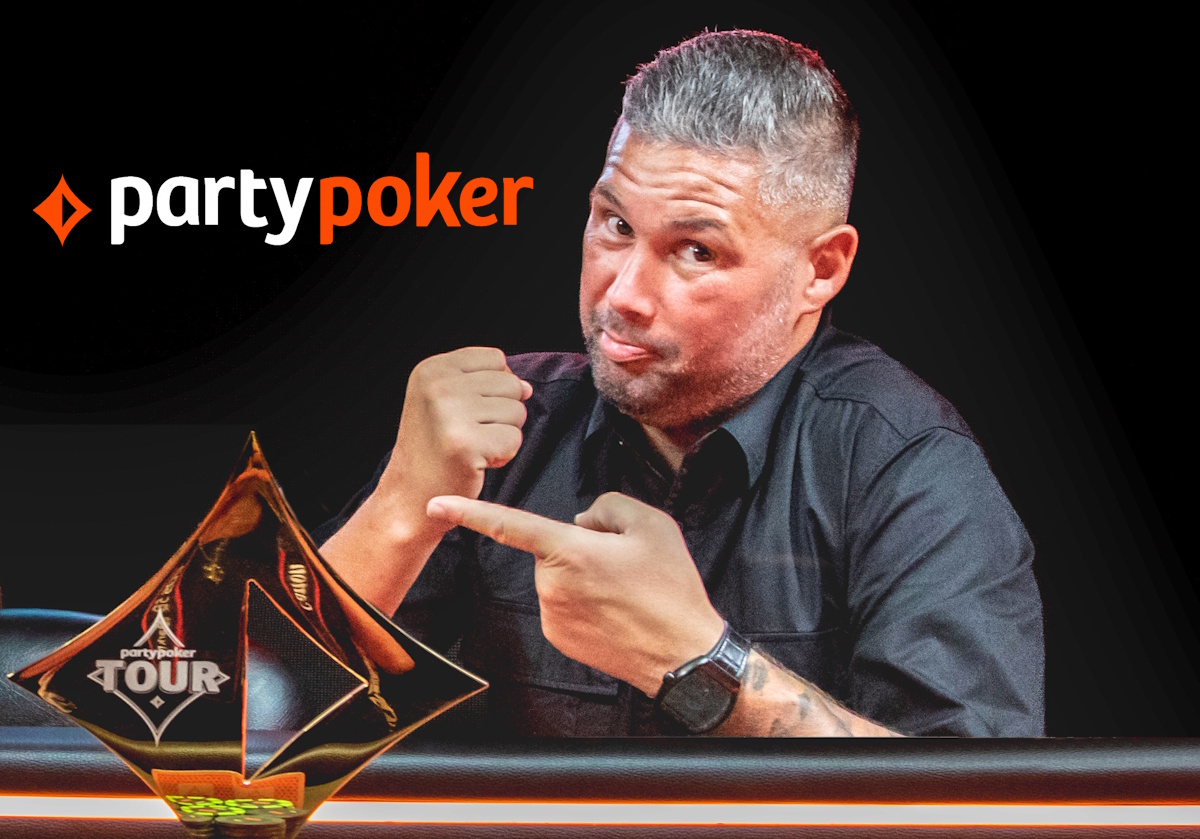
Tony Bellew has officially joined the PartyPoker Brand Ambassador team for the remainder of 2026, strengthening the brand’s growing roster of ambassadors and reinforcing its commitment to bringing poker to a wider audience.
A former WBC Cruiserweight World Champion and one of Britain’s most recognisable sporting personalities, Bellew will play an active role across both PartyPoker’s live tour and online offering throughout the rest of the year.
Speaking about joining the team, Tony Bellew said: “I had such a great time at the PartyPoker Tour Birmingham. The atmosphere, the people and the passion for the game were incredible. I’m really excited to be joining the PartyPoker team for the rest of the year, getting involved at the live events, meeting players and seeing where the cards take me.”
His return follows a hugely successful appearance at the PartyPoker Tour Birmingham earlier this year, where he embraced the atmosphere, spent time with players and immersed himself in the event. After thoroughly enjoying the experience, Bellew will now become a regular face at the remaining UK stops on the PartyPoker Tour throughout the rest of the 2026 season.
As part of his ambassadorial role, Bellew will attend every remaining UK stop PartyPoker Tour in 2026:
- London – July
- Glasgow – August
- Cork – November
- London – December
With four live festival stops and a series of exclusive online events still to come, players will have plenty of opportunities to meet Bellew at the tables throughout the remainder of the 2026 PartyPoker calendar. Look out for opportunities to take him on online, and at the PartyPoker Tour in Glasgow, Cork and London.
Stay Connected PartyPoker
- Instagram: @partypoker
- Twitter/X: @partypoker
- YouTube: partypokeryt
- Facebook: partypoker
- Discord: PartyPoker Tour
The post Former WBC World Champion Tony Bellew Joins PartyPoker as Brand Ambassador appeared first on Americas iGaming & Sports Betting News.

-

 10bet6 days ago
Ellis Park Stadium signs five-year naming rights deal with 10bet
-
Bucharest5 days ago
Eeze opens 1,200 sqm Bucharest hub for technical teams
-
central asia6 days ago
Groove confirms attendance at SBC Summit Tbilisi 2026
-
API integration5 days ago
Belatra signs cooperation deal to distribute slots via VeliGames
-
AB Trav och Galopp4 days ago
BetMakers Technology Group Selected to Distribute ATG Horse Racing Content Across Australia and New Zealand
-
Aviator5 days ago
Pernambuco court revokes Spribe’s interim relief in Aviator trademark dispute
-
affiliate marketing5 days ago
SEOBROTHERS’ Aleksandra Drigo flags higher barriers for affiliates in regulated Alberta
-
BETANO5 days ago
Play’n GO strengthens Latin American presence with Betano Colombia launch