Brazil
Esportes da Sorte launches “Summon the Fun” for Carnival 2026

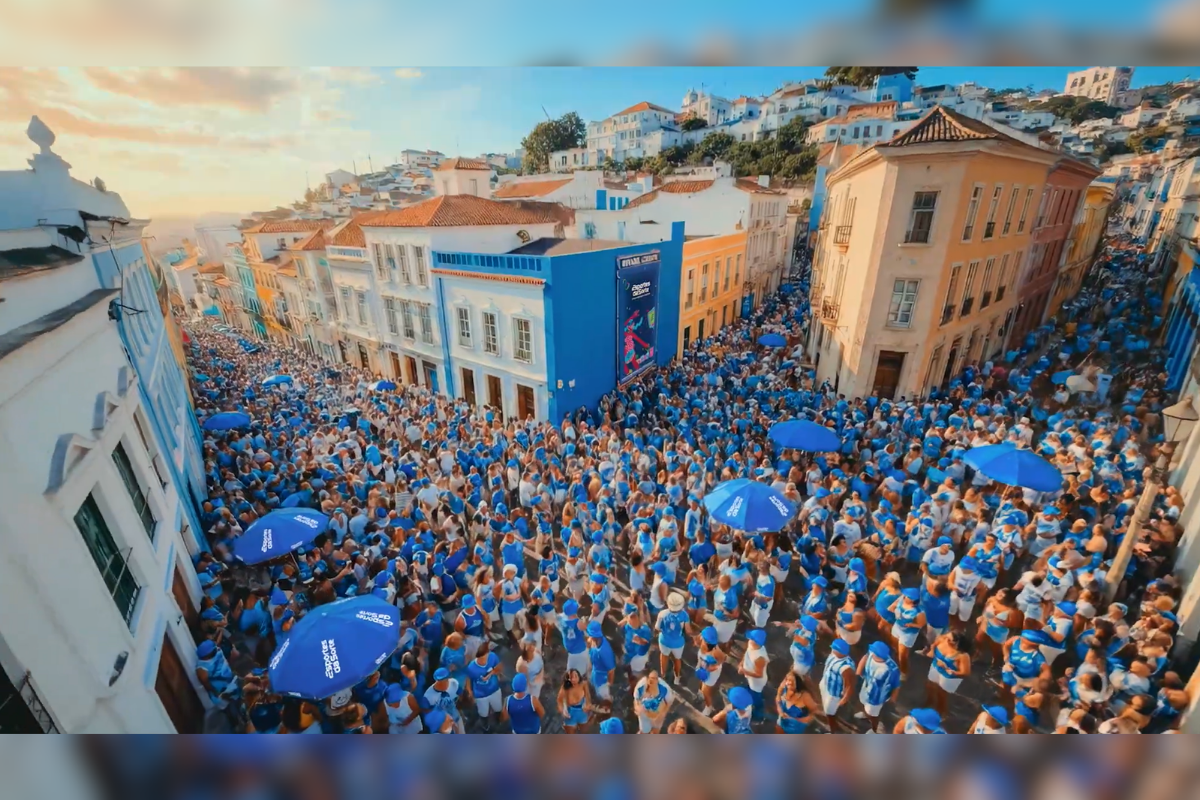
Leading Brazilian iGaming company Esportes da Sorte has launched its national Carnival 2026 campaign, built around the messaging “There’s no doubt you’ll have fun” and the tagline “Summon the Fun.”
The campaign, which runs throughout February, employs a multi-platform strategy, with a presence on broadcast TV, radio, digital media and out-of-home (OOH) advertising. The objective is to expand reach and reinforce brand awareness during one of the most culturally significant periods in Brazil.
Beyond institutional positioning, the campaign organically integrates product communication into the creative narrative, connecting the platform to the Carnival experience lived both in the streets and through media content.
“Carnival is a central part of Brazilian culture and one of the most powerful expressions of our diversity. More than just talking about fun, Esportes da Sorte positions itself as an investor in popular culture, plurality and the experiences that make Carnival happen on the streets. We go beyond the platform: we seek to deliver an experience for the customer and contribute to the reveller’s experience, connecting brand, culture and entertainment in a genuine way,” says Marcela Campos, vice president of the Esportes Gaming Brasil Group.
The campaign is the result of a co-creation process directly involving the group’s marketing team, with creative development by the Brenda agency and media strategy conducted by the Avesso agency, both based in Recife. The concept uses Carnival as a territory of identity, encounter, and tradition to support the narrative of a brand that is strengthening itself in the field of popular entertainment, expanding its connection with different audiences and cultural expressions.
“The Esportes da Sorte campaign dives headfirst into this celebration where everything blends together: reality and fantasy, people from all corners of the world, colors, music, and endless movement. The proprietary illustrations reinforce the diversity of Brazil, its people, and the cities where Esportes da Sorte is present, creating a vibrant, popular, and unique identity within the segment,” explains Raphael Pinteiro, partner at Brenda.
The media plan prioritizes historically central Carnival destinations such as Recife, Olinda, and Salvador, while also including strategic insertions in markets like São Paulo and Rio de Janeiro, as well as capitals including Natal, Maceió, and Belo Horizonte. The combination of mass media and street-level formats increases presence and frequency throughout the Carnival period, reinforcing the brand’s connection with the festival and with Brazilian popular culture.
The post Esportes da Sorte launches “Summon the Fun” for Carnival 2026 appeared first on Americas iGaming & Sports Betting News.












TJPE cites a Brasília federal ruling that suspended the legal effects of Spribe’s AVIATOR registration and barred exclusivity claims during nullity proceedings.
The Court of Justice of Pernambuco (TJPE) has revoked preliminary appellate relief previously granted to Spribe OÜ in litigation over the AVIATOR trademark in Brazil.
In a monocratic decision, Justice Andrea Epaminondas Tenorio de Brito held that the factual and legal basis for the earlier injunction no longer exists. The court pointed to a subsequent decision by the Federal Court in Brasília that provisionally suspended the legal effects of Spribe’s Brazilian AVIATOR trademark registration and ordered Spribe to refrain from asserting exclusivity based on that registration while federal nullity proceedings are ongoing.
TJPE said its earlier relief relied on the presumption that Spribe’s trademark registration before Brazil’s National Institute of Industrial Property (INPI) was fully valid and enforceable. With the federal court suspending the registration’s effects, the Pernambuco court found the underlying circumstances had materially changed.
The court cited Article 296 of the Brazilian Code of Civil Procedure as the basis for revoking the preliminary relief in light of the changed legal situation.
The post Pernambuco court revokes Spribe’s interim relief in Aviator trademark dispute appeared first on EE Gaming | Global iGaming & Tech Intelligence Hub.
The Court of Justice of Pernambuco (TJPE) has revoked preliminary appellate relief previously granted to Spribe OÜ in ongoing litigation over the use of the AVIATOR trademark in Brazil, citing a change in the legal circumstances supporting the earlier decision.
In a monocratic decision, Justice Andrea Epaminondas Tenorio de Brito concluded that the factual and legal basis for the prior injunction no longer exists. The ruling follows a decision by the Federal Court in Brasília that provisionally suspended the legal effects of Spribe’s Brazilian AVIATOR trademark registration.
According to the press release, the federal court also ordered Spribe to refrain from asserting exclusivity based on that registration until the federal nullity proceedings are resolved.
TJPE said its earlier decision had relied on the presumption that Spribe’s trademark registration with the Brazilian National Institute of Industrial Property (INPI) was fully valid and enforceable. With the federal court now suspending the legal effects of that registration, the Pernambuco court held that the foundation for interim relief had materially changed, prompting revocation under Article 296 of the Brazilian Code of Civil Procedure.
The post Pernambuco court revokes Spribe interim relief in AVIATOR trademark dispute appeared first on Americas iGaming & Sports Betting News.

Looking beyond Brazil, which LatAm market stands out most right now, and what makes it attractive?
Liam Hoofe, Content Strategist at GameOn
Based on our research for GO Intel, I think Chile is the market to watch out for the most. The size of the opportunity is potentially massive, with the Chilean Senate’s own figures estimating that more than 5 million Chileans are already gambling online.
The demand is definitely there, and broader discussions about a regulatory framework are underway. Our estimates in GO Intel also put channelisation rates at 80% if enforcement and regulation ran smoothly.
The proposed ‘cooling-off’ period for operators already active there is also quite a unique approach, and it will benefit those who approach the market with the right foundations in place.
Of course, as we’ve seen with Brazil, there will no doubt be a lot of public debate around the market, and the tax structure could be complex, but of the three we researched, this one still stands out the most.
Paulina Hovar, Lead Sales Manager LATAM at BGaming
Right now, Mexico and Argentina stand out the most to me.
Mexico has been showing steady growth for a while now. It’s already a fairly mature market with strong operator presence, but there’s still plenty of room to scale. At the same time, one of the main things to watch is the tax situation and how regulation may develop in the future, since that could impact profitability and market dynamics.
Argentina is interesting for a different reason. The market is regulated at the provincial level, so it’s much more decentralized. That creates opportunities because entry can be more flexible, but it also means you need to understand the local landscape and choose partners and regions carefully.
Ramiro Atucha, Board Advisor to Kiron Interactive
Mexico stands out. The size of the market alone makes it attractive, and the current regulation is already acceptable enough for public companies to feel comfortable operating there. It’s also moving toward a more formal framework, so there’s still margin to grow. Beyond Mexico, I’d point to Chile, certain provinces in Argentina, and Colombia. All three have their own dynamics, but they’re markets you can’t ignore right now.
When entering markets that are still evolving from a regulatory perspective, what’s the right balance between moving early and waiting for clarity?
Liam Hoofe, Content Strategist at GameOn
That’s the million-dollar question, and it’s one I’m not sure there is a 100% correct answer to. For me, it’s about building relationships, ensuring you have the right infrastructure in place, and understanding a market before you invest.
Operators and studios that just enter with no understanding of the culture and of the way the regulatory landscape could adapt are putting themselves at risk of failing.
Trying to remain one step ahead of regulation and working alongside the regulators to help the market mature is always going to be a much better approach than just waiting for regulation to come into place and being reactive.
Paulina Hovar, Lead Sales Manager LATAM at BGaming
It depends on how mature the market is.
If the regulatory framework is already clear and established, then the best approach is to operate fully within the licensed model from day one.
But in markets that are still in a gray or transitional stage, where operators are already active, it can make sense to take a more gradual approach. That could mean building partnerships, adapting the product to local needs, and preparing for future regulation before fully committing.
You also have to be very careful about legal and reputational risks. Every market is different, so timing and level of involvement should be assessed on a case-by-case basis.
Ramiro Atucha, Board Advisor to Kiron Interactive
As early as possible, as long as it isn’t illegal or forbidden. That’s the right moment to enter and transition through the regulatory process. Brazil is the clearest example. Sports betting was legalized in 2018, but the full regulatory framework only came in late 2023, with licensed operations starting in 2025. The operators that used those years to attract players, test the market and build name recognition without breaking the law made a real difference. By the time regulation arrived, they were already established.
As markets like Chile, Peru, and Uruguay develop, what will separate the brands that succeed from those that struggle?
Liam Hoofe, Content Strategist at GameOn
The biggest differentiator for me is localisation, and by that, I mean real localisation, not just translating a game into Spanish and calling it a day. This means actually creating products and promotions that speak to local audiences. LatAm is not just some big monolithic market with a one-size-fits-all solution – brands that succeed there are the ones that understand this. The ones who know that a player in Chile is not the same as one in Uruguay or Brazil are going to be the big winners.
On top of that, working closely with regulators and showing genuine concern for players’ well-being in these markets will make a huge difference. It’s not enough anymore to just display simple responsible gambling tools; players want to see it in your actions, and it’s obvious to them which brands really care and which are just ticking boxes.
And finally, local partnerships. Some of the most successful companies we work with are those that really integrate themselves and find local partners that offer genuine insight into communities, and can be leveraged to build trust. This can be achieved in a number of different ways, whether it’s through working with local content creators and influencers or getting involved with local charities and events.
Paulina Hovar, Lead Sales Manager LATAM at BGaming
As markets like Chile, Peru, and Uruguay continue to develop, the following three factors will set successful brands apart from the rest.
First, strong local partnerships. Without people on the ground and a real understanding of how each market works, it’s very difficult to build a sustainable position.
Second, product adaptation. Translation alone is never enough. Companies need proper localization that reflects user behavior, cultural differences, and local audience preferences.
And third, regulatory readiness. The companies that invest early in certification, compliance, and building the right processes will have a major advantage later on. It’s expensive and takes time, but in regulated markets, long-term preparation usually makes the difference between short-term growth and lasting success.
Ramiro Atucha, Board Advisor to Kiron Interactive
Brands that bring international experience and proven competitiveness from other markets, combined with genuine local understanding, will get the best of both worlds. The international background gives you credibility and product depth. The local presence gives you a product that’s actually adapted to how players in that country behave. Neither side works on its own. In Chile, Peru, and Uruguay, the operators who get this combination right are the ones who’ll separate from the pack.
The post LatAm: Beyond Brazil – Chile, Uruguay and Peru’s Regulatory Trajectories appeared first on Americas iGaming & Sports Betting News.

-

 AGCO7 days ago
AGCO Fines Great Canadian Entertainment $120,000 for Using Unauthorised Gaming System Software at Four Casinos
-
Affiliate Industry6 days ago
Hub Affiliations Triumphs at the iGB Affiliate Awards 2026: Winner of Programme/Network Campaign of the Year
-
Asia7 days ago
The UAE Lottery joins SAGIP outreach with Philippine Consulate and Infinite Communities
-
Canada7 days ago
St8 extends Octoplay partnership into Ontario and the UK
-
Latest News6 days ago
N1 Partners at iGB L!VE 2026: Bringing Together Affiliates, Art and Innovation
-
0007 days ago
Booming Games launches Booming Buffalo Hold and Win Extreme 25,000
-
Latest News7 days ago
LEON announces LEON.bet Masters, a new CS2 tournament in Portugal
-
Austria6 days ago
Austrian Brand Value Study: NOVOMATIC Defends Top Ranking