Compliance Updates
Entrust and PlaySafe ID Partner to Bring Verified, Privacy-First Digital Identity to Gaming

-
Entrust and PlaySafe ID announce a new partnership to enhance online gaming safety.
-
Integration of Entrust Identity Verification solution provides seamless and secure Know Your Customer check.
-
Playsafe ID platform aims to combat cheating, bots and harmful behaviour, while supporting compliance with the UK Online Safety Act’s Protection of Children Codes.
Entrust, a global leader in identity-centric security solutions, today announced a partnership with PlaySafe ID, the platform that keeps cheaters, bots, and predators out of games. The partnership will power Playsafe ID’s secure onboarding and verification process using Entrust Identity Verification to enable seamless and secure onboarding experience for gamers worldwide.
Built with a privacy-first mindset, Playsafe ID issues a verified, game-agnostic digital ID that confirms the human identity behind the account promoting accountability and improved protection for users, while still allowing them to remain anonymised. The platform aims to address wider issues that erode trust and enjoyment in online gaming communities, such as cheating, hacking, bot activity, and inappropriate behaviour, while ensuring compliance with evolving regulations such as the UK’s Online Safety Act.
How It Works
Users create a Playsafe ID account and complete a quick and secure identity verification process powered by Entrust. Users simply take a photo of their government-issued ID and a short video selfie. Entrust identity verification first checks that the ID is genuine and not fraudulent and then matches it to the user’s face in the selfie video. This ensures the person presenting the identity is its legitimate owner and is physically present, mitigating identity fraud attempts such as stolen ID or deepfakes.
Once verified, users receive a unique, random, and anonymised PlaySafe ID, granting access to PlaySafe-protected gaming and matchmaking with other verified gamers. The verification data is kept separate from the Playsafe ID, ensuring gamers remain anonymised during gameplay while knowing they are engaging with other legitimate, verified players.
“Gaming should be fun, fair, and safe for everyone,” said Andrew Wailes, CEO of PlaySafe ID. “Our partnership with Entrust ensures that our user verification process is both secure and scalable, and also aligns with the values of frictionless user experience and privacy. Their technology will be instrumental in helping us build a future where fair play is the standard, and cheating, fraud and harmful behaviour are no longer tolerated.”
Regulation in Gaming
This partnership will enable game providers and developers to prepare for the inbound Protection of Children Codes, coming into force in July 2025 as part of the Online Safety Act, which mandates that services accessed by children must manage risks and protect children from encountering harmful content.
“We’re proud to join PlaySafe ID in their mission to make online gaming a safer place,” said Samuel Steg, Head of Compliance for Identity Verification at Entrust. “Fraudulent activity online continues to grow both in scope and sophistication, and gaming environments are no exception. Our identity verification technology provides robust, high-assurance Know Your Customer (KYC) checks, offering gamers a seamless and secure onboarding experience. This partnership reflects our shared commitment to building a safer digital future and promoting trust, fairness, and safety within digital spaces.”
PlaySafe ID is currently in integration discussions with several major gaming platforms, with the first partnerships expected to launch later this year.
The post Entrust and PlaySafe ID Partner to Bring Verified, Privacy-First Digital Identity to Gaming appeared first on European Gaming Industry News.















PlayCity, the state agency overseeing the gambling and lottery sector in Ukraine, has partnered with streaming platform Kick to further accelerate the blocking of illegal gambling ads on the platform.
“We are directly providing Kick’s headquarters with a list of channels that violate legislation and illegally advertise gambling,” PlayCity said.
The agency said that the first two channels on the platform were blocked during the past week.
In addition, at the agency’s request, access was restricted last week to 37 accounts across TikTok, Instagram, Twitch and Kick, with the blocked accounts having a combined audience of more than 895,000 users.
Specifically, access was restricted to 20 TikTok accounts with 473,000 followers, 11 Instagram accounts with 314,000 followers, four Twitch channels with 107,000 followers, and two Kick channels with 1200 followers.
“Blocking such content helps quickly stop the recruitment of users into gambling through illegal advertising campaigns,” PlayCity said.
The post PlayCity Partners with Streaming Platform Kick to Block Illegal Gambling Ads appeared first on EE Gaming | Global iGaming & Tech Intelligence Hub.
Compliance Updates
KSA – Target for Gambling Tax Increase Not Achieved: Expected Tax Revenues Turn Out Lower

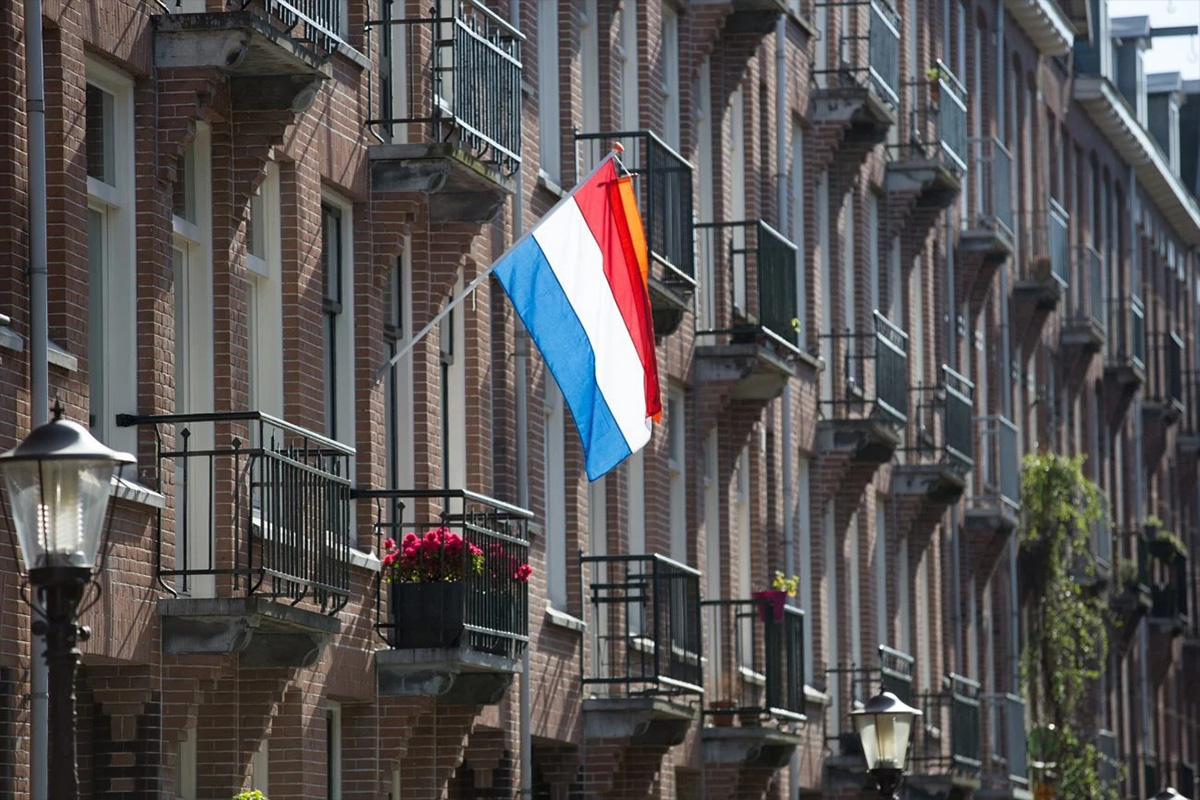
The recent increase in the Dutch gambling tax has failed to achieve its primary financial objectives. This is evident from the “monitor of the effects of the increase in gambling tax,” conducted by the Ministry of Finance and the Dutch Gaming Authority. As of January 1, 2025, the gambling tax was increased from 30.5% to 34.2%, and in 2026 the rate was further raised to 37.8%. The aim of this increase was to raise government revenue. The monitor shows that this goal is not being achieved as expected: the projected tax revenues turned out lower.
The tax increase was expected to yield an additional €108 million in 2025 compared to the previous year, and €216 million in 2026. However, the monitor shows that these amounts are turning out much lower: an additional €2 million was collected in 2025, and €57 million in 2026. Moreover, the tax increase is causing a decrease in revenue from state participations, resulting in even lower additional revenue for the State.
The fact that tax revenues are lower is due to several developments. In the years measured, various measures were taken to better protect players, causing the gross gaming result (GSR) of providers to decrease. This leads to a decrease in the tax base, the amount on which tax must be paid. The tariff increase itself may also have led to a decrease in the tax base, for example because physical establishments of gambling companies were closed in the interest of profitability.
The monitor also examined the effects on market size, channeling, and contributions to charities and sports. It is not possible to draw conclusions regarding this, as multiple changes occurred simultaneously. For instance, the aforementioned rules to better protect players and various advertising restrictions have also impacted the gambling market.
The post KSA – Target for Gambling Tax Increase Not Achieved: Expected Tax Revenues Turn Out Lower appeared first on Americas iGaming & Sports Betting News.

Looking beyond Brazil, which LatAm market stands out most right now, and what makes it attractive?
Liam Hoofe, Content Strategist at GameOn
Based on our research for GO Intel, I think Chile is the market to watch out for the most. The size of the opportunity is potentially massive, with the Chilean Senate’s own figures estimating that more than 5 million Chileans are already gambling online.
The demand is definitely there, and broader discussions about a regulatory framework are underway. Our estimates in GO Intel also put channelisation rates at 80% if enforcement and regulation ran smoothly.
The proposed ‘cooling-off’ period for operators already active there is also quite a unique approach, and it will benefit those who approach the market with the right foundations in place.
Of course, as we’ve seen with Brazil, there will no doubt be a lot of public debate around the market, and the tax structure could be complex, but of the three we researched, this one still stands out the most.
Paulina Hovar, Lead Sales Manager LATAM at BGaming
Right now, Mexico and Argentina stand out the most to me.
Mexico has been showing steady growth for a while now. It’s already a fairly mature market with strong operator presence, but there’s still plenty of room to scale. At the same time, one of the main things to watch is the tax situation and how regulation may develop in the future, since that could impact profitability and market dynamics.
Argentina is interesting for a different reason. The market is regulated at the provincial level, so it’s much more decentralized. That creates opportunities because entry can be more flexible, but it also means you need to understand the local landscape and choose partners and regions carefully.
Ramiro Atucha, Board Advisor to Kiron Interactive
Mexico stands out. The size of the market alone makes it attractive, and the current regulation is already acceptable enough for public companies to feel comfortable operating there. It’s also moving toward a more formal framework, so there’s still margin to grow. Beyond Mexico, I’d point to Chile, certain provinces in Argentina, and Colombia. All three have their own dynamics, but they’re markets you can’t ignore right now.
When entering markets that are still evolving from a regulatory perspective, what’s the right balance between moving early and waiting for clarity?
Liam Hoofe, Content Strategist at GameOn
That’s the million-dollar question, and it’s one I’m not sure there is a 100% correct answer to. For me, it’s about building relationships, ensuring you have the right infrastructure in place, and understanding a market before you invest.
Operators and studios that just enter with no understanding of the culture and of the way the regulatory landscape could adapt are putting themselves at risk of failing.
Trying to remain one step ahead of regulation and working alongside the regulators to help the market mature is always going to be a much better approach than just waiting for regulation to come into place and being reactive.
Paulina Hovar, Lead Sales Manager LATAM at BGaming
It depends on how mature the market is.
If the regulatory framework is already clear and established, then the best approach is to operate fully within the licensed model from day one.
But in markets that are still in a gray or transitional stage, where operators are already active, it can make sense to take a more gradual approach. That could mean building partnerships, adapting the product to local needs, and preparing for future regulation before fully committing.
You also have to be very careful about legal and reputational risks. Every market is different, so timing and level of involvement should be assessed on a case-by-case basis.
Ramiro Atucha, Board Advisor to Kiron Interactive
As early as possible, as long as it isn’t illegal or forbidden. That’s the right moment to enter and transition through the regulatory process. Brazil is the clearest example. Sports betting was legalized in 2018, but the full regulatory framework only came in late 2023, with licensed operations starting in 2025. The operators that used those years to attract players, test the market and build name recognition without breaking the law made a real difference. By the time regulation arrived, they were already established.
As markets like Chile, Peru, and Uruguay develop, what will separate the brands that succeed from those that struggle?
Liam Hoofe, Content Strategist at GameOn
The biggest differentiator for me is localisation, and by that, I mean real localisation, not just translating a game into Spanish and calling it a day. This means actually creating products and promotions that speak to local audiences. LatAm is not just some big monolithic market with a one-size-fits-all solution – brands that succeed there are the ones that understand this. The ones who know that a player in Chile is not the same as one in Uruguay or Brazil are going to be the big winners.
On top of that, working closely with regulators and showing genuine concern for players’ well-being in these markets will make a huge difference. It’s not enough anymore to just display simple responsible gambling tools; players want to see it in your actions, and it’s obvious to them which brands really care and which are just ticking boxes.
And finally, local partnerships. Some of the most successful companies we work with are those that really integrate themselves and find local partners that offer genuine insight into communities, and can be leveraged to build trust. This can be achieved in a number of different ways, whether it’s through working with local content creators and influencers or getting involved with local charities and events.
Paulina Hovar, Lead Sales Manager LATAM at BGaming
As markets like Chile, Peru, and Uruguay continue to develop, the following three factors will set successful brands apart from the rest.
First, strong local partnerships. Without people on the ground and a real understanding of how each market works, it’s very difficult to build a sustainable position.
Second, product adaptation. Translation alone is never enough. Companies need proper localization that reflects user behavior, cultural differences, and local audience preferences.
And third, regulatory readiness. The companies that invest early in certification, compliance, and building the right processes will have a major advantage later on. It’s expensive and takes time, but in regulated markets, long-term preparation usually makes the difference between short-term growth and lasting success.
Ramiro Atucha, Board Advisor to Kiron Interactive
Brands that bring international experience and proven competitiveness from other markets, combined with genuine local understanding, will get the best of both worlds. The international background gives you credibility and product depth. The local presence gives you a product that’s actually adapted to how players in that country behave. Neither side works on its own. In Chile, Peru, and Uruguay, the operators who get this combination right are the ones who’ll separate from the pack.
The post LatAm: Beyond Brazil – Chile, Uruguay and Peru’s Regulatory Trajectories appeared first on Americas iGaming & Sports Betting News.

-

 Bragg Gaming Group4 days ago
Massive Gaming launches Blitzcrown titles on Superbet Brazil via Bragg Hub
-
Compliance4 days ago
HIPTHER Launches HALLO: The Standard in Compliance Expertise
-
7Games5 days ago
7Games, Betão & R7 Launch FIRST.bet Sportsbook in Brazil
-
Compliance Updates4 days ago
HIPTHER Launches HALLO: The Standard in Compliance Expertise
-
Alex Cuoci4 days ago
Wealthsimple and Kalshi Partner to Bring Prediction Markets to Canada
-
30-0 Kongeserien3 days ago
Kongebonus launches 30-0 Kongeserien Eliteserien fantasy draft game
-
Channelisation4 days ago
Swedish Gambling Authority consults tighter duty of care rules as channelisation slips
-
Bonusetu.com3 days ago
Finland Sets Casino Gambling Risk Limits at 2% of Income, 4 Days, 2 Game Types