Latest News
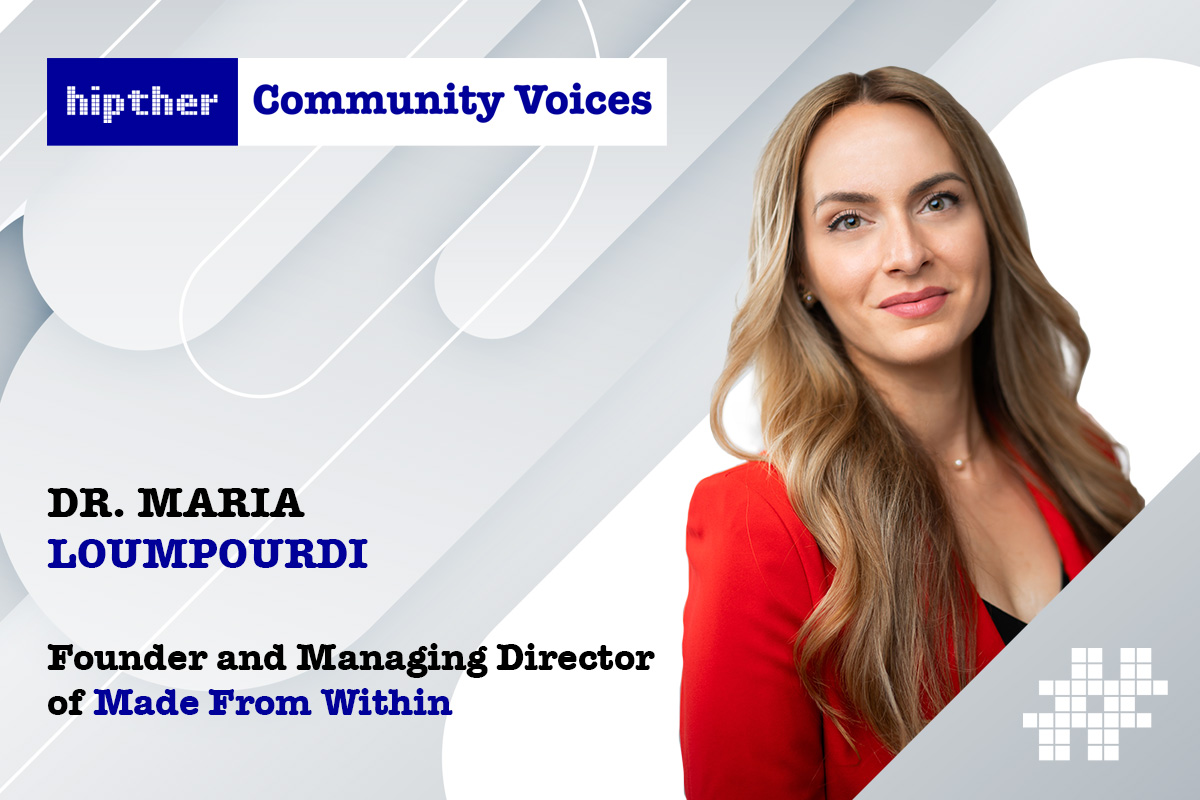
HIPTHER Community Voices: Interview with Dr. Maria Loumpourdi, founder and Managing Director of Made From Within

Reading Time: 7 minutes
In this interview, we speak with Dr. Maria Loumpourdi, founder and Managing Director of Made From Within, a CPD-accredited leadership development provider. She shares her journey into leadership and coaching, the philosophy behind her work, and how evidence-based development can drive real change—particularly in high-growth sectors like iGaming.
What originally sparked your interest in leadership development and coaching? Was there a defining moment that set you on this path?
The spark started very early. As a kid, I was always very curious and loved learning, but more than that, I loved sharing what I learned. I even remember trying to memorise a 24-volume encyclopaedia just so I could drop interesting facts into conversations. Looking back, that passion for learning and helping others grow was always there.
When it came time to choose a university path, education felt like the natural choice. I loved it (and still do), but I quickly started to feel uneasy about how rigid the school system is. More often than not, we teach what’s prescribed, not necessarily what kids want or need to learn. That made me think more seriously about adult education, where people have more agency in their development and are often more personally invested.
That decision led me to corporate learning and development. I started in the Learning & Development department of an iGaming company, and within a year, I moved into a leadership role heading L&D in the manufacturing sector. That role gave me hands-on experience in managing teams and developing as a leader myself. By that time, I had already completed a master’s in educational leadership and had been accepted into a doctoral programme. At that point, I already knew my research would focus on leadership development.
Another key realisation came when I started developing leaders. I began to see that while training is a necessary first step, it cannot, on its own, lead to lasting behavioural change. That’s when I realised coaching was the missing piece; it’s what helps people truly internalise and apply what they’ve learned. I became an accredited coach and eventually a coaching supervisor (a coach of coaches), and that shifted how I approached development.
Everything came together when I completed my doctorate and published my book, Leaders Made From Within. That was an important moment for me because it also marked the launch of my company, Made from Within. It was the point where everything aligned: my love for learning, leadership, developing others, and the belief that real change (whether individual or organisational) comes from within.
Made From Within is CPD-accredited and globally active. What inspired you to start it, and what impact are you most proud of so far?
Made From Within wasn’t a business idea; it was the result of over a decade of real-world experience, empirical research, and a deep understanding of what works (and what doesn’t) when it comes to leadership and organisational development. I spent many years building my expertise, holding senior roles in international organisations, and seeing firsthand what drives real performance and sustainable business growth. Just as importantly, I saw the common patterns that hold people and businesses back. Many of the lessons I learned (both the successes and the hard-won mistakes) shaped the foundation of Made From Within.
I started Made From Within because I wanted to offer something practical, evidence-based, and rooted in real experience; instead of unsupported theories, popular opinions, or trends. The leadership and personal development space is currently crowded, and I was very intentional about two things: 1. making sure that my background clearly shows I am not another self-proclaimed guru on social media, and 2. ensuring this wasn’t just another one-size-fits-all offering. At Made From Within, we don’t do off-the-shelf. We work closely with clients to understand their goals, context, and challenges, then build tailored solutions that reflect their reality. We’ve also developed CPD-accredited programmes for individuals and teams who want to grow in a structured and credible way.
What I’m most proud of is how much we’ve achieved in such a short time. Made From Within has already supported leaders and teams across organisations and industries, enabling behavioural and organisational change. We’re now expanding access by offering our accredited courses directly through our website, which allows more people to develop themselves on their own terms, and at their own pace.
Your career spans several industries—from banking and manufacturing to iGaming. What pivotal experiences have shaped your leadership philosophy?
While some leadership challenges (like earning trust, managing conflict, or leading through change) are universal, I’ve found that every industry comes with its own unspoken rules and unique pressures. The culture portrayed on the company website is rarely (if ever) the full picture. Experiencing these differences first-hand has taught me that effective leadership isn’t about following one fixed approach. It’s about learning when to listen, when to challenge, and how to earn credibility in novel environments.
One of the experiences that shaped my approach happened in my very first week as a department head in the manufacturing sector. I was asked to represent the function in a customer audit, even though I had just stepped into the role and barely had any exposure to the industry or the company. During the audit, the client questioned how certain KPIs were calculated. I hadn’t prepared the presentation and didn’t have the answer. It would’ve been easy (and probably expected) to say, “I’m new”, or shift the blame to the person who created it. But I saw it as an opportunity to lead.
I admitted I didn’t have the answer at that moment and promised to come back with it by the end of the day. When I approached the team member who had prepared the figures, they told me they couldn’t remember. This person was already on their way out of the company, having previously received feedback that they weren’t ready for the role I had stepped into. Still, I didn’t point fingers. I worked with the team to find the answer, verified the data, and returned to the client with a clear explanation. We earned the client’s trust, salvaged the audit, and celebrated with the team despite the initial mistake.
That experience grounded one of the core principles of my leadership philosophy: when you lead, you take ownership. You don’t blame others, you don’t throw people under the bus, and you don’t step back when things go wrong. If you’re in a leadership role, you take responsibility and step up even when it’s not directly your fault. That’s the kind of leader I’ve worked to be across every industry I’ve been part of.
In iGaming, rapid growth often outpaces structured development. How can coaching help companies build stronger leadership pipelines during periods of scale?
In iGaming, growth often happens so quickly that people find themselves in leadership roles before they’ve had the time (or the opportunity) to develop the skills or confidence to lead. Coaching helps bridge that gap. It provides a safe space for new and emerging leaders to speak openly about their challenges, reflect on their behaviours, set development goals for themselves and their teams, and work toward those goals with a coach acting as both a thinking partner and an accountability partner.
It’s just as valuable for senior leaders. Coaching can help them build executive presence and avoid slipping into autopilot decision-making, which, in a fast-paced environment like iGaming, can have serious long-term consequences for both individuals and the business.
I’ve seen the impact of coaching firsthand. I’ve worked with people who were on performance improvement plans (essentially on their way out), and within six months, they were promoted into leadership roles. What changed? Their mindset, their behaviour, how they communicated, how they built relationships, and how they demonstrated their competence. Coaching made that shift possible.
Coaching meets people where they are, which is exactly what’s needed during periods of rapid scale. Especially in iGaming, where employee turnover often reaches or exceeds 30% (meaning one in three employees leave each year) offering coaching, even as a smaller operator or supplier, can be the difference between losing talent (often to competitors) and building a strong leadership pipeline.
What advice would you give to iGaming companies looking to invest in leadership development for the first time? Where should they start?
My key piece of advice is this: don’t buy off-the-shelf leadership development programmes. Every year, over $360 billion is invested on leadership development globally, but only 10–20% of that has a measurable return on investment. The reason? Most programmes aren’t tailored to the actual needs of the business and its leaders.
If you want real impact, you need to start with a proper analysis of your organisation’s current leadership needs and challenges. Get clear on what effective leadership looks like in your organisation, involve senior leadership teams from the beginning, and design a programme that fits; not just something that looks good on paper. When done right, tailored programmes can achieve up to 10x the ROI.
In my book Leaders Made From Within: The Blueprint for Developing Leadership in Individuals and Organisations, I share the 5D Leadership Development Process (Define, Design, Deliver, Deploy, and Debrief), a model grounded in my doctoral research. It’s a practical, evidence-based process to building leadership capability, and it’s especially relevant for high-growth sectors like iGaming.
What skills or leadership traits are most important for success in iGaming—and how can coaching help develop them?
Success in iGaming requires a combination of leadership skills due to the industry’s fast pace, volatility, and competitiveness. In my experience developing talent in this industry, some of the most critical skills include:
- Self-awareness and self-regulation: Leaders need to manage themselves under pressure and stay grounded. Coaching supports this by helping individuals recognise patterns, triggers, and habits; and understand how these affect their performance and relationships in a structured way.
- Building relationships and networks: In a fast-moving and relatively young industry, strong cross-functional collaboration is essential. Coaching helps leaders improve their communication, influencing, and trust-building skills, especially when leading international teams where alignment is harder to achieve.
- Creativity and innovation: iGaming leaders often face ambiguous situations without a clear playbook. Coaching provides space to step back, think differently, challenge assumptions, and explore new solutions, which is something daily operations rarely allow time for.
- Decision-making: Rapid scaling requires leaders who can make informed, timely decisions without having all the answers. Coaching helps leaders gain clarity, improve their judgment, overcome indecision, and build confidence in high-stakes or complex situations.
- Business acumen: Leaders need a broader understanding of how the business operates, not just within their own function. Coaching encourages a more strategic mindset by connecting day-to-day decisions to long-term business outcomes. For example, a commercial leader should understand product development, and vice versa. Everyone needs at least a baseline understanding of the financial and regulatory side of the business.
In short, coaching develops these skills not through theory, but through structured reflection, real-world application, accountability, and feedback.
The post HIPTHER Community Voices: Interview with Dr. Maria Loumpourdi, founder and Managing Director of Made From Within appeared first on European Gaming Industry News.










Slotegrator’s platform solution now offers progressive web app (PWA) functionality, enabling operators to provide installable casino apps with push notifications, flexible branding, and seamless access across changing domains.
The Casino Builder module in Slotegator’s platform solution has been upgraded with a Progressive Web Application (PWA) feature that allows casinos to deliver an app-like experience without relying on the App Store or Google Play.
Native apps are powerful tools for building customer loyalty and enhancing engagement. However, iGaming brands face serious obstacles, such as strict marketplace policies, long review processes, geographic restrictions, and the constant threat of app removal. Slotegrator’s PWA functionality eliminates these barriers, allowing players to install a casino app directly from their browser and enjoy many of the same benefits as a native app.
After installation, the PWA opens from the user’s home screen, loads fast, and supports push notification integration that enhances player engagement and retention.
“Mobile is still the leading channel for user acquisition and retention; however, it’s difficult to distribute native apps in iGaming,” says Olga Ivanchik, COO at Slotegrator. “Our new PWA feature gives operators an alternative that will be familiar to their players, while eliminating the complications related to conventional app stores. Operators can launch quickly, retain full control over updates, and ensure a perfect mobile gaming experience for any market.”
Within the next 2 months, operators will also have the ability to determine when the PWA install bar will be visible to the player. For example, displaying the install bar immediately after the first deposit, as part of a broader retention strategy, helps drive long-term player LTV. The operator can also set up frequency of the install offer — daily, weekly, just once, etc.
Some operators have to consider UX for multiple frontends. Luckily, the installation widgets are highly flexible, helping them drive maximum conversion without sacrificing user experience. Operators can select a top bar or a top banner installation widget, both of which are fully customizable with branded icons, messaging, and backgrounds.
Operators can limit the visibility of their installation campaigns to specific devices — desktop, mobile, Android, or iOS — thanks to special targeting options. Operators can also design acquisition strategies specific to each platform, driving installs only where they offer the best user experience.
When players install the PWA, operators can connect it to push notification services, so they can re-engage them even when the application isn’t actively open.
Mirror domain compatibility addresses a common operational challenge in restricted markets. If an operator has to change domains due to licensing or regulatory requirements, players who have already installed the PWA will be able to continue using it without reinstallation.
Unlike native applications, PWAs don’t require App Store or Google Play approval, effectively eliminating possible delays and the risk of removal from the market. Instead, operators can deploy updates instantly to every user.
The new PWA functionality is now available in Slotegrator’s Casino Builder module, alongside other tools for improving mobile acquisition, engagement, and player retention.
ABOUT THE COMPANY
Since 2012, Slotegrator has been one of the iGaming industry’s leading software and business solution providers for online casino and sportsbook operators.
The company’s main focus is software development and support for online casino platforms, as well as the integration of game content and payment systems.
The company works with licensed game developers and offers a vast portfolio of casino content: slots, live casino games, poker, virtual sports, table games, lotteries, casual games, and data feeds for betting.
Slotegrator also provides consulting services in gambling license acquisition and business incorporation.
The post Slotegrator now provides native app experience for iGaming platforms with PWA function appeared first on EE Gaming | Global iGaming & Tech Intelligence Hub.


Slotegrator’s platform solution now offers progressive web app (PWA) functionality, enabling operators to provide installable casino apps with push notifications, flexible branding, and seamless access across changing domains.
The Casino Builder module in Slotegator’s platform solution has been upgraded with a Progressive Web Application (PWA) feature that allows casinos to deliver an app-like experience without relying on the App Store or Google Play.
Native apps are powerful tools for building customer loyalty and enhancing engagement. However, iGaming brands face serious obstacles, such as strict marketplace policies, long review processes, geographic restrictions, and the constant threat of app removal. Slotegrator’s PWA functionality eliminates these barriers, allowing players to install a casino app directly from their browser and enjoy many of the same benefits as a native app.
After installation, the PWA opens from the user’s home screen, loads fast, and supports push notification integration that enhances player engagement and retention.
“Mobile is still the leading channel for user acquisition and retention; however, it’s difficult to distribute native apps in iGaming,” says Olga Ivanchik, COO at Slotegrator. “Our new PWA feature gives operators an alternative that will be familiar to their players, while eliminating the complications related to conventional app stores. Operators can launch quickly, retain full control over updates, and ensure a perfect mobile gaming experience for any market.”
Within the next 2 months, operators will also have the ability to determine when the PWA install bar will be visible to the player. For example, displaying the install bar immediately after the first deposit, as part of a broader retention strategy, helps drive long-term player LTV. The operator can also set up frequency of the install offer — daily, weekly, just once, etc.
Some operators have to consider UX for multiple frontends. Luckily, the installation widgets are highly flexible, helping them drive maximum conversion without sacrificing user experience. Operators can select a top bar or a top banner installation widget, both of which are fully customizable with branded icons, messaging, and backgrounds.
Operators can limit the visibility of their installation campaigns to specific devices — desktop, mobile, Android, or iOS — thanks to special targeting options. Operators can also design acquisition strategies specific to each platform, driving installs only where they offer the best user experience.
When players install the PWA, operators can connect it to push notification services, so they can re-engage them even when the application isn’t actively open.
Mirror domain compatibility addresses a common operational challenge in restricted markets. If an operator has to change domains due to licensing or regulatory requirements, players who have already installed the PWA will be able to continue using it without reinstallation.
Unlike native applications, PWAs don’t require App Store or Google Play approval, effectively eliminating possible delays and the risk of removal from the market. Instead, operators can deploy updates instantly to every user.
The new PWA functionality is now available in Slotegrator’s Casino Builder module, alongside other tools for improving mobile acquisition, engagement, and player retention.
ABOUT THE COMPANY
Since 2012, Slotegrator has been one of the iGaming industry’s leading software and business solution providers for online casino and sportsbook operators.
The company’s main focus is software development and support for online casino platforms, as well as the integration of game content and payment systems.
The company works with licensed game developers and offers a vast portfolio of casino content: slots, live casino games, poker, virtual sports, table games, lotteries, casual games, and data feeds for betting.
Slotegrator also provides consulting services in gambling license acquisition and business incorporation.
The post Slotegrator now provides native app experience for iGaming platforms with PWA function appeared first on Americas iGaming & Sports Betting News.
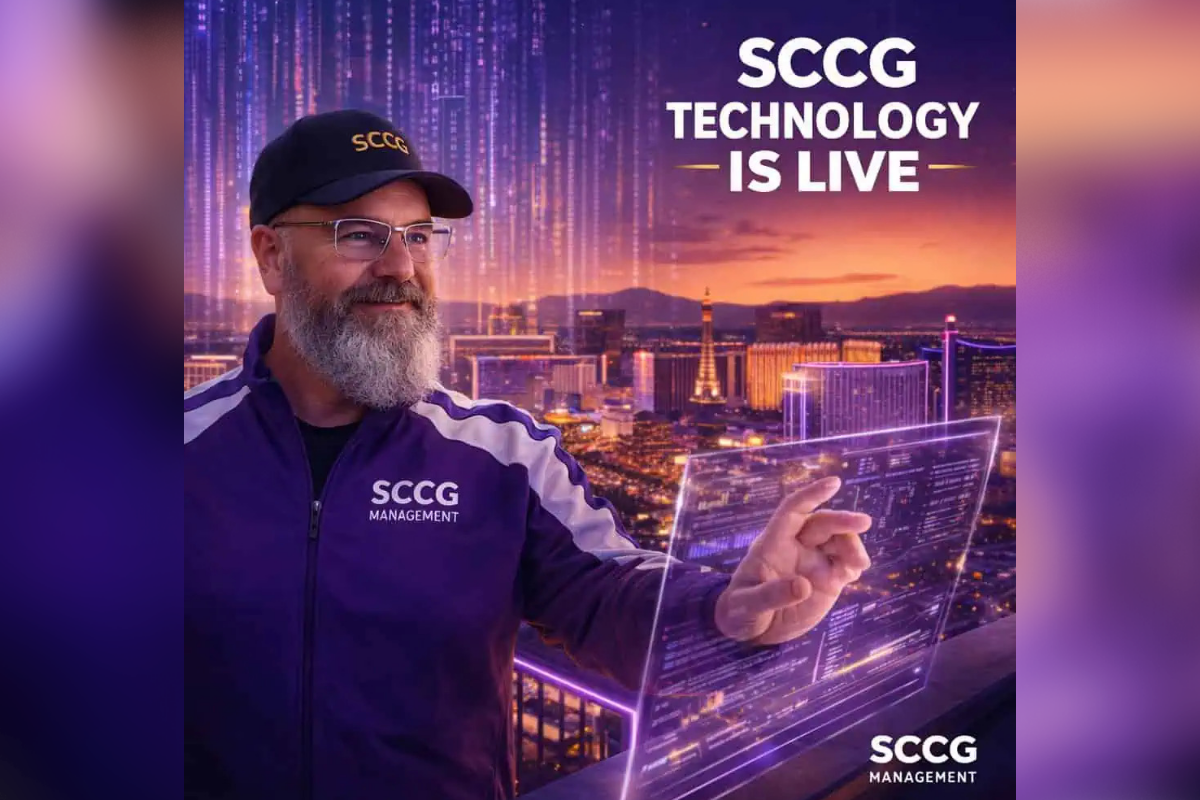
New division delivers smart, AI-driven technology solutions to gaming operators, suppliers, and ventures worldwide, built on the same stack SCCG uses to run its own global advisory business.
SCCG Management announces the launch of SCCG Technology, a dedicated division built to deliver intelligent, AI-driven solutions to the iGaming industry. Where SCCG has spent three decades advising gaming companies on what to build, SCCG Technology now builds it.
The division launches with a working portfolio, not a promise. Over the past year, SCCG has re-engineered its own global operation around artificial intelligence: automated content and newsletter systems reaching tens of thousands of industry professionals weekly, real-time market and odds data pipelines feeding its prediction-market ventures,
and AI-assisted CRM and pipeline automation across more than 120 active client engagements.
The proving ground is SCCG’s own digital presence, now being rebuilt on the division’s platform: a site that reassembles itself around each visitor and publishes across every channel from one place. An operator in LATAM and an investor in Las Vegas see the same network through different eyes. Content is AI-accelerated but expert-governed: every AI-assisted claim is labeled and traceable to its source, a discipline that matters in a regulated industry. We built it for the most demanding client we have, ourselves, before offering it to anyone else.
The timing reflects a structural shift in the industry. Operators and suppliers no longer compete only on licenses and content; they compete on data, speed, and the intelligence of their customer experience. AI has moved from experiment to infrastructure, reshaping how players are acquired, how content is produced, how markets are priced, and how compliance is managed. Most gaming companies know this. Far fewer have a partner that understands both the technology and the industry it has to serve.
“Every gaming company I speak with is asking the same two questions: what should we be doing with AI, and who can actually build it for us without a two-year learning curve on how this industry works. SCCG Technology exists because we solved that problem for ourselves first. Now we are opening the toolkit to the industry.” – Stephen A. Crystal, Founder and CEO, SCCG Management
SCCG Technology will deliver across five service lines:
Product Strategy and Build: Carrying a gaming concept from advisory whiteboard to working software. Rapid prototyping and delivery of new gaming products and ventures, the capability a strategy deck cannot substitute for.
Data, Analytics, and Market Intelligence: Real-time odds and market data pipelines, prediction-market tooling, and business intelligence dashboards that put operational truth in front of decision-makers daily.
Compliance-Aware AI Content and Marketing Systems: Automated content production, newsletter and campaign engines, and CRM automation built for a regulated industry, AI-assisted output labeled and traceable, brand voice intact.
AI Operations and Automation: Workflow automation and applied AI across the back office, from player-facing support to reporting, compliance preparation, and the operational plumbing gaming companies run on.
Intelligent Web and Digital Platforms: Digital experiences that personalize by visitor role and region, engineered for conversion and structured for both traditional search and the AI answer engines that increasingly drive discovery.
What separates SCCG Technology from a generalist agency or dev shop is the firm behind it. Every engagement draws on SCCG Management’s 30-plus years inside the gaming industry, its regulatory and commercial expertise across dozens of jurisdictions, and a global client network spanning operators, platforms, suppliers, and investors. SCCG Technology does not need the industry explained to it.
The launch continues a deliberate expansion of the SCCG platform. In the past year the firm has established SCCG LATAM with its Miami office, launched SCCG Brazil with dedicated local leadership, and expanded its managed-services offering for casino operators. SCCG Technology is the connective layer across all of it: the division that turns the firm’s advisory insight into deployed, working technology. The model is expert-governed and AI-accelerated: SCCG’s people supply the industry judgment, and the platform supplies the speed.
“The gaming industry does not have a shortage of technology vendors. It has a shortage of technology partners who understand gaming. That is the gap SCCG Technology was built to close.” – Stephen A. Crystal, Founder and CEO, SCCG Management
SCCG Technology operates as a division of SCCG Management, the gaming industry’s global advisory firm. With more than 30 years of experience, more than 120 active client engagements worldwide, and offices spanning North America, Latin America, Europe, Africa, and Asia, SCCG provides end-to-end advisory services across iGaming, sports betting, sweepstakes, tribal gaming, and casino technology.
The post SCCG Management Launches SCCG Technology, Delivering AI-Driven Solutions to the iGaming Industry appeared first on Americas iGaming & Sports Betting News.

-

 Compliance Updates6 days ago
Arizona Department of Gaming Issues Cease-and-Desist Orders to Multiple Operators Linked to Underage Gambling and Illegal Activity
-
 Compliance Updates6 days ago
KONAMI GROUP’s Konami Gaming Inc. First to Submit Manufacturer License Application in Japan’s Emerging IR Market
-
Latest News7 days ago
PG Soft names Hugo Baungartner as General Manager LatAm
-
Latest News6 days ago
Enjoy Gaming Builds on Slot success with Diamond Slam: Xtra Power
-
Latest News6 days ago
Weekend Reels | Week 28: Slot Drops & Trends
-
Compliance Updates6 days ago
Spillemyndigheden Publishes Report on Illegal Gambling
-
Canada6 days ago
High 5 Games Expands Across Alberta’s Open iGaming Market Following AGLC Supplier Approval
-
Compliance Updates6 days ago
Arizona regulator orders five operators to stop alleged illegal gambling activity