Latest News
The Impact of Technology on Poker Store Monetisation: From Blockchain to NFT

Over the years, poker has moved from once dim backrooms of dull backstreets to high‑stakes online arenas, and every step of the way, it was propelled by innovation. Today, it comes in the shape of blockchain technology with decentralised ledgers, unique NFT assets, and crypto wallets that allow for frictionless and borderless payments. These are more than fashion or flashy new tech, these novelties reshape the whole iGaming industry and fundamentally change how platforms monetise, how players engage, and how trust is built in online poker.
At EvenBet Gaming, we keep our ear to the ground and add blockchain‑ready features to our platform. In the following sections, we’ll explore traditional monetisation, introduce EvenBet’s enhanced toolkit, unpack the tech behind blockchain and NFTs, and examine the security, benefits and challenges operators face in this new era.
Traditional Poker Monetisation Models
We have already delved into the traditional poker monetisation streams in some of our previous articles, but let us recap. Online poker platforms have historically relied on a handful of core revenue streams:
- Rake: a small percentage (typically 2–5 %) taken from each pot, it forms the main share of operator income.
- Entry fees: tournament buy‑ins charged to participants, part of the fee is allocated to prizes and part to the house.
- Freemium models: the core gameplay is free with additional paid chips, cosmetic items, or power‑ups.
- In‑game purchases: sale of virtual goods — avatars, card backs, table themes — via traditional payment gateways.
- Ads and sponsorships: brand partnerships and in‑client advertising generate additional income.
While reliable, these methods depend on centralised control, fee structures, and limited player ownership. EvenBet’s research shows that poker clubs where players purchase in‑app chips via a virtual store have grown rapidly in markets where real‑money poker is restricted (in Asia, for example). In club models, app owners set purchase prices and incentives, while club and union owners manage tournaments and liquidity — this illustrates the power of microtransactions in generating revenue.
EvenBet’s Enhanced Monetization Offering
EvenBet Gaming offers more than traditional monetisation models, but fresh integrated features designed to boost ARPU and engagement across both real‑money and social poker formats.
In‑Store Feature
Our In‑Store offers bundles (Play Money chips, Time Bank top‑ups, VIP Card upgrades) that generate an ongoing microtransaction revenue stream alongside the traditional rake. The store, rolled out for free‑to‑play environments, also unlocks casual boosters to monetise play‑money sessions and encourage demo‑to‑real‑money conversion.
Soft Gaming Options
Soft gaming titles like slots, lotteries, or bingo keep players engaged between hands. These casual games monetise through timed bonuses, in‑game purchases, and promotional bundles, thus extending session length and spend in non‑real‑money modes.
Cross‑Vertical Upsells
Operators can diversify revenues by cross‑selling casino games and sports betting to poker users within the same client. Such a cross‑vertical strategy increases wallet share and overall ARPU because it allows for capturing spend across several iGaming verticals.
Clubs Feature
Earn via chip‑commission models (~30 %) and upsells like custom emoji packs or stats bundles. Platform owners set the prices for in-app chip bundles, VIP cards, and optional features (e.g., Rabbit Hunting, advanced statistics). All revenue from these sales flows directly to the platform, allowing operators to optimize pricing and promotions for their community.
Dealer Tips
Our Dealer Tips feature replicates real‑casino etiquette, and players can now tip the virtual dealer. This microtransaction heightens immersion (particularly in tipping cultures) and also unlocks another revenue stream.
Blockchain, NFTs, and Crypto Wallets in iGaming
Blockchain is a decentralised ledger that records transactions across distributed nodes. This guarantees that the data is immutable and transparent. Key benefits for poker operators include provably fair gaming (because players can audit RNG and shuffle algorithms to verify fairness), immutable records (tamper‑proof logs of bets and game actions allow for better dispute resolution), and secure funds (because irreversible transactions reduce the likelihood of fraud).
Non‑Fungible Tokens (NFTs) are unique on‑chain assets representing, and in poker, they can represent anything from avatars to tournament tickets. EvenBet’s platform supports NFT avatars, table‑income sharing, and tournament segmentation via NFT ownership. This, in turn, opens the way for:
- Secondary markets: players trade NFTs outside the poker platform, creating ongoing royalty streams for operators.
- True ownership: verifiable asset provenance and scarcity, which is in the very nature of an NFT, increase perceived value.
- Cross‑platform utility: an NFT can be used across multiple games and platforms.
Integrating crypto wallets into a poker platform gives players self‑custody of funds and assets. Crypto, which is becoming increasingly popular among players, allows for near‑instantaneous peer‑to‑peer deposits or withdrawals, more privacy thanks to its anonymity, and a seamless user experience thanks to removing reliance on third‑party payment processors. Making the most of this tech, EvenBet’s Crypto Poker integrates 140+ cryptocurrencies and multiple processors, enabling instant, low‑fee deposits and withdrawals. This attracts privacy‑focused and crypto‑native audiences, opening fresh monetisation channels.
New Monetisation Models Emerging from Blockchain Technology
Blockchain technology has unlocked several new ways of monetising an online poker platform, while offering transparency and security for players and operators who benefit from distributed ledgers and decentralised payments.
Play-to-earn dynamics: players can now earn cryptocurrency or NFTs simply by participating in games or tournaments. This turns traditional gameplay into a game of achievements with real-world value. The rewards often come in the form of token incentives or collectible assets, which can be traded on open marketplaces for profit.
NFT-driven marketplaces: non-fungible tokens are unique in-game items such as custom card designs, avatars, or VIP passes that players can buy, sell, or even auction both on the poker platform and outside. Limited-edition NFT collectibles introduce the idea of scarcity, which drives more demand, as well as brings more profit for the operator (both as an initial sale and in the form of royalties when resold).
DeFi and token staking: decentralised finance (DeFi) mechanisms allow poker platforms to incorporate staking models, where players lock tokens into smart contracts in exchange for passive returns or exclusive tournament entries. This provides operators with profits from protocol fees and also promotes long-term engagement because stakers earn rewards proportional to their commitment.
Decentralised poker ecosystems: smart-contract-driven poker platforms remove intermediaries and allow for peer-to-peer wagering and trustless game enforcement. Transaction fees collected on each hand and staking become key monetisation drivers in this new setting.
Security and transaction efficiency: crypto wallets integrated into poker clients make room for near-instant deposits and withdrawals with minimal fees. This leaves traditional payment methods far behind, as crypto reduces operational costs for both operators and players. Moreover, immutable blockchain records ensure provably fair shuffles and transparent gameplay, which is always good for trust.
Enhanced loyalty and ownership: blockchain tokens and NFTs can become the new backbone of poker loyalty programmes. They grant holders governance rights (voting on tournament formats or prize structures) and exclusive access to VIP events. This on-chain loyalty deepens community engagement, as players feel a tangible stake in the platform’s success.
Final Thoughts
The poker store of tomorrow isn’t just a menu of chips or avatars — it’s a tokenised marketplace, a community‑driven ecosystem, and a player‑owned economy. The new technology, such as blockchain, NFTs, and crypto wallets, is already shaping the new online poker reality. They are not a flashy new feature to attract the more tech-savvy players, but the new benchmark of the industry. These technologies bring about more transparency and security, alongside low‑fee payments and real asset ownership, all opening more revenue streams for poker platform operators. EvenBet Gaming’s modernised monetisation features, including the In‑Store Feature, Clubs, cross‑vertical upsells, Dealer Tips, and Crypto Poker — equip operators to capitalise on these trends.



Slotegrator’s platform solution now offers progressive web app (PWA) functionality, enabling operators to provide installable casino apps with push notifications, flexible branding, and seamless access across changing domains.
The Casino Builder module in Slotegator’s platform solution has been upgraded with a Progressive Web Application (PWA) feature that allows casinos to deliver an app-like experience without relying on the App Store or Google Play.
Native apps are powerful tools for building customer loyalty and enhancing engagement. However, iGaming brands face serious obstacles, such as strict marketplace policies, long review processes, geographic restrictions, and the constant threat of app removal. Slotegrator’s PWA functionality eliminates these barriers, allowing players to install a casino app directly from their browser and enjoy many of the same benefits as a native app.
After installation, the PWA opens from the user’s home screen, loads fast, and supports push notification integration that enhances player engagement and retention.
“Mobile is still the leading channel for user acquisition and retention; however, it’s difficult to distribute native apps in iGaming,” says Olga Ivanchik, COO at Slotegrator. “Our new PWA feature gives operators an alternative that will be familiar to their players, while eliminating the complications related to conventional app stores. Operators can launch quickly, retain full control over updates, and ensure a perfect mobile gaming experience for any market.”
Within the next 2 months, operators will also have the ability to determine when the PWA install bar will be visible to the player. For example, displaying the install bar immediately after the first deposit, as part of a broader retention strategy, helps drive long-term player LTV. The operator can also set up frequency of the install offer — daily, weekly, just once, etc.
Some operators have to consider UX for multiple frontends. Luckily, the installation widgets are highly flexible, helping them drive maximum conversion without sacrificing user experience. Operators can select a top bar or a top banner installation widget, both of which are fully customizable with branded icons, messaging, and backgrounds.
Operators can limit the visibility of their installation campaigns to specific devices — desktop, mobile, Android, or iOS — thanks to special targeting options. Operators can also design acquisition strategies specific to each platform, driving installs only where they offer the best user experience.
When players install the PWA, operators can connect it to push notification services, so they can re-engage them even when the application isn’t actively open.
Mirror domain compatibility addresses a common operational challenge in restricted markets. If an operator has to change domains due to licensing or regulatory requirements, players who have already installed the PWA will be able to continue using it without reinstallation.
Unlike native applications, PWAs don’t require App Store or Google Play approval, effectively eliminating possible delays and the risk of removal from the market. Instead, operators can deploy updates instantly to every user.
The new PWA functionality is now available in Slotegrator’s Casino Builder module, alongside other tools for improving mobile acquisition, engagement, and player retention.
ABOUT THE COMPANY
Since 2012, Slotegrator has been one of the iGaming industry’s leading software and business solution providers for online casino and sportsbook operators.
The company’s main focus is software development and support for online casino platforms, as well as the integration of game content and payment systems.
The company works with licensed game developers and offers a vast portfolio of casino content: slots, live casino games, poker, virtual sports, table games, lotteries, casual games, and data feeds for betting.
Slotegrator also provides consulting services in gambling license acquisition and business incorporation.
The post Slotegrator now provides native app experience for iGaming platforms with PWA function appeared first on EE Gaming | Global iGaming & Tech Intelligence Hub.


Slotegrator’s platform solution now offers progressive web app (PWA) functionality, enabling operators to provide installable casino apps with push notifications, flexible branding, and seamless access across changing domains.
The Casino Builder module in Slotegator’s platform solution has been upgraded with a Progressive Web Application (PWA) feature that allows casinos to deliver an app-like experience without relying on the App Store or Google Play.
Native apps are powerful tools for building customer loyalty and enhancing engagement. However, iGaming brands face serious obstacles, such as strict marketplace policies, long review processes, geographic restrictions, and the constant threat of app removal. Slotegrator’s PWA functionality eliminates these barriers, allowing players to install a casino app directly from their browser and enjoy many of the same benefits as a native app.
After installation, the PWA opens from the user’s home screen, loads fast, and supports push notification integration that enhances player engagement and retention.
“Mobile is still the leading channel for user acquisition and retention; however, it’s difficult to distribute native apps in iGaming,” says Olga Ivanchik, COO at Slotegrator. “Our new PWA feature gives operators an alternative that will be familiar to their players, while eliminating the complications related to conventional app stores. Operators can launch quickly, retain full control over updates, and ensure a perfect mobile gaming experience for any market.”
Within the next 2 months, operators will also have the ability to determine when the PWA install bar will be visible to the player. For example, displaying the install bar immediately after the first deposit, as part of a broader retention strategy, helps drive long-term player LTV. The operator can also set up frequency of the install offer — daily, weekly, just once, etc.
Some operators have to consider UX for multiple frontends. Luckily, the installation widgets are highly flexible, helping them drive maximum conversion without sacrificing user experience. Operators can select a top bar or a top banner installation widget, both of which are fully customizable with branded icons, messaging, and backgrounds.
Operators can limit the visibility of their installation campaigns to specific devices — desktop, mobile, Android, or iOS — thanks to special targeting options. Operators can also design acquisition strategies specific to each platform, driving installs only where they offer the best user experience.
When players install the PWA, operators can connect it to push notification services, so they can re-engage them even when the application isn’t actively open.
Mirror domain compatibility addresses a common operational challenge in restricted markets. If an operator has to change domains due to licensing or regulatory requirements, players who have already installed the PWA will be able to continue using it without reinstallation.
Unlike native applications, PWAs don’t require App Store or Google Play approval, effectively eliminating possible delays and the risk of removal from the market. Instead, operators can deploy updates instantly to every user.
The new PWA functionality is now available in Slotegrator’s Casino Builder module, alongside other tools for improving mobile acquisition, engagement, and player retention.
ABOUT THE COMPANY
Since 2012, Slotegrator has been one of the iGaming industry’s leading software and business solution providers for online casino and sportsbook operators.
The company’s main focus is software development and support for online casino platforms, as well as the integration of game content and payment systems.
The company works with licensed game developers and offers a vast portfolio of casino content: slots, live casino games, poker, virtual sports, table games, lotteries, casual games, and data feeds for betting.
Slotegrator also provides consulting services in gambling license acquisition and business incorporation.
The post Slotegrator now provides native app experience for iGaming platforms with PWA function appeared first on Americas iGaming & Sports Betting News.
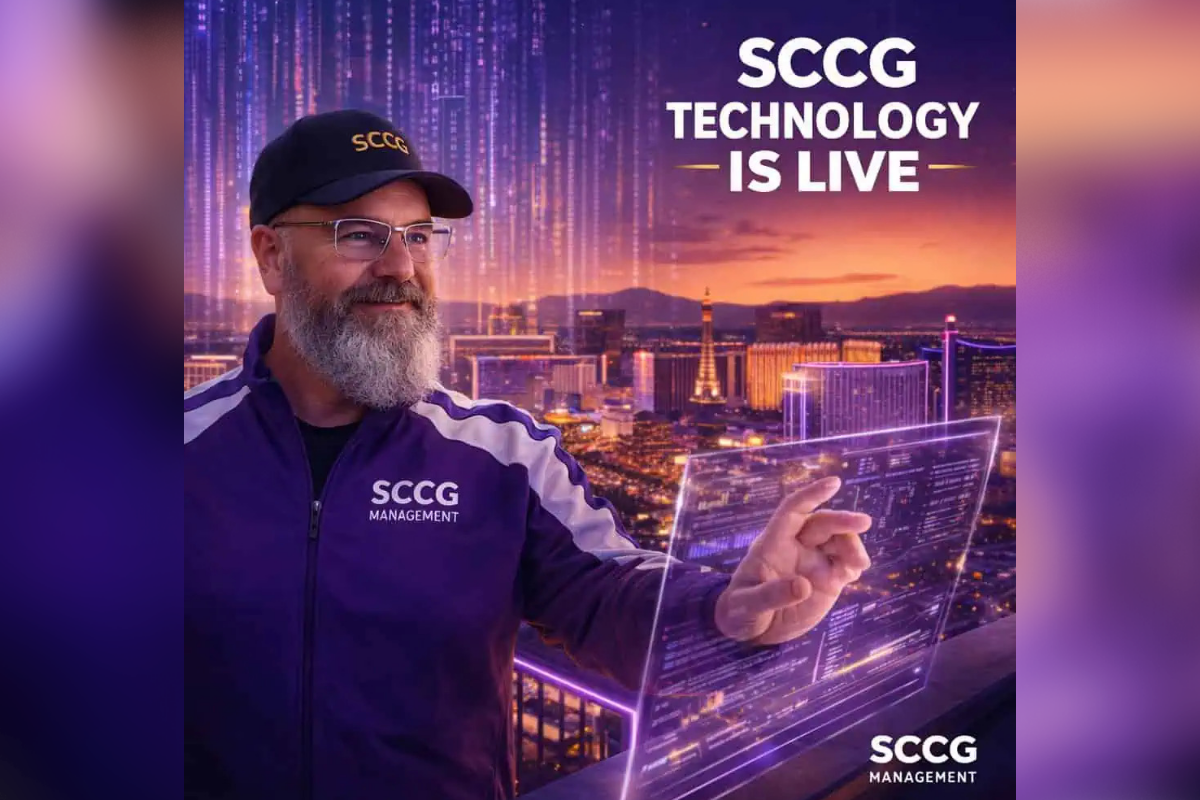
New division delivers smart, AI-driven technology solutions to gaming operators, suppliers, and ventures worldwide, built on the same stack SCCG uses to run its own global advisory business.
SCCG Management announces the launch of SCCG Technology, a dedicated division built to deliver intelligent, AI-driven solutions to the iGaming industry. Where SCCG has spent three decades advising gaming companies on what to build, SCCG Technology now builds it.
The division launches with a working portfolio, not a promise. Over the past year, SCCG has re-engineered its own global operation around artificial intelligence: automated content and newsletter systems reaching tens of thousands of industry professionals weekly, real-time market and odds data pipelines feeding its prediction-market ventures,
and AI-assisted CRM and pipeline automation across more than 120 active client engagements.
The proving ground is SCCG’s own digital presence, now being rebuilt on the division’s platform: a site that reassembles itself around each visitor and publishes across every channel from one place. An operator in LATAM and an investor in Las Vegas see the same network through different eyes. Content is AI-accelerated but expert-governed: every AI-assisted claim is labeled and traceable to its source, a discipline that matters in a regulated industry. We built it for the most demanding client we have, ourselves, before offering it to anyone else.
The timing reflects a structural shift in the industry. Operators and suppliers no longer compete only on licenses and content; they compete on data, speed, and the intelligence of their customer experience. AI has moved from experiment to infrastructure, reshaping how players are acquired, how content is produced, how markets are priced, and how compliance is managed. Most gaming companies know this. Far fewer have a partner that understands both the technology and the industry it has to serve.
“Every gaming company I speak with is asking the same two questions: what should we be doing with AI, and who can actually build it for us without a two-year learning curve on how this industry works. SCCG Technology exists because we solved that problem for ourselves first. Now we are opening the toolkit to the industry.” – Stephen A. Crystal, Founder and CEO, SCCG Management
SCCG Technology will deliver across five service lines:
Product Strategy and Build: Carrying a gaming concept from advisory whiteboard to working software. Rapid prototyping and delivery of new gaming products and ventures, the capability a strategy deck cannot substitute for.
Data, Analytics, and Market Intelligence: Real-time odds and market data pipelines, prediction-market tooling, and business intelligence dashboards that put operational truth in front of decision-makers daily.
Compliance-Aware AI Content and Marketing Systems: Automated content production, newsletter and campaign engines, and CRM automation built for a regulated industry, AI-assisted output labeled and traceable, brand voice intact.
AI Operations and Automation: Workflow automation and applied AI across the back office, from player-facing support to reporting, compliance preparation, and the operational plumbing gaming companies run on.
Intelligent Web and Digital Platforms: Digital experiences that personalize by visitor role and region, engineered for conversion and structured for both traditional search and the AI answer engines that increasingly drive discovery.
What separates SCCG Technology from a generalist agency or dev shop is the firm behind it. Every engagement draws on SCCG Management’s 30-plus years inside the gaming industry, its regulatory and commercial expertise across dozens of jurisdictions, and a global client network spanning operators, platforms, suppliers, and investors. SCCG Technology does not need the industry explained to it.
The launch continues a deliberate expansion of the SCCG platform. In the past year the firm has established SCCG LATAM with its Miami office, launched SCCG Brazil with dedicated local leadership, and expanded its managed-services offering for casino operators. SCCG Technology is the connective layer across all of it: the division that turns the firm’s advisory insight into deployed, working technology. The model is expert-governed and AI-accelerated: SCCG’s people supply the industry judgment, and the platform supplies the speed.
“The gaming industry does not have a shortage of technology vendors. It has a shortage of technology partners who understand gaming. That is the gap SCCG Technology was built to close.” – Stephen A. Crystal, Founder and CEO, SCCG Management
SCCG Technology operates as a division of SCCG Management, the gaming industry’s global advisory firm. With more than 30 years of experience, more than 120 active client engagements worldwide, and offices spanning North America, Latin America, Europe, Africa, and Asia, SCCG provides end-to-end advisory services across iGaming, sports betting, sweepstakes, tribal gaming, and casino technology.
The post SCCG Management Launches SCCG Technology, Delivering AI-Driven Solutions to the iGaming Industry appeared first on Americas iGaming & Sports Betting News.

-

 Compliance Updates6 days ago
Arizona Department of Gaming Issues Cease-and-Desist Orders to Multiple Operators Linked to Underage Gambling and Illegal Activity
-
 Compliance Updates6 days ago
KONAMI GROUP’s Konami Gaming Inc. First to Submit Manufacturer License Application in Japan’s Emerging IR Market
-
Latest News7 days ago
PG Soft names Hugo Baungartner as General Manager LatAm
-
Latest News6 days ago
Enjoy Gaming Builds on Slot success with Diamond Slam: Xtra Power
-
Latest News6 days ago
Weekend Reels | Week 28: Slot Drops & Trends
-
Compliance Updates6 days ago
Spillemyndigheden Publishes Report on Illegal Gambling
-
Canada6 days ago
High 5 Games Expands Across Alberta’s Open iGaming Market Following AGLC Supplier Approval
-
Compliance Updates6 days ago
Arizona regulator orders five operators to stop alleged illegal gambling activity