Latest News
PLAYSAFE ID RAISES $1.12M TO MAKE ONLINE GAMING SAFER


PlaySafe ID, the platform for gamers that keeps cheaters, hackers, bots, and predators out of games, has raised $1.12M (€1 million) in pre-seed funding to bring trust, fairness, and accountability to gaming communities, without compromising player privacy or freedom.
The round was led by Early Game Ventures, with participation from Hartmann Capital and Overwolf. The raised capital will fuel rapid expansion and strategic platform integrations, as the company gears up for a major go-to-market push and targets 250,000+ users in the coming months.
“This round gives us the firepower to move fast, expand our world-class team, and partner with games that want the most fair and safe environment for players to enjoy,” said Andrew Wailes, CEO of PlaySafe ID. “This is now more important than ever before. With cheating in games as a mass-epidemic that ruins fun for players daily, and the Online Safety Act ushering in long overdue requirements for child protection in gaming, PlaySafe ID’s mission to safeguard gamers isn’t just relevant – it’s now essential for compliance and the future of global gaming.”
Built with a privacy-first mindset, PlaySafe ID issues a verified, anonymised, and game-agnostic digital ID that proves a user is real and hasn’t been caught cheating or being inappropriate to children in games. These are core problems that continue to erode online experiences across games. By offering a single, secure identity layer, the platform empowers both developers and communities to enforce fair play across titles, without sacrificing player anonymity, or the open and creative nature of games.
Early Game Ventures, which led the round, is known for backing early-stage frontier tech. “We believe PlaySafeID is building the trust layer for gaming—and beyond. In a world where AI and anonymity are eroding safety and fairness, PlaySafeID restores balance with identity, transparency, and accountability,” said Cristian Munteanu, Managing Partner at Early Game Ventures. “PlaySafeID builds a network-effects flywheel. Once a gamer is verified through PlaySafeID, that identity becomes portable across games, platforms, and genres. The more developers adopt it, the more valuable it becomes to players—and vice versa. Eventually, the verified identity becomes a default layer of the gaming stack, just like your Steam account or your Xbox Live profile. It’s a winner-takes-all kind of play.”
Hartmann Capital, an investment firm focused on emerging digital ecosystems, also participated in Playsafe ID’s pre-seed round. “Gaming has quickly become the new social center of our world, with over 3 billion active gamers globally. Despite its immense social and economic value, the gaming ecosystem remains largely ungoverned. Accountability is fragmented across platforms, allowing bad actors to evade consequences by simply creating new accounts or migrating between games.” said Felix Hartmann, Managing Partner at Hartmann Capital. “Playsafe introduces a judicial system for the digital world—ensuring accountability, safety, and fairness in online spaces that have grown increasingly toxic and uninhabitable. As a universal authority beyond any single game or even nation, Playsafe establishes a digital rule of law across multiplayer platforms worldwide.”
PlaySafe ID is currently in integration talks with several major gaming platforms, with first partnerships set to launch later this year.
The post PLAYSAFE ID RAISES $1.12M TO MAKE ONLINE GAMING SAFER appeared first on European Gaming Industry News.









New software option replaces standard table announcements across cash games, tournaments and formats including All-In or Fold and Spin & Gold.
GGPoker on July 9, 2026 announced Action Voice, a new software feature that lets players replace standard table announcements with voice packs recorded by poker personalities, including Doyle Brunson.
The initial lineup named by the operator includes ten-time WSOP bracelet winner Doyle Brunson, Daniel Negreanu, Michael “The Grinder” Mizrachi and Kevin Martin, with additional voices “to be confirmed in the near future.”
Action Voice is available now across GGPoker’s product offering, including cash games, tournaments and formats such as All-In or Fold and Spin & Gold. Players can select voice packs in the desktop client via ‘My Page’ and then ‘My Action Voice’.
“Doyle Brunson may not be at the tables in the way that he used to, but his voice still can be,” said Sarne Lightman, Managing Director of GGPoker. “Action Voice is our way of keeping the legends who built this game part of the everyday experience – right alongside the players carrying it forward today, like Daniel and Michael. It’s a unique and fun new element to our software, and we can’t wait to reveal the rest of the lineup soon.”
GGPoker said more Action Voice packs will be announced in the coming weeks as it rolls out the full roster.
The post GGPoker adds Action Voice packs featuring Doyle Brunson and other pros appeared first on EE Gaming | Global iGaming & Tech Intelligence Hub.


GGPoker introduces Action Voice, letting players hear poker icons – including Doyle Brunson, Daniel Negreanu, Michael “The Grinder” Mizrachi and more – call their action at the tables
GGPoker, the World’s Biggest Poker Room, today unveiled Action Voice, a unique feature that gives players the option to replace GGPoker’s standard table announcements with those voiced by some of poker’s most iconic figures. For the first time, players can bet, raise, call, and fold to the voice of ten-time WSOP bracelet winner and back-to-back Main Event champion Doyle Brunson – alongside a growing roster of legends including Daniel Negreanu, Michael “The Grinder” Mizrachi, Kevin Martin, and additional names to be confirmed in the near future.
Action Voice is now available to all GGPoker players, who can select their preferred voice pack in the GGPoker software and hear it call their action while playing their favorite GGPoker games, including cash games, tournaments, and exclusive formats such as All-In or Fold and Spin & Gold.
“Doyle Brunson may not be at the tables in the way that he used to, but his voice still can be,” said Sarne Lightman, Managing Director of GGPoker. “Action Voice is our way of keeping the legends who built this game part of the everyday experience – right alongside the players carrying it forward today, like Daniel and Michael. It’s a unique and fun new element to our software, and we can’t wait to reveal the rest of the lineup soon.”
To select a new voice from within the desktop software, click on ‘My Page’, then ‘My Action Voice’. Choose your preferred voice by selecting the avatar, click ‘Apply’ and you are ready to hit the tables!
Additional voices will be revealed in the coming weeks as GGPoker rolls out the full Action Voice roster.
The post The Godfather Of Poker Returns To The Table: Doyle Brunson’s Voice Comes To GGPoker appeared first on Americas iGaming & Sports Betting News.
Haaland
International bettors back Haaland’s Norway to beat England in World Cup Quarter Final Clash

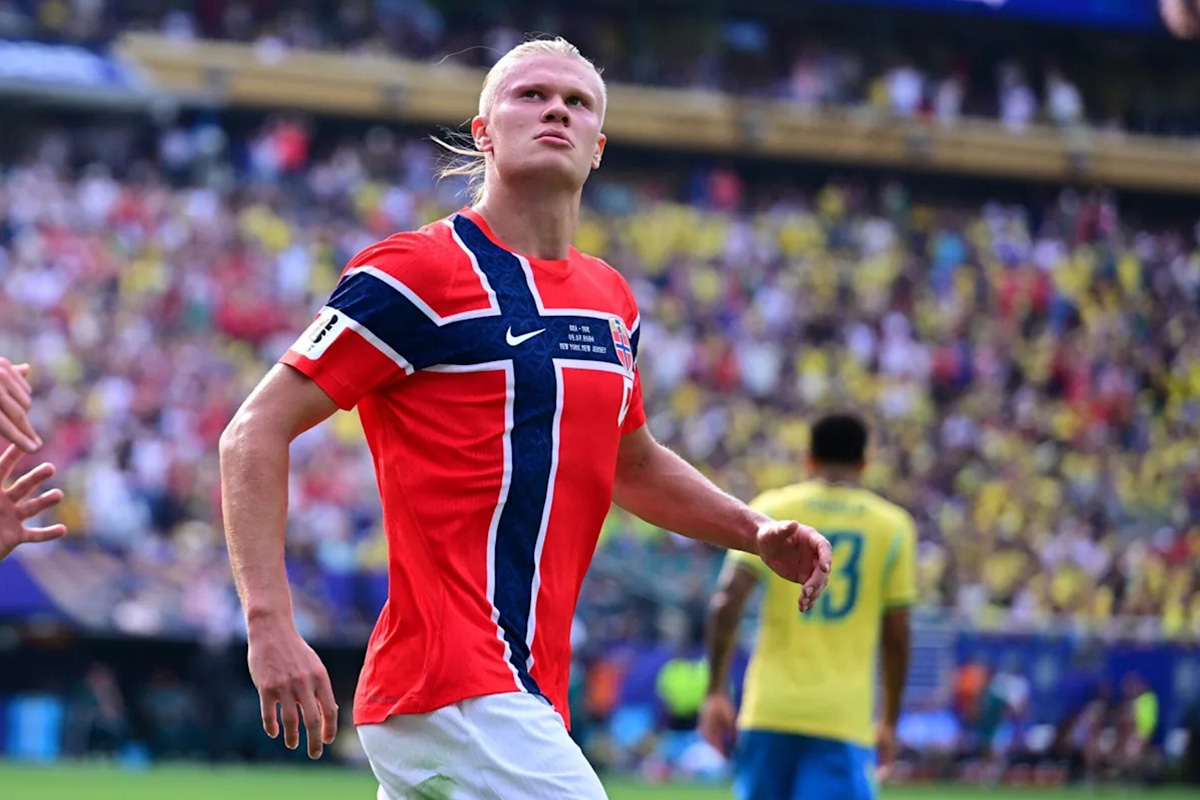
Kaizen Gaming shares Betano users’ predictions on teams heading to the World Cup semi-finals
As the World Cup moves into the last eight stage, Kaizen Gaming unveils exclusive proprietary data from its Betano platform, which reveals Argentina, Norway, Spain and France as the most backed teams by users globally to progress into the semi-finals.
Predicting the teams to qualify to the semi-finals (selections from the “To Qualify” market):
- Norway backed by 75% of users to qualify over England
- Argentina favoured by 80% of users to win over Switzerland
- Spain narrowly predicted to come out on top over Belgium with 55% of users’ bets
- France has been selected by 67% of users to pass through Morocco
With regards to two of the biggest surprises of the tournament this far, Brazil’s defeat to Norway and Germany’s elimination by Paraguay, it seems that for Betano users the shock wasn’t that big. In fact, 42% of users had seen Paraguay’s qualification coming, and 45% had predicted Norway getting through Brazil to reach the quarterfinals.
*The data shared has been extracted on the morning of July 8, 2026 from across 18 markets, excluding the UK. The international data sources may vary according to betting option availability per market.
The post International bettors back Haaland’s Norway to beat England in World Cup Quarter Final Clash appeared first on EE Gaming | Global iGaming & Tech Intelligence Hub.

-

 Affiliate Industry6 days ago
Hub Affiliations Triumphs at the iGB Affiliate Awards 2026: Winner of Programme/Network Campaign of the Year
-
Austria6 days ago
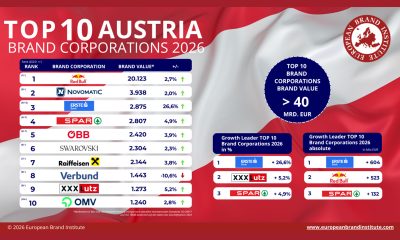
Austrian Brand Value Study: NOVOMATIC Defends Top Ranking
-
Latest News6 days ago
N1 Partners at iGB L!VE 2026: Bringing Together Affiliates, Art and Innovation
-
Amusnet6 days ago
Amusnet Releases its Latest Video Slot “Golden Snake”
-
Africa7 days ago
PopOK Gaming sponsors Botswana’s TT Cup Challenge horse racing event
-
Betsson CEO Pontus Lindwall7 days ago
Gaming in the Nordics launch event sets annual Copenhagen conference from 2027
-
Azerbaijani Parliament6 days ago
Azerbaijan to Impose Tougher Penalties for Illegal Online Gambling
-
Amusnet6 days ago
Weekend Reels | Week 27: Slot Drops & Trends