Compliance Updates
Gaming Americas Q1 2024 Meetup: Balancing Slot Mechanics and the US Legislation Roundup

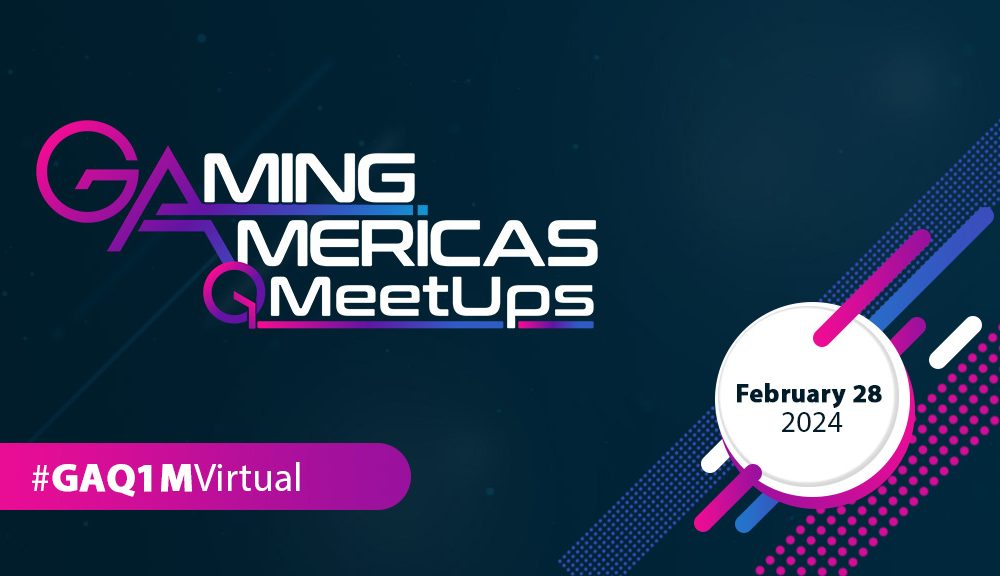
HIPTHER’s Virtual Quarterly Meetups for the Gaming industry have officially returned for 2024! The Gaming Americas Q1 Virtual Meetup took place on February 28, featuring an informative panel on Innovating Slot Mechanics, and our staple US Legislation Round-up.
HIPTHER’s Co-Founder, Zoltan Tuendik, hosted the first session about Slot Mechanics, featuring Connor Blinman, Head of Games at Gaming Corps, and Raph Di Guisto, Founder at Silverback Gaming. For the Q1 US Legislation Roundup, the “usual suspects” Martin Lycka, SVP for American Regulatory Affairs & Responsible Gambling at Entain, Bill J. Pascrell III, Esq, Partner at Princeton Public Affairs Group Inc, and Jeremy Kleiman, Gaming Attorney and Member at Saiber LLC, reunited for a session that offered ample insight into the latest regulatory updates in the United States.
The first part of the Meetup primarily focused on the future direction of the gaming industry, including emerging trends in slots and game mechanics, the potential of virtual reality and multiplayer technology in the casino industry, and the game development process. The US Legislation Roundup walked us through the challenges faced by the online gambling industry due to the popularity of unregulated offshore sites, the sports betting industry, the legalization of iGaming in various states, the regulation of online gambling and sports betting, and the future of online sports betting and iGaming services.
Innovating Slot Mechanics: Balancing Novelty with User Experience
Connor and Raph discussed the game development process, highlighting the importance of understanding the target audience, conducting market research, and introducing innovative mechanics. They anticipate a trend towards medium volatility games with increased player engagement. They also discussed the potential of skill-based and personalized gaming experiences, as well as integrating multiplayer technology. The conversation underscored the complexities of the market and the need for continuous innovation. They discussed the challenges of introducing a new feature in the competitive slots game market and the importance of adapting and innovating. They also focused on reducing player fatigue and burnout and adapting to evolving market needs. The discussion ended with a focus on measuring the success of new game mechanics after their release using player feedback and data analysis.
Q1 US Legislation Roundup: Online Gambling Challenges, New Markets,Taxation, and Sports Betting Industry
Jeremy discussed the difficulties faced by the online gambling industry due to the popularity of unregulated offshore sites among players in regulated markets. He questioned the incentives for players to switch to regulated sites and acknowledged this as a challenge for both the industry and regulators.The conversation between Jeremy, Bill, and Martin revolved around sports betting, particularly in New York and North Carolina, with a focus on tax rates and policy. The need for investing in consumer protection, innovation, and improved customer experience was emphasized.
Bill Pascrell discussed the challenges and progress of online gaming in various states, including the potential tax increase proposed in New Jersey and the readiness of other states to legalize iGaming. The conversation primarily focused on the introduction of sports betting legislation in various states and its potential impact. The panelists also briefly touched on the possibility of regulating online casino and poker games in Maryland. The conversation emphasized the importance of bringing in interested operators, incentivizing them with bonuses, deductions, and reasonable tax rates.
Bill, Martin and Jeremy had a wide-ranging discussion about the sports betting industry. They highlighted the role of Senator Hoskins and his support for the industry. They also touched upon the public perception of the industry and the need for responsible gambling. The conversation explored the challenges of regulating the Black Market and the potential for increased tax revenue. The group also acknowledged the need for the industry to proactively educate the public about its benefits. Towards the end, they discussed the difficulty of creating a positive narrative around the industry.
Bill, Jeremy, and Martin discussed the regulation of online gambling and sports betting, emphasizing the need for a balance between industry growth and job creation, and addressing concerns about dysfunction and stakeholder engagement. They also touched on the potential of technological innovation and the risk of entrenched market shares. The conversation concluded with a reminder about the importance of integrity, compliance, legality, and responsible gaming in the industry. The trio discussed the need to respect tribes and engage with them in negotiations. The issue of betting on college sports was raised, highlighting potential risks for players and the need for regulation. The discussion ended with a brief mention of the NCAA tournament and the importance of commercial operators’ support for legislation.
The panel concluded with thoughts on the future of online sports betting and iGaming services. The speakers emphasized the importance of agreements with individual states and the federal government to offer these services. The role of human interaction in understanding stakeholders’ interests and pain points was highlighted, and the potential for legalizing sports betting in California and other states was discussed, while acknowledging the problems with the black market. The need for a more efficient way to engage with tribes and the necessity of regulation were stressed as next steps to drive out the black market.
Coming up Next:
Watch the recording of the Gaming Americas Q1 Meetup on HIPTHER TV, and keep an eye out for our next Gaming Americas Quarterly Meetups for 2024!











betting platforms
US Public Health Debate Intensifies as Boston Hosts Landmark Online Gambling Symposium
As scrutiny around online gambling intensifies in the United States, a landmark symposium in Boston is set to bring the issue of public health and regulation into sharper focus.
The Public Health Advocacy Institute (PHAI) has announced it will host the country’s first international symposium dedicated to the public health impact of online gambling on April 24, 2026, at Northeastern University.
The event comes amid growing concern over the speed at which digital betting has expanded across the US, particularly in the years following the legalization of sports betting in multiple states.
From Market Growth to Public Health Debate
What began as a state-driven expansion of sports wagering has evolved into a broader ecosystem that now includes:
- Mobile-first betting platforms
- Micro-betting and in-play wagering
- Algorithm-driven and AI-supported betting tools
Public health experts argue that these developments have outpaced regulation, raising concerns about addiction risks, accessibility, and consumer safeguards.
Survey data continues to reflect mixed public sentiment, with a significant portion of Americans expressing concerns over the integrity of sports and the social impact of betting.
Policy Momentum Building Across States
The symposium will also highlight a wave of legislative efforts aimed at tightening controls on the industry. Proposals such as the SAFE Bet Act, alongside state-level initiatives in Massachusetts, New York, New Jersey, and Ohio, indicate a shift toward stricter oversight, including potential limits on high-risk betting formats like micro-betting.
Bringing Together Key Stakeholders
The Boston event will gather a broad coalition of stakeholders, including:
- US lawmakers and regulators
- Public health professionals
- Academic researchers specialising in gambling behaviour
- Policy advocates and legal experts
Key discussion points will include the limitations of current responsible gaming models, the need for federal safety standards, and strategies to reduce gambling-related harm.
Legal Pressure Adds to Industry Tensions
The symposium follows recent legal action involving major operators and sports stakeholders, underlining the increasingly complex relationship between rapid market growth and regulatory accountability in the US gambling sector.
As the conversation evolves, the Boston gathering is expected to play a role in shaping how policymakers and stakeholders approach the next phase of online gambling regulation in America.
The post US Public Health Debate Intensifies as Boston Hosts Landmark Online Gambling Symposium appeared first on Americas iGaming & Sports Betting News.
Compliance Updates
Licence to Operate: The New Regulatory Frontier in Ireland, Finland and New Zealand

Overview
For years, many jurisdictions were content to sit back while offshore operators captured players and revenue. Ireland has created a dedicated, centralised regulator. Finland has dismantled its standing state monopoly. New Zealand is finally trying to pull a largely unregulated grey market into a controlled framework. Each of these markets is at a different stage, but the direction of travel is the same: licensing, enforcement, and a far tougher stance on consumer protection.
For operators, this is a mixed picture. Genuine commercial opportunities are opening, but the compliance bar is rising fast, and the days of entering a market through an offshore licence are numbered.
Ireland: The Gambling Regulatory Authority of Ireland (GRAI)
The main legislation dated back to 1931, enforcement was fragmented, and nobody could quite agree on who was responsible for what. The Gambling Regulation Act 2024 was the overhaul the industry had been waiting for, and it came with real teeth.
The Gambling Regulatory Authority of Ireland (GRAI) was set up in March 2025 and became fully operational in February 2026, when it started accepting licence applications. It now acts as a single national regulator with the power to supervise and issue substantial penalties.
The new licensing fees are tiered rather than flat, which is a significant change. Previously, fees bore almost no relationship to an operator’s size or revenue. Now they scale with turnover and the type of operation. That’s fairer for smaller entrants and means larger operators are paying something closer to their actual market cost.
What the Rules Cover
The new framework touches most areas of the market. A few standout provisions:
- Licences: The GRAI’s digital Operator Portal went live in early 2026. Both remote and land-based products are covered, and the documentation requirements are clearly set out.
- Penalties: Serious breaches can result in fines of up to €20 million or 10% of annual turnover, whichever is higher.
- Consumer protections: Credit card gambling is banned. Gambling advertising is subject to tighter restrictions.
How to Apply
The application process runs in stages:
- Publish a notice of intention at least 28 days before submitting and send proof to the GRAI.
- Pull together the required documentation, financial records, ownership details, and operational plans.
- Submit the online application and pay the non-refundable tiered fee.
- The GRAI reviews the application.
- A written decision is issued. If the licence is granted, operators move into post-licence compliance obligations, including reporting any material changes to ownership, finances or senior personnel.
The GRAI was allocated €9.1 million for its first year to cover licensing, enforcement, recruitment and public awareness. Annual inspections are expected to begin shortly, with dedicated enforcement units in place by Q3 2026. There’s clearly an appetite from both domestic and overseas operators; the market is attracting serious interest.
Finland: After the Monopoly
Veikkaus has run Finland’s gambling market for a long time. Lotteries, sports betting, and online casinos all sat under one state-owned roof. That changed in December 2025, when the Finnish parliament passed landmark gambling legislation. Online casino and sports betting are now open to competition, though Veikkaus will keep its monopoly over lotteries, scratch cards and land-based slots and casinos.
It’s worth noting the transition timeline: Veikkaus retains its monopoly until 30 June 2027. Until that point, no other company may run or market gambling in Finland. The new competitive market, and with it the first licensed private operators, only goes live on 1 July 2027.
Applications opened on 1 March 2026. The regulator is targeting a three-to-six-month processing window, which means operators who move now have plenty of time to be ready for the July 2027 launch.
Structure and Costs
Operators need a Finnish licence to legally serve local players from July 2027. Applications must be submitted in Finnish or Swedish, and the authority reviews them in the language used.
Two licence types cover the market:
- Gambling Licences: Covering betting, online casinos and money bingo. Applications are open now; operations can commence from 1 July 2027. Licences run for up to five years.
- Gambling Software Licences: Required for developers and suppliers. Applications open from 1 July 2027. From 1 July 2028, only software from licensed providers may be used.
The application fee is €29,000, with €1,120 for licence amendments. Annual supervisory fees are linked to gross gaming revenue. Operators will also pay a 22% tax on gross gaming revenue.
For international brands, Finland is a highly attractive opportunity. It’s a high-income, digitally engaged market that has been effectively closed to competition for decades. The reform is also explicitly aimed at drawing players back from offshore platforms; estimates suggest that between €600 million and €900 million a year is currently flowing outside the regulated system. Operators who get licensed early stand to benefit from a genuine shift in where Finns choose to play.
New Zealand: Closing the Grey Market
New Zealand’s online casino market has been a grey market for many years. Offshore operators have been able to take bets from New Zealand players without holding a local licence. That’s about to change. Estimates vary, but local players are spending approximately NZ$700–750 million a year outside any domestic regulatory framework, and the Online Casino Gambling Bill is the government’s attempt to bring that spending onshore and under regulatory control.
How the Licences Will Work
New Zealand is deliberately limiting the number of licences to 15, each tied to a single brand. The allocation process runs in stages: expressions of interest, an auction, then detailed assessments covering financial strength, operational capability and consumer protection. Restrictions on how many licences a single group can hold (a maximum of three) are also built in, which should prevent a few large operators from dominating the market.
Licences run for three years with a right of renewal up to five. Application fees will cover regulatory assessment costs based on operator revenue.
Timeline
- Legislation: The Bill passed its first reading in July 2025 and was at its third reading stage as of late March 2026. Royal Assent is anticipated around May 2026, though the exact timing depends on parliamentary scheduling.
- Regulations: Detailed rules on harm prevention, advertising, consumer protection and compliance are expected to be finalised by mid-2026, ahead of the licensing process.
- Licensing opens: The three-stage licensing process is expected to begin in July 2026. From 1 December 2026, any operator without a licence or a pending application must cease serving New Zealand players entirely.
Penalties and Player Protections
Operating without a licence after the deadline, or breaching key requirements like targeting minors, carries civil penalties of up to NZ$5 million for companies – a clear enforcement signal. All licensed operators will also need to implement age verification, spending controls and integration with national exclusion systems.
The Select Committee recommended increasing that duty from 12% to 16%, which, when combined with GST of approximately 13%, would push the total tax burden for licensed operators to around 29% of gross betting revenue. Note that the 16% duty rate was still subject to final parliamentary approval at the time of writing.
The upside for operators willing to commit is a market that’s been largely uncontested from a regulatory standpoint. The 15-licence cap means the field will be small, and early movers who make it through the process will be operating in a structurally limited competitive environment.
Where This Leaves Operators
Ireland, Finland and New Zealand don’t have a huge amount in common on the surface: different sizes, different regulatory histories and different market structures. But the logic driving each of these changes is the same: governments have decided that letting offshore operators capture their markets unchallenged is no longer an acceptable policy.
For operators, that means more paperwork, higher compliance costs, and in some cases entirely new licencing regimes in markets where none existed before. It also means real, regulated access to markets that have been effectively closed. Finland’s player base has never had a competitive licensed market to choose from. New Zealand’s offshore-dominated status quo is about to be dismantled.
The operators who will do well in these markets are the ones who take the licensing process seriously from the start and don’t assume that doing things right in one jurisdiction automatically translates across borders.
The post Licence to Operate: The New Regulatory Frontier in Ireland, Finland and New Zealand appeared first on Eastern European Gaming | Global iGaming & Tech Intelligence Hub.
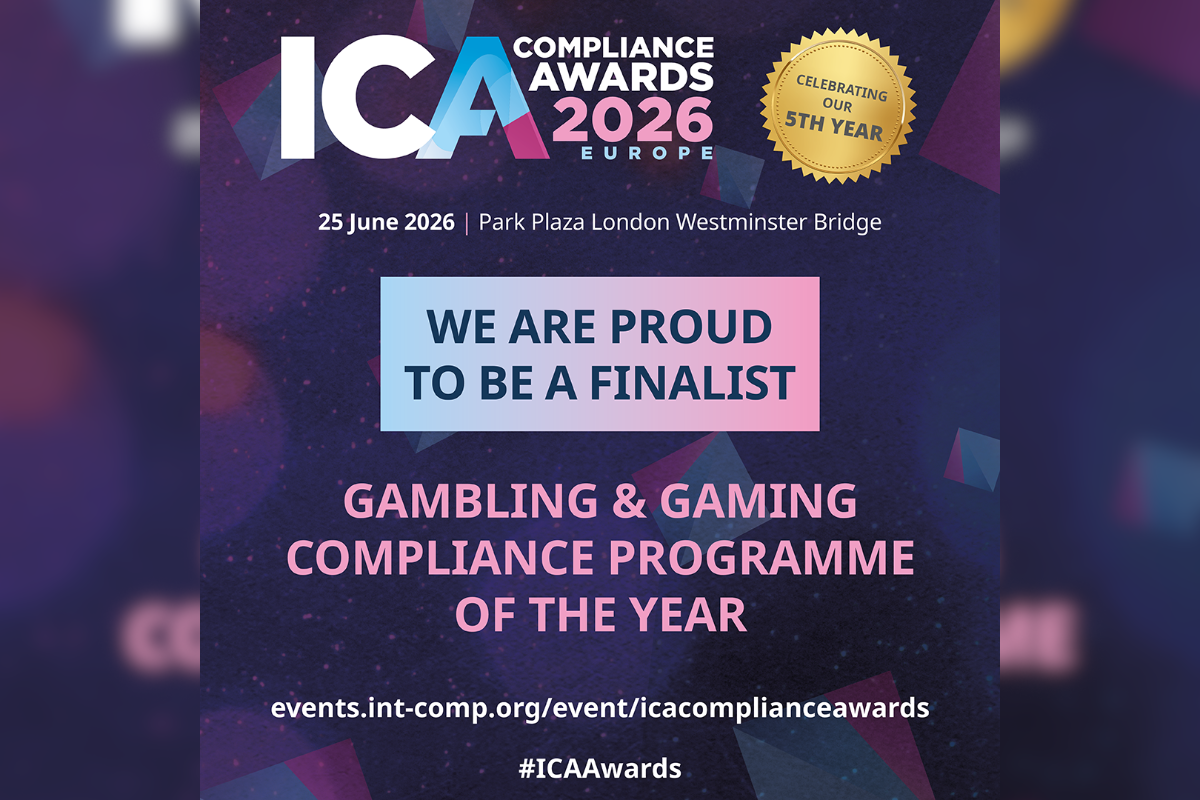
Isle of Man-based casino games supplier Flatdog Games has been shortlisted for the Gambling & Gaming Compliance Programme of the Year at the International Compliance Association (ICA) Compliance Awards Europe 2026.
The ICA Compliance Awards recognise excellence, innovation, and collaboration across the compliance and financial crime prevention sector. Following a rigorous judging process led by senior industry figures, Flatdog Games earned a place among the finalists ahead of the awards ceremony on 25 June 2026 at Westminster Park Plaza, London.
The judging panel featured leading compliance professionals including Lisa Bennett, Legal Compliance Director at Mastercard; Jon Duffy, Senior VP of Corporate Assurance & Regulatory Affairs at Genting Casinos UK; and Caroline Braddock, Ethics and Compliance Officer at Rolls-Royce.
Lee Hills, Co-Founder of Flatdog Games, said:
“Being shortlisted for this award validates our commitment to raising compliance standards in the gambling industry. Our focus has been on designing proportionate, non-intrusive systems that safeguard businesses, enhance supply chain integrity, and minimise operational burden. Recognition from the ICA and such a distinguished judging panel shows that our approach is both effective and practical.”
Flatdog Games’ submission highlighted its robust compliance programme, showcasing excellence in regulatory adherence, governance, and data protection.
Pekka Dare, President of ICA, added:
“We congratulate Flatdog Games on being named a finalist. All entrants represent the best of the compliance industry, and we look forward to celebrating their achievements at the awards ceremony in June.”
The winners will be announced at the ceremony on Thursday, 25 June 2026 at Westminster Park Plaza, London.
The post Flatdog Games Shortlisted for ICA Compliance Awards Europe 2026 appeared first on Eastern European Gaming | Global iGaming & Tech Intelligence Hub.

-

 BNL7 days ago
Paneles SiGMA South America concentran debates claves para Brasil
-
ALL FOR ONE Studios6 days ago
Unlock the Sands’ Bounty — Games Global and ALL FOR ONE Studios introduce rewards in Queens of Ra Rising Coin Collect
-
Alea6 days ago
Alea Returns to SiGMA South America as Brazil’s iGaming Market Enters a More Demanding Stage
-
Andrew Humphreys Chief Product Engineering Officer at Bede Gaming6 days ago
OLG Launches Innovative New React Native Mobile App with Bede Gaming
-
bets7 days ago
SiGMA South America panels focus on key debates to Brazil
-
Booming Games5 days ago
Booming Games targets South American dominance with major investment, flagship partnerships and exclusive Ronaldinho content
-
Best Slot Developer6 days ago
Amusnet Named Best Slot Developer at GamingTECH Awards 2026
-
Evoplay6 days ago
Evoplay Embarks on a Heart of Africa: Lion Way