Latest News
Majority of gamblers hit with affordability checks have handed over info, but wider betting population unwilling

- Most bettors asked to undergo financial checks agree
- Higher spending players more willing than lower spenders
- Most who’ve not yet faced affordability checks say they will refuse
The majority of bettors who have been asked for proof they can afford to gamble have provided it, but there are big questions over how things will play out if checks become mandatory or more common, the results of a new study by sports betting community OLBG show.
A survey of bettors carried out online by YouGov for OLBG found that the majority of those who had been asked by gambling operators to provide documents such as payslips, bank statements or other documents had complied with the request.
The survey, which polled 1,007 bettors, found that 21.8% of bettors had already been asked for documents by at least one bookmaker. Of these, 74.3% had provided them, but 17.9% had refused and started playing with a different licensed operator instead. Of the remainder, 4.1% refused and moved to an unlicensed operator, while 3.7% stopped betting entirely.
The willingness to provide documentation was less widespread among those who had not yet been asked to do so, however.
Of the 78.2% of punters who had not yet faced affordability checks, 37.3% said they would refuse and simply stop betting, 35.0% said they would move to a different licensed operator and 4.1% said they’d go to an unlicensed company. Only 23.5% indicated they would be willing to provide the documents.
“Most bettors who have been asked to provide documents have done so. More importantly, very few of those who were asked stopped gambling or went to the black market, the latter being the worst unintended consequence of measures aimed at making gambling more responsible,” said Richard Moffat, CEO at OLBG.
“However, there is a stark difference between those who have been asked and those who haven’t in terms of willingness.”
As the below table shows, overall 65% of bettors reported not being willing to comply with affordability checks. Those betting lower monthly amounts were the least open to handing over financial documents, with more than three in four (75.4%) of those betting less than £5 a month and 72% of those betting £6-15 a month unwilling to undergo affordability checks.
“Few people who are spending at this level are likely to think it is proportionate for a bookie to ask for proof they can afford it and it’s quite surprising how many lower spending players report already having been asked. From the rumours about what level mandatory checks might come in, it seems unlikely checks will be forced on players at levels under £100 per month,” said Moffat.
Players spending less than £100 per month
| Have you been asked by a gambling company to provide payslips, bank statements or similar documents as part of an affordability or proof of funds check? | All bettors | Less than £5 | £6-15 | £16-25 | £26-50 | £51-100 |
| Unweighted base | 1,007 | 235 | 224 | 147 | 154 | 93 |
| Yes, I have and I provided the required documents | 16.16% | 6.00% | 10.08% | 20.86% | 16.55% | 14.27% |
| No, I have not but I would provide the documents if asked | 18.45% | 18.20% | 18.06% | 23.14% | 20.31% | 21.62% |
| Yes, I have, but I didn’t provide the documents and bet with a different licensed company instead | 3.92% | 0.40% | 1.77% | 4.22% | 4.53% | 6.57% |
| Yes, I have but I didn’t provide the documents and bet with a different unlicensed company instead | 0.90% | 0.00% | 0.47% | 0.71% | 1.29% | 1.08% |
| Yes, I have but I didn’t provide the documents and stopped betting | 0.79% | 0.00% | 0.43% | 0.70% | 1.94% | 1.10% |
| No, I have not and if asked I wouldn’t provide the documents and would bet with a different licensed company instead | 27.40% | 20.40% | 31.52% | 24.80% | 35.25% | 38.36% |
| No, I have not and if asked I wouldn’t provide the documents and would bet with an unlicensed company instead | 3.20% | 1.30% | 3.57% | 4.17% | 3.27% | 1.11% |
| No, I have not and if asked I wouldn’t bet | 29.18% | 53.60% | 34.10% | 21.40% | 16.86% | 15.88% |
| Total willing to provide documents | 34.61% | 24.20% | 28.14% | 44.00% | 36.86% | 35.89% |
| Total unwilling to provide documents | 65.39% | 75.70% | 71.86% | 56.00% | 63.14% | 64.10% |
Players spending more than £100 per month
| Have you been asked by a gambling company to provide payslips, bank statements or similar documents as part of an affordability or proof of funds check? | All bettors | £101-200 | £201-300 | £301-500 | £501-1000 |
| Unweighted Base | 1,007 | 57 | 16 | 16 | 20 |
| Yes, I have and I provided the required documents | 16.16% | 30.04% | 31.87% | 50.63% | 40.65% |
| No, I have not but I would provide the documents if asked | 18.45% | 19.41% | 12.94% | 0.00% | 4.79% |
| Yes, I have, but I didn’t provide the documents and bet with a different licensed company instead | 3.92% | 12.40% | 6.73% | 0.00% | 15.35% |
| Yes, I have but I didn’t provide the documents and bet with a different unlicensed company instead | 0.90% | 1.77% | 0.00% | 0.00% | 0.00% |
| Yes, I have but I didn’t provide the documents and stopped betting | 0.79% | 1.70% | 0.00% | 6.45% | 0.00% |
| No, I have not and if asked I wouldn’t provide the documents and would bet with a different licensed company instead | 27.40% | 24.19% | 36.36% | 30.49% | 28.90% |
| No, I have not and if asked I wouldn’t provide the documents and would bet with an unlicensed company instead | 3.20% | 5.19% | 12.10% | 6.45% | 5.12% |
| No, I have not and if asked I wouldn’t bet | 29.18% | 5.31% | 0.00% | 5.98% | 5.20% |
| Total willing to provide documents | 34.61% | 49.45% | 44.81% | 50.63% | 45.44% |
| Total unwilling to provide documents | 65.39% | 50.56% | 55.19% | 49.37% | 54.57% |
* Players spending more than £1,000 per month were excluded as numbers were too small to be statistically significant.
However, while willingness to undergo affordability checks does seem to increase among players who spend more on a monthly basis, even among those spending £100-plus per month, less than half were open to affordability checks.
One big difference between players at lower spend levels and those spending more than £100 was the likelihood of players stopping gambling if asked to undergo checks. While 53.6% of those betting less than £5 said they wouldn’t gamble if faced with affordability checks, just 5.31% said the same in the £101-200 per month category.
Higher spending players were more likely to have moved to a different licensed company rather than provide documents, but across all spending amounts a significant proportion of players reported plans to do so if asked to provide documents.
“Many players reported either having already moved to a different licensed operator or being willing to do so over affordability checks. Therefore, there is now a big question mark over what might happen if affordability checks become mandatory and all licensed operators have to impose them at certain levels,” said Moffat.
The survey also found that younger players were more willing to submit to financial checks. About one-third (33.34%) of those aged 18-24 said they had been asked for and provided documents, while 22.86% said they hadn’t been asked but would do so. In the 55-plus age group, the percentage of players reporting the same fell to 6.40% and 15.37%, respectively.
More details on this breakdown can be found in the full survey report, along with various other findings on the UK’s gambling habits.
Powered by WPeMatico


The Brazilian fixed-odds betting market is at a pivotal moment, driven by regulatory progress and rapid sector growth. However, this development is occurring alongside the expansion of a strong illegal market, which challenges the effectiveness of current measures.
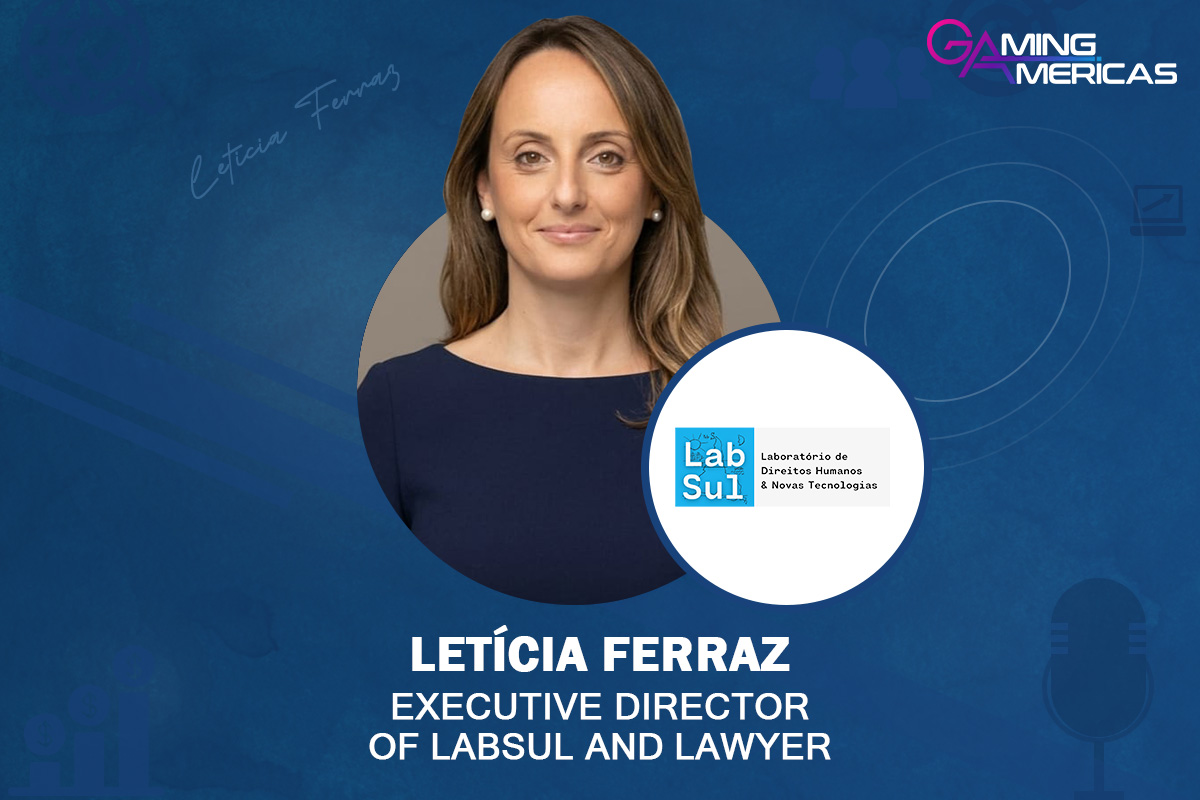
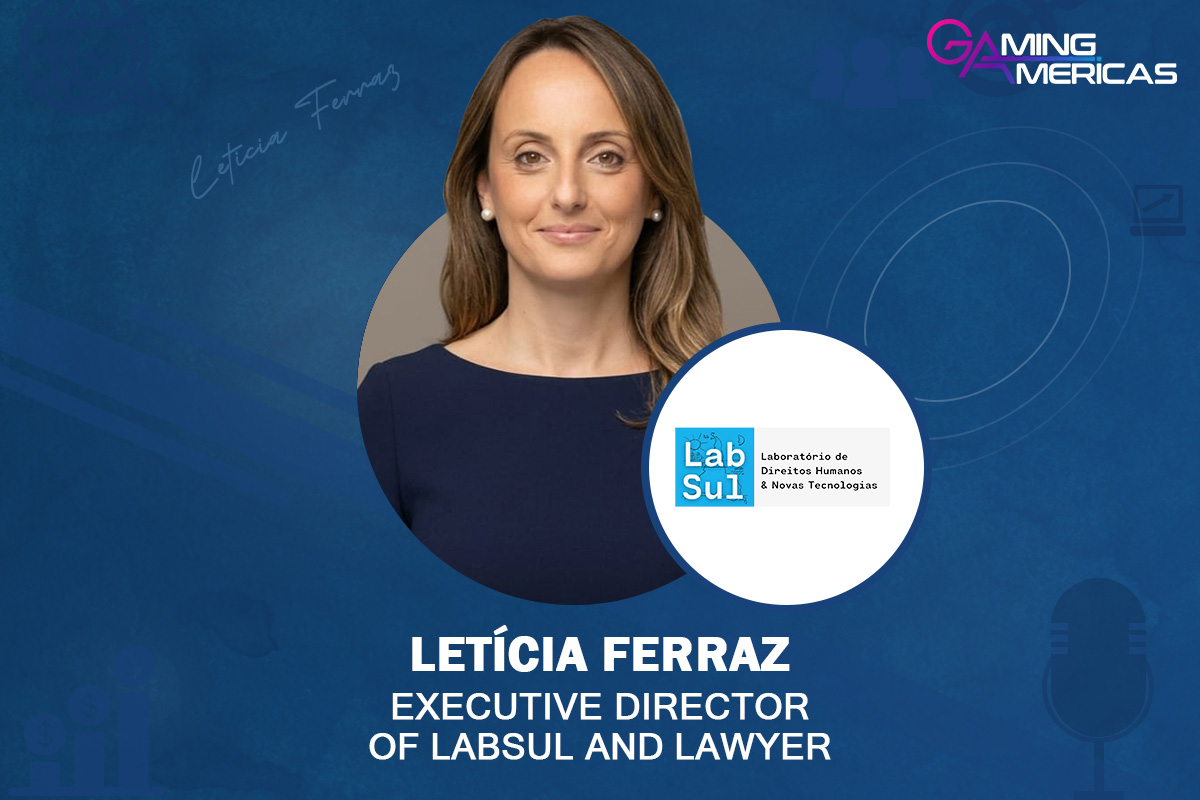
In this exclusive article, the lawyer and Executive Director of LabSul, Letícia Ferraz examines the key challenges, risks, and pathways toward building a safer, more competitive, and sustainable environment in Brazil.
Brazil is emerging as one of the most relevant jurisdictions in the global betting landscape. It has a large-scale market, a significant user base, and a recently structured regulatory framework with appropriately stringent requirements.
However, there are serious obstacles to the consolidation of this market, as a parallel economy of illegal betting is growing rapidly, already rivaling—and in some segments surpassing—the formal sector.
Understanding this duality is essential for a realistic assessment of the Brazilian case.
From a regulatory standpoint, Brazil has made significant progress. The consolidation of fixed-odds betting, particularly since 2023, has established a model that seeks to balance market openness, tax revenue generation, and consumer protection.
Authorized operators are subject to strict requirements, including identity verification, restrictions on minors, responsible gambling mechanisms, monitoring of risky behavior, and specific advertising rules.
The economic results are already tangible. In 2025, the sector generated approximately R$ 9.9 billion in tax revenue, allocated to strategic areas such as healthcare, public security, and sports.
This is the picture of the visible market: regulated, supervised, and institutionally integrated.
At the same time, however, an illegal market of equally significant proportions operates in parallel. Estimates indicate that around 51% of betting activity in Brazil takes place outside the regulated environment, generating between R$ 26 billion and R$ 40 billion annually.
Meanwhile, approximately 70% of users are unable to distinguish between legal and illegal operators, highlighting not only enforcement failures but also a structural deficit in information and transparency.
This is not a residual phenomenon, but a consolidated parallel economy.
The illegal market benefits from structural asymmetries.
By operating outside regulation, it avoids licensing costs, does not implement consumer protection mechanisms, and exploits weaknesses in financial supervision systems. In practice, a robust parallel infrastructure is formed, often connected to illicit activities, particularly money laundering.
The impacts are systemic and span multiple dimensions. For consumers, risks of fraud, financial loss, and misuse of personal data increase.
For public health, the absence of control tools exacerbates risky behaviors and intensifies problem gambling. For the State, the loss of tax revenue is significant, estimated between R$ 7 billion and R$ 10 billion annually, undermining the funding of essential public policies.
In terms of public security, there is a strengthening of criminal structures that increasingly operate in the digital environment, shifting from territorial control to technological infrastructures.
The data presented highlights the need for broad discussion and for enforcement actions and regulatory improvements, without substantially altering the structures already in place.
Proposals that seek to excessively restrict the regulated market or disproportionately increase the tax burden tend to produce adverse effects.
By reducing the competitiveness of licensed operators, such measures encourage consumers to migrate to the illegal environment, where risks are higher and consequences potentially more harmful.
Thus, the regulatory challenge lies not only in establishing rules, but in ensuring that regulation is economically viable, technically feasible, and institutionally effective.
Addressing the illegal market requires a coordinated and multisectoral approach.
This involves strengthening oversight of financial flows, integrated action between regulatory and law enforcement bodies, and expanding regulatory reach across the entire value chain, including intermediaries and service providers that, even indirectly, enable illegal operations.
In addition, there is a central component of education and transparency.
In a digital environment where interfaces and brands can easily simulate legitimacy, it is essential to develop clear mechanisms for identifying the regulated market, combined with consistent consumer awareness policies.
The country has made progress in structuring its regulatory framework. The next challenge, more complex and decisive, is to ensure that this model can compete with the illegal economy and progressively reduce, and ideally eliminate, its space.
I conclude by arguing that the consolidation of a safe and sustainable betting market in Brazil depends on coordinated action among legislators, regulators, private companies, and consumers themselves.
The continuous improvement of market practices, combined with balanced and effective regulation, requires ongoing dialogue and shared responsibility among all stakeholders.
Only through this joint effort will it be possible to strengthen the regulated environment, curb the advance of illegality, and generate concrete benefits for the State, bettors, and society as a whole.
Letícia Ferraz
Executive Director of LabSul and lawyer.
The post Overview of the Fixed-Odds Betting Market in Brazil appeared first on Americas iGaming & Sports Betting News.
El mercado brasileño de apuestas de cuota fija atraviesa un momento decisivo, marcado por el avance de la regulación y el rápido crecimiento del sector. Sin embargo, este desarrollo ocurre en paralelo a la expansión de un sólido mercado ilegal, que pone en duda la eficacia de las medidas adoptadas hasta ahora.
En este artículo exclusivo para Gaming Americas, la abogada y directoa de Labsul, Letícia Ferraz analiza los principales desafíos, riesgos y caminos para la consolidación de un entorno más seguro, competitivo y sostenible en Brasil.
Brasil emerge como una de las jurisdicciones más relevantes en el escenario global de las apuestas. Con un mercado de gran escala, una base significativa de usuarios y un marco regulatorio recientemente estructurado con exigencias adecuadamente rigurosas.
Sin embargo, existen serios obstáculos para la consolidación de este mercado, ya que crece, a un ritmo acelerado, una economía paralela de apuestas ilegales que ya compite e, incluso, en algunos segmentos, supera al propio sector formal.
Comprender esta dualidad es esencial para una lectura realista del caso brasileño.
Desde el punto de vista normativo, Brasil ha avanzado de manera significativa. La consolidación de las apuestas de cuota fija, especialmente a partir de 2023, estableció un modelo que busca equilibrar la apertura del mercado, la recaudación fiscal y la protección del consumidor.
Los operadores autorizados están sujetos a exigencias rigurosas que incluyen verificación de identidad, restricción a menores de edad, mecanismos de juego responsable, monitoreo del comportamiento de riesgo y reglas específicas para la publicidad.
Los resultados económicos ya son tangibles. En 2025, el sector generó aproximadamente R$ 9,9 mil millones en recaudación tributaria, con destino a áreas estratégicas como salud, seguridad pública y deporte.
Este es el retrato del mercado visible: regulado, fiscalizado e institucionalmente integrado.
Paralelamente, sin embargo, opera un mercado ilegal de proporciones igualmente significativas.
Las estimaciones indican que alrededor del 51% de las actividades de apuestas en Brasil ocurren fuera del entorno regulado, movilizando entre R$ 26 mil millones y R$ 40 mil millones al año.
Al mismo tiempo, aproximadamente el 70% de los usuarios no logra distinguir entre operadores legales e ilegales, lo que evidencia no solo fallas en la fiscalización, sino también un déficit estructural de información y transparencia.
No se trata de un fenómeno residual, sino de una economía paralela consolidada.
El mercado ilegal se beneficia de asimetrías estructurales.
Al operar fuera de la regulación, evita costos de licenciamiento, no implementa mecanismos de protección al consumidor y explota debilidades en los sistemas de supervisión financiera.
En la práctica, se forma una infraestructura paralela económicamente robusta y frecuentemente conectada con actividades ilícitas, especialmente el lavado de dinero.
Los impactos son sistémicos y se distribuyen en múltiples dimensiones. Para el consumidor, aumentan los riesgos de fraude, pérdidas financieras y uso indebido de datos personales.
Para la salud pública, la ausencia de herramientas de control potencia comportamientos de riesgo y agrava el fenómeno del juego problemático.
Para el Estado, la pérdida de recaudación es significativa y alcanza valores estimados entre R$ 7 mil millones y R$ 10 mil millones al año, comprometiendo el financiamiento de políticas públicas esenciales.
En el ámbito de la seguridad pública, se observa el fortalecimiento de estructuras criminales que pasan a operar de manera intensiva en el entorno digital, desplazando su lógica de actuación del control territorial hacia infraestructuras tecnológicas.
Los datos presentados revelan la necesidad de un amplio debate y de acciones de fiscalización y mejora de la regulación, sin que las estructuras ya delineadas sean sustancialmente alteradas.
Las propuestas que buscan restringir excesivamente el mercado regulado o aumentar de manera desproporcionada la carga tributaria tienden a generar efectos adversos.
Al reducir la competitividad de los operadores licenciados, estas medidas estimulan la migración de los consumidores hacia el entorno ilegal, donde los riesgos son mayores y las consecuencias potencialmente más dañinas.
Así, se comprende que el desafío regulatorio no reside únicamente en establecer normas, sino en garantizar que la regulación sea económicamente viable, técnicamente ejecutable e institucionalmente eficaz.
El enfrentamiento del mercado ilegal exige un enfoque coordinado y multisectorial.
Esto implica el fortalecimiento de la fiscalización sobre los flujos financieros, la actuación integrada entre organismos reguladores y de persecución penal, y la ampliación del alcance regulatorio sobre toda la cadena de valor, incluyendo intermediarios y proveedores de servicios que, incluso de forma indirecta, viabilizan operaciones ilegales.
Además, existe un componente central de educación y transparencia.
En un entorno digital en el que interfaces y marcas pueden simular legitimidad con facilidad, resulta indispensable desarrollar mecanismos claros de identificación del mercado regulado, junto con políticas consistentes de concientización del consumidor.
El país ha avanzado al estructurar su marco regulatorio.
El desafío ahora, más complejo y decisivo, es asegurar que este modelo sea capaz de competir con la economía ilegal y, progresivamente, reducir y, idealmente, eliminar su espacio de actuación.
Concluyo defendiendo que la consolidación de un mercado de apuestas seguro y sostenible en Brasil depende de una actuación coordinada entre legisladores, reguladores, empresas privadas y los propios consumidores.
El perfeccionamiento continuo de las prácticas de mercado, junto con una regulación equilibrada y efectiva, exige diálogo permanente y corresponsabilidad entre todos los actores involucrados.
Solo a través de esta construcción conjunta será posible fortalecer el entorno regulado, contener el avance de la ilegalidad y generar beneficios concretos para el Estado, los apostadores y la sociedad en su conjunto.
Letícia Ferraz
Directora Ejecutiva de LabSul y abogada.
The post Panorama del mercado de apuestas de cuota fija en Brasil appeared first on Americas iGaming & Sports Betting News.


For years, responsible gaming meant telling players to stop, but the industry is slowly learning that’s not enough. WinSpirit’s new partnership with The Digital Wellness Center takes a different angle. Instead of warnings, players get short mental breaks built into their sessions. These small pauses are designed to help users stay in control without killing the fun.
The Digital Wellness Center works at the crossroads of technology and mental health. They build tools that reduce mental overload and help people deal with digital products mindfully. Their approach is notably free of judgment, lecturing, and restrictions, just practical support that fits into how people actually behave online.
How It Works
Instead of restricting players, WinSpirit introduces mild wellness prompts. When a player has been active for a long period, they receive a short, friendly email. Not a warning, but just a reminder. It invites them to visit a dedicated page built by The Digital Wellness Center.
That page features a droodle, which is a quirky, abstract picture with no right or wrong answer. A droodle asks one question: what do you see? There’s no timer, no score, no right answer, but a brief cognitive shift, pulling the brain out of autopilot and into a different mode of thinking. Simple by design, effective by the same logic.
The idea is not to pull players away from the game, but rather to help them come back to it in a better, less impulsive state of mind. Most responsible gaming tools are built around one idea: less is more. Play less, spend less, log off sooner. WinSpirit is working from a different premise: that the mental state of the player is what affects the decisions. Short, intentional breaks are designed to come back calmer, more in control, and less reactive. It’s not about limiting the player. It’s about managing the moment.
Initiative Highlights
The partnership rolls out over two months in structured communication waves, reaching players at the moments that matter most: long streaks and high-frequency play, when the risk of impulsive decisions is the highest. From there, players are guided to co-branded wellness landing pages meant for slowing down without switching off.
The tools themselves are intentionally light. Doodle activities shift the brain into slower thinking, quick self-check surveys, and light mental reset games. The kind of break you might actually take.
Early Results
Early results from the first outreach wave point to real interest. Players opened the emails, clicked through to wellness content, and completed the self-checks. Some users returned for a second interaction without being prompted. The response reflects less a surprise and more a gap finally being addressed.
That readiness connects to a broader shift in how WinSpirit operates. The platform’s AI-powered support already processes more than half of its 50,000+ monthly player requests, with part of its function used to detect behavioral patterns before they develop into problems. The wellness partnership extends that logic further — from reactive support to something closer to prevention.
Industry Recognition
The approach is starting to get noticed beyond the platform itself. When Casino Guru put WinSpirit forward for Rising Star in Responsible Gambling, it reflected something bigger than one platform’s initiative. It is an early signal that the industry is beginning to recognize a shift from compliance-driven messaging to well-being built into the product. This isn’t a niche experiment but a direction the broader market is moving toward.
For WinSpirit, this partnership is not a one-off. It is part of a wider message that responsible gaming and fun can work together. When you genuinely care for a player’s state of mind, that is good product design. Supporting player well-being ultimately improves trust and long-term engagement.
The goal was never to play less. It was always to play better. A player who feels cared for trusts the platform, and that’s what the industry has mostly been missing.
The post WinSpirit Partners with The Digital Wellness Center to Support Player Well-Being appeared first on Eastern European Gaming | Global iGaming & Tech Intelligence Hub.

-

 Betnacional6 days ago
Operational Leadership and the Driving Force Behind LatAm’s Largest Event
-
Australia6 days ago
NSW: More Than 650 Gaming Machine Exemptions Revoked to Address Gambling Harm
-
Compliance Updates6 days ago
UK Government proposals to undermine the ‘aim to permit’ of the Gambling Act 2005?
-
2026 SPiCE South Asia Awards6 days ago
QTech Games wins Innovation of the Year at the 2026 SPiCE South Asia Awards
-
Canada5 days ago
Peter & Sons Goes Live in Ontario with Ellipse Entertainment
-
BIS SIGMA SOUTH AMERICA 20265 days ago
VeliTech makes its Brazil debut at BiS SiGMA South America 2026
-
AMUSEBOX5 days ago
Casino Iveria Tbilisi Installs Amusnet’s Type S 50 F Slot Cabinets at its Gaming Floor
-
Austria5 days ago
Wazdan strengthens European foothold with Austrian market entry via win2day