Latest News
The MGA publishes its 2021 Annual Report and Financial Statements

The Malta Gaming Authority (MGA/Authority) is publishing its Annual Report and audited Financial Statements for the financial year ending 31 December 2021. The report provides an overview of the Authority’s achievements during the year under review and outlines the performance of the Maltese gaming industry during 2021, coupled with a medium-term outlook into the future. This is also followed by a detailed report explaining key statistics for the land-based and online gaming sectors.
Supervisory Activities
- 54 on-site compliance audits were conducted and 230 desktop reviews were carried out, accounting for 65.5% coverage of the licensees base during 2021, accompanied by additional AML/CFT compliance examinations that are carried out by the FIAU, or the MGA on its behalf. Following information which emerged from compliance audits, compliance reviews and formal investigations, the Authority issued 64 warnings and cancelled seven (7) licences. In addition, the MGA issued a total of 31 administrative penalties as well as three (3) regulatory settlements, with a collective total financial penalty of €176,016.
- An additional 10 licensees were subject to enforcement measures by the FIAU, ranging from written reprimands to administrative penalties, based on the breaches identified during examinations carried out in previous years, including by the MGA. In total these amounted to just over €863,000.
- 13 individuals and companies were deemed not to be up to the Authority’s probity standards by the Fit & Proper Committee, mainly on the basis of mitigating the risks of money laundering or funding of terrorism. An additional three (3) applications were rejected by the Supervisory Council.
- Over 1,150 criminal probity screening checks were undertaken on individuals., shareholders and ultimate beneficial owners, key persons and other employees, and companies from both the land-based and online gaming sectors.
- The Authority continued with its commitment to supervise its online gaming licensees and conducted 91 interviews with prospective MLROs and key persons carrying out the AML/CFT function to determine the knowledge and suitability of each candidate.
- The Commercial Communication Committee of the MGA issued a total of 21 letters of Breach, of which 13 operators were found to be in breach of the Commercial Communications Regulations, (S.L. 583.09).
- In its efforts to protect players and encourage responsible gambling the Authority assisted a total of 6,170 players that requested assistance, covering most of the cases received during 2021 and the spill-over from 2020.
- The MGA also investigated 79 cases of websites having misleading references to the Authority and published a total of 61 notices on its website with the aim to prevent the public from falling victim to such scams. Furthermore, an additional 26 responsible gambling website checks were conducted.
- A sectoral risk assessment on money laundering and funding of terrorism-related risks affecting the land-based and online gaming sectors in Malta was undertaken.
Improvements in Efficiency and Effectiveness
- With the aim of reducing any unnecessary bureaucracy on its licensees, the Authority has reviewed the Gaming Licence Application Process as well as launched the Personal Portfolio.
- Improvements have been made in the way non-compliance matters are notified to the relevant licensee, and how operators are directed to rectify their position.
- The MGA published amendments to the ‘Guidance on the use of Innovative Technology Arrangements and the acceptance of Virtual Financial Assets and Virtual Tokens through the implementation of a Sandbox Environment’.
- Amendments to Article 22 of the Player Protection Directive (Directive 2 of 2018) were published, accompanied by a policy paper on ‘Amending the Return to Player Minimum Percentage’. Such amendments aim to streamline the minimum Return to Player percentage applicable to licensees across all sectors.
- A series of amendments to the Gaming Authorisations and Compliance Directive (Directive 3 of 2018) were published, including the extension of the applicability of suspicious betting reporting requirements to B2B licensees as well as broader amendments to the key functions. The latter was accompanied by the introduction of the Key Function Eligibility Criteria Policy which outlines the requirements the persons holding the various key functions are expected to fulfil in order to satisfactorily perform these duties which are vital for the applicable regulatory outcomes.
- A public consultation on the Applicability of the System and Compliance Audit Service Provider Guidelines to Financial Audit was issued with the aim of communicating and refining the proposal being put forward in relation to revised Guidelines and in order to promote a greater understanding of the proposal itself.
- The Authority established a dedicated Business Transformation team, tasked with assisting each of the MGA’s directorates to continuously re-assess and improve processes, to increase efficiency and reduce administrative burdens on the MGA and industry alike, and to focus resources where these truly provide added value.
National and International Cooperation
- A new alerting process was introduced vis-à-vis the sharing of knowledge on suspicious events that is reported with the whole industry without revealing the source of the information. Since its introduction, during the last quarter of 2021, a total of 72 alerts were sent to the industry, which resulted in a total of 20 new suspicious betting reports received via the Suspicious Betting Reporting Mechanism after such alerts were corresponded.
- A total of 131 requests for information specifically relating to the manipulation of sports competitions or breaches in sports rules were submitted by enforcement agencies, sport governing bodies, integrity units, and other regulatory bodies. As a result of such requests, data was exchanged in 41 instances. Additionally, a total of 329 suspicious betting reports from licensees and other concerned parties were received.
- During the period under review, the Authority was a direct participant in 20 different investigations across the globe relating to the manipulation of sports competitions or breaches in sports rules, as well as an indirect participant in 29 such investigations.
- The Authority received a total of 89 international cooperation requests from other regulators and sent 75 such requests, with the majority referring to requests for background checks as part of an authorisation process.
- A total of 125 letters of Good Standing were issued providing feedback on the regulatory good standing of our licenced operators to the relevant authorities asking for this information.
- An International Affairs Strategy has been devised as one of the measures aimed at enhancing Malta’s international credibility, fostering collaborative relationships with targeted stakeholders and mitigating the risks that the gaming industry in Malta is facing.
- In collaboration with the Malta Institute of Accountants two technical release notices were published, “Audit 02/21 Gaming Tax Payable and Levy on Gaming Devices” and “Audit 02/21 – Player Funds and Jackpot Funds”.
- Through a joint collaboration between the Authority, the FIAU and the MFSA, a document was published providing an overview of the key findings of Business Risk Assessments carried out by subject persons as per their obligations under the PMLFTR and the FIAU’s Implementing Procedures.
- A two-day workshop in collaboration with Bank of Valletta was organised, whereby various aspects of the control mechanisms as a Regulator were discussed.
In publishing this report, the CEO, Dr Carl Brincat said: “As an organisation, beyond continuing to ensure that we meet our day-to-day objectives, we used 2021 to start laying the groundwork for improvements that we will see in the months and years to come. It is a priority for us to move towards leaner and more efficient processes, to remove unnecessary bureaucracy which introduces burdens on the industry without providing added value, and to become more effective in achieving our regulatory priorities.”
Powered by WPeMatico


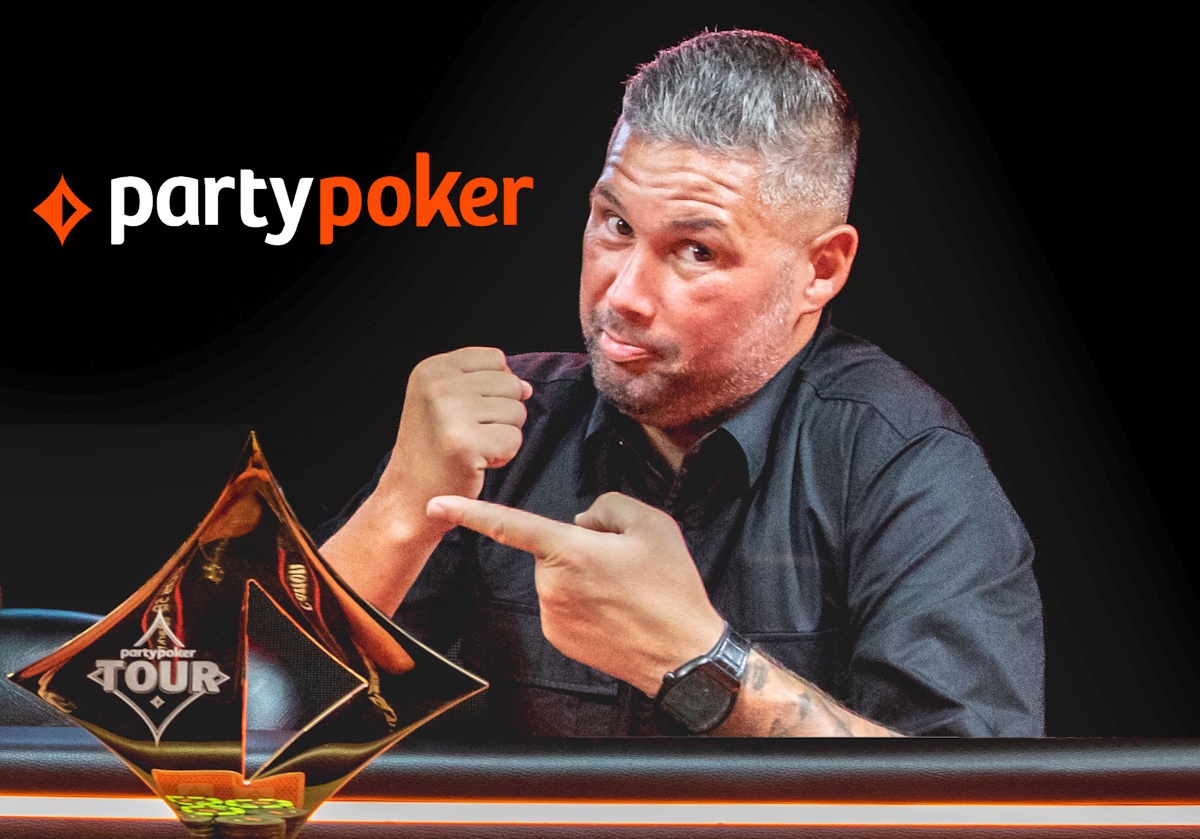
Former WBC cruiserweight champion to appear at PartyPoker Tour UK stops and take part in online activations.
PartyPoker has appointed former WBC Cruiserweight World Champion Tony Bellew as a brand ambassador for the remainder of 2026, with appearances tied to the operator’s live PartyPoker Tour and online poker offering.
The company said Bellew will be “a regular face” at its remaining UK tour stops this season following an earlier appearance at the PartyPoker Tour Birmingham. Bellew will also take part in online activity linked to the PartyPoker schedule.
“I had such a great time at the PartyPoker Tour Birmingham. The atmosphere, the people and the passion for the game were incredible. I’m really excited to be joining the PartyPoker team for the rest of the year, getting involved at the live events, meeting players and seeing where the cards take me,” Bellew said.
PartyPoker said Bellew is scheduled to attend each remaining UK stop on the 2026 PartyPoker Tour: London in July, Glasgow in August, Cork in November, and London in December. The operator also referenced a series of exclusive online events running alongside the live calendar.
The post Tony Bellew signs as PartyPoker brand ambassador through 2026 appeared first on EE Gaming | Global iGaming & Tech Intelligence Hub.

Cease-and-desist letters cite alleged felonies and underage access tied to BetOpenly, Bookmaker, Club WPT Online Poker, Kutt Inc., and Raffle Creator.
The Arizona Department of Gaming said it has issued cease-and-desist orders to five online platforms—BetOpenly, Bookmaker, Club WPT Online Poker, Kutt Inc., and Raffle Creator—after investigations that the Department says involved alleged illegal gambling activity and underage access in Arizona.
In its announcement, the Department said each enforcement action alleges conduct giving rise to three felonies under Arizona law: promotion of gambling, illegal control of an enterprise, and money laundering. The agency cited Arizona’s prohibition on gambling unless specifically authorized (Ariz. Rev. Stat. Tit. 13, Ch. 33) and said the legal gambling age in the state is 21.
“Arizona is taking decisive action against illegal gambling operators that put Arizonans at risk,” said Jackie Johnson, Department Director. “Our top priority is protecting Arizonans and I’m grateful for the efforts of our intelligence unit led by Chief Law Enforcement Officer Doug Jensen to do just that. Through these cease-and-desist orders we are putting operators on notice: their conduct runs contrary to Arizona law and they must stop promoting illegal gambling.”
The Department’s letters describe different alleged violations by operator. For BetOpenly, the Department said peer-to-peer gambling rules prohibit third-party benefit, and alleged the platform benefited via a commission structure while enabling event wagering and daily fantasy sports contests without the required state licenses, including availability to underage Arizonans. For Bookmaker, the Department said its investigation found wagering on horse racing, casino games, and sports betting without an event wagering license or an advanced deposit wagering provider license, adding that online casino games are not legal in Arizona.
For Club WPT Online Poker, the Department alleged the platform enabled individuals under 21 in Arizona to enter pay-to-play online poker tournaments for prizes while using deceptive “no purchase necessary” language; the Department said online poker is illegal in Arizona. For Kutt Inc., the Department said Arizona “social” gambling prohibits third-party benefit and directed the operator to stop allowing Arizona users to deposit money and wager on sports, politics, pop culture, and casino-style games. For Raffle Creator, the Department said the operator did not meet requirements that allow Arizona nonprofits to conduct lawful raffles and alleged it allowed people under 21 to purchase tickets for prize chances.
The Department said the notified entities are directed to immediately stop all gambling operations and activities in Arizona “whether through mobile applications, online, or otherwise,” and to cease any future illegal gambling in the state. It added that future actions may include criminal charges or civil action against entities, principals, and employees, and that operators “may be subject to a potential award of restitution” and forfeiture of monies acquired due to the alleged conduct.
The post Arizona regulator orders five operators to stop alleged illegal gambling activity appeared first on EE Gaming | Global iGaming & Tech Intelligence Hub.

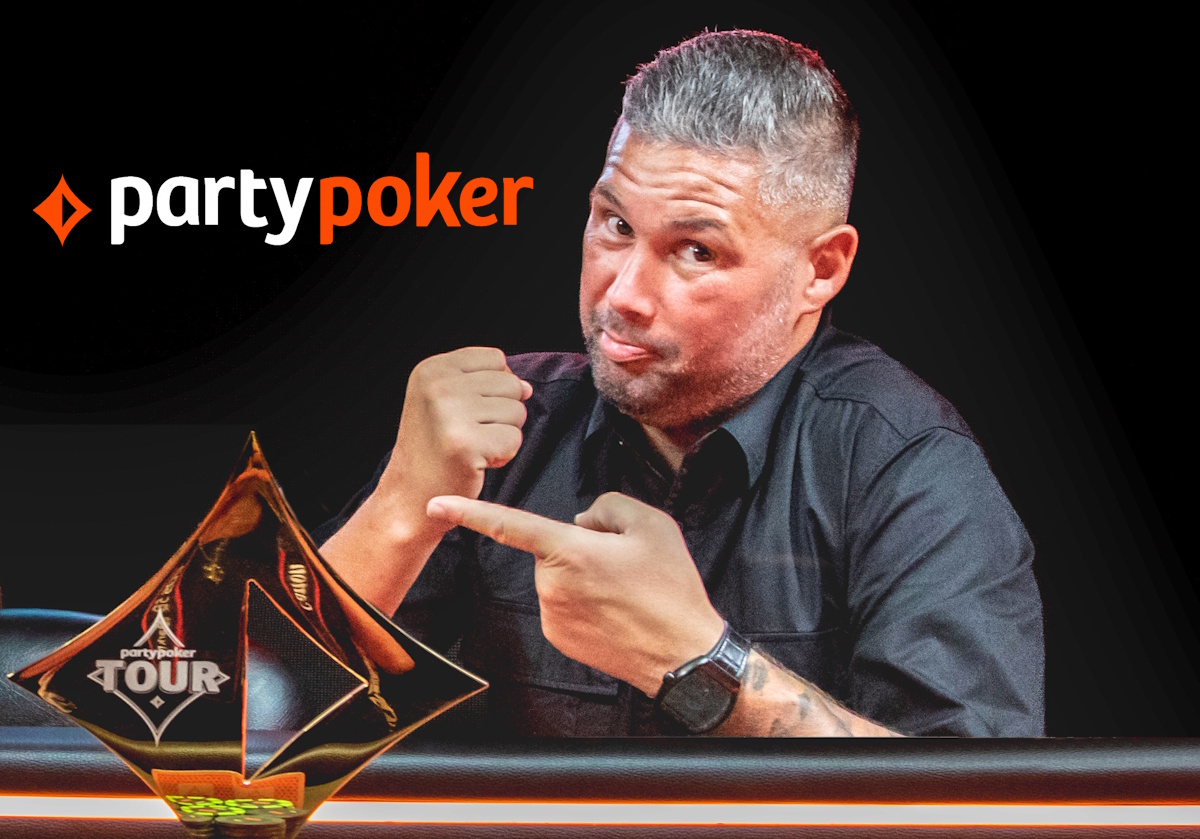
Tony Bellew has officially joined the PartyPoker Brand Ambassador team for the remainder of 2026, strengthening the brand’s growing roster of ambassadors and reinforcing its commitment to bringing poker to a wider audience.
A former WBC Cruiserweight World Champion and one of Britain’s most recognisable sporting personalities, Bellew will play an active role across both PartyPoker’s live tour and online offering throughout the rest of the year.
Speaking about joining the team, Tony Bellew said: “I had such a great time at the PartyPoker Tour Birmingham. The atmosphere, the people and the passion for the game were incredible. I’m really excited to be joining the PartyPoker team for the rest of the year, getting involved at the live events, meeting players and seeing where the cards take me.”
His return follows a hugely successful appearance at the PartyPoker Tour Birmingham earlier this year, where he embraced the atmosphere, spent time with players and immersed himself in the event. After thoroughly enjoying the experience, Bellew will now become a regular face at the remaining UK stops on the PartyPoker Tour throughout the rest of the 2026 season.
As part of his ambassadorial role, Bellew will attend every remaining UK stop PartyPoker Tour in 2026:
- London – July
- Glasgow – August
- Cork – November
- London – December
With four live festival stops and a series of exclusive online events still to come, players will have plenty of opportunities to meet Bellew at the tables throughout the remainder of the 2026 PartyPoker calendar. Look out for opportunities to take him on online, and at the PartyPoker Tour in Glasgow, Cork and London.
Stay Connected PartyPoker
- Instagram: @partypoker
- Twitter/X: @partypoker
- YouTube: partypokeryt
- Facebook: partypoker
- Discord: PartyPoker Tour
The post Former WBC World Champion Tony Bellew Joins PartyPoker as Brand Ambassador appeared first on Americas iGaming & Sports Betting News.

-

 10bet6 days ago
Ellis Park Stadium signs five-year naming rights deal with 10bet
-
central asia6 days ago
Groove confirms attendance at SBC Summit Tbilisi 2026
-
Bucharest5 days ago
Eeze opens 1,200 sqm Bucharest hub for technical teams
-
AB Trav och Galopp4 days ago
BetMakers Technology Group Selected to Distribute ATG Horse Racing Content Across Australia and New Zealand
-
API integration5 days ago
Belatra signs cooperation deal to distribute slots via VeliGames
-
BETANO5 days ago
Play’n GO strengthens Latin American presence with Betano Colombia launch
-
affiliate marketing6 days ago
SEOBROTHERS’ Aleksandra Drigo flags higher barriers for affiliates in regulated Alberta
-
Aino Lahti5 days ago
Kasinohai Audit: Most Slots Could Be Affected by Finland’s Draft Gambling Rules