eSports
Global Esports Market (2022 to 2030) – Size, Share & Trends Analysis Report

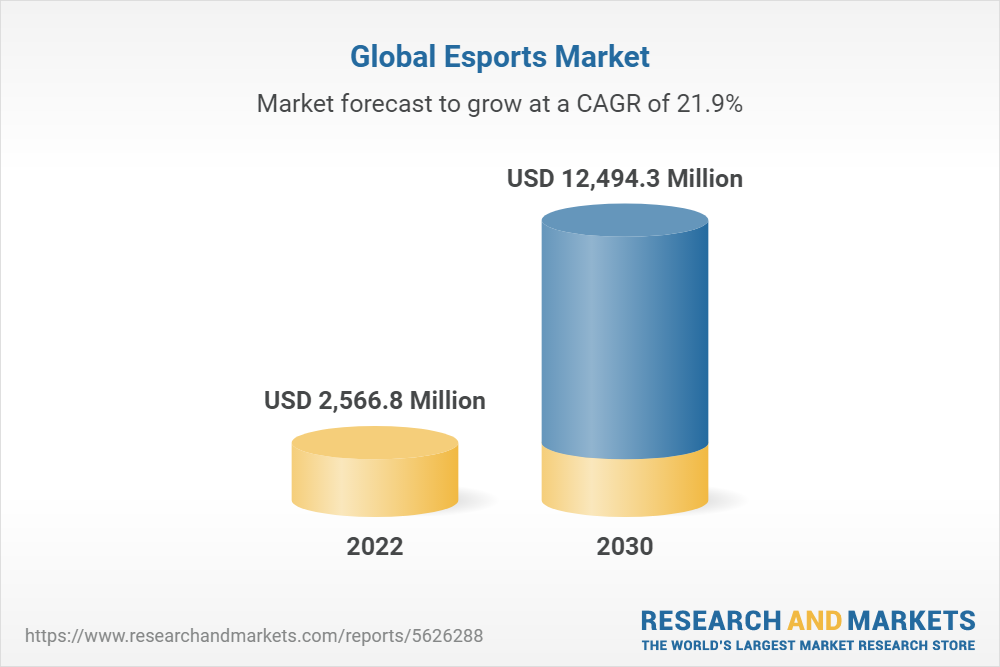
The “Global Esports Market Size, Share & Trends Analysis Report by Revenue Source (Sponsorship, Advertising, Merchandise & Tickets, Media Rights), by Region, and Segment Forecasts, 2022-2030” report has been added to ResearchAndMarkets’ offering.
The global esports market size is expected to reach USD 12,494.3 million by 2030, registering a compound annual growth rate (CAGR) of 21.9% from 2022 to 2030. The increasing mobile usage in emerging countries, rising awareness regarding esports, and increasing popularity of video games are expected to fuel the market growth during the forecast period.
Consumers demand high-quality and interactive gaming content aligned with the dynamic entertainment industry. The alignment of entertainment and gaming will influence the growth of the entire sports industry, including online streamers and small and big-budget game developers. The increasing investments from commercial partners and substantial audience growth have resulted in revenue growth in the esports market. The industry has become more structured, with associations and league formats developing new competitive structures. Moreover, the growing partnerships, acquisitions, and mergers have projected strong growth in the esports market.
The streaming platforms, such as Twitch, have attracted viewers by streaming esports and gaming. The esports tournaments have fascinated athletes and celebrities and have drawn a broad audience’s attention. Additionally, esports and gaming make it easy to draw the attention of enthusiastic and young viewers who are hard to reach through traditional media channels. The ability to grab the attention of the young and enthusiastic audience has attracted many brands to invest in esports events in sponsorships and advertising. The interest of investors has increased with the centralization of an Esports team, rising audience, and the introduction of a more franchise-style league. The rising interest of brands in esports teams to reach potential customers is expected to drive market growth during the forecast period.
In addition to sponsorship, ticket sales and merchandise are essential revenue segments that drive the esports market’s growth. The franchisee is focusing on hosting local events that include fans in stadiums, generating significant revenue, thus contributing to the further development of the esports market. The Esports apparel market has witnessed substantial growth due to a growing fanbase, league-level merchandise deals, and increased retail presence.
The esports teams no longer have to rely on winning competitions as teams can independently sell their merchandise to their fans. For instance, Ralph Lauren partnered as the apparel partner for G2 Esports. One of G2 Esports’ famous players, Martin’ Rekkles’ Larsson, was featured in Ralph Lauren’s Wimbledon Campaign. G2 and Ralph Lauren partnered across several campaigns and events and produced a range of digital-first activations on Twitch and TikTok.
Esports Market Report Highlights
- The sponsorship segment held the largest share of esports market revenue in 2021, representing around 40.0%. Through sponsorships, brands can reach potential customers directly via online and offline media channels.
- The media rights segment, which generates significant revenue, is expected to expand at the highest CAGR of over 23.0% during the forecast period. The numerous leagues, championships, and events that usually occur on various streaming platforms are expected to generate considerable revenue from media rights.
- The Asia Pacific region is expected to gain a significant market share in the forecasted period. The countries such as China and South Korea are anticipated to play a vital role in developing the esports ecosystem in the region..
Key Topics Covered:
Chapter 1. Market Segmentation and Scope
Chapter 2. Executive Summary & Market Snapshot
Chapter 3. Esports Industry Outlook, Trends & Scope
3.1 Market Introduction
3.2 Esports-Market Size and Growth Prospects
3.3 Esports-Value Chain Analysis
3.4 Esports-Market Dynamics
3.4.1 Market Driver Analysis
3.4.1.1 Increasing mobile usage in the gaming industry
3.4.1.2 Increasing number of tournaments and prize pool
3.4.1.3 Franchise model: a big shift in Esports industry
3.4.2 Market Restraint Analysis
3.4.2.1 Cyberattacks
3.4.2.2 Threats in Esports gambling/betting
3.4.3 Market Opportunity Analysis
3.4.3.1 Cloud gaming enabling new opportunities
3.4.4 Market Challenges Analysis
3.4.4.1 Lack of standardization
3.4.4.2 Infrastructure concerned
3.5 Esports-Penetration & Growth Prospect Mapping
3.6 Business Environment Analysis Tools
3.6.1 Pest Analysis
3.6.2 Porter’s Five Force Analysis
3.7 Tencent Games: Gaining an Upper Hand In Esports Industry
3.8 Esports: A Long Term Business Opportunity For Brands
3.9 Major Esports tournaments in various regions
3.9.1 The Americas
3.9.2 Europe
3.9.3 Asia Pacific
3.9.4 Middle East & Africa
Chapter 4. Consumer Behaviour Analysis
4.1 Esports Demographics
4.1.1 Gender
4.1.2 Age
4.2 Media Consumption Habits
4.2.1 Streming Platform Analysis
4.3 Esports Audience Opportunity Analysis
Chapter 5. Esports Revenue Source Outlook
5.1 Market Size Estimates & Forecasts and Trend Analysis, 2018-2030 (Revenue, USD Million)
5.2 Esports Market: Revenue Source Movement Analysis
5.2.1 Sponsorship
5.2.1.1 Market estimates and forecast by region, 2018-2030 (USD Million)
5.2.2 Advertising
5.2.2.1 Market estimates and forecast by region, 2018-2030 (USD Million)
5.2.3 Merchandise & Tickets
5.2.3.1 Market estimates and forecast by region, 2018-2030 (USD Million)
5.2.4 Publisher Fees
5.2.4.1 Market estimates and forecast by region, 2018-2030 (USD Million)
5.2.5 Media Rights
5.2.5.1 Market estimates and forecast by region, 2018-2030 (USD Million)
Chapter 6. Regional Estimates & Trend Analysis
Chapter 7. Competitive Analysis
7.1 Key Global Players, Recent Developments & Their Impact on the Industry
7.2 Key Company Categorization (Sponsorship, Media Rights, and Esports Teams)
7.3 Key Company Analysis, 2021
Chapter 8. Competitive Landscape
8.1 Activision Blizzard, Inc.
8.1.1 Company overview
8.1.2 Financial performance
8.1.3 Product benchmarking
8.1.4 Recent developments
8.2 Electronic Arts Inc.
8.2.1 Company overview
8.2.2 Financial performance
8.2.3 Product benchmarking
8.2.4 Recent developments
8.3 Gameloft SE
8.3.1 Company overview
8.3.2 Financial performance
8.3.3 Product benchmarking
8.3.4 Recent developments
8.4 HTC Corporation
8.4.1 Company overview
8.4.2 Financial performance
8.4.3 Product benchmarking
8.4.4 Recent developments
8.5 Intel Corporation
8.5.1 Company overview
8.5.2 Financial performance
8.5.3 Product benchmarking
8.5.4 Recent developments
8.6 Modern Times Group (MTG)
8.6.1 Company overview
8.6.2 Financial performance
8.6.3 Product benchmarking
8.6.4 Recent developments
8.7 Nintendo of America Inc.
8.7.1 Company overview
8.7.2 Financial performance
8.7.3 Product benchmarking
8.7.4 Recent developments
8.8 NVIDIA Corporation
8.8.1 Company overview
8.7.2 Financial performance
8.8.3 Product benchmarking
8.8.4 Recent developments
8.9 Tencent Holdings Limited
8.9.1 Company overview
8.9.2 Financial performance
8.9.3 Product benchmarking
8.9.4 Recent developments
8.10 Valve Corporation
8.10.1 Company overview
8.10.2 Financial performance
8.10.3 Product benchmarking
Powered by WPeMatico


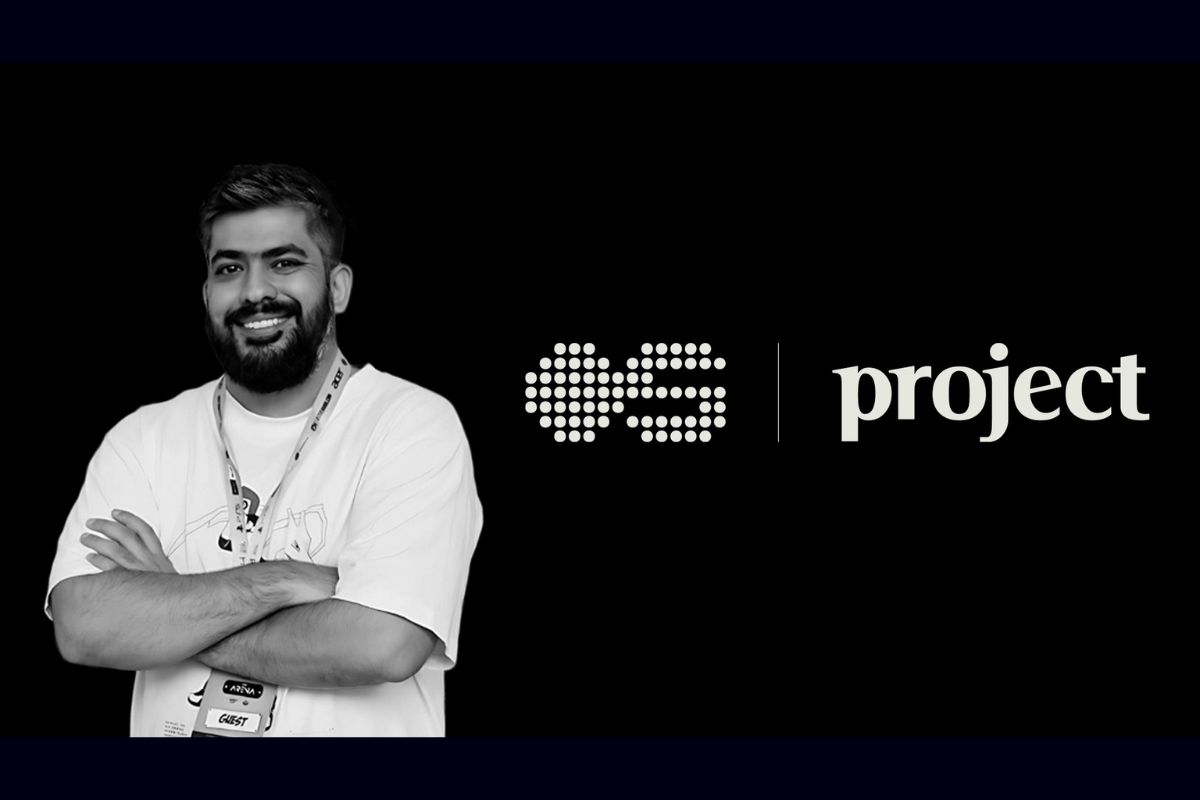
OS Studios has appointed Ishaan Arya as Country Manager for India, tasking him with leading the agency’s expansion across newly established hubs in Bengaluru, New Delhi, and Mumbai. The appointment was announced on 25 June, 2026 in Bengaluru.
OS Studios, a Project Worldwide agency, said it recently entered the Indian market and will deploy its ‘Fan Z’ approach for brands looking to engage with gaming, esports and live events audiences in South Asia. The company said the expansion will leverage the infrastructure and production capabilities of sister agency George P. Johnson (GPJ) India.
“The future of gaming will be shaped by the communities that care about it most, and few markets embody that more than India,” said John Higgins, CEO of OS Studios. “To build something meaningful, you have to be part of the culture, not looking in from the outside. Ishaan understands that better than anyone. He’s exactly the kind of leader we want building the future of OS Studios in India.”
In the role, Arya will oversee operations, drive strategic brand partnerships, and scale local capabilities, according to the company. “Brands are investing heavily in Indian gaming, but true fan experience is too often an afterthought,” said Rasheed Sait, Chief Growth Officer for India and South Asia at Project Worldwide. “Alongside GPJ India’s experiential footprint, OS Studios will set a new standard for fan engagement in the region.”
Arya previously co-founded The Esports Club and most recently served as Vice President of Partnerships at Nodwin Gaming, where he led Comic Con India. “A massive gap remains between brand intent and authentic community engagement in India,” said Arya. “I’m thrilled to leverage Project Worldwide and GPJ India’s operational strength to build culture-defining experiences for brands and fans alike.”
The post OS Studios names Ishaan Arya country manager to lead India expansion appeared first on EE Gaming | Global iGaming & Tech Intelligence Hub.
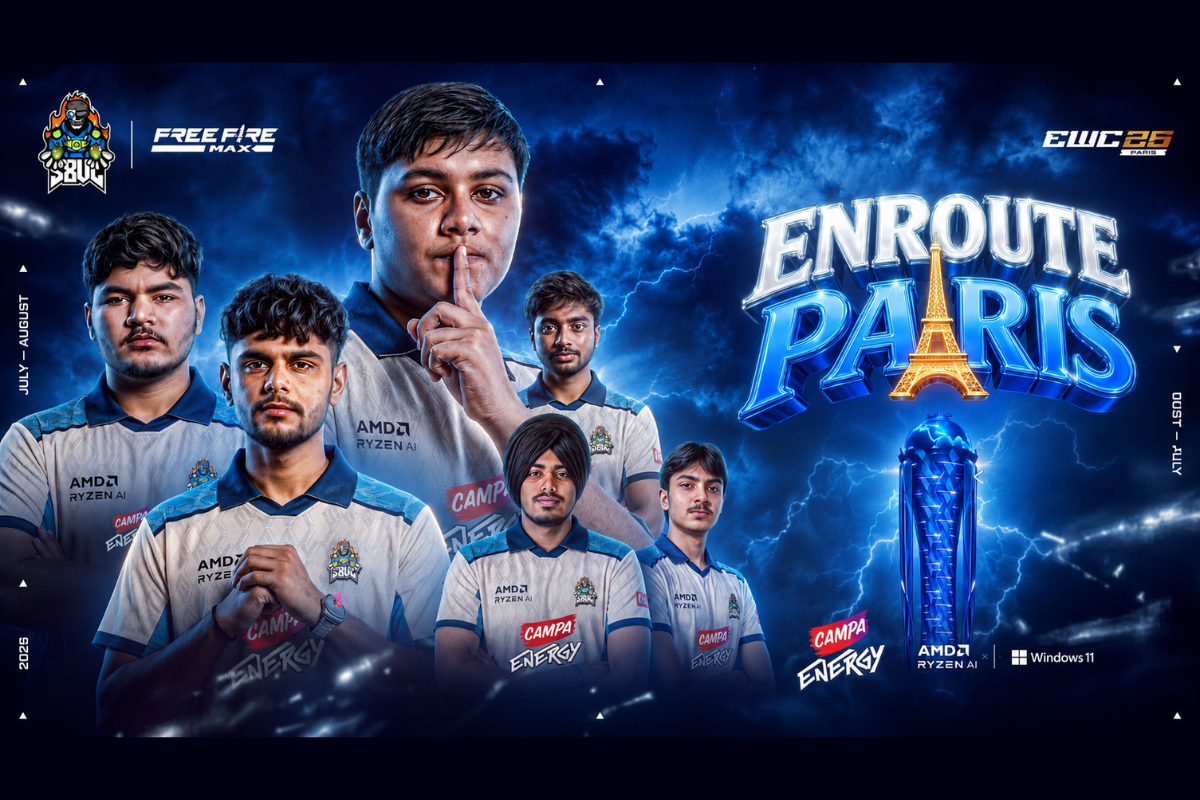
S8UL Esports has qualified for the Esports World Cup (EWC) 2026 in Free Fire, adding a sixth title to its confirmed lineup for the event. The organisation said its Free Fire MAX roster secured the berth after finishing second at the Free Fire MAX India Cup (FFMIC) 2026 Spring.
S8UL’s recently acquired roster—Naitik Sharma (Troll), Prince Saini (Prinxz), Jay Verma (Bunny), Harshit Nain (Jack07), and Abhishek Gupta (Stiven)—earned one of three invitations allocated to Indian representatives at EWC 2026. Free Fire at EWC 2026 is scheduled for July 15 to 18 in Paris, France, featuring 24 teams and a USD 1 million prize pool (approximately INR 9.4 crore), according to the company.
FFMIC 2026 Spring ran a multi-stage format from City Qualifiers and In-Game Qualifiers through to Group Stage, Knockout Stage, Point Rush and Champion Rush. S8UL said the roster posted 186 points in Knockout Stage Week 1 to place sixth, then carried momentum into the final phase. In Champion Rush, the team entered with three Headstart Points from Point Rush and finished second overall after scoring 131 points and two Booyahs across eight matches. The result also delivered INR 17 lakh in prize money, S8UL said.
Prince Saini aka Prinxz, captain of S8UL’s Free Fire Max roster said, “What makes this team special is the chemistry we’ve developed over time. We have a shared understanding of how we want to approach the game, and that allows us to stay composed and adapt quickly in different situations. Qualifying for the Esports World Cup is an important milestone for us, and doing so as part of S8UL makes the opportunity even more exciting. We are looking forward to representing the organization on the global stage and showing what this roster can achieve against some of the best teams in the world.”
S8UL Co-founder and CEO Animesh Agarwal aka 8Bit Thug linked the qualification to the wider Indian mobile esports ecosystem, saying, “Free Fire MAX has been one of the driving forces behind the growth of mobile esports in India, helping create a highly competitive ecosystem and a pipeline of talented players. When those players get the opportunity to compete at an event like the Esports World Cup, it is not just a milestone for the team but also a reflection of how far the Indian scene has come. Facing the world’s best teams provides invaluable experience and helps raise the overall standard of competition back home. At S8UL, we remain committed to identifying and supporting Indian talent, and we are proud to see our Free Fire MAX roster earn the chance to represent both the organization and the country on one of esports’ biggest stages,”. The organisation added it is also confirmed for EWC 2026 in Apex Legends, Chess, Fortnite, Honor of Kings and Trackmania, and remains in contention in EA SPORTS FC, Fatal Fury, Street Fighter 6 and Tekken 8. EWC 2026 runs July 6 to August 23 with a stated total prize pool of USD 75 million (~INR 714 crore).
The post S8UL qualifies for Esports World Cup 2026 Free Fire after FFMIC runner-up finish appeared first on EE Gaming | Global iGaming & Tech Intelligence Hub.
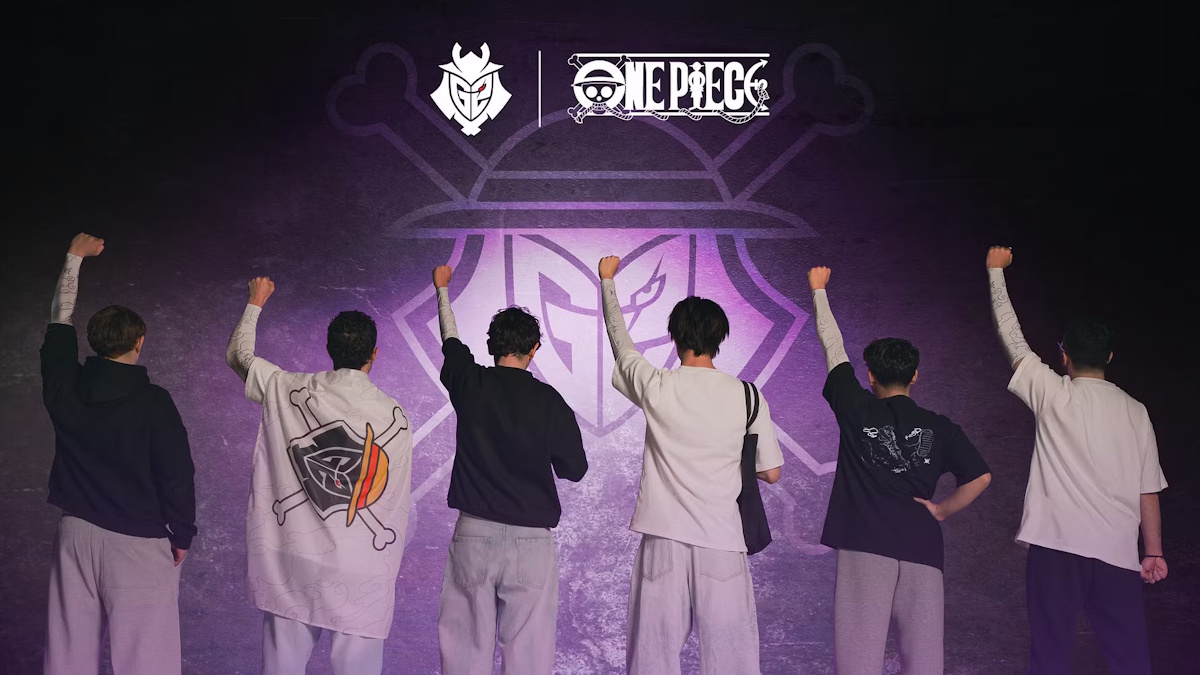
The esports organisation’s second anime apparel collaboration will be sold exclusively via g2esports.com/shop.
G2 is launching a limited-edition G2 | One Piece capsule collection on June 25, with the drop available exclusively through the organisation’s online store at g2esports.com/shop.
The collection is inspired by One Piece’s Gear 5 Monkey D. Luffy and includes hoodies, zip-ups, t-shirts, caps, sleeves, and tote bags. According to G2, the items use a black-and-white palette and feature a minimalist embroidered logo alongside a custom G2 | One Piece Jolly Roger that combines the G2 samurai emblem with Luffy’s straw hat.
“At G2, we’re continuing to push the culture and fashion of esports beyond competition alone, and this One Piece collection is a natural extension of that,” says Sabrina Ratih, COO of G2 Esports. “We wanted to create a capsule that continues to elevate the esports fashion space – understated, premium, and stylish enough for everyday wear, while still carrying the spirit of adventure, ambition, and individuality that defines One Piece and G2 alike. Every piece is designed to bridge the gap between fandom and everyday style, and continuing our mission to redefine what esports fashion can be.”
G2 described the drop as its second anime collaboration, following a previous apparel collaboration with Solo Leveling. The company positioned the release as part of its broader effort to connect esports, anime, and streetwear.
One Piece debuted in 1999 and remains one of the largest anime franchises globally. G2 cited over 600 million manga copies sold and more than 1,160 episodes for the series.
The post G2 drops limited-edition One Piece streetwear capsule on June 25 appeared first on EE Gaming | Global iGaming & Tech Intelligence Hub.

-

 Bragg Gaming Group5 days ago
Massive Gaming launches Blitzcrown titles on Superbet Brazil via Bragg Hub
-
Compliance5 days ago
HIPTHER Launches HALLO: The Standard in Compliance Expertise
-
7Games5 days ago
7Games, Betão & R7 Launch FIRST.bet Sportsbook in Brazil
-
Compliance Updates5 days ago
HIPTHER Launches HALLO: The Standard in Compliance Expertise
-
Alex Cuoci5 days ago
Wealthsimple and Kalshi Partner to Bring Prediction Markets to Canada
-
Bonusetu.com4 days ago
Finland Sets Casino Gambling Risk Limits at 2% of Income, 4 Days, 2 Game Types
-
30-0 Kongeserien4 days ago
Kongebonus launches 30-0 Kongeserien Eliteserien fantasy draft game
-
Channelisation5 days ago
Swedish Gambling Authority consults tighter duty of care rules as channelisation slips