Canada
The states with the best support for problem gambling have been revealed


- Nevada, the best state for gambling in America, takes first place as the state with the best help for gambling addictions
- Oregon comes in second place, with the second-highest spending on problem gambling treatment per capita
- Louisiana, one of the most well-known gambling states, comes in seventh place
Nevada has the best support for problem gambling in America, new research has revealed.
Online gambling experts, CasinoGrounds, investigated which states have the best support for problem gambling and gambling addiction in America. States received a score out of 10 for factors based the popularity of gambling and presence of problem gambling in the state, the number of treatment facilities, and the amount of funding each state has towards supporting gambling addictions.
Nevada, the top gambling state in America, has also been revealed to be the best state for supporting problem gambling. Thanks to Las Vegas, the state is infamous for its gambling opportunities, but the data shows that it has the best support for those suffering from gambling addiction. The state has the country’s fifth-highest percentage of people suffering with a gambling problem, at 2.7%, but also provides the most treatment facilities of any state. With 123 gamblers’ anonymous meetings available throughout the state per week and state affiliate associations to the NCPG and state-specific agencies, Nevada has the best support for problem gambling.
The second best state for supporting gambling addiction is Oregon. Another popular state for gambling due to the wide variety of legal games available, Oregon comes in sixth place for the presence of problem gambling – of the total adult population, 2.6% are believed to suffer from a gambling addiction. The state has the second-highest spending on treating problem gambling, at $1.41 per capita. The state also has both state affiliations to the NCPG and state-specific agencies, providing the widest variety of support to Oregon residents.
Coming in third place is Connecticut. The state has one of the lowest percentages of problem gambling in America, at 1.1% of the adult population, coming second to Michigan. Once again, the state has both state affiliations and specific agencies providing support. Connecticut ranks fourth on access to gambling addiction treatment facilities, with 64 locations throughout the state. When it comes to spending on problem gambling, Connecticut comes sixth, at $0.90 per capita.
In fourth place is Michigan, boasting the lowest incidence of problem gambling in America at 0.5%. This could be the reason why the state ranks low on facilities and spending on treatment of gambling addiction, ranking 21st on facilities, and spending only $0.23 per capita.
Closing out the top five is Massachusetts, where 1.7% of the adult population reportedly suffer with a gambling addiction, with the state spending a total of $6.8 million on support and treatment, equating to $0.98 per capita. Massachusetts comes in fifth place for treatment facilities, with 41 weekly Gambling Anonymous meetings throughout the state and 107 facilities for treatment.
At the other end of the scale, the states that provide the least support for problem gambling include Hawaii, Utah, and Alaska, all of which have a legal ban on gambling, explaining why there is little support in the state. However, Idaho and Arkansas, coming 48th and 49th respectively, both rank poorly due to the lack of spending on treatment for problem gambling and the lack of facilities available.
The states providing the best support for problem gambling:
| State | Best support for problem gambling | % of population suffering with problem gambling | Spending on problem gambling treatment per capita ($) | Problem gambling treatment facilities ranking |
| Nevada | 1 | 2.7% | 0.56 | 1 |
| Oregon | 2 | 2.6% | 1.41 | 6 |
| Connecticut | 3 | 1.1% | 0.90 | 4 |
| Michigan | 4 | 0.5% | 0.23 | 21 |
| Massachusetts | 5 | 1.7% | 0.98 | 5 |
| Delaware | 6 | 1.4% | 1.44 | 34 |
| Louisiana | 7 | 1.3% | 0.61 | 10 |
| Nebraska | 8 | 2.2% | 0.88 | 22 |
| Ohio | 9 | 1.4% | 0.55 | 16 |
| Maryland | 10 | 1.9% | 0.62 | 12 |
| Missouri | 11 | 2.2% | 0.04 | 39 |
| North Dakota | 12 | 1.5% | 1.05 | 35 |
| New York | 13 | 1.2% | 0.15 | 9 |
| Iowa | 14 | 1.2% | 0.99 | 36 |
| Arizona | 15 | 1.6% | 0.28 | 7 |
| Pennsylvania | 16 | 2.2% | 0.51 | 17 |
| New Jersey | 17 | 2.8% | 0.30 | 3 |
| Rhode Island | 18 | 2.2% | 0.14 | 2 |
| Indiana | 19 | 1.2% | 0.16 | 20 |
| Florida | 20 | 1.1% | 0.12 | 24 |
| Wisconsin | 21 | 1.3% | 0.08 | 11 |
| South Dakota | 22 | 1.4% | 0.20 | 19 |
| Washington | 23 | 2.1% | 0.21 | 8 |
| Minnesota | 24 | 3.6% | 0.40 | 13 |
| Oklahoma | 25 | 2.2% | 0.28 | 14 |
| California | 26 | 1.9% | 0.22 | 18 |
| Kentucky | 27 | 1.1% | 0.02 | 27 |
| Kansas | 28 | 2.8% | 0.31 | 25 |
| Illinois | 29 | 2.2% | 0.09 | 15 |
| Georgia | 30 | 1.4% | 0.04 | 29 |
| West Virginia | 31 | 2.2% | 0.83 | 38 |
| North Carolina | 32 | 2.2% | 0.10 | 30 |
| Colorado | 33 | 2.4% | 0.04 | 23 |
| New Mexico | 34 | 1.2% | 0.41 | 37 |
| Mississippi | 35 | 3.9% | 0.09 | 26 |
| Virginia | 36 | 2.2% | 0.00 | 31 |
| Texas | 37 | 2.2% | 0.00 | 32 |
| Montana | 38 | 2.5% | 0.04 | 33 |
| Washington | 39 | 0.0% | 0.00 | 28 |
| Vermont | 40 | 2.2% | 0.32 | 42 |
| Alabama | 41 | 2.2% | 0.01 | 44 |
| Maine | 42 | 2.2% | 0.07 | 40 |
| New Hampshire | 43 | 2.2% | 0.02 | 41 |
| Tennessee | 44 | 2.2% | 0.03 | 45 |
| South Carolina | 45 | 2.2% | 0.01 | 43 |
| Wyoming | 46 | 2.2% | 0.05 | 46 |
| Hawaii | 47 | 2.2% | 0.00 | 47 |
| Idaho | 48 | 2.2% | 0.00 | 48 |
| Arkansas | 49 | 2.2% | 0.00 | 49 |
| Utah | 50 | 2.2% | 0.00 | 50 |
| Alaska | 51 | 2.2% | 0.00 | 51 |
A spokesperson for CasinoGrounds commented on the findings:
“Gambling addiction is a very serious and often dangerous issue that can affect millions of individuals. It is interesting to see how much support is available across the United States to support those suffering and help people on the road to recovery. Nevada is one of the most well-known states for gambling, so it is promising to see the state coming out on top providing the most support to residents. Gambling addiction is a very serious problem everyone should seek the support they need to avoid taking gambling beyond a healthy level.”
The research was carried out by CasinoGrounds.com, the leading online gambling community, which promotes safe and responsible practice and discussions around gambling.
Powered by WPeMatico


CasinoCanada.com, an online casino information portal operated by SEOBROTHERS, has partnered with the IntellectBet online casino. The collaboration focuses on content development, traffic acquisition, and informational coverage of the IntellectBet platform for users in Canada.
Eugene Ravdin, Head of PR at SEOBROTHERS, said: “The partnership with IntellectBet implies the creation of content describing the platform’s offering, its game portfolio, provider network, and payment systems. The collaboration includes traffic acquisition focused on directing users from Canada to the platform.”
The platform provides access to a library of 16,000 games aggregated from more than 85 studios. The portfolio includes slots, live dealer games, and RNG table games, as well as additional categories such as crash and penny games from the likes of Booming Games, InOut, Playson, and BGaming.
The platform supports more than 15 payment methods, including Interac, Bitcoin, and MiFinity. IntellectBet Casino operates in Canada under the Curacao licence and reports around 94,000 active players monthly.
IntellectBet is operated by Casiworx, which also unites other casino brands such as RockstarWin, StakeBro, FreakyBillion, PokerbetCasino, VipCasino, SlotyStake, Slotobit, StakeMania, SlotoRush, Norsewin.
The post CasinoCanada Partners with IntellectBet appeared first on Americas iGaming & Sports Betting News.
Adam Pentecost Chief Revenue Officer at Gaming Corps
Gaming Corps Taps Betty to Boost Content Options for Ontario Players

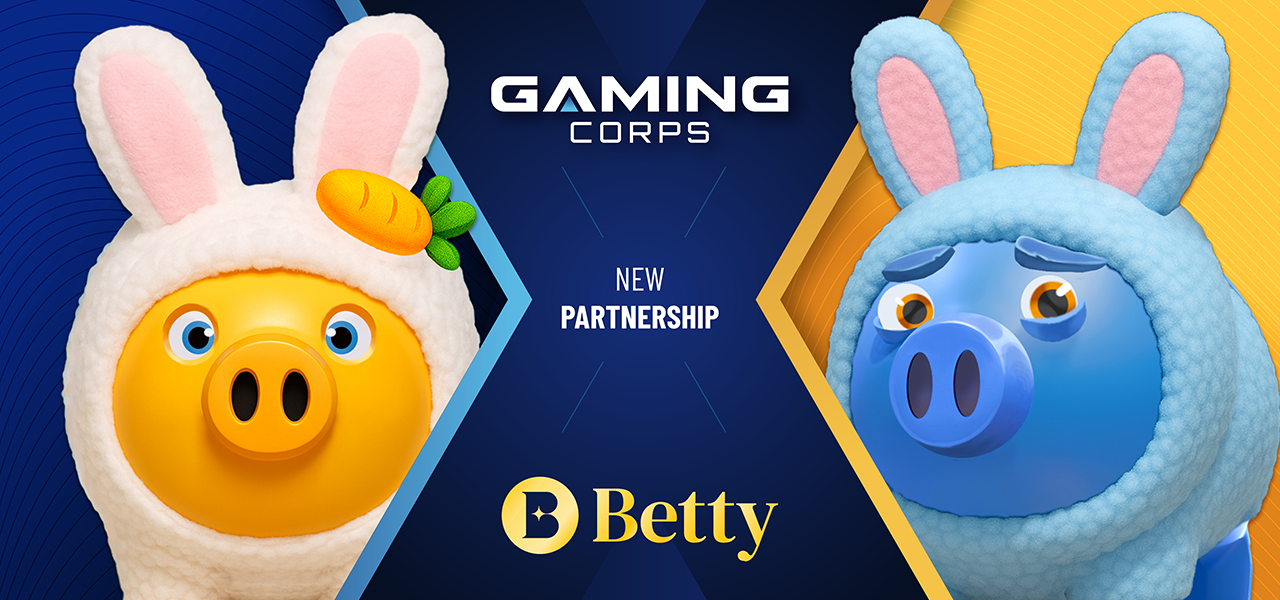
Gaming Corps, a publicly traded game development firm located in Sweden, has entered into a new distribution deal with Betty, one of the rapidly expanding iGaming operators in Ontario. The agreement enhances Betty’s platform with Gaming Corps’ growing collection of content, increasing options for players in a market where the brand currently provides over 2,800 slot titles.
Thanks to the collaboration, Betty customers will soon enjoy the latest slot releases from Gaming Corps, featuring 3 Easter Pigs, the latest chapter in the well-known 3 Pigs series, which adds a new seasonal element to one of the studio’s most iconic franchises. Players will also gain access to the latest release, Vendetta Fury, from DEGEN Studios, Gaming Corps’ newest RGS partner.
This launch leverages the solid success of the broader 3 Pigs franchise, featuring games like 3 Pigs of Olympus and 3 Pigs of the Caribbean that are already part of Gaming Corps’ collection. These are included with the studio’s wider range of Slots, Plinko, Mine, Crash, and Table games.
Adam Pentecost, Chief Revenue Officer at Gaming Corps, said: “Ontario has become one of the most exciting regulated markets in North America, and Betty has built an impressive reputation by offering players both quality and variety. We’re delighted to partner with such a progressive operator and look forward to showcasing how our latest content can bring something genuinely different to their already rich portfolio.”
Paraskeva Smirnova, Senior Casino Operations Manager at Betty, added: “Betty has built its identity on being a homegrown Ontario brand with a clear focus on what local players want. Working with Gaming Corps allows us to continue that mission, adding content that stands out and gives our players something new to discover alongside the thousands of titles we already host.”
The post Gaming Corps Taps Betty to Boost Content Options for Ontario Players appeared first on Eastern European Gaming | Global iGaming & Tech Intelligence Hub.
Adam Pentecost Chief Revenue Officer at Gaming Corps
Gaming Corps partners with Betty to expand content choice in Ontario
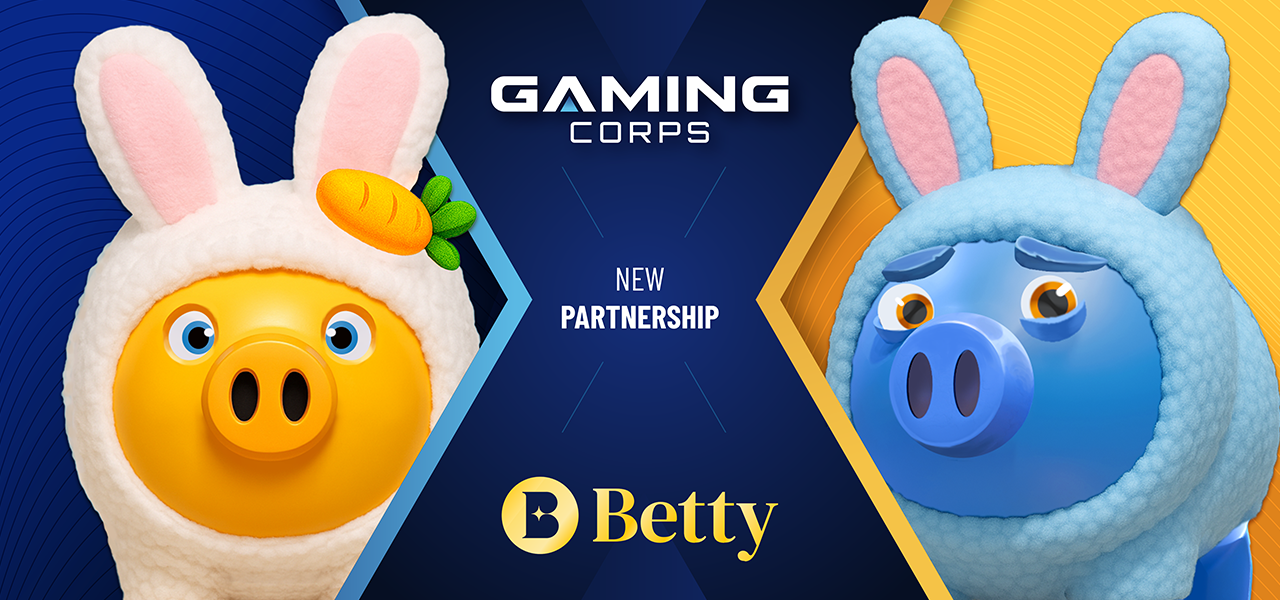
Gaming Corps has signed a new distribution agreement with Betty, one of Ontario’s fastest-growing iGaming operators. The deal adds Gaming Corps’ expanding suite of content to Betty’s platform, strengthening the choice for players in a market where the brand already offers more than 2,800 slot titles.
Through the partnership, Betty customers will soon have access to the latest Gaming Corps slot releases, including 3 Easter Pigs, the newest instalment in the popular 3 Pigs series, which introduces a fresh seasonal twist on one of the studio’s most recognisable franchises. Players will also have access to Gaming Corps’ newest RGS partner, DEGEN Studios’, latest release, Vendetta Fury.
This launch builds on the strong performance of the wider 3 Pigs franchise, with titles such as 3 Pigs of Olympus and 3 Pigs of the Caribbean already established within Gaming Corps’ portfolio. These sit alongside the studio’s broader offering of Slots, Plinko, Mine, Crash and Table games.
Adam Pentecost, Chief Revenue Officer at Gaming Corps, said: “Ontario has become one of the most exciting regulated markets in North America, and Betty has built an impressive reputation by offering players both quality and variety. We’re delighted to partner with such a progressive operator and look forward to showcasing how our latest content can bring something genuinely different to their already rich portfolio.”
Paraskeva Smirnova, Senior Casino Operations Manager at Betty, added: “Betty has built its identity on being a homegrown Ontario brand with a clear focus on what local players want. Working with Gaming Corps allows us to continue that mission, adding content that stands out and gives our players something new to discover alongside the thousands of titles we already host.”
The post Gaming Corps partners with Betty to expand content choice in Ontario appeared first on Americas iGaming & Sports Betting News.

-

 bingo6 days ago
 -
Compliance Updates6 days ago
EGBA Urges EC to Tackle Rising Online Fraud in Gambling Sector
-
Greentube6 days ago
Greentube hauls in big wins with Rumble Riches™ Haulin’ Gold™
-
DEGEN Studios6 days ago
DEGEN Studios ignites a brutal blood feud with Vendetta Fury
-
Baroness Fiona Twycross4 days ago
BGC AGM 2026 Discussed About Surging Illegal Gambling Black Market
-
Bonus Rush5 days ago
RAW iGaming launches BONUS RUSH® – a new family of feature-focused games
-
Adam Pentecost Chief Revenue Officer at Gaming Corps6 days ago
Gaming Corps Taps Betty to Boost Content Options for Ontario Players
-
Booming Games4 days ago
Booming Games releases Ultra Buffalo Hold and Win