Canada
Gambling.com Group Limited Reports Third Quarter 2021 Financial Results


Gambling.com Group Limited, a leading provider of digital marketing services active exclusively in the global online gambling industry, today announced its operating and financial results for the third quarter ended September 30, 2021.
Third Quarter 2021 Financial Highlights
- Revenue of $10.1 million grew 37% compared to $7.4 million in the same period for the prior year
- Net income of $4.7 million, or $0.13 per diluted share, compared to a net income of $2.3 million, or $0.08 per diluted share, in the same period for the prior year
- Adjusted EBITDA of $3.5 million decreased 14% compared to $4.0 million in the same period for the prior year, representing an Adjusted EBITDA margin of 34%1
- Free cash flow of $0.8 million decreased 81% compared to $3.9 million in the same period for the prior year2
Third Quarter 2021 Business Highlights
- Completed successful public listing of common shares on the Nasdaq Global Market under the ticker symbol “GAMB”
- Announced appointment of Mr. Daniel D’Arrigo to Board of Directors
- Received temporary supplier license from the Arizona Department of Gaming to provide marketing services to licensed operators in the state and launched free-to-use comparison of legal online sports betting services on BetArizona.com
- Launches of Marylandbets.com, casinosource.nl and gambling.com/nl providing bettors in Maryland and the Netherlands with trusted and up to date gambling information to help them place safe and secure legal wagers
- Completed acquisition of domains suitable for targeting the US market
“Our financial performance in the third quarter remained strong as we grew revenue by 37% compared to the prior year and, despite the third quarter being the seasonally slowest quarter of the year, delivered an Adjusted EBITDA margin of 34%,” said Charles Gillespie, Chief Executive Officer and co-founder of Gambling.com Group. “Importantly, after the quiet summer months of July and August, we delivered all-time-high revenue in September. With the launch of Arizona and the kickoff of the NFL season, we saw a significant uplift in U.S. revenue in September and our U.S. performance exceeded our internal expectations. Entering the quarter with good momentum we are encouraged by the start to our seasonally stronger fourth quarter. We remain highly focused on prudently growing the Company through both sustained organic growth and future accretive acquisitions which we continue to actively pursue”
1 Adjusted figures represent non-IFRS information. See “Non-IFRS Financial Measures” and the tables at the end of this release for an explanation of the adjustments and reconciliations to the comparable IFRS numbers.
2 Adjusted figures represent non-IFRS information. See “Non-IFRS Financial Measures” and the tables at the end of this
release for an explanation of the adjustments and reconciliations to the comparable IFRS numbers.
Third Quarter 2021 vs. Third Quarter 2020 Financial Highlights
|
|
|
THREE MONTHS ENDED |
|
|
CHANGE |
|
||||||||||
|
|
|
2021 |
|
|
2020 |
|
|
$ |
|
|
% |
|
||||
|
|
|
(in thousands USD, except for |
|
|
|
|
|
|
|
|||||||
|
CONSOLIDATED STATEMENTS OF |
|
|||||||||||||||
|
Revenue |
|
$ |
10,123 |
|
|
$ |
7,406 |
|
|
$ |
2,717 |
|
|
|
37 |
% |
|
Operating expenses |
|
|
(7,722 |
) |
|
$ |
(3,931 |
) |
|
$ |
(3,791 |
) |
|
|
96 |
% |
|
Operating profit |
|
|
2,401 |
|
|
|
3,475 |
|
|
|
(1,074 |
) |
|
|
(31 |
)% |
|
Income before tax |
|
|
2,694 |
|
|
|
2,609 |
|
|
|
85 |
|
|
|
3 |
% |
|
Net income for the period attributable to the |
|
$ |
4,675 |
|
|
$ |
2,303 |
|
|
$ |
2,372 |
|
|
|
103 |
% |
|
Net income per share attributable to ordinary |
|
|
0.14 |
|
|
|
0.08 |
|
|
|
0.06 |
|
|
|
75 |
% |
|
Net income per share attributable to ordinary |
|
|
0.13 |
|
|
|
0.08 |
|
|
|
0.05 |
|
|
|
63 |
% |
n/m = not meaningful
|
|
|
THREE MONTHS ENDED |
|
|
CHANGE |
|
||||||||||
|
|
|
2021 |
|
|
2020 |
|
|
$ |
|
|
% |
|
||||
|
|
|
(in thousands USD, unaudited) |
|
|
|
|
|
|
|
|||||||
|
NON-IFRS FINANCIAL MEASURES |
|
|
|
|
|
|
|
|
|
|
|
|
||||
|
Adjusted EBITDA |
|
$ |
3,464 |
|
|
$ |
4,027 |
|
|
$ |
(563 |
) |
|
|
(14 |
)% |
|
Adjusted EBITDA Margin |
|
|
34 |
% |
|
|
54 |
% |
|
n/m |
|
|
n/m |
|
||
|
Free Cash Flow |
|
|
754 |
|
|
|
3,917 |
|
|
|
(3,163 |
) |
|
|
(81 |
)% |
n/m = not meaningful
|
|
|
THREE MONTHS ENDED |
|
|
CHANGE |
|
||||||||||
|
|
|
2021 |
|
|
2020 |
|
|
Amount |
|
|
% |
|
||||
|
|
|
(in thousands, unaudited) |
|
|
|
|
|
|
|
|||||||
|
OTHER SUPPLEMENTAL DATA |
|
|
|
|
|
|
|
|
|
|
|
|
||||
|
New Depositing Customers (1) |
|
|
27 |
|
|
|
28 |
|
|
|
(1 |
) |
|
|
(4 |
)% |
(1) We define New Depositing Customers, or NDCs, as unique referral of a player from our system to one of our customers that satisfied an agreed metric (typically making a deposit above a minimum threshold) with the customer, thereby triggering the right to a commission for us.
|
|
|
AS OF |
|
AS OF |
|
CHANGE |
||
|
|
|
2021 |
|
2020 |
|
$ |
|
% |
|
|
|
(Unaudited) |
|
|
|
|
|
|
|
|
|
(in thousands, USD) |
|
|
|
|
||
|
CONSOLIDATED STATEMENTS OF FINANCIAL |
|
|
|
|
|
|
|
|
|
Cash and cash equivalents |
|
$53,160 |
|
$8,225 |
|
$44,935 |
|
n/m |
|
Working capital (2) |
|
55,064 |
|
10,059 |
|
45,005 |
|
n/m |
|
Total assets |
|
91,648 |
|
45,383 |
|
46,265 |
|
n/m |
|
Total borrowings |
|
5,919 |
|
5,960 |
|
(41) |
|
n/m |
|
Total liabilities |
|
11,373 |
|
11,171 |
|
202 |
|
n/m |
|
Total equity |
|
80,275 |
|
34,212 |
|
46,063 |
|
n/m |
(2) Working capital is defined as total current assets minus total current liabilities.
n/m = not meaningful
Revenue
Total revenue in the third quarter increased 37% to $10.1 million compared to $7.4 million in the comparable period for the prior year. On a constant currency basis, revenue increased $2.3 million, or 30%. The increase was driven by improved monetization of NDCs that we attribute to a combination of technology improvements and changes in product and market mix. NDCs decreased 4% to 27,000 compared to 28,000 in the prior year.
Our revenue disaggregated by market is as follows:
|
|
|
THREE MONTHS ENDED |
|
|
CHANGE |
|
||||||||||
|
|
|
2021 |
|
|
2020 |
|
|
$ |
|
|
% |
|
||||
|
|
|
(in thousands USD, unaudited) |
|
|
|
|
|
|
|
|||||||
|
U.K. and Ireland |
|
$ |
4,483 |
|
|
$ |
4,311 |
|
|
$ |
172 |
|
|
|
4 |
% |
|
Other Europe |
|
|
2,718 |
|
|
|
1,162 |
|
|
|
1,556 |
|
|
|
134 |
% |
|
North America |
|
|
2,270 |
|
|
|
1,081 |
|
|
|
1,189 |
|
|
|
110 |
% |
|
Rest of the world |
|
|
652 |
|
|
|
852 |
|
|
|
(200 |
) |
|
|
(23 |
)% |
|
Total revenues |
|
$ |
10,123 |
|
|
$ |
7,406 |
|
|
$ |
2,717 |
|
|
|
37 |
% |
Revenue increases were primarily driven by organic growth in our Other Europe and North American markets.
Our revenue disaggregated by monetization is as follows:
|
|
|
THREE MONTHS ENDED |
|
|
CHANGE |
|
||||||||||
|
|
|
2021 |
|
|
2020 |
|
|
$ |
|
|
% |
|
||||
|
|
|
(in thousands USD, unaudited) |
|
|
|
|
|
|
|
|||||||
|
Hybrid commission |
|
$ |
2,808 |
|
|
$ |
3,847 |
|
|
$ |
(1,039 |
) |
|
|
(27 |
)% |
|
Revenue share commission |
|
|
829 |
|
|
|
794 |
|
|
|
35 |
|
|
|
4 |
% |
|
CPA commission |
|
|
5,455 |
|
|
|
2,535 |
|
|
|
2,920 |
|
|
|
115 |
% |
|
Other revenue |
|
|
1,031 |
|
|
|
230 |
|
|
|
801 |
|
|
|
348 |
% |
|
Total revenues |
|
$ |
10,123 |
|
|
$ |
7,406 |
|
|
$ |
2,717 |
|
|
|
37 |
% |
Revenue increases were driven primarily by additional CPA commission and Other revenue. The increase in Other revenue was driven primarily by bonuses related to achieving certain operator NDC performance targets.
Our revenue disaggregated by product type from which it is derived is as follows:
|
|
|
THREE MONTHS ENDED |
|
|
CHANGE |
|
||||||||||
|
|
|
2021 |
|
|
2020 |
|
|
$ |
|
|
% |
|
||||
|
|
|
(in thousands USD, unaudited) |
|
|
|
|
|
|
|
|||||||
|
Casino |
|
$ |
7,965 |
|
|
$ |
6,354 |
|
|
$ |
1,611 |
|
|
|
25 |
% |
|
Sports |
|
|
2,076 |
|
|
|
858 |
|
|
|
1,218 |
|
|
|
142 |
% |
|
Other |
|
|
82 |
|
|
|
194 |
|
|
|
(112 |
) |
|
|
(58 |
)% |
|
Total revenues |
|
$ |
10,123 |
|
|
$ |
7,406 |
|
|
$ |
2,717 |
|
|
|
37 |
% |
Revenue increases were driven by growth in revenue from casino and sports products.
Operating Expenses
|
|
|
THREE MONTHS ENDED |
|
|
CHANGE |
|
||||||||||
|
|
|
2021 |
|
|
2020 |
|
|
$ |
|
|
% |
|
||||
|
|
|
(in thousands USD, unaudited) |
|
|
|
|
|
|
|
|||||||
|
Sales and marketing expenses |
|
$ |
3,587 |
|
|
$ |
1,790 |
|
|
$ |
1,797 |
|
|
|
100 |
% |
|
Technology expenses |
|
|
1,123 |
|
|
|
663 |
|
|
|
460 |
|
|
|
69 |
% |
|
General and administrative expenses |
|
|
2,978 |
|
|
|
1,402 |
|
|
|
1,576 |
|
|
|
112 |
% |
|
Allowance for credit losses and write offs |
|
|
34 |
|
|
|
76 |
|
|
|
(42 |
) |
|
|
(55 |
)% |
|
Total operating expenses |
|
$ |
7,722 |
|
|
$ |
3,931 |
|
|
$ |
3,791 |
|
|
|
96 |
% |
n/m = not meaningful
Total operating expenses increased by $3.8 million to $7.7 million compared to $3.9 million in the prior year. On a constant currency basis, operating expenses increased by $3.5 million to $7.7 million compared to $4.2 million in the prior year. The increase was driven primarily by headcount across Sales and Marketing, Technology, and General and Administrative functions as we invest in the Company’s organic growth initiatives as well as increased administrative expenses associated with operating as a public company.
Sales and Marketing expenses totaled $3.6 million compared to $1.8 million in the prior year. The increase was driven primarily by increased wages and salary expenses associated with increased headcount and professional services.
Technology expenses totaled $1.1 million compared to $0.7 million in the prior year. The increase was driven primarily by increased wages and salary expenses associated with increased headcount partially offset by capitalized development costs.
General and Administrative expenses totaled $3.0 million compared to $1.4 million in the prior year. The increase was driven primarily by increased wages and salary expenses associated with increased headcount, professional services, and insurance expenses.
Earnings
Adjusted EBITDA decreased by 14% to $3.5 million compared to $4.0 million in the prior year representing an Adjusted EBITDA margin of 34%. The decrease was driven primarily by increased operating expenses partly offset by increased revenue.
Operating profit in the third quarter decreased 31% to $2.4 million compared to $3.5 million in 2020. The decrease was driven primarily by a decrease in Adjusted EBITDA and an increase in share-based payments expense.
Net income in the third quarter totaled $4.7 million, or $0.13 per diluted share, compared to net income of $2.3 million, or $0.08 per diluted share, in the prior year. The increase was primarily driven by the recognition of deferred tax assets related to the transferred intangible assets.
Free Cash-flow
Total cash generated from operations of $1.4 million decreased 65% compared to $4.0 million in the prior year. The decrease was driven primarily by decreased adjusted EBITDA, the settlement of non-recurring IPO-related expenses and income tax payments. Free cash flow totaled $0.8 million compared to $3.9 million in the prior year. The decline was the result of decreased cash flow generated from operations and increased capital expenditures consisting primarily of the acquisition of domain names and capitalized development costs.
Balance Sheet
Cash balances as of September 30, 2021 totaled $53.2 million, an increase of $45.0 million compared to $8.2 million as of December 31, 2020. Working capital as of September 30, 2021 totaled $55.1 million, an increase of $45.0 million compared to $10.1 million as of December 31, 2020.
Total assets as of September 30, 2021 were $91.6 million compared to $45.4 million as of December 30, 2020. Total borrowings, including accrued interest, totaled $5.9 million compared to $6.0 million as of December 31, 2020. Total liabilities were $11.4 million compared to $11.2 million as of December 31, 2020.
Total equity as of September 30, 2021 was $80.3 million compared to $34.2 million as of December 31, 2020.
The increases in working capital, total assets, and total equity were driven primarily by the net proceeds received from the IPO and operating profit and net income generated by the Company.
2021 – 2023 Financial Targets
|
|
|
|
|
Total Revenue Growth |
|
> Average 40% |
|
Adjusted EBITDA Margin3 |
|
> Average 40% |
|
Leverage4 |
|
< Net Debt to Adjusted EBITDA 2.5x5 |
2021 Outlook
Elias Mark, Chief Financial Officer of Gambling.com Group, added, “Our third quarter results came in a bit above our expectations and after slow summer trading our financial performance accelerated in September to close out the quarter with the best month in the Company’s history. Our Adjusted EBITDA margin of 34% in the quarter was healthy despite a seasonally slow quarter and investments in scaling the organization for organic growth initiatives and operating as a public company. This is consistent with our prior guidance that our near-term margins may deviate from our average 40% target as we invest in our organic growth plan and pursue our M&A strategy. For the full year, we are reiterating our expectation to achieve both above 40% year-on-year organic revenue growth and approximately 40% Adjusted EBITDA margin. We remain in a very strong financial position after the IPO last quarter which offers us significant optionality going forward to execute our growth plan and each of our capital allocation priorities.”
Conference Call Details
|
|
|
|
|
Date/Time: |
|
Thursday, November 18, 2021, at 9:00 am EST |
|
Webcast: |
|
https://www.webcast-eqs.com/gamb20211118/en |
|
U.S. Toll-Free Dial In: |
|
877-407-0890 |
|
International Dial In: |
|
+1-201-389-0918 |
To access the call, please dial in approximately ten minutes before the start of the call. An accompanying slide presentation will be available in PDF format within the “News & Events” section of the Company’s website.
Powered by WPeMatico


CasinoCanada.com, an online casino information portal operated by SEOBROTHERS, has partnered with the IntellectBet online casino. The collaboration focuses on content development, traffic acquisition, and informational coverage of the IntellectBet platform for users in Canada.
Eugene Ravdin, Head of PR at SEOBROTHERS, said: “The partnership with IntellectBet implies the creation of content describing the platform’s offering, its game portfolio, provider network, and payment systems. The collaboration includes traffic acquisition focused on directing users from Canada to the platform.”
The platform provides access to a library of 16,000 games aggregated from more than 85 studios. The portfolio includes slots, live dealer games, and RNG table games, as well as additional categories such as crash and penny games from the likes of Booming Games, InOut, Playson, and BGaming.
The platform supports more than 15 payment methods, including Interac, Bitcoin, and MiFinity. IntellectBet Casino operates in Canada under the Curacao licence and reports around 94,000 active players monthly.
IntellectBet is operated by Casiworx, which also unites other casino brands such as RockstarWin, StakeBro, FreakyBillion, PokerbetCasino, VipCasino, SlotyStake, Slotobit, StakeMania, SlotoRush, Norsewin.
The post CasinoCanada Partners with IntellectBet appeared first on Americas iGaming & Sports Betting News.
Adam Pentecost Chief Revenue Officer at Gaming Corps
Gaming Corps Taps Betty to Boost Content Options for Ontario Players

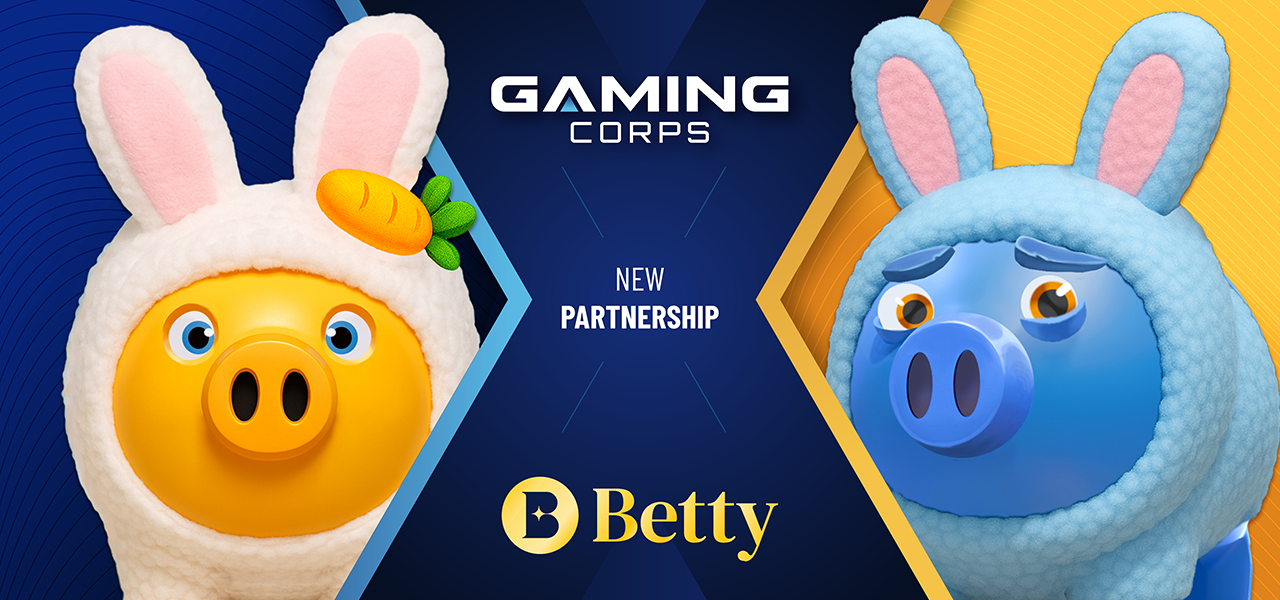
Gaming Corps, a publicly traded game development firm located in Sweden, has entered into a new distribution deal with Betty, one of the rapidly expanding iGaming operators in Ontario. The agreement enhances Betty’s platform with Gaming Corps’ growing collection of content, increasing options for players in a market where the brand currently provides over 2,800 slot titles.
Thanks to the collaboration, Betty customers will soon enjoy the latest slot releases from Gaming Corps, featuring 3 Easter Pigs, the latest chapter in the well-known 3 Pigs series, which adds a new seasonal element to one of the studio’s most iconic franchises. Players will also gain access to the latest release, Vendetta Fury, from DEGEN Studios, Gaming Corps’ newest RGS partner.
This launch leverages the solid success of the broader 3 Pigs franchise, featuring games like 3 Pigs of Olympus and 3 Pigs of the Caribbean that are already part of Gaming Corps’ collection. These are included with the studio’s wider range of Slots, Plinko, Mine, Crash, and Table games.
Adam Pentecost, Chief Revenue Officer at Gaming Corps, said: “Ontario has become one of the most exciting regulated markets in North America, and Betty has built an impressive reputation by offering players both quality and variety. We’re delighted to partner with such a progressive operator and look forward to showcasing how our latest content can bring something genuinely different to their already rich portfolio.”
Paraskeva Smirnova, Senior Casino Operations Manager at Betty, added: “Betty has built its identity on being a homegrown Ontario brand with a clear focus on what local players want. Working with Gaming Corps allows us to continue that mission, adding content that stands out and gives our players something new to discover alongside the thousands of titles we already host.”
The post Gaming Corps Taps Betty to Boost Content Options for Ontario Players appeared first on Eastern European Gaming | Global iGaming & Tech Intelligence Hub.
Adam Pentecost Chief Revenue Officer at Gaming Corps
Gaming Corps partners with Betty to expand content choice in Ontario
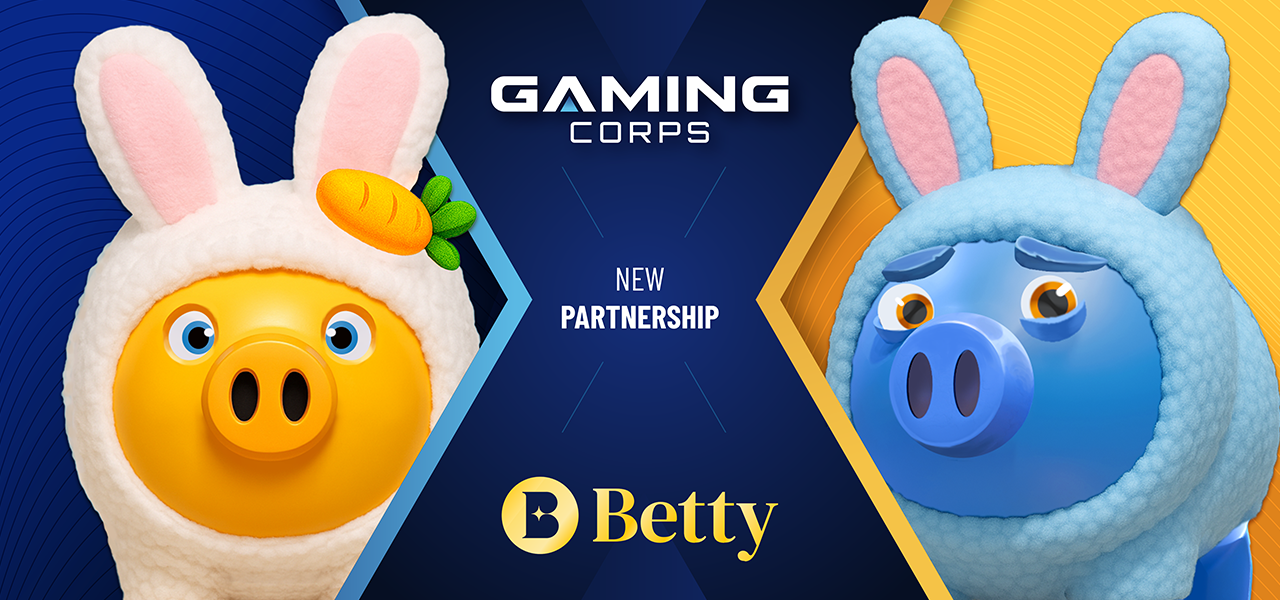
Gaming Corps has signed a new distribution agreement with Betty, one of Ontario’s fastest-growing iGaming operators. The deal adds Gaming Corps’ expanding suite of content to Betty’s platform, strengthening the choice for players in a market where the brand already offers more than 2,800 slot titles.
Through the partnership, Betty customers will soon have access to the latest Gaming Corps slot releases, including 3 Easter Pigs, the newest instalment in the popular 3 Pigs series, which introduces a fresh seasonal twist on one of the studio’s most recognisable franchises. Players will also have access to Gaming Corps’ newest RGS partner, DEGEN Studios’, latest release, Vendetta Fury.
This launch builds on the strong performance of the wider 3 Pigs franchise, with titles such as 3 Pigs of Olympus and 3 Pigs of the Caribbean already established within Gaming Corps’ portfolio. These sit alongside the studio’s broader offering of Slots, Plinko, Mine, Crash and Table games.
Adam Pentecost, Chief Revenue Officer at Gaming Corps, said: “Ontario has become one of the most exciting regulated markets in North America, and Betty has built an impressive reputation by offering players both quality and variety. We’re delighted to partner with such a progressive operator and look forward to showcasing how our latest content can bring something genuinely different to their already rich portfolio.”
Paraskeva Smirnova, Senior Casino Operations Manager at Betty, added: “Betty has built its identity on being a homegrown Ontario brand with a clear focus on what local players want. Working with Gaming Corps allows us to continue that mission, adding content that stands out and gives our players something new to discover alongside the thousands of titles we already host.”
The post Gaming Corps partners with Betty to expand content choice in Ontario appeared first on Americas iGaming & Sports Betting News.

-

 bingo6 days ago
 -
apuestas7 days ago
Brasil 2026: Bets presionan el presupuesto de los hogares y redefinen la competencia por el consumo
-
Compliance Updates6 days ago
EGBA Urges EC to Tackle Rising Online Fraud in Gambling Sector
-
Betnacional7 days ago
Brazil: Betting pressures household budgets and reshapes the competition for consumer spending
-
Endorphina7 days ago
NAZAR WISHES AWAIT YOUR COMMAND
-
Greentube6 days ago
Greentube hauls in big wins with Rumble Riches™ Haulin’ Gold™
-
DEGEN Studios6 days ago
DEGEN Studios ignites a brutal blood feud with Vendetta Fury
-
Baroness Fiona Twycross4 days ago
BGC AGM 2026 Discussed About Surging Illegal Gambling Black Market