Latest News
ComeOn Group announces their shift to a global Hybrid Office work model as their post Covid People Strategy

Gaming operator ComeOn Group announces the launch of their new Global Hybrid Office work model as a part of their evolving company culture. A decision based on interviews with employees and the needs of the business, as well as a vision to create a modern and dynamic working environment keeping in line with new emerging trends as a response to the global pandemic.
There is a great journey behind ComeOn Group and after 12 years of operations, ComeOn has grown to over 500 employees with offices in 7 locations. Now, ComeOn Group is entering another exciting period of time where the company is offering their employees not only top-of-the-line and modern Hybrid Office spaces for better collaboration, but also more flexibility as a way to promote better work-life balance.
For the past two years, ComeOn has shown great endurance to the challenges brought on by the pandemic and managed to transition to working remotely, as well as quickly develop new tools to maintain the operations coupled with, developing and maturing the great company culture ComeOn is known for in the industry. To maintain the same level of communication, ComeOn launched Slack for better collaboration across all locations and introduced meeting-free Wednesday mornings, to boost productivity and give employees the thinking time they need. It is during this time that the Hybrid Office model came to be developed by a team of dedicated project managers and HR strategists that has carried out a 360 research to deliver the best possible experience to the whole organisation.
ComeOn’s definition of a Hybrid Work means that employees can decide and be flexible around where their work station should be for the day. The decision to move to a Hybrid set-up was based on in-depth trending office research and employee surveys, which made it clear the need for a new work set-up moving forward.
Juergen Reutter, Chief Executive Officer at ComeOn Group, said ”In the beginning of the year we polled our people on how they prefer to work post pandemic. 91% answered to keep it flexible. So with these figures in hand we are investing in a true, top-notch quality hybrid office setup for our employees to participate in face-to-face collaborative working experiences when they are in our locations.”
ComeOn has their Headquarters in the modern premises of Spinola Park that is located in the heart of St Julians. The office that originally already had a great interior, underwent further refurbishment with a specific Hybrid Office design and interior development to inspire and encourage collaborative work, also adding a whole new social space for employees to meet up, work, or relax. ComeOn have approached a similar strategy globally, specifically in London and Stockholm, where a move to new office spaces have been initiated. In addition to this, ComeOn also launched an global online desk booking system with a handy app for employees to plan their visits seamlessly leading to the best in office experience possible.
Daniela Vella, Chief Operating Officer at ComeOn Group, said Employees are at the center of this decision – During the past 24 months, all of the teams rallied together and made working from home a success. However, one of the common threads was that the offices were an incubator for ideas, brainstorming and generally, just meeting with our awesome colleagues – so this decision was a no-brainer for us!’’
ComeOn offers great benefits globally that include relocation packages, wellness allowance, health insurance, parental leave – to mention a few out of many. The company also put together a more extensive mental health support system to help employees when needed both during the pandemic and as a continuous effort to offer the best support system for the employees. To meet the expectations of the new way of working, ComeOn also rolled out a new Hybrid Office allowance to help kick-start employees who would like to set up a home office, which is thought to help with the overall wellbeing. As a response to slightly more complicated travel conditions coupled with the fact that ComeOn Group employees are from over 50 nationalities, the Group is also offering their employees 8 weeks working from another location that can be combined with annual leave so a healthier work environment can be fostered.
The roll out of Hybrid Office has been a great success and the company reports that the number of employees deciding to work from the office has reached an all time high post pandemic. ComeOn always has people at the heart of their business and will continue to work on new and exciting people strategies to retain the great talent they have and also attract new prospects. As published a few weeks back, ComeOn has recently been awarded the title “Great Place to Work” by International Gaming Awards 2021 – which is a great recognition for all the hard work that has been put in by all employees across all locations.
Powered by WPeMatico


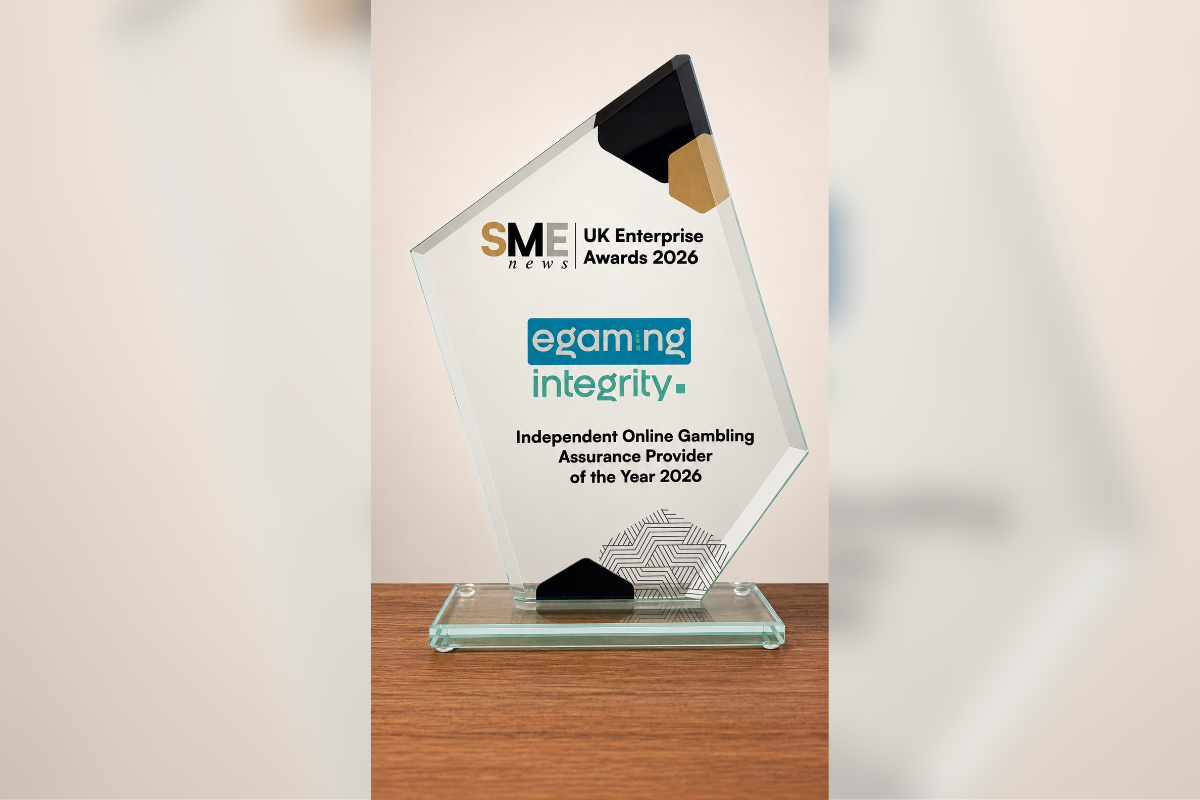
eGaming Integrity has been named Independent Online Gambling Assurance Provider of the Year 2026 at the UK Enterprise Awards, organised by SME News. The company is based in the Isle of Man and works with operators in regulated online gambling markets.
According to the company, the award recognises its assurance work aimed at helping gambling operators evaluate whether their compliance processes are prepared for regulated market requirements, as regulatory expectations increase around compliance standards and customer protection.
eGaming Integrity said its internal audit reviews assess how gambling businesses operate in practice, including whether procedures and controls meet standards expected by regulators. The company added that the process is designed to help operators identify where controls are effective and where improvements may be needed before issues emerge.
Emma Shilling, Director at eGaming Integrity, said,
“This award recognises the reason eGaming Integrity was created. Responsible operators want to know where they stand before problems appear, and independent assurance provides that outside perspective.
“Our team has seen regulation from both sides, which helps us understand where processes can break down and how operators can make practical improvements.”
Speaking on the accomplishments of the 2026 winners, Laura O’Carroll, Awards Manager, said,
“The announcement of our UK Enterprise Awards is perhaps one of our most anticipated milestones every year, and the 2026 launch is no different. We are truly pleased to deliver our digital magazine and winners list, showcasing such excellence, to our readers again this year. Atop this, to our winners, and from our team to yours, we wish you all a sincere congratulations on your success in this year’s programme.”
The post eGaming Integrity wins SME News UK Enterprise Award for gambling assurance appeared first on EE Gaming | Global iGaming & Tech Intelligence Hub.
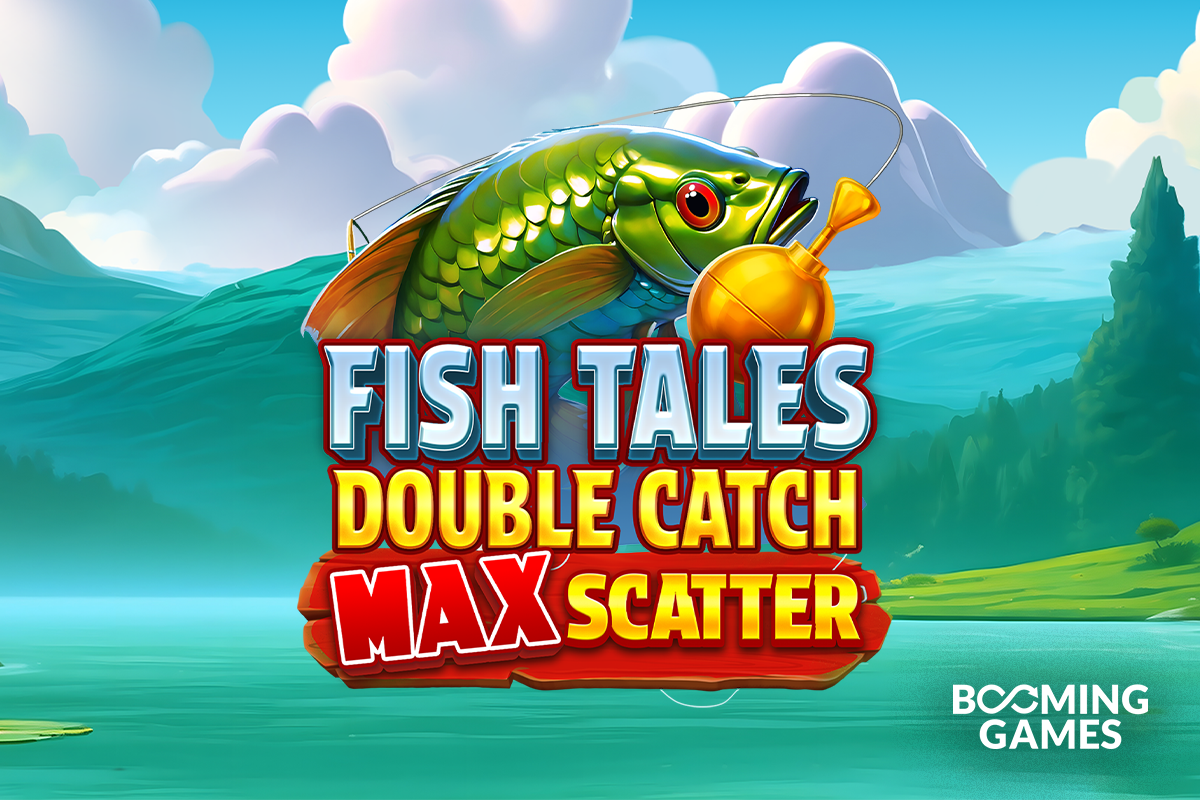
Booming Games has launched Tasty Bonanza Max Scatter, a new online slot released on 16 July 2026 from the supplier’s Malta base. The title is the second game in its Max Scatter series and uses a 6×4 grid with Scatter Pays, cascading wins and a stated maximum win potential of 15,000x.
The game pays when eight or more of the same symbol land. Winning symbols are removed and remaining symbols cascade down, with new symbols dropping in until no further wins are formed.
Free Spins are triggered by landing four or more Scatter symbols, including Scatters and Max Scatters, awarding 10 Free Spins. During the bonus, Random Multipliers can appear with values from 2x to 100x and remain active until the cascade sequence ends, after which multiplier values are combined and applied to the total win. Three or more Scatter symbols during Free Spins add five additional spins, while the feature ends if the max win is awarded.
Booming Games also includes Bonus Buy options priced at 100x the bet amount and a “Super Buy Bonus” at 500x, which the company says offers multipliers from 15x to 100x. A BOOST+ option increases the bet by 25% and increases the chance of triggering bonus features.
Craig Asling, Director of Games at Booming Games, said: “Tasty Bonanza Max Scatter is a great example of how we’re innovating within one of our top performing franchises. By adding exciting new Max Scatter mechanics to one of our most popular slots, we are confident the game will appeal to players looking for top-quality entertainment and high-stakes gameplay.”
The post Booming Games launches Tasty Bonanza Max Scatter slot appeared first on EE Gaming | Global iGaming & Tech Intelligence Hub.

Gaming Realms has launched its Slingo portfolio in Switzerland with Swiss4Win.ch, the online casino brand of Casinò Lugano, on 16th July 2026.
The supplier said the agreement is its second operator launch in the Swiss market and extends distribution of its content library through Playtech’s platform.
Swiss4Win.ch players now have access to a selection of titles including Slingo Sweet Bonanza, Slingo Xxxtreme and Slingo Gold Cash.
Mariachiara Lagravinese, Regional Account Manager at Gaming Realms, said: “Building on our recent debut in Switzerland, this partnership with Swiss4Win.ch will see us reach an even greater audience in the country where our unique content has been popular with local players.
“Switzerland represents an attractive market for us and this launch with a reputable local operator sees us strengthen our foothold in the region.”
Paolo Sanvido, CEO of Casinò Lugano, said: “We’re committed to offering our players a diverse portfolio of premium gaming content, and Gaming Realms’ Slingo titles bring something truly unique to our casino lobby. We’re excited to introduce these games to our customers and further strengthen our entertainment offering with engaging and innovative experiences.”
The post Gaming Realms launches Slingo games with Swiss4Win in Switzerland appeared first on EE Gaming | Global iGaming & Tech Intelligence Hub.

-

 Compliance Updates6 days ago
Arizona Department of Gaming Issues Cease-and-Desist Orders to Multiple Operators Linked to Underage Gambling and Illegal Activity
-
 Compliance Updates6 days ago
KONAMI GROUP’s Konami Gaming Inc. First to Submit Manufacturer License Application in Japan’s Emerging IR Market
-
Latest News7 days ago
PG Soft appoints Hugo Baungartner as General Manager LatAm
-
Canada7 days ago
Canada’s Safer Gambling Gap: Why Market Success Doesn’t Always Equal Player Safety
-
Latest News7 days ago
Booming Games launches Fish Tales: Double Catch Max Scatter
-
Latest News7 days ago
Tom Horn Gaming ships Royal Ruby FeatureStorm slot worldwide on 14 July 2026
-
Latest News7 days ago
BC.GAME names Guillermo Ochoa brand ambassador for Mexico push
-
Latest News7 days ago
PG Soft names Hugo Baungartner as General Manager LatAm