Latest News
Adverty awarded TAG Brand Safety Certified Seal validated by ABC audit

Adverty, the in-game and esports advertising specialists, have been awarded the Trustworthy Accountability Group (TAG) Brand Safety Certified Seal after demonstrating its compliance with rigorous brand safety standards.
The verification, which is independently validated through an audit by ABC, demonstrates Adverty’s compliance with industry best practices and gives brand partners greater confidence that their advertising will not be associated with content that could jeopardise their reputation.
Adverty works with brands to help them access hard-to-reach audiences in the hugely engaging environments of gaming and e-sports, unlocking extensive opportunities to monetise a vast, exclusive network with contextual, seamless brand messaging.
As a TAG approved auditor with a portfolio of over 100 brand safety clients, ABC supplies the online media industry with a trusted and robust validation service, delivering reassurance to those in the online ad trading industry. For more information on ABC’s audit services please go to: www.abc.org.uk/audit-services/brand-safety
Tobias Knutsson, CEO of Adverty, said: “It’s very important to us to create a safe, transparent and trusted environment in which our brand partners can operate, so to have official recognition of that is a significant milestone.
“Brand safety is absolutely critical to the future of our industry and I would encourage any businesses working with advertisers in the digital space to undergo this process in order to build back confidence for brands.”
Simon Redlich, Chief Executive at ABC, said: “We’re delighted that Adverty has completed our audit to demonstrate compliance with the TAG Brand Safety Certified guidelines. Achieving BSC certification shows they’re committed to adopting the high standards necessary to protect themselves and their customers in the important area of brand safety.”
Powered by WPeMatico

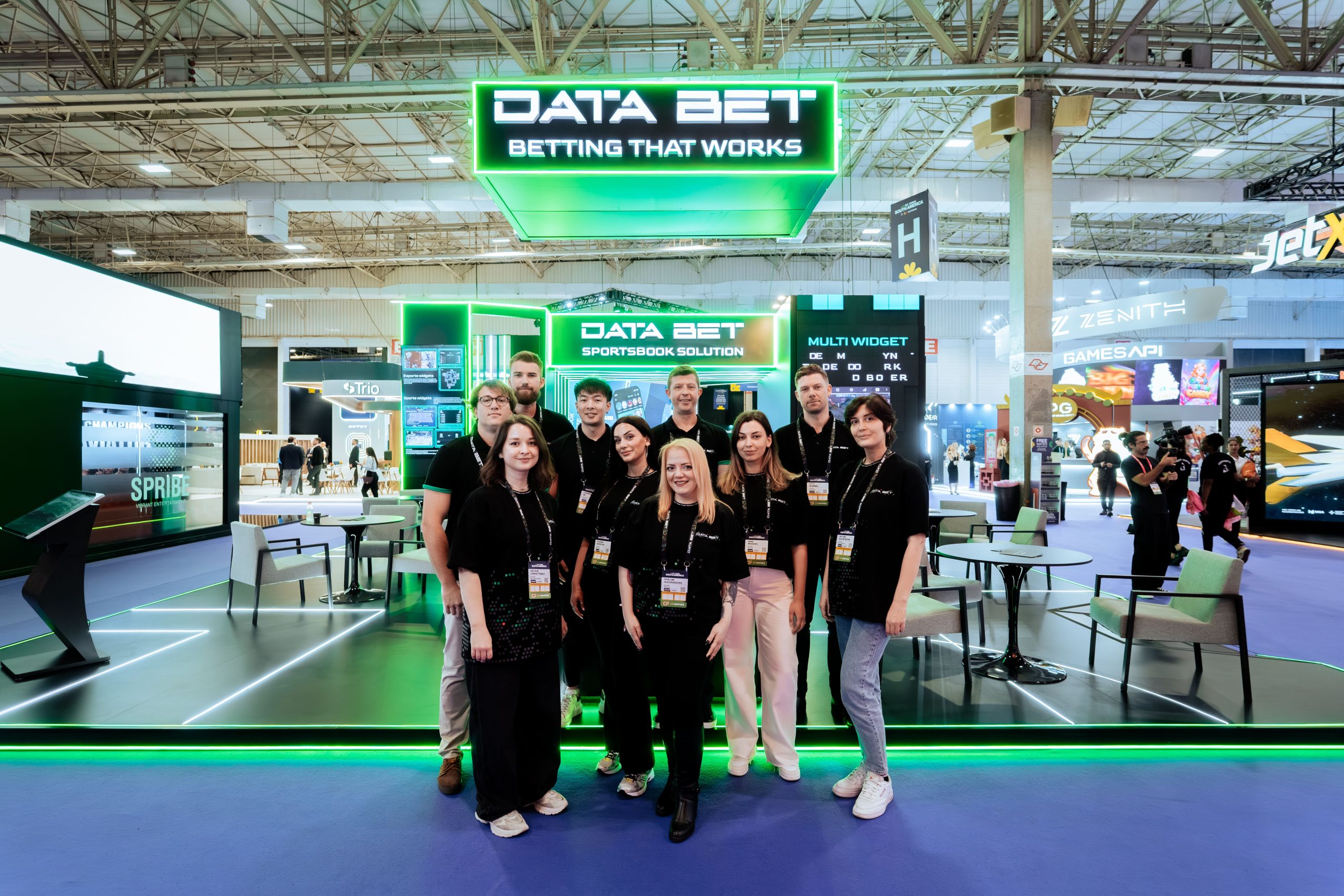
DATA.BET has reinforced its ambitions in Latin America by making a strong return to BiS SiGMA South America 2026, one of the region’s most influential iGaming events.
With a significantly larger presence and an expanded product suite, the company demonstrated a clear evolution from its earlier identity as an esports-centric provider into a comprehensive sportsbook solutions partner.
Held in São Paulo, the event provided the perfect stage for DATA.BET to showcase its full-scale betting ecosystem. The company presented an integrated portfolio that spans traditional sports betting, esports wagering, and virtual sports—positioning itself as a one-stop solution for operators targeting regulated markets, particularly in Brazil.
A key highlight of DATA.BET’s offering is its GLI certification for Brazil. This certification is a major advantage for operators, as it removes the need for additional technical approvals and significantly shortens time-to-market. In a rapidly developing regulatory environment like Brazil’s, this capability gives partners a competitive edge when launching or scaling their betting platforms.
At the exhibition stand, visitors explored several product enhancements designed to improve both operator efficiency and player engagement. Among the updates were revamped Statistical Widgets and the esports-focused Timeline Widget, both aimed at delivering richer real-time insights and more immersive user experiences. The introduction of features such as One-Click Bet and Early Payout further underscores DATA.BET’s commitment to streamlining the betting journey while adding flexibility and excitement for end users.
In addition to officially announced upgrades, the company also teased an upcoming feature currently in development. While details remain under wraps, DATA.BET indicated that this innovation will push engagement standards even higher, reflecting its ongoing investment in next-generation betting technology.
Beyond technology, the company ensured its booth stood out through an engaging and interactive atmosphere. Cosplayers portraying popular League of Legends characters Jinx and Ahri attracted steady attention, reinforcing DATA.BET’s roots in esports culture while bridging the gap to mainstream sports betting audiences. A dynamic kinetic screen added a visual centerpiece, helping to maintain strong visitor engagement throughout the event.
According to Natalie Loshatynska, Head of PR & Marketing at DATA.BET, the company’s return to SiGMA South America marks a significant milestone. She emphasized that the transformation from an esports-focused provider to a full sportsbook ecosystem reflects both strategic growth and a deep commitment to local markets. With expanded coverage, localized certification, and tailored tools, DATA.BET is positioning itself as a leading supplier across key verticals including esports, traditional sports, and virtual betting.
This strategic shift aligns with broader industry trends, as Latin America—particularly Brazil—continues to emerge as one of the fastest-growing regulated betting markets globally. By investing in technology, compliance, and localized solutions, DATA.BET aims to empower operators to capitalize on these opportunities while delivering high-quality betting experiences to users.
As competition intensifies in the region, companies that can combine regulatory readiness with innovative product offerings are likely to lead the market. DATA.BET’s performance at BiS SiGMA South America 2026 suggests it is well on its way to becoming a dominant force in the evolving Latin American betting landscape.
The post DATA.BET Expands at SiGMA South America 2026 appeared first on Eastern European Gaming | Global iGaming & Tech Intelligence Hub.

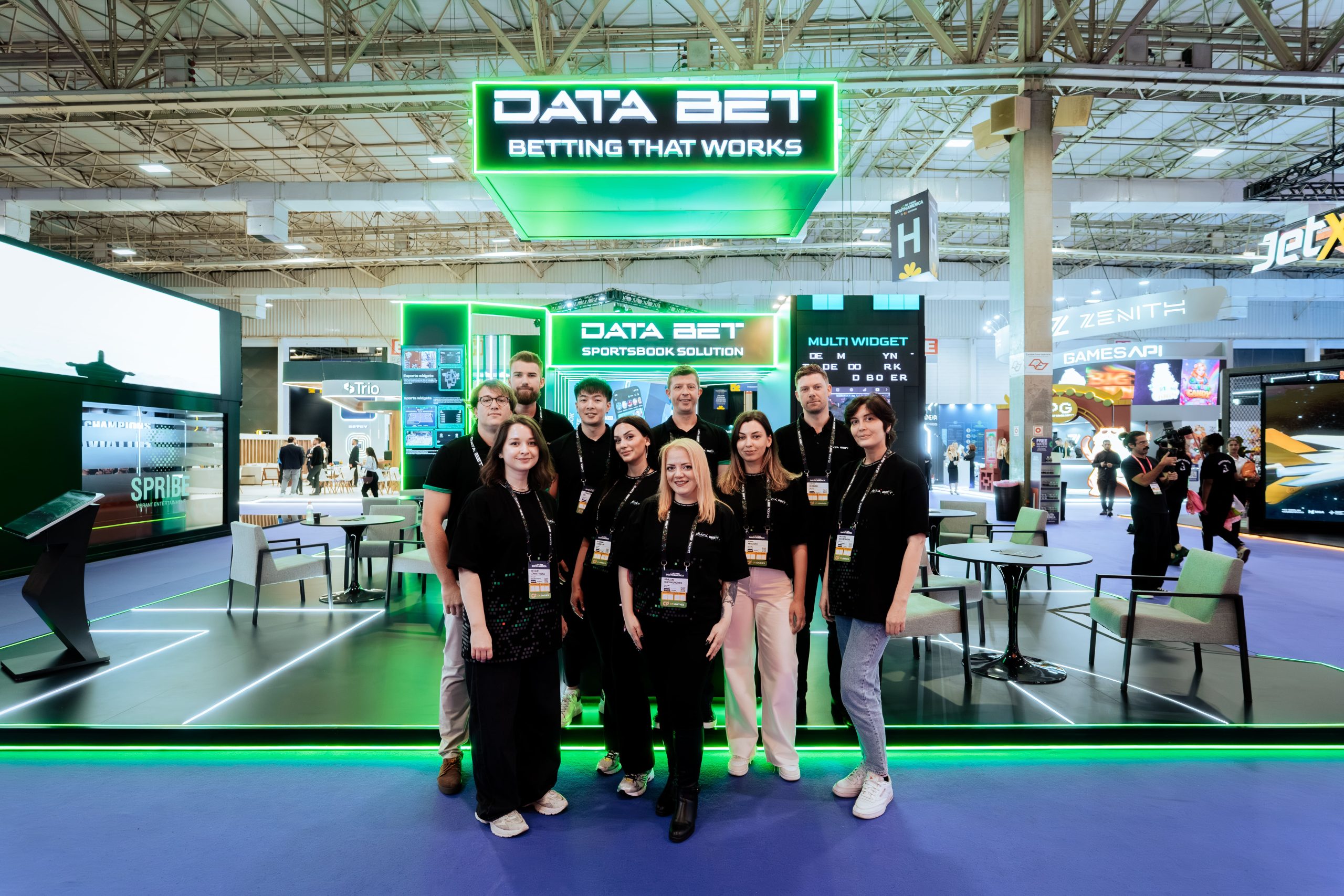
The company showcased its full betting portfolio to São Paulo.
DATA.BET, a leading sportsbook solution supplier, has successfully wrapped up its participation at BiS SiGMA South America 2026, one of the largest iGaming events in Latin America. The company was back on the expo floor with a significantly larger stand and a wider portfolio, marking a clear shift from the previous positioning as an esports-first company to a full-spectrum betting ecosystem.
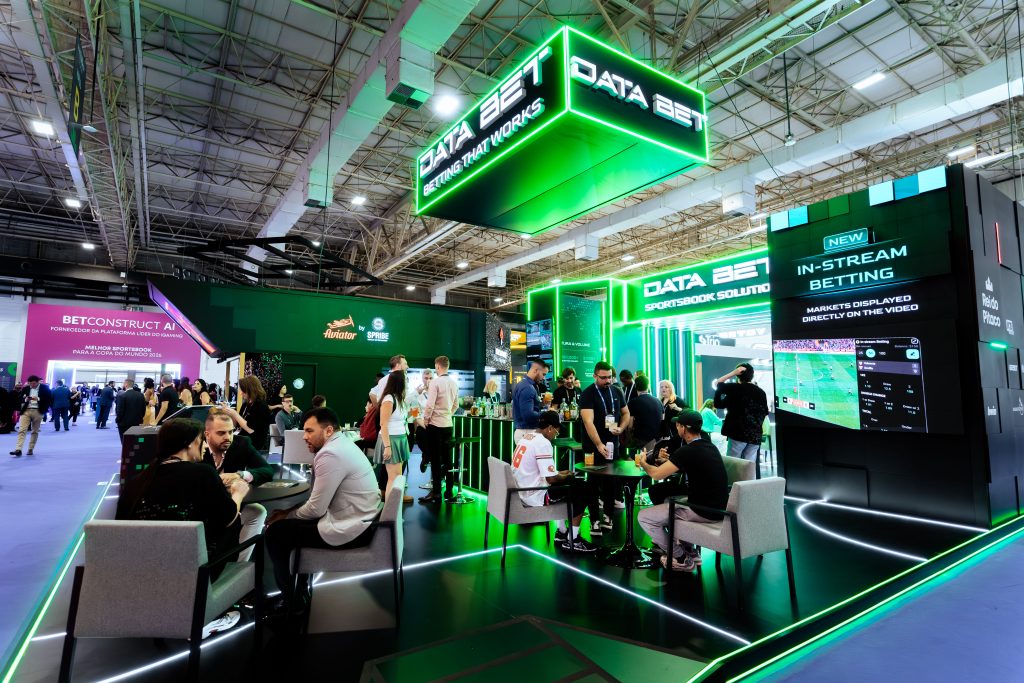
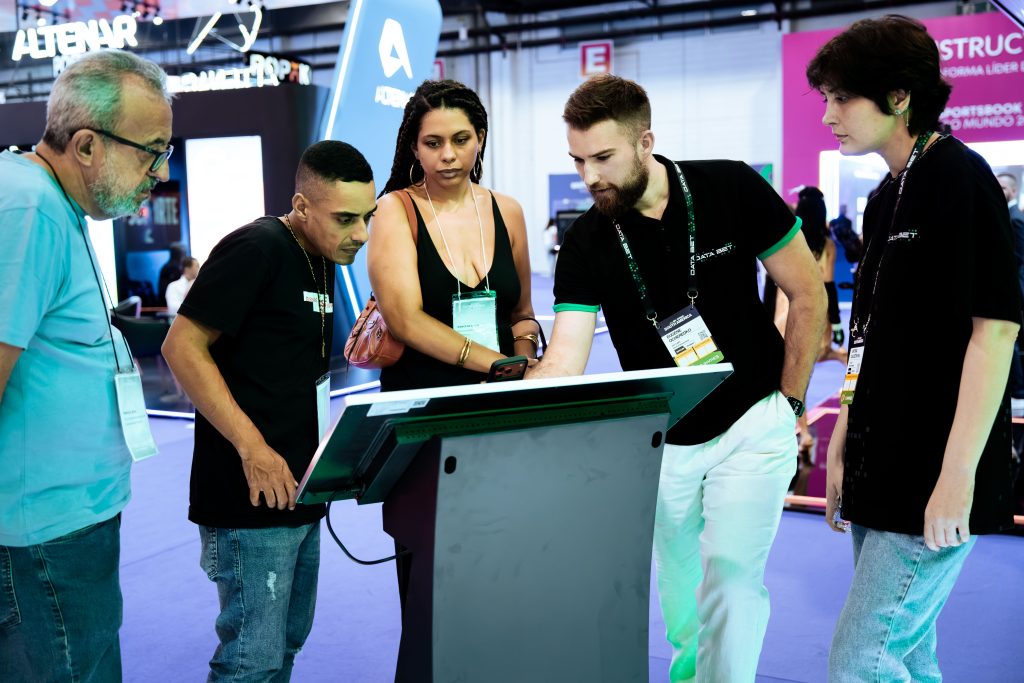
The team presented a complete sportsbook offering covering sports, esports, and virtual specifically tailored for casino and sports betting brands looking to enter or expand in the regulated market. The company holds GLI certification for Brazil, which eliminates the need for additional technical validation and allows operators to reduce time to launch.
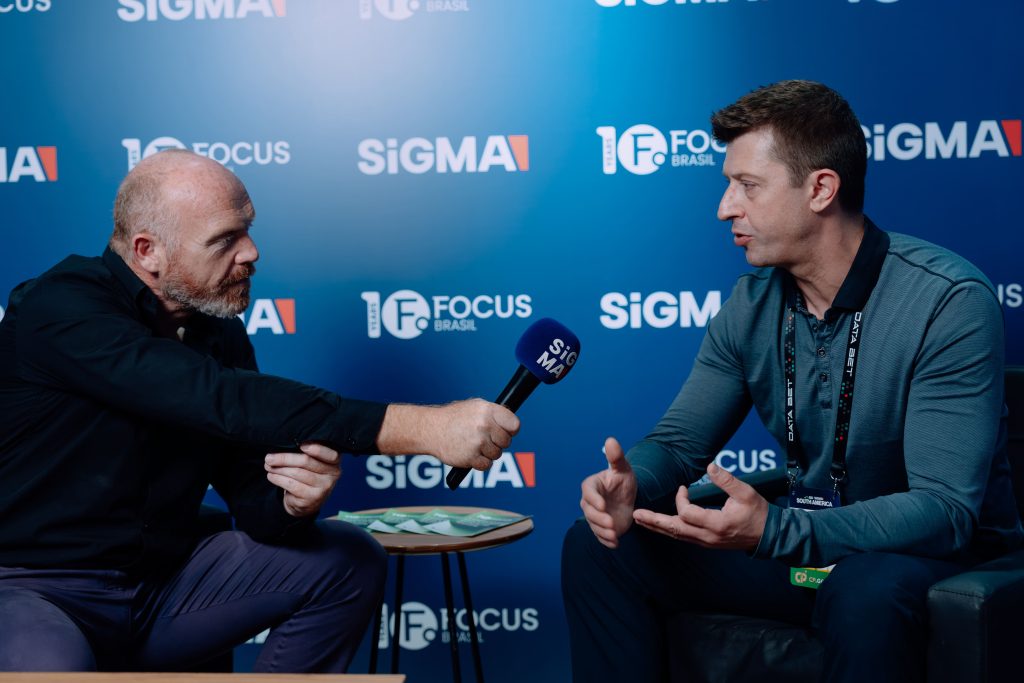

At the stand, attendees got a closer look at a range of recent updates, including refreshed Statistical Widgets and the esports Timeline Widget. The company unveiled One-Click Bet and Early Payout, and shared an early look at a new feature yet to be officially announced, aimed at raising the bar for player engagement.

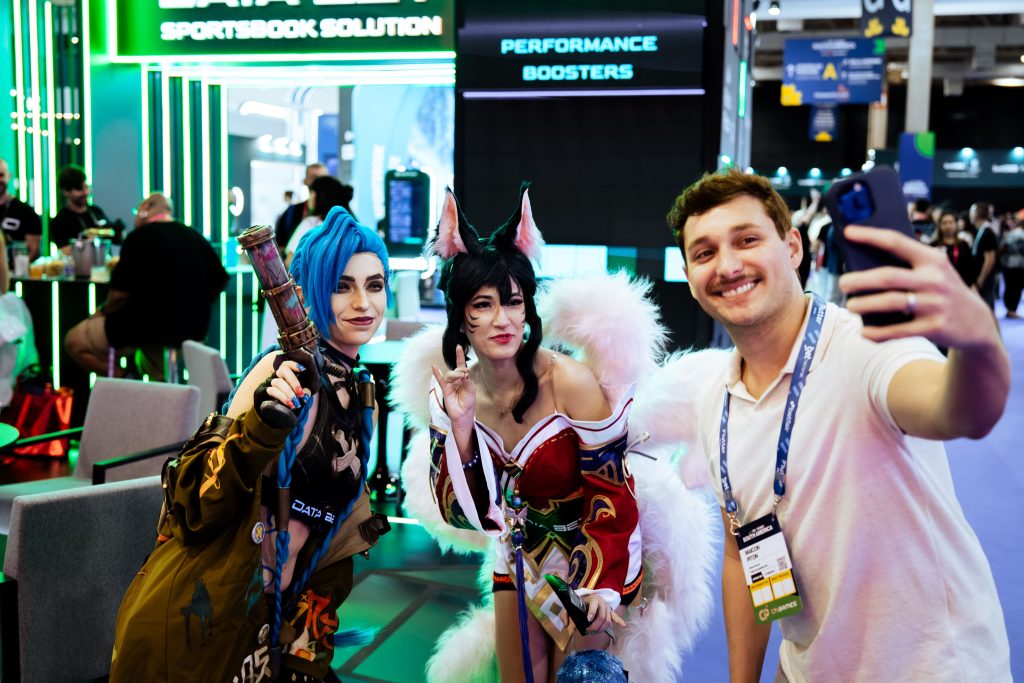
The stand brought the energy visitors have come to expect from DATA.BET. Cosplayers dressed as Jinx and Ahri, fan-favorite characters from League of Legends, drew consistent attention throughout the event, while a kinetic screen added an interactive visual element that kept foot traffic engaged.
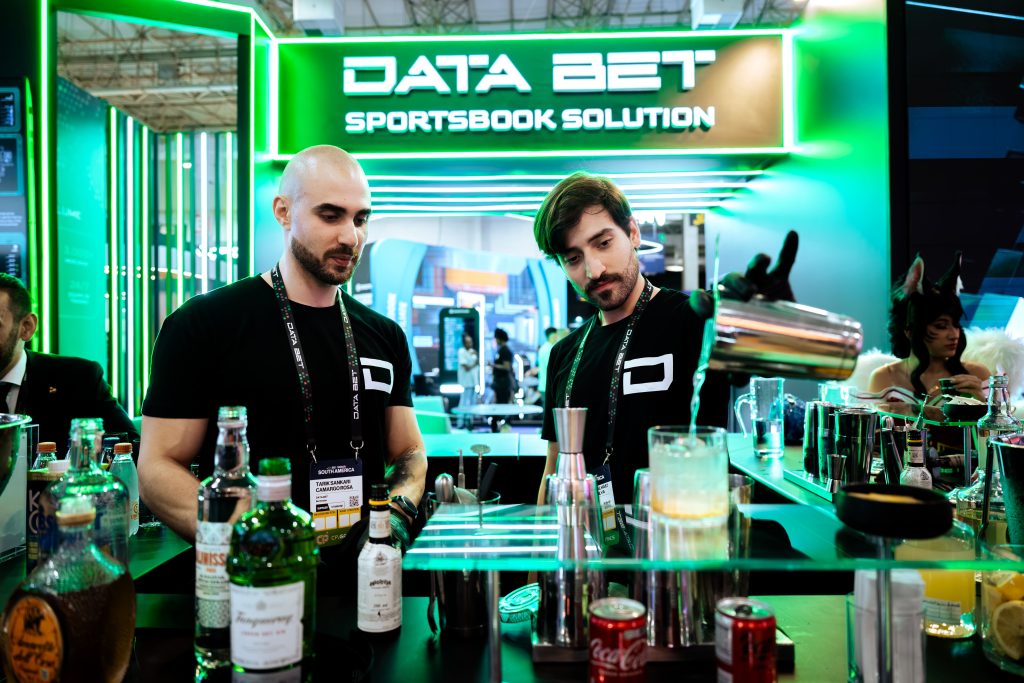
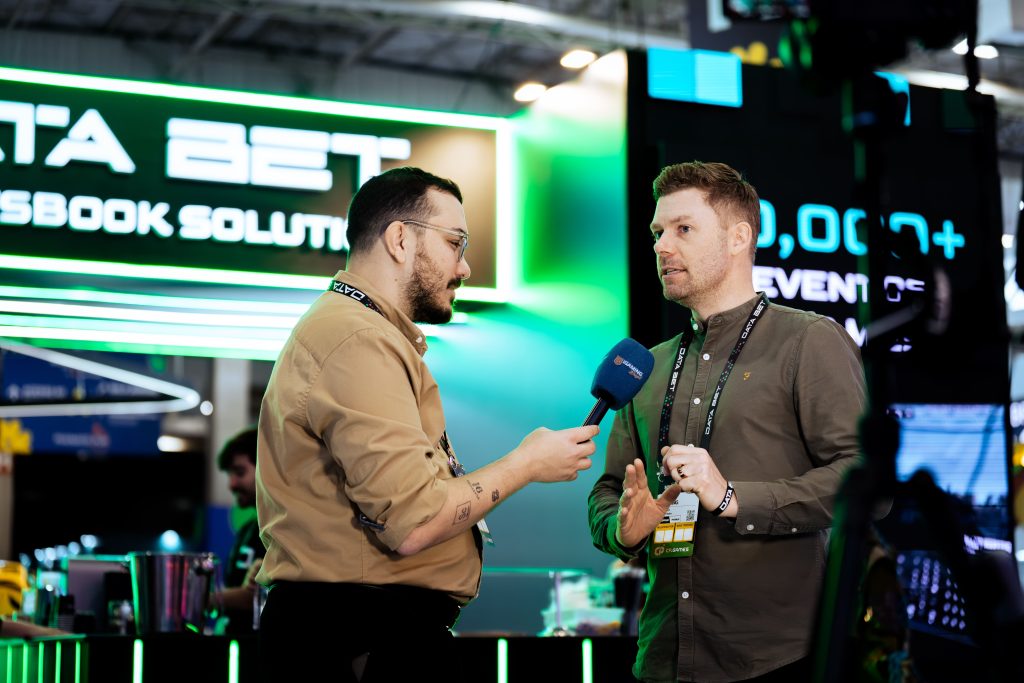
“Returning to BiS SiGMA South America this year felt like a natural checkpoint for the team. Last time we were here, DATA.BET was an esports-focused company. This time, we came back with a full sportsbook solution, strengthened by extended coverage, local certification, and products and tools specifically adapted for local clients. All of these steps demonstrate the commitment to establishing ourselves in Brazil as a leading supplier with expertise in key betting verticals: esports, sports, and virtual sports,” said Natalie Loshatynska, Head of PR & Marketing at DATA.BET.
DATA.BET continues to invest in its technology and coverage to support partners targeting one of the fastest-growing regulated betting markets in the region.
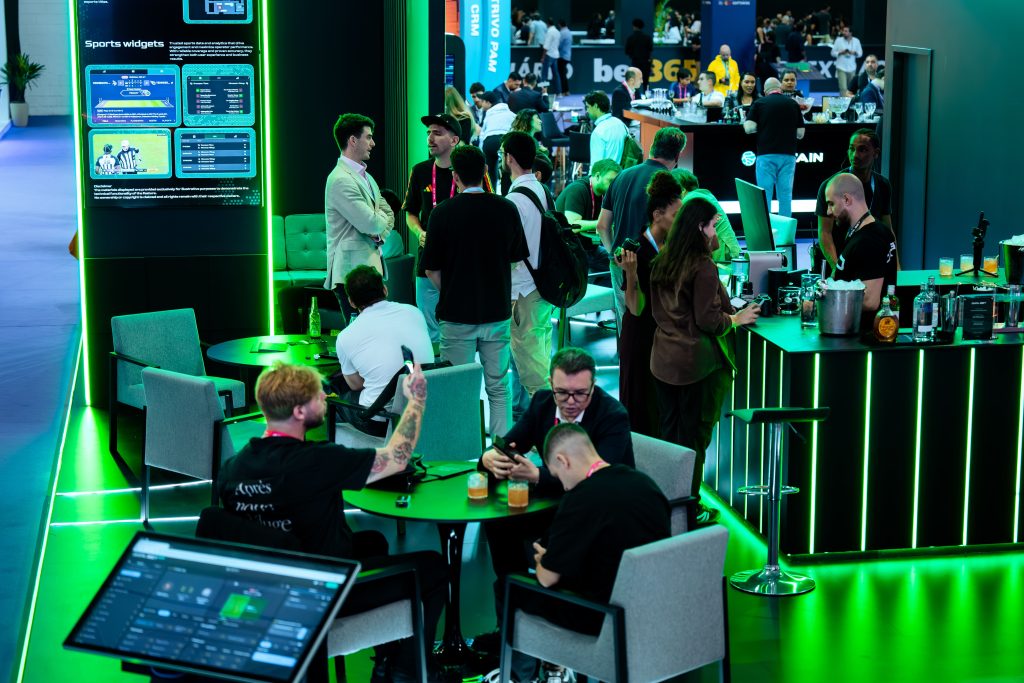
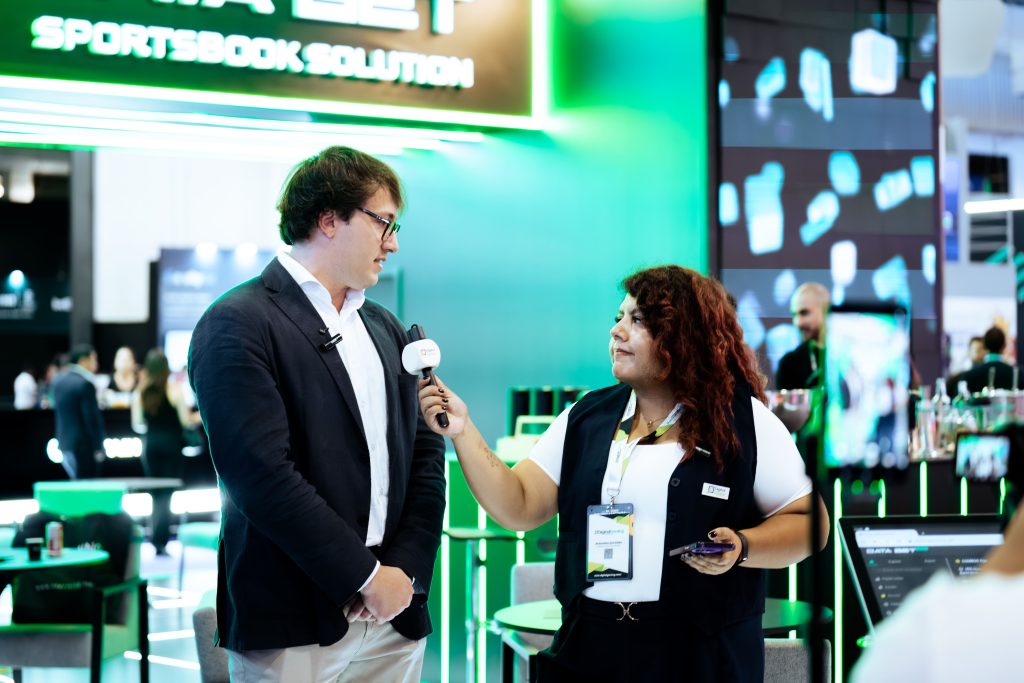
The post DATA.BET Returned to BiS SiGMA South America 2026 appeared first on Americas iGaming & Sports Betting News.
Basketball Federation of Ukraine
GGBET UA and FBU Host “Media Slam”: A Landmark Open Media Event for Ukrainian Basketball

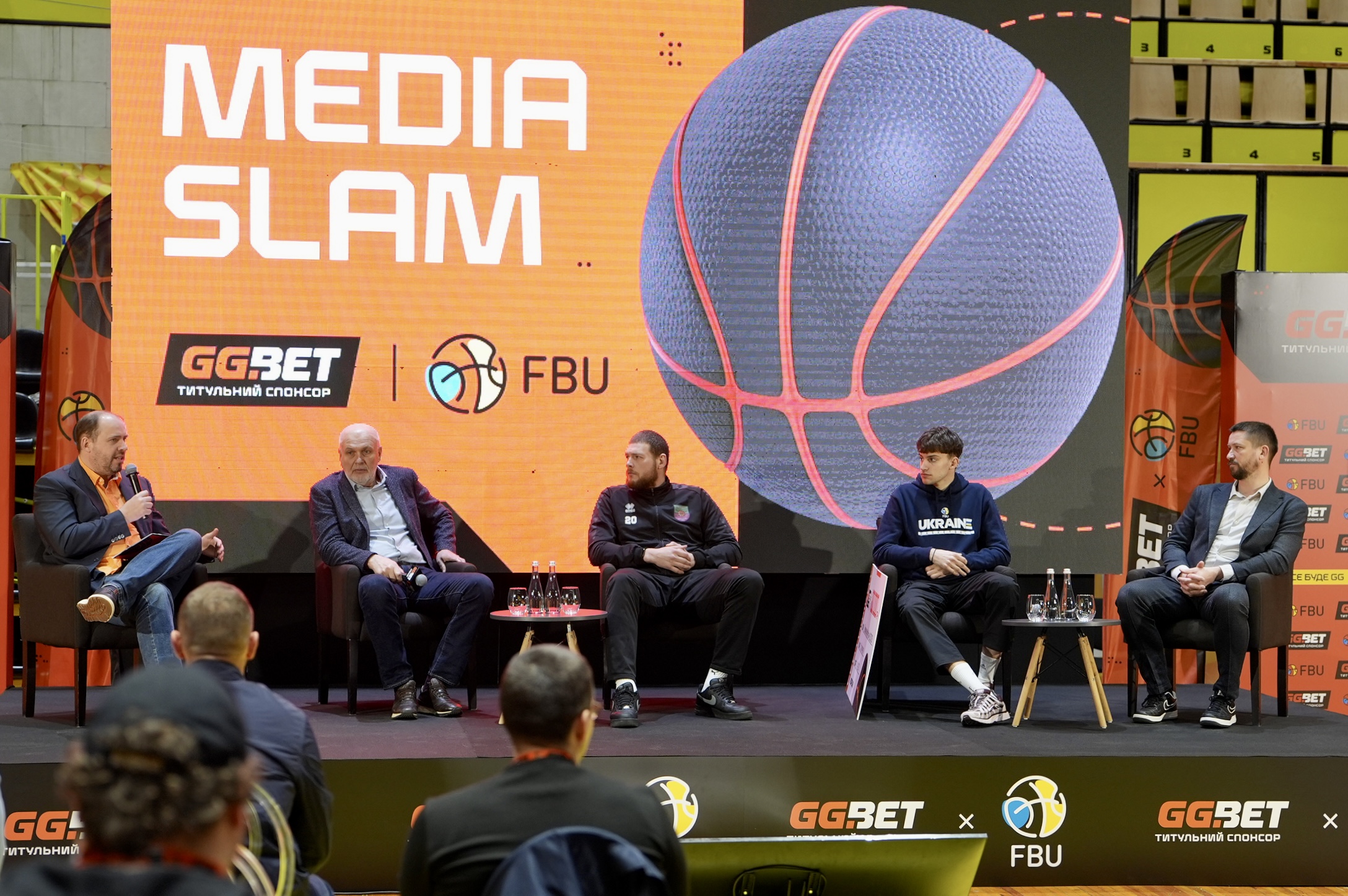
In a historic move for Ukrainian sports, the Basketball Federation of Ukraine (FBU) and title sponsor GGBET UA recently hosted Media Slam in Kyiv. This inaugural open media event served as a high-level forum to analyze the regular season results of the GGBET SuperLeague and the recent performances of Ukraine’s men’s and women’s national teams.
Since becoming the league’s title sponsor in January 2026, GGBET UA has prioritized transparency and engagement. The event highlighted a significant milestone: the return of fans to stadiums despite the ongoing challenges of martial law, signaling a resilient recovery for the domestic game.
Highlights and Recognition
The “Media Slam” wasn’t just about statistics; it was a celebration of the sport’s current momentum:
-
MVP Honors: The regular season’s top five players were officially recognized for their outstanding contributions.
-
Kyiv-Basket Victory: The Ukrainian Cup winners received a formal check in honor of their championship win.
-
Market Discussion: Stakeholders engaged in a candid dialogue regarding the increasing competitiveness of the league.
Sergii Mishchenko, CEO of GGBET UA, commented:
“We didn’t get involved in Ukrainian basketball just to have our logo on a banner. This is a systematic approach. We see the increasing interest in basketball and want to be a part of that growth. The tougher the competition, the stronger Ukrainian basketball becomes.”
A Strategic Expansion
Basketball marks a major pillar in GGBET UA’s diversifying sports portfolio. Following high-profile partnerships with FC Dynamo Kyiv, FC Polissya Zhytomyr, and the Usyk vs. Dubois 2 rematch, the brand is now cementing its status as a cornerstone of the Ukrainian basketball ecosystem.
The post GGBET UA and FBU Host “Media Slam”: A Landmark Open Media Event for Ukrainian Basketball appeared first on Eastern European Gaming | Global iGaming & Tech Intelligence Hub.

-

 BNL6 days ago
Paneles SiGMA South America concentran debates claves para Brasil
-
ALL FOR ONE Studios6 days ago
Unlock the Sands’ Bounty — Games Global and ALL FOR ONE Studios introduce rewards in Queens of Ra Rising Coin Collect
-
Alea6 days ago
Alea Returns to SiGMA South America as Brazil’s iGaming Market Enters a More Demanding Stage
-
Andrew Humphreys Chief Product Engineering Officer at Bede Gaming6 days ago
OLG Launches Innovative New React Native Mobile App with Bede Gaming
-
bets6 days ago
SiGMA South America panels focus on key debates to Brazil
-
Booming Games5 days ago
Booming Games targets South American dominance with major investment, flagship partnerships and exclusive Ronaldinho content
-
Evoplay6 days ago
Evoplay Embarks on a Heart of Africa: Lion Way
-
Best Slot Developer6 days ago
Amusnet Named Best Slot Developer at GamingTECH Awards 2026