Press Releases
Virtual bike races as hard as Tour de France, says expert

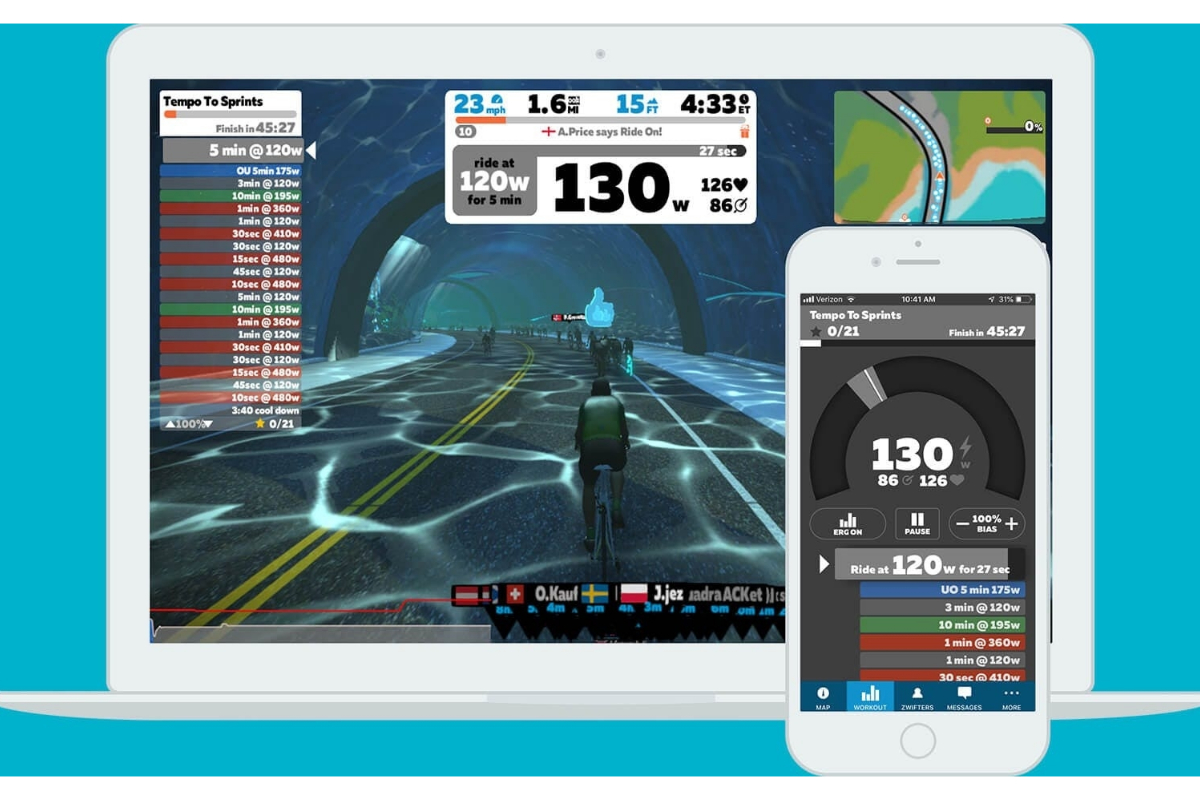
- Virtual cycle races take place of cancelled road races
- Big names like Chris Froome have been taking part
- Cycling data expert says virtual races are proving to be just as hard as the real thing
Virtual cycle racing is proving to be just as hard as road races such as the Tour de France, according to professional riders and a leading sports data analyst.
Races on virtual platforms such as Zwift and ROUVY have filled the void left by the cancellation of professional road races over the past few weeks, with big-name riders like Chris Froome and Olympic champion Greg Van Avermaet taking part in events such as the Digital Swiss 5, the Zwift Tour for All and the Team INEOS eRace on Zwift.
Together with a panel of cycling experts from bonusfinder.com, professional cycling coach and data scientist Philipp Diegner – who regularly analyses UCI WorldTour races – has assessed the publicly available performance data from more than 200 efforts made by pro riders in recent virtual races.
Although virtual races are up to six times shorter than road races, Diegner said they have proved to be just as difficult as road races and have caught some professionals off guard. ”The racing is short and particularly intense,” he explained. “It is 45-90 minutes of racing instead of 3-6 hours. The consequence for the riders is that there is no opportunity to save energy like they have in road races, so they have to make prolonged, all-out efforts that push them to their physical limit.
“Professionals are not necessarily used to this and it can be a shock to the system. Virtual racing is as hard as road racing; it is just that endurance is a more decisive factor in road racing, whereas virtual racing is one hour of pure, intense suffering.”
Pro rider Chris Hamilton, who rides for Team Sunweb, agreed with Diegner when he described one virtual race as “the hardest thing I have ever done”.
Diegner selected the following 10 performances as the most impressive he has seen in the professional virtual races to date.
| Rider | Team | Race | Time | Speed (avg km/h) | Power (avg watts) | W/kg (avg) | Ride Info Source |
| Chris Hamilton | Team Sunweb | Digital Swiss 5 Race 5 | 01:00:13 | 37.7 | 393 | 6.05 | Strava |
| Filippo Ganna | Team INEOS | Digital Swiss 5 Race 2 | 00:55:17 | 48.7 | 463 | 5.51 | Strava |
| James Piccoli | Israel Start-Up Nation | Zwift Tour for All Stage 3 | 01:41:56 | 42.7 | 335 | 5.2 | Zwift Companion |
| Louis Meintjes | NTT Pro Cycling | Zwift Tour for All Stage 5 | 01:23:40 | 33.3 | 323 | 5.7 | Zwift Companion |
| Stefan De Bod | NTT Pro Cycling | Zwift Tour for All Stage 5 | 01:23:49 | 33.3 | 357 | 5.4 | Zwift Companion |
| Nicolas Roche | Team Sunweb | Digital Swiss 5 Race 3 | 01:12:11 | 27.9 | 391 | 5.51 | Strava |
| Pello Bilbao | Bahrain – McLaren | Zwift Tour for All Stage 3 | 01:42:39 | 42.4 | 330 | 5.5 | Zwift Companion |
| Rohan Dennis | Team INEOS | Team INEOS eRace on Zwift | 00:58:01 | 29.2 | 373 | 5.18 | Zwift Companion |
| Tobias Ludvigsson | Groupama – FDJ | Digital Swiss 5 Race 4 | 00:48:00 | 46 | 428 | 5.63 | Strava |
| Nicolas Roche | Team Sunweb | Digital Swiss 5 Race 3 | 00:54:17 | 29.4 | 397 | 5.59 | Strava
|
Watts per kilogram is widely recognised as the most accurate barometer of effort in pro cycling. It takes the average power a rider produces over a set period of time and divides it by their weight in kilograms. The hardest road races require the winner to produce about 4/wkg over five hours. In virtual races, the winners have been nudging 6w/kg for between one hour and 1hr 45min.
Diegner said: “Chris Hamilton only finished fourth in race five of the Digital Swiss 5 but riding for one hour at 6.05w/kg is world class. He rode the last 12 minutes at 6.58w/kg, which would win him most WorldTour mountain stages.
“James Piccoli’s win on stage three of the Zwift Tour for All was a similarly amazing effort. He rode for one and a half hours at over 5w/kg and then kicked again and rode the last six minutes 25 seconds at 6.46w/kg. That’s unimaginable for amateur riders on Zwift.”
One lesson that emerged from the analysis was that the riders who are most successful on the road, such as Froome and 2019 Tour de France winner Egan Bernal, were not necessarily as effective in virtual races.
Diegner believes this was because successful road riders did not adjust to the nuances of virtual racing as well as others, but he expects them to start replicating their road success in virtual races with time and experience.
“Take Egan Bernal in the Team INEOS eRace on Zwift,” Diegner added. “He wasn’t competitive. That may be because he did not go all-out and was treating it as a training effort. But ultimately, once a rider with his capability gets used to the intensity, he will start winning like he does on the road.
“It is similar with sprints. Someone like [former three-time world champion] Peter Sagan might not get virtual racing right to begin with, but when he learns when and how to expend his power, he will start winning with the same regularity as on the road. Knowing when to start the sprint and how to reach max power in online races is a skill that has to be developed.”
Powered by WPeMatico


1spin4win, an established classic online slot provider, closes the first half of the year by revealing key performance results and the most significant milestones.
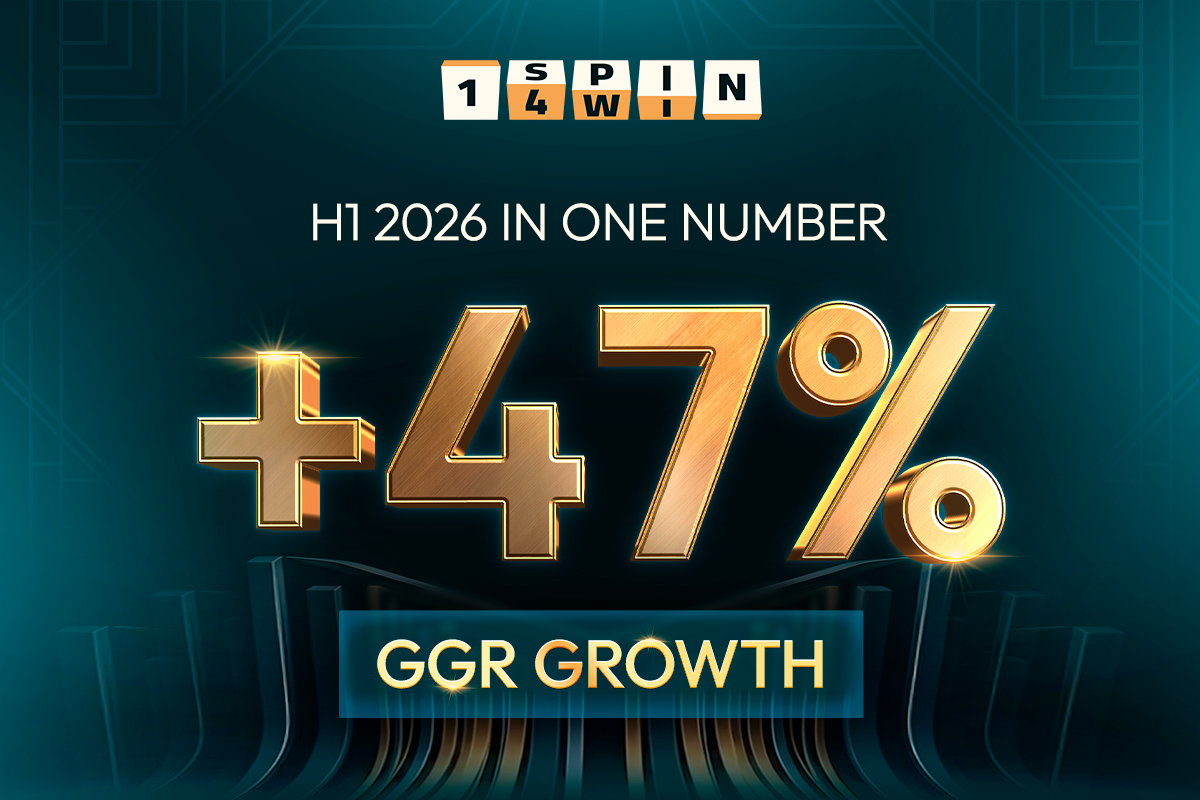
The first six months of 2026 have marked a period of strong growth for the studio. Compared to H1 2025, 1spin4win recorded a 47% increase in GGR, while bet count rose by 46.66%.
The provider also saw a significant increase in player activity. In H1 2026, player count surged by 59.06%, and new player count jumped by 50.15% compared to the first half of last year. These numbers reflect 1spin4win’s ability to keep global audiences engaged through new mechanics, regular game releases, and simple gameplay.
Partner growth has also been an important part of this success. Today, 1spin4win works with over 1,000 recognized iGaming brands, including STAKE.MX, 1win, LevelUP, BitStarz, gg.bet, WinSpirit, mBit, Pin-Up, 1xBet, PlayAmo, to name a few. This broad network reinforces the company’s reputation as a trusted provider across international markets.
The latest results also highlighted the success of 1spin4win’s expansion strategy across Latin America and Africa. Both markets remain important directions for the studio, where its mobile-first, easy-to-follow slots resonate perfectly well with local preferences. In H1 2026, compared to H2 2025, the provider’s GGR increased by 45.45% in Africa and 27.68% in LatAm.
This momentum has also been recognized by the wider professional industry. During iGB L!VE, 1spin4win was named Slot Studio of the Year at the inaugural iGaming News Awards, highlighting the studio’s strong slot offering and continued growth.
Olga Hlukhovskaya, Business Development Director at 1spin4win, shared, “We are proud of the results achieved. For us, these numbers are not only about our own success — they show that our games continue to bring value to operators by keeping their audiences active and engaged across different markets. Moving forward, we will continue strengthening this value through regional development, tailored partner support, and high-performing content that stays true to what players enjoy about classic slots.”
About 1spin4win
1spin4win is a fast-growing game provider founded in May 2021 by ambitious developers with over 20 years of experience in the gambling industry. Since its inception, the company has expanded its portfolio to include over 200 classic online slots, all characterized by quality mathematics, transparent mechanics, and well-balanced gameplay — key factors that drive strong player retention. The studio aims to release an average of four new games each month in 2026 and offers effective promotional tools for casino operators to help them enhance player loyalty.
The post 1spin4win achieves strong H1 2026 growth with GGR up 47% year over year appeared first on EE Gaming | Global iGaming & Tech Intelligence Hub.

1spin4win, an established classic online slot provider, closes the first half of the year by revealing key performance results and the most significant milestones.
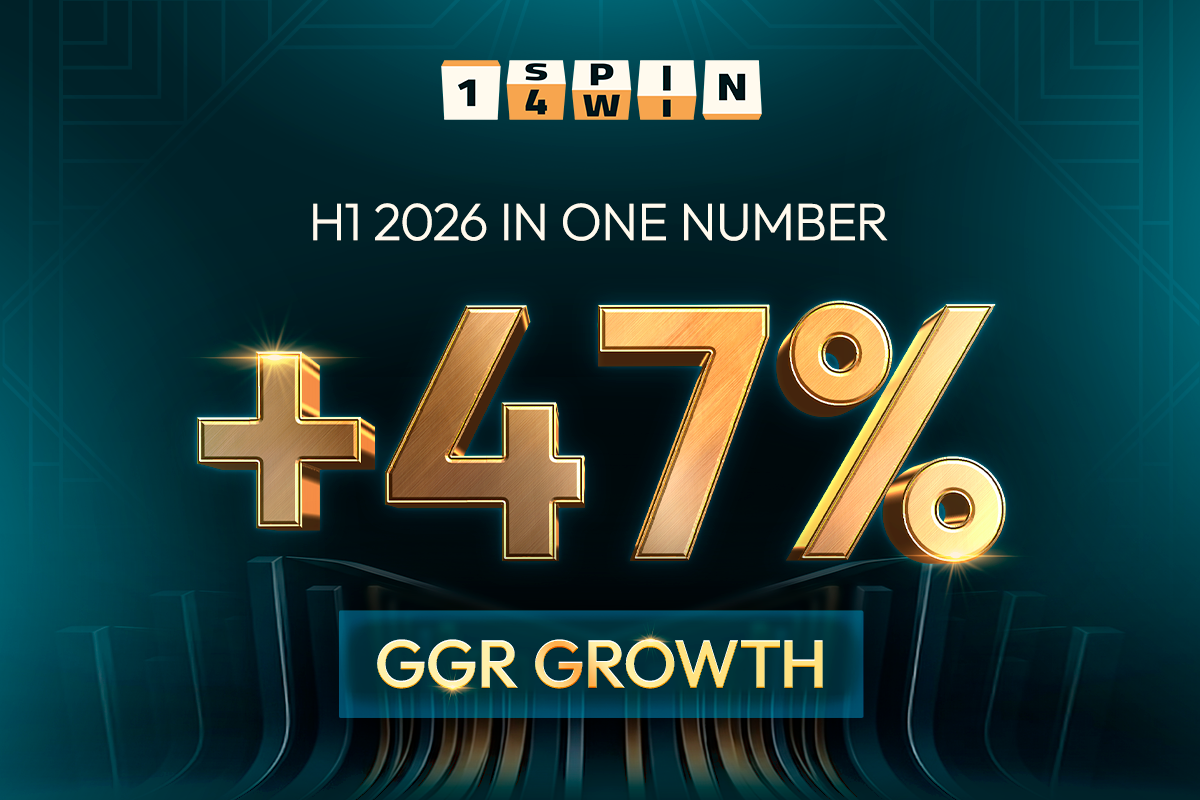
The first six months of 2026 have marked a period of strong growth for the studio. Compared to H1 2025, 1spin4win recorded a 47% increase in GGR, while bet count rose by 46.66%.
The provider also saw a significant increase in player activity. In H1 2026, player count surged by 59.06%, and new player count jumped by 50.15% compared to the first half of last year. These numbers reflect 1spin4win’s ability to keep global audiences engaged through new mechanics, regular game releases, and simple gameplay.
Partner growth has also been an important part of this success. Today, 1spin4win works with over 1,000 recognized iGaming brands, including STAKE.MX, 1win, LevelUP, BitStarz, gg.bet, WinSpirit, mBit, Pin-Up, 1xBet, PlayAmo, to name a few. This broad network reinforces the company’s reputation as a trusted provider across international markets.
The latest results also highlighted the success of 1spin4win’s expansion strategy across Latin America and Africa. Both markets remain important directions for the studio, where its mobile-first, easy-to-follow slots resonate perfectly well with local preferences. In H1 2026, compared to H2 2025, the provider’s GGR increased by 45.45% in Africa and 27.68% in LatAm.
This momentum has also been recognized by the wider professional industry. During iGB L!VE, 1spin4win was named Slot Studio of the Year at the inaugural iGaming News Awards, highlighting the studio’s strong slot offering and continued growth.
Olga Hlukhovskaya, Business Development Director at 1spin4win, shared, “We are proud of the results achieved. For us, these numbers are not only about our own success — they show that our games continue to bring value to operators by keeping their audiences active and engaged across different markets. Moving forward, we will continue strengthening this value through regional development, tailored partner support, and high-performing content that stays true to what players enjoy about classic slots.”
About 1spin4win
1spin4win is a fast-growing game provider founded in May 2021 by ambitious developers with over 20 years of experience in the gambling industry. Since its inception, the company has expanded its portfolio to include over 200 classic online slots, all characterized by quality mathematics, transparent mechanics, and well-balanced gameplay — key factors that drive strong player retention. The studio aims to release an average of four new games each month in 2026 and offers effective promotional tools for casino operators to help them enhance player loyalty.
The post 1spin4win achieves strong H1 2026 growth with GGR up 47% year over year appeared first on Americas iGaming & Sports Betting News.
1spin4win, an established classic online slot provider, closes the first half of the year by revealing key performance results and the most significant milestones.
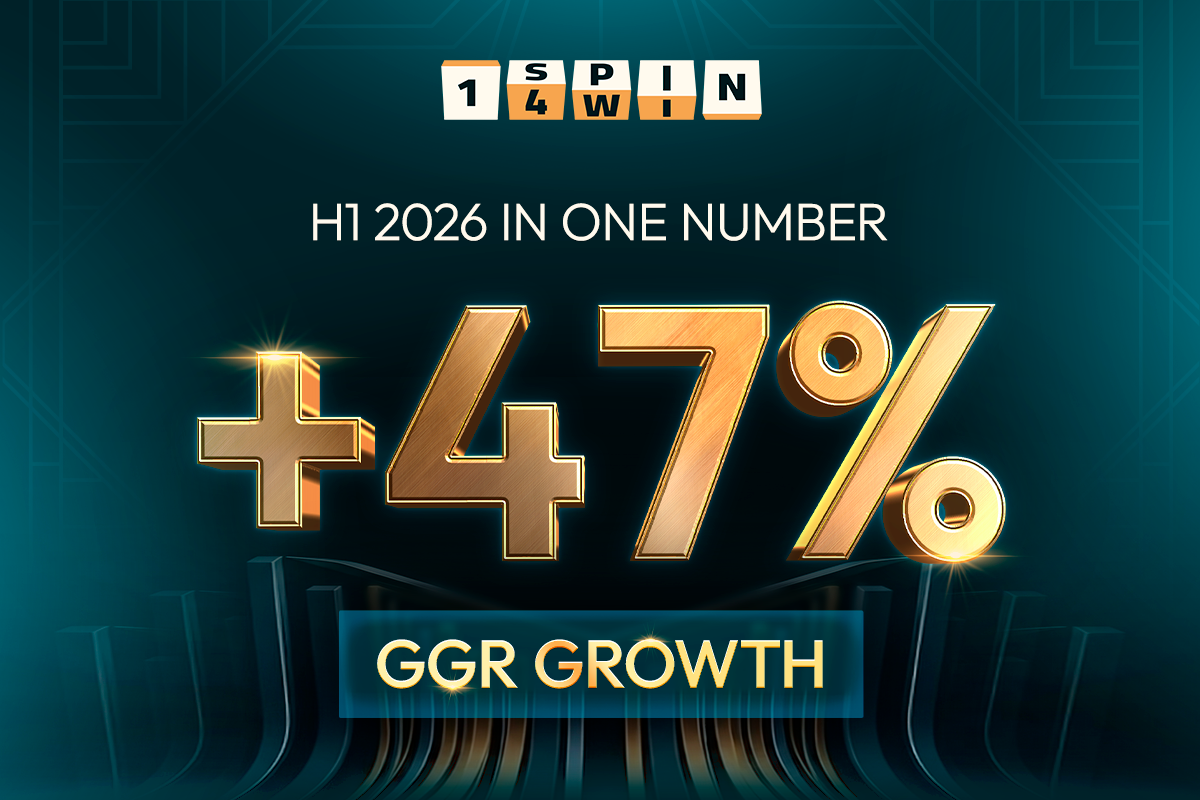
The first six months of 2026 have marked a period of strong growth for the studio. Compared to H1 2025, 1spin4win recorded a 47% increase in GGR, while bet count rose by 46.66%.
The provider also saw a significant increase in player activity. In H1 2026, player count surged by 59.06%, and new player count jumped by 50.15% compared to the first half of last year. These numbers reflect 1spin4win’s ability to keep global audiences engaged through new mechanics, regular game releases, and simple gameplay.
Partner growth has also been an important part of this success. Today, 1spin4win works with over 1,000 recognized iGaming brands, including STAKE.MX, 1win, LevelUP, BitStarz, gg.bet, WinSpirit, mBit, Pin-Up, 1xBet, PlayAmo, to name a few. This broad network reinforces the company’s reputation as a trusted provider across international markets.
The latest results also highlighted the success of 1spin4win’s expansion strategy across Latin America and Africa. Both markets remain important directions for the studio, where its mobile-first, easy-to-follow slots resonate perfectly well with local preferences. In H1 2026, compared to H2 2025, the provider’s GGR increased by 45.45% in Africa and 27.68% in LatAm.
This momentum has also been recognized by the wider professional industry. During iGB L!VE, 1spin4win was named Slot Studio of the Year at the inaugural iGaming News Awards, highlighting the studio’s strong slot offering and continued growth.
Olga Hlukhovskaya, Business Development Director at 1spin4win, shared, “We are proud of the results achieved. For us, these numbers are not only about our own success — they show that our games continue to bring value to operators by keeping their audiences active and engaged across different markets. Moving forward, we will continue strengthening this value through regional development, tailored partner support, and high-performing content that stays true to what players enjoy about classic slots.”
About 1spin4win
1spin4win is a fast-growing game provider founded in May 2021 by ambitious developers with over 20 years of experience in the gambling industry. Since its inception, the company has expanded its portfolio to include over 200 classic online slots, all characterized by quality mathematics, transparent mechanics, and well-balanced gameplay — key factors that drive strong player retention. The studio aims to release an average of four new games each month in 2026 and offers effective promotional tools for casino operators to help them enhance player loyalty.

-

 Latest News6 days ago
BetMakers Technology Group Selected to Distribute ATG Horse Racing Content Across Australia and New Zealand
-
Compliance Updates6 days ago
ACMA Warns MMA Fighter Jamie Mullarkey for Breaches of Online Gambling Laws
-
 Compliance Updates4 days ago
Arizona Department of Gaming Issues Cease-and-Desist Orders to Multiple Operators Linked to Underage Gambling and Illegal Activity
-
Latest News5 days ago
PG Soft appoints Hugo Baungartner as General Manager LatAm
-
Canada6 days ago
Gaming Corps expands Entain partnership with major Canadian rollout
-
Latest News6 days ago
DEGEN Studios unleashes the Plague City chase
-
Latest News5 days ago
ELA Games releases Flames Fruits Frenzy Hold and Win slot
-
Compliance Updates4 days ago
KONAMI GROUP’s Konami Gaming Inc. First to Submit Manufacturer License Application in Japan’s Emerging IR Market