Industry News
The clock is ticking for land-based lottery operators


As consumer behaviour changes due to the Covid-19 pandemic, time is running out for land-based lottery operators who are yet to adapt.
The landscape of the lottery industry is set to undergo a permanent shift as more and more operators look to move online before consumer behaviours are forced to adapt to new circumstances.
Lockdown has spelled disaster for all non-essential retail businesses, leaving land-based operators without a vendor to sell their tickets. This has hit developing nations particularly hard. In Costa Rica, Lottery draws were suspended on 24 March, with estimated losses around the $8.5million to date. For now, the government has announced it will financially support around 2,000 vendors, with up to $342,000 per month available for each entity. However, this scheme will only run until June.
By then, vendors will have been closed for 68 days, and may still have to close for much longer. Many expect the lockdown to last at least six months, which could see land-based lottery operators closed for well over 150 days. But consumer behaviours, if forced to change, will adapt to new habits in 60 to 90 days. While retail vendors are closed, online third party operators remain open for business, and are already beginning to win the loyalty of land-based players that have been forced to move online.
Ade Repcenko, CEO of lottery solutions provider Spinola Gaming, confirmed there is no way for pen and paper lottery to compete under the current circumstances. He believes solely land-based operators should move their brand online as soon as possible, or risk losing customers forever.
“Our industry is undergoing a change that has been long overdue. The transition to online was bound to happen eventually in order to sustain business long-term, but it is now happening by force,” stated Repcenko. “It takes 60 to 90 days to change a habit, and after that there is no going back. This process is going to take longer than 60 to 90 days, so customers’ habits are most certainly going to change, especially when they realise that it’s a better way of doing things regardless of the current pandemic. Online will become the new normal for the majority of lottery players.”
Online businesses have indeed benefitted from the global pandemic so far, both in lottery and across most other industries. Any operator that was online before the widespread lockdowns began will have seen an upturn, with many who lost out now scrambling to put their brand online. As a market leader in lottery solutions, Spinola Gaming has seen this happen first-hand. Repcenko expects the shift to continue as there remains to be no end in sight to the current situation, urging operators who have not yet made the decision to do so before it’s too late.
“Retail and land-based lottery operators need to embrace the shift to online and be a part of this global digital movement in order to continue to thrive in the lottery sector for years to come,” he said. “We can help land-based companies intercept the player’s online journey. Our solutions allow operators to move online in a matter of days to reach existing and new players in the comfort of their homes.”
Repcenko added that Spinola Gaming’s integrated solution addresses both the short-term problem caused by Covid-19, and the long-term problem of combining online with retail once vendors reopen.
“Our holistic solution caters for both retail and online operations from one interface,” he concluded. “It gets operators online quickly in the short-term, and in the long-term, after the global pandemic finally comes to an end, it allows them to easily manage a retail and online lottery solution from one solution.”
Spinola Gaming is a leading global Lottery software provider offering complete end-to-end Lottery solutions for government and state-run lotteries, land based and online gaming operators, and online B2B platform providers. The company builds powerful custom-made solutions across all markets, at any scale.
Spinola Gaming products include global lotteries, custom and bespoke lotteries, bundle and syndicate lotteries, scratch cards, instant games and instant lotteries. The company also offers jackpot coverage and insurance for a fully managed, risk-free solution.
With the most competitive pricing model on the market, Spinola Gaming guarantee the highest jackpots at the lowest cost per entry, giving operators the highest margins and revenue streams.
Powered by WPeMatico

Gaming
Soft2Bet launches MEGA Islands, a new gamification engine designed to increase player retention

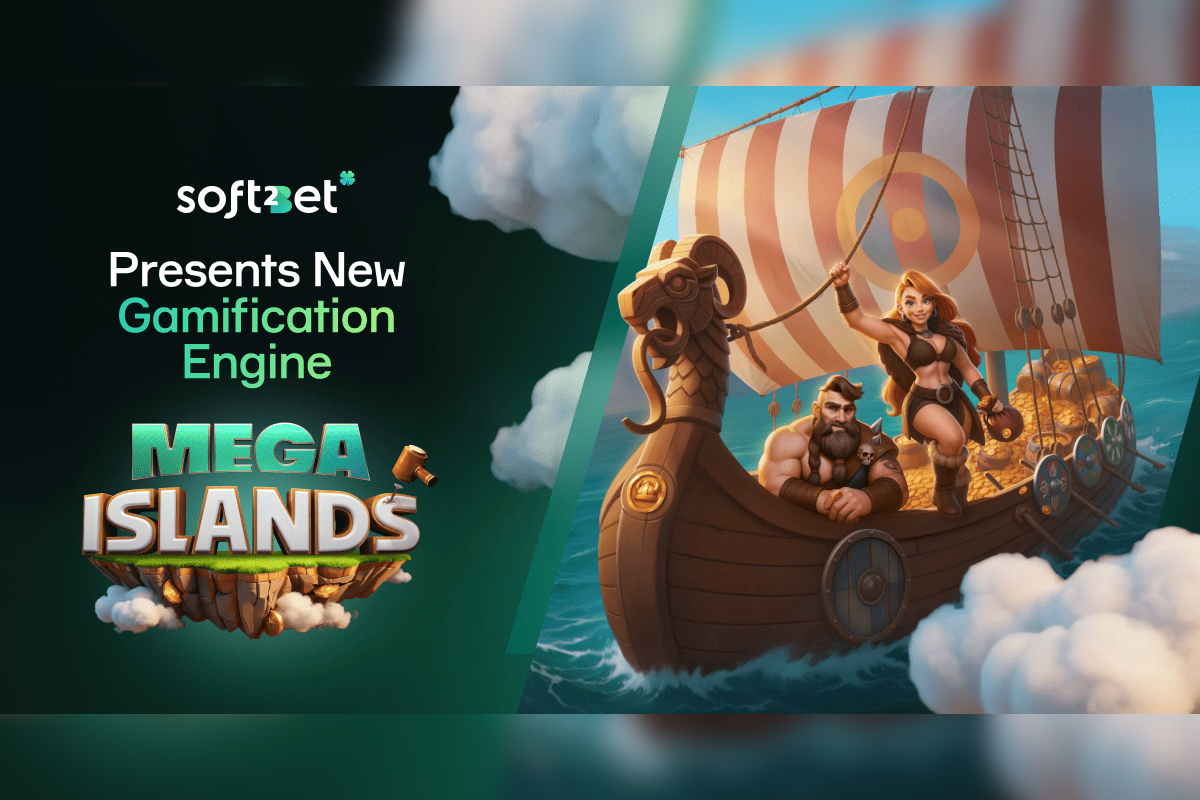
Soft2Bet has unveiled MEGA Islands, the latest addition to its MEGA Suite, designed to enhance player engagement and retention across both casino and sportsbook offerings.
The new engine introduces a persistent progression system that carries over across sessions, giving players an ongoing reason to return. Through island-building, resource collection, and continual advancement, players embark on a long-term journey that transforms short play sessions into sustained engagement.
First previewed in Soft2Bet’s recent Lodur release, the MEGA Islands system allows players to develop their own islands over time. Resources earned through gameplay can be used to construct new buildings, upgrade existing structures, and unlock further stages of progression. Each upgrade opens new goals, creating a loop of continuous advancement that keeps players invested.
The engine also incorporates plundering mechanics, giving players an additional path to gather resources by raiding other islands. This feature not only accelerates growth but also maintains a dynamic and engaging progression loop. With no fixed endpoint, MEGA Islands is built to encourage repeat play through a satisfying cycle of building, collecting, and advancing.
“MEGA Islands is designed to make retention feel natural by providing players with a progression journey they want to return to,” said Yoel Zuckerberg, CPO at Soft2Bet. “By building islands, collecting resources, and unlocking upgrades—including through plundering—each session becomes part of a longer experience. It gives players a clear reason to come back while providing operators with a retention tool that integrates seamlessly across casino and sportsbook.”
The launch of MEGA Islands underscores Soft2Bet’s commitment to gamification as a driver of long-term growth. As part of the MEGA Suite, the new engine offers operators a powerful tool to extend player journeys, increase engagement cycles, and deliver consistent value in competitive markets.
The post Soft2Bet launches MEGA Islands, a new gamification engine designed to increase player retention appeared first on Eastern European Gaming | Global iGaming & Tech Intelligence Hub.
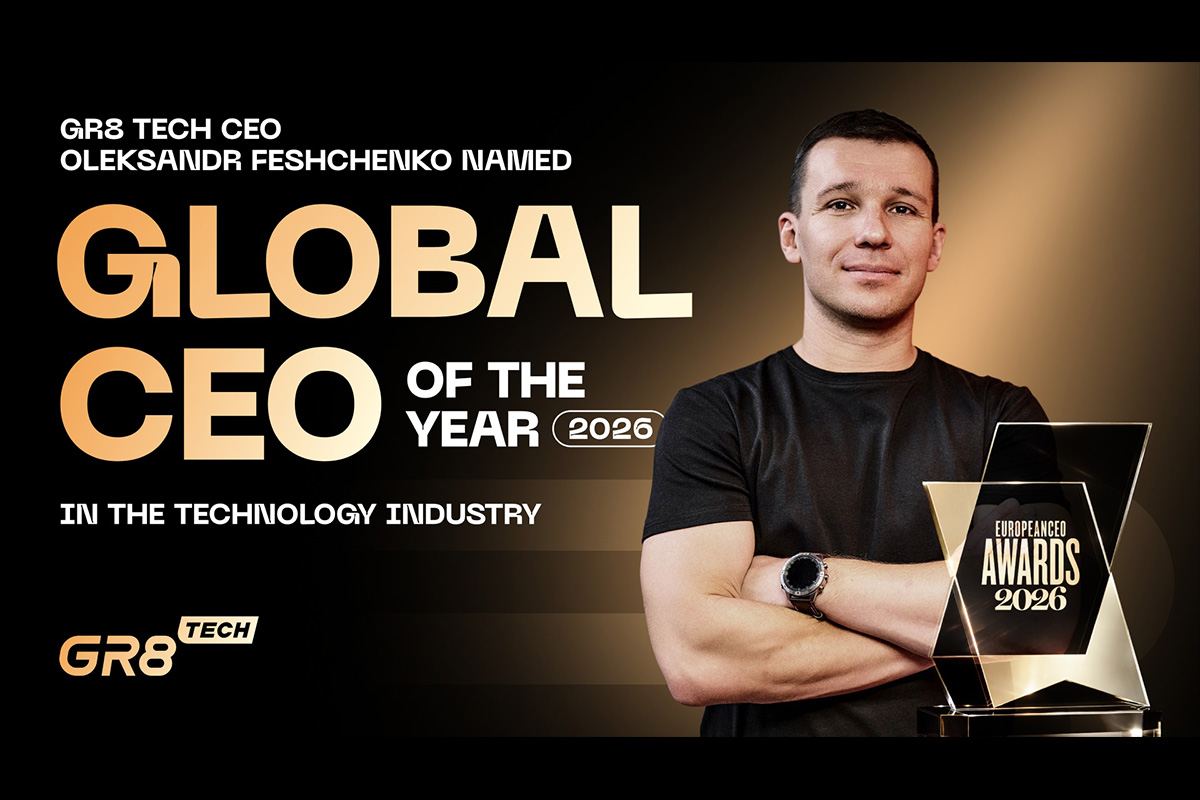
GR8 Tech CEO Oleksandr Feshchenko has been named Global CEO of the Year 2026 in the Technology Industry by European CEO magazine—the second consecutive year he has received the honour. The judging panel’s decision was unanimous.
The award recognised Feshchenko’s leadership across three areas the panel identified as defining:
• Track record of turning technological strategy into scalable commercial outcomes;
• Focus on building an organization designed to last, not just perform;
• Consistent investment in people and culture as core business levers rather than afterthoughts.
What distinguished Feshchenko from a competitive field, according to the panel, was the combination of all three. Individual strengths are common at the CEO level, but the consistency across strategy, execution and organisational health is rare.
Under Oleksandr Feshchenko’s leadership, GR8 Tech has grown into a recognised provider of technology solutions for the iGaming sector, with an approach that the panel described as forward-looking without sacrificing operational discipline.
“Receiving this recognition two years in a row means a great deal, but if there’s one thing I’ve learned, it’s that success is most dangerous when it makes you comfortable. This award belongs to the team at GR8 Tech as much as it does to me, and what it really does is raise the bar. The technology industry doesn’t stand still, and neither do we. There’s a lot we’re building toward, and that’s exactly where our focus stays,” Oleksandr Feshenko said.
The Global CEO of the Year award is presented annually by European CEO magazine following an evaluation of international candidates across various industries.
The post GR8 Tech CEO Named CEO of the Year for Second Consecutive Year appeared first on Eastern European Gaming | Global iGaming & Tech Intelligence Hub.
Augmented Reality
XR Global Launches World’s First Augmented Reality Online Casino Games Across iOS, Android and Immersive Web
XR Global Inc, the first Extended Reality (XR) technologies casino games developer with Patent Pending Technology on its Cross-XR Platform, announced the official launch of the world’s first Augmented Reality (AR) online casino games available across iOS, Android and the Immersive Web. This groundbreaking milestone positions XR Global at the forefront of innovation in the global iGaming industry, delivering a next-generation gaming experience that goes far beyond traditional 2D online casino platforms.
By leveraging cutting-edge Extended Reality (XR) technologies—including Augmented Reality (AR), Mixed Reality (MR), Virtual Reality (VR) and 3D immersive environments—XR Global enables players to step into fully interactive casino worlds from their mobile devices or web browsers, without the need for specialised hardware.
Unlike conventional online casino games confined to flat, 2D interfaces, XR Global’s platform allows users to engage with games such as slots, roulette, blackjack and crash games in a real-world environment. Players can place games on their tables, walk around them, interact with live elements and experience a level of realism and immersion previously only possible in physical casinos or high-end VR setups.
“XR Global is redefining what online gaming looks and feels like. We are bridging the gap between physical and digital entertainment by bringing casino experiences into players’ real-world environments. This is not just an evolution—it’s a transformation of the entire gaming paradigm,” said Dan Martinez, Founder & CEO of XR Global.
The launch marks a significant leap forward for player engagement, retention and monetisation. XR Global’s immersive experiences are designed to increase session times, deepen emotional connection and create highly differentiated offerings for operators in an increasingly competitive market.
The company plans to license its XR-enabled gaming portfolio globally, enabling partners to integrate immersive gaming into their existing platforms and attract a new generation of players seeking more interactive and engaging experiences.
The post XR Global Launches World’s First Augmented Reality Online Casino Games Across iOS, Android and Immersive Web appeared first on Eastern European Gaming | Global iGaming & Tech Intelligence Hub.

-

 Asia7 days ago
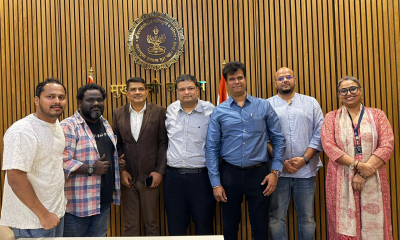
Skyesports and GodLike signs MoU with Maharashtra Cyber to promote esports and cyber hygiene in Maharashtra
-
Alberta6 days ago
Media Troopers Prepares for Alberta iGaming Launch with Canadian Gaming Law Firm
-
40 Sparkling Crown6 days ago
TaDa Gaming Enters South Africa via Strategic Betway Partnership
-
Asia5 days ago
GLI Becomes the First Company Accredited by PAGCOR to Test and Certify iGaming Platforms in the Philippines
-
3 Oaks Gaming7 days ago
SAGSE leads while Brazil advances regulation and global positioning
-
Bettingbladet.se6 days ago
Bettingbladet Aims to Become Sweden’s Central Hub for Gambling Industry News & Trends
-
Barbie Nerz Head of Online Games at Staatliche Toto-Lotto GmbH Baden-Württemberg6 days ago
Peter & Sons Partners with Staatliche Toto-Lotto GmbH Baden-Württemberg for German Market Entry
-
Games Global6 days ago
Games Global and Just For The Win® continue the ghostly adventure in Dark Waters III Power Combo: The Cursed Voyage™