Africa
Quanta Expands Its Footprint In Africa

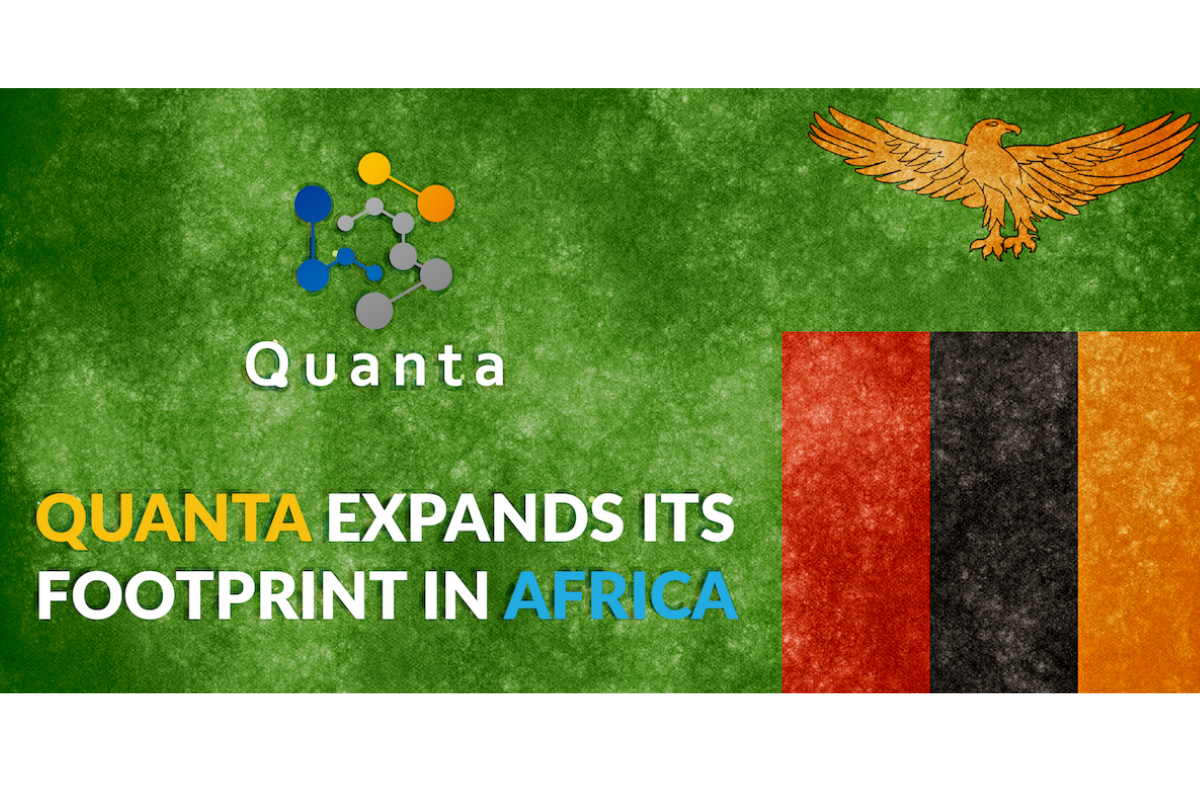
Quanta is delighted to announce that it has secured a local license to operate lotteries in Zambia through the acquisition of a majority stake of local company Pleasure Sports Innovations Ltd. This is Quanta’s second lottery license in Africa following its majority acquisition of International Lottery and Gaming Limited, the operator of Naija Lottery in Nigeria. The introduction of Quanta’s innovative blockchain lottery and accompanying digital services provided via Quanta Pay is expected soon after the commencement of business operations in Q3 2020.
Pleasure Sports Innovations Ltd is licensed by Zambia’s Gaming Commission and is a fast growing betting and smart solutions company leveraging the power of blockchain to serve its customers. The company is also positioning to launch the first end-to-end blockchain lottery in the region following its cooperation with Quanta. “We are excited about the opportunity to work with Quanta to develop and provide a social impact lottery that will contribute to selected good causes whilst creating value for Zambia and its citizens.” commented Darius Sinkamba, CEO of Pleasure Sports Innovations.
Quanta will use its core market in Nigeria as the basis to develop and launch innovative Africa-centric gaming and fintech products in new markets it secures across the continent. Quanta’s successful acquisition of Naija Lottery in 2018 established Quanta as the first blockchain lottery company to operate a traditional lottery, and is the basis for its ambitious growth plans for the region in 2020 and beyond.
Quanta’s acquisition of Pleasure Sports Innovations was led by Quanta Africa SVP John Kamara and Quanta CEO Harmen Brenninkmeijer from Quanta Africa’s base of operations in Nairobi Kenya. This acquisition sees Quanta expand its presence into the southern African state which has a population of almost 18 million and GDP of more than USD 25 billion. According to Zambian Watchdog, iGaming in South Africa is fast becoming a vast and lucrative market, with countries such as Zambia leading the charge. This has led to social impact from economic growth to job creation to increasingly mobile-friendly generation from the growing middle class Millenials (Gen Y). Unicef quoted that Zambia has an estimated median age of 16.7 years which is one of the lowest in the world with the vast majority of these Millenials potentially embarking on the latest technology. Improved mobile connectivity and lower data costs for Zambian have led to the number of mobile internet users reaching a new record high of 7.1 million users, with a vast proportion wagering regularly online thru a smartphone or tablet device. According to ZICTA statistics, the penetration of internet and mobile phone users was 62.7% and 97.2% respectively, one of the highest in sub-Saharan Africa as investment growth in Information and Communication Technology is testament to the future of the new technologies.
Zambia has made significant achievements in the education sector since 2000. According to Unicef, enrolment in primary education reached 3.3 million in 2017, up from 1.6 million in 2000. Girls are now enrolling in primary school in the same numbers as boys. But there are an estimated 800,000 school-aged children that are out of school. Access to early childhood education is low with only 26 per cent of children entering Grade 1 with any such experience. One can imagine the unlimited possibilities for many children who decide to study and embrace the new blockchain technologies which is an area that Quanta is happy to work in cooperation with the education sector and communities.
Quanta enters into South African region along with its business roadmap. Besides, Quanta builds its local representative office, Quanta Africa, in Nairobi, Kenya in this quarter with John Kamara as SVP/Managing Director. John is an experienced marketing, business growth and market acquisition executive with over 20 years in the international gaming industry.
On the expansion into Zambia, Quanta Africa MD John Kamara: “We see the acquisition of Pleasure Sports in Zambia as a key step forward in our ambition to maintain Quanta’s position as the leading operator of blockchain-based gaming, lottery and fintech solutions in Africa. Zambia represents an exciting opportunity to expand our footprint in a smart young country with a stable currency whilst providing much needed revenue to good causes as well as the opportunity for players to win attractive prizes.”
Harmen Brenninkmeijer, CEO of Quanta, commented on the new business expansion. “The new entrance in Zambia will play a pivotal role for Quanta to build a blockchain network in Africa, with lottery at the core of our strategy. We will give an additional use case of our blockchain technology which will further support regional acceptance of the technology, our products and company.”
Following the establishment of business operations, Quanta plans to launch a lottery and a sports betting product, with both ultimately being supported via Quanta Pay, Quanta’s digital services hub that provides payments as well as additional digital services in the future.
“2020 is set to be a very interesting year for Quanta,” continued Brenninkmeijer. “We have worked hard to establish a rapid turnaround and are now starting to see the impact our focus has had on the outlook of Quanta’s new business development. As a blockchain technology company, we now have interests in two major African markets that typically would go to traditional technology companies. It is an enormous endorsement for Quanta, the team, our technology and products that we are able to make this announcement and we are excited to develop a product offering that Zambian customers can positively engage with.”
More is to come in the new roadmap: https://www.quantalottery.com/roadmap/
About Quanta:
Quanta is a pioneer in the development of blockchain solutions for gaming. In 2017, the company launched the first licensed blockchain lottery, fully utilising blockchain together with its NMI-certified random number generator, Randao, which is entirely built and operated on blockchain. Quanta’s utility token, QNTU trades on six renowned cryptocurrency exchanges including HitBTC and Bit-Z.












EveryMatrix has obtained official licensing consent to provide its complete platform technology in South Africa, with its client pipeline quickly expanding throughout the continent and significant customer launches approaching.
EveryMatrix South Africa (EMSA) has obtained a manufacturer’s license from the Western Cape Gambling and Racing Board and is now permitted to offer its modular and turnkey platform solutions in sports, casino, player account management (PAM), payments, and affiliate management to top local and international operators.
The tier-1 technology provider has achieved considerable progress throughout Africa recently, collaborating with numerous local brands and finalizing agreements with several others set to launch in the upcoming months.
The purchase of FSB Technology has also given it additional access to South Africa and various other developed and developing iGaming markets on the continent.
An increasing number of major local and global tier-1 operators, as well as World Lottery Association member organizations in essential regulated markets, are choosing EveryMatrix’s turnkey platform technology.
Mark Schmidt, Managing Director, Africa, EveryMatrix, said: “Bringing our full suite of turnkey platform products into South Africa under our new licence is enabling us to power some of the biggest brands here, giving them access to technology that will instantly unlock their potential and drive market growth. In the coming weeks and months, we’ll be announcing some major deals so watch this space.
“Our casino, sports, PAM, payments, games and content aggregation and affiliate management solutions, supported by our local experts who understand their needs and challenges are providing an offering no one else has been able to offer so far in South Africa and across the continent.”
The post EveryMatrix gains South Africa licence with customer launch pipeline on the rise appeared first on Eastern European Gaming | Global iGaming & Tech Intelligence Hub.
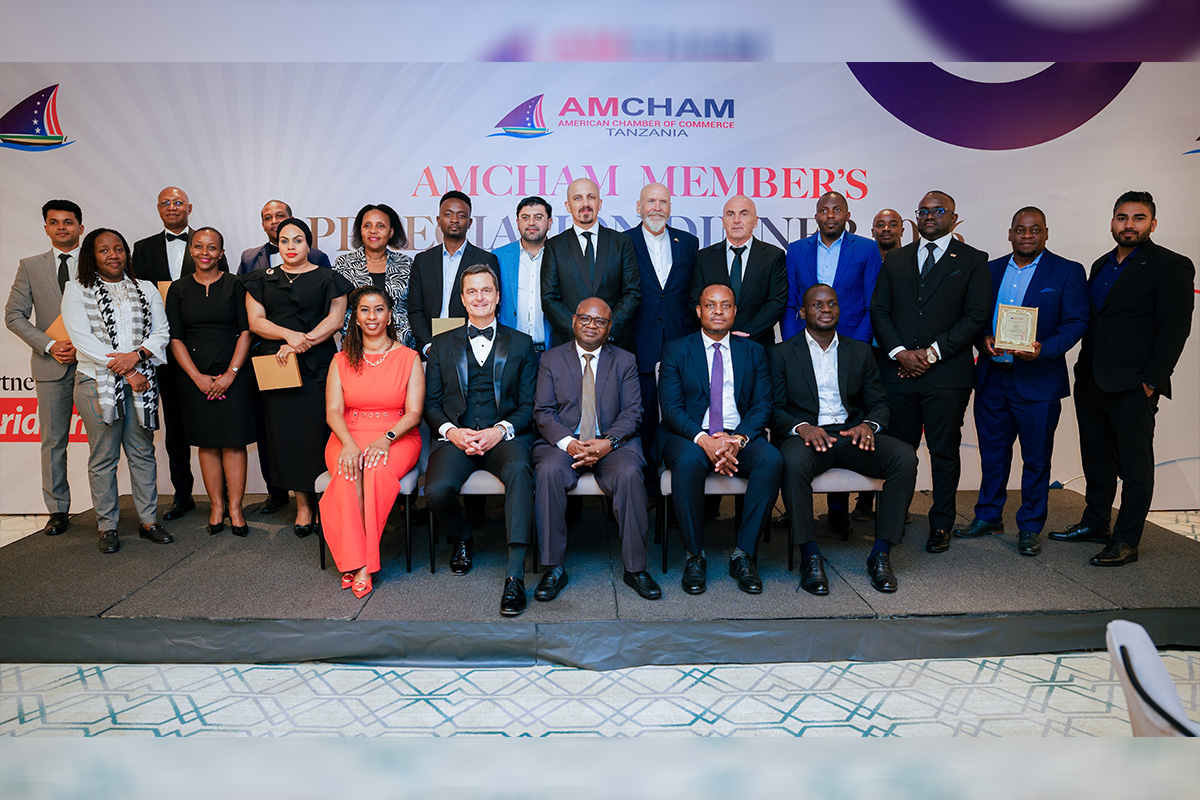
When Meridianbet’s Tanzania operations spoke at the American Chamber of Commerce Appreciation Dinner last week, the presentation opened with a single number: 500.
That’s how many community initiatives the sports entertainment company has completed across Tanzania since 2009. Education programmes. Small business training. Youth sports sponsorship. Public health awareness campaigns. Local infrastructure support.
For a gaming company operating under a NASDAQ-listed parent, sustained community investment at this scale is unusual. The industry has a reputation for extracting value. Meridianbet’s seventeen-year presence in Tanzania tells a different story.
The Social Model
“We’re in the business of friends gathering at local clubs to watch matches, share a drink, and place small stakes on the outcome. The betting is part of the experience. The gathering is the real value,” a company representative said at the event.
The framing matters because it shapes operational decisions. Meridianbet Tanzania, as is the case worldwide, structures its platform to encourage many customers placing small amounts. The alternative would be concentrating revenue among high-stakes players. That model creates problems. Problem gambling. Revenue volatility. Regulatory scrutiny.
Small-stake betting spread across many customers creates different dynamics. Lower risk per individual. More stable revenue. Better alignment with Tanzania’s consumer protection regulations.
The company’s responsible gaming protocols reflect this approach. Early intervention when betting patterns suggest trouble. Support resources in Swahili and English. Limits designed to keep stakes small and entertainment value high.
Community Ambassadors
The scale of Meridianbet’s community programmes drew attention at the AmCham dinner. What got people talking was who runs them.
The company built a network of “community ambassadors.” These are customers who participate in CSR initiatives as partners. They identify needs in their neighbourhoods. They volunteer in education programmes. They mentor local entrepreneurs. They organise school supply drives and coach youth sports teams.
This shifts how corporate social responsibility works. Traditional CSR runs top-down. Companies donate money. Communities receive it. The relationship is transactional.
Meridianbet’s model distributes responsibility. Customers become patrons of community development. The company provides platform and resources. The customers craft the donation policy.
“When a customer helps fund a school program or mentors a young business owner, they’re building their own community. We make it possible,” the representative said.
Seventeen years and 500 initiatives suggest the model works. Whether it scales beyond Tanzania remains to be seen. For now, it appears to have created genuine community ties rather than performative charity.
The Gender Metric
One data point from the presentation got repeated in conversations after the event: 70% of managerial positions across Meridianbet’s African operations are held by women.
The gaming industry globally runs around 30% women in leadership roles. East African businesses average 35%. Meridianbet’s 70% is an outlier.
The company implements a performance-based hiring and promotion. No quotas. Just competence rewarded. Whether that’s the full story or not, the outcome is measurable. Management teams reflect the communities they serve. Diversity intentions are easy to state. Diversity outcomes are harder to deliver. The Company’s numbers show outcome.
Seventeen Years
Tanzania’s gaming market has grown considerably since 2009. Mobile penetration increased. Disposable incomes rose among the middle class. International operators entered. Some stayed. Many left when margins compressed or regulations tightened.
Meridianbet stayed. Seventeen years. 200 employees. Hundreds of local retail partnerships. That longevity suggests the company views Tanzania as infrastructure, not opportunity.
American companies face pressure to demonstrate ESG commitments in emerging markets. Words are easy. Execution is hard. Meridianbet’s Tanzania operations show what seventeen years of execution looks like.
The post Meridianbet Marks 17 Years in Tanzania with Over 500 Community Initiatives appeared first on Eastern European Gaming | Global iGaming & Tech Intelligence Hub.
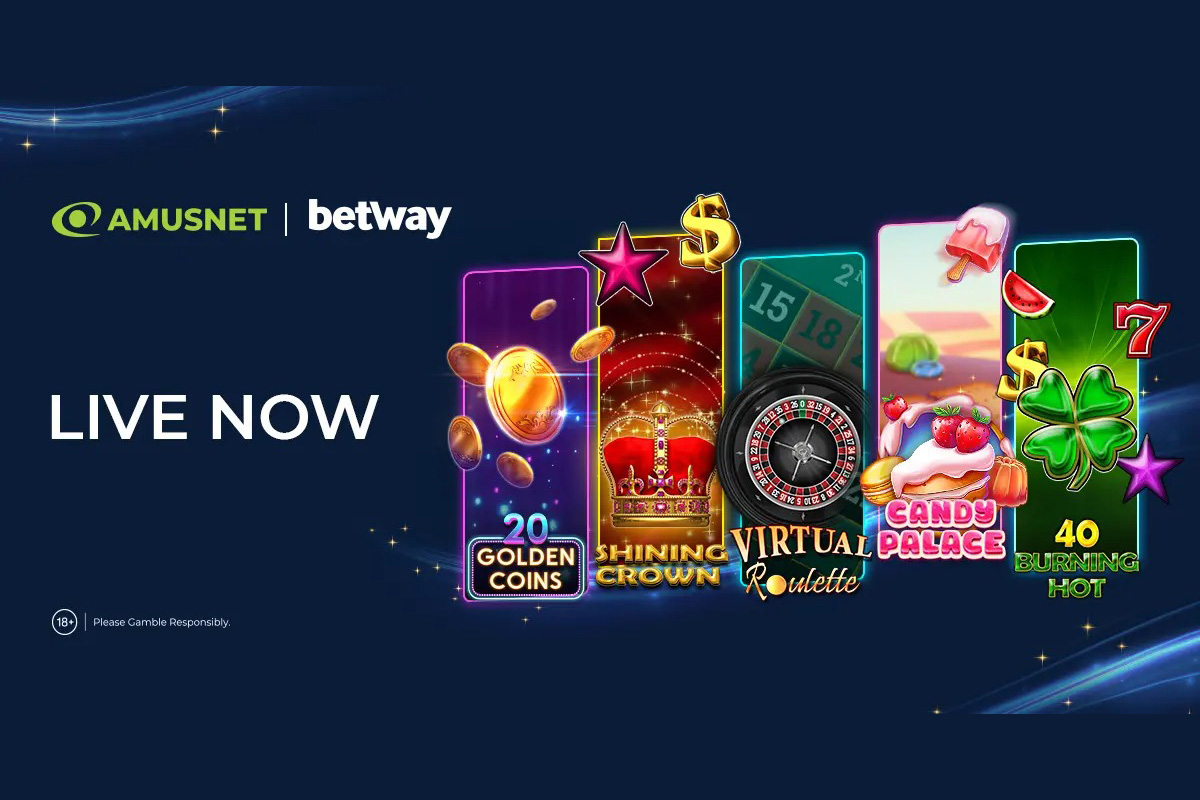
Amusnet has announced a new strategic partnership with Betway in South Africa, one of the leading brands in the industry. This collaboration significantly strengthens the provider’s presence in South Africa, as its top-notch casino content is now live and available on both betway.co.za and Jackpotcity.co.za. Betway is a market leader not only in South Africa, its largest operation, but also across the UK, LATAM, Spain, Italy and other key African markets.
“This project has been a long time in the making – one that required dedication, teamwork, and persistence across every stage, from negotiation to launch. Having our content now on both Betway and JackpotCity in South Africa reinforces our position as a trusted partner and paves the way for even greater growth across the region,” said David McBryne, Senior Commercial Account Manager at Amusnet.
The new collaboration enables Amusnet to showcase its commitment to delivering high-quality entertainment through an exciting selection of titles. South African players can now enjoy slots such as Shining Crown, 40 Burning Hot, 100 Super Hot and Burning Hot 6 Reels. The launch also includes other fan-favourite titles, such as 20 Golden Coins, 100 Bulky Fruits, Candy Palace and the popular Virtual Roulette.
Candy Palace – it provides special features, such as the Toppling Reels, candy-jar multipliers, Free Spins and the chance to win progressive jackpots.
20 Golden Coins – the slot game captivates with its impressive visuals, elegant design and vibrant animations. It features 20 paylines and 5 reels, along with special bonus features such as Bonus Coins and Mystery Nudge.
This strategic partnership is a testament to Amusnet’s commitment to expanding its global footprint in regulated markets. The company is poised to deliver its high-performing portfolio to a broader audience in the African market.
The post Amusnet Announces Strategic Partnership with Betway appeared first on Eastern European Gaming | Global iGaming & Tech Intelligence Hub.

-

 Brino Games7 days ago
QTech Games integrates more creative content from Brino Games
-
Amusnet7 days ago
Week 7/2026 slot games releases
-
Aphrodite’s Kiss7 days ago
Love on the Reels: Slotland Introduces “Aphrodite’s Kiss”
-
Alex Malchenko7 days ago
Evoplay Strengthens Canadian Presence with BetMGM Partnership
-
3 Oaks Gaming7 days ago
3 Oaks Gaming Enters Spanish Market
-
AMLA7 days ago
AMLA Launches Public Consultation on Three Draft Regulatory Acts
-
3 Oaks Gaming7 days ago
3 Oaks Gaming Secures Registration from MINCETUR to Enter the Regulated Peruvian Market
-
Latest News7 days ago
Red Papaya Presents: Lucky Rainbow Rush Adventure