iGaming
Predictor by Slotegrator, a prediction market engine for iGaming brands, available for pre-order


Predictor by Slotegrator is a prediction market engine packaged for iGaming operators that will bring the booming trend of event betting to any platform. Currently available for pre-order to a select group of Slotegrator’s clients, Predictor is a true prediction market, using a P2P model and updating odds after every bet. This model captures the appeal of the vertical while protecting operators’ margins.
Predictor by Slotegrator, a prediction market engine developed by leading iGaming software and business solution provider Slotegrator, is available for pre-order. By integrating Predictor, operators will allow their players to buy binary contracts on real-world events using a P2P exchange model. Odds are updated automatically, and operators earn a fixed commission on bets, providing zero-risk revenue.
“Predictor is a natural extension of our product philosophy. At Slotegrator, we believe that technology doesn’t follow trends but shapes them,” said Olga Ivanchik, COO. “The prediction market model is still in its early stages in iGaming, and we are among the first to package this mechanism for casino and sportsbook operators in a scalable, product-ready format. It marks a step toward a more adaptive and diversified operator offering.”
Prediction markets are a massive global trend. Bloomberg reported in February that Kalshi was handling more than $2 billion per week in bets, with Polymarket close behind. Players can bet on everything from sporting events to politics, the price of crypto, and celebrity tweets.
Sportsbook operators who are losing bettors to Polymarket, and want to bring them back by offering unorthodox bets, have the perfect solution in Predictor. Additionally, while classic sportsbooks carry risk on every bet, the P2P exchange model means they will earn on commission. It’s also fast and flexible, with new bets going live in 30 seconds.
Predictor is also ideal for online casino operators looking to increase retention by offering their players betting opportunities beyond traditional casino games, and new operators seeking to capitalize on the global prediction market trend will also benefit from the solution.
Predictor operates on an AMM/LMSR protocol, making it a true prediction market. The pressure created when increasing numbers of bettors select “yes” or “no” directly influences the odds, just like major platforms like Polymarket or Kalshi — and quite different from fixed-odds betting.
Prediction markets are popular not only for the vast array of bets available, but for their real-time data collection; more often than not, the favored outcome on Polymarket or Kalshi in fact comes to pass. This so-called “wisdom of the crowd” has a huge draw for bettors, and carries a huge part of prediction markets’ appeal.
“With Predictor, we are going beyond the usual ways of betting to a model where users actively shape the market. We are giving operators a new way to offer dynamic, event-driven experiences via a single iframe, and completely risk-free,” explained Product Owner Maksym Shtun. “Operators can also create completely unique betting experiences tailored to their own platform — the possibilities are endless.”
Slotegrator will present a demo of the solution at this year’s iGB L!VE, on 1-2 July.
ABOUT THE COMPANY
Since 2012, Slotegrator has been one of the iGaming industry’s leading software and business solution providers for online casino and sportsbook operators.
The company’s main focus is software development and support for online casino platforms, as well as the integration of game content and payment systems.
The company works with licensed game developers and offers a vast portfolio of casino content: slots, live casino games, poker, virtual sports, table games, lotteries, casual games, and data feeds for betting.
Slotegrator also provides consulting services in gambling license acquisition and business incorporation.
The post Predictor by Slotegrator, a prediction market engine for iGaming brands, available for pre-order appeared first on Eastern European Gaming | Global iGaming & Tech Intelligence Hub.













Event will bring together leaders and experts at a time of high visibility for the sector
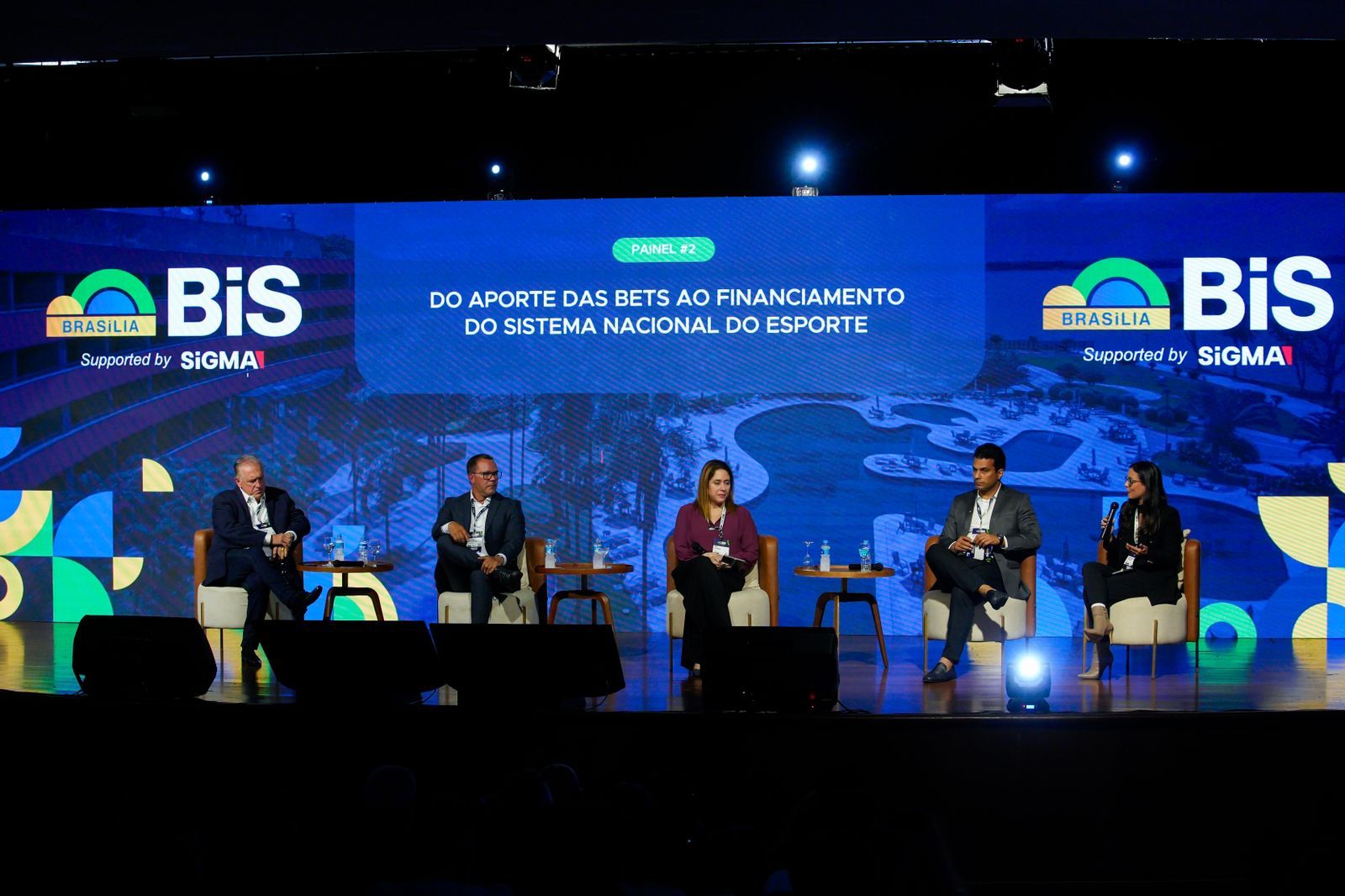
With an expected 20% increase in attendance, BiS Brasília reaches its second edition in a scenario of strong prominence for the sports betting market in Brazil.
Regulatory advances and growing public interest have placed the sector at the center of strategic discussions, boosting the event’s relevance this year.
Held at the Royal Tulip Brasília Alvorada, the gathering will bring together experts, executives, and authorities to discuss market trends, challenges, and opportunities, with a focus on innovation, integrity, and the sustainable development of the industry.
“The BiS Brasília arrives at a decisive moment for the Brazilian market, bringing together leaders to discuss the paths of regulation, innovation, and sustainable growth of iGaming and sports betting in the country.
It will be a strategic opportunity to promote qualified dialogue and strengthen an increasingly professional and transparent ecosystem,” explains Flávio Figueiredo, co-founder of BiS SiGMA.
Based in the federal capital—epicenter of Brazil’s main political and economic decisions—the event reinforces Brasília’s role as a convergence point for the different stakeholders involved in shaping the new regulatory landscape.
This edition is expected to consolidate itself as a milestone in the maturation of the debate on the legality of betting in Brazil.
About BiS Brasília
In its second edition, BiS Brasília is an event dedicated to the iGaming and betting ecosystem, promoting dialogue between the private sector, government, and society on the development of the regulated gaming, casino, and lottery market in Brazil.
The event brings together business leaders, authorities, and experts to discuss strategic topics such as Brazilian regulation, taxation, integrity, innovation, responsible gaming, compliance, AML / anti-money laundering, licensing, sports integrity, government relations, advertising, and CONAR.
BiS SiGMA South America is part of the event portfolio of SiGMA World Group, one of the leading global platforms for B2B business and event organization focused on the gaming and betting industry.
The post BiS Brasília projects growth and boosts betting debate in Brazil appeared first on Americas iGaming & Sports Betting News.

Rafael Brunati y Celso Basílio, abogados de Silveiro Advogados especializados en mercados regulados, derecho corporativo y derecho de la competencia, analizan las recientes medidas adoptadas por el Consejo Monetario Nacional (CMN) de Brasil y la Secretaría de Premios y Apuestas (SPA/MF), así como su impacto en la industria del iGaming y las apuestas deportivas.
En este artículo, examinan cómo el nuevo marco regulatorio redefine los límites entre las apuestas, los instrumentos financieros y los modelos emergentes de mercados digitales, al tiempo que refuerza la Ley N.º 14.790/2023 como pilar central de la regulación del sector.
Por Rafael Brunati y Celso Basílio
El conjunto de medidas adoptadas recientemente por el Consejo Monetario Nacional (CMN) y la Secretaría de Premios y Apuestas del Ministerio de Hacienda (SPA/MF) representa un nuevo capítulo en la consolidación regulatoria del mercado brasileño de iGaming y apuestas deportivas.
Más que una respuesta puntual a los llamados mercados predictivos, las iniciativas señalan un intento más amplio de reorganizar los límites entre apuestas autorizadas, instrumentos financieros y actividades consideradas irregulares en el país.
La Resolución CMN N.º 5.298/2026 prohibió la oferta y negociación de derivados vinculados a apuestas, eventos deportivos, juegos en línea y temas políticos, electorales, culturales o de entretenimiento sin referencia económico-financiera.
En la misma línea, la Nota Técnica SPA/MF N.º 2.958/2026 encuadró las plataformas de mercados predictivos como explotación ilegal de apuestas de cuota fija, lo que derivó en el bloqueo de decenas de plataformas por parte de la Anatel.
El movimiento refuerza de manera clara la centralidad de la Ley N.º 14.790/2023 como marco regulatorio exclusivo para la explotación de apuestas de cuota fija en Brasil.
En la práctica, el gobierno ha comenzado a delimitar con mayor precisión quién puede operar en este mercado y bajo qué condiciones.
Las plataformas que buscaban posicionarse como mercados financieros, contratos de eventos o estructuras tecnológicas alternativas pasaron a ser tratadas materialmente como operadores de apuestas.
El mensaje regulatorio es directo: si el producto compite por el mismo público, utiliza una lógica económica similar a las apuestas y conlleva riesgo asociado a eventos futuros, tiende a quedar dentro del perímetro regulatorio de la SPA.
Desde la óptica regulatoria y de competencia, esto genera un efecto relevante para los operadores autorizados.
Las empresas que invirtieron en licencias, cumplimiento normativo, prevención de lavado de dinero, integridad deportiva, políticas de juego responsable y estructura regulatoria dejan de competir con plataformas que operaban al margen de estas exigencias mediante encuadres jurídicos alternativos. Se produce así un fortalecimiento indirecto del valor económico de la licencia regulatoria otorgada por la SPA.
Al mismo tiempo, este fortalecimiento viene acompañado de un aumento significativo de las obligaciones operativas y de cumplimiento.
Las recientes medidas también reabren un debate importante sobre los límites regulatorios de las llamadas betting exchanges y los modelos peer-to-peer.
La propia Nota Técnica SPA/MF N.º 2.958/2026 reconoce que la negociación entre apostadores y la existencia de precios dinámicos no desnaturalizan necesariamente la condición de apuesta de cuota fija. Esta interpretación es relevante porque acerca los mercados predictivos a las estructuras de bolsas de apuestas ya previstas en la Ley N.º 14.790/2023.
Este punto podría abrir espacio, en el futuro, para modelos regulados de betting exchange en Brasil, siempre que estén dentro del perímetro autorizado por la SPA.
Sin embargo, la regulación operativa de este formato aún no ha sido desarrollada por la autoridad, lo que mantiene un nivel importante de incertidumbre para los operadores interesados en innovación de producto.
Desde otra perspectiva, las medidas también tienden a generar una intensa judicialización. Existen debates relevantes sobre los límites de la competencia del CMN para restringir ciertos tipos de derivados, sobre la actuación interpretativa de la SPA respecto a los mercados predictivos y sobre el bloqueo de plataformas sin orden judicial.
Independientemente del desenlace de estas disputas, lo cierto es que el mercado brasileño de iGaming y apuestas deportivas entra en una nueva fase.
La lógica regulatoria deja de centrarse únicamente en la autorización formal para operar y pasa a incorporar de forma más intensa temas como integridad financiera, protección de usuarios vulnerables, gobernanza de datos, trazabilidad de pagos y supervisión operativa continua.
El sector continúa creciendo, pero ahora dentro de un entorno significativamente más sofisticado —y más exigente. Para los operadores autorizados, esto representa simultáneamente una barrera de entrada para competidores irregulares y un aumento relevante en los costos de cumplimiento. En un mercado cada vez más regulado, la diferencia competitiva tiende a depender menos de la capacidad de ofrecer apuestas y más de la capacidad de operar con seguridad regulatoria, integridad operativa y rápida adaptación a las nuevas exigencias del Estado.
The post Nuevas reglas del CMN y SPA reorganizan el tablero del iGaming y las apuestas deportivas appeared first on Americas iGaming & Sports Betting News.

Rafael Brunati and Celso Basílio, lawyers at Silveiro Advogados specializing in regulated markets, corporate law, and competition law, analyze the recent measures adopted by Brazil’s National Monetary Council (CMN) and the Secretariat of Prizes and Betting (SPA/MF) and their impact on the iGaming and sports betting industry.
In this article, they examine how the new regulatory framework reshapes the boundaries between betting, financial instruments, and emerging digital market models, while reinforcing Law No. 14,790/2023 as the central pillar of regulation in the sector.
ByRafael Brunati and Celso Basílio
The set of measures recently adopted by the National Monetary Council (CMN) and the Secretariat of Prizes and Betting of the Ministry of Finance (SPA/MF) marks a new chapter in the regulatory consolidation of Brazil’s iGaming and sports betting market.
More than a targeted response to so-called predictive markets, these initiatives signal a broader effort to redefine the boundaries between authorized betting activities, financial instruments, and operations considered irregular in the country.
CMN Resolution No. 5,298/2026 prohibited the offering and trading of derivatives linked to betting, sports events, online games, and political, electoral, cultural, or entertainment themes without a financial-economic reference.
In the same direction, SPA/MF Technical Note No. 2,958/2026 classified predictive market platforms as illegal fixed-odds betting operations, leading to the blocking of dozens of platforms by Anatel.
The move clearly reinforces Law No. 14,790/2023 as the exclusive regulatory framework for fixed-odds betting in Brazil.
In practice, the government has begun to draw a sharper line around who can operate in this market and under what conditions.
Platforms that previously positioned themselves as financial markets, event-based contracts, or alternative technological structures are now being materially treated as betting operators.
The regulatory message is direct: if a product targets the same audience, uses similar economic logic to betting, and involves risk linked to future events, it is likely to fall within the SPA’s regulatory perimeter.
From a competitive and regulatory standpoint, this produces a meaningful effect for licensed operators. Companies that have invested in licensing, compliance, anti-money laundering controls, sports integrity, responsible gaming policies, and regulatory infrastructure are no longer competing with platforms operating outside these requirements under alternative legal interpretations.
This indirectly strengthens the economic value of the license granted by the SPA.
At the same time, this strengthening comes with a significant increase in operational and compliance obligations.
The recent measures also reopen an important discussion on the regulatory limits of so-called betting exchanges and peer-to-peer models.
SPA/MF Technical Note No. 2,958/2026 itself acknowledges that betting between users and the existence of dynamic pricing do not necessarily alter the nature of fixed-odds betting.
This interpretation is relevant because it brings predictive markets closer to exchange-style betting structures already contemplated under Law No. 14,790/2023.
This point could, in the future, open space for regulated betting exchange models in Brazil, provided they fall within the SPA’s authorized perimeter. However, operational rules for such formats have not yet been defined by the regulator, leaving a significant area of uncertainty for operators seeking product innovation.
From another perspective, these measures are also likely to generate substantial litigation.
There are important debates regarding the limits of the CMN’s authority to restrict certain types of derivatives, the SPA’s interpretative role regarding predictive markets, and even the blocking of platforms without judicial orders.
Regardless of the outcome of these disputes, the fact is that Brazil’s iGaming and sports betting market is entering a new phase.
Regulatory logic is no longer focused solely on formal authorization to operate, but increasingly incorporates issues such as financial integrity, protection of vulnerable users, data governance, payment traceability, and continuous operational supervision.
The sector continues to grow, but now within a significantly more sophisticated—and more demanding—environment. For licensed operators, this simultaneously creates a barrier to entry for unregulated competitors and increases compliance costs.
In an increasingly regulated market, competitive advantage is likely to depend less on the ability to offer bets and more on the capacity to operate with regulatory security, operational integrity, and rapid adaptation to new state requirements.
Rafael Brunati is a lawyer specializing in Corporate Law, Contracts, M&A, Private Equity, and Banking Law at Silveiro Advogados.
He holds a Law degree from Universidade Presbiteriana Mackenzie, an LL.M in Corporate Law from INSPER, and is a member of the Banking Law Commission of the São Paulo Chapter of the Brazilian Bar Association (OAB/SP).
Celso Basílio is a lawyer specializing in Regulated Markets, Telecommunications, Contracts, and Competition Law at Silveiro Advogados.
He holds a Master’s degree in Law from FGV Direito SP, an LL.M in Contract Law from INSPER, and a Law degree from Universidade Presbiteriana Mackenzie.
The post New CMN and SPA rules reorganize the iGaming and sports betting landscape in Brazil appeared first on Americas iGaming & Sports Betting News.

-

 Africa7 days ago
BetConstruct AI to present World Cup 2026 sportsbook offer at iGaming Afrika
-
apuestas6 days ago
Brasil: gobierno prohíbe los mercados de predicción, avanzan las reformas de integridad y crece el debate publicitario
-
AML7 days ago
Isle of Man Adopts New Laws Ahead of Vital AML Review
-
AI7 days ago
SoftConstruct unveils RecSys AI game recommendation system at AIBC Eurasia
-
Blokotech7 days ago
Blokotech completes Malta stop of Bloko Padel Tour 2026 with 35 teams
-
API integration7 days ago
Reliability in Motion: Why Modern Digital Businesses are Abandoning the Single-Vendor Model
-
Asia3 days ago
NOVOMATIC to Debut New Linked Progressive Innovations and Expanded Portfolio at G2E Asia 2026
-
Africa3 days ago
Springbok Casino Presents “Wild Galaxy Month” with 25 Free Spins on Prosperity Pots