Latest News
N1 Insights April’s iGaming Trends You Shouldn’t Miss


April reflects changes that began taking shape in iGaming back in the first quarter, but are only now becoming systemic. The market is gradually shifting away from short-term optimization toward more complex strategies, where performance sustainability, GEO diversification, and a reassessment of affiliate model efficiency play a key role.
In this issue of N1 Insights, N1 Partners experts analyze how traffic structures are evolving and which scaling approaches continue to deliver results amid increasing competition.
Part 1
1. Traffic and performance
1.1 Traffic sources most likely to show the highest volatility in April
The highest volatility is expected from Facebook, TikTok, and PPC channels, as they are directly affected by changes in moderation, algorithms, and competitive activity. Additional fluctuations are anticipated in Google UAC, where auction costs traditionally increase in April due to intensified brand activity following the end of the first quarter.
1.2 Will brands shift their priorities between traffic volume and quality in April?
In April, many brands will begin shifting their focus toward traffic quality, based on first-quarter performance insights. Priority will be given to deeper metrics – from FTD to deposits and LTV – rather than simply chasing registration volume and initial conversions.
At the same time, in certain high-growth GEOs, there will still be a willingness to invest in volume in order to capture market share more quickly, even at the expense of short-term efficiency.
1.3 What will be more challenging in April: finding new scalable setups or maintaining current volumes?
Most likely, maintaining current volumes will become more challenging, especially in highly competitive GEOs. After an active first quarter, many proven setups are already overheated, while traffic costs continue to rise.
Finding new setups remains possible; however, scaling them will take more time due to increased competition and higher requirements for traffic quality.
1.4 Changes in testing strategies for new GEOs and traffic sources in April
Affiliates are likely to shift toward shorter testing cycles and reduce test budget volumes in order to adapt more quickly to changing market conditions.
“At the same time, interest in traffic source diversification will increase: beyond the classic Facebook and Google channels, we expect a growing number of tests in alternative social platforms,” comments Vlad Chernov, Deputy Head of Affiliates at N1 Partners.
1.5 Key metrics for scaling up or cutting caps
Key metrics will continue to include CR, ROAS, ARPU, retention, and player LTV, but their role in decision-making will become even more significant. Teams will increasingly shift from evaluating “input” metrics to analyzing audience quality and long-term value.
In particular, scaling decisions will be based on early LTV signals and user behavior patterns, rather than solely on FTD volume. This will allow teams to identify underperforming setups earlier and reallocate budgets toward more sustainable traffic sources.
2. GEO priorities
2.1 GEOs that may see the highest traffic growth in April
In April, several Tier-1 countries are expected to show the strongest growth, primarily Canada, Germany, and Australia, where demand for online gambling remains stable and major brands continue to increase their marketing budgets. Growth may also be observed in Latin America (Brazil, Peru, Chile).
At the same time, some affiliates will continue scaling in Eastern Europe and CIS countries, where competition is lower than in Tier-1 markets and it is easier to test new setups.
2.2 Will the approach to Tier-1 markets change compared to Q1 2026?
The approach to GEO selection will become more selective and pragmatic. Many teams will maintain their focus on Tier-1 markets, but with stricter ROI control amid rising traffic costs and decreasing predictability of results.
At the same time, a partial budget reallocation is expected in favor of GEOs with more favorable scaling conditions – lower competition and more affordable auction dynamics. As a result, strategies will increasingly balance between the stability of Tier-1 markets and growth opportunities in less saturated regions.
2.3 Regions where the cost of player acquisition is expected to change the most
The most noticeable increase in CPA is expected in Tier-1 markets – primarily Canada, Germany, and Australia. In these GEOs, player acquisition costs are likely to continue rising amid intense competition and increasing pressure from large media buying teams.
“An additional factor will be the concentration of budgets after the first quarter: major players are scaling more aggressively, which overheats the auction and reduces the effectiveness of standard traffic acquisition approaches,” notes Vlad Chernov, Deputy Head of Affiliates at N1 Partners.
As a result, the entry threshold for new campaigns is rising, and achieving target metrics will require more precise optimization and stronger setups.
2.4 Key GEOs for growth at the beginning of Q2
Key GEOs may include several Tier-1 markets such as Canada, Germany, and Australia, as well as a number of Tier-2 and Tier-3 countries, including Brazil, India, Turkey, Kazakhstan, and Chile.
These countries remain a priority for many brands due to strong purchasing power, higher player LTV, and stable demand for licensed products. Despite high competition and traffic costs, Tier-1 markets continue to attract large affiliate teams, as with proper optimization they offer the most sustainable long-term profitability.
3. Affiliate Marketing Dynamics
3.1 How will the balance between new partners and established affiliate teams change in April?
The market will continue to consolidate around large and experienced teams that have the resources for scaling, optimization, and rapid budget reallocation. Their advantage will strengthen due to accumulated expertise, access to data, and more stable traffic acquisition processes.
At the same time, new teams will continue to emerge; however, the barrier to entry will keep rising. Without access to unique traffic sources, technological advantages, or niche expertise, it will become increasingly difficult for them to compete with established players and reach comparable volumes.
3.2 Changes in affiliates’ approach to selecting partner brands
Affiliates are increasingly shifting their focus toward non-financial factors when choosing partners – primarily brand reputation, payment reliability, and transparency of statistics. These criteria are becoming critical amid rising risks and the instability of certain offers.
As a result, the trend toward long-term partnerships is strengthening: more teams are favoring sustainable collaboration models over short-term offers with potentially high but unpredictable payouts.
“This approach reduces operational risks and enables building a more stable long-term unit economics,” says Vlad Chernov, Deputy Head of Affiliates at N1 Partners.
3.3 Types of partners that will see the most active growth in April
Media buying teams working with paid traffic will continue to grow most actively, along with content affiliates and SEO-driven projects focused on long-term organic traffic acquisition. These models remain key due to their scalability and more predictable long-term economics.
At the same time, growth in alternative sources is accelerating – particularly influencer and Telegram traffic, which attract affiliates with help of flexibility, a lower barrier to entry, and the ability to test hypotheses more quickly.
3.4 What changes in partner behavior are likely to be most noticeable in April?
Partners will increasingly diversify their traffic sources and GEOs to reduce dependence on any single channel. More cautious scaling and deeper analysis of unit economics can also be expected, especially in light of first-quarter results.
Part 2
1. PR trends
1.1 Top PR trends in April 2026
In the second quarter, PR activity noticeably picks up: after revisiting strategies at the beginning of the year, brands start engaging more actively with media and building more structured communication. Against the backdrop of increasing competition, having a strong offer alone is no longer enough – what matters is how the brand presents itself and what it communicates.
“At the same time, formats are also evolving: traditional press releases are gradually taking a back seat, giving way to case studies, interviews, and more ‘authentic’ content,” says Maria Bobrovskaya, Team Lead PR, Event, Production at N1 Partners.
The market is saturated, so those who deliver real value and communicate with their audience not in abstract terms, but through experience and concrete results, are the ones who win.
2. Brand marketing strategy
2.1 Which aspects of marketing strategy should brands focus on in April amid increasing competition?
The key focus should be on differentiation through brand positioning, not just through offer terms. In a market saturated with similar propositions, partners begin to make decisions based not only on numbers, but also on trust and stability.
This is reflected in affiliate behavior: strong partners are more likely to work with brands that have a clear reputation and predictable processes.
2.2 What changes in marketing strategy should brands consider in April to maintain a competitive advantage?
Companies are gradually shifting their focus from short-term acquisition to long-term partner retention, strengthening efforts in content, PR, loyalty programs, and community development. This approach not only reduces dependence on a constant influx of new affiliates but also improves the quality of engagement with existing partners.
This shift is largely driven by market saturation: acquisition costs continue to rise, while competition for active affiliates intensifies.
“In such conditions, retaining and developing the existing partner base becomes strategically more effective than aggressively acquiring new partners, especially given the increasing demands for transparency, support, and level of service,” notes Maria Bobrovskaya, Team Lead PR, Event, Production at N1 Partners.
2.3 How can marketers find the right balance between short-term results and long-term brand development?
The balance is achieved through a combined strategy: performance drives immediate results, while brand communications ensure long-term stability. If a brand focuses only on short-term gains, it becomes vulnerable in a highly competitive environment.
2.4 The most effective approaches to marketing budget allocation in Q2
In the second quarter, many companies begin reallocating budgets toward a more diversified strategy. In addition to performance channels, there is increased investment in PR activities, content marketing, and event participation.
This shift is driven by the fact that relying solely on paid traffic is becoming less stable, prompting brands to seek ways to strengthen their organic presence and build trust.
- Marketing challenges
3.1 What new challenges may marketing teams face at the beginning of Q2?
The key challenge remains the growing competition for partner attention, making it increasingly difficult for brands to differentiate themselves amid similar terms and offers. In an oversaturated market, standard acquisition tools are no longer delivering consistent results.
As a result, marketing teams are forced to shift their focus from purely commercial terms to building reputation, improving communication quality, and shaping overall brand perception. This includes more systematic work with content, greater transparency in interactions, and the development of long-term relationships with partners.
3.2 Which marketing strategies may become less effective in April?
Approaches based solely on financial terms are gradually losing effectiveness. When many programs offer similar payouts, partners begin to pay attention to other factors – such as brand reputation, quality of support, and operational stability.
3.3 Will it become more difficult to attract strong partners amid the large number of affiliate programs on the market?
This is largely due to the fact that strong affiliates have already formed a stable pool of partners and have become significantly more selective when choosing new brands. Decisions are increasingly made not only based on terms, but also considering reputation, stability, and quality of interaction.
In practice, this results in a longer onboarding cycle: new programs require more time to pass the evaluation stage and build trust. As a result, partnership launches slow down, and affiliate expectations become more demanding.
3.4 What signals in April may indicate that brands should reconsider their marketing strategy?
A decline in partner engagement, weak response to new products, and lack of brand visibility in the media are key signals.
“This is due to the fact that in a highly competitive environment, even a slight drop in activity quickly impacts a brand’s position,” says Maria Bobrovskaya, Team Lead PR, Event, Production at N1 Partners.
April confirms a key shift in the iGaming market: increasing competition and rising traffic costs are driving higher demands for quality, sustainability, and a more strategic approach to marketing. Quick tactics and short-term solutions are gradually giving way to more systematic efforts – with a focus on LTV, partner retention, and traffic source diversification.
Join the first tournament of the N1 Traffic Cups 2026 series – the N1 SEO Traffic Cup by N1 Partners!
Period: March 1 – April 30, 2026
Results: by May 10
Entry: from 20 FTD per brand
Why N1 Partners:
- 14+ casino and sportsbook brands with Reg2Dep up to 70%
- 10+ Tier-1 GEOs
- CPA up to €700 and RevShare up to 45% + NNCO for top partners + hybrid models
Be number one with N1!

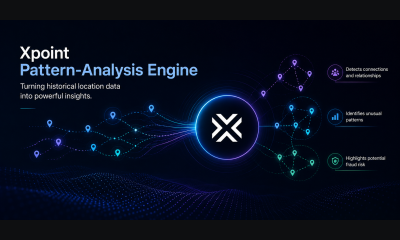








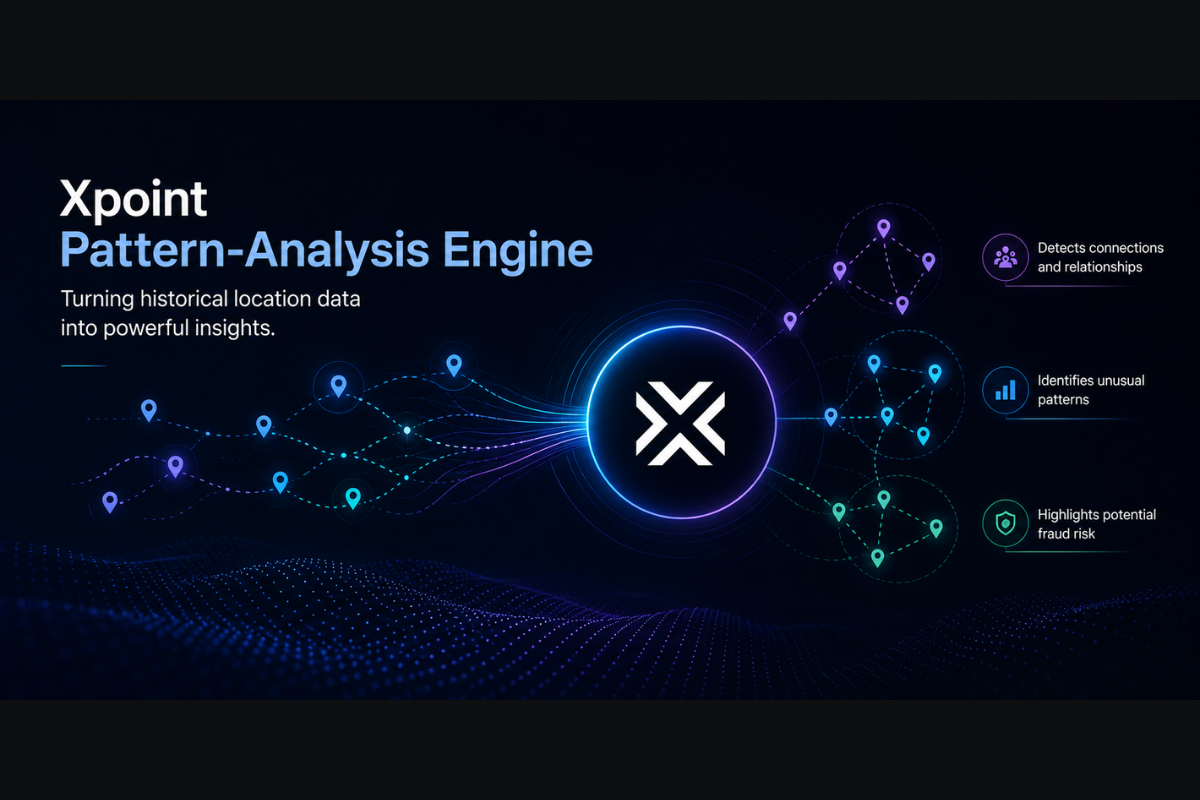
Xpoint has launched a proprietary pattern-analysis engine aimed at helping betting and gaming operators detect coordinated fraud, including organized bonus abuse and location spoofing. The company announced the product on 6th July 2026 and said it is currently rolling out with partners in North America.
Xpoint said the engine is designed to catch groups that cycle the same devices, accounts, and locations to farm sign-up bonuses and exploit promotions. Unlike conventional geolocation checks that assess each login in isolation, the new engine analyzes historical location activity to identify patterns that emerge over time.
As an example, Xpoint said the engine can flag groups of users that repeatedly appear together across locations, particularly where some members have previously been linked to location spoofing—signals the company associates with coordinated bonus-abuse rings. Xpoint added that the analysis runs in the background against historical data and is intended to avoid adding friction to the player journey.
The launch follows a new investment round earlier this year, which Xpoint said was dedicated to accelerating growth and supporting further product enhancement.
Manu Gambhir, CEO of Xpoint, said: “Attempts to defraud operators are becoming ever more coordinated and advanced, so operators need the best possible tools to spot areas of concern early.
“Our pattern-analysis engine examines historical data to uncover unusual patterns an operator needs to be aware of, without in any way adding friction to the player journey. It further underlines our commitment to innovative, adaptable compliance solutions for operators.”
The post Xpoint rolls out pattern-analysis engine to flag coordinated bonus abuse appeared first on EE Gaming | Global iGaming & Tech Intelligence Hub.
Fan Engagement
Midnite extends Southampton FC sponsorship through 2026/27 and rolls out ‘2UP’ fan prize


Midnite has renewed its partnership with Southampton FC for the 2026/27 season, continuing as the club’s Official Training Kit partner and back-of-shirt sponsor.
The company said the extension builds on its first season with the club in 2025/26, when it ran supporter activations including “Midnite Express” away travel, a commemorative tifo marking the 50-year anniversary of Southampton’s FA Cup success, and hospitality giveaways via its “Ticket Treats” campaign.
For 2026/27, Midnite is introducing a season-long fan initiative called “2UP”. Under the format, if Southampton go two goals up in any home league match, one fan wins the 2UP prize pot. Midnite said the pot increases by £1,000 each week a jackpot is not won, and noted Southampton held a two-goal home lead on six occasions last season.
Greg Baker, Chief Revenue Officer of Southampton Football Club said:
“We’re delighted to continue our partnership with Midnite after a successful first season together.
“They’ve consistently looked for new and engaging ways to reward our supporters, whether through unique matchday experiences, away travel or fan competitions, and we’re excited to see that continue this season.
“The launch of 2UP is another fantastic example of that commitment and we look forward to seeing Saints fans enjoying the campaign throughout the 2026/27 season.”
Andrew Mook, Midnite‘s Head of Brand Marketing, added:
“We’re excited to be Southampton’s Official Training Kit partner for a second year.
“During the 2025/26 campaign, Midnite worked closely with the club to create experiences that reward Saints supporters. From helping fans travel in style on the Midnite Express and commissioning the club’s commemorative FA Cup tifo, to providing hospitality experiences through Ticket Treats, our aim has always been to add something extra for Saints fans.
“With that said, we are pleased to introduce ‘2UP’ where one lucky fan will win prize money if Southampton take a two-goal lead in any home league fixture, with £1,000 being added to the pot after each game at St Mary’s.
“With Southampton taking a two-goal lead at home six times last season, we’re looking forward to seeing a number of Saints fans rewarded through ‘2UP’ during the campaign.”
The post Midnite extends Southampton FC sponsorship through 2026/27 and rolls out ‘2UP’ fan prize appeared first on EE Gaming | Global iGaming & Tech Intelligence Hub.
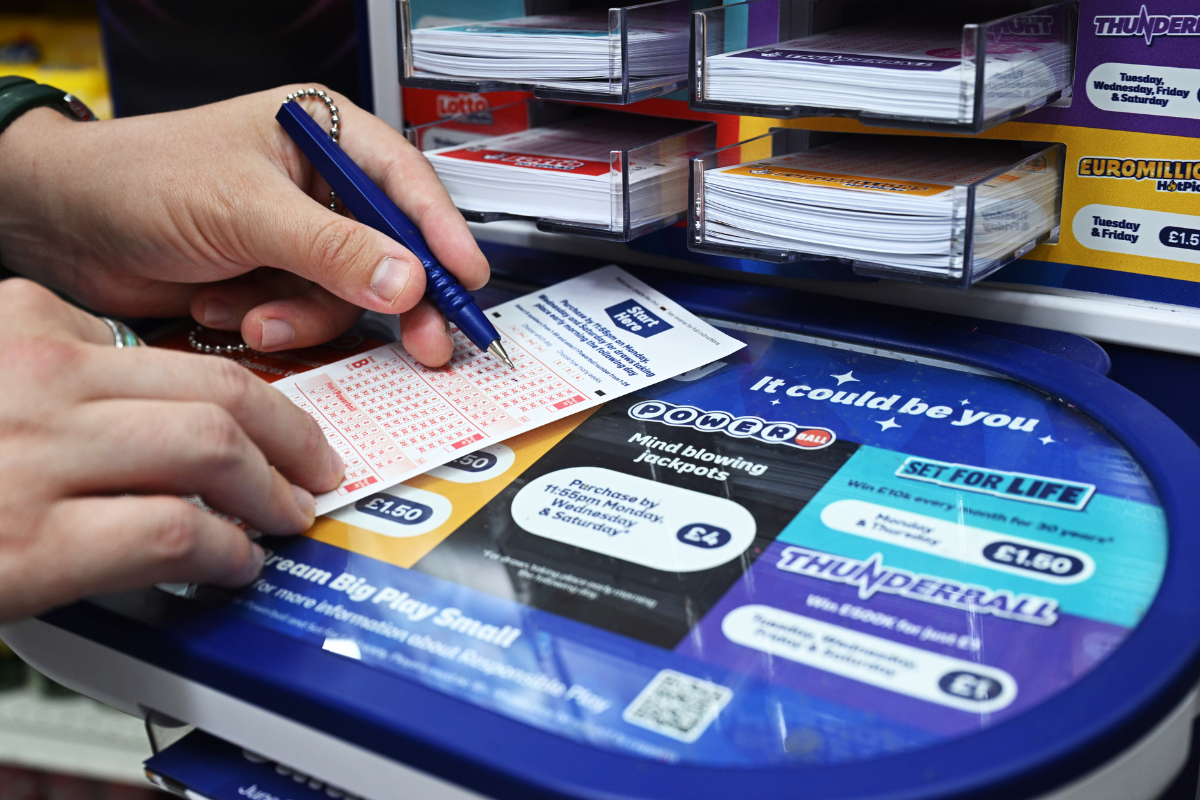
National Lottery operator Allwyn said on 6 July 2026 that it plans to launch a UK version of Powerball on Tuesday 21 July, subject to final regulatory approval. The company said UK players will be able to buy a £4 Powerball line in National Lottery retailers and via the National Lottery website and app.
Allwyn said the UK-specific version will offer jackpots starting at £12M and will be linked to the US Powerball game through a partnership with the Multi-State Lottery Association (MUSL). The company said UK jackpot winners will be paid over 30 years, and that UK players will pick five main numbers from 1 to 69 and one Powerball number from 1 to 26, with draws held three times a week.
Allwyn said the first UK draw is scheduled for 23 July, with ticket sales closing at 11.55pm the night before draws on Mondays, Wednesdays and Saturdays, and draws taking place around 4am the next morning on Tuesday, Thursday and Sunday from a Powerball studio in Florida. It added that the UK game includes an additional “Match 2 main numbers” prize tier exclusive to UK players, paying a fixed £8, while the “Match 5 main numbers” tier pays a fixed £1M.
Allwyn CEO, Andria Vidler, said, “We’re excited to give National Lottery players the chance to dream bigger, while supporting thousands of Good Cause projects across the UK every week. Powerball jackpots can soar into the billions, offering breath-taking sums with the potential to transform lives and communities.
“As we begin the countdown to the first draw later this month, you won’t be able to miss Powerball’s arrival with a major launch lined up. We’re encouraging players to get involved when tickets go on sale, and we’ll be crossing our fingers for our first UK winner.”
Rebecca Paul, President & CEO of the Tennessee Lottery and former President of the World Lottery Association, said “This next step brings us closer to a thrilling milestone for Powerball. More players means faster-growing jackpots, more excitement and even greater impact for the communities we serve.”
Allwyn said the game is expected to raise around £1BN for UK Good Causes over its first five years, with funding generated from UK ticket sales going to UK beneficiaries and projects. It also referenced recent changes to the National Lottery’s Lotto game and said the revised format has produced 27 millionaires since the first draw under the new format on 10 June.
The post Allwyn sets UK launch date for Powerball game on 21 July, pending approval appeared first on EE Gaming | Global iGaming & Tech Intelligence Hub.

-

 Africa6 days ago
Booming Games renews Hollywoodbets Durban July activation partnership
-
content-supply7 days ago
Million Games launches Skull King’s Treasure with partner studio Arcane Pixel
-
Africa6 days ago
SpringbokCasino ties July free spins to ‘Minions in the Wild’ campaign
-
Evoplay6 days ago
Evoplay launches Safari Coins slot with fixed jackpots and collector mechanic
-
GGPoker7 days ago
GGPoker opens satellites for WSOP Circuit CDMX México 2026
-
game launches6 days ago
Habanero launches Happy Hatchlings slot with screen-wide Wild transforms
-
Baltics6 days ago
From Ronaldinho Roulette to Next-Generation Game Shows: How CreedRoomz is Expanding Live Casino Entertainment
-
 Arizona Department of Gaming6 days ago
Arizona Department of Gaming Concludes Legislative Session with Approved Agency Continuation and Enhanced Spending Authority for Problem Gambling