ANJL
Brazil avoids a fiscal shock and betting enters the reputational phase in LATAM


The removal of CIDE-Bets and Brazil’s regulatory learning curve
Brazil’s Congress produced this week the most relevant move since the opening of the regulated market: the exclusion of the so-called CIDE-Bets from the “anti-crime bill”.
The contribution, previously included in the Senate version, could generate up to R$30 billion annually and would apply directly to betting operations, with practical impact on user deposits.
Its removal followed intense political negotiation and a coordinated industry reaction, which argued that the measure targeted the most sensitive point of the economic model: player conversion into the legal environment.
Unlike taxation on operational revenue, taxes perceived directly by users tend to immediately alter behavior — especially in newly regulated markets where offshore alternatives remain accessible.
The episode marks a relevant moment of institutional learning.
The government did not abandon its revenue logic — the tax burden on GGR remains scheduled to reach 15% by 2028 — but implicitly acknowledged the need to preserve the market channelization phase.
In mature jurisdictions, the initial capture of players to licensed operators is usually prioritized before fiscal maximization. Brazil’s decision indicates gradual alignment with this logic.
More than a simple retreat, the case reveals the structural tension of the model: the country simultaneously holds one of the world’s largest tax potentials and a consolidated offshore consumption culture.
Any tax imbalance can push volume outside the regulated system faster than it generates additional public revenue.
Therefore, the discussion does not disappear. The removal of CIDE does not end the fiscal debate — it merely postpones a more aggressive revenue attempt.
The topic remains on the political radar, especially amid the search for funding for public security and fiscal balance.
From taxation to public perception: advertising becomes the new battlefield
Almost simultaneously with the tax relief, the legislative focus shifted direction.
A bill approved in a Senate committee proposes restricting betting advertising and sponsorships in Brazilian sports, directly affecting the sector’s main acquisition channel.
Clubs and industry representatives estimate an impact above R$1.6 billion annually in football financing, alongside a likely migration of investment toward less controllable channels such as foreign platforms and indirect advertising.
The debate shifts its axis: it stops asking how much the sector collects and starts asking how visible it should be.
This transition typically marks the second regulatory phase of betting markets.
After defining licenses and taxes, lawmakers begin responding to social and media pressure. Brazil reached this stage rapidly, still during companies’ operational consolidation.
In practice, this alters the nature of competition. Operators stop competing only for marketing scale and start competing for public legitimacy.
Institutional communication, user education and protection policies become strategic assets — not merely regulatory obligations.
The regional signal: Chile and the inevitable migration to online
While Brazil debates limits to sector growth, data released in Chile helps contextualize the regional phenomenon.
The regulator reported a 4.5% drop in land-based casino GGR in 2025, reinforcing an international trend: gambling demand does not disappear — it changes channels.
The country still debates online regulation while consumer behavior has already migrated to digital.
The practical result is reduced revenue from the supervised channel without proportional reduction in activity.
The example began to be implicitly cited within the Brazilian debate. It illustrates a recurring dilemma in emerging markets: excessive restrictions do not eliminate consumption — they only reduce oversight capacity.
For Brazil — whose central regulatory objective is to channel a historically offshore market — the evidence reinforces the importance of regulatory balance.
The challenge is not preventing the activity, but integrating it into the formal system.
The beginning of a new phase for operators
The week’s movements suggest a structural transition. The Brazilian market leaves the normative implementation stage and enters the operational legitimacy phase.
Growth continues, but its nature changes.
Competition tends to migrate from aggressive acquisition to qualified retention; from bonuses to experience; from visibility to trust.
In markets undergoing this phase, compliance, behavioral monitoring and reputation gain direct economic impact.
Political debate also evolves.
The discussion ceases to be exclusively fiscal and starts incorporating social responsibility, player protection and sustainability of the sports ecosystem.
This is traditionally the point where the sector stops being treated as an economic novelty and becomes a permanent activity.
Latin America, led by Brazil, begins entering this stage.
Growth does not necessarily slow — but it stops being expansion and becomes structure.
SBC Summit Rio 2026: the regulated market enters its operational phase
An event that shifts from launch to infrastructure
The SBC Summit Rio reaches its third edition at a structurally different moment for the Brazilian market.
In 2024 it functioned as a meeting point of expectations; in 2025 as validation of scale; in 2026 it essentially becomes an operational platform.
The industry no longer debates whether Brazil will work — it debates how to operate better within it.
“The Brazilian market doesn’t stop. In the third year, the conversation becomes deeper. Companies want clarity, direct dialogue with regulators and connections with operators working daily.
That’s what we prioritized in Rio. Business happens during the day — and, of course, we make sure the nights are enjoyed as well,” said Rasmus Sojmark, founder and CEO of SBC.
Held from March 3-5 at Riocentro in Rio de Janeiro, the meeting will gather operators, affiliates, studios, platforms, payment providers, regulators and tech suppliers in an environment whose focus shifts from educational to tactical.
The main objective now is to transform the practical experience of the first regulated cycle into measurable competitive advantage.
Executives seek three specific answers: acquisition efficiency, payment stability and legal predictability.
The event was structured precisely around these three axes.
The first regulated year as a real laboratory
The Brazilian market produced an unusual phenomenon: immediate scale combined with operational uncertainty.
The result was a collective experiment where companies simultaneously learned — under real financial risk — how to operate in a continental country with instant payments infrastructure and mass digital betting culture.
The Summit analyzes lessons from this first year: PIX fraud, advertising pressure, real-time compliance, media costs and effective conversion of recreational users into recurring customers.
The debate no longer revolves around “entering Brazil” but “remaining profitable in Brazil”.
More than 150 specialists will participate in panels across three stages addressing leadership, technology, payments, marketing and affiliation.
The focus reveals the sector’s shift: compliance stops being cost and becomes product.
Payments: the real battlefield
No other major market combines PIX infrastructure with such a high volume of first-time users.
This turned payments into the main competitive differentiator among operators.
The emerging consensus is clear: payments stopped being back-office and became the operator’s core product.
From hype to ROI:
In 2024 the focus was brand presence.
In 2025 acquisition.
In 2026 financial return.
Companies begin measuring real cost per active player, not just registrations.
The SBC Summit Rio 2026 symbolizes the sector’s entry into adulthood.
The main topic is no longer growth — it is sustainability.
The industry no longer seeks to understand Brazil.
It seeks to learn how to make consistent money in it.
SOFTSWISS joins ANJL
SOFTSWISS became an official member of the National Association of Games and Lotteries (ANJL), becoming the first technology provider to join the entity.
At the same time, Carla Dualib, the company’s Business Development Manager for Brazil, joined the board as Communications Director while maintaining her corporate role.
ANJL represents licensed operators and key stakeholders in Brazil’s betting and lottery sector, working with regulators to promote a transparent and sustainable market.
By joining, SOFTSWISS reinforces the role of technology providers within the regulated ecosystem, contributing compliance expertise, market knowledge and responsible development.
As communications director, Dualib will strengthen dialogue between industry and authorities and improve institutional communication across the sector.
The company continues expanding in Latin America and will attend SBC Summit Rio 2026, where its team will be available for meetings.
The post Brazil avoids a fiscal shock and betting enters the reputational phase in LATAM appeared first on Americas iGaming & Sports Betting News.











El mercado de iGaming en Brasil ha dejado de ser una “promesa” para convertirse en una realidad operativa, regulatoria y económica de escala global.
Al cerrar el primer trimestre de 2026, el país no solo se prepara para el mayor torneo de selecciones de fútbol del mundo, sino que consolida un marco institucional que busca equilibrar la explosión del negocio con la integridad del sistema financiero y democrático.
Este resumen semanal compila y analiza los movimientos más críticos de la semana, conectando la infraestructura de negocios en São Paulo con los debates constitucionales en Brasilia y las innovaciones tecnológicas que están redefiniendo la experiencia del usuario.
San Pablo como Epicentro Regional: El Fenómeno de Infraestructura y Negocios del BiS SiGMA South America
Para entender la escala del mercado brasileño, es imperativo mirar hacia São Paulo.
La metrópoli ha consolidado un protagonismo indiscutible como la capital de los eventos ejecutivos en América Latina, un título sustentado por una escala operativa, infraestructura robusta y una capacidad única para atraer públicos cualificados para los negocios.
Según datos del calendario MICE de São Paulo, la ciudad cerró el año 2025 con más de 8,7 mil eventos registrados, abarcando desde congresos técnicos hasta grandes ferias industriales.
Paralelamente, la capital paulista ha ampliado su liderazgo como puerta de entrada del turismo internacional en Brasil, registrando 2,5 millones de turistas internacionales en 2025, de acuerdo con datos citados por la Prefectura de São Paulo con base en la Embratur.
Este ambiente favorable, que combina conectividad aérea, red hoteleira robusta, centros de convenciones de vanguardia y un ecosistema empresarial hiperactivo, crea las condiciones ideales para que eventos de alto nivel se multipliquen.
Es en este contexto de madurez operativa que la ciudad recibe, del 6 al 9 de abril de 2026, en el Transamerica Expo Center, la sexta edición del BiS SiGMA South America.
Considerado el mayor y más tradicional encuentro del universo de iGaming en América Latina, el BiS SiGMA South America integra el portafolio global del SiGMA Group.
Para la edición de 2026, la expectativa es recibir a 18.500 participantes, contar con más de 400 expositores y patrocinadores, y una programación de contenido con más de 250 palestrantes.
Alessandro Valente, uno de los idealizadores del evento y figura clave en la estructuración de un espacio de discusión cualificada para el sector en Brasil, comenta sobre la importancia estratégica de la ciudad para el evento:
“São Paulo tiene un ADN único para eventos ejecutivos: es donde se toman las decisiones, donde el networking sucede con propósito y donde Brasil se encuentra con el mundo.“
“Realizar la sexta edición del BiS SiGMA South America en esta ciudad refuerza el protagonismo y confirma la madurez del sector, que hoy demanda diálogo técnico, conexiones internacionales y un ambiente de negocios a la altura de su crecimiento”.
Impacto en la Profesionalización del Mercado
Más allá de la feria de negocios, el evento ofrece una programación robusta de paneles, talleres y premiaciones, abordando temas críticos como innovación, operaciones, tendencias de mercado y buenas prácticas.
Esta estructura contribuye activamente a la evolución y profesionalización del ecosistema, consolidando a São Paulo como el escenario natural de los encuentros que impulsan la economía y la agenda ejecutiva del país.
La escala del evento en 2026 es un testimonio directo de cómo el “diálogo técnico” mencionado por Valente se ha convertido en la prioridad para operadores, reguladores e inversores.
El Frente Político-Constitucional: ¿Blindaje o Recaudación? El Debate sobre la PEC de la Seguridad
Mientras São Paulo maneja la operativa de negocios, en Brasilia se libra una batalla crucial por la seguridad jurídica y la legitimidad a largo plazo del sector.
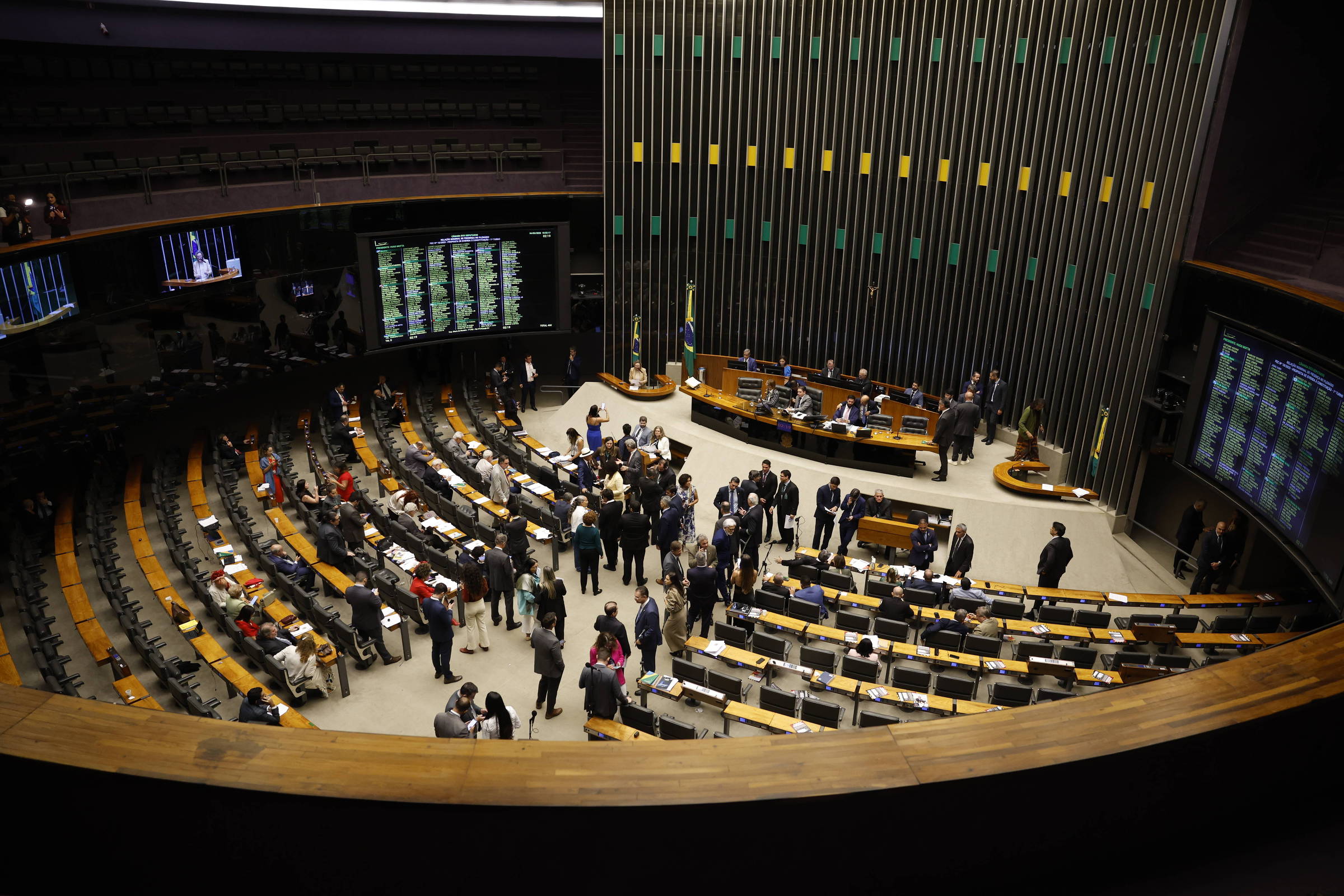
Las empresas de apuestas online evalúan que la inclusión de las bets en la PEC (Propuesta de Enmienda a la Constitución) de la Seguridad, aprobada a inicios de marzo por la Cámara de Diputados, representa un paso ambiguo pero fundamental: legítima y protege el sector, pero a un costo transaccional alto.
La Perspectiva de las Asociaciones y el Sector Regulado
El texto de la PEC no aumenta los impuestos directamente pagados por el sector, pero establece una destinación constitucional: el 30% de la recaudación de las apuestas debe ser destinada al FNSP (Fundo Nacional de Segurança Pública).
Además, incluye la previsión de que valores recuperados, aprehendidos o confiscados de la explotación ilegal de apuestas también compongan este fondo.
Para los representantes del área, al mencionar a las bets en la Constitución, la propuesta dificulta eventuales intentos de tornarlas ilegales en el futuro.
Desde la ANJL (Associação Nacional de Jogos e Loterias), se evalúa que la inserción de la actividad en la Constitución Federal es: “…un hecho muy importante a ser observado en la PEC. La asociación evalúa que la inclusión deja ‘más transparente y más clara la legitimidad del sector regulado y la necesidad del combate al mercado ilegal’.”
Por su parte, el IBJR (Instituto Brasileiro de Jogo Responsable) afirmó que: “la presencia del sector en el texto constitucional ciertamente fortalece la legitimidad de los operadores formales Asumiendo que el Parlamento y la comunidad jurídica concuerdan haber espacio para esta previsión constitucional, el instituto evalúa como positivo el nuevo texto.”
Inclusive la ABFS (Associação Brasileira de Bets e Fantasy Sport), aunque no respondió preguntas específicas sobre la inserción constitucional, afirmó que: “apoya la aprobación de la PEC de la Seguridad Pública por entender que se trata de medida relevante en el enfrentamiento al crimen organizado.”
Voces Disonantes: La Cuestión de la Seguridad Jurídica Efectiva
Sin embargo, no hay consenso sobre si esta mención constitucional representa una victoria absoluta en términos de seguridad jurídica. Para el diputado Mendonça Filho, no hay qué celebrar. Él evalúa que la citación no garantiza seguridad jurídica per se:
“La formalización del sector de bets en Brasil se dio por medio de una ley ordinaria, que reconoce el hecho de tener la destinación del recurso.”
“Si una ley ordinaria, por ejemplo, prohíbe la actuación de bets en Brasil, aunque tengas una destinación constitucional, la destinación ella va a quedar inocua, porque la recaudación solo existe si hay legalidad”.
Esta visión técnica resalta la fragilidad de un modelo que depende tanto de una enmienda constitucional (PEC) como de leyes ordinarias y ordenanzas ministeriales (SPA).
El relator de la PEC rechazó tanto los pedidos del gobierno de aumentar la recaudación de impuestos como los pedidos de las bets para incluir un artículo que prohibiera un aumento futuro de tasación, argumentando que las alícuotas tributarias no caben en un texto constitucional.
El Riesgo de una Tasa Futura
El hecho de que la PEC no incluya un límite para un posible aumento futuro fue visto como una derrota para el sector, explicó el abogado Pietro Lorenzoni, del equipo jurídico de la ANJL.
Desde la academia, la profesora de derecho constitucional de la PUC-SP (Pontifícia Universidade Católica de São Paulo), Marina Faraco, considera que la citación: “puede garantizar más un argumento para el sector, pero no una protección eterna.”
“Si la Constitución prevé el funcionamiento de estas actividades, si 30% de ellas va para este fondo, para que ella se torne esa actividad irregular, tendría que alterar la Constitución. O sea, en ese sentido queda más difícil de tornar irregular, con seguridad.”
Como se trata de una propuesta de enmienda constitucional, el Presidente de la República no tiene poder de veto.
El Contexto Judicial: El Desafío de Paulo Gonet
Mientras la propuesta avanza en el Congreso, la existencia misma de las apuestas sigue siendo cuestionada judicialmente. A finales del año pasado, el procurador-general de la República, Paulo Gonet, reiteró ante el STF (Supremo Tribunal Federal) el pedido de suspensión de las leyes que autorizan el funcionamiento de las bets.
Para el IBJR, este desafío carece de fundamento operativo: “no hay que hablar en ilegalidad del mercado de apuestas de cuota fija, vista todo el arcabouço construido a lo largo de los últimos 2 años.”
Este “arcabouço” regulatorio ha sido la defensa principal del sector. La regularización fue apoyada por el gobierno federal para aumentar la recaudación.
En diciembre, el Congreso aprobó un aumento gradual en la alícuota sobre la receta bruta de juegos (GGR), que era del 12% en la legislación anterior.
La ley complementaria elevó la recaudación al 13% en 2026, 14% en 2027 y 15% en 2028.
Una Victoria Táctica del Lobby: El PL Antifacção
El lobby del sector conquistó una victoria relevante durante la votación del PL Antifacção en la Cámara, a finales de febrero. La versión original del informe contemplaba la creación de una tasa extra del 15% sobre las transferencias de personas físicas a las plataformas de apuestas online.
Sin embargo, el mayor bloque del parlamento (el “blocão”), solicitó una votación por separado del trecho, que acabó siendo retirado de la propuesta. Este movimiento demuestra que el sector ha cultivado una influencia política capaz de frenar medidas fiscales asfixiantes en el corto plazo.
Integridad Operativa y Represión: La Batalha contra la Piratería y el Mercado Ilegal
El éxito del mercado regulado brasileño depende directamente de la capacidad del Estado para asfixiar la oferta ilegal.
Este tema fue el foco de debate en la Comisión Externa de la Cámara de Diputados sobre los Actos de Piratería y la Agenda del “Brasil Legal”, realizada este martes (24/3).
El Rol de la Anatel en el Bloqueo de Sitios
Gianluca Rangearo Fiorentini, gerente de Fiscalización de la Anatel (Agência Nacional de Telecomunicações), representó a la Agencia en una audiencia pública destinada a discutir estrategias de combate a la piratería digital, mecanismos de fiscalización, cooperación internacional y medidas de protección al consumidor en el sector de apuestas online.
Fiorentini explicó el papel de la Agencia en el proceso de bloqueo de sitios ilegales: “Para que el marco regulatorio de las apuestas funcione de forma adecuada, es necesario remover las empresas que operan ilegalmente”.
Él presentó las líneas de acción de bloqueo y los acuerdos de cooperación técnica entre la Anatel y el Ministerio de Hacienda.
Sin embargo, Rangearo dejó claro que la Agencia no posee medios fácticos y legales para promover, por sí sola, el retiro de contenido.
Esta medida corresponde a las propias prestadoras de servicios de telecomunicaciones, que gestionan sus redes. Así, tras recibir un oficio solicitando el bloqueo, la Anatel encamina las solicitudes a las prestadoras.
El Enfoque del “Brasil Legal”
El combate a la piratería dentro de la Anatel es liderado por el consejero Edson Holanda, quien reforzó la necesidad de agilidad técnica: “El éxito de la regulación de las apuestas online depende directamente de la agilidad en la respuesta a los ilícitos.”
“Por medio de los acuerdos de cooperación técnica, como el firmado con el Ministerio de Hacienda, la Anatel aprimora constantemente los flujos de bloqueos junto a las prestadoras. El objetivo es claro: asfixiar la oferta pirata para que el ‘Brasil Legal’ se consolide también en el ambiente de las apuestas virtuales“.
Este enfoque de “asfixia” técnica y financiera es considerado el pilar más efectivo para garantizar que los operadores que pagaron las licencias (los R$ 30 millones) y que contribuirán al FNSP tengan un mercado competitivo real en 2026.
Integridad Democrática: El TSE y los Límites Éticos de las Apuestas Electorales
Mientras el sector busca blindaje constitucional y combate a la piratería, la justicia electoral impone límites estrictos para proteger la soberanía del voto.
El TSE (Tribunal Superior Eleitoral) reafirmó la prohibición de apuestas involucrando resultados electorales en el país. Esta norma, aprobada en septiembre de 2024, modificó los artículos de la Resm 23.735/2024.
El Fundamento Jurídico e Impacto en Mercados de Previsiones
La prohibición se fundamenta en el artículo 334 del Código Electoral, vigente desde 1965. Según el TSE, esta vedación busca:
“impedir que ventajas financieras o materiales influencien el voto de los electores, evitando prácticas que puedan configurar abuso de poder económico, captar ilícitamente votos o propaganda irregular.”
“Con el crecimiento de las plataformas digitales de apuestas, el TSE consideró necesario explicitar estas reglas para garantizar un pleito seguro y transparente, libre de interferencias que comprometan la libertad de elección del elector“.
Esta decisión afecta directamente el funcionamiento de plataformas de mercados de previsiones que crecen mundialmente.
Operadoras nacionales como Prévias, Palpitada y Futuriza no pueden incluir apuestas electorales en sus operaciones. Inclusive la asociación entre Kalshi y el banco XP permite apenas negociaciones sobre indicadores económicos a través de contratos de “sí o no” para clientes de la cuenta internacional Clear, quedando los eventos electorales y deportivos estrictamente excluidos.

Marketing y Audiencia: La Nueva Era de los Creadores y la Pasión por el Fútbol
Con la Copa del Mundo de 2026 en el horizonte, las estrategias de marketing están sufriendo una transformación estructural.
Betnacional, marca del Grupo Flutter Brazil, anunció su “squad de creators” para el principal torneo de selecciones del fútbol mundial.
Este equipo reúne nombres como Bárbara Coelho, Matheus Gonze, Carter Batista, Braune, Igor Rodrigues, André Balada, Fernanda Arantes, Giovanna Moura, Carol Narizinho y Renata Heilborn. La iniciativa forma parte de la plataforma de comunicación “Bota essa paixão pra jogo”.
El Cambio en el Consumo de Fútbol: Del Medio Tradicional a la Red Social
Este movimiento acompaña un cambio claro en el comportamiento del consumidor. Según un estudio de Monks Brasil (2026), agencia de social media de Flutter Brazil, el 77% de los brasileños reconocen el fútbol como parte central de la identidad nacional, y el 55% apuntan que contenidos producidos por otros torcedores generan más conexión que la publicidad tradicional.
Alvaro Garcia, CMO de Flutter Brazil, explica la elección estratégica: “Estar con CazéTV es una elección estratégica porque nos coloca dentro de un ambiente que ya nace digital y conectado con el comportamiento actual del público.”
“Al traer creadores para esta construcción, ampliamos la forma de mirar el juego, con diferentes perspectivas que ayudan a la marca a participar de manera más relevante de las conversaciones que ya existen entre los fans”.
Henrique Mendonça, Head of Social Media, Influencers & PR de Flutter Brazil, destaca el origen orgánico de esta estrategia: “Este squad nace dentro de las propias comunidades, con perfis que ya viven el fútbol en el día a día y traducen eso en contenido mientras todo sucede.”
“La idea es acompañar este ritmo, con diferentes formatos y lenguajes, para que la presencia de la marca acontezca de forma más orgánica dentro de las conversaciones”.
En 2026, el marketing de iGaming en Brasil ya no es sobre volumen de banners, sino sobre conversión orgánica y autoridad cultural dentro de las comunidades digitales.
El Horizonte Tecnológico Regional: Inovación en EE.UU. como Espejo para Brasil
Mientras Brasil ajusta su operativa y marketing para la Copa, el mercado global ofrece pistas sobre la próxima fase tecnológica.
En América del Norte, Sportradar profundizó su acuerdo plurianual con Hard Rock Bet, integrando datos oficiales de la PGA TOUR y la UFC (Ultimate Fighting Championship).
Esta expansión permite ofrecer mercados de apuestas en vivo (in-play betting) extremadamente dinámicos, complementados por visualizaciones avanzadas diseñadas para elevar la experiencia del apostador, como el seguimiento de tacadas en 3D para cada hoyo en el golf y análisis de golpes intentados y logrados en tiempo real para la UFC.
Eduard Blonk, Chief Commercial Officer de Sportradar, señaló: “Estamos trayendo la escala total de nuestro portfolio de datos oficiales, probabilidades y AV a los clientes de Hard Rock Bet. La adición de nuestro contenido recientemente adquirido de la PGA TOUR y UFC puede ayudar a los operadores a desbloquear oportunidades de apuestas en vivo más dinámicas y profundizar el compromiso de los fans”.
Mike Primeaux, Executive Managing Director y COO de Hard Rock Digital, coincide: “Al continuar integrando el contenido de Sportradar, estamos dando a los jugadores más formas de participar con la acción en nuestra app top-rated.”
“Esta asociación fortalece la experiencia diferenciada de Hard Rock Bet y apoya nuestra meta de entregar una jornada simple y personalizada que mantiene a los fans conectados a los momentos que más les importan“.
Con un mercado brasileño maduro en 2026, la integración de datos de alta fidelidad, rastreo 3D y micro-mercados ultraespecíficos (como los discutidos para PGA/UFC) será el próximo diferencial competitivo para operadores licenciados que busquen retener a los apostadores de alto valor, un tema que seguramente será central en el diálogo técnico del BiS SiGMA 2026.
The post iGaming Brasil: Liderazgo Operativo y el Impulso del Mayor Evento de LatAm appeared first on Americas iGaming & Sports Betting News.
Tras un año bajo su nuevo marco regulatorio, el mercado de apuestas de Brasil comienza a dejar atrás su fase inicial de expansión.
Los operadores están recalibrando sus estrategias de marketing, los reguladores intensifican la supervisión y surgen nuevas cuestiones regulatorias.
La industria regulada de apuestas en Brasil continúa evolucionando rápidamente mientras el país atraviesa el primer año completo de su nuevo marco legal para las apuestas de cuota fija.
Los acontecimientos recientes en torno a los patrocinios en el fútbol, los debates sobre publicidad y el fortalecimiento de la supervisión regulatoria muestran cómo el mercado está pasando de su fase inicial de crecimiento acelerado hacia un ecosistema más maduro y consolidado.
Aunque el sector sigue siendo uno de los más prometedores del panorama global del iGaming, los operadores ahora enfrentan mayores costos regulatorios, una competencia creciente y un escrutinio cada vez más intenso por parte de los responsables políticos.
En conjunto, estas dinámicas están comenzando a redefinir la forma en que las empresas de apuestas operan —y cómo invierten— en el mayor mercado de América Latina.
El auge de los patrocinios en el fútbol comienza a enfriarse
Quizás la señal más visible de la transformación de la industria pueda observarse en el fútbol brasileño.
En 2025, las empresas de apuestas dominaron los acuerdos de patrocinio en el Campeonato Brasileño de la Serie A.
Dieciocho de los veinte clubes que competían en la primera división del país tenían operadores de apuestas como patrocinadores principales en sus camisetas, reflejando las agresivas estrategias de marketing que siguieron a la apertura del mercado regulado de apuestas en Brasil.
Sin embargo, el panorama para la temporada 2026 es notablemente diferente.
Seis clubes —Santos, Vasco da Gama, Bahia, Internacional, Grêmio y Coritiba— han rescindido o no han renovado recientemente sus acuerdos de patrocinio con operadores de apuestas.
Los cambios ocurrieron entre finales de 2025 y el inicio de la nueva temporada.
Cada caso tiene su propia explicación.
Internacional y Grêmio rescindieron sus contratos con Alfa Bet tras reiterados retrasos en los pagos.
Santos y Bahia acordaron de forma amistosa finalizar sus asociaciones con 7K Bet y Viva Sorte Bet, respectivamente.
Mientras tanto, Vasco y Coritiba simplemente dejaron expirar sus acuerdos con Betfair y Reals Bet.
Entre estos clubes, solo el Santos logró cerrar un nuevo acuerdo con otra casa de apuestas.
Sin embargo, el nuevo contrato representa, según se informa, una reducción de aproximadamente un 30% en los pagos anuales en comparación con el acuerdo anterior.
Los analistas señalan que estos movimientos reflejan las nuevas realidades económicas del entorno regulado de apuestas en Brasil.
La regulación aumenta los costos operativos
El modelo regulatorio brasileño para las apuestas de cuota fija entró plenamente en vigor el 1 de enero de 2025, tras la implementación de la Ley Nº 14.790/2023.
Bajo el nuevo marco, los operadores deben constituir una entidad legal en Brasil y obtener autorización federal para operar.
La licencia tiene un costo aproximado de 30 millones de reales y es válida por cinco años.
Además, las empresas están sujetas a un impuesto del 12% sobre el Gross Gaming Revenue (GGR), junto con otros tributos como PIS, Cofins y el impuesto municipal sobre servicios.
Los jugadores también están sujetos a tributación.
Las ganancias netas que superen el límite de exención están gravadas con un impuesto del 15%.
Según el especialista en regulación del juego Gustavo Biglia, socio del bufete Ambiel Bonilha Advogados, el cambio regulatorio ha alterado significativamente el panorama económico del sector.
Antes de la implementación del nuevo marco, los operadores enfrentaban menos obligaciones regulatorias, lo que les permitía destinar presupuestos considerables al marketing y a los patrocinios deportivos.
“Anteriormente no existía un requisito de autorización nacional ni un régimen tributario integral que cubriera la actividad realizada en el país”, explicó Biglia.
“Ese entorno permitía a las empresas invertir agresivamente en marketing y patrocinios deportivos”.
Ahora, los operadores deben operar con márgenes más ajustados.
Los operadores buscan ahora mayor eficiencia
Los expertos del sector consideran que el mercado brasileño de apuestas está superando su fase inicial de construcció6n de marca.
Eduardo Corch, profesor de marketing en Insper y director general de EMW Global para América Latina, señala que los operadores están centrando cada vez más su atención en la eficiencia más que en la visibilidad.
“El objetivo ya no es simplemente aparecer en las camisetas de los clubes”, afirmó Corch.
“Las empresas están priorizando acciones de marketing donde el retorno de la inversión pueda medirse con mayor claridad”.
Otro factor importante es la competencia.
El costo de adquisición de clientes en Brasil ha aumentado significativamente a medida que más operadores ingresan al mercado.
Esta intensa competencia está obligando a las empresas a reconsiderar cómo distribuyen sus presupuestos de marketing.
En muchos casos, los recursos se están redirigiendo desde patrocinios de alta visibilidad hacia campañas digitales y estrategias de adquisición basadas en datos.
Pietro Cardia Lorenzoni, director jurídico de la Asociación Nacional de Juegos y Loterías (ANJL), espera que esta tendencia conduzca a una estructura de mercado más concentrada.
“La etapa inicial del mercado vio grandes inversiones por parte de muchas empresas”, explicó Lorenzoni.
“Pero la industria ahora está demostrando su viabilidad y atravesando un proceso de maduración. Una reducción del gasto es una consecuencia natural”.
Los grandes acuerdos de patrocinio aún existen
A pesar de la reducción de acuerdos con algunos clubes, las empresas de apuestas continúan invirtiendo fuertemente en asociaciones estratégicas.
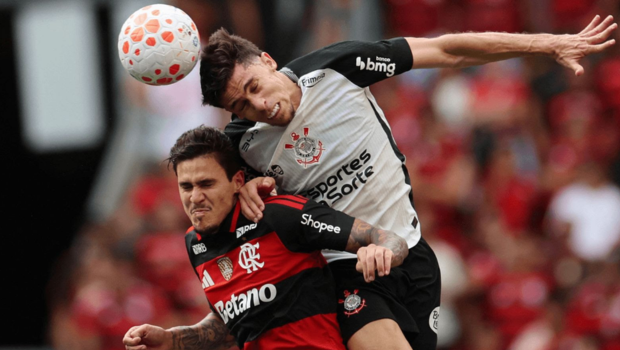
Un ejemplo destacado es el reciente acuerdo renovado entre el Corinthians y la marca de apuestas Esportes da Sorte.
El contrato, extendido hasta 2029, elevó los pagos anuales de alrededor de 100 millones de reales a 150 millones, con la posibilidad de alcanzar los 200 millones dependiendo del rendimiento deportivo del club.
Para los operadores, las asociaciones con grandes clubes de fútbol siguen siendo herramientas poderosas de construcción de marca.
Darwin Filho, CEO de Esportes Gaming Brasil —empresa propietaria de la marca Esportes da Sorte— describió el acuerdo como un movimiento estratégico clave.
“Fortalece nuestra conexión con los aficionados y amplía las oportunidades de construir la marca a través de experiencias, innovación y activaciones más completas”, afirmó.
Sin embargo, algunos analistas creen que la primera ola de patrocinios generó expectativas infladas dentro de los clubes.
José Sarkis Arakelian, consultor y profesor de la FAAP, sostiene que algunos acuerdos fueron impulsados por una burbuja inicial del mercado.
“Existía una burbuja —y para algunos clubes todavía existe— en relación con cuánto estaban pagando las casas de apuestas”, afirmó.
Debate sobre restricciones publicitarias
Más allá de los patrocinios, la política publicitaria se ha convertido en otro tema central en el debate sobre el sector.
Un proyecto de ley actualmente en discusión en el Senado propone prohibir la publicidad y el patrocinio de las empresas de apuestas.
La propuesta, conocida como PL 3563/2024, ha generado fuertes reacciones en la industria.
El regulador brasileño de apuestas ha expresado preocupación por una medida tan amplia.
Daniele Correa Cardoso, secretaria adjunta de la Secretaría de Premios y Apuestas (SPA) del Ministerio de Hacienda, advirtió que prohibir la publicidad podría tener consecuencias no deseadas.
“¿Cómo sabrá el usuario distinguir entre plataformas legales e ilegales?”, preguntó en una entrevista reciente.
Según la funcionaria, el mercado legal aún se encuentra en una etapa temprana y la publicidad desempeña un papel importante para ayudar a los consumidores a identificar a los operadores autorizados.
“El mercado no está prohibido”, señaló. “Lo que está prohibido es operar sin autorización”.
Las autoridades temen que eliminar la visibilidad publicitaria pueda empujar a los jugadores hacia plataformas no reguladas.
La lucha contra los operadores ilegales continúa
Desde el lanzamiento del mercado regulado en enero de 2025, las autoridades brasileñas han intensificado las acciones contra los sitios de apuestas ilegales.
En cooperación con el regulador de telecomunicaciones Anatel, ya se han bloqueado más de 25.000 sitios de apuestas no autorizados.
Sin embargo, los reguladores reconocen que el bloqueo de sitios web por sí solo no es suficiente.
Las autoridades ahora están centrando sus esfuerzos en los canales financieros utilizados por operadores ilegales, trabajando con instituciones de pago para identificar y bloquear transacciones vinculadas a plataformas no autorizadas.
El juego responsable gana protagonismo
Otro foco clave para el gobierno es el fortalecimiento de las políticas de juego responsable.
Durante un reciente evento en Salvador con alrededor de mil profesionales de protección al consumidor, funcionarios de la Secretaría de Premios y Apuestas presentaron nuevas iniciativas para reforzar los mecanismos de protección al jugador.
La legislación brasileña define las apuestas de cuota fija como un servicio público que puede ser operado por empresas privadas bajo autorización del gobierno.
Como resultado, los operadores están obligados a implementar salvaguardas destinadas a abordar tanto los riesgos financieros como los riesgos para la salud mental asociados con el juego.
Uno de los desarrollos más importantes ha sido el lanzamiento de un sistema centralizado de autoexclusión, que permite a los jugadores bloquear voluntariamente su acceso a todas las plataformas autorizadas mediante un único registro.
Los mercados de predicción plantean nuevos desafíos regulatorios
Al mismo tiempo, los reguladores están monitoreando nuevos tipos de productos relacionados con las apuestas que comienzan a entrar en el mercado brasileño.
El reciente anuncio de que el operador estadounidense de mercados de predicción Kalshi planea entrar en Brasil a través de una asociación con la firma de corretaje XP International ha llamado la atención de las autoridades.
Los mercados de predicción permiten a los usuarios negociar contratos basados en el resultado de eventos futuros, que pueden ir desde acontecimientos políticos hasta resultados deportivos.
Debido a que estos productos comparten características tanto con derivados financieros como con apuestas, su clasificación regulatoria sigue siendo incierta en Brasil.
La SPA ha aclarado que actualmente ninguna empresa está autorizada a operar mercados de predicción en el país.
Andre Santa Ritta, socio del bufete Pinheiro Neto, cree que el tema podría convertirse en otro desafío regulatorio complejo.
“En Brasil todavía tenemos una zona gris en relación con los mercados de predicción”, afirmó.
Un mercado en proceso de maduración
En conjunto, los acontecimientos recientes sugieren que la industria de apuestas en Brasil está entrando en una nueva etapa.
Los primeros años de rápida expansión —caracterizados por grandes inversiones en marketing y agresivas estrategias de patrocinio— están dando paso gradualmente a un entorno más estructurado y regulado.
Los operadores deben ahora equilibrar los requisitos de cumplimiento normativo, el aumento de los costos de adquisición de clientes y un escrutinio político cada vez mayor.
Al mismo tiempo, los reguladores continúan ajustando el marco normativo con el objetivo de proteger a los consumidores y mantener un mercado legal competitivo y sostenible.
Para operadores e inversores internacionales, Brasil sigue siendo una de las oportunidades más atractivas del iGaming global.
Pero, a medida que el mercado madura, el éxito dependerá menos de la expansión rápida y más de una posición estratégica dentro de un entorno cada vez más regulado.
The post Apuestas en Brasil: la regulación enfría el boom de patrocinios en el fútbol appeared first on Americas iGaming & Sports Betting News.
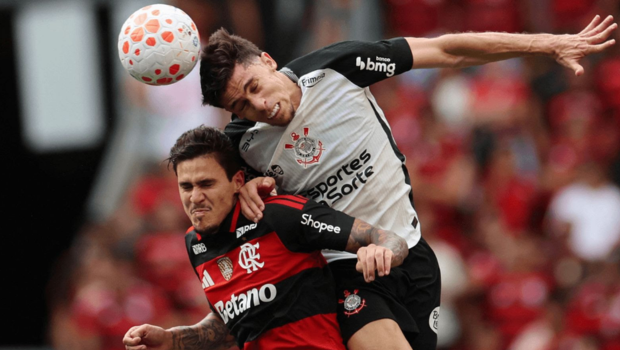
After a year under its new regulatory framework, Brazil’s betting market is moving beyond its early expansion phase, with operators recalibrating marketing strategies, regulators tightening oversight and new regulatory questions emerging.
Brazil’s regulated betting industry continues to evolve rapidly as the country moves through the first full year of its new legal framework for fixed-odds betting.
Recent developments across football sponsorships, advertising debates and regulatory oversight illustrate how the market is transitioning from its initial boom phase toward a more mature and consolidated ecosystem.
While the sector remains one of the most promising in the global iGaming landscape, operators are now facing higher regulatory costs, growing competition and increasing scrutiny from policymakers.
Together, these dynamics are beginning to reshape how betting companies operate — and how they invest — in Latin America’s largest market.
Football sponsorship boom begins to cool
Perhaps the most visible sign of the industry’s transformation can be seen in Brazilian football.
In 2025, betting companies dominated sponsorship deals in the Campeonato Brasileiro Série A.
Eighteen of the twenty clubs competing in the country’s top division featured betting operators as their main shirt sponsors, reflecting the aggressive marketing strategies that followed the opening of Brazil’s regulated betting market.
But the picture in the 2026 season is notably different.
Six clubs — Santos, Vasco da Gama, Bahia, Internacional, Grêmio and Coritiba — have recently ended or failed to renew sponsorship agreements with betting operators.
The changes occurred between the end of 2025 and the start of the new season.
Each case has its own explanation. Internacional and Grêmio terminated their contracts with Alfa Bet after repeated delays in payments.
Santos and Bahia mutually agreed to end partnerships with 7K Bet and Viva Sorte Bet, respectively. Meanwhile, Vasco and Coritiba simply allowed their deals with Betfair and Reals Bet to expire.
Among these teams, only Santos has secured a new agreement with another betting operator.
However, the new deal reportedly represents a reduction of roughly 30% in annual payments compared with the previous contract.
Analysts say these developments reflect the new economic realities of Brazil’s regulated betting environment.
Regulation increases operational costs
Brazil’s regulatory model for fixed-odds betting came fully into force on January 1, 2025, following the implementation of Law No. 14.790/2023.
Under the new framework, betting operators must establish a legal entity within Brazil and obtain a federal authorization to operate.
The license carries a fee of approximately R$30 million and is valid for five years.
In addition, companies are subject to a 12% tax on Gross Gaming Revenue (GGR), alongside other taxes such as PIS, Cofins and municipal service taxes.
Players are also taxed under the new system. Net winnings exceeding the exemption threshold are subject to a 15% income tax.
According to gambling regulation specialist Gustavo Biglia, partner at the law firm Ambiel Bonilha Advogados, the regulatory shift has significantly altered the economic landscape of the industry.
Before the implementation of the new framework, operators faced fewer regulatory obligations, allowing them to allocate substantial budgets toward marketing and sponsorship deals.
“Previously there was no national authorization requirement nor a comprehensive tax regime covering the activity carried out in Brazil,” Biglia explained.
“That environment allowed companies to invest aggressively in marketing and sports sponsorships.”
Now, operators must operate within tighter margins.
Betting operators shift toward efficiency
Industry experts believe the Brazilian betting market is moving beyond its initial brand-building phase.
Eduardo Corch, a marketing professor at Insper and managing director of EMW Global for Latin America, says operators are increasingly focusing on efficiency rather than visibility.
“The objective is no longer simply to appear on football shirts,” Corch said.
“Companies are prioritizing marketing actions where the return on investment can be measured more clearly.”
Another important factor is competition.
The cost of acquiring customers in Brazil has increased significantly as more operators enter the market.
This intense competition is forcing companies to reconsider how they distribute their marketing budgets.
In many cases, funds are being redirected from high-visibility sponsorships toward digital marketing campaigns and data-driven acquisition strategies.
Pietro Cardia Lorenzoni, legal director of the National Association of Games and Lotteries (ANJL), expects this trend to lead to a more concentrated market structure.
“The initial stage of the market saw large investments from many companies,” Lorenzoni explained. “But the industry is now proving itself and going through a maturation process. A reduction in spending is a natural outcome.”
Major sponsorship deals still exist
Despite the reduction in sponsorship deals across several clubs, betting companies continue to invest heavily in strategic partnerships.
One notable example is Corinthians’ recently renewed agreement with betting brand Esportes da Sorte.
The deal, extended until 2029, increased annual payments from around R$100 million to R$150 million and could reach R$200 million depending on the club’s sporting performance.
For operators, partnerships with major football clubs remain powerful brand-building tools.
Darwin Filho, CEO of Esportes Gaming Brasil — the company behind the Esportes da Sorte brand — described the agreement as a key strategic move.
“It strengthens our connection with fans and expands opportunities to build the brand through experiences, innovation and more comprehensive activations,” he said.
Still, some analysts believe the initial sponsorship wave may have created inflated expectations within football clubs.
José Sarkis Arakelian, consultant and professor at FAAP, argues that certain deals were driven by an early market bubble.
“There was a bubble — and for some clubs there still is — regarding how much betting companies are paying,” he said.
Legal experts also warn that long-term sustainability in the sector will depend more on regulatory compliance than on marketing spending.
“In the short term money buys exposure,” said Leonardo Henrique Roscoe Bessa, consultant to the Brazilian Bar Association and partner at Betlaw. “In the long term only integrity guarantees permanence.”
Advertising restrictions under debate
Beyond sponsorship deals, advertising policy has become another major topic of debate in Brazil’s betting sector.
A bill currently under discussion in the Senate proposes banning advertising and sponsorship by betting companies altogether.
The proposal, known as bill 3563/2024, has sparked strong reactions across the industry.
Brazil’s betting regulator has expressed concerns about such a sweeping measure.
Daniele Correa Cardoso, deputy secretary at the Secretariat of Prizes and Bets (SPA) within the Ministry of Finance, warned that banning advertising could have unintended consequences.
“How will users distinguish legal platforms from illegal ones?” Cardoso asked during a recent interview.
According to the regulator, the legal market is still in its early stages, and advertising plays an important role in helping consumers identify licensed operators.
“The market itself is not prohibited,” she noted. “What is prohibited is operating without authorization.”
Authorities fear that removing advertising visibility could push players toward unregulated platforms.
Crackdown on illegal operators continues
Since the launch of the regulated market in January 2025, Brazilian authorities have intensified enforcement efforts against illegal betting sites.
Through cooperation with the telecommunications regulator Anatel, more than 25,000 unauthorized betting websites have already been blocked.
However, regulators acknowledge that blocking websites alone is not sufficient.
Authorities are now focusing on financial channels used by illegal operators, working with payment institutions to identify and block transactions linked to unauthorized platforms.
These efforts are part of a broader strategy to strengthen the regulated ecosystem and protect consumers.
Responsible gambling becomes regulatory priority
Another key focus for the government is responsible gambling.
In a recent event in Salvador attended by around 1,000 consumer protection professionals, officials from the Secretariat of Prizes and Betting presented new initiatives aimed at strengthening player protection mechanisms.
Brazilian law defines fixed-odds betting as a public service that may be operated by private companies under government authorization.
As a result, operators are required to implement safeguards addressing both financial and mental health risks associated with gambling.
One of the most significant developments has been the launch of a centralized self-exclusion system.
The platform allows players to voluntarily block their access to all licensed betting platforms through a single registration process.
Regulators have also introduced stricter rules governing advertising, particularly regarding vulnerable audiences and misleading claims.
Prediction markets emerge as new regulatory challenge
At the same time, regulators are monitoring new types of betting-adjacent products entering the Brazilian market.
The recent announcement that US-based prediction market operator Kalshi plans to enter Brazil through a partnership with brokerage XP International has drawn attention from regulators.
Prediction markets allow users to trade contracts based on the outcome of future events, ranging from political developments to sports results.
Because these products share characteristics with both financial derivatives and betting, their regulatory classification remains unclear in Brazil.
The SPA has clarified that no companies are currently authorized to operate prediction markets in the country.
Andre Santa Ritta, partner at the law firm Pinheiro Neto, believes the issue may become another complex regulatory challenge.
“In Brazil we still have a grey zone regarding prediction markets,” he said. “They are not clearly part of the fixed-odds betting framework, but they are not formally regulated as financial derivatives either.”
For licensed betting operators, the concern is that such products could attract users away from the regulated betting ecosystem.
A maturing market
Taken together, the latest developments suggest that Brazil’s betting industry is entering a new phase.
The early years of rapid expansion — characterized by heavy marketing spending and aggressive sponsorship strategies — are gradually giving way to a more structured and regulated environment.
Operators must now balance compliance requirements, rising customer acquisition costs and increasing political scrutiny.
At the same time, regulators continue to refine the framework in an effort to protect consumers while maintaining a competitive and sustainable legal market.
For international operators and investors, Brazil remains one of the most attractive opportunities in global iGaming.
But as the market matures, success will depend less on rapid expansion and more on strategic positioning within an increasingly regulated landscape.
The post Brazil betting market adjusts to regulation as football sponsorship boom slows appeared first on Americas iGaming & Sports Betting News.

-

 Booming Games7 days ago
Booming Games releases Ultra Buffalo Hold and Win
-
Big Time Gaming7 days ago
BTG brings iconic board game action to the reels with MONOPOLY MEGAPOTS™
-
Latest News6 days ago
ELA Games Contributes to Discussions on Scalable iGaming Ecosystems and Studio Innovation at HIPTHER Prague Summit
-
Brazil7 days ago
Brazil advances integrity agenda amid strong market growth
-
Brasil7 days ago
Brasil impulsa su agenda de integridad en un contexto de fuerte crecimiento del mercado
-
Brazil6 days ago
Brazil advances integrity agenda amid strong market growth
-
BGaming7 days ago
Ascend With the Gods in BGaming’s Gates of Power
-
América Latina6 days ago
BiS SiGMA South America by Softswiss reúne autoridades do esporte, mídia e apostas esportivas