Latest News
From Vision to Execution. Inside Game Creation: Interview with Will and Ray at DreamPlay


In recent years, the iGaming industry has been evolving at an exceptional pace, driven by technological advancements, innovative mechanics, and a deeper understanding of player psychology. Behind every successful slot or casual title stands a team of specialists who transform concepts into polished, engaging experiences enjoyed by players worldwide.
To shed light on how this creative and highly technical process unfolds within DreamPlay, we spoke with Game Producer Ray and Game Designer Will. They shared their insights into modern game development, the principles that guide their decisions, and the factors that shape the creation of new titles in a rapidly changing market.
Q1. Core Elements of Player Perception
Which elements of game design — from mathematical logic to gameplay pace — most often have a decisive influence on a player’s perception of the game?
Will:
It’s all important. The rhythm and potential in the Math balance, the way mechanics are designed and interact with each other, symbols looking and animating in an appealing way, to both avoiding there being repetitive sounds that annoy Players and sounds that celebrate their highs. They all contribute to the overall Player experience.
As a Game Designer, the biggest priority I have is the Player experience, and to achieve that we make sure everyone who contributes to the game is working toward the same goal and supporting every element regardless of the department; for example, ensuring the sound design hypes up the big moments in the Math model or making sure the art and animation properly communicate how the mechanics function.
Q2. Differentiating Similar Slots
In your experience, what makes the difference in production dynamics between slots with similar mechanics? Which development parameters are most critical for the final result?
Ray:
Even when two slots share similar features or math models, the theme, the way the gameplay is presented, and the pacing make a huge difference in how the final product feels. Players can sense a well-balanced math model without needing to understand the technical details — they just feel rewarded for playing, and they understand what the game is trying to offer them.
For us, creating a great player experience is the real differentiator. It’s what separates our games from competitors, even when the mechanics look similar on paper.
Q3. Emotional Triggers in Game Design
In your experience, what design choices have the strongest impact on players’ emotional responses, and how do you approach creating them?
Will:
Some of the strongest emotional responses come from when the Player makes an assumption about the way a feature works, then gets that confirmed with a big win or progression towards something big — the whole potential of the game opens up to them. That’s when the imagination takes over with questions like “What if this mechanic works with that one? That could be huge.” It cements that desire to fully explore the game and everything it has to offer.
Q4. Late-Stage Adjustments in Development
When you have to tweak a game in the later stages of development, what factors usually cause the changes?
Will:
Usually, it’s a complex UI element for an equally complex mechanic; elements like that often need many iterations to make sure we’re communicating to the Player in a way that makes sense to them. One of the biggest barriers preventing Players from enjoying the game is their understanding of it, so effective communication is incredibly important.
It’s never a waste of time to break down that barrier as much as possible so the games can be experienced in their full form.
Q5. Underrated Stages of Slot Development
In your opinion, which stage of slot creation is most often underestimated, even though it affects the integrity of the final product?
Ray:
I think the most underestimated stage is actually the final stretch — the polish and QA phase. This is where we identify small improvements that make the game feel tight, consistent, and enjoyable, and it’s also where we make sure everything meets our quality standards and jurisdictional requirements.
It’s easy to overlook how important this stage is, but it’s often what determines whether the final product feels truly finished.
Q6. A Benchmark Project for the Team
Which project in your practice has become a benchmark for you in production, and what has it taught the team in terms of development efficiency and quality?
Ray:
DreamPlay is still a new company, and we’re all learning how to work together and build our own production rhythm. One project that really stands out for us is Moon Joker. It came together in a way that showed what we’re capable of when every department is aligned.
We had a strong concept; we kept things simple and classic, but we still found room to innovate. Art, design, math, audio, and engineering all pushed in the same direction, and you’ll be able to see that in the final product. It’s a great example of what our team can achieve when everything clicks.
Discover more from DreamPlay:










Veteran executive tasked with expanding PG Soft across Latin America and leading strategy in Brazil as regulation evolves.
PG Soft has appointed Hugo Baungartner as General Manager LatAm, handing him responsibility for the supplier’s commercial expansion across Latin America and its strategy in Brazil.
The company said Baungartner will focus on growing the business in Brazil, where PG Soft says it has already captured a “significant share of the market,” while building presence across regulated markets in the wider region.
Baungartner brings more than 29 years of experience across technology and gaming. He has held leadership roles at Grupo Aposta Ganha, RCT Gaming, Prohards and most recently Esportes Gaming Brasil, according to the company.
PG Soft also pointed to Baungartner’s network across Latin America’s regulatory landscape, including relationships with Brazil’s Secretariat of Prizes and Betting (SPA/MF), the Federal Revenue Service, and COAF, as well as Mexico’s Dirección General de Juegos y Sorteos and AIEJA (the Mexican Gaming Association).
Hugo Baungartner, General Manager LatAm at PG Soft, commented: “PG Soft’s brand needs no introduction in Latin America thanks to its extensive portfolio of world-class, mobile-first games that resonate strongly with players. The company is only just getting started in the region, and I look forward to building on its success in Brazil while expanding PG Soft’s presence across regulated markets throughout Latin America.”
The post PG Soft appoints Hugo Baungartner as General Manager LatAm appeared first on EE Gaming | Global iGaming & Tech Intelligence Hub.
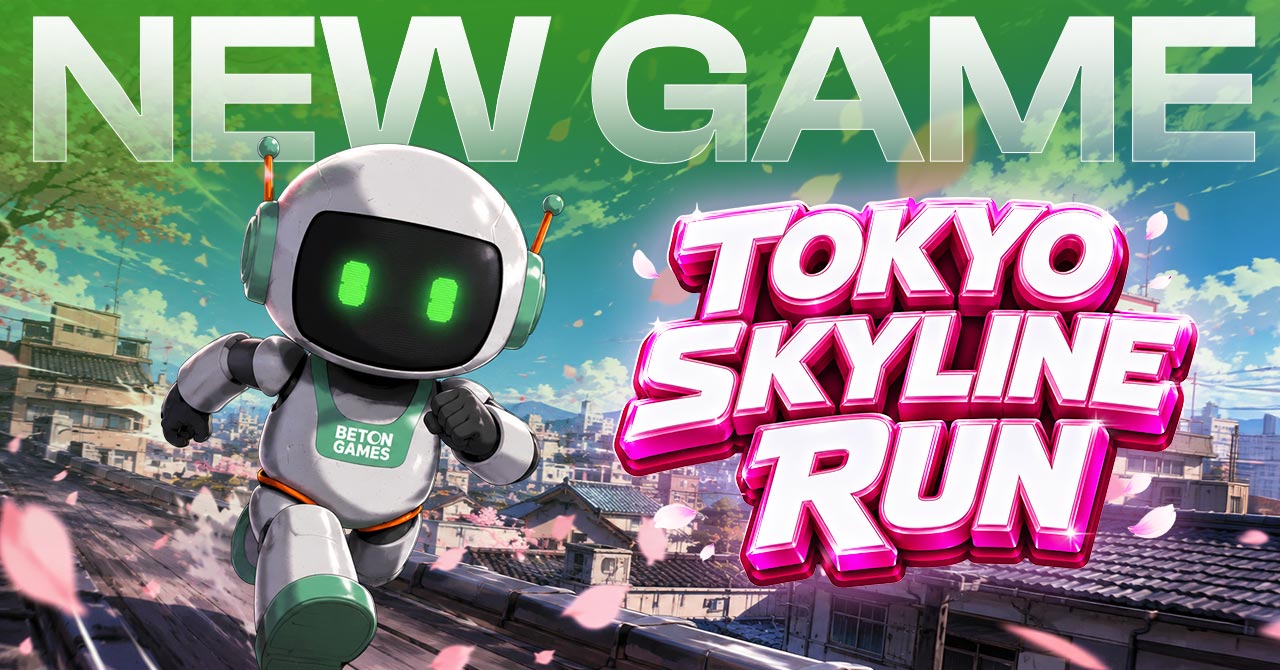
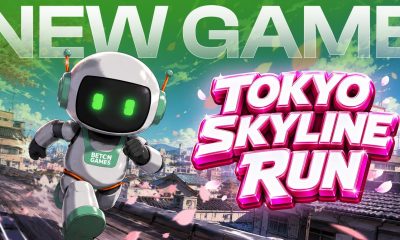
BetOnGames, the instant games vertical of the BETCORE ecosystem, has launched Tokyo Skyline Run, a new crash game aimed at iGaming operators. The company said the mobile-first title ships with a 97.5% RTP and is built around short, fast rounds.
Tokyo Skyline Run is set across a neon Tokyo rooftop backdrop and uses a rising multiplier mechanic. Each round centers on a simple cash-out decision: players start the run, track the multiplier as it climbs, and choose when to cash out before a failure ends the round.
BetOnGames positions the release as a thematic extension to its crash portfolio, using anime-inspired character design and visuals including a neon city atmosphere and cherry blossom elements.
The company said the game is designed for “fast player engagement” and for operators seeking more variety in instant games, particularly for audiences that prefer short sessions and high-tempo gameplay.
The post BetOnGames launches Tokyo Skyline Run crash game with 97.5% RTP appeared first on EE Gaming | Global iGaming & Tech Intelligence Hub.
ai game recommendations
Vegangster Integrates ZingBrain AI for Smart Game Recommendations Across Operator Lobbies

Vegangster has integrated ZingBrain AI‘s smart lobby personalisation into its platform, adding a new layer of game discovery for players across Vegangster-powered brands.
Casino lobbies now feature AI-driven recommendation sections tailored to each player’s preferences, much like those on Spotify or Netflix. Players see personalised rows such as “Picked for You”, “Because You Like…” and “Try Other Games With Similar Mechanics”, which point them to relevant titles. These recommendations can also be presented directly in Vegangster’s own Scroll & Play feed, giving each player a personalised discovery experience in a well-known format.
According to ZingBrain AI’s published results, smart lobby personalisation delivers a 5–15% uplift in GGR and turnover, 10–15% more games played, and a 5–10% increase in player active days, while cutting time spent on lobby management by 80%.
Michael Oziransky, Chief Product Officer at Vegangster, commented:
“ZingBrain works hand in hand with our own Scroll & Play feed: the engine decides which games are right for each player, and Scroll & Play puts them in front of them as gameplay clips they can watch and jump straight into.”
In practice, this changes how the lobby works for both sides. A player who keeps coming back to crash games sees fresh titles with similar mechanics instead of the same generic top grid, and players returning after a break land in a lobby built around what they already love. Operators, meanwhile, stop curating lobby positions by hand: a new game release reaches the players most likely to enjoy it from day one, without competing for a banner slot.
Another application of the engine is provider cost optimisation. Operators set priority levels for individual providers and games based on deals, campaigns, or new launches, and ZingBrain applies those priorities to personalised recommendations. In A/B tests across four brands, this redirected up to 20% of turnover and GGR to more profitable titles, with no drop in player performance.
The integration is now available to all Vegangster operator clients.
About Vegangster
Vegangster provides a full iGaming platform built for speed, scale, and operator control. Its turnkey, white-label, and sweepstakes solutions bring casino and sportsbook content, payments, CRM, compliance, and social features together in one mobile-first system. With Vegangster, operators can launch quickly and grow with confidence.
About ZingBrain AI
ZingBrain AI is an easy-to-integrate AI performance platform for the iGaming industry, providing smart lobby personalisation, player analytics, and churn and GGR predictions for online casinos and sportsbooks. The company is ISO 27001 certified and works with 60 live brands worldwide.
The post Vegangster Integrates ZingBrain AI for Smart Game Recommendations Across Operator Lobbies appeared first on EE Gaming | Global iGaming & Tech Intelligence Hub.

-

 Affiliate Industry6 days ago
Hub Affiliations Triumphs at the iGB Affiliate Awards 2026: Winner of Programme/Network Campaign of the Year
-
Latest News6 days ago
N1 Partners at iGB L!VE 2026: Bringing Together Affiliates, Art and Innovation
-
Austria6 days ago
Austrian Brand Value Study: NOVOMATIC Defends Top Ranking
-
Africa6 days ago
PopOK Gaming sponsors Botswana’s TT Cup Challenge horse racing event
-
Betsson CEO Pontus Lindwall6 days ago
Gaming in the Nordics launch event sets annual Copenhagen conference from 2027
-
Amusnet6 days ago
Amusnet Releases its Latest Video Slot “Golden Snake”
-
Azerbaijani Parliament6 days ago
Azerbaijan to Impose Tougher Penalties for Illegal Online Gambling
-
Amusnet6 days ago
Weekend Reels | Week 27: Slot Drops & Trends