Latest News
Betting on the Super Bowl LX Winner: Events Contracts vs Sports Betting

The NFL regular season is about to start in early September, but all eyes are on Super Bowl LX, the end of the journey. It will kick off on February 8, 2026, at Levi’s Stadium in Santa Clara, California, where the San Francisco 49ers play their home games. And that’s pretty much all we know about it, for now. Who’s going to play at the halftime show? (Taylor Swift?) What epic TV commercials will be aired (and how much will 30 seconds of airtime cost?) are all unknown.
Another Super Bowl question that has sparked debate as the NFL season is about to kick off is how millions of US fans who want a piece of the action will back their favorite to win. Will they do it through sports betting, which is now legal in most US states, or will they buy event contracts, a new product that is exploding on the internet nowadays, with regulation and legality causing heated debates in courts across the country?
The partnership US betting powerhouse FanDuel announced with event-contract giant CME shows how the industry is trying to navigate an entirely different regulatory universe. The Super Bowl, being one of the largest betting events on the planet, will also determine how these two universes will collide or coexist.
Although many people think sports betting and events contracts are similar, they are two very different beasts.
A traditional sports bet is speculative and meant for entertainment, based on a zero-sum wager between the sportsbook and bettor. Although some bettors apply knowledge and strategy, it is considered gambling, with results being purely up to chance. At the same time, event contracts companies argue that their product has a legitimate hedging function that, although it bears risk, is considered investment risk undertaken for economic purposes.
When placing a bet with a sportsbook, the bettor’s relationship and risk are solely with the sportsbook, which manages the risks, sets up the betting lines, adjusts the odds, and pays out large wins or collects losses. Event contracts are traded between members of a community, facilitated by a centralized exchange platform that doesn’t take part in the trade but rather facilitates transactions between buyers and sellers. Whereas a bookmaker determines odds in traditional betting, event contracts on an exchange platform are priced by market demand.
A bet will typically be binary and held until it expires (or cashed out early). For example, you can bet on the Pittsburgh Steelers to win against the New York Jets in the first gameday of these two teams this season. You will then win or lose based on the odds that were offered when you locked the bet. Event contracts are tradable, and their pricing will fluctuate depending on market conditions. For example, you can buy a contract for “Joe Burrow to win season MVP” and sell it months later at a profit if his odds improve, or alternatively, offload it at a loss if Burrow gets injured and his odds diminish.
Another huge difference is how event contracts are regulated compared to traditional NFL betting. Since the US Supreme Court annulled PASPA (the Professional and Amateur Sports Protection Act of 1992), each US state can regulate its own sports betting market. The regulators’ primary focus is to ensure operator integrity, protect customers from fraud, and put in place mechanisms to prevent and treat problem gambling.
Event contracts are regulated by the Commodity Futures Trading Commission (CFTC), a federal agency that is more focused on ensuring market integrity, preventing market manipulation, and protecting investors from a seismic market shift. It is rarely concerned with protecting individual investors from addiction and the prevention of loss from excessive trading.
The introduction of event contracts isn’t an evolution of sports betting. It is a big bang, representing the creation of an entirely new marketplace that operates under a different legal framework and a different set of values. Traditional betting lives in the sphere of entertainment and individual player protection, whereas event contracts exist in the world of investment and financial-market transparency and integrity.
The outcome of this regulatory debate will determine whether betting on the NFL and other major league sports will stay within the sportsbook space or expand into financial trading markets.
The post Betting on the Super Bowl LX Winner: Events Contracts vs Sports Betting appeared first on Gaming and Gambling Industry in the Americas.










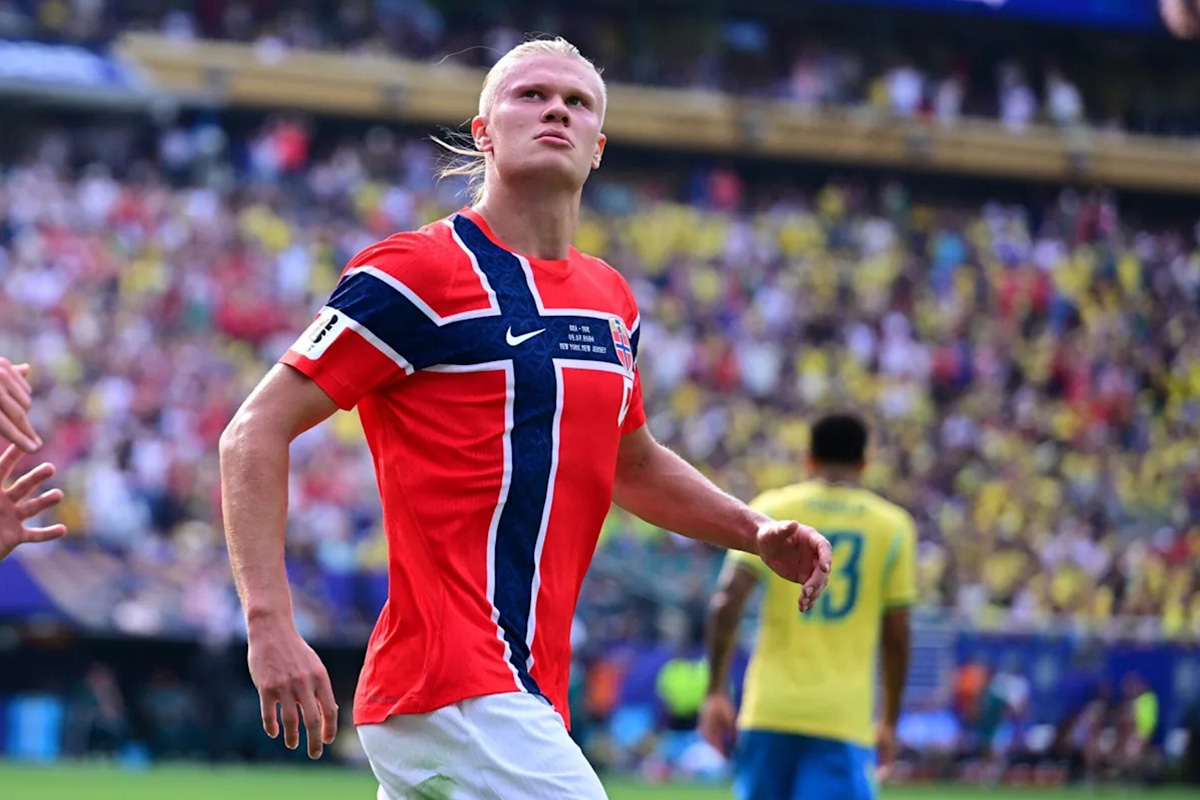
Haaland
International bettors back Haaland’s Norway to beat England in World Cup Quarter Final Clash

Kaizen Gaming shares Betano users’ predictions on teams heading to the World Cup semi-finals
As the World Cup moves into the last eight stage, Kaizen Gaming unveils exclusive proprietary data from its Betano platform, which reveals Argentina, Norway, Spain and France as the most backed teams by users globally to progress into the semi-finals.
Predicting the teams to qualify to the semi-finals (selections from the “To Qualify” market):
- Norway backed by 75% of users to qualify over England
- Argentina favoured by 80% of users to win over Switzerland
- Spain narrowly predicted to come out on top over Belgium with 55% of users’ bets
- France has been selected by 67% of users to pass through Morocco
With regards to two of the biggest surprises of the tournament this far, Brazil’s defeat to Norway and Germany’s elimination by Paraguay, it seems that for Betano users the shock wasn’t that big. In fact, 42% of users had seen Paraguay’s qualification coming, and 45% had predicted Norway getting through Brazil to reach the quarterfinals.
*The data shared has been extracted on the morning of July 8, 2026 from across 18 markets, excluding the UK. The international data sources may vary according to betting option availability per market.
The post International bettors back Haaland’s Norway to beat England in World Cup Quarter Final Clash appeared first on EE Gaming | Global iGaming & Tech Intelligence Hub.

PG Soft, a world-class digital mobile games company, has appointed Hugo Baungartner as General Manager LatAm to accelerate its continued success across the region. Baungartner will be responsible for driving PG Soft’s commercial expansion across Latin America, while leading the games provider’s strategy in Brazil where it has already captured a significant share of the market. Brazil continues to enjoy strong growth and is entering a pivotal phase in the regulation of its gaming sector, with the latest election on the horizon. With over 29 years in technology and gaming, Baungartner has previously held leadership roles at Grupo Aposta Ganha, RCT Gaming, Prohards and most recently Esportes Gaming Brasil.
During his time in the industry, Baungartner has built an extensive network across Latin America’s regulatory landscape, forging strong relationships with key regulators, industry associations and public bodies, including Brazil’s Secretariat of Prizes and Betting (SPA/MF), the Federal Revenue Service, and COAF, as well as Mexico’s Dirección General de Juegos y Sorteos and AIEJA (the Mexican Gaming Association).
PG Soft’s continued support of major regional events, including its sponsorship of BiS SiGMA South America earlier this year in São Paulo, further highlights the company’s long-term commitment to Brazil and the wider Latin American market.
Hugo Baungartner, General Manager LatAm at PG Soft, commented: “PG Soft’s brand needs no introduction in Latin America thanks to its extensive portfolio of world-class, mobile-first games that resonate strongly with players. The company is only just getting started in the region, and I look forward to building on its success in Brazil while expanding PG Soft’s presence across regulated markets throughout Latin America.”
The post PG Soft names Hugo Baungartner as General Manager LatAm appeared first on Americas iGaming & Sports Betting News.
-
Partnership supports BC.GAME’s continued investment in the regulated Mexican market
-
Ochoa will front football-led brand activity, local promotions and fan engagement for BCGAME.mx
-
Agreement comes during a landmark summer for football across Mexico, the United States and Canada
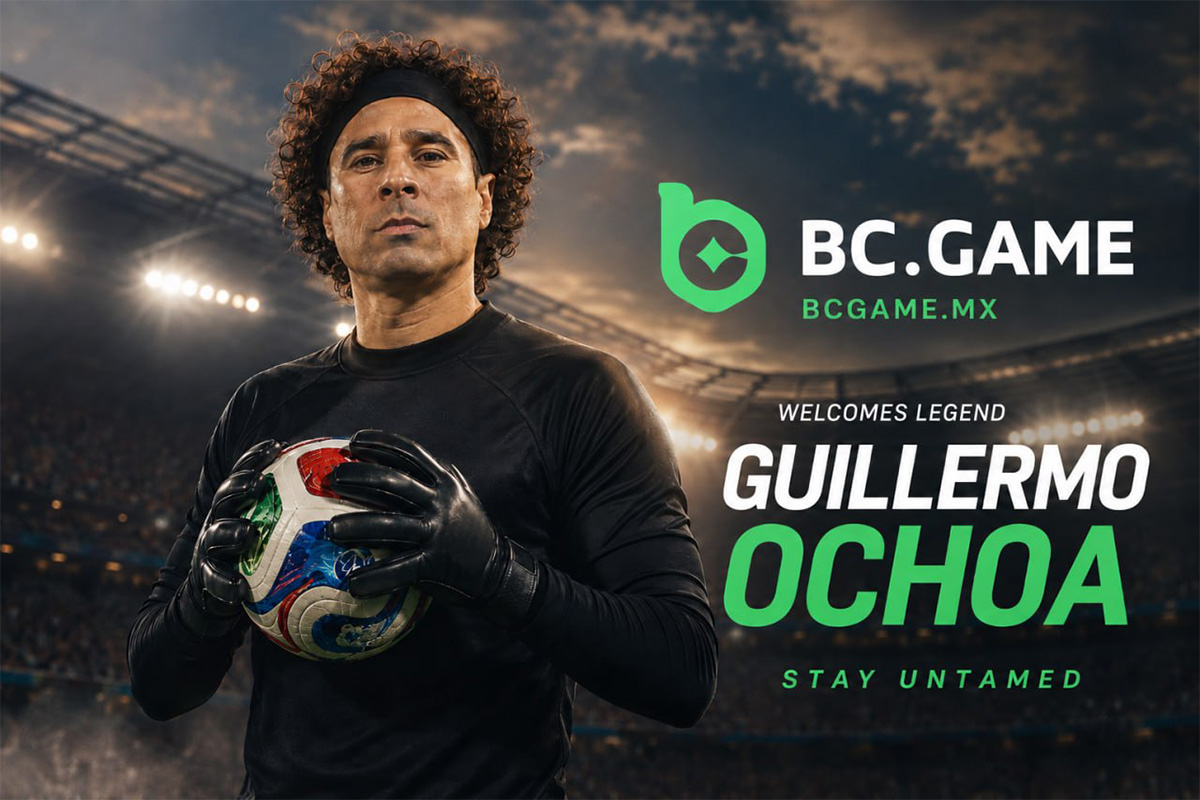
BC.GAME has announced the signing of Mexican football legend Guillermo “Memo” Ochoa as brand ambassador, as the global online entertainment platform continues to build its presence in Mexico through BCGAME.mx.
The partnership represents a significant step in BC.GAME’s localised growth strategy, with Ochoa set to support football-led brand communications, promotions and fan engagement activity designed specifically for Mexican audiences.
As one of the most recognisable figures in Mexican football, Ochoa brings strong local credibility and international profile to BC.GAME at a time when football culture in Mexico is attracting heightened global attention.
For BC.GAME, the agreement is intended to strengthen brand awareness and trust around BCGAME.mx, its licensed platform for the Mexican market, while supporting the company’s wider strategy of building closer connections with users in regulated markets through sport, esports and entertainment partnerships.
Kar Kheng Giam, CEO of BC.GAME, said: “Mexico is an important market for BC.GAME, and localisation is central to how we build meaningful relationships with users.
“Guillermo Ochoa is more than an outstanding goalkeeper. He is a figure who genuinely connects with Mexican football fans across generations, and that makes him an ideal ambassador for BCGAME.mx.
“As we continue to invest in our platform for the Mexican market, we want to work with partners who understand the culture, passion and community around football. Ochoa’s profile, professionalism and connection with fans make him a natural fit for BC.GAME.”
Known to fans as “Memo”, Ochoa has been one of the defining Mexican footballers of his generation. His long-standing role with the national team, standout performances in major international tournaments and club career across Mexico and Europe have made him a familiar name to football fans around the world.
Through the partnership, Ochoa will appear across BC.GAME’s Mexican market activity, including football-themed content, localised promotions and fan engagement campaigns for BCGAME.mx.
Guillermo Ochoa said: “I am very happy to partner with BC.GAME at such a special time for Mexican football.
“Football has always been about passion, community and shared experiences. I look forward to working with BC.GAME and BCGAME.mx to connect with fans in new ways.”
The signing adds to BC.GAME’s growing sports entertainment strategy, which has seen the brand expand its presence through football, esports and wider entertainment partnerships.
BC.GAME continues to develop its brand in markets where it is permitted to operate, with responsible gaming remaining an important part of its platform experience.
The post BC.GAME signs Guillermo Ochoa to support Mexico growth strategy appeared first on Americas iGaming & Sports Betting News.

-

 Affiliate Industry6 days ago
Hub Affiliations Triumphs at the iGB Affiliate Awards 2026: Winner of Programme/Network Campaign of the Year
-
Austria6 days ago
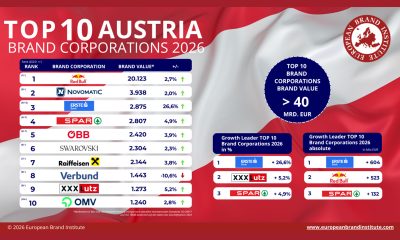
Austrian Brand Value Study: NOVOMATIC Defends Top Ranking
-
Latest News6 days ago
N1 Partners at iGB L!VE 2026: Bringing Together Affiliates, Art and Innovation
-
Amusnet6 days ago
Amusnet Releases its Latest Video Slot “Golden Snake”
-
Africa6 days ago
PopOK Gaming sponsors Botswana’s TT Cup Challenge horse racing event
-
Betsson CEO Pontus Lindwall6 days ago
Gaming in the Nordics launch event sets annual Copenhagen conference from 2027
-
Azerbaijani Parliament6 days ago
Azerbaijan to Impose Tougher Penalties for Illegal Online Gambling
-
Amusnet6 days ago
Weekend Reels | Week 27: Slot Drops & Trends