Latest News
MGA Publishes its 2024 Annual Report and Financial Statements


The Malta Gaming Authority (MGA) has published its Annual Report and audited Financial Statements for the financial year ending 31 December 2024. The report offers an in-depth overview of the performance of Malta’s land-based and online gaming sectors during 2024, while also highlighting the Authority’s key activities and regulatory developments over the past year. It also offers a medium-term outlook for the broader gaming industry, reflecting emerging trends, regulatory shifts and the evolving market landscape.
Key Highlights from 2024
Supervisory Activity & Enforcement
In 2024, the MGA received 28 applications for new gaming licences and issued 17 licences. In addition, the Authority received a further 12 gaming licence renewal applications from operators to renew their gaming licence that was bound to expire in 2024 and issued eight licence renewals.
Low-risk games require a permit, which is valid only for a singular event and expires when the event is concluded. To this end, the MGA issued 1812 permits for non-profit tombola, 19 permits for non-profit lottery and 84 certificates for commercial communication games.
As part of the Authority’s process to assess applications, the MGA carried out just under 1200 criminal probity screening checks on authorised persons, persons holding qualifying interest, directors, key persons and any third parties providing funding or exercising control over an authorised person in both the land-based and online gaming sectors. The Fit and Proper Committee made 64 decisions, 16 of which determined that the criteria to be considered as fit and proper were not met.
The Supervisory Council reviewed 30 gaming licence applications, including new and renewal requests. Out of these, two applications were rejected on the grounds that information or submissions provided were false, misleading, inaccurate, or materially incomplete following the completion of the “Minded Letter” process. One application remained in the “Minded to Refuse” stage.
In 2024, the MGA concluded 13 compliance audits and 116 desktop reviews.
The Authority was notified by the licensees of 123 Technical Information Security Incidents, which the MGA investigated to ensure that no licensed activity was adversely affected.
The Commercial Communications Committee took seven decisions regarding possible breaches of the Gaming Commercial Communications Regulations.
In 2024, the Authority also issued 35 warnings, 25 administrative penalties amounting to €306,250 and reached three regulatory settlements amounting to €61,522. The MGA also suspended two licences and cancelled eight.
AML/CFT Oversight
43 AML/CFT compliance examinations were initiated by the FIAU or by the MGA on its behalf.
60 examinations were concluded, and 11 closure letters were issued to licensees who either addressed the identified issues or where the findings from the compliance examinations were not deemed to be serious and/or systematic.
The FIAU imposed remediation measures and/or administrative penalties on six licensees. The total administrative penalties issued amounted to just under €185,000.
The Authority conducted 37 interviews on prospective MLROs to ensure that candidates meet the required standards of knowledge and awareness of the Maltese AML/CFT legal framework.
Player Protection and Inspections
As part of its efforts to safeguard players and promote responsible gambling, the MGA resolved 3372 requests for assistance (including spill-over from 2023).
To continue safeguarding player funds, the Authority received 1897 player funds reports and carried out 27 data extractions during the reporting period.
The Authority conducted 40 responsible gambling-themed website checks and issued 27 observation letters outlining the issues and areas for improvement.
The MGA investigated 83 cases involving websites that published misleading information and issued 29 public notices on its website.
During the reporting period, the MGA carried out just over 9000 inspections on Gaming Premises (including casinos and commercial bingo halls), Controlled Gaming Premises, National Lottery Outlets including National Lottery Outlets – Controlled Gaming Premises and Non-Profit Tombola.
National and International Cooperation
In 2024, the MGA received 244 suspicious betting reports from licensees and shared 247 alerts on suspicious betting. The Authority participated in 30 investigations across different jurisdictions.
The MGA collaborated with enforcement agencies, sports governing bodies, integrity units and regulatory authorities on 31 requests for information and participated in 39 data exchanges.
The MGA received 85 requests for international collaboration from other regulators. Most of the requests received were generic requests for cooperation or requests for background checks as part of authorisations processes.
The Authority issued 59 official replies to provide feedback on the regulatory standing of its licensed operators to the relevant authorities requesting the information.
The MGA collaborated with local regulating authorities and governing bodies on 161 requests for information.
“Resilience is not just about endurance – it’s about adapting with purpose and staying focused on what matters,” CEO Charles Mizzi said.
“Over the past year, we improved how we work, strengthened our internal processes, and continued investing in the people and systems that support effective regulation. As the sector continues to evolve, the MGA remains committed to anticipating challenges, adapting with purpose, and upholding the standards that define Malta’s reputation as a trusted jurisdiction.”
The post MGA Publishes its 2024 Annual Report and Financial Statements appeared first on European Gaming Industry News.










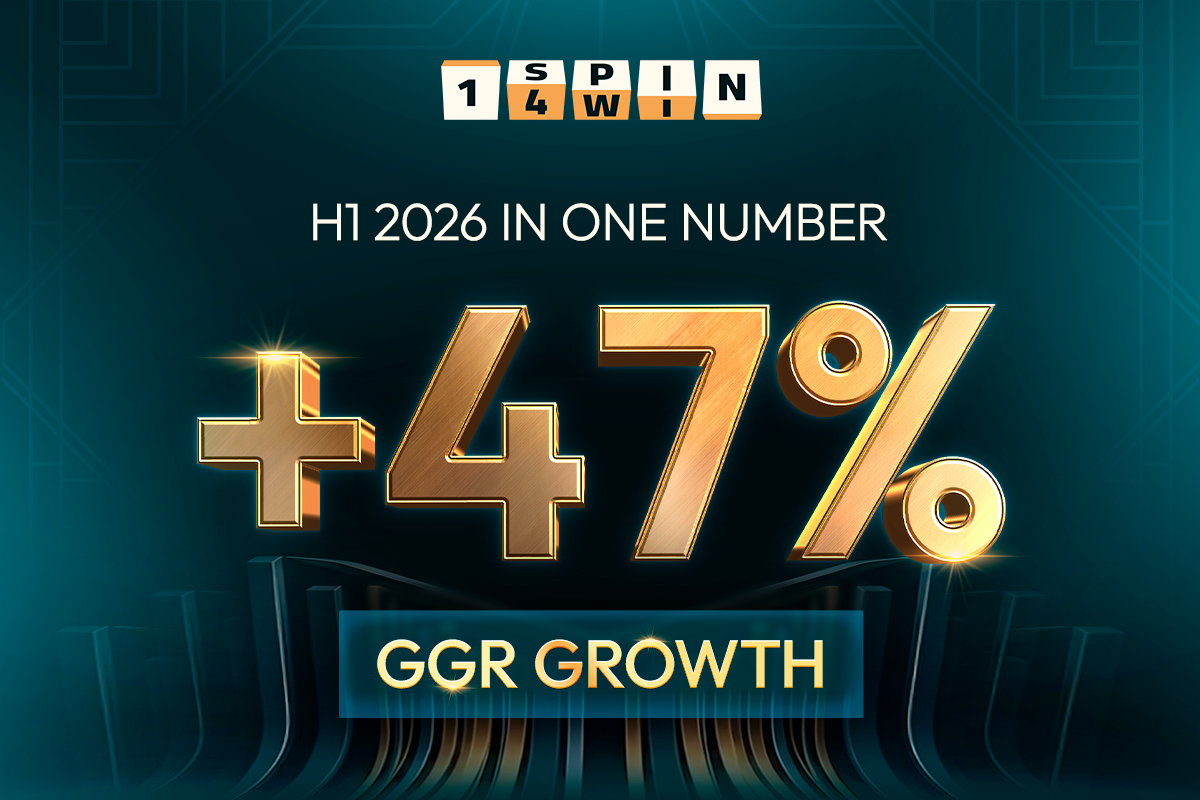
1spin4win, an established classic online slot provider, closes the first half of the year by revealing key performance results and the most significant milestones.
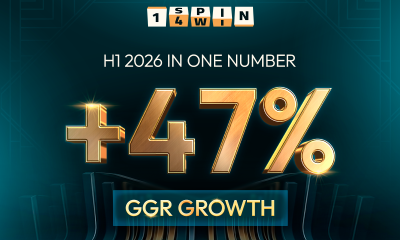
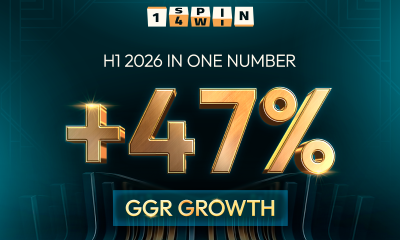
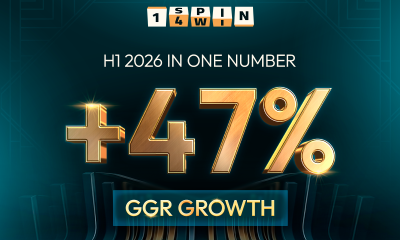
The first six months of 2026 have marked a period of strong growth for the studio. Compared to H1 2025, 1spin4win recorded a 47% increase in GGR, while bet count rose by 46.66%.
The provider also saw a significant increase in player activity. In H1 2026, player count surged by 59.06%, and new player count jumped by 50.15% compared to the first half of last year. These numbers reflect 1spin4win’s ability to keep global audiences engaged through new mechanics, regular game releases, and simple gameplay.
Partner growth has also been an important part of this success. Today, 1spin4win works with over 1,000 recognized iGaming brands, including STAKE.MX, 1win, LevelUP, BitStarz, gg.bet, WinSpirit, mBit, Pin-Up, 1xBet, PlayAmo, to name a few. This broad network reinforces the company’s reputation as a trusted provider across international markets.
The latest results also highlighted the success of 1spin4win’s expansion strategy across Latin America and Africa. Both markets remain important directions for the studio, where its mobile-first, easy-to-follow slots resonate perfectly well with local preferences. In H1 2026, compared to H2 2025, the provider’s GGR increased by 45.45% in Africa and 27.68% in LatAm.
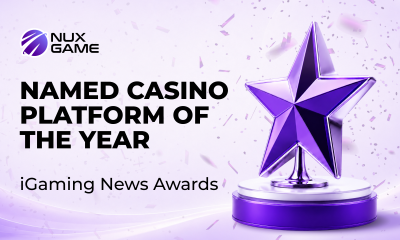
This momentum has also been recognized by the wider professional industry. During iGB L!VE, 1spin4win was named Slot Studio of the Year at the inaugural iGaming News Awards, highlighting the studio’s strong slot offering and continued growth.
Olga Hlukhovskaya, Business Development Director at 1spin4win, shared, “We are proud of the results achieved. For us, these numbers are not only about our own success — they show that our games continue to bring value to operators by keeping their audiences active and engaged across different markets. Moving forward, we will continue strengthening this value through regional development, tailored partner support, and high-performing content that stays true to what players enjoy about classic slots.”
About 1spin4win
1spin4win is a fast-growing game provider founded in May 2021 by ambitious developers with over 20 years of experience in the gambling industry. Since its inception, the company has expanded its portfolio to include over 200 classic online slots, all characterized by quality mathematics, transparent mechanics, and well-balanced gameplay — key factors that drive strong player retention. The studio aims to release an average of four new games each month in 2026 and offers effective promotional tools for casino operators to help them enhance player loyalty.
The post 1spin4win achieves strong H1 2026 growth with GGR up 47% year over year appeared first on EE Gaming | Global iGaming & Tech Intelligence Hub.

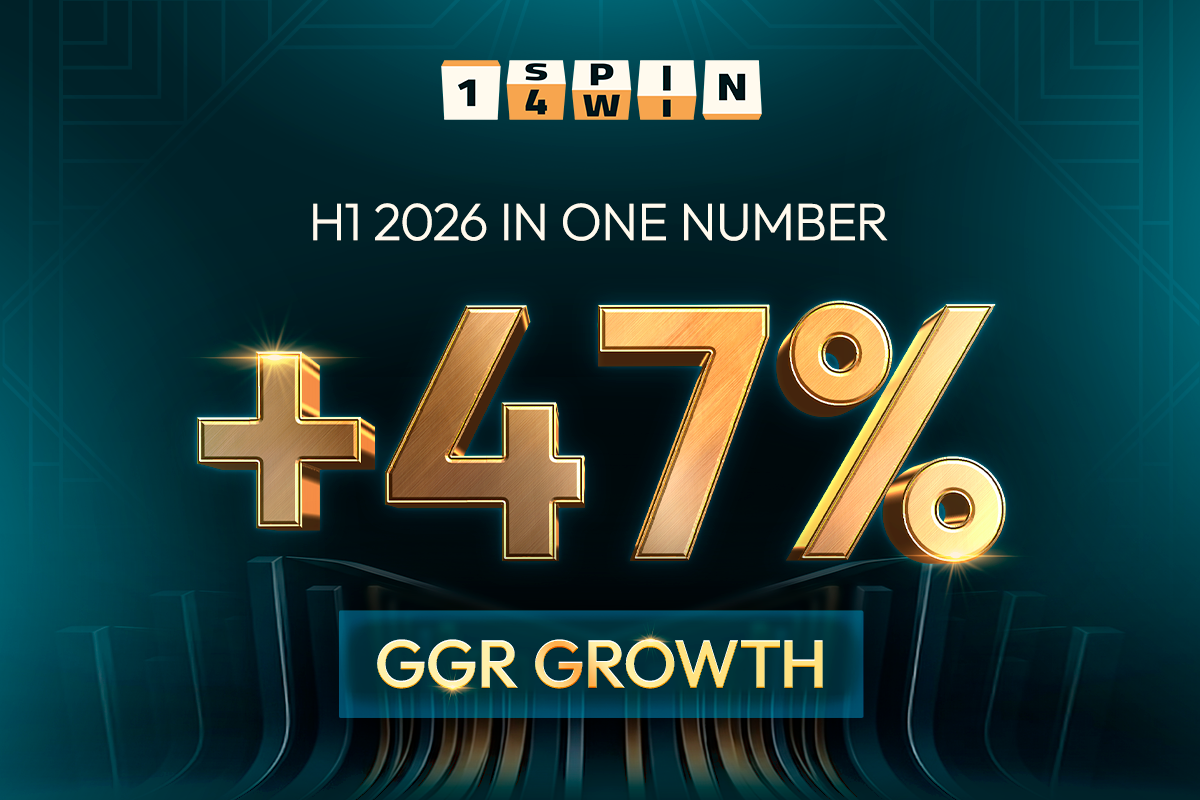
1spin4win, an established classic online slot provider, closes the first half of the year by revealing key performance results and the most significant milestones.
The first six months of 2026 have marked a period of strong growth for the studio. Compared to H1 2025, 1spin4win recorded a 47% increase in GGR, while bet count rose by 46.66%.
The provider also saw a significant increase in player activity. In H1 2026, player count surged by 59.06%, and new player count jumped by 50.15% compared to the first half of last year. These numbers reflect 1spin4win’s ability to keep global audiences engaged through new mechanics, regular game releases, and simple gameplay.
Partner growth has also been an important part of this success. Today, 1spin4win works with over 1,000 recognized iGaming brands, including STAKE.MX, 1win, LevelUP, BitStarz, gg.bet, WinSpirit, mBit, Pin-Up, 1xBet, PlayAmo, to name a few. This broad network reinforces the company’s reputation as a trusted provider across international markets.
The latest results also highlighted the success of 1spin4win’s expansion strategy across Latin America and Africa. Both markets remain important directions for the studio, where its mobile-first, easy-to-follow slots resonate perfectly well with local preferences. In H1 2026, compared to H2 2025, the provider’s GGR increased by 45.45% in Africa and 27.68% in LatAm.
This momentum has also been recognized by the wider professional industry. During iGB L!VE, 1spin4win was named Slot Studio of the Year at the inaugural iGaming News Awards, highlighting the studio’s strong slot offering and continued growth.
Olga Hlukhovskaya, Business Development Director at 1spin4win, shared, “We are proud of the results achieved. For us, these numbers are not only about our own success — they show that our games continue to bring value to operators by keeping their audiences active and engaged across different markets. Moving forward, we will continue strengthening this value through regional development, tailored partner support, and high-performing content that stays true to what players enjoy about classic slots.”
About 1spin4win
1spin4win is a fast-growing game provider founded in May 2021 by ambitious developers with over 20 years of experience in the gambling industry. Since its inception, the company has expanded its portfolio to include over 200 classic online slots, all characterized by quality mathematics, transparent mechanics, and well-balanced gameplay — key factors that drive strong player retention. The studio aims to release an average of four new games each month in 2026 and offers effective promotional tools for casino operators to help them enhance player loyalty.
The post 1spin4win achieves strong H1 2026 growth with GGR up 47% year over year appeared first on Americas iGaming & Sports Betting News.

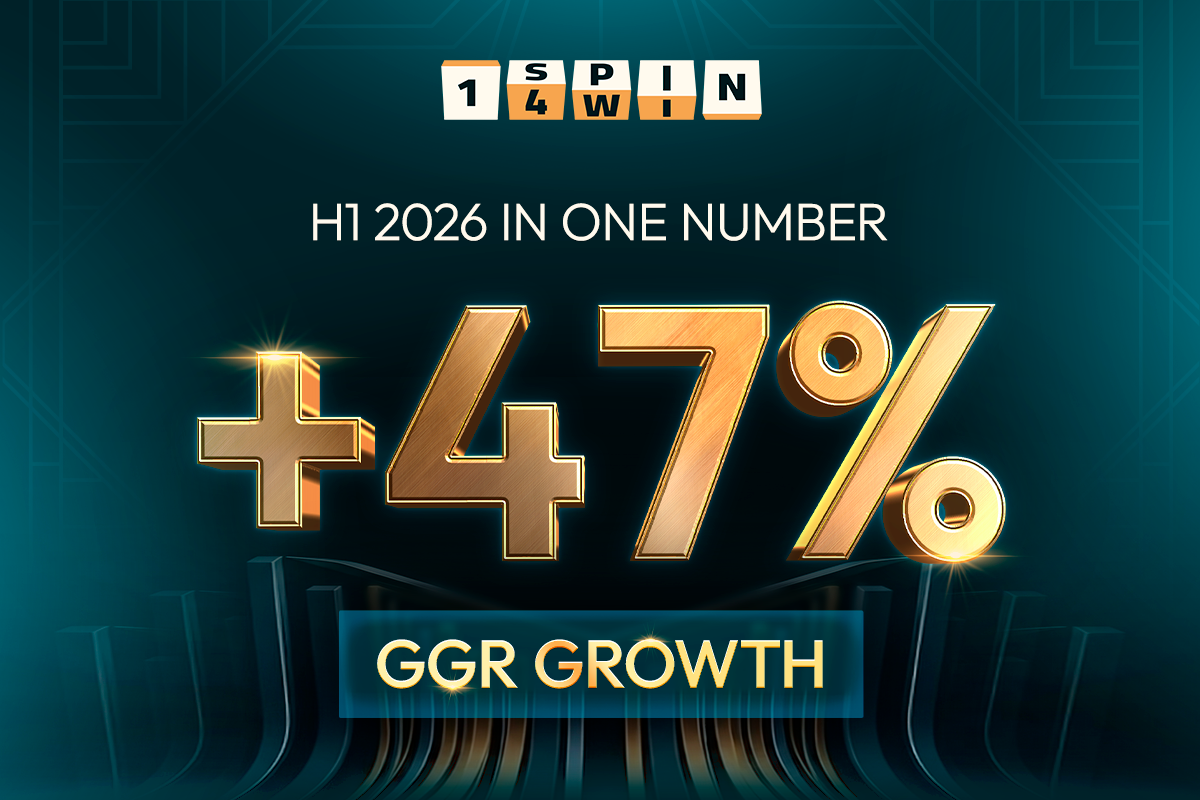
1spin4win, an established classic online slot provider, closes the first half of the year by revealing key performance results and the most significant milestones.
The first six months of 2026 have marked a period of strong growth for the studio. Compared to H1 2025, 1spin4win recorded a 47% increase in GGR, while bet count rose by 46.66%.
The provider also saw a significant increase in player activity. In H1 2026, player count surged by 59.06%, and new player count jumped by 50.15% compared to the first half of last year. These numbers reflect 1spin4win’s ability to keep global audiences engaged through new mechanics, regular game releases, and simple gameplay.
Partner growth has also been an important part of this success. Today, 1spin4win works with over 1,000 recognized iGaming brands, including STAKE.MX, 1win, LevelUP, BitStarz, gg.bet, WinSpirit, mBit, Pin-Up, 1xBet, PlayAmo, to name a few. This broad network reinforces the company’s reputation as a trusted provider across international markets.
The latest results also highlighted the success of 1spin4win’s expansion strategy across Latin America and Africa. Both markets remain important directions for the studio, where its mobile-first, easy-to-follow slots resonate perfectly well with local preferences. In H1 2026, compared to H2 2025, the provider’s GGR increased by 45.45% in Africa and 27.68% in LatAm.
This momentum has also been recognized by the wider professional industry. During iGB L!VE, 1spin4win was named Slot Studio of the Year at the inaugural iGaming News Awards, highlighting the studio’s strong slot offering and continued growth.
Olga Hlukhovskaya, Business Development Director at 1spin4win, shared, “We are proud of the results achieved. For us, these numbers are not only about our own success — they show that our games continue to bring value to operators by keeping their audiences active and engaged across different markets. Moving forward, we will continue strengthening this value through regional development, tailored partner support, and high-performing content that stays true to what players enjoy about classic slots.”
About 1spin4win
1spin4win is a fast-growing game provider founded in May 2021 by ambitious developers with over 20 years of experience in the gambling industry. Since its inception, the company has expanded its portfolio to include over 200 classic online slots, all characterized by quality mathematics, transparent mechanics, and well-balanced gameplay — key factors that drive strong player retention. The studio aims to release an average of four new games each month in 2026 and offers effective promotional tools for casino operators to help them enhance player loyalty.

-

 Latest News6 days ago
BetMakers Technology Group Selected to Distribute ATG Horse Racing Content Across Australia and New Zealand
-
Latest News7 days ago
Belatra signs cooperation deal to distribute slots via VeliGames
-
Compliance Updates7 days ago
Pernambuco court revokes Spribe’s interim relief in Aviator trademark dispute
-
Compliance Updates6 days ago
ACMA Warns MMA Fighter Jamie Mullarkey for Breaches of Online Gambling Laws
-
 Compliance Updates4 days ago
Arizona Department of Gaming Issues Cease-and-Desist Orders to Multiple Operators Linked to Underage Gambling and Illegal Activity
-
Latest News5 days ago
PG Soft appoints Hugo Baungartner as General Manager LatAm
-
Canada6 days ago
Gaming Corps expands Entain partnership with major Canadian rollout
-
Latest News6 days ago
DEGEN Studios unleashes the Plague City chase