Latest News
Online Gambling Regulations in Europe


The European online gambling market is one of the most lucrative and dynamic in the world, attracting millions of players and hundreds of licensed operators. However, unlike other industries that follow uniform regulations across the European Union (EU), gambling laws differ significantly from one country to another. Each nation has the autonomy to establish its own rules, licensing procedures, and player protection measures, making the regulatory landscape both diverse and complex.
Alt text: Man playing with poker chips and cards.
For players and operators alike, understanding these legal frameworks is essential to ensuring compliance and a safe gaming experience. Whether you’re a casual player looking for licensed platforms or an investor exploring the market, knowing the ins and outs of European gambling laws is key. That’s why many prefer to play at EU casinos that adhere to strict national and international regulations, ensuring fair play and security.
The European Union’s Stance on Online Gambling
The European Union (EU) does not impose a standardized regulatory system for online gambling across its member states. Instead, each country retains the autonomy to craft and enforce its own laws governing gambling activities. This approach acknowledges the principle of subsidiarity, allowing nations to regulate gambling in a manner that aligns with their societal values and public policy objectives. Consequently, the legal status and regulatory requirements for online gambling vary significantly across the EU.
Country-Specific Regulatory Frameworks
United Kingdom
The United Kingdom maintains a comprehensive regulatory framework for online gambling, primarily governed by the Gambling Act 2005 and overseen by the UK Gambling Commission (UKGC). In April 2023, the government published a white paper titled “High Stakes: Gambling Reform for the Digital Age,” outlining significant reforms to modernize gambling regulations. One key proposal is the introduction of a statutory levy on all licensed gambling operators, set to commence in April 2025. This levy aims to fund research, prevention, and treatment of gambling-related harms, with rates varying depending on the sector and nature of the gambling activity.
Germany
Germany’s online gambling landscape has undergone significant changes with the enactment of the Interstate Treaty on Gambling (ISTG) 2021. This treaty permits the federal licensing of sports betting, virtual slot machines, and online poker. Notably, online slot stakes are capped at €1 per spin to promote responsible gambling. The regulation of traditional online casino games, such as roulette and blackjack, is delegated to individual states, resulting in varied rules and licensing requirements across the country. The Joint Gambling Authority (GGL) serves as the central regulatory body, ensuring compliance and overseeing licensed operators.
France
In France, the online gambling market is regulated by the National Gaming Authority (Autorité Nationale des Jeux – ANJ), established under the French Gambling Act 2010. The legislation permits online betting on sports, horse racing, and poker, while online casino games like slots and roulette remain prohibited. Operators must secure a license from the ANJ and comply with strict regulations to protect consumers and uphold gaming integrity.
Spain
Spain’s online gambling activities are governed by the Spanish Gambling Act, with oversight provided by the Directorate General for the Regulation of Gambling (Dirección General de Ordenación del Juego – DGOJ). The act legalizes various forms of online gambling, including sports betting, poker, and casino games. Licensed operators are required to implement measures promoting responsible gambling and ensuring the protection of vulnerable individuals.
Italy
Italy has embraced a regulated online gambling market, with the Autonomous Administration of the State Monopolies (AAMS) responsible for licensing and supervision. The regulatory framework permits a broad spectrum of online gambling activities, including poker, casino games, and sports betting. Operators must adhere to the provisions of the Finance Act, which has been amended over time to accommodate the evolving gambling landscape.
Netherlands
The Netherlands introduced the Remote Gambling Act to regulate online gambling, with the Dutch Gambling Authority (Kansspelautoriteit – KSA) serving as the regulatory body. The act allows operators to obtain licenses to offer online sports betting, casino games, and poker to Dutch residents. The KSA enforces strict guidelines to ensure player protection, game fairness, and the prevention of gambling addiction.
Malta
Malta stands out as a hub for online gambling operators, largely due to its comprehensive regulatory framework and favorable business environment. The Malta Gaming Authority (MGA), established under the Gaming Act 2018, licenses and regulates a wide array of online gambling activities. The MGA has taken decisive actions, including revoking licenses of non-compliant operators to uphold the integrity of the gaming industry.
Ireland
Ireland’s approach to online gambling regulation has been evolving, with the passage of the Gambling Regulation Act in October 2024 marking a significant milestone. This legislation led to the creation of the Gambling Regulatory Authority of Ireland (GRAI), tasked with overseeing both online and land-based gambling activities. The GRAI aims to establish a robust regulatory environment that safeguards players and ensures fair play across all gambling platforms.
Common Regulatory Themes Across Europe
Despite the diversity in regulatory approaches, several common themes emerge across European countries:
- Licensing Requirements: Operators are generally required to obtain a license from the relevant national authority to offer gambling services legally. This process involves rigorous vetting to ensure the operator’s suitability and commitment to maintaining industry standards.
- Player Protection Measures: Regulations often mandate the implementation of measures to protect players from gambling-related harm. This includes self-exclusion options, deposit limits, and access to support services for problem gambling.
- Anti-Money Laundering (AML) Compliance: Operators must adhere to strict AML protocols to prevent the misuse of gambling platforms for illicit financial activities. This involves customer verification processes and the monitoring of transactions for suspicious activity.
- Advertising and Promotion Controls: Many jurisdictions impose restrictions on the advertising of gambling services to prevent targeting vulnerable populations and to promote responsible marketing practices.
The Role of the European Gaming and Betting Association (EGBA)
The European Gaming and Betting Association (EGBA) advocates for a well-regulated and competitive online gambling market in the EU. Representing top operators, it works with national and EU authorities to align regulations and encourage industry best practices. The EGBA prioritizes consumer protection, responsible gambling, and maintaining integrity in gaming operations.
The Future of Online Gambling Regulation in Europe
The European online gambling industry is constantly evolving, with regulatory changes being introduced regularly. Some trends shaping the future include:
Tighter Responsible Gambling Controls: More countries are adopting affordability checks and restrictions on VIP programs.
Cross-Border Licensing Discussions: The EU may push for more harmonization of gambling laws, though this remains a challenge.
New Technologies: AI, blockchain, and cryptocurrency gambling may introduce new regulatory challenges in the coming years.
As European gambling laws continue to shift, both players and operators need to stay informed. Playing at licensed platforms and understanding national regulations is the best way to ensure a safe and fair gaming experience.
The post Online Gambling Regulations in Europe appeared first on Gaming and Gambling Industry in the Americas.










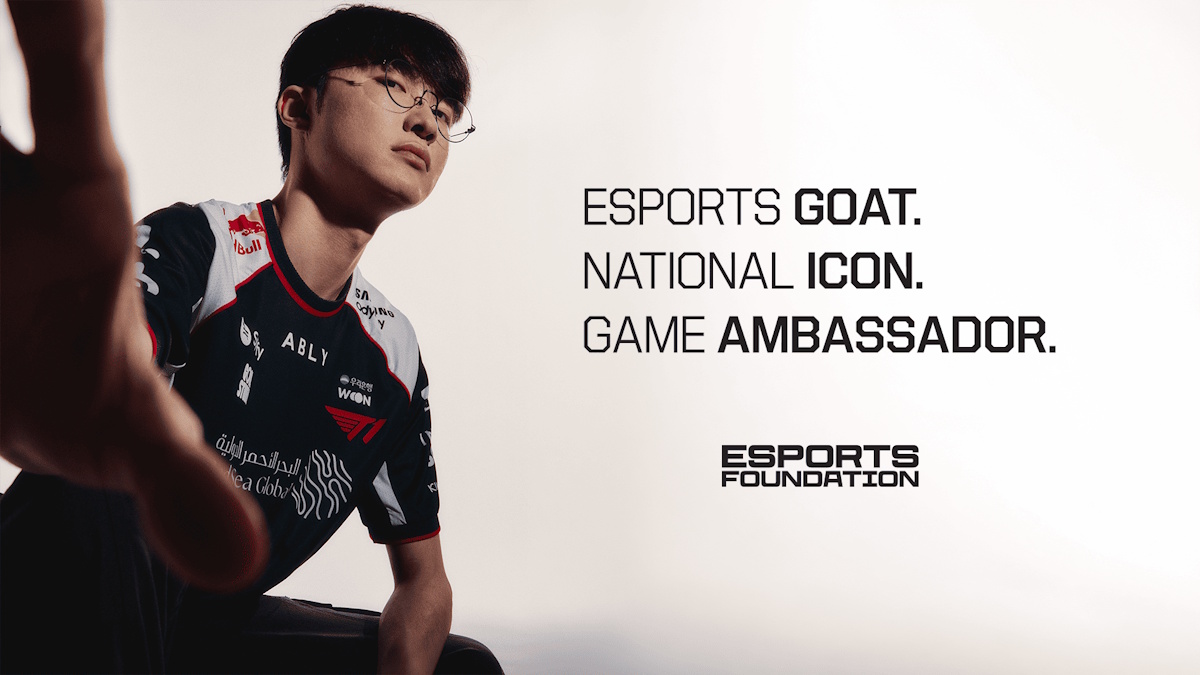
Lee “Faker” Sang-hyeok joins Cristiano Ronaldo and Magnus Carlsen in the Esports Foundation’s Ambassador Program.
The Esports Foundation (EF) has appointed Lee “Faker” Sang-hyeok as a Game Ambassador for the Esports World Cup (EWC) and Esports Nations Cup (ENC) through 2028, the organization said on July 15, 2026 in a statement issued from Riyadh and Paris.
EF said Faker joins Cristiano Ronaldo, listed as the Foundation’s Global Ambassador, and Magnus Carlsen as part of the Esports Foundation Ambassador Program. The Foundation said Faker will represent “the perspective of esports players” across its international events, athlete initiatives, media engagements and leadership forums.
“You can’t talk about esports without mentioning Faker. He is the defining athlete of competitive gaming: a champion whose excellence, discipline and longevity have inspired an entire generation,” said Ralf Reichert, Chief Executive Officer of the Esports Foundation. “As our Game Ambassador, Faker represents something fundamental to the Ambassador Program: esports creates its own global sporting icons. Across EWC, ENC and NGSC, he will help ensure that the players who built this sport have a voice in shaping where it goes next.”
Faker said: “Competition has shaped my life, and I am proud to join the Esports Foundation as Game Ambassador. I want to continue competing for the biggest titles with T1 while representing the players and fans who have helped esports grow worldwide. Through the Esports World Cup, Esports Nations Cup and the Foundation’s wider platforms, I hope to inspire the next generation to pursue excellence, remain resilient and believe in how far competitive gaming can take them. There is still much more to achieve.”
EF highlighted Faker’s competitive record, describing him as a six-time League of Legends World Champion, EWC 2024 winner, two-time MSI champion and ten-time domestic champion with T1. The Foundation also said Faker became the first esports athlete to receive the Blue Dragon Medal in 2026, describing it as the Republic of Korea’s highest sporting honor awarded by President Lee Jae-myung.
The post Esports Foundation names Faker Game Ambassador for EWC and ENC through 2028 appeared first on EE Gaming | Global iGaming & Tech Intelligence Hub.

Midnite has agreed a partnership with Middlesbrough FC that will see the UK bookmaker become the club’s principal partner and front-of-shirt sponsor for the 2026/27 campaign, which Middlesbrough describes as its landmark 150th season.
The companies announced the deal alongside a fan activation at Riverside Stadium on Thursday, July 9, branded “This Season’s On Us”. The initiative offered supporters prizes including 2026/27 season tickets, 2026/27 shirts, match tickets, or a £25 club shop voucher, with fans required to answer Middlesbrough trivia and complete a football challenge.
Middlesbrough former players Craig Hignett and David Wheater attended the event, and, according to the company, took bonus attempts on behalf of participants who missed out.
Andrew Mook, Midnite’s Head of Brand Marketing, said:
“Middlesbrough have a storied history and we’re delighted to announce this partnership during such a monumental year with the club celebrating their 150th anniversary.
“It was great to see so many Middlesbrough fans at the “This Season’s On Us” activation, we hope they enjoyed taking part and meeting club legends, with David Wheater hitting top bins on several occasions and allowing fans to win big with season tickets.
“We can’t wait to get to Riverside Stadium in August to kick-off a new season and we’re excited to say that we have plenty of new and captivating campaigns planned.”
Lee Fryett, Middlesbrough FC Chief Commercial Officer, added:
“We’re delighted to welcome Midnite as our new Principal Partner.
“We’re looking forward to working closely with Midnite to develop engaging campaigns, content and unique experiences that bring our fans even closer to the club.
“We’re confident this partnership will provide real value for our supporters while supporting our ambitions both on and off the pitch.”
The post Midnite signs as Middlesbrough FC principal partner for 2026/27 season appeared first on EE Gaming | Global iGaming & Tech Intelligence Hub.
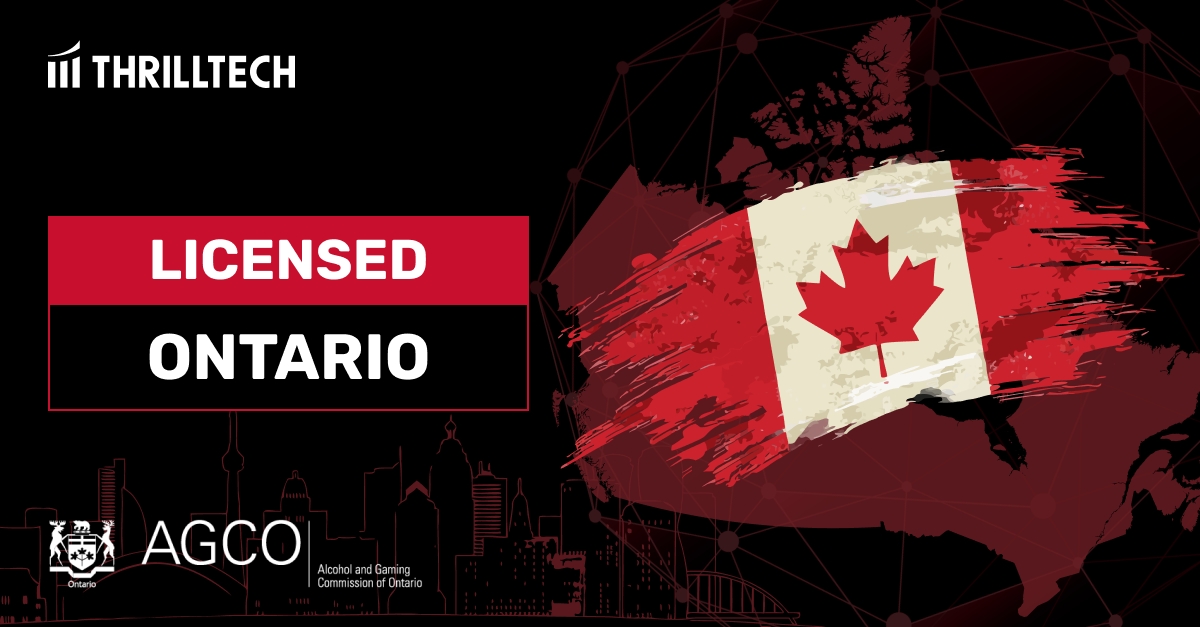
ThrillTech has been awarded a Gaming-Related Supplier licence by the Alcohol and Gaming Commission of Ontario (AGCO), clearing the company to launch in Ontario’s regulated market.
The licence allows ThrillTech to deploy its opt-in side bet jackpots technology with regulated online casino, sports betting and lottery operators across the province.
Benjamin Bradtke, Co-Founder of ThrillTech, said: “Securing our AGCO licence is a major step in our mission to transform how jackpots are delivered at scale across regulated markets. This latest certification is testament to our robust technology and trusted compliance frameworks, allowing us to continue our global growth trajectory. We are thrilled to bring our proven, compliant jackpot technology to Ontario, empowering locally licensed operators to uplift revenue without cannibalising existing spend.”
The company said its “ThrillPots” mechanics sit as an independent, player-funded side bet and do not alter the underlying game’s return-to-player mathematics.
ThrillTech said the Ontario approval enables its existing multinational partners that also operate in the province to launch its side bet jackpots locally, while it also holds talks with potential new operator partners. The company lists its regulated footprint as including the United Kingdom, Sweden, the Netherlands, Romania, Malta, Gibraltar, Brazil and Peru.
The post ThrillTech secures AGCO supplier licence for Ontario launch appeared first on EE Gaming | Global iGaming & Tech Intelligence Hub.

-

 Compliance Updates5 days ago
Arizona Department of Gaming Issues Cease-and-Desist Orders to Multiple Operators Linked to Underage Gambling and Illegal Activity
-
 Latest News7 days ago
ELA Games releases Flames Fruits Frenzy Hold and Win slot
-
Latest News7 days ago
PG Soft appoints Hugo Baungartner as General Manager LatAm
-
Compliance Updates6 days ago
KONAMI GROUP’s Konami Gaming Inc. First to Submit Manufacturer License Application in Japan’s Emerging IR Market
-
Canada7 days ago
Canada’s Safer Gambling Gap: Why Market Success Doesn’t Always Equal Player Safety
-
Latest News7 days ago
Tom Horn Gaming ships Royal Ruby FeatureStorm slot worldwide on 14 July 2026
-
Latest News7 days ago
Booming Games launches Fish Tales: Double Catch Max Scatter
-
Latest News7 days ago
BC.GAME names Guillermo Ochoa brand ambassador for Mexico push