Latest News
Movers and Shakers: Why Customer Service is the Unsung Hero in Player Retention: An Insider’s Perspective on Maximizing Lifetime Value in a Competitive Market

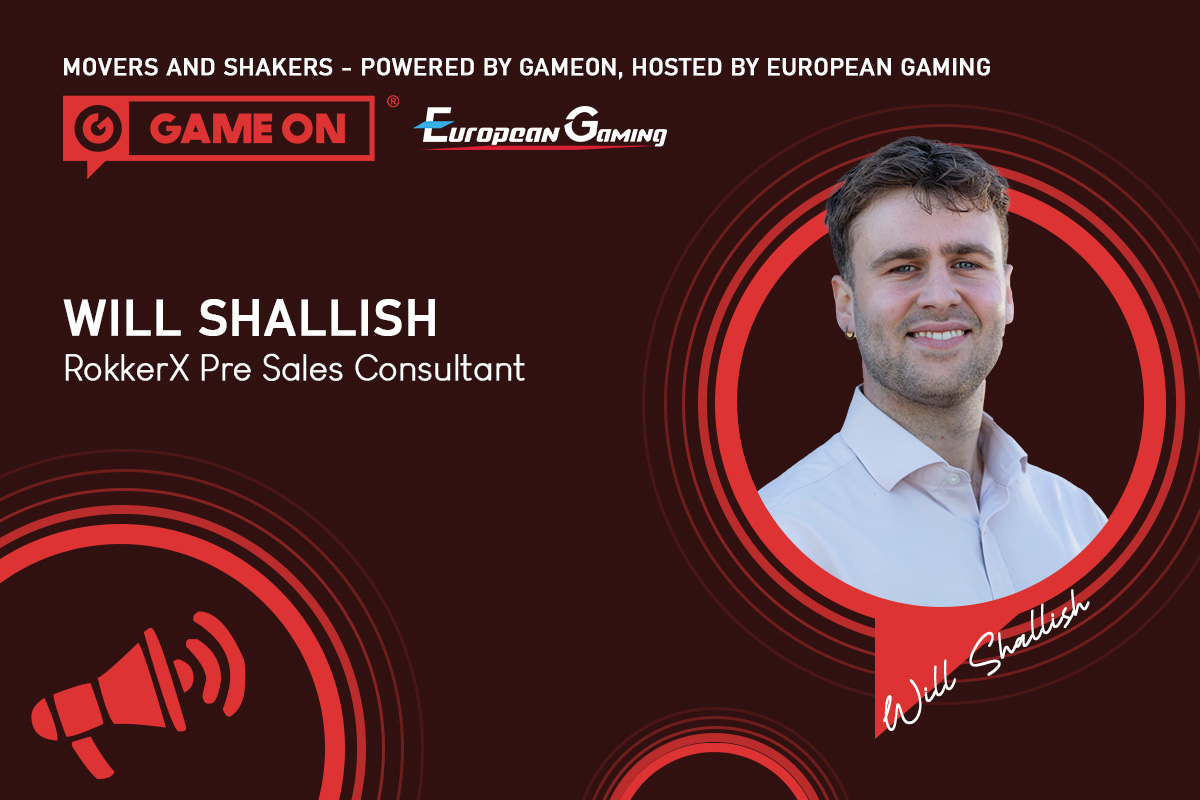
“Movers and Shakers” is a dynamic monthly column dedicated to exploring the latest trends, developments, and influential voices in the iGaming industry. Powered by GameOn and supported by HIPTHER, this op-ed series delves into the key players, emerging technologies, and regulatory changes shaping the future of online gaming. Each month, industry experts offer their insights and perspectives, providing readers with in-depth analysis and thought-provoking commentary on what’s driving the iGaming world forward. Whether you’re a seasoned professional or new to the scene, “Movers and Shakers” is your go-to source for staying ahead in the rapidly evolving iGaming landscape.
Do a lot of operators overlook customer service and its critical role in player acquisition and retention?
Absolutely. Many operators don’t fully recognise just how crucial customer service is, particularly for retention purposes. While acquiring players puts less pressure on customer service, retaining them is a separate challenge. As CPAs rise with operators competing intensely for new customers, ensuring those customers are retained for as long as possible becomes the main objective. Here, customer service is essential in maximising player lifetime value (LTV) and driving continuous engagement.
Unfortunately, there’s often a race to the bottom with customer service, where cost-cutting leads to reduced quality. When customers reach out to support, it’s usually due to a problem. If they’re met with impersonal, unhelpful service, their dissatisfaction can be amplified, which can harm brand loyalty. This is especially significant today when digital engagement is so prevalent – those moments of human interaction carry enormous weight.
As for in-house versus outsourced customer service, it’s a long-standing debate. While building in-house teams offers control, it also brings high overhead. For those who choose to outsource, the key is partnering with a provider that aligns with their brand’s values, tone, and processes. When done well, customer service can strengthen player trust, a critical factor as operators aim to retain players and outbalance acquisition costs with high LTVs.
Why is customer service so important, and what opportunities does it bring when done right?
Customer service is a powerful trust-builder between brand and player. In an ever increasingly digital-first industry where human interaction is rare, these personal connections reinforce trust, ensuring a feeling of safety and value amongst players. Any opportunity an operator gets to maintain a level of personability needs to be maximised.
I would almost flip this question and say ‘what are the pitfalls when done wrong/poorly’. Customer Service is there to ensure that if things go wrong; bonus rounds aren’t paid out, welcome offers aren’t received, withdrawals aren’t functioning optimally, the customer is made to feel safe and reassured, in an efficient, positive manner. Customer Service is the first and last line of defence for the operator in making sure that the ultimate pitfall, a player churning due to negative experience, is never realised.
What challenges do operators face in setting up a customer service team, especially for international operators?
Setting up and managing a customer service team can be an enormous undertaking, especially for international operators. It requires dedicated resources, which often means sacrificing focus on core business strategy. Recruiting, hiring, and training customer service staff demand significant time and money, and for senior roles, costs can rise even further.
Of course, for operators who have a more global reach and team base, this can present additional challenges. There are many regions where there is an abundance of talent for operators to build teams in, of course, however the location of these teams is a critical aspect of this. Setting up in a sub-optimal location for one’s operation, could spell long-term trouble from a management and cultural perspective, particularly if services being offered are on a 24/7 basis.
Operators will want to have their operational teams aligned with their live jurisdictions as much as possible, particularly from a time zone perspective to ensure that synergy between teams and operation doesn’t become strained and also so that team members aren’t consistently having to work unfavourable hours in order to align with peak times of the day. For example, operators in North America/Latam who set-up a CS team in Asia, could find alignment between teams difficult, not least likely incurring additional costs for a large portion of the workforce having to work through the night to meet peak times in live markets, not only from a financial perspective but also culturally, keeping that team motivated and ingrained in the operation could become very difficult.
How can these challenges be overcome, and how can RokkerX help?
RokkerX takes the operational burden away from our clients, allowing them to devote more time to optimising their strategy and driving the business forward. Having provided dynamic research, and strategic and operational consultancy to over 50 operator and B2B suppliers over the past 9 years, we offer our clients an experienced partner to enable them to take greater control of their operation, without the overhead.
With an implicit understanding of end-to-end iGaming operations, we transitioned seamlessly into the Managed Services space at the start of 2023, offering a large suite of services to our clients. We thought having provided the industry with strategic and operational consultancy, it was a natural next step to actually run areas of a client’s operation for them.
We have already launched hubs in the UK, Spain and Bulgaria, soon to be launching in Columbo (Sri Lanka) and Sao Paulo in Brazil with 2 further clients, and have a proven track record as a partner with a heavy focus on scaling while retaining that same team culture we have always prided ourselves on. We continue to scale the team significantly in Bulgaria, which is our main hub, having recently agreed on a new office to hold up to 120 team members.
With the combination of the services we offer our clients; Trading & Operations, Customer Service, ‘KYC, AML, Fraud & Payments and Player Retention, we are able to provide our clients with a holistic approach to strategy in their operational services. We are able to triangulate several sources of data for a clients operation and enable them to continue to shape their strategy just in a more optimal way, be it bonus strategy, retentional mechanisms, product enhancements etc.
How does customer service integrate with areas like KYC and AML?
In iGaming, the lines between services like customer support, KYC, and AML often blur. Depending on the operator, customer service might be expected to handle payment support, KYC checks, or even fraud detection. Offering these services together allows us to provide a comprehensive support system that covers essential risk areas and keeps operations secure.
Our expertise extends across these areas, giving us the flexibility to support clients with a unified approach. With subject matter experts in each field, we help customers resolve a wide range of issues while safeguarding operational integrity. This “one-stop shop” model reduces the need for multiple suppliers, simplifying management for our clients and minimising the risk of control issues.
Is customer service the most effective way of engaging with players and building trust? Why is this so important for online casinos and sportsbooks?
Customer service is certainly one of the most effective ways to build trust with players and ensure they are retained, but naturally, high-quality and efficient customer service is most impactful if it is part of a broader engagement strategy. Effective, responsive support reassures players that they’re heard and assisted whenever needed, however, combining customer service with transparent communication, personalised experiences, and consistent value can deepen engagement even further. Ultimately, customer service is crucial, but a holistic approach, as mentioned previously, that also prioritises user experience and multiple trust-building measures is most effective for long-term engagement.
As discussed already, industry reputation and player confidence are two areas that both sportsbook and casino operators rely on. Players are not only investing their time but of course also their money, and any doubts about fairness, security, or reliability can damage these two factors and quickly reduce engagement with their brands. Transparent communication and integrity can be achieved through quality customer service both of which are building blocks towards long-lasting success in this industry.
The post Movers and Shakers: Why Customer Service is the Unsung Hero in Player Retention: An Insider’s Perspective on Maximizing Lifetime Value in a Competitive Market appeared first on European Gaming Industry News.








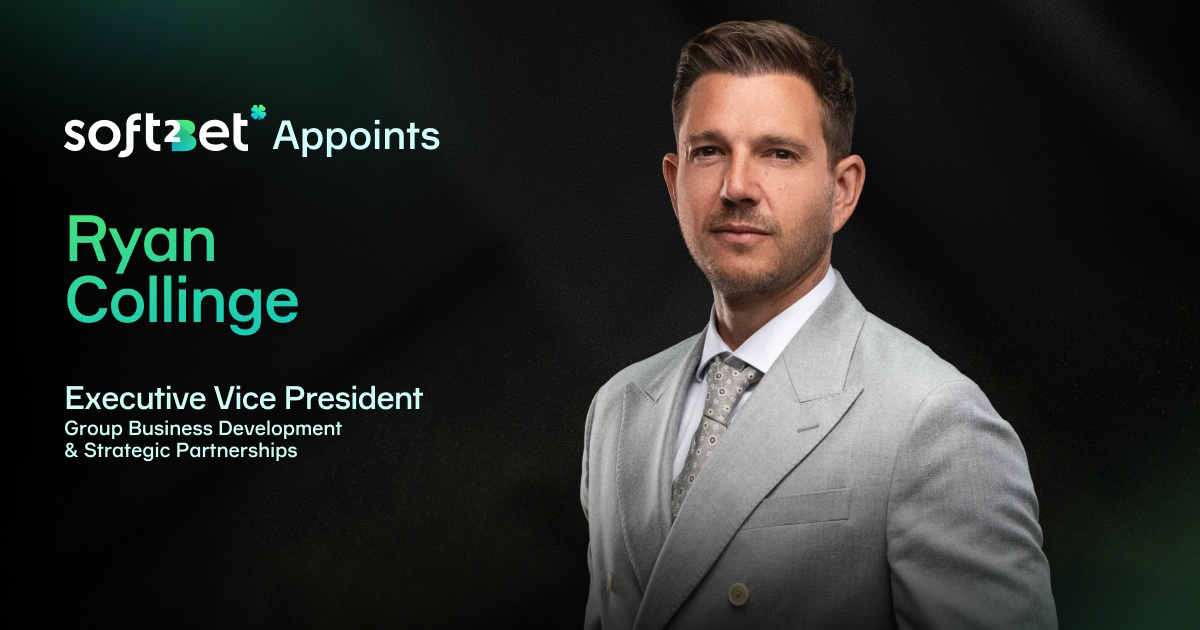
Collinge joins as Executive Vice President – Group Business Development & Strategic Partnerships, bringing 20+ years across retail and online gaming.
Soft2Bet has appointed Ryan Collinge as Executive Vice President – Group Business Development & Strategic Partnerships, adding him to its senior leadership team.
In the role, Collinge will focus on supporting Soft2Bet’s growth plans and strengthening relationships with operators and entertainment brands, the company said.
Andrew Cochrane, Chief Commercial Officer at Soft2Bet, said: “Ryan brings the commercial judgement, industry relationships and operational experience needed to support Soft2Bet’s growth. His appointment strengthens our executive team as we expand our work with leading operators and global entertainment brands.”
Soft2Bet said Collinge brings more than 20 years of commercial, product and operational experience across retail and online gaming, including work with private equity-backed start-ups and multinational gaming groups. The company added that his background includes global sales, commercial strategy and business development, along with iGaming content, product development and studio management.
Soft2Bet also pointed to Collinge’s experience in the casino content vertical, which it said will support client needs analysis and solution optimization.
The post Soft2Bet hires Ryan Collinge as EVP for business development and partnerships appeared first on EE Gaming | Global iGaming & Tech Intelligence Hub.
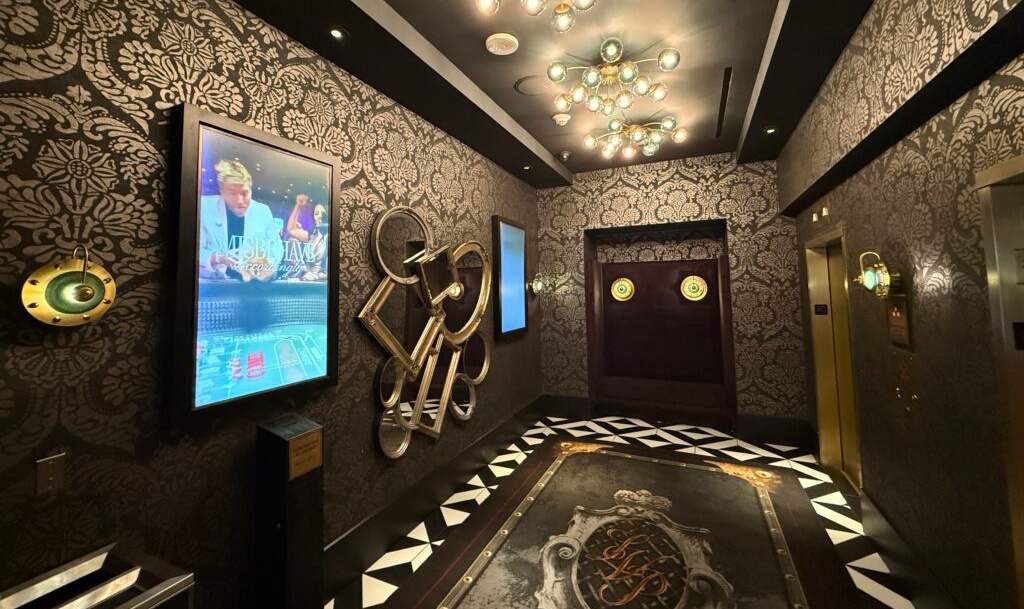
Caesars Rewards member Pam W. from Colorado hit a seven-card straight flush on the Las Vegas Strip property.
The Vanderpump Hotel on the Las Vegas Strip has reported an $813,553 jackpot win on Pai Gow Poker, just weeks after the property officially opened.
According to the company, Caesars Rewards member Pam W., visiting from Littleton, Colorado, won the payout after hitting a seven-card straight flush while playing Pai Gow Poker at The Vanderpump Hotel. The release said Pam was on a weeklong vacation with her husband and plans to use the winnings toward a European river cruise.
The Vanderpump Hotel is Lisa Vanderpump’s first hotel, developed in partnership with Caesars Entertainment. The property has 188 guest rooms, including 21 suites, and a 40,000-square-foot casino, the company said.
The venue’s food, beverage and nightlife lineup includes GIADA by Giada De Laurentiis, rooftop pool and event space Soleia, and Drai’s After Hours in its original location beneath the hotel. The property also hosts Caesars Sportsbook in a lounge-style format, alongside lounges including Gigolo and The Bar at The Vanderpump Hotel.
The post Vanderpump Hotel reports $813,553 Pai Gow Poker jackpot weeks after opening appeared first on EE Gaming | Global iGaming & Tech Intelligence Hub.

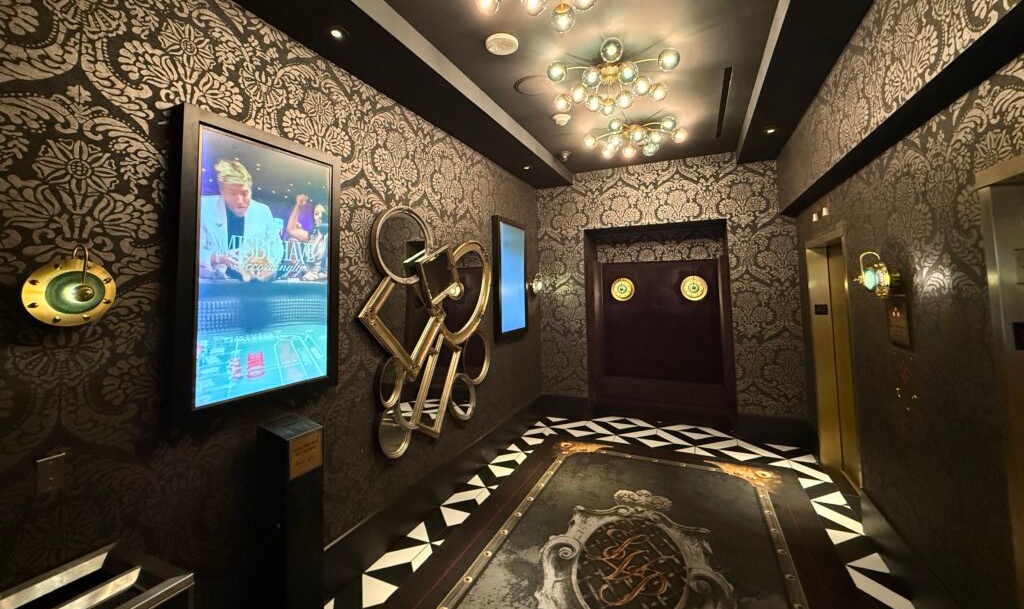
The Vanderpump Hotel – Lisa Vanderpump’s first-ever hotel in partnership with Caesars Entertainment – is dealing out big wins on the Las Vegas Strip, celebrating a dazzling $813,553 payout just weeks after officially opening its doors.
Caesars Rewards® member Pam W., visiting from Littleton, Colorado, hit the jackpot with a seven-card straight flush on Pai Gow Poker at The Vanderpump Hotel. Pam, who is in town enjoying a weeklong vacation with her husband, is already planning her next adventure – turning her Vegas luck into a dream European river cruise.
Blending elevated design with a distinct sense of personality, The Vanderpump Hotel introduces a boutique, lifestyle-driven hospitality experience in the heart of one of the world’s most dynamic destinations. The hotel offers an intimate footprint with 188 guest rooms, including 21 suites.
The property also features a 40,000-square-foot casino; Gigolo, a sexy, sultry lounge and The Bar at The Vanderpump Hotel, an inviting destination in the center of the casino – all curated to deliver a sophisticated yet playful atmosphere.
Culinary and nightlife offerings are anchored by GIADA, the award-winning flagship restaurant from celebrity chef Giada De Laurentiis; Soleia, a 65,000-square-foot rooftop pool and event space with open-air, panoramic views from 11 stories above the Las Vegas skyline; and Drai’s After Hours, located in its original home beneath the hotel. Caesars Sportsbook at The Vanderpump Hotel provides a boutique, lounge-style setting for sports fans and gaming enthusiasts alike. Guests can book stays at The Vanderpump Hotel via the Caesars Rewards app or online at caesars.com/thevanderpumphotel.
The post Raise a Glass: The Vanderpump Hotel Celebrates $813,553 Jackpot Win appeared first on Americas iGaming & Sports Betting News.

-

 Africa6 days ago
Booming Games renews Hollywoodbets Durban July activation partnership
-
content-supply6 days ago
Million Games launches Skull King’s Treasure with partner studio Arcane Pixel
-
Alberta7 days ago
Octoplay secures conditional Alberta iGaming supplier approval from AGLC
-
Canada7 days ago
What Canadian Slot Players Are Really Comparing in 2026: Payout Speed, Interac and RTP Transparency
-
Africa6 days ago
SpringbokCasino ties July free spins to ‘Minions in the Wild’ campaign
-
Casino Content7 days ago
SkillOnNet adds ODDSworks casino content across Ontario sites
-
Evoplay6 days ago
Evoplay launches Safari Coins slot with fixed jackpots and collector mechanic
-
GGPoker6 days ago
GGPoker opens satellites for WSOP Circuit CDMX México 2026