Latest News
Latvia’s Casino Regulations and Laws: What You Need to Know About Slot Machines

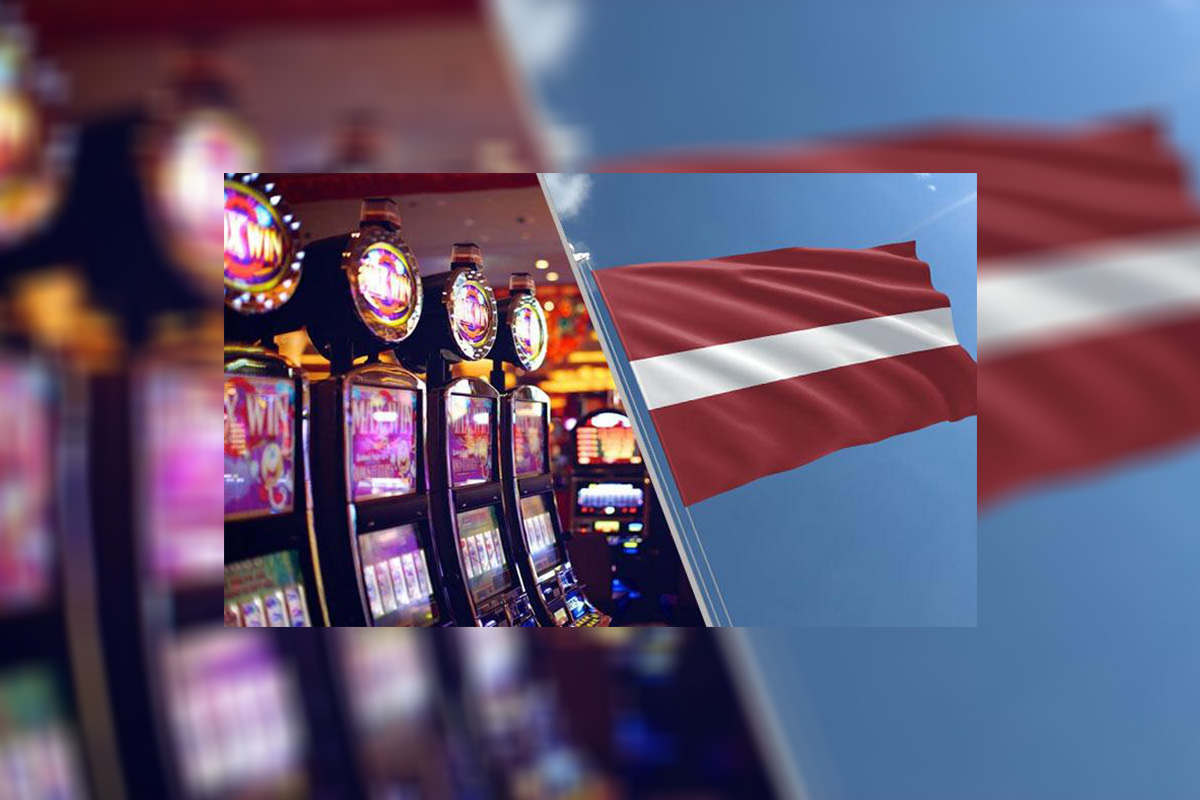
Latvia, like many countries, has a regulated gambling industry aimed at ensuring fair play, protecting consumers, and preventing gambling-related harm. Understanding the regulations and laws governing slot machines in Latvia is essential for both operators and players. This article provides an overview of the legal landscape surrounding slot machines in Latvia, covering key aspects such as licensing, operational rules, player protections, and recent developments.
Regulatory Framework
The gambling industry in Latvia is regulated by the Lotteries and Gambling Supervisory Inspection (IAUI). This authority oversees all forms of gambling, including casinos, slot machines, online gambling, and lotteries. The primary legal act governing gambling in Latvia is the Gambling and Lotteries Law, which establishes the rules and requirements for obtaining licenses, operating gambling establishments, and ensuring player protection.
Licensing Requirements
To operate slot machines legally in Latvia, casino operators must obtain a license from the IAUI. The licensing process involves stringent checks to ensure that operators meet all regulatory requirements, including financial stability, integrity, and adherence to responsible gambling practices. The key requirements for obtaining a license include:
- Corporate Structure: The applicant must be a registered company in Latvia with a clear corporate structure.
- Financial Health: Operators must demonstrate sufficient financial resources to ensure the viability of their gambling operations.
- Reputation: Background checks on company directors and major shareholders to ensure they have no criminal records or involvement in fraudulent activities.
- Compliance with Technical Standards: Slot machines and other gambling equipment must comply with specific technical standards to ensure fairness and reliability.
Operational Rules
Once licensed, Latvian casino operators must adhere to various operational rules designed to maintain the integrity of gambling activities and protect players. Key operational requirements include:
- Location and Setup: Slot machines can only be operated in licensed gambling venues, such as casinos and gaming halls. These venues must meet specific criteria regarding location, security, and accessibility.
- Technical Inspections: All slot machines must undergo regular technical inspections to ensure they function correctly and provide fair outcomes. The IAUI conducts these inspections and certifies the machines.
- Transparency and Information: Operators must provide clear and accessible information about the rules of the games, payout percentages, and responsible gambling resources.
Player Protections
Protecting players is a central focus of Latvia’s gambling regulations. The laws include several measures to safeguard players and promote responsible gambling:
- Age Restrictions: Only individuals aged 18 and above are allowed to participate in gambling activities, including playing slot machines.
- Self-Exclusion: Players can voluntarily exclude themselves from gambling by registering with the IAUI’s self-exclusion program. This measure helps individuals manage their gambling habits and seek help if needed.
- Advertising Restrictions: Advertising of gambling services is strictly regulated to prevent targeting vulnerable groups, such as minors or problem gamblers. All advertisements must include responsible gambling messages and helpline information.
- Responsible Gambling Programs: Operators are required to implement responsible gambling programs, including employee training, player education, and providing resources for problem gambling support.
Recent Developments
The gambling industry in Latvia has seen several significant developments in recent years, aimed at strengthening regulation and enhancing player protections:
- Online Gambling Regulations: As online gambling continues to grow, Latvia has introduced specific regulations to govern online casinos and slot machines. These regulations ensure that online operators meet the same high standards as land-based casinos.
- AML and CFT Measures: In response to global concerns about money laundering and financing of terrorism, Latvia has implemented stricter anti-money laundering (AML) and counter-financing of terrorism (CFT) measures for gambling operators. These measures include rigorous customer due diligence and reporting requirements.
- Increased Penalties: To deter illegal gambling operations and non-compliance, Latvia has increased penalties for operators who violate gambling laws. This includes substantial fines and potential revocation of licenses.
Conclusion
Latvia’s casino regulations and laws provide a robust framework for the operation of slot machines, ensuring fairness, integrity, and player protection. By adhering to strict licensing requirements, operational rules, and responsible gambling measures, Latvia aims to create a safe and transparent gambling environment. Both operators and players benefit from a well-regulated industry that prioritizes responsible gambling and safeguards against potential harms. Understanding and complying with these regulations is essential for anyone involved in the Latvian gambling sector, ensuring a sustainable and enjoyable gaming experience for all.

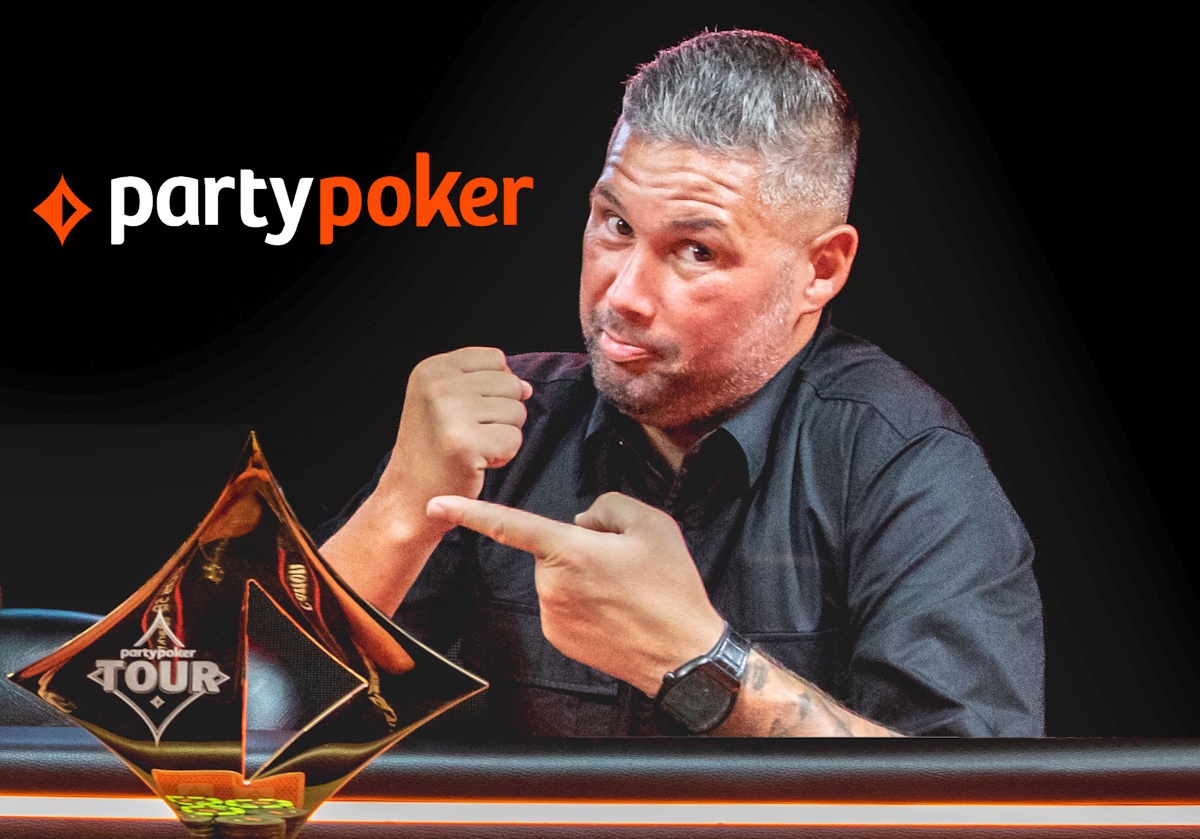
Former WBC cruiserweight champion to appear at PartyPoker Tour UK stops and take part in online activations.
PartyPoker has appointed former WBC Cruiserweight World Champion Tony Bellew as a brand ambassador for the remainder of 2026, with appearances tied to the operator’s live PartyPoker Tour and online poker offering.
The company said Bellew will be “a regular face” at its remaining UK tour stops this season following an earlier appearance at the PartyPoker Tour Birmingham. Bellew will also take part in online activity linked to the PartyPoker schedule.
“I had such a great time at the PartyPoker Tour Birmingham. The atmosphere, the people and the passion for the game were incredible. I’m really excited to be joining the PartyPoker team for the rest of the year, getting involved at the live events, meeting players and seeing where the cards take me,” Bellew said.
PartyPoker said Bellew is scheduled to attend each remaining UK stop on the 2026 PartyPoker Tour: London in July, Glasgow in August, Cork in November, and London in December. The operator also referenced a series of exclusive online events running alongside the live calendar.
The post Tony Bellew signs as PartyPoker brand ambassador through 2026 appeared first on EE Gaming | Global iGaming & Tech Intelligence Hub.

Cease-and-desist letters cite alleged felonies and underage access tied to BetOpenly, Bookmaker, Club WPT Online Poker, Kutt Inc., and Raffle Creator.
The Arizona Department of Gaming said it has issued cease-and-desist orders to five online platforms—BetOpenly, Bookmaker, Club WPT Online Poker, Kutt Inc., and Raffle Creator—after investigations that the Department says involved alleged illegal gambling activity and underage access in Arizona.
In its announcement, the Department said each enforcement action alleges conduct giving rise to three felonies under Arizona law: promotion of gambling, illegal control of an enterprise, and money laundering. The agency cited Arizona’s prohibition on gambling unless specifically authorized (Ariz. Rev. Stat. Tit. 13, Ch. 33) and said the legal gambling age in the state is 21.
“Arizona is taking decisive action against illegal gambling operators that put Arizonans at risk,” said Jackie Johnson, Department Director. “Our top priority is protecting Arizonans and I’m grateful for the efforts of our intelligence unit led by Chief Law Enforcement Officer Doug Jensen to do just that. Through these cease-and-desist orders we are putting operators on notice: their conduct runs contrary to Arizona law and they must stop promoting illegal gambling.”
The Department’s letters describe different alleged violations by operator. For BetOpenly, the Department said peer-to-peer gambling rules prohibit third-party benefit, and alleged the platform benefited via a commission structure while enabling event wagering and daily fantasy sports contests without the required state licenses, including availability to underage Arizonans. For Bookmaker, the Department said its investigation found wagering on horse racing, casino games, and sports betting without an event wagering license or an advanced deposit wagering provider license, adding that online casino games are not legal in Arizona.
For Club WPT Online Poker, the Department alleged the platform enabled individuals under 21 in Arizona to enter pay-to-play online poker tournaments for prizes while using deceptive “no purchase necessary” language; the Department said online poker is illegal in Arizona. For Kutt Inc., the Department said Arizona “social” gambling prohibits third-party benefit and directed the operator to stop allowing Arizona users to deposit money and wager on sports, politics, pop culture, and casino-style games. For Raffle Creator, the Department said the operator did not meet requirements that allow Arizona nonprofits to conduct lawful raffles and alleged it allowed people under 21 to purchase tickets for prize chances.
The Department said the notified entities are directed to immediately stop all gambling operations and activities in Arizona “whether through mobile applications, online, or otherwise,” and to cease any future illegal gambling in the state. It added that future actions may include criminal charges or civil action against entities, principals, and employees, and that operators “may be subject to a potential award of restitution” and forfeiture of monies acquired due to the alleged conduct.
The post Arizona regulator orders five operators to stop alleged illegal gambling activity appeared first on EE Gaming | Global iGaming & Tech Intelligence Hub.

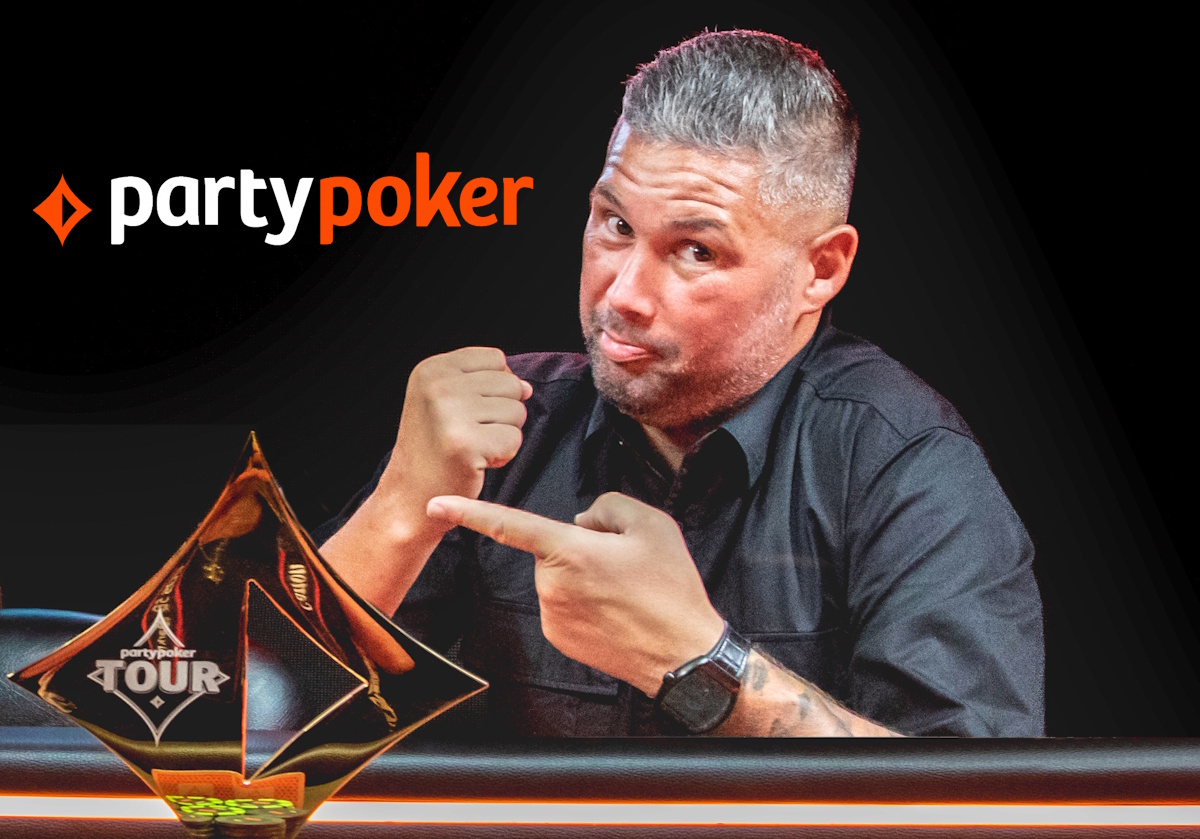
Tony Bellew has officially joined the PartyPoker Brand Ambassador team for the remainder of 2026, strengthening the brand’s growing roster of ambassadors and reinforcing its commitment to bringing poker to a wider audience.
A former WBC Cruiserweight World Champion and one of Britain’s most recognisable sporting personalities, Bellew will play an active role across both PartyPoker’s live tour and online offering throughout the rest of the year.
Speaking about joining the team, Tony Bellew said: “I had such a great time at the PartyPoker Tour Birmingham. The atmosphere, the people and the passion for the game were incredible. I’m really excited to be joining the PartyPoker team for the rest of the year, getting involved at the live events, meeting players and seeing where the cards take me.”
His return follows a hugely successful appearance at the PartyPoker Tour Birmingham earlier this year, where he embraced the atmosphere, spent time with players and immersed himself in the event. After thoroughly enjoying the experience, Bellew will now become a regular face at the remaining UK stops on the PartyPoker Tour throughout the rest of the 2026 season.
As part of his ambassadorial role, Bellew will attend every remaining UK stop PartyPoker Tour in 2026:
- London – July
- Glasgow – August
- Cork – November
- London – December
With four live festival stops and a series of exclusive online events still to come, players will have plenty of opportunities to meet Bellew at the tables throughout the remainder of the 2026 PartyPoker calendar. Look out for opportunities to take him on online, and at the PartyPoker Tour in Glasgow, Cork and London.
Stay Connected PartyPoker
- Instagram: @partypoker
- Twitter/X: @partypoker
- YouTube: partypokeryt
- Facebook: partypoker
- Discord: PartyPoker Tour
The post Former WBC World Champion Tony Bellew Joins PartyPoker as Brand Ambassador appeared first on Americas iGaming & Sports Betting News.

-

 10bet5 days ago
Ellis Park Stadium signs five-year naming rights deal with 10bet
-
central asia5 days ago
Groove confirms attendance at SBC Summit Tbilisi 2026
-
Bucharest4 days ago
Eeze opens 1,200 sqm Bucharest hub for technical teams
-
API integration4 days ago
Belatra signs cooperation deal to distribute slots via VeliGames
-
affiliate marketing5 days ago
SEOBROTHERS’ Aleksandra Drigo flags higher barriers for affiliates in regulated Alberta
-
AB Trav och Galopp3 days ago
BetMakers Technology Group Selected to Distribute ATG Horse Racing Content Across Australia and New Zealand
-
game content4 days ago
R. Franco Digital releases fighting game-themed slot Spin Fighters
-
Big Bass Blast5 days ago
Pragmatic Play adds Big Bass Blast to Big Bass slot series