Brazil
Interview w/ Renato Almeida, Director at FBM

Looking Back: Growth & Achievements
FBMDS is celebrating five years of expansion and innovation. How would you describe the brand’s journey during this time?
Our journey over the past five years has been one of bold moves, strategic growth, and relentless innovation. As part of the FBM® Group, we began as pioneers in Video Bingo, but our vision extended far beyond that. We have focused on delivering profitable products to our clients and engaging gaming experiences to players. By expanding into multiple gaming categories and strengthening our global presence in key markets like Mexico and Brazil, we have redefined what a localized, player-centric gaming experience should be.
What were the key milestones that shaped FBMDS’ success over the past five years?
Several milestones have defined our success. First, our solidification as a market leader in Video Bingo and Lotto Games, setting the gold standard with best-seller products like Multi Mega, Power Pick Lotto, and Champion IV. Our leadership in Video Bingo is reinforced by unique features like the jackpot system, Magic Ball, and attractive paytables, all of which drive engagement and retention.
Second, our presence at international trade shows has played a crucial role in strengthening relationships with key partners and clients while reinforcing our brand positioning, as seen in events like G2E Las Vegas 2024. Lastly, our rapid expansion in the LATAM region, particularly in Mexico and Brazil, has solidified FBMDS as a trusted and respected brand in a highly competitive landscape.
What has been the most significant challenge, and how did FBMDS overcome it?
The online gaming industry is highly competitive, and differentiation is key. Our challenge was to deliver games that not only stood out but also ensured profitability for operators and engaging experiences for players. We tackled this by investing in customization, localization, and innovation—ensuring that every product aligns with the preferences of specific markets. Our ability to adapt game mechanics, themes, and retention strategies has positioned us ahead of the competition, creating unique gaming experiences that drive business success.
Product Evolution & Market Leadership
FBMDS has built a strong reputation in Video Bingo. How has this segment evolved, and what makes FBMDS a leader in this category?
Video Bingo is our DNA, and we have continuously pushed its evolution by refining gameplay mechanics, introducing engaging themes, and incorporating advanced technology to enhance user experience. Our commitment to differentiation sets us apart: our jackpot feature, the Magic Ball, and attractive paytables are tailored to maximize player engagement and operator profitability. Customization is at the heart of our strategy, ensuring our games resonate with local markets and drive long-term success.
Among FBMDS’ product portfolio, do you have a personal favorite? Why?
It’s hard to pick just one, but I’d highlight our Video Bingo games because they represent our legacy and continued leadership in the industry. We believe Video Bingo is an essential asset for any online casino, as it offers a nostalgic yet modern experience, combining interactive features with high retention rates. Our jackpot system enhances player excitement, while innovative game mechanics keep engagement levels high. In addition, our crash games showcase our adaptability and innovation, delivering high-quality visuals and dynamic gameplay. These two categories reflect our strategic pillars: player engagement and profitable gaming solutions for operators.
Future Outlook & Expansion Plans
Looking ahead, what’s the vision for FBMDS’ next five years?
We are just getting started. Our vision is to expand our influence by continuously delivering innovative and engaging gaming experiences that drive profitability for operators. While we maintain our leadership in Video Bingo, we are also focused on strengthening our position in other gaming verticals. We will continue investing in localized, player-driven innovation, ensuring that every product we launch enhances both player experience and operator success.
Brazil is a key market with huge potential. How does FBMDS plan to strengthen its presence in this region?
Brazil is a strategic priority for us. With regulatory developments and increasing demand for online gaming, we see tremendous opportunities to expand. Our approach is centered on offering tailored gaming experiences that resonate with Brazilian players, ensuring our products align with their cultural and gaming preferences. Additionally, we are forging strategic partnerships with operators to facilitate seamless and impactful expansion in the region, ensuring that our games drive engagement and profitability for our partners.
Innovation & What’s Next
Can you share any insights about upcoming products or features that FBMDS is working on?
Absolutely. We are developing a new generation of Video Bingo games featuring advanced jackpot systems, enhanced gameplay mechanics, and even more engaging features tailored to player preferences. Our goal is to create experiences that keep players entertained while maximizing operator revenue. In addition, we are working on new slots and bonus structures designed to drive engagement and profitability, ensuring that FBMDS remains at the forefront of gaming innovation.
What can operators and players expect from FBMDS in the near future?
A: More expansion, more innovation, and an even stronger, more diverse gaming portfolio. Players can expect cutting-edge experiences featuring interactive and rewarding mechanics, while operators will benefit from flexible, high-performance gaming solutions designed to optimize engagement and profitability. We are committed to maintaining our leadership in Video Bingo while continuously evolving to meet market demands.
Final Thoughts
After five years of continuous growth, what message would you like to share with FBMDS’ partners and players?
First and foremost, a heartfelt thank you to our players, partners, and the entire FBMDS team. Your trust and support have been instrumental in our journey. As we move forward, we remain committed to delivering exceptional gaming experiences, driving profitability for our partners, and continuously pushing the boundaries of innovation. The best is yet to come!
If you had to describe FBMDS’ journey in one word, what would it be?
Transformational.
The post Interview w/ Renato Almeida, Director at FBM appeared first on Gaming and Gambling Industry in the Americas.












Looking beyond Brazil, which LatAm market stands out most right now, and what makes it attractive?
Liam Hoofe, Content Strategist at GameOn
Based on our research for GO Intel, I think Chile is the market to watch out for the most. The size of the opportunity is potentially massive, with the Chilean Senate’s own figures estimating that more than 5 million Chileans are already gambling online.
The demand is definitely there, and broader discussions about a regulatory framework are underway. Our estimates in GO Intel also put channelisation rates at 80% if enforcement and regulation ran smoothly.
The proposed ‘cooling-off’ period for operators already active there is also quite a unique approach, and it will benefit those who approach the market with the right foundations in place.
Of course, as we’ve seen with Brazil, there will no doubt be a lot of public debate around the market, and the tax structure could be complex, but of the three we researched, this one still stands out the most.
Paulina Hovar, Lead Sales Manager LATAM at BGaming
Right now, Mexico and Argentina stand out the most to me.
Mexico has been showing steady growth for a while now. It’s already a fairly mature market with strong operator presence, but there’s still plenty of room to scale. At the same time, one of the main things to watch is the tax situation and how regulation may develop in the future, since that could impact profitability and market dynamics.
Argentina is interesting for a different reason. The market is regulated at the provincial level, so it’s much more decentralized. That creates opportunities because entry can be more flexible, but it also means you need to understand the local landscape and choose partners and regions carefully.
Ramiro Atucha, Board Advisor to Kiron Interactive
Mexico stands out. The size of the market alone makes it attractive, and the current regulation is already acceptable enough for public companies to feel comfortable operating there. It’s also moving toward a more formal framework, so there’s still margin to grow. Beyond Mexico, I’d point to Chile, certain provinces in Argentina, and Colombia. All three have their own dynamics, but they’re markets you can’t ignore right now.
When entering markets that are still evolving from a regulatory perspective, what’s the right balance between moving early and waiting for clarity?
Liam Hoofe, Content Strategist at GameOn
That’s the million-dollar question, and it’s one I’m not sure there is a 100% correct answer to. For me, it’s about building relationships, ensuring you have the right infrastructure in place, and understanding a market before you invest.
Operators and studios that just enter with no understanding of the culture and of the way the regulatory landscape could adapt are putting themselves at risk of failing.
Trying to remain one step ahead of regulation and working alongside the regulators to help the market mature is always going to be a much better approach than just waiting for regulation to come into place and being reactive.
Paulina Hovar, Lead Sales Manager LATAM at BGaming
It depends on how mature the market is.
If the regulatory framework is already clear and established, then the best approach is to operate fully within the licensed model from day one.
But in markets that are still in a gray or transitional stage, where operators are already active, it can make sense to take a more gradual approach. That could mean building partnerships, adapting the product to local needs, and preparing for future regulation before fully committing.
You also have to be very careful about legal and reputational risks. Every market is different, so timing and level of involvement should be assessed on a case-by-case basis.
Ramiro Atucha, Board Advisor to Kiron Interactive
As early as possible, as long as it isn’t illegal or forbidden. That’s the right moment to enter and transition through the regulatory process. Brazil is the clearest example. Sports betting was legalized in 2018, but the full regulatory framework only came in late 2023, with licensed operations starting in 2025. The operators that used those years to attract players, test the market and build name recognition without breaking the law made a real difference. By the time regulation arrived, they were already established.
As markets like Chile, Peru, and Uruguay develop, what will separate the brands that succeed from those that struggle?
Liam Hoofe, Content Strategist at GameOn
The biggest differentiator for me is localisation, and by that, I mean real localisation, not just translating a game into Spanish and calling it a day. This means actually creating products and promotions that speak to local audiences. LatAm is not just some big monolithic market with a one-size-fits-all solution – brands that succeed there are the ones that understand this. The ones who know that a player in Chile is not the same as one in Uruguay or Brazil are going to be the big winners.
On top of that, working closely with regulators and showing genuine concern for players’ well-being in these markets will make a huge difference. It’s not enough anymore to just display simple responsible gambling tools; players want to see it in your actions, and it’s obvious to them which brands really care and which are just ticking boxes.
And finally, local partnerships. Some of the most successful companies we work with are those that really integrate themselves and find local partners that offer genuine insight into communities, and can be leveraged to build trust. This can be achieved in a number of different ways, whether it’s through working with local content creators and influencers or getting involved with local charities and events.
Paulina Hovar, Lead Sales Manager LATAM at BGaming
As markets like Chile, Peru, and Uruguay continue to develop, the following three factors will set successful brands apart from the rest.
First, strong local partnerships. Without people on the ground and a real understanding of how each market works, it’s very difficult to build a sustainable position.
Second, product adaptation. Translation alone is never enough. Companies need proper localization that reflects user behavior, cultural differences, and local audience preferences.
And third, regulatory readiness. The companies that invest early in certification, compliance, and building the right processes will have a major advantage later on. It’s expensive and takes time, but in regulated markets, long-term preparation usually makes the difference between short-term growth and lasting success.
Ramiro Atucha, Board Advisor to Kiron Interactive
Brands that bring international experience and proven competitiveness from other markets, combined with genuine local understanding, will get the best of both worlds. The international background gives you credibility and product depth. The local presence gives you a product that’s actually adapted to how players in that country behave. Neither side works on its own. In Chile, Peru, and Uruguay, the operators who get this combination right are the ones who’ll separate from the pack.
The post LatAm: Beyond Brazil – Chile, Uruguay and Peru’s Regulatory Trajectories appeared first on Americas iGaming & Sports Betting News.
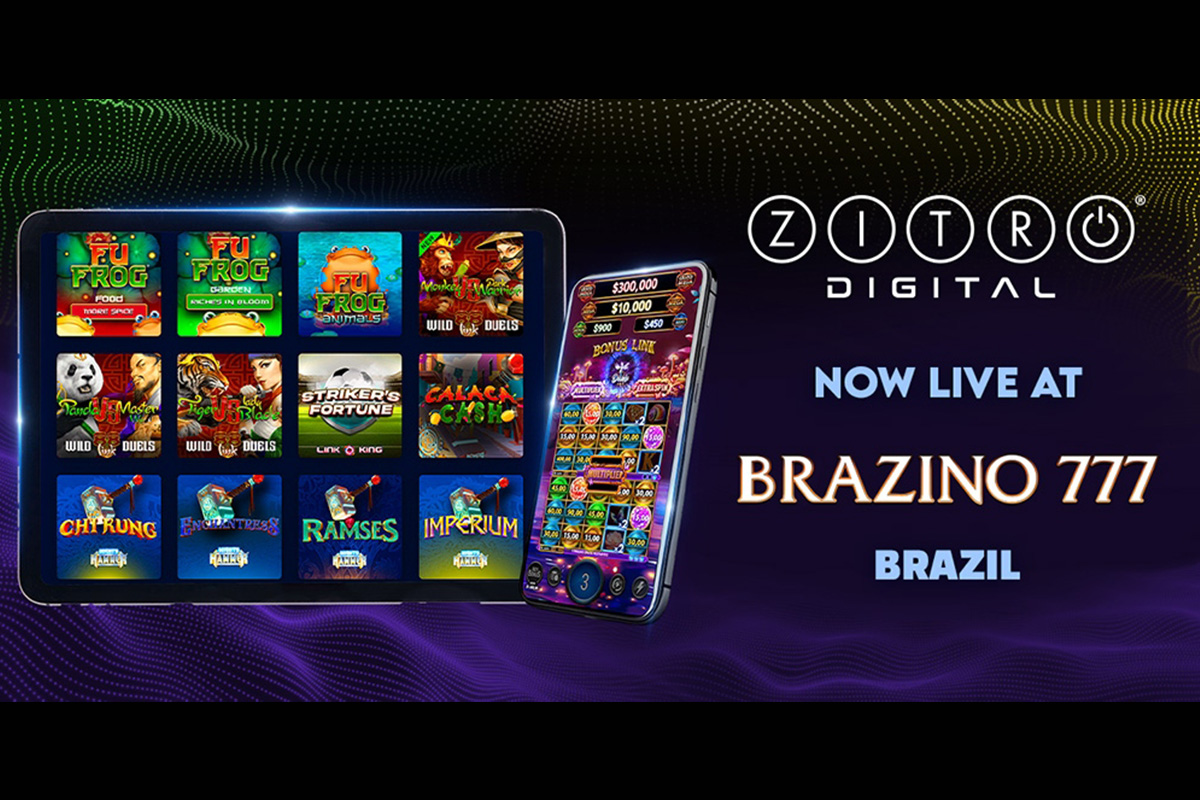
Zitro Digital, the online arm of leading gaming supplier Zitro, is further expanding its footprint in Brazil through a new partnership with Brazino777, one of the country’s most recognized online operators. The agreement strengthens Zitro Digital’s position in a key regulated market and reflects the company’s continued commitment to Latin America’s iGaming sector.
Brazino777 players now have access to Zitro Digital’s full portfolio, spanning slots and Video Bingo titles that combine the company’s proven land-based heritage with content developed exclusively for the digital space.
“At Brazino777, we are focused on delivering high-quality, top-performing games to our players. Zitro Digital’s portfolio strengthens our offering, and we’re confident it will resonate strongly with our Brazilian audience as we continue to grow and evolve our platform,” said Andre Medeiros, country manager for Brazil at Brazino777.
“Brazil is an important market for us, one where we see a strong connection with players and the local gaming culture. Launching our portfolio with Brazino777 gives us the opportunity to bring our content to a new segment of players, as part of our continued growth in the Latin American digital gaming scene,” said José Javier Martí, CCO at Zitro Digital.
The post Zitro Digital Goes Live on Brazino777 in Brazil appeared first on Americas iGaming & Sports Betting News.

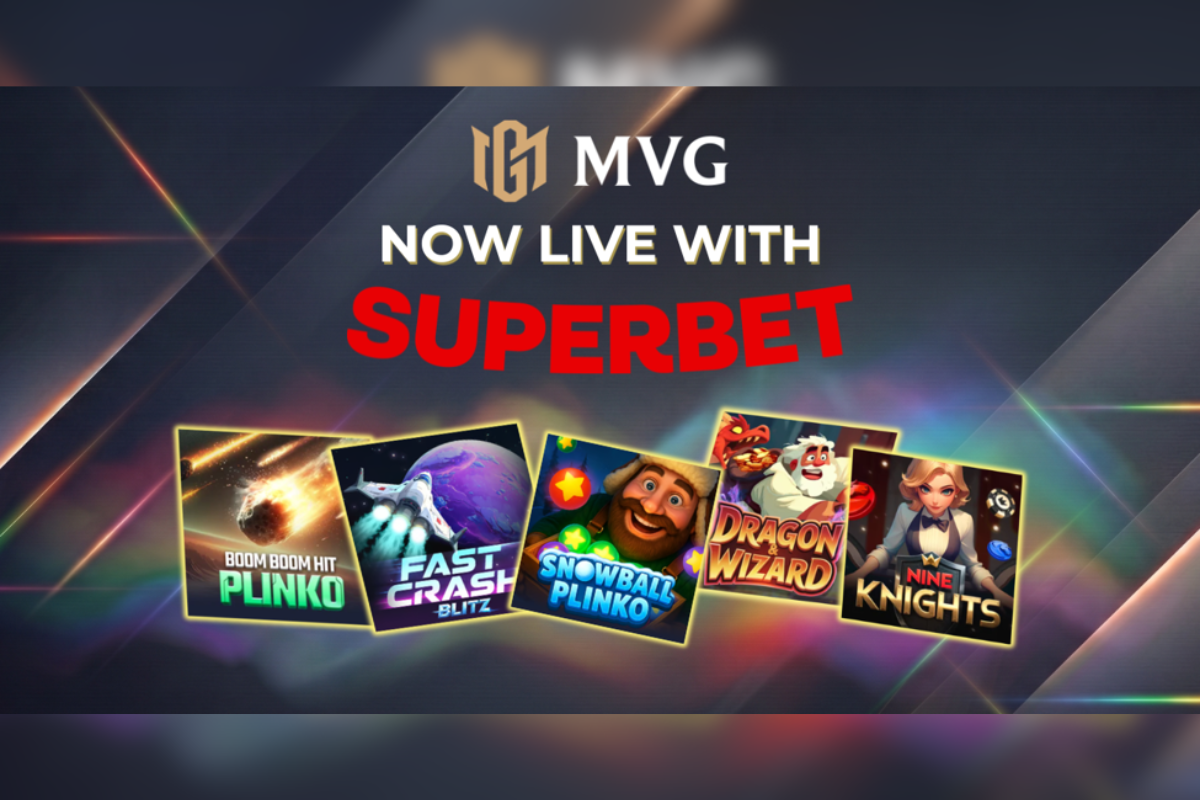
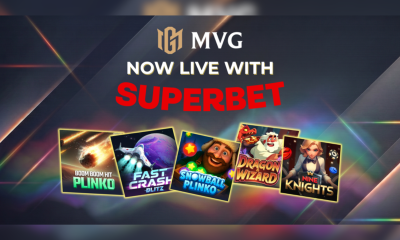
Massive Gaming (MVG) has gone live with Superbet Brazil, launching a selection of Blitzcrown studio titles via the Bragg hub game aggregation platform.
The initial rollout includes eight games from Blitzcrown, which focuses on non-traditional casino formats. Titles available at launch include Boom Boom Hit Plinko, Snowball Plinko, Fast Crash, and Dragon & Wizard.
The content is delivered through bragg hub, using Bragg Gaming Group’s existing aggregation relationship with Superbet in Brazil. The companies noted that Superbet secured a regulated licence ahead of the market’s January 2025 launch.
Blitzcrown’s instant-win games previously secured Brazil RGS, RNG, and individual game certifications from Gaming Laboratories International (GLI).
George Cho, Director at Massive Gaming, said: “Going live on Superbet Brazil is a landmark moment for Massive Gaming, and for Blitzcrown as a studio. Brazil is one of the most exciting regulated markets in the world, and being able to bring our content to Superbet’s players through Bragg’s platform is a testament to both the quality of our games, and the strength of these partnerships. We look forward to expanding our presence in the market as we continue to grow our portfolio.”
Hristofor Hristov, Commercial Director Aggregation at bragg, commented:
“We are thrilled to facilitate this exciting launch between Massive Gaming and Superbet in Brazil. Our bragg hub platform is specifically engineered to seamlessly deliver high-performing, localized content to major operators. Blitzcrown’s certified instant-win and non-traditional games are a perfect fit for the dynamic Brazilian audience, and this rollout underscores our commitment to fueling our partners’ growth in one of the world’s most vibrant regulated markets.”
The post Massive Gaming launches Blitzcrown titles on Superbet Brazil via Bragg Hub appeared first on EE Gaming | Global iGaming & Tech Intelligence Hub.

-

 Australia7 days ago
Former Star Entertainment Executives Mathias Bekier and Paula Martin Disqualified and Ordered to Pay Penalties
-
Alejandra Burato7 days ago
Record Attendance, Exciting New Releases, and a Resounding Success: This was Zitro Experience Peru
-
Amusnet7 days ago
Weekend Reels | Week 25: Slot Drops & Trends
-
ArenaPlus7 days ago
DigiPlus Wins “Digital Operator of the Year” Award at 2026 Global Gaming Awards Asia-Pacific
-
Anthony Dalla-Giacoma7 days ago
Elysium Studios Releases its Latest Slot Game “Hood and Loot”
-
Greece7 days ago
SYNOT Games Announces New Partnership with Superbet
-
Bragg Gaming Group4 days ago
Massive Gaming launches Blitzcrown titles on Superbet Brazil via Bragg Hub
-
BurraPay7 days ago
Byte Federal Announces Successful Launch of Custom-Built Integration Supporting BurraPay’s Historic Entry into America’s Regulated Gaming Market