eSports
How Esports Companies Can Address The Confusion Around Gambling

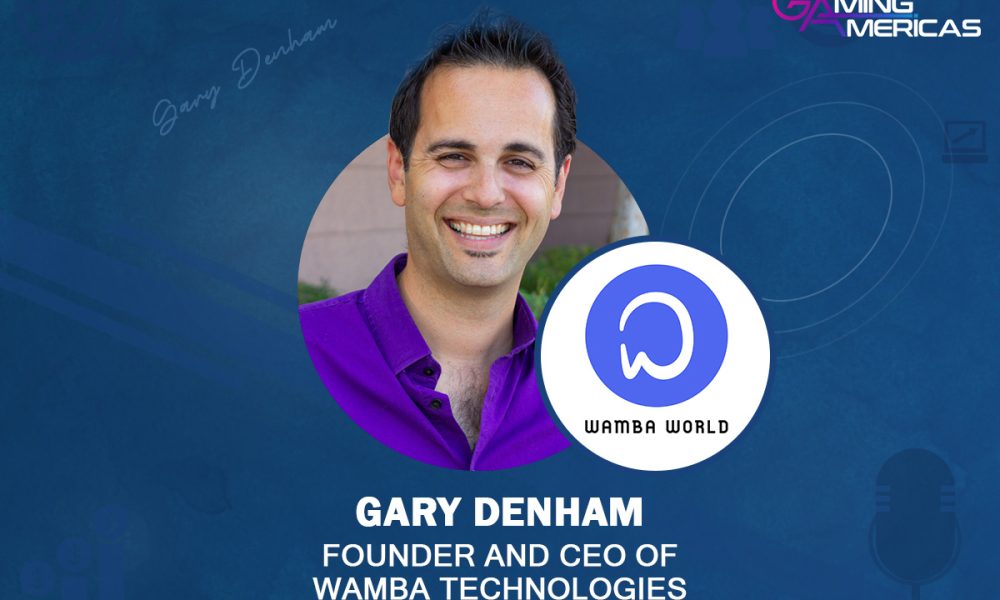
An exclusive Q&A w/ Gary Denham, Founder and CEO of Wamba Technologies and Gamer’s Oasis
What inspired you to found Wamba Technologies and develop the patented esports platform, Gamers Oasis?
My motivation was the void of wholly accessible online gaming competitions. Wamba Technologies, in conjunction with Gamers Oasis, aims to create a platform where gamers can engage in fair and constant competition, free from any suspicions of impropriety, while winning money as a result of their performance. Basically, players will be able to pay an entry fee into an online competition, compete, and win money back if they place well enough in the competition.
Could you elaborate on why the misconception of esports as a form of gambling exists despite the legal framework distinguishing skill-based competitions from games of chance?
This misperception arises from the similarities between online esports competitions and traditional gambling activities, particularly where participants are paying an entry fee and vying for monetary rewards. However, at the most basic level, it comes from industry ignorance.
Anyone who has actually looked at this or participated in esports knows this is no different than tennis, golf, NASCAR, motocross, etc. This just happens to take place online. Aside from that, there is really no difference.
In your recent Forbes article, you draw parallels between online video game competitions and the financial structure of online poker. How do you see this comparison influencing the perception of esports within the regulatory landscape?
This comparison sought to underscore the potential revenue from esports while addressing any misunderstandings regarding its classification as gambling. By framing esports within a recognizable regulatory context and emphasizing its skill-based nature, the intent was to facilitate clearer guidelines and regulations conducive to industry growth. Beyond that, I also wanted to illustrate just how much untapped financial potential exists in the industry, which I aim to capitalize on with Gamers Oasis.
How do you think the historical context of online poker and its impact on the perception of online gambling influences the current discourse surrounding esports and its legal classification?
The confusion and misconceptions stemming from the past have contributed to the ongoing debate over whether esports should be deemed a form of gambling, despite its inherent emphasis on skill. Here is where it becomes very clear: remove the internet from the equation and consider the question again.
Has anybody looked at “real life” video game competitions as “gambling” in the last 40 years (aside from Las Vegas trying to get their hands on it, and failing)? Of course not. So why would featuring the same exact competitions on the internet suddenly somehow magically make this gambling?
It doesn’t. Ergo, this is CLEARLY not gambling.
What measures do you believe are necessary to establish clear guidelines and regulations for esports, ensuring both consumer protection and industry growth?
Nothing governmental. I think where esports are concerned, regulators need to stay out of it.
Will they? Only time will tell — but we don’t regulate golf, NASCAR, tennis, or any other sports. Sure, they each have their own rulemaking bodies, but those are not governmental entities, nor should they be.
I think that to make an exception for esports would set an extremely dangerous precedent and open up all sports to such regulatory oversight. Quite frankly, the day I see the government actually make something in corporate America better, I may be willing to revisit this sentiment. Until then….
How much of the gaming population do you expect to be interested in a platform like Gamers Oasis?
With approximately 660 million actual and potential esports players globally, I expect a significant portion of the gaming population to be interested in a platform like Gamers Oasis. Hundreds of millions of players are traveling to various locations to participate in competitions already.
To give them the ability to simply access this from the convenience and comfort of their own home is something that has gone over exceedingly well in all other comparable situations which we’ve seen. Banking. Shopping. Poker. Collectibles. Multiplayer, casual gaming. Now we’ll see it with video game competition.
What can you share about monetization issues in esports and how Gamers Oasis plans to tackle the problem?
Monetization challenges in esports often stem from an attempt to mirror the traditional sports’ viewer-based model, where money is made by bringing fans out to stadiums or by encouraging them to buy merchandise. In this model, revenue comes from ad sales and sponsorships in addition to gate sales and merchandising.
While that works with traditional sports, it doesn’t translate well to esports. However, with the ease of access to gaming reaching an exponentially larger number of players than traditional sports reaches viewers (basically, not everyone can throw a baseball, but 40% of earth’s population plays video games), focusing on a player-based model that encourages everyone to participate, rather than merely making them a viewer, can produce far greater emotional attachment to the sport resulting in more participation time, more monetization opportunities in general, and ultimately, as a result, more revenue. Simply put, viewers generate some revenue for the sport, but players can be worth much much more than viewers. In video games, every viewer is a potential player, so, let’s make them players!
This is where Gamers Oasis will shine. We are developing technology that will allow players of all skill levels to compete and to know that they are engaging in fair competition. Basically, you could be a bad player, but know that you will only be competing against other bad players, giving you a real chance to win money. This is something that nobody else has seemed to be able to produce in a meaningful manner. We have a way to do this and to ensure this fair play. When anyone can win, all will play. When everyone is playing, the industry experiences exponential growth.
Looking toward the future, what do you see as the future of esports, more specifically in terms of regulatory frameworks and industry development?
One of the fundamental problems esports has had up until now is there is no universal set of guidelines. As I said before, I firmly believe that the government is not the answer.
With our patent, one of the things we intend to do is to have all parties who are licensing the patent join us in setting up core guidelines for all games which feature our technology. We see this as a sort of a start in creating that centralized entity which can help establish and enforce certain guidelines, keeping it as a consensus based entity composed of the major parties who are involved with us in these endeavors, a democratic approach of sorts, with us primarily facilitating the laying of the foundation.
What kind of a relationship do you envision between the casino industry and the esports industry?
Casinos are all about entertainment, and esports bring a whole new level of that to their customers. The possibilities are exciting in that whole new esport-themed experiences can be hosted within casinos. And as casinos seek to diversify their offerings to attract younger demographics, esports present a lucrative opportunity for engagement and revenue generation through esports betting and tournaments themselves.
I think that third-party betting should be separated from any true esports platform. A true esports platform should only have the player paying their entry fees and should not involve third parties wagering on the outcome when they are not actually involved in the competition.
This is where the casino industry comes in. The casinos can be a distinct and separate entity to facilitate those kinds of transactions, keeping them wholly separated from the platforms featuring esports.
One of the major reasons for this separation is age requirements. A true esports platform should allow kids (with parental permission) to be allowed to compete just as they do in real life. However, I feel very strongly that wagering on anything as a non-participant should have some restrictions, as it has the means to cause harm to younger, developing minds. By separating the two, we can keep the competition platforms “kid friendly” while still serving the needs of the audience that seeks the other service.











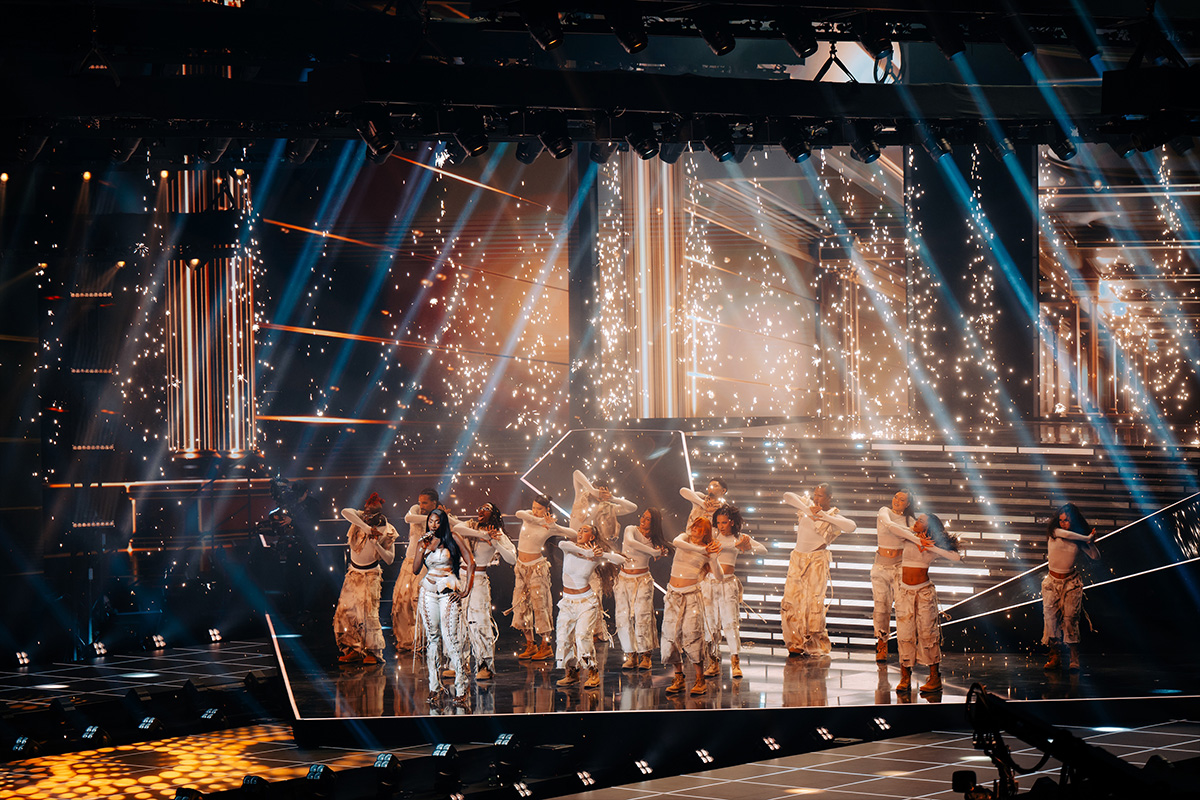
The Esports World Cup 2026 officially kicked off in Paris, France, with a grand Opening Ceremony at La Seine Musicale, welcoming the world’s best players, leading esports Clubs, publishers, partners, creators and fans to the first international edition of the world’s largest esports and gaming event.
Combining music, cinematic storytelling, competition and Parisian culture, the ceremony marked the beginning of seven weeks of competition that will bring together more than 2,000 players, 200 clubs, and representatives from over 100 countries competing across 25 tournaments in 24 games for a record-breaking $75 million prize pool.
From the first moments of the show, the ceremony celebrated the journey that brings players to the Esports World Cup 2026 while introducing Paris as the host city for a new chapter in the competition’s history. Live performances from Aya Nakamura, Theodora, DJ Snake and Mosimann were woven throughout a production that combined orchestral music, dance, augmented reality, large-scale stage design and cinematic visuals to connect esports with the culture of its host city.
One of the defining moments of the evening saw the Esports World Cup Club Championship trophy revealed before representatives from the world’s leading esports Clubs took to the stage, signalling the start of the race to become the world’s best.
The evening opened with an esports-focused pre-show hosted by Doigby before transitioning into the Opening Ceremony, which was designed for both the live audience at La Seine Musicale and millions watching around the world. DJ Snake closed the global broadcast before continuing with an extended live performance, followed by a closing set from Mosimann for the audience in Paris.
“The Opening Ceremony is our welcome to the world – that our historic event is open,” said Mike McCabe, Deputy CEO and Chief Operating Officer at the Esports Foundation. “As we bring EWC 2026 to Paris for the first time, we wanted to celebrate the city through artists who have helped shape music and culture in France today. Aya Nakamura, DJ Snake, and Theodora each represent something different, but together they reflect the creativity and influence that make Paris such a special place to host this event.”
Known for building a sizable global following through her distinctive combination of R&B, Afrobeats, zouk, and contemporary French pop, Aya Nakamura showcased to the crowd a stunning performance that embodied the wide-reaching spirit of the Esports World Cup.
As France’s top export artist and a dominant force on the global music scene, multi-platinum superstar Aya Nakamura boasts over 9 billion streams and countless charts. She delivered a stunning performance of her global hit “Copines” that perfectly embodied the wide-reaching spirit of the Esports World Cup.
Emerging from the Paris underground electronic scene to working with the biggest names in music such as Justin Bieber, Lady Gaga, and Pitbull, DJ Snake has evolved to become one of the pioneers of modern global record production.
France’s rising star Theodora, or ‘Miss Kitoko’ now, has emerged as one of the country’s breakout artists of a new generation. With millions of streams on her music, she blends rap, pop, and club music with the sensibilities of an always-online generation, harnessing a digital-native and fearless ambition that shines through her performances.
DJ, record producer, and live artist Mosimann is one of the hottest names in electronic music right now, and the Swiss-born French national delivered a thrilling closing set for the live crowd in Paris. His viral Dream Track series has seen over 280 million views worldwide and has evolved into a string of official releases and his own Dream Tour. With a debut residency in Ibiza this summer, along with sets at Tomorrowland later this month in Belgium, Mosimann brought an electrifying finish to the Opening Ceremony.
Throughout the ceremony, audiences also heard the EWC 2026 Orchestral Anthem, created in collaboration with 2WEI Music and Hollywood Scoring. Written as the musical identity of this year’s tournament, the anthem accompanies the journey of players and fans throughout the competition, from qualification to championship, and features throughout the Opening Ceremony and tournament broadcast.
With the opening ceremony now complete, the world’s attention now turns to the competition at the heart of the EWC. Fixtures featuring the world’s best players in the biggest competitive titles will unfold daily across multiple arenas throughout the French capital. Clubs compete for the ultimate prize in all of esports: the Esports World Cup Club Championship.
The post Esports World Cup Takes Over Paris For 2026 with Star-Studded Opening Ceremony appeared first on EE Gaming | Global iGaming & Tech Intelligence Hub.
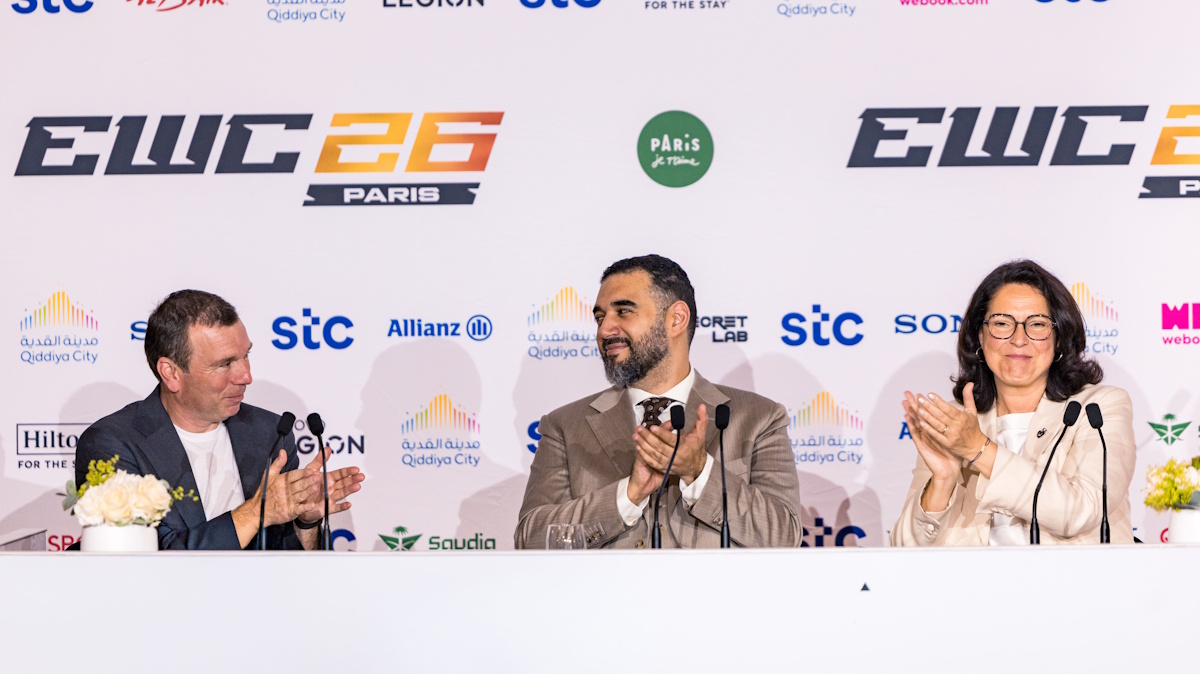
Seven-week event runs through August 23 with 2,000 players, 200 clubs and 25 tournaments across 24 games at Paris Expo Porte de Versailles.
The Esports Foundation has opened the Esports World Cup 2026 in Paris, marking the first international edition of the event. The tournament runs through August 23 at Paris Expo Porte de Versailles and will feature more than 2,000 players and 200 esports Clubs from over 100 countries competing across 25 tournaments in 24 games for a $75 million prize pool.
Organisers said the Paris finals follow the largest “Road to EWC” qualification programme to date, with more than 1.5 million players participating across 330 qualifying events spanning tournaments, publisher leagues and international circuits.
The opening press conference took place at the Hôtel de Ville with opening remarks by Emmanuel Grégoire, the Mayor of the City of Paris.
Ralf Reichert, CEO of the Esports Foundation, said: “Competitive gaming has always had great players, great games and unforgettable champions. The Esports World Cup brings them together in one defining annual stage. For seven weeks in Paris, every title crowns its own winner, but every result also contributes to a bigger race: the Club Championship. That is what makes EWC different. It rewards not only individual brilliance, but the depth, consistency and ambition of an entire Club.”
The Esports Foundation said Cristiano Ronaldo and Magnus Carlsen return as Esports World Cup Global Ambassadors. The event’s Club Championship will distribute $30 million of the overall prize pool, including $7 million for the winning Club, with Team Falcons aiming to defend its title after wins in 2024 and 2025.
On distribution, the organiser said EWC 2026 will be available in 160 countries via more than 100 broadcast and OTT partners, with more than 7,000 hours of live programming planned and coverage in over 40 languages. The Esports Foundation also said it expects up to 5,000 official co-streamers via its Creator Program, which it described as up 42% year-on-year.
The post Esports World Cup 2026 opens in Paris with $75m prize pool appeared first on EE Gaming | Global iGaming & Tech Intelligence Hub.
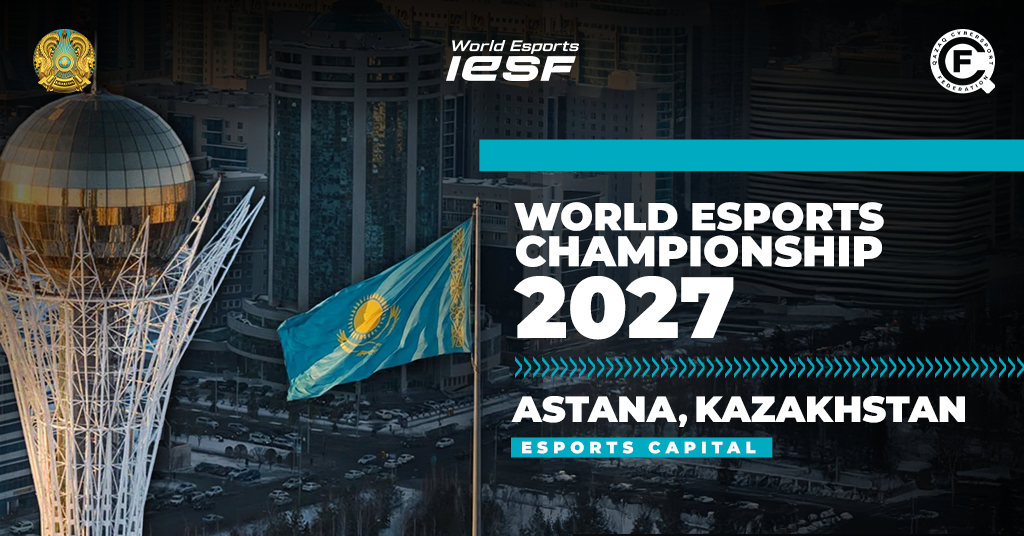
IESF signs host agreement with Kazakhstan’s Ministry of Tourism and Sports and the Qazaq Cybersport Federation in Astana.
Astana has been confirmed as the host city for the IESF World Esports Championship 2027 (WEC27), following a host agreement signing ceremony involving the International Esports Federation (IESF), the Ministry of Tourism and Sports of the Republic of Kazakhstan, and the Qazaq Cybersport Federation.
IESF said the event is expected to draw participation across more than 150 IESF Member Federations through the qualifiers, with national teams competing via IESF-recognized national member structures.
“WEC27 will be more than a championship. It will be a global celebration of nations, athletes, and the future of esports,” said Vlad Marinescu, President of IESF. “For every player, there is no greater honor than competing under their national flag and officially representing their nation on the world stage. That is what makes the World Esports Championship so powerful and so unique. In 2027, Astana will welcome the world and proudly stand as the Esports Capital in the World of Esports, uniting our Member Federations, athletes, fans, and communities. Kazakhstan has shown remarkable vision, ambition, and commitment, and we are confident that WEC27 will deliver an unforgettable championship and a lasting legacy for the global esports family.”
Yerbol Myrzabosynov, Minister of Tourism and Sports of the Republic of Kazakhstan, said: “We are honored that the International Esports Federation has entrusted Kazakhstan with hosting the World Esports Championship 2027. This reflects the confidence in our country’s ability to deliver an event of the highest international standard. Hosting WEC27 reinforces our commitment to advancing esports and creating new opportunities for young people through sport, technology, education, and international cooperation. We look forward to welcoming the World of Esports to Astana and showcasing Kazakhstan as a destination capable of delivering world-class international events.”
Kuanyshbek Yessekeyev, Chairman of the Board of Trustees of the Qazaq Cybersport Federation, added: “We sincerely thank the International Esports Federation for the trust and confidence placed in Kazakhstan to host the World Esports Championship 2027. This is a historic milestone for our esports community and a testament to the progress we have achieved together with our partners. Alongside IESF, the Ministry of Tourism and Sports, and our national stakeholders, we are committed to delivering an outstanding championship for athletes, fans, and the World of Esports. WEC27 will inspire future generations, accelerate the growth of esports in Kazakhstan, and strengthen our country’s position as a leading esports and digital innovation hub.”
IESF said more details, including schedule, qualification pathway, venues, official titles, ticketing, and the event program, will be announced in the coming months via its official channels.
The post Astana to host IESF World Esports Championship 2027 appeared first on EE Gaming | Global iGaming & Tech Intelligence Hub.

-

 10bet6 days ago
Ellis Park Stadium signs five-year naming rights deal with 10bet
-
central asia6 days ago
Groove confirms attendance at SBC Summit Tbilisi 2026
-
Bucharest5 days ago
Eeze opens 1,200 sqm Bucharest hub for technical teams
-
API integration4 days ago
Belatra signs cooperation deal to distribute slots via VeliGames
-
AB Trav och Galopp4 days ago
BetMakers Technology Group Selected to Distribute ATG Horse Racing Content Across Australia and New Zealand
-
Aviator4 days ago
Pernambuco court revokes Spribe’s interim relief in Aviator trademark dispute
-
affiliate marketing5 days ago
SEOBROTHERS’ Aleksandra Drigo flags higher barriers for affiliates in regulated Alberta
-
BETANO5 days ago
Play’n GO strengthens Latin American presence with Betano Colombia launch