Brazil
Counting Down: A Roundtable Preview of Brazil’s iGaming Era

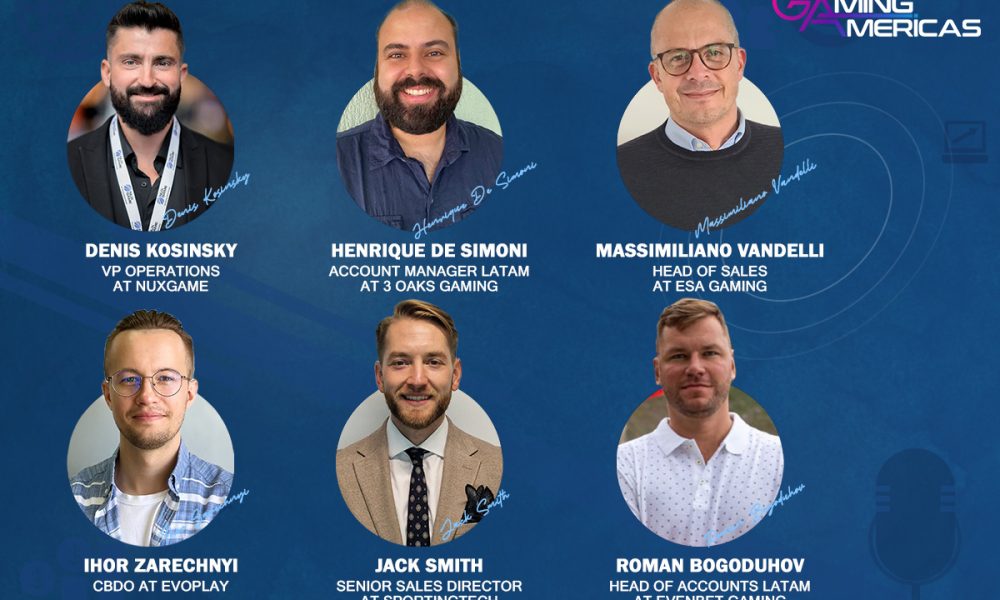
As Brazil finally gives the green light for sports betting and iGaming, industry leaders are gearing up for a transformative chapter in 2024. In this insightful roundtable discussion, we had the privilege of engaging with key figures, namely Henrique De Simoni (Account Manager LatAm at 3 Oaks Gaming), Massimiliano Vandelli (Head of Sales at ESA Gaming), Denis Kosinsky (VP Operations at NuxGame), Ihor Zarechnyi (CBDO at Evoplay), Jack Smith (Senior Sales Director at Sportingtech), and Roman Bogoduhov (Head of Accounts LatAm at EvenBet Gaming) to delve into the exciting prospects of casino entry into the newly regulated market. Our focus centred on the meticulous preparations undertaken by suppliers, understanding local player preferences, and exploring the collective vision for the future of this burgeoning market.
As the journey to secure the final approval for iGaming regulation in Brazil concludes, what strategies and preparations has your company put in place for the upcoming market launch?
Henrique De Simoni
Despite Brazil’s iGaming market being in its incipient stages, it has transitioned from a rising star to a tangible reality. This regulatory milestone in the largest Latin American country signifies a plethora of opportunities for the entire iGaming ecosystem, spanning from operators to providers.
As a company known for its agility and meticulous attention to detail, we’ve been actively engaging with key events in the region such as SBC Brazil, and SiGMA Americas. By fortifying our network and relationships with major operators, platforms, and aggregators, we’re positioning ourselves strategically for the impending market launch.
Massimiliano Vandelli
The impending regulation of iGaming alongside sports betting in Brazil presents a pivotal opportunity for our company. We’ve meticulously prepared for this milestone by adopting several strategic initiatives. Firstly, we recognise the significance of a diverse portfolio, particularly given the potential exclusion of certain online casino games. Therefore, we’ve focused on ensuring a balanced offering to cater to varying preferences and regulatory requirements.
Localization lies at the core of our approach. Brazil’s vast and distinct market demands tailored solutions, encompassing language support, minimum bets, and game types that resonate with local preferences. Additionally, understanding the nuances of player behaviour, such as volatility preferences, is crucial for delivering a compelling gaming experience.
Furthermore, leveraging our existing partnerships with established operators positions us strategically in capturing a substantial market share. We have a track record of success with these operators, and collaborating closely with them not only strengthens our market presence but also facilitates smoother market entry.
Ihor Zarechnyi
Evoplay’s business strategy after the final approval of iGaming regulation in Brazil will involve forging key partnerships to strengthen our position in the Latin American market.
With Brazil’s population surpassing 215 million and the local audience’s passion for entertainment, our diverse game portfolio is calibrated to cater to their preferences. Our overarching goal is to replicate and surpass the success we’ve already achieved in Latin America. We focus on enhancing the gaming experience of Brazilian players by addressing their entertainment requirements.
Denis Kosinsky
As for all new market entries, our strategy for Brazil consists of compliance, localization, partnerships and innovation. Much like Europe, Brazil is a highly fragmented market and each state should be approached on a case-by-case basis. We are customizing our platform for Brazilian players by adapting to the culture in terms of language, local payment methods and games that resonate locally while our multi-brand feature can be used by casino operators to manage different geos. We’ve also turned our attention to forming partnerships with Brazil-based companies, enabling us to both broaden our reach and enhance our offering.
With smartphones dominating as the preferred device for iGaming, we’re optimising our tech’s mobile compatibility for a superior experience. In addition, our marketing efforts are tailored to engage Brazilian audiences through localized content and community events. As Brazil finalizes its iGaming regulations, NuxGame is ready to deliver a comprehensive and culturally attuned gaming experience.
Jack Smith
We have recently seen that the Brazilian government has now officially recognised GLI as a certified testing lab. As part of this we have made continued efforts to conform to GLI 19 and GLI 33 which are synonymous with other markets on a global level. In addition to that we have also been working closely with Serpro on data transfer requirements.
In terms of strategy, our stance remains the same as always. We are focused on collaborating with our operators to ensure that we give them all of the technical tools and capabilities to harness their own local expertise and continue to be successful. This is crucial in what will likely be a very competitive market.
Roman Bogoduhov
The country is still at the early stages of regulation, so setting rules and transforming them into business practices will take several long and hectic months. Traditionally, online poker is not the first vertical to be regulated, and this is the case for Brazil as well: our turn will come after sports betting and online casino games. What we are doing now is a lot of homework and preparation: connecting with the market stakeholders, getting to know the player preferences, specific market challenges, and software demands.
Product localisation and customisation are at the core of the EvenBet Gaming platform, and our offering has to be ready for the market launch. So, our business development team explores the market and identifies the features and solutions needed by the Brazilian operators and players, so that we can adapt our product to their needs.
Also, it’s crucial to mention that the Brazilian iGaming community is quite closed and somewhat wary towards foreign vendors and providers, preferring to establish partnerships with companies that demonstrate a proven success record in the local market. While regulation moves forward, we can take it slowly, creating fruitful relationships, showcasing examples of our partnership with operators in South America and educating the market on the business strategies allowing us to earn on poker.
In anticipation of the iGaming launch, which specific verticals do you believe will capture the hearts of local players, and have you identified any unique preferences or trends that are shaping your approach?
Denis Kosinsky
As part of our continuous improvement strategy, NuxGame conducts regular market research and player feedback analysis to tailor our offering and stay ahead of the tech curve. With our aims of delivering a diverse, engaging, and secure gaming environment that aligns with local player preferences, we have identified key verticals that are poised to captivate local players.
Mobile gaming is one of the largest growing trends worldwide and Brazil is no different. NuxGame’s platform has optimized games to present a seamless mobile experience, catering to this increasing demand. Looking at specific genres, live dealer games perform particularly well in Brazil. For these titles to flourish moving forward, it is important to ensure that there is a Portuguese-language option in addition to high-quality live streaming and a diverse array of experiences to engage as many players as possible. Brazil is also a large adopter of cryptocurrency and blockchain technology. NuxGame’s Web3 technology and cryptocurrency purchasing feature position us to leverage these technologies for secure and efficient gaming experiences.
Ihor Zarechnyi
Initial findings from Brazil reveal a strong preference among the local audience for online casinos and sports betting. Based on third-party market research, it appears that Crash games capture the attention of 79.61% of Brazilian players. Following closely behind are slots, with a significant 39.83% engagement. Leveraging these data and our experience in the LatAm market, we’re confident that Evoplay’s diverse game portfolio, particularly our sport-themed titles, will deeply resonate with this audience.
However, despite our solid foundation, we remain committed to further understanding the local business culture and refining player communication approaches for strategic success. We’re actively developing exclusive projects like Slotopia and Bingo to enrich our offerings and cater to diverse player demographics.
Roman Bogoduhov
Undoubtedly, sports betting will stay the top online vertical in Brazil. As the market expands, new technologies and advanced solutions are coming to the country, online sports betting has a chance to become more prominent than offline, thanks to live bets, mobile access, and fast and secure payments which become available as the regulation settles.
Traditionally, the lottery is the second most popular gaming activity. Still, the state has a monopoly here, so the operators and vendors will demand lottery-like games: bingo, scratch games, keno, etc. Live casino games, card games (including poker and blackjack), and new trends like crash games will follow the leaders.
Jack Smith
As we know in most established markets there is a traditional split between sports betting and casino with Brazil unlikely to differ. Brazilians have a huge affinity with Soccer and that is not going to change anytime soon with more operators vying for sponsorship opportunities with its biggest clubs.
The inclusion of iGaming into the bill was hugely important as well as this represents a sizeable piece of the market. The likelihood is that we will likely see this continue to grow through traditional live dealers and crash games which have proven to be popular in the region as well.
At Sportingtech we recognize iGaming’s importance, hence why we are continuing to partner with local games providers to supply fresh new casino content that we feel will identify with the consumer. It remains to be seen how the landscape will change in the future but as always, our teams will continue to research the market and look for new innovative products to satisfy Brazilian players.
Massimiliano Vandelli
We foresee a diverse landscape of gaming verticals that will resonate with Brazilian players, driven by both traditional and innovative content. One area of particular promise lies in non-traditional games, such as crash games, which have demonstrated considerable appeal across Latin American markets. Our EasySwipe portfolio, in particular, stands out as a compelling offering for sportsbooks seeking to diversify into casino games. For instance, games like Goal Mine World, which allows players to personalize their gaming experience by selecting colours associated with the Seleção Canarinha (Brazilian national team), are tailored to resonate with local tastes.
Our widget integration within sportsbooks has already yielded remarkable results, fostering player loyalty and facilitating seamless cross-selling between sports and casino content. This underscores the importance of delivering fast and engaging casino experiences that complement sports betting activities.
While sports are expected to drive significant engagement, the initial interest from online operators targeting the Brazilian market indicates a growing demand for high-quality casino content as well. In response, our latest line of video slots, featuring titles like 12 Deadly Spins and Candy Drops, is poised to captivate avid casino enthusiasts seeking immersive gaming experiences.
Henrique De Simoni
Absolutely! With our company’s wealth of experience in the iGaming industry, I’ve been entrusted with spearheading our efforts in LatAm, particularly in Brazil. Understanding the local culture, speaking the language, and possessing a background in the B2C sector allows us to infuse our offering with user-centric experiences for enhanced player engagement.
I firmly believe that cross-selling will be the primary vertical to target. Seamlessly transitioning players from the sportsbook to casino presents a golden opportunity, especially in a country where sports hold significant cultural sway. While crash games have made initial waves, we anticipate slots to take centre stage in the long run. Our successful slot title, Coin Volcano, with its captivating theme, user-friendly gameplay, and vibrant graphics, exemplifies the high-quality gaming experiences we’re aiming to deliver in the market.
What are your overarching expectations for its trajectory? Are there specific milestones, challenges, or growth indicators that you foresee shaping the landscape in the coming years?
Massimiliano Vandelli
Looking ahead, we anticipate various challenges and growth indicators that will shape the trajectory of our operations in Brazil. Regulatory developments, including the implementation of iGaming legislation and associated licensing frameworks, will significantly influence market dynamics and operator engagement. Furthermore, evolving player preferences and market trends, such as the integration of sports and casino content, will present both opportunities and challenges for our growth strategy.
Primarily our aim is to secure significant exposure for our games with leading operators in the market. To achieve this, we are committed to fostering and strengthening our relationships with major partners in Latin America, who are poised to play a pivotal role in the market. We’re exploring opportunities for exclusive partnerships, developing sports-driven content, and creating bespoke games tailored to the requirements of major operators. By prioritizing localization, we aim to enhance player engagement and drive adoption of our offerings across the Brazilian iGaming landscape.
Jack Smith
Given the strong interest by what feels like the majority of the iGaming industry, it’s fair to say that everyone sees the growth potential in Brazil over the coming years. Research suggests that revenues will reach $2bn in 2024 and a projected market volume of $4bn by 2029. If those projections were to be correct, Brazil would solidify itself as one of the largest markets globally.
There aren’t specific milestones we are working towards but the continued increase of internet penetration in Brazil will play a crucial role in the development of the online gambling market. Smartphones are becoming more cost effective and available to everyone, and with the incoming legislation we will see the introduction of native apps to the iOS and Google Play stores. This will add an additional layer of convenience to the consumer.
There is also the retail opportunity, which has been hidden in plain sight for a number of years, so it will be interesting to see whether operators transition into retail to penetrate players who are limited to cash only transactions.
Ihor Zarechnyi
With the market’s upcoming launch, we anticipate a notable surge in activity. However, like any new endeavour, this journey may be accompanied by challenges and will require thoughtful, well-balanced actions from regulatory authorities and market participants.
We maintain a positive outlook based on predictions that Brazil’s online sports betting, casino, and bingo market could soar to nearly $3 billion in revenue by 2027, positioning it among the world’s leading markets.
As we navigate rapid growth, it’s important to acknowledge the potential risks, including market overheating. However, armed with a robust strategy and a line-up of games that culturally connect with Brazilian players, we’re well positioned for success in further solidifying our standing in the LatAm market.
Henrique De Simoni
The average Brazilian spends over nine hours on the internet per day, signalling a profound digital presence ready for exploration. As such, we’re poised to leverage this extensive online engagement by ensuring our high-quality games, coupled with robust gamification elements, provide unparalleled slot experiences.
In anticipation of numerous new entrants and potential mergers and acquisitions in the market, we’re gearing up for increased competition. With over 134 companies vying for licences in Brazil, each capable of operating three platforms, the landscape is primed for expansion, with an estimated 402 regulated betting sites anticipated. Despite the challenges ahead, we’re optimistic that our expertise and ability to resonate with the Brazilian audience will set us apart. The best is indeed yet to come!
Roman Bogoduhov
Now the Brazilian iGaming market is shaping, and once the project is launched and adapted to the local preferences, it’s relatively simple to compete and acquire players. The operators will win with attractive bonuses and promotions, well-thought campaigns, and in particular social media marketing and influencer-based advertising. Brazil is one of the biggest influencer markets in the world, according to the statistics, up to 45% of consumers here trust social media platforms and recommendations. At this stage, I will not be surprised if Instagram and TikTok are literally invaded by sports betting and casino placements.
During this initial bountiful period, operators must keep in mind long-term goals. Given the difficult history of long and painful payouts and the lack of local or at least Portuguese-speaking customer support, these two operational aspects are irreplaceable for building trust and long-term engagement and are currently in the top three reasons for player churn.
Denis Kosinsky
With regulation finally being implemented, we can expect Brazil to become a favorable market for growth and sustainability. Early insights signal toward rapid expansion fuelled by the recent legislation, while its young, tech-savvy population’s strong interest in digital entertainment means it is poised to become one of the biggest markets worldwide. Pivotal to success in the market will be player acquisition and retention strategies that provide a superior user experience. Initiatives such as loyalty systems, player battles and brand customization will be critical in retaining players and staying competitive.
We’re closely monitoring growth indicators such as user engagement metrics, market share expansion, and the adoption of new gaming technologies to adapt our strategies for sustained growth. Furthermore, responsible gaming, at its core, is the most important contributor to making the gambling industry sustainable in the long-term. To play our part in this, NuxGame will be focusing on ethical practices to foster a safe and sustainable gaming environment.
Stemming from complex regulatory frameworks, compliance requirements and heightened competition, encountering challenges in a new market is unavoidable. Through our dedication to innovation, customer satisfaction, and strategic partnerships we can address these obstacles before they arise and ensure a smooth launch into the regulated Brazilian market.








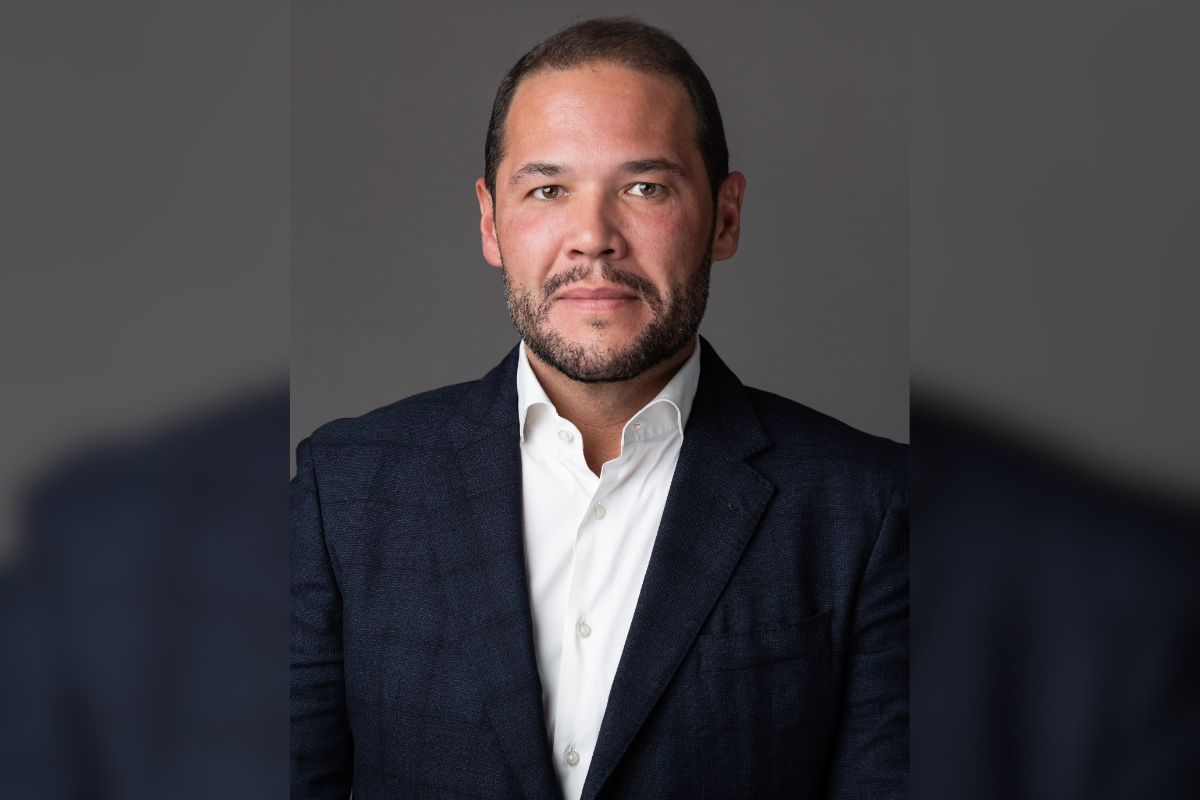
Superbet CEO Alexandre Fonseca has been included in the global ranking “Game Changers: Top 100 most influential people in iGaming 2026,” with the company stating he is the only Brazilian executive featured on the list.
Fonseca linked the recognition to the development of Brazil’s newly regulated betting market. “This is the result of a journey that began back in 2007. Today, we see the sector consolidating itself as an economic pillar which, in its very first regulated year in 2025, generated BRL 37 billion in volume and BRL 10 billion in federal taxes,” he highlights.
The executive also pointed to the role of governance and compliance as the market scales. “Our role now is to ensure this growth continues to be guided by legal and tax certainty. At Superbet, player protection and user experience are not just rhetoric, but technology applied in real-time.”
According to the press release, the Game Changers list is an annual ranking that selects impactful leaders, professionals and regulators in the global online gaming industry, based on criteria including innovation and market relevance.
For operators and suppliers tracking Latin America, the inclusion underscores the growing prominence of Brazil’s regulated online betting sector as it attracts international attention and investment focus.
The post Superbet CEO Alexandre Fonseca named to Game Changers iGaming 2026 list appeared first on Americas iGaming & Sports Betting News.
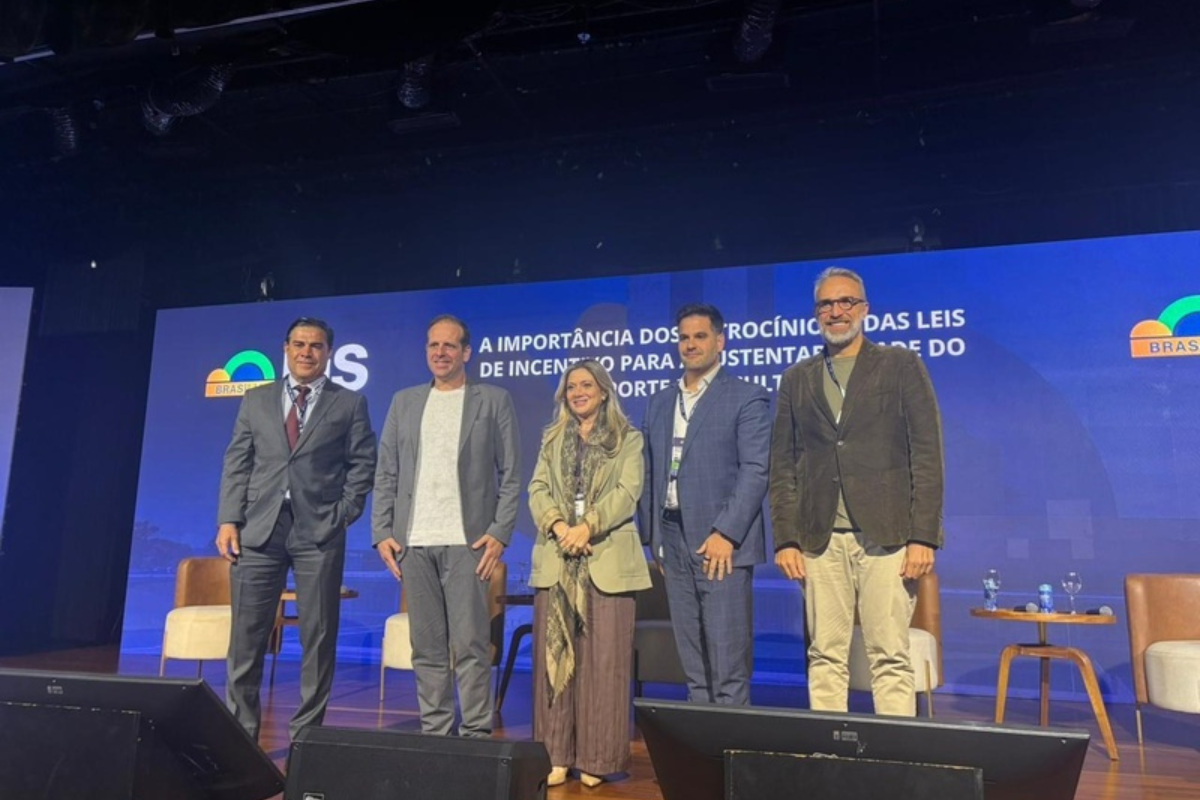
Esportes Gaming Brasil director Hugo Baungartner used a panel appearance at BiS Brasília (Brazilian iGaming Summit) to argue that sports and cultural sponsorships should be measured by their long-term impact, not just brand visibility. Baungartner spoke during the session “A Importância dos Patrocínios e das Leis de Incentivo para a Sustentabilidade do Esporte e da Cultura.”
During the debate, Baungartner said sector maturity requires a long-term approach that turns sponsorships into platforms for relationship-building and local ecosystem development, connecting with fans, consumers and communities.
He highlighted the group’s sports partnerships with Corinthians, Ceará, Náutico and Ferroviária, as well as support for Brazilian cultural events including Carnaval, São João and the Festival de Parintins. Baungartner said major events can move entire supply chains by boosting tourism, commerce and job opportunities, and pointed to the importance of working with local suppliers and professionals in Parintins to expand the positive impacts of sponsorship spending.
Baungartner also addressed challenges in Brazil’s regulated betting market, saying consolidation depends on governance, integrity and consumer protection, alongside efforts to combat illegal operators. He said advances in provider regulation and stronger financial traceability mechanisms are important steps to limit unauthorized activity and improve user security.
“Patrocínio responsável é aquele que cria conexão real com o público e deixa legado no território. No esporte e na cultura, isso significa investir com governança, transparência e propósito, fortalecendo um ecossistema que gera renda, emprego e oportunidades”, afirmou.
The post Esportes Gaming Brasil exec calls for ‘responsible sponsorship’ at BiS Brasília appeared first on Americas iGaming & Sports Betting News.

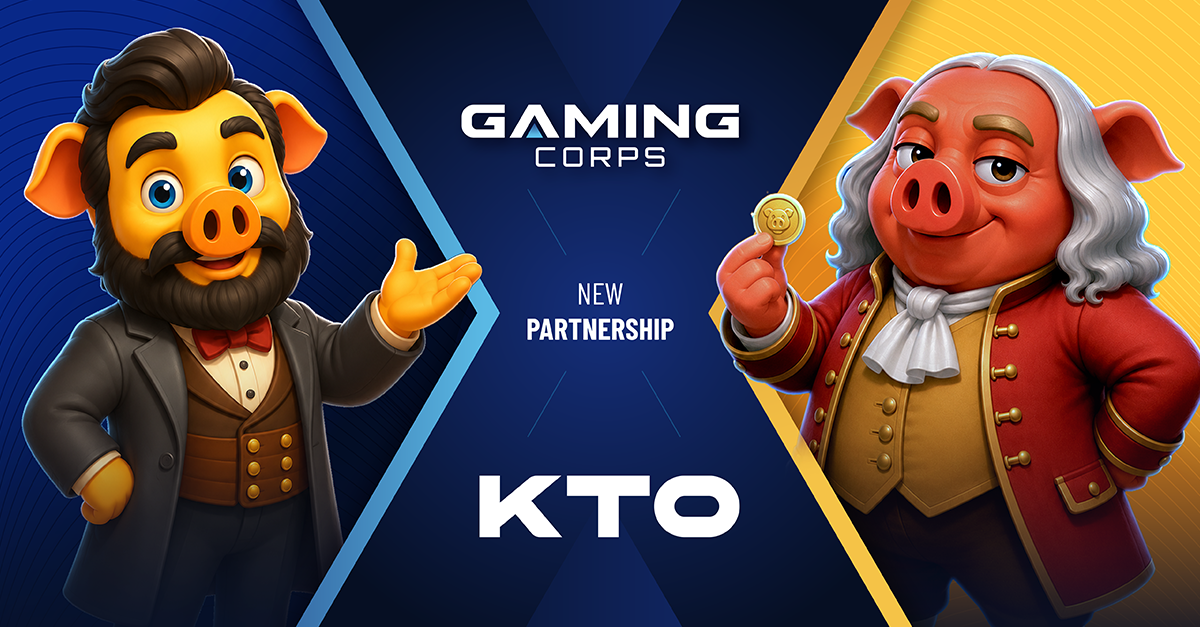
The Sweden-listed supplier adds titles including Penalty Champion, Instant Blitz and the Pigs series to KTO’s Brazil-facing casino offering.
Gaming Corps has launched its full game portfolio with KTO in Brazil, expanding the Sweden-listed developer’s distribution in the country through a partnership with the online betting and gaming brand operated by APOLLO OPERATIONS LTDA.
Under the agreement, KTO players get access to Gaming Corps titles including Penalty Champion, Instant Blitz, and 4 Gym Pigs: Porky Power. Gaming Corps also said additional games from its Pigs franchise, including 3 Pigs of Olympus, will be made available on KTO.
Graham Greensmith, Chief Commercial Officer at Gaming Corps, said “KTO is a standout partner for us in Brazil. It has a strong local identity, a clear understanding of its players and a brand that feels energetic and ambitious, all of which makes this a very exciting launch for Gaming Corps. This partnership is also a strong reflection of where we are heading as a studio. We are building a portfolio with more range, more flexibility and more personality, and KTO gives us a great platform to showcase that in one of the world’s most exciting regulated markets.”
Myrella Allgayer, Head of Casino – Brazil at KTO, added: “At KTO, we want our casino experience to feel relevant and closely aligned with the way Brazilian players like to play. We work with providers that can bring something distinctive to the platform, and Gaming Corps fits that approach very well. Their portfolio adds a fresh dimension to our offering, with content that brings together strong themes, engaging mechanics and a wide range of formats. This partnership supports our ambition to keep building a premium, innovative and locally resonant experience for players in Brazil.”
The post Gaming Corps rolls out full game portfolio with KTO in Brazil appeared first on Eastern European Gaming | Global iGaming & Tech Intelligence Hub.

-

 Asia6 days ago
EGT Brings High-Impact Asian-Themed Portfolio to SiGMA Asia 2026
-
Africa6 days ago
Gaming Realms expands into three African markets via SportyBet partnership
-
Conference6 days ago
Danish regulator to speak at Gaming in the Nordics launch event
-
Africa6 days ago
Greentube partners with World Sports Betting to expand in South Africa
-
BETER6 days ago
BETER expands US footprint with Illinois approval
-
Argentina6 days ago
Stake continues Latin American expansion with Argentina launch
-
affiliate marketing6 days ago
CasinoCanada partners with LolaJack Casino to expand Canadian visibility
-
Ben Wood CCO at Playson6 days ago
Playson strengthens North American footprint with Caesars Entertainment partnership