Interviews
Relax Gaming: Technology supporting game innovation

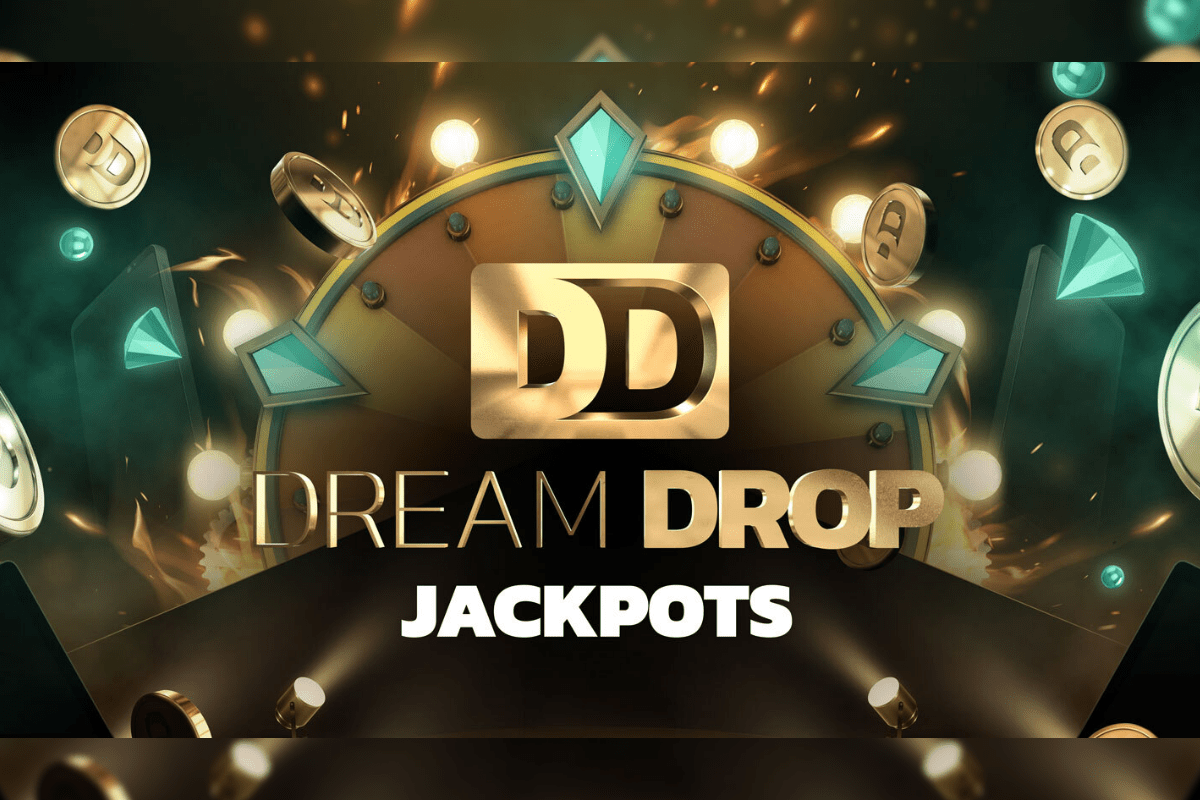
European Gaming caught up with Relax Gaming’s Marta Zogala, Senior Product Manager and Johan Jönsson, Casino Client Architect, about the phenomenal success of the company’s Dream Drop jackpots innovation and how its front-end integration solution Relax ApexⓇ made this possible.
Before we get started, talk us through Dream Drop’s success since its launch – what’s the story behind it and how popular has it been?
MZ: Dream Drop Jackpots has enjoyed fantastic success since its launch, much of which is owed to the meticulous research processes of our teams. When we set out to build Dream Drop, our scope was to first address several shortcomings that existed in the jackpot space, and then to inject our signature flare for excitement generation.
We sought to deliver on aspects of the mechanic that the current market couldn’t satisfy, such as must-drop features, engaging games beyond the jackpot functionality, providing big-ticket prizes, and generating more frequent fallouts than any other jackpot that exists. In four short months, we’ve had over 900,000 winners, including 35 Major, and three Mega. These are figures that would usually take years to achieve with other jackpot mechanics.
The frequent must-drop mechanic was built with both the traditional player group as well as the new demographic of jackpot players in mind. In recent years, we’ve experienced a drastic shift towards mobile, with players logging in more often but for shorter sessions and this sparked quite a few of our core ideas. We believe that the days of slow-growing and falling jackpots are over and our progressive jackpot is out to prove this.
Gaming innovation is a word spoken about plenty in the industry – but in your eyes, what translates a product innovation into operator and studio success?
JJ: I believe addressing needs is at the root of most successful innovations. An ideology we hold at Relax is founded on listening to our audience before developing the next novelty. By keeping that dialogue open between ourselves and operators, players, and streamers we’re able to identify what the market is lacking, which provides the first puzzle piece to satisfying them and the nucleus of the next big idea.
Following that, I think execution is key. You can have the best idea, but ultimately, without the technical know-how to bring it to market, you have nothing at all. At Relax, we emphasise that our technical foundations help us carve out our route to success by helping our studio partners and operators reach their targets. Relax ApexⓇ is a perfect example of this, providing quality-assured, fully-compliant content at speed with the added benefit of offering Relax Loyalty tools and promo campaigns, we’ve created an equation that brings each party closer to their goals.
Relax’s Apex has been mentioned multiple times as essential to making Dream Drop happen, how does it work and what makes it integral to Dream Drop?
JJ: Relax ApexⓇ works on a standardised integration system that we use to intercept and communicate with a game on a generic level. This allows us to produce content such as Dream Drop outside of the game while maintaining deep integration. In this way, the need for extra modifications to implement the mechanic is entirely removed, making it fast and easy. Through Relax ApexⓇ, we’re able to write the Dream Drop module a single time and deploy it among multiple games at once.
How much do you see regulatory overlays, such as Relax Apex, being integral to the future success of game features?
MZ: Relax ApexⓇ is vital to our future growth in regulated markets. It allows us to extrapolate and create abstractions on a level that simply was not possible before. The infrastructure not only provides regulatory overlays, but also integrates new features into existing games such as in the case of the Dream Drop Jackpots and our upcoming promotional portfolio.
This just scratches the surface of our future plans for the framework. We look forward to sharing more soon and continuing to break barriers in the industry!
Given the current regulatory environment in Europe – how much will products like Relax Apex prove to be a key differentiator?
MZ: Compliance and speed-to-market for new jurisdictions are currently some of the biggest challenges being faced by businesses operating in the iGaming industry. A single automated solution that enables fast and easy adaptation to new requirements is sure to become imperative to the future of our landscape. Having an overlay of this kind offers security for Relax and our partners while giving our operators the confidence to distribute content widely.
JJ: Products like Relax ApexⓇ lift the regulatory burden off game producers, allowing them more time to focus on the quality of their content, while saving operators time by reducing their game-by-game QA duties and bulk of compliance implementation. If the current regulatory landscape is anything to go by, software of this kind will become key differentiators sooner than we think.
Last but not least – talk us through the future of compliance for major platform providers and game studios like Relax, how do you plan to continue staying ahead of the curve?
JJ: In the gaming industry, you need to keep moving to keep up. Regulations will only increase and more measures are bound to emerge that will alter the way we produce content time and again. A well-oiled machine is imperative to continue adapting, improving and innovating, which involves having sound technical foundations, compliance experts at hand, and talented creatives at the core.
By utilising the latest technologies and creative initiatives such as Relax ApexⓇ, our developers are able to prepare and face the challenges with sufficient knowledge and adapt to unforeseen scenarios.
MZ: In fact, this is also how the idea of Relax ApexⓇ was born; we looked at how we could organically build a technology-driven solution to our own issues and explored growing it to span those of our operators and studio partners. The result is a framework that empowers our partners and our teams to keep pushing the limits of iGaming.
Powered by WPeMatico



Looking beyond Brazil, which LatAm market stands out most right now, and what makes it attractive?
Liam Hoofe, Content Strategist at GameOn
Based on our research for GO Intel, I think Chile is the market to watch out for the most. The size of the opportunity is potentially massive, with the Chilean Senate’s own figures estimating that more than 5 million Chileans are already gambling online.
The demand is definitely there, and broader discussions about a regulatory framework are underway. Our estimates in GO Intel also put channelisation rates at 80% if enforcement and regulation ran smoothly.
The proposed ‘cooling-off’ period for operators already active there is also quite a unique approach, and it will benefit those who approach the market with the right foundations in place.
Of course, as we’ve seen with Brazil, there will no doubt be a lot of public debate around the market, and the tax structure could be complex, but of the three we researched, this one still stands out the most.
Paulina Hovar, Lead Sales Manager LATAM at BGaming
Right now, Mexico and Argentina stand out the most to me.
Mexico has been showing steady growth for a while now. It’s already a fairly mature market with strong operator presence, but there’s still plenty of room to scale. At the same time, one of the main things to watch is the tax situation and how regulation may develop in the future, since that could impact profitability and market dynamics.
Argentina is interesting for a different reason. The market is regulated at the provincial level, so it’s much more decentralized. That creates opportunities because entry can be more flexible, but it also means you need to understand the local landscape and choose partners and regions carefully.
Ramiro Atucha, Board Advisor to Kiron Interactive
Mexico stands out. The size of the market alone makes it attractive, and the current regulation is already acceptable enough for public companies to feel comfortable operating there. It’s also moving toward a more formal framework, so there’s still margin to grow. Beyond Mexico, I’d point to Chile, certain provinces in Argentina, and Colombia. All three have their own dynamics, but they’re markets you can’t ignore right now.
When entering markets that are still evolving from a regulatory perspective, what’s the right balance between moving early and waiting for clarity?
Liam Hoofe, Content Strategist at GameOn
That’s the million-dollar question, and it’s one I’m not sure there is a 100% correct answer to. For me, it’s about building relationships, ensuring you have the right infrastructure in place, and understanding a market before you invest.
Operators and studios that just enter with no understanding of the culture and of the way the regulatory landscape could adapt are putting themselves at risk of failing.
Trying to remain one step ahead of regulation and working alongside the regulators to help the market mature is always going to be a much better approach than just waiting for regulation to come into place and being reactive.
Paulina Hovar, Lead Sales Manager LATAM at BGaming
It depends on how mature the market is.
If the regulatory framework is already clear and established, then the best approach is to operate fully within the licensed model from day one.
But in markets that are still in a gray or transitional stage, where operators are already active, it can make sense to take a more gradual approach. That could mean building partnerships, adapting the product to local needs, and preparing for future regulation before fully committing.
You also have to be very careful about legal and reputational risks. Every market is different, so timing and level of involvement should be assessed on a case-by-case basis.
Ramiro Atucha, Board Advisor to Kiron Interactive
As early as possible, as long as it isn’t illegal or forbidden. That’s the right moment to enter and transition through the regulatory process. Brazil is the clearest example. Sports betting was legalized in 2018, but the full regulatory framework only came in late 2023, with licensed operations starting in 2025. The operators that used those years to attract players, test the market and build name recognition without breaking the law made a real difference. By the time regulation arrived, they were already established.
As markets like Chile, Peru, and Uruguay develop, what will separate the brands that succeed from those that struggle?
Liam Hoofe, Content Strategist at GameOn
The biggest differentiator for me is localisation, and by that, I mean real localisation, not just translating a game into Spanish and calling it a day. This means actually creating products and promotions that speak to local audiences. LatAm is not just some big monolithic market with a one-size-fits-all solution – brands that succeed there are the ones that understand this. The ones who know that a player in Chile is not the same as one in Uruguay or Brazil are going to be the big winners.
On top of that, working closely with regulators and showing genuine concern for players’ well-being in these markets will make a huge difference. It’s not enough anymore to just display simple responsible gambling tools; players want to see it in your actions, and it’s obvious to them which brands really care and which are just ticking boxes.
And finally, local partnerships. Some of the most successful companies we work with are those that really integrate themselves and find local partners that offer genuine insight into communities, and can be leveraged to build trust. This can be achieved in a number of different ways, whether it’s through working with local content creators and influencers or getting involved with local charities and events.
Paulina Hovar, Lead Sales Manager LATAM at BGaming
As markets like Chile, Peru, and Uruguay continue to develop, the following three factors will set successful brands apart from the rest.
First, strong local partnerships. Without people on the ground and a real understanding of how each market works, it’s very difficult to build a sustainable position.
Second, product adaptation. Translation alone is never enough. Companies need proper localization that reflects user behavior, cultural differences, and local audience preferences.
And third, regulatory readiness. The companies that invest early in certification, compliance, and building the right processes will have a major advantage later on. It’s expensive and takes time, but in regulated markets, long-term preparation usually makes the difference between short-term growth and lasting success.
Ramiro Atucha, Board Advisor to Kiron Interactive
Brands that bring international experience and proven competitiveness from other markets, combined with genuine local understanding, will get the best of both worlds. The international background gives you credibility and product depth. The local presence gives you a product that’s actually adapted to how players in that country behave. Neither side works on its own. In Chile, Peru, and Uruguay, the operators who get this combination right are the ones who’ll separate from the pack.
The post LatAm: Beyond Brazil – Chile, Uruguay and Peru’s Regulatory Trajectories appeared first on Americas iGaming & Sports Betting News.

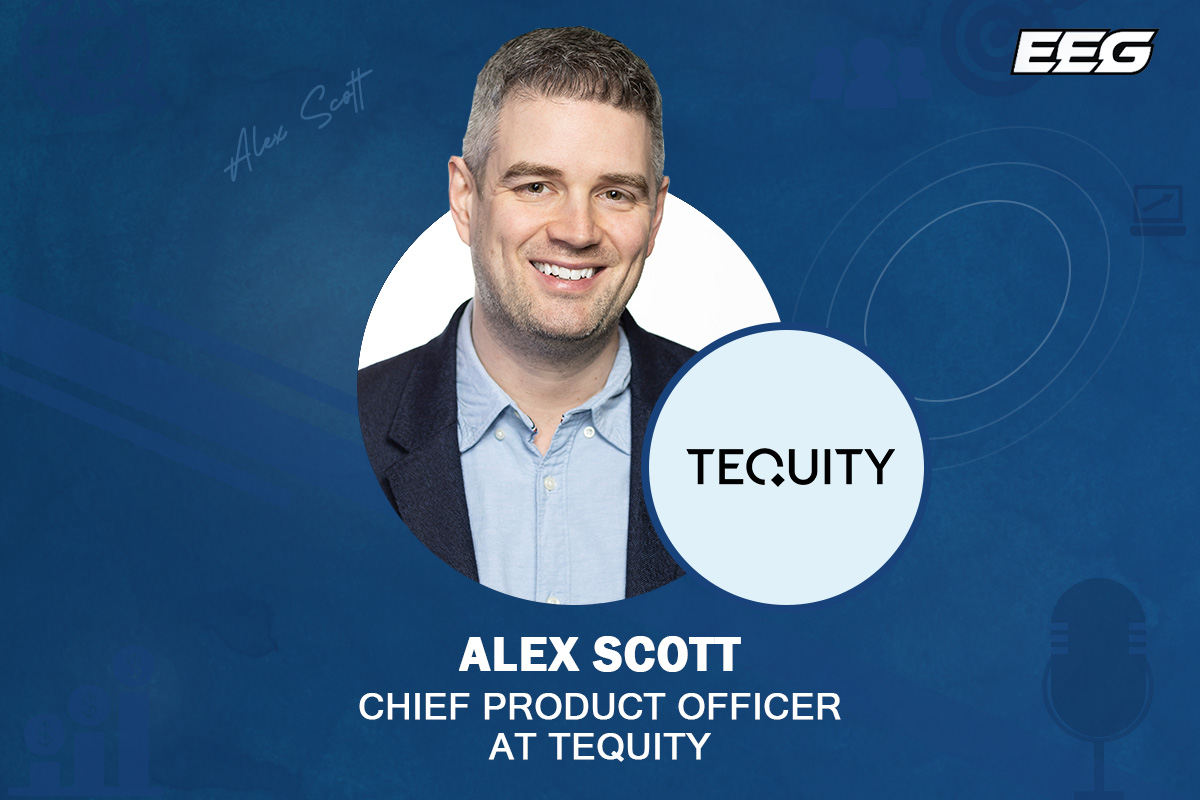
Following his appointment as Chief Product Officer at iGaming software pioneer Tequity, industry veteran Alex Scott outlines his vision for the company’s expanding product suite. With over 20 years of leadership experience, including driving WPT Global to become the world’s second-largest online poker room, he shares his insights on how Tequity’s approach is redefining both the games players enjoy and the way they are distributed.
You have held senior leadership roles at major operators and suppliers. What convinced you to join Tequity, and what are your main priorities as CPO?
Tequity is a business that I’ve admired since I first became aware of it. In that time I’ve heard so many positive things about how the company is able to move very quickly and decisively, while still delivering ultra high quality products for its partners. When I started interviewing for the position and meeting the people involved, that only reinforced the positive impression I had. It was clear to me that this was a company that is at the forefront of innovation in the iGaming space, creating and delivering content that is fresh and exciting.
My priority as CPO is to further accelerate the development of top-quality products that are highly relevant to today’s players. I’m excited to roll up my sleeves and get stuck in – there are so many possibilities!
Tequity recently secured BMM Testlabs certification for its RNG and the first batch of Originals titles. How does that accelerate your product roadmap?
This certification will open up many more potential customers for Tequity, and therefore many more opportunities for businesses to take advantage of Tequity’s services, like our bespoke Exclusives and our top-performing Originals. Operators fighting for market share are always looking for those added-value elements that can set them apart from the competition and our fully brandable, customisable and feature-packed content offers that key point of difference.
It will also enable the studios using our RGS and Publishing solutions to widen their own distribution and reach many more potential customers as well – just another reason to choose our RGS. We have seen the strong demand for our games and solutions from partners all over the world, and we believe that this appetite will be more than matched by operators in the regulated market space.
Finally, it represents s a step towards a wider regulated market expansion which I am excited to be involved in.
Player preferences are moving decisively toward fast-paced, community-driven experiences. How do Tequity’s game divisions cater to this next generation of player engagement?
One of the things that sets Tequity apart is that the company truly understands what the modern generation of players are looking for. They are discovering online casino in a very different way to past generations, and require simpler, easier to understand, more socially-driven content if you want their full attention. Today’s players expect instant gratification and seamless, mobile-first experiences that fit into their fast-paced lifestyles. They also want gameplay to feel like less of a solitary activity and more of a shared event.
Having spent recent months immersed in casino game development for the crypto generation, I’m really looking forward to contributing to these efforts and having an impact of my own.
You will be joining the Tequity team at iGB Live in London next month. What is the key takeaway you want operators and studios to leave with?
As the newest Tequity signing, I’m looking forward to meeting the rest of the team and many of our partners and customers at iGB Live.
Tequity is an extremely fast and capable company that builds high-quality, interesting products at the cutting-edge of the industry. My hope is that operators and studios leave the event understanding our expertise and capabilities. But I also want them to leave with a sense of the enthusiasm and passion that we have for building great games that stand out from the crowd.
The post Q&A with Tequity’s new Chief Product Officer Alex Scott appeared first on EE Gaming | Global iGaming & Tech Intelligence Hub.
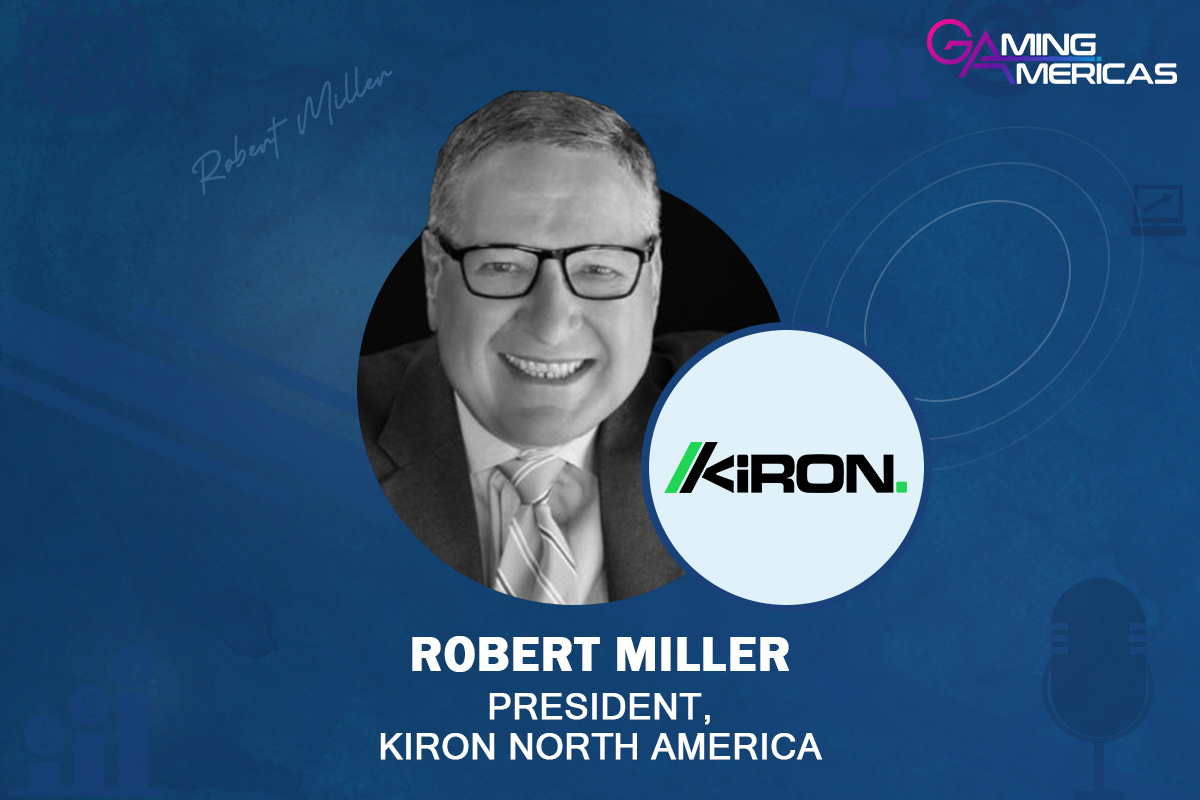
Check out our latest Q&A w/ Robert Miller, President, Kiron North America.
Everyone is talking about the opportunity presented to the North American market by the World Cup. Just how big an opportunity do you believe it is? And what is the size of this opportunity for virtual sports?
For live sports betting, the World Cup is one of the biggest opportunities available. It drives significant betting volume, attracts new customers and creates moments of engagement that few sporting events can match. For virtual sports, the opportunity is different. The World Cup can help introduce new players to a broader betting ecosystem, but virtual sports are not dependent on major tournaments to succeed. Their real strength is providing consistent engagement throughout the year. While the tournament creates a short term surge in activity, the long term opportunity lies in offering customers engaging experiences every day, not just during major events.
Events like the World Cup present a huge demand for content from operators. How can virtual sports help operators in North America during these times?
Live matches will always be the centrepiece of the World Cup experience and rightly so. However, operators also need ways to keep customers engaged between matches and throughout the wider tournament journey. Virtual sports complement live betting by providing continuous entertainment and additional touchpoints when there is no live action available. The greatest value comes when virtuals are integrated into a broader engagement strategy that keeps players connected to the platform before, during and after major sporting events.
The North American market has been maturing significantly in the last few years, does a tournament as big as the World Cup showcase the strength of the market? Or highlight the flaws in its set-up?
It does both. The strength of the market is clear in the scale of customer participation and the growing appetite for sports betting experiences. Major tournaments demonstrate just how much demand exists. At the same time, they highlight one of the industry’s biggest challenges: retention. Many operators are highly successful at attracting customers during major events, but maintaining engagement afterwards remains a key focus. Long term success will come from building experiences that keep players engaged throughout the year, not just during peak sporting moments.
North American sports fans have a very different relationship with football compared to European or Latin American audiences. How does that affect the way virtual football products need to be positioned or presented in this market?
Product positioning needs to reflect the realities of the local audience. Football continues to grow in North America, but it does not yet have the same cultural position it enjoys in many other regions. For that reason, virtual football products should focus on accessibility, entertainment and ease of engagement. Players respond to experiences that are intuitive, fast paced and easy to understand. The emphasis should be on delivering continuous action and a compelling user experience rather than relying solely on familiarity with the sport itself.
The World Cup has a jam-packed schedule and the North American sports calendar is one of the most packed in the world. With so much live content available, how do you make the case for virtual sports to operators who believe they already have enough sports action to offer?
The conversation is not about choosing between live sports and virtual sports. The most effective operators recognise that the two can work together. Live sports naturally create periods of inactivity between events, while different player segments engage with content in different ways. Virtual sports fill those gaps and create additional opportunities for interaction. When positioned correctly, they enhance the overall entertainment offering rather than compete with live sports.
When the World Cup has finished, what is the lasting impact on virtual sports in North America and how do providers ensure they do not lose any momentum they have gained?
The lasting impact comes from what operators do with the attention generated during the tournament. Major sporting events create opportunities to introduce new customers to products and experiences they may not have explored previously. Maintaining momentum requires strong operational integration, seamless customer journeys and products that continue to deliver value long after the tournament ends. Providers that focus on year round engagement rather than short term spikes will be best positioned to benefit.
The post How Virtual Sports Can Help Shape The North American Market During and After the World Cup appeared first on Americas iGaming & Sports Betting News.

-

 Australia7 days ago
Former Star Entertainment Executives Mathias Bekier and Paula Martin Disqualified and Ordered to Pay Penalties
-
Alejandra Burato7 days ago
Record Attendance, Exciting New Releases, and a Resounding Success: This was Zitro Experience Peru
-
ArenaPlus7 days ago
DigiPlus Wins “Digital Operator of the Year” Award at 2026 Global Gaming Awards Asia-Pacific
-
Amusnet7 days ago
Weekend Reels | Week 25: Slot Drops & Trends
-
Anthony Dalla-Giacoma7 days ago
Elysium Studios Releases its Latest Slot Game “Hood and Loot”
-
Greece7 days ago
SYNOT Games Announces New Partnership with Superbet
-
Bragg Gaming Group4 days ago
Massive Gaming launches Blitzcrown titles on Superbet Brazil via Bragg Hub
-
Compliance4 days ago
HIPTHER Launches HALLO: The Standard in Compliance Expertise