Interviews
Q&A: Betting Jobs And Huddle Future Of Recruitment

As we move into a post-pandemic world, European Gaming spoke to Chris Miller Managing Director at Betting Jobs and Mario Zdelican, Co-founder/EVP of Operations at Huddle about the future of recruitment in iGaming and the lessons to be learnt from the last two years.
In-person industry shows like ICE are returning after a hiatus. How important are these for both candidates and recruiters?
CM: Prior to the pandemic I would have said that in-person shows like ICE were essential. They serve as a great time to make introductions to clients who are hiring and candidates who are attending with a goal of employment. We can often be the matchmaker there and then and produce a successful outcome.
Over these last two years both we and our clients have had to adapt without them, of course. In a post-pandemic world, they may not seem as essential as we once felt they were. However, we will be making the most of having everyone in one place at the same time at ICE and other industry shows as it represents an opportunity for Betting Jobs to make things happen instantly.
MZ: Building relationships with talent across other industries, as well as the IT community, locally and globally is of essential importance when recruiting and this was incredibly challenging during pandemic-related lockdowns. There were attempts made in the form of online conferences, but the networking part could never be replicated and struggled to reach pre-pandemic levels.
Going back to in-person shows will help us in further building relationships with candidates. Great talent wants to build relationships with prospective employers and the people who work there, and this is much easier to achieve now that we are able to travel again. It is much easier to explain and demonstrate the Huddle vision and culture, as well as our projects, by actually showcasing it in-person to potential new employees.
Will the hybrid model of working persist in a post-pandemic world and what challenges does it raise?
MZ: We are sure hybrid work is here to stay. Over the course of the pandemic, we have witnessed enormous change within the working world – organisations that were once resistant to employees working from home have undergone a dramatic shift towards being open to work from home and hybrid models.
Since there was no playbook for those scenarios, organisations all over the globe had to try out various ways of dealing with distributed work. We are already seeing new organisational designs around hybrid workplaces, with a multitude of adjustments being made by companies looking to create a model that works for them. In the coming years, we are surely going to experience more and more challenges, but improvements as well. A long time ago we said goodbye to traditional working models, with employee well-being and work-life balance now the focus of the change. We are excited to see what the future brings. Based on what we have learned so far, we will have no problems in adapting to whatever comes our way.
CM: For me there is no doubt that the hybrid model of working will persist. I do expect some pushback from companies who traditionally require candidates to relocate to jurisdictions like Malta, Gibraltar, and Bulgaria to carry out their work. However, candidates are currently more attracted to companies that offer either fully remote working or a hybrid model of employment. There is never enough available iGaming talent to satisfy the entire marketplace at once. Therefore, the companies that are winning on the recruitment front are those who are agile in their approach to hiring and who are willing to embrace current market trends.
In terms of challenges, the building and maintaining a company culture is one of the most topical. Some iGaming businesses have taken to these changes well by being receptive to remote working from the earliest days of the pandemic, or having remote working already established within their business model. Working from home and nurturing their company’s culture simultaneously has become natural to them and their business practices.
Those who have struggled to adapt to this are eager to return to traditional employment. These businesses will find it may take longer to fill positions at large, as candidates have more choice and flexibility available to them currently. The way the working world has changed in the last two years will prove to be an ongoing challenge for those who are eager to return to the Monday to Friday 9-5 model.
What opportunities have been created for businesses being able to hire prospective employees who can work anywhere in the world?
CM: Accessing skillsets and talented employees who would have been out of reach to businesses previously for geographical reasons has created many opportunities. When it is determined that an employee must be based in a set location, the decision for who to hire is based on who is available within a reasonable radius, or who will be willing to relocate. This means that a company may hire the best person they have interviewed, as opposed to hiring who is the best person for the job.
This issue is eliminated for those open to global talent, however, there are sensible factors to consider such as the differences in time zone between employee and employer. However, the world is your oyster, as they say, and this rings true in the present day when it comes to recruitment.
MZ: Remote work helps us to reach the top talents around the globe, and it greatly facilitates the growth and development of both the business and the product. The iGaming industry has so much to offer, as do the start-ups that operate within it. Start-ups like Huddle are becoming more and more of an attractive prospect on the recruitment scene, and now we have the ability to work with talents from anywhere in the world. It feels as if we are just starting to show the potential of opportunities for the top candidate profiles.
Does this allow for the hiring of experienced staff in burgeoning markets such as the US and Latin America?
MZ: The iGaming industry has never been as much in demand for talent as it is now – it is suffering from a lack of industry expertise. This is mostly due to the US and LatAm markets opening up, as well as other, smaller, markets. Demand for talent, new products and services is at its peak. Therefore, we are trying to think outside of the box. As easy as it is to hire people within the industry, there are candidates in many tech companies across various industries that are a perfect fit that have already solved some of the problems we as an industry are facing. Bringing that knowledge under our roof as an industry is a huge plus.
CM: In some cases, yes, although we are finding that many of our US clients maintain office working policies. If that’s the case, this is of course what we work towards, although we do make the realities of the present-day candidate-led recruitment market clear. To a large degree it depends on the role that is available. For example, if it is for a commercial person who is required to meet clients, it is less important for them to be office-based than, say, the person who manages or has oversight of the office.
For the burgeoning market of Latin America, country managers and their teams are a good example, as many will naturally be based remotely. Businesses don’t want to establish many companies across the continent and pay for office rental. It’s commonplace for people in such positions to work remotely and hire teams within their country. However, this is not a new thing as it has been the case since the early days of the sector and remains that way now.
Powered by WPeMatico

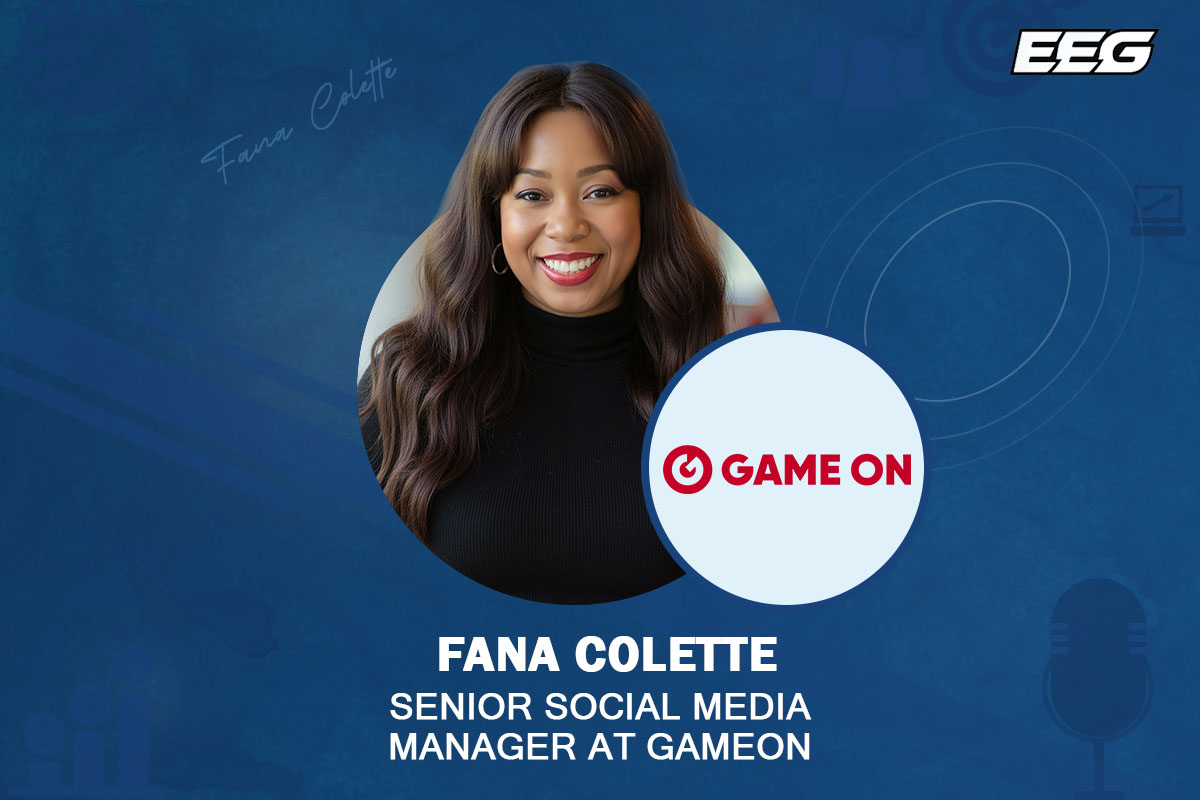
Fana Colette Senior Social Media Manager at GameOn
Defining the Future of B2B Social in iGaming – Q&A with Fana Colette, Senior Social Media Manager at GameOn

Congratulations on becoming GameOn’s Senior Social Media Manager. What attracted you to this role in particular, and why now?
The first thing was the breadth and depth of GameOn’s client roster. The range of brands the team works with means you’re solving genuinely different problems week to week, which keeps the work sharp and exciting. The second was GameOn’s reputation within the industry. It’s a company that’s clearly built strong relationships and real credibility over a long period of time.
As for the timing, spending time consulting independently taught me a huge amount, particularly about the commercial side of running a business. I reached a point where I wanted to combine that entrepreneurial experience with the scale, support, and collaborative environment of a larger team. Joining GameOn gives me the opportunity to apply everything I’ve learned alongside people with deep industry expertise and the infrastructure to deliver at a high level.
You’ve grown social pages to tens of thousands of followers. What was the approach that made that possible, and what will you bring from that experience to GameOn?
My approach to growth has always been rooted in two things: a deep understanding of the audience and a clear commercial focus.
First, you have to keep the customer at the centre of everything. You need to be relentless about understanding who they are, what they care about, what frustrates them, what makes them engage, and ultimately what drives action. A lot of brands think they understand their audience, but very few truly do.
Secondly, you need to stay commercially minded at every stage. Running my own business sharpened that mindset significantly. Growth should always tie back to business outcomes. Engagement for the sake of engagement is a vanity metric. The real goal is building trust, brand affinity, and visibility that contributes to revenue and long-term growth.
That’s the mentality I’ll be bringing to GameOn: social strategies that are creative and engaging, but always aligned with measurable commercial impact.
Social media in iGaming has evolved significantly over the years. What trends are you seeing right now? Where do the biggest opportunities lie for B2B brands in particular?
Social media has changed faster in the last two or three years than it did in the decade before. In 2023, the idea of brands being represented by AI-generated influencers would have sounded ridiculous. Now it’s a genuine consideration for some businesses. The pace of change is something brands need to fully accept. What worked six months ago may already feel outdated.
What I’m seeing now is a clear shift away from generic, overly polished content towards more distinctive, personality-led communication. The brands performing best are the ones willing to stand out and develop a recognisable voice. Audiences are increasingly exposed to homogenous content, so if your competitor could post exactly the same thing as you, it’s probably time to rethink your strategy.
For B2B brands specifically, founder-led thought leadership on LinkedIn remains a huge opportunity. People still buy from people, and a credible founder voice often builds more trust than branded content alone ever can.
The second opportunity is understanding how younger audiences consume content. Gen Z professionals are now entering junior commercial and decision-influencing roles across iGaming, and their expectations around content are very different. If your B2B social presence feels outdated, overly corporate, or disconnected from modern platform behaviour, it simply won’t resonate.
A lot of iGaming companies struggle to make social work. What are the common mistakes you most often see, and how do you approach them differently?
One of the biggest mistakes is that brands play it too safe. Compliance is obviously critical in iGaming, but there’s often far more creative flexibility available than companies assume.
Another common issue is that social media gets treated as a secondary marketing channel rather than a core part of the wider commercial strategy. When that happens, content becomes inconsistent, reactive, and lacking in direction.
My approach is to treat social as a genuine driver of engagement, visibility, and business outcomes. That means being more intentional with content, more consistent in execution, and more willing to test, learn, and iterate.
I always start with a simple question: what is this content actually supposed to achieve, and how will we measure success? Once you answer that properly, the strategy becomes much clearer.
As you settle into the new role, what are you hoping to tackle first, and what does success look like for GameOn’s social offering over the next 12 months?
My first priority is understanding what we already have. That means conducting a proper audit across the client roster to identify what’s working, what isn’t, where the opportunities are, and where we can create quick wins.
Over the next 12 months, success for me would mean seeing social become a more central part of our clients’ growth strategies. I want to see stronger performance metrics, more distinctive brand voices, and clearer evidence of how social contributes to wider business objectives.
Ultimately, I’d love GameOn to become the first name people in iGaming think of when they’re serious about social media. Not just because we deliver strong results for existing clients, but because we’ve built the proof points, case studies, and standout work that naturally attracts the next wave of business.
There’s a real opportunity right now to define what great B2B social looks like in iGaming, and that’s the standard I want us to set.
The post Defining the Future of B2B Social in iGaming – Q&A with Fana Colette, Senior Social Media Manager at GameOn appeared first on Eastern European Gaming | Global iGaming & Tech Intelligence Hub.
Andréa Curral
“No iGaming, marcas sólidas dependem de consistência, experiência e relacionamento de longo prazo”

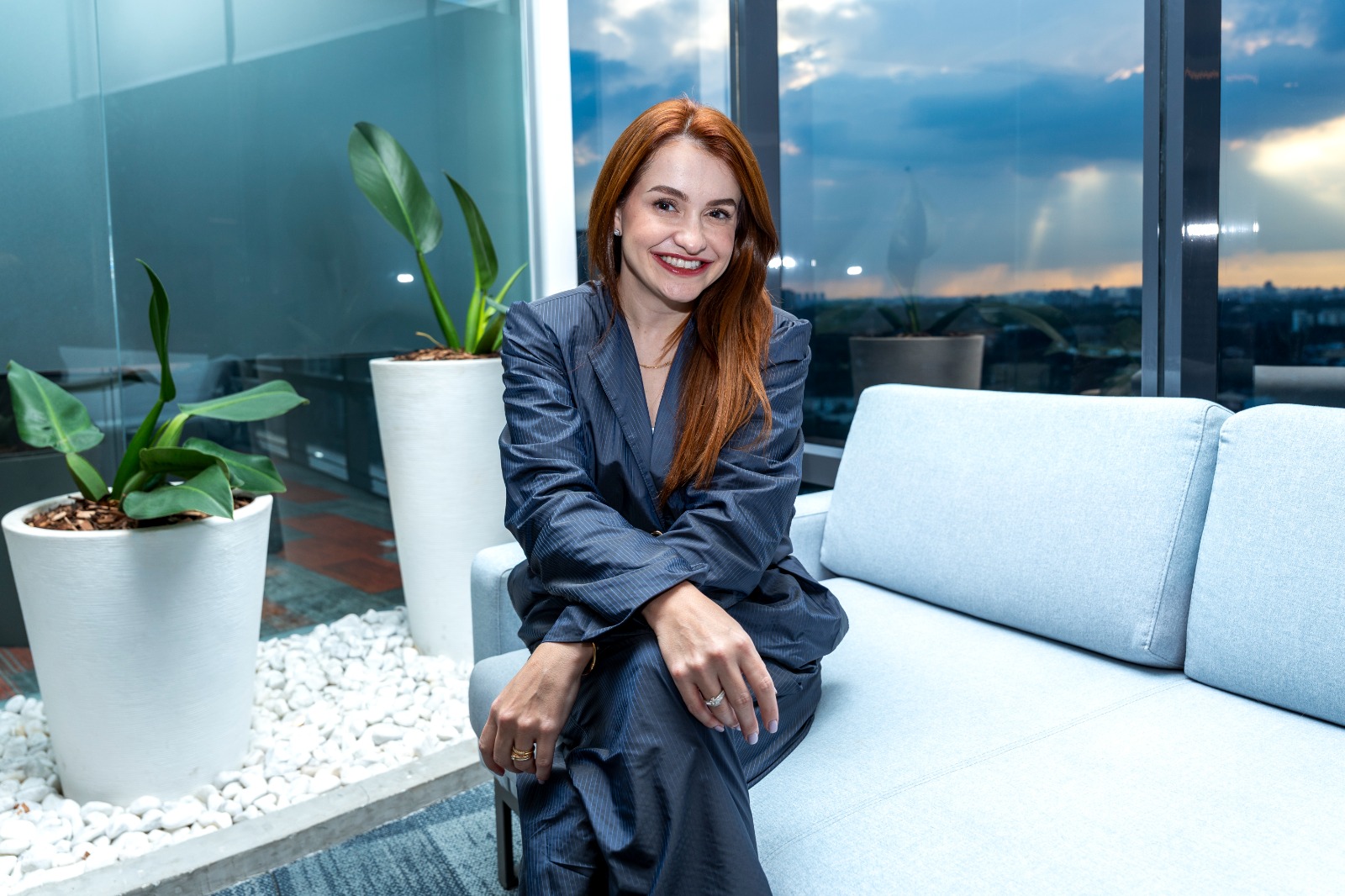
Com uma trajetória construída em grandes grupos globais de mídia, entretenimento e varejo digital, Andréa Curral chega ao Grupo Esportes Gaming Brasil para ocupar o cargo de Diretora de Marketing em um momento estratégico para o mercado brasileiro de apostas regulamentadas.
Após passagens por empresas como Privalia, Discovery e Warner Bros., a executiva assume o desafio de fortalecer o posicionamento institucional e a estratégia de marca das operações Esportes da Sorte, Onabet e Lottu em um cenário cada vez mais competitivo, regulado e orientado por experiência do consumidor.
Em meio ao amadurecimento do setor de iGaming no Brasil, temas como branding, jogo responsável, aquisição eficiente, reputação e conexão cultural ganham relevância crescente para operadoras que buscam crescimento sustentável e diferenciação de longo prazo.
Nesta entrevista exclusiva ao Gaming Americas, Andréa Curral fala sobre como sua experiência em mercados tradicionais contribui para a construção de marcas mais sólidas no iGaming, o papel do marketing na promoção do jogo responsável, os desafios de equilibrar branding e performance em um ambiente altamente dinâmico e as estratégias do Grupo EGB para ampliar presença durante grandes eventos esportivos e manifestações culturais no país.
Andréa, você construiu uma trajetória sólida em gigantes globais de mercados tradicionais como Privalia, Discovery e Warner Bros.
Como essa experiência em branding e experiência do consumidor contribui hoje para sua atuação no iGaming com o Grupo EGB?
Andréa Curral – O principal aprendizado que trago de empresas de mídia, entretenimento e varejo digital é que marcas sólidas não se sustentam apenas em grandes campanhas, mas em consistência, experiência e construção de relacionamento no longo prazo. No iGaming, isso é ainda mais relevante, porque a relação com o usuário passa diretamente por confiança, clareza e segurança.
No Grupo EGB, buscamos aplicar uma visão integrada entre branding, performance e experiência do consumidor.
Isso significa tratar conteúdo como um ativo estratégico, trabalhar comunicação com lógica editorial e segmentação inteligente, além de utilizar métricas e tecnologia para melhorar continuamente a jornada do usuário.
Minha experiência em ambientes altamente competitivos também contribui para equilibrar crescimento, posicionamento institucional e eficiência operacional em um momento de amadurecimento importante para o mercado brasileiro.
Diante do atual momento de consolidação do mercado regulado no Brasil, quais são os principais focos e diretrizes da sua diretoria para o posicionamento institucional das marcas do grupo, Esportes da Sorte, Onabet e Lottu, dentro desse novo cenário?
O cenário atual exige marcas mais claras, operações mais eficientes e uma relação mais consistente com o público. Nossa estratégia está estruturada em três pilares principais: diferenciação de portfólio, experiência do usuário e construção de reputação.
Esportes da Sorte, Onabet e Lottu possuem posicionamentos distintos dentro do grupo, isso reduz a sobreposição e fortalece a identidade de cada operação. Mas um pilar comum a toda nossa empresa é o jogo responsável. É nossa responsabilidade garantir um ambiente controlado e saudável para a diversão.
Somos uma empresa com DNA brasileiro e nossos contratos de patrocínio vão além da exposição de mídia. Incentivamos a cultura nacional, gerando experiências relevantes, que conectam as marcas a territórios de grande relevância popular, como esporte, entretenimento e cultura.
Ao mesmo tempo, o aumento do custo de aquisição torna essencial uma operação integrada entre marketing, produto, atendimento e retenção, sempre alinhada às diretrizes de jogo responsável e à regulamentação vigente.
O Grupo EGB enfatiza o compromisso com o “jogo responsável”.
Como o marketing pode atuar de forma prática na educação do apostador e na promoção de bem-estar, transformando essa diretriz em comunicação efetiva para o público?
Para nós, jogo responsável não pode ser tratado apenas como uma obrigação regulatória ou uma mensagem complementar de comunicação. Ele precisa fazer parte da experiência do usuário, da operação e da construção de reputação da companhia.
O marketing tem um papel importante nesse processo ao comunicar com clareza, evitar promessas irreais e contribuir para uma relação mais consciente do usuário com o entretenimento.
Isso envolve reforçar mensagens sobre limites, autocontrole, pausas e transparência nas regras.
Também acreditamos que comunicação responsável ajuda a fortalecer um ambiente mais seguro e sustentável para todo o ecossistema. No longo prazo, confiança e reputação são ativos fundamentais para qualquer marca que queira crescer de forma consistente no setor.
Em termos de estratégia de crescimento, como você equilibra construção de marca de longo prazo (branding) com performance de curto prazo em um setor altamente dinâmico e competitivo como o iGaming?
Hoje Branding e performance trabalham em conjunto, de forma absolutamente integrada, para que os resultados de crescimento sustentável não dependam apenas de aquisição. Por isso, trabalhamos uma operação orientada por métricas, dados e otimização contínua, sem perder a visão estratégica de longo prazo.
A construção de marca passa por coerência, qualidade da experiência, clareza de comunicação e consistência na entrega. Esse mecanismo de relacionamento cria comunidade e reforça a confiança do usuário na marca.
A Copa do Mundo é um dos momentos mais disputados pela atenção do público.
Como o Esportes da Sorte está estruturando sua estratégia de mídia, conteúdo e transmissões oficiais para garantir presença forte e multiplataforma durante o torneio?
A Copa representa um dos maiores momentos de mobilização do entretenimento esportivo, então estruturamos uma estratégia multiplataforma que combina mídia, conteúdo e experiências presenciais.
O Esportes da Sorte fechou o patrocínio oficial das transmissões da Copa no SBT e na N Sports, garantindo presença em TV aberta, streaming, canais digitais e propriedades online das emissoras. Essa entrega amplia frequência e alcance de marca ao longo do torneio.
Mas entendemos que presença de mídia sozinha não é suficiente. Por isso, trabalhamos campanhas institucionais que conectam entretenimento, cultura popular e engajamento emocional.
“Torça como um Corinthiano”, por exemplo, usa a relação histórica da torcida do Corinthians com o clube para resgatar a conexão do brasileiro com a Seleção. Já “Convoque” aposta em humor, fantasia e linguagem digital para ampliar diálogo com diferentes públicos.
Tudo isso é desenvolvido mantendo o compromisso com comunicação responsável e alinhada às diretrizes do setor.
Dentro desse ecossistema de marca e entretenimento, quais serão os principais desdobramentos das ações de rua e patrocínios locais durante os períodos de grande consumo esportivo, como a Copa do Mundo?
Para os grandes eventos esportivos, nossa estratégia combina presença multiplataforma com experiências de proximidade junto ao público.
O objetivo é fazer com que as marcas do grupo estejam inseridas de forma orgânica na rotina e nos espaços de convivência dos torcedores, conectando entretenimento, conteúdo e experiência de marca.
Além da presença em mídia e transmissões oficiais, vamos trabalhar ativações proprietárias e ações presenciais em diferentes regiões do país, sempre buscando fortalecer relacionamento, engajamento e conexão cultural com o público.
Essa atuação também conversa diretamente com a visão do Grupo EGB de transformar patrocínios em plataformas contínuas de experiência e conteúdo, indo além da exposição tradicional e construindo relevância de longo prazo para as marcas.
Além do futebol, o Grupo EGB também investe em grandes manifestações culturais e eventos populares, como Carnaval e festivais regionais.
Como essas ativações se conectam à estratégia global de marca e à construção de presença no território brasileiro?
Nossa estratégia de marca está muito conectada à cultura popular e aos grandes territórios de mobilização do público brasileiro. O esporte é um pilar importante, mas não é o único.
Hoje o grupo apoia iniciativas de grande relevância nacional, como o Galo da Madrugada, o Festival de Parintins e o Carnaval em diferentes capitais brasileiras.
Essas propriedades ajudam a ampliar a presença nacional, fortalecer relacionamento com diferentes comunidades e criar conexões mais orgânicas com o público.
Mais do que exposição, buscamos desenvolver projetos de longo prazo que integrem conteúdo, experiência e ativação local. Isso permite que os patrocínios deixem de funcionar apenas como mídia tradicional e passem a operar como plataformas de relacionamento e construção institucional das marcas.
The post “No iGaming, marcas sólidas dependem de consistência, experiência e relacionamento de longo prazo” appeared first on Americas iGaming & Sports Betting News.
2026 sports betting
For Sportradar, the 2026 World Cup is set to reshape acquisition and engagement in sports betting
With expectations of generating approximately US$ 50 billion in bets worldwide, the 2026 World Cup is already seen by the industry as the largest commercial event in the recent history of sports betting.
In an expanded tournament with 48 teams, 104 matches and a duration of 39 days across three different countries, Latin American operators are preparing to compete for attention, retention and conversion in an increasingly competitive environment driven by real-time data.
More than media volume or massive campaigns, experts point out that the competitive differentiator in the next World Cup will be the ability for personalization, automation and dynamic activation during the micro moments of the match.
Technologies based on artificial intelligence, live data and micro betting are already transforming the way operators approach acquisition and engagement in major international tournaments.
At the same time, regulatory advancement in Latin America and the maturation of bettor behavior are increasing pressure for more efficient, contextual campaigns aligned with local compliance requirements.
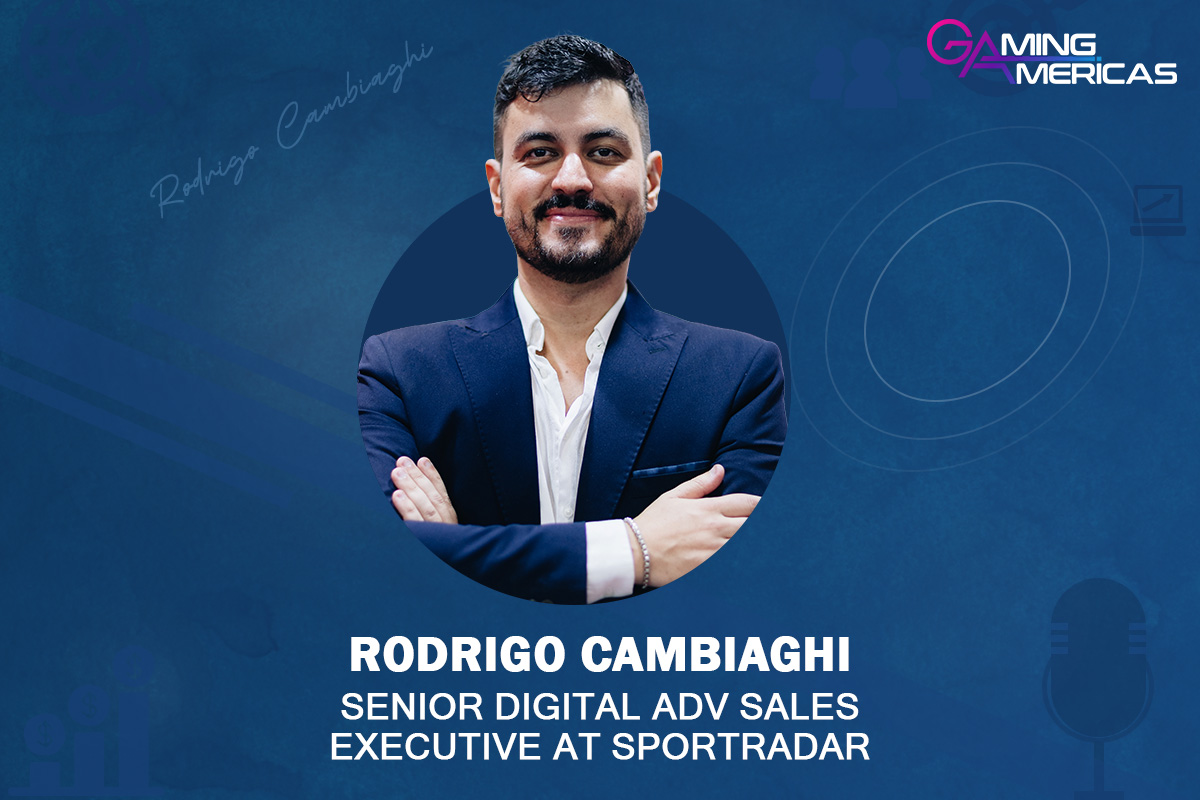
In this interview, Sportradar, represented by Rodrigo Cambiaghi, Senior Digital Advertising Sales Executive for Latin America, analyzes how operators can prepare for the 2026 World Cup, which strategies performed best in the Euro Cup and Copa América, the impact of real-time personalization and the challenges of executing regional campaigns in a fragmented regulatory landscape.
The estimated global betting volume for the 2026 World Cup is US$ 50 billion. What does this number represent in terms of real opportunity for Latin American operators, and what are the main risks for those who do not prepare?
Sportradar – The estimated US$ 50 billion betting volume during the 2026 World Cup shows the scale of the opportunity the tournament represents for Latin American operators.
We are talking about the largest attention and engagement event in the industry, in an edition that will feature 48 teams and 104 matches, creating more moments of connection with fans and more acquisition opportunities over 39 days of competition.
But the competitive differentiator will not lie solely in the size of media investment. The most prepared operators will be those capable of using data, technology and personalization to activate real-time campaigns aligned with the emotional context of the match.
Today, consumers expect more relevant experiences connected to what is happening on the field at that exact moment, whether it is a goal, a comeback or an outstanding individual performance.
At the same time, there is a significant risk for those who fail to prepare properly. Generic campaigns, relying only on bonuses or media volume, tend to lose efficiency in an extremely competitive environment.
Without robust real-time data infrastructure and continuous optimization capabilities, it becomes much more difficult to capture moments of highest betting intent and transform increased tournament traffic into sustainable long-term growth.
In the end, the 2026 World Cup should consolidate an important shift in the industry, where scale remains relevant, but technology, personalization and real-time execution become the true competitive differentiators.
You mention a “generalized sameness” in the market. What did the most successful operators at Euro 2024 and Copa América do differently in terms of advertising technology?
What we saw in Euro 2024 and Copa América was an important shift in approach.
The most successful operators moved away from broad and generic campaigns to adopt strategies much more driven by data, context and real-time fan behavior.
Instead of treating every minute of a match the same way, they began activating campaigns at moments of highest emotion and betting intent.
Advertising technology played a central role in this. Campaigns started using live data, automation and artificial intelligence to adjust messages, offers and creatives according to what was happening on the field.
A goal, a period of attacking pressure, an outstanding individual performance or even changes in match dynamics became triggers for dynamic campaign activation across multiple channels, including social, video, audio and programmatic.
The result was much more relevant and efficient communication. During Euro 2024 and Copa América, operators that combined branding, performance and moment-driven campaigns saw significant growth in deposits and a reduction in CPA, even in a highly competitive environment.
How do dynamic creative ads triggered by match moments actually work in practice — a goal, a corner, a shift in pace? Can you give a concrete example of a campaign?
Today, dynamic creative ads operate in a way that is closely connected to the logic of micro betting, which is precisely betting on fast and specific events within the match.
Instead of waiting for the final result of the game, fans interact with micro moments in real time, such as the next corner, the next shot on goal or whether a specific player will hit the target in the next play.
In practice, the technology monitors live match data and identifies moments of increased intensity or betting intent.
If a team starts applying heavy pressure, for example, the system can automatically activate campaigns related to the next corner, next shot on goal or other relevant offensive actions.
All of this happens within seconds, with personalized creatives being distributed across digital channels while the emotion of the play is still unfolding.
This model makes the experience much more contextual and relevant for the user. Instead of generic campaigns, fans receive messages aligned with the exact moment of the game and their own consumer behavior. It is precisely this combination of real-time data, automation and micro betting that is reshaping how operators approach acquisition and engagement during major sporting events.
The concept of “always on” is central to your approach. How do operators maintain relevance in the minutes between goals, when betting intent still exists but the peak moment has passed?
The “always on” concept is based on the understanding that fan engagement does not disappear between major match events.
Even when the game enters a period without goals, attention still exists in live statistics, anticipation of the next play, individual player performance and social media conversations. It is precisely in this interval that the most prepared operators are able to maintain relevance using real-time data and personalization.
In practice, this means activating campaigns and betting suggestions aligned with the current context of the game. If a team is applying more pressure, for example, users may receive offers related to the next corner, next shot on goal or other micro betting markets.
The focus shifts away from only the major event, such as a goal, and expands to include the entire dynamics of the match.
The key difference lies in the ability to transform live data into more relevant and continuous experiences. With automation, AI and behavior-driven campaigns, operators are able to keep users engaged throughout the entire match journey, not only during peak emotional moments.
The 2026 World Cup lasts 39 days and takes place across three countries. How should an operator structure its marketing budget to be agile enough to capitalize on unexpected outcomes without losing brand consistency?
In a tournament like the 2026 World Cup, flexibility becomes just as important as budget size. The most efficient operators do not work with a rigid plan from start to finish.
They structure campaigns capable of redistributing investment in real time, based on performance, audience behavior and narratives that emerge throughout the tournament.
This is especially important in a World Cup with 104 matches, multiple time zones and different markets involved.
Unexpected stories always emerge, such as surprise teams, viral players or matches that generate much higher-than-expected spikes. Prepared operators are able to react quickly to these moments, increasing presence in channels and campaigns that are performing best in that specific context.
At the same time, brand consistency remains fundamental. A common mistake is concentrating almost all investment solely on acquisition and immediate performance.
The strongest brands are able to balance awareness, acquisition and retention throughout the 39 days of competition, maintaining a clear identity while adjusting messaging, formats and campaign intensity as fan behavior evolves during the tournament.
What are the main differences between Latin American markets in terms of bettor behavior during major tournaments, and how does this affect campaign strategy?
Although football is a shared cultural element across Latin America, the region’s markets present very different levels of maturity, regulation and digital behavior.
In more mature markets, users already hold multiple accounts and have greater familiarity with live betting, making personalization, retention and user experience key factors. In newer markets, there is still a very strong focus on acquisition and awareness building.
We also see important differences in emotional fan behavior. During major tournaments, engagement tends to grow strongly as local teams progress in the competition.
This makes highly localized campaigns much more impactful than generic regional strategies. User behavior changes rapidly according to narrative, team performance and social media momentum at that moment.
For this reason, campaign strategy must be flexible and driven by real-time data. There is no single approach for the entire region.
The most efficient operators are able to adapt creatives, messaging, channels and even investment intensity based on the specific behavior of each market, maintaining cultural relevance and higher acquisition and retention efficiency.
The regulatory landscape in Latin America is fragmented. How can operators working across multiple markets run efficient campaigns without compromising local compliance?
Regulatory fragmentation is one of the main challenges in the industry today in Latin America, especially for operators working across multiple markets at the same time.
Each country has different rules regarding advertising, targeting, permitted channels and responsible communication, which requires campaigns to be much more adaptable and compliance-driven from the very beginning of planning.
In this scenario, technology and automation play a fundamental role. The most prepared operators work with platforms capable of applying market-specific restrictions in real time, adjusting targeting, formats, frequency and messaging according to local regulation. This allows operational efficiency without compromising compliance or regulatory safety.
At the same time, it is important to find a balance between standardization and local relevance. Regional strategy can be centralized in terms of brand, technology and data intelligence, but activation must respect the cultural and regulatory context of each country.
The most efficient campaigns today are precisely those that manage to combine regional scale with highly localized execution.
The post For Sportradar, the 2026 World Cup is set to reshape acquisition and engagement in sports betting appeared first on Americas iGaming & Sports Betting News.

-

 Asia4 days ago
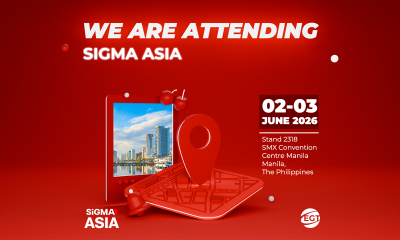
EGT Brings High-Impact Asian-Themed Portfolio to SiGMA Asia 2026
-
Africa4 days ago
Greentube partners with World Sports Betting to expand in South Africa
-
Africa4 days ago
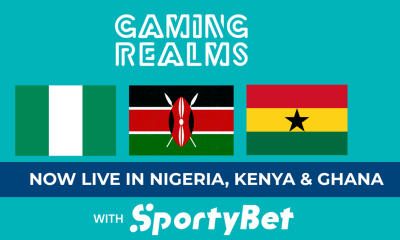
Gaming Realms expands into three African markets via SportyBet partnership
-
Conference4 days ago
Danish regulator to speak at Gaming in the Nordics launch event
-
affiliate marketing4 days ago
CasinoCanada partners with LolaJack Casino to expand Canadian visibility
-
BETER4 days ago
BETER expands US footprint with Illinois approval
-
Argentina4 days ago
Stake continues Latin American expansion with Argentina launch
-
Evoplay4 days ago
Evoplay launches Crimson Crown slot with Hold & Win jackpots