Interviews
Exclusive Q&A with Iustin Cojocaru owner of Eyenovation (Gunnar representative for Romania and Hungary)

Tell us about the history and current status of Gunnars Glasses.
Iustin: The idea for the glasses was born out of one woman’s frustration with her husband’s digitally induced migraines and worry about the eyes of her child who was fascinated by technology. Jenny Michelsen’s husband, Matt, was suffering from headaches after hours sitting in front of six computer screens. The headaches were a symptom of Computer Vision Syndrome, a collection of minor ailments that build up over time.
As the Rancho Santa Fe woman urged her husband to see a doctor, she wondered whether her 3-year-old son, Gunnar, was getting a jump-start on similar problems. If she and her husband believed the computers were getting to their eyes – and they didn’t start using electronics until they were in their 20s – what would happen to Gunnar’s generation? Matt and Jenny Michelsen reached out to their close friend, Joe Croft, a former Oakley engineer, about the issues surrounding CVS. They wanted to learn more about the effects of focusing on a digital image projected on a screen just inches from one’s face for hours at a time and years on end. The Crofts and the Michelsens began their five-year road to launch by talking to medical experts. One of those experts was Dr. Jeffrey Anschel, a Carlsbad, California, optometrist who has become an expert in Computer Vision Syndrome and Visual Ergonomics. He noticed the problem about 17 years ago when employees of a nearby computer company began complaining about dry and tired eyes and difficulty focusing.
They were problems that people generally didn’t experience until they were in their 40s, but these patients were in their early 30s. It didn’t take him long to make the connection between their work and the required time spent in front of a computer screen. “You can work, shop, communicate and do just about everything from your computer now, and people just don’t realize how much time they’re spending looking at the screen. The digital images that computers project are one factor contributing to Computer Vision Syndrome. The eye focuses on the hard edge of an image, but digital images don’t have a clean edge. As a result, the focus drifts forward and back, causing eye fatigue.” Anschel also noted, “that when people spend long periods focusing on something close to their face, eye muscles tend to lock into a singular position, which is tiring and can push the eye down the path to becoming farsighted. Meanwhile, the eye has to deal with light from conflicting sources, such as sunlight, that are much brighter than the computer screen. There’s also glare from the light shining into the eyes. And the angle of view for the computer screen, which is straight ahead, isn’t desirable. People tend to focus better at objects when looking down, such as reading a book.”
Croft and Michelsen set out to create a product that addresses the issues associated with digital eye-strain. They completed their first prototype in 2006. In early 2007, they founded the company and in October of 2008 they launched their first product. Investors included Carl Zeiss Vision, 50 Cent, Peter Thiel and Monster, Inc. Retail customers include Amazon, Best Buy, Fry’s, GameStop and Staples. Corporate customers include Facebook, Google, Microsoft.
Gunnar is present in Romania since 2015, when I began experiencing Computer Vision Syndrome symptoms after spending hours in front of two screens as a Poker player and began to look for a solution. This is how I’ve learned about Gunnar glasses being the no.1 brand among computer glasses brands and the next step was to become Gunnar representative in Romania and now also in Hungary.
Let us talk about the gaming glasses now. Do we really need customized special glasses for gaming?
Iustin: Yes, if we tend to be passionate gamers, we end up spending extended hours in front of our screens and we experience blurred vision, eye strain, and headaches – symptoms of Digital Eye Strain and Computer Vision Syndrome. Some compensate for their blurred vision by leaning forward, or by tipping their head to look through the bottom portion of their glasses. Both actions can result in a sore neck, sore shoulders and a sore back. GUNNAR gaming eyewear can help because is engineered to reduce digital eye strain while increasing contrast, comfort, and focus. And what is different for the gaming styles, compared to the computer styles produced by Gunnar is the shape of the temples that comfortably accommodates headsets.
What about gaming developers and others who work in gaming companies. How will they benefit from the gaming glasses?
Iustin: They can benefit too, because Gunnar glasses are made for anyone who works and plays on a digital screen for extended periods of time. Gunnar also makes glasses without the yellow tint – with CLEAR lenses, for those who work in “true colour”, such as gaming developers, graphic designers, digital artists.
What make gaming glasses special? What are the differences, for example, these glasses have with normal common-use glasses?
Iustin: Gaming glasses and computer glasses developed by Gunnar, with their amber-tinted lenses, make images appear clearer and sharper by adding contrast and, very important, filter out blue light. The lenses have an anti-glare filter that allows light from the computer in but keeps out distracting reflected light from other sources. The lenses are also designed to be fitted close to the face, creating a “micro-climate” that keeps away the dry air currents and prevents dryness of the eyes. GUNNAR GAMING glasses, compared to GUNNAR COMPUTER glasses, have a more ergonomic shape and thin temples that are compatible with wearing headsets.
How do you ensure lower weighing frames for these glasses? Does the lower weight affect the durability of the glasses?
Iustin: GUNNAR has many styles to choose from. Some frames are lighter than others. GAMING frames are usually lighter and therefore more comfortable during long gaming sessions. These light frames are good quality ad durable frames – such as RAZER FPS, RAZER RPG, Torpedo, Trooper, Vayper, Heroes of the Storm.
I have seen some articles about using wide-angled lenses for gaming glasses. Could you elaborate on this point?
Iustin: Yes, especially for gaming, a wide-angled lens provides a panoramic view, as the frame does not interfere with the viewing field of the gamer “caught in action”.
Now on to the business front. How has been the business going during this period of lock down. Some reports suggest that an increasing number of people playing games online. Does it reflect on your business?
Iustin: Yes, this has been a quite good period for our business and as our business is mainly online, we are running at full speed right now as work from home extended the hours we work in front of a digital screen and gamers play more while staying home. People became more conscious of spending long hours in front of digital screens and reached out to us to protect their eyes.
What are the best ways to buy the gaming glasses of Gunnars Glasses during the lock down?
Iustin: The best way to buy Gunnar glasses is definitely online. For Romania and Hungary our online shop is www.gunnars.ro. We are offering online advice on our chat and we implemented the “virtual try-on” feature on our site that enables anyone to try-on most of our styles.
Finally, what are the new innovations and offers that you have in store for post-COVID-19 situation? The gaming community is eager to hear any such announcements.
Iustin: Gunnar releases new frames each year and this year is no exception. At the beginning there was only the Amber lens that has a 65 BLUE LIGHT PROTECTION FACTOR – BLPF (filters out 65% of the blue light). Then Gunnar added the Clear lens with a 35 BLPF, the Sun lens that has a 90 BLPF and also Amber Max lens with a 98 BLPF, designed to be used before going to sleep or for extremely sensitive eyes. In July, Gunnar will be launching CRUZ for kids from 4 to 8 Year Olds and for kids from 8 to 12 Year Olds, as this was a concern from the beginning: children spend more and more time in front of screens and the parents want to protect their kids as much as they can. Right now, in May a new style was launched: Pendleton. Four new exciting gaming styles will be launched this summer – Lightning Bolt 360, Lightning Bolt 360 RAZER Edition, Assassin’s Creed Valhalla and a new design in partnership with Razer: MOBA. For those who are more on the hip and “vintage look” side, there will be a new style called Berkely, in September.
Powered by WPeMatico


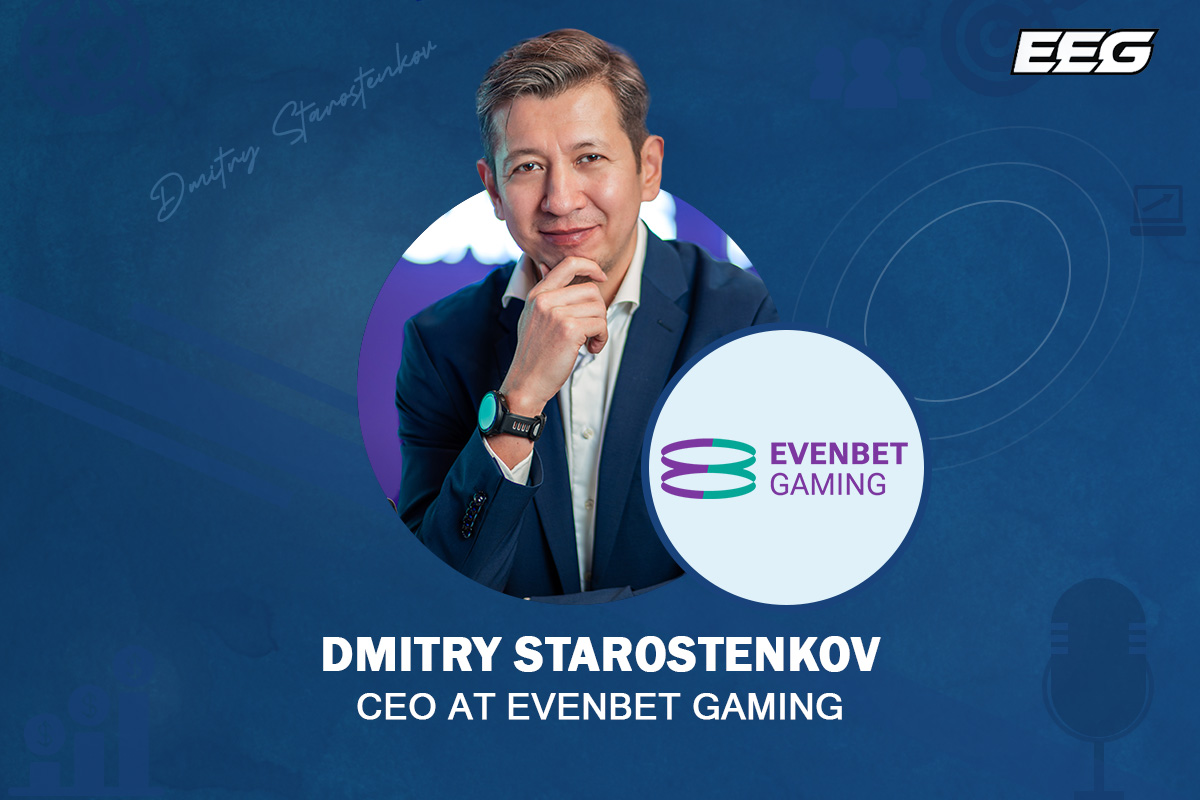
EvenBet Gaming’s CEO, Dmitry Starostenkov, speaks to EEGaming about the company’s expansion into the casino vertical, what drove the decision, what it took to build, and what it means for operators looking to grow beyond a single product.
EvenBet has spent more than two decades building its reputation in poker. What told you the time was right to move into casino?
We kept having the same conversation with partners who trusted our poker infrastructure, asking whether we could support them on the casino side too. For a long time, our answer was to point them elsewhere but, with competition intensifying, that became harder to justify.
But there’s a wider shift happening too. Operators are under real pressure to extract more value from their existing player base. Acquisition costs are rising, regulated markets are tightening, and the days of building a sustainable business on a single vertical are gone. Operators who are growing have found more ways to extend player value across their full product offering, and that requires purpose-built infrastructure.
We have the technical foundation and understand the player behaviour. The question became when to make the move, and how to do it in a way that was genuinely an improvement on what was already out there.
Moving from the single poker vertical into a full casino platform is a significant undertaking. Where did the product challenges actually lie?
The single player account sounds simple until you’re actually building it. Shared balance, unified player profile, seamless movement between poker and casino all create complexity that compounds quickly. The other challenge was scope. A game aggregator covering 15,000 titles across 230-plus providers has the potential to create real infrastructure problems. We had to build something that could handle that scale without becoming unwieldy for operators to use. And we didn’t want to compromise the poker product to get there either – that was non-negotiable. Everything had to work as one system, not two products stapled together.
How does cross-vertical conversion work, and why does that matter so much to operators right now?
The friction in moving a player between verticals has always been the drop-off point. Separate logins, separate wallets and separate experiences are all different reasons for a player to disengage. When that’s removed, the conversion happens more naturally.
What makes the difference is having product mechanics that actively pull players across. One Click Poker removes the traditional lobby entirely, which has historically been the biggest barrier for casino players who find poker intimidating or unfamiliar. Spins Poker goes further by taking player-versus-player gameplay and wrapping it in slot-style mechanics, so the experience feels native to a casino player from the first session.
In the other direction, casino rewards sitting inside the poker environment give poker players a natural reason to explore. It becomes a two-way pipeline rather than a one-way push, and operators can see that working in the data. That’s what cross-vertical conversion looks like when the product architecture supports it properly.
What does EvenBet Gaming now offer an operator that they genuinely can’t get elsewhere?
Most casino platforms don’t come with a serious poker product attached, and most poker providers don’t have a credible casino offering. We’re in a fairly unique position in that we can genuinely deliver both, and the integration between the two is real and not just a partnership held together by an API. In terms of who this is for, it’s operators who want to grow. Whether that’s a new entrant who needs a clean, fast route to market, or an established operator who has a casino product but knows they’re missing a revenue stream without poker. We’re positioned to offer that market entry and scalability, without compromising quality.
The post Behind EvenBet Gaming’s strategic evolution into casino appeared first on EE Gaming | Global iGaming & Tech Intelligence Hub.


Looking beyond Brazil, which LatAm market stands out most right now, and what makes it attractive?
Liam Hoofe, Content Strategist at GameOn
Based on our research for GO Intel, I think Chile is the market to watch out for the most. The size of the opportunity is potentially massive, with the Chilean Senate’s own figures estimating that more than 5 million Chileans are already gambling online.
The demand is definitely there, and broader discussions about a regulatory framework are underway. Our estimates in GO Intel also put channelisation rates at 80% if enforcement and regulation ran smoothly.
The proposed ‘cooling-off’ period for operators already active there is also quite a unique approach, and it will benefit those who approach the market with the right foundations in place.
Of course, as we’ve seen with Brazil, there will no doubt be a lot of public debate around the market, and the tax structure could be complex, but of the three we researched, this one still stands out the most.
Paulina Hovar, Lead Sales Manager LATAM at BGaming
Right now, Mexico and Argentina stand out the most to me.
Mexico has been showing steady growth for a while now. It’s already a fairly mature market with strong operator presence, but there’s still plenty of room to scale. At the same time, one of the main things to watch is the tax situation and how regulation may develop in the future, since that could impact profitability and market dynamics.
Argentina is interesting for a different reason. The market is regulated at the provincial level, so it’s much more decentralized. That creates opportunities because entry can be more flexible, but it also means you need to understand the local landscape and choose partners and regions carefully.
Ramiro Atucha, Board Advisor to Kiron Interactive
Mexico stands out. The size of the market alone makes it attractive, and the current regulation is already acceptable enough for public companies to feel comfortable operating there. It’s also moving toward a more formal framework, so there’s still margin to grow. Beyond Mexico, I’d point to Chile, certain provinces in Argentina, and Colombia. All three have their own dynamics, but they’re markets you can’t ignore right now.
When entering markets that are still evolving from a regulatory perspective, what’s the right balance between moving early and waiting for clarity?
Liam Hoofe, Content Strategist at GameOn
That’s the million-dollar question, and it’s one I’m not sure there is a 100% correct answer to. For me, it’s about building relationships, ensuring you have the right infrastructure in place, and understanding a market before you invest.
Operators and studios that just enter with no understanding of the culture and of the way the regulatory landscape could adapt are putting themselves at risk of failing.
Trying to remain one step ahead of regulation and working alongside the regulators to help the market mature is always going to be a much better approach than just waiting for regulation to come into place and being reactive.
Paulina Hovar, Lead Sales Manager LATAM at BGaming
It depends on how mature the market is.
If the regulatory framework is already clear and established, then the best approach is to operate fully within the licensed model from day one.
But in markets that are still in a gray or transitional stage, where operators are already active, it can make sense to take a more gradual approach. That could mean building partnerships, adapting the product to local needs, and preparing for future regulation before fully committing.
You also have to be very careful about legal and reputational risks. Every market is different, so timing and level of involvement should be assessed on a case-by-case basis.
Ramiro Atucha, Board Advisor to Kiron Interactive
As early as possible, as long as it isn’t illegal or forbidden. That’s the right moment to enter and transition through the regulatory process. Brazil is the clearest example. Sports betting was legalized in 2018, but the full regulatory framework only came in late 2023, with licensed operations starting in 2025. The operators that used those years to attract players, test the market and build name recognition without breaking the law made a real difference. By the time regulation arrived, they were already established.
As markets like Chile, Peru, and Uruguay develop, what will separate the brands that succeed from those that struggle?
Liam Hoofe, Content Strategist at GameOn
The biggest differentiator for me is localisation, and by that, I mean real localisation, not just translating a game into Spanish and calling it a day. This means actually creating products and promotions that speak to local audiences. LatAm is not just some big monolithic market with a one-size-fits-all solution – brands that succeed there are the ones that understand this. The ones who know that a player in Chile is not the same as one in Uruguay or Brazil are going to be the big winners.
On top of that, working closely with regulators and showing genuine concern for players’ well-being in these markets will make a huge difference. It’s not enough anymore to just display simple responsible gambling tools; players want to see it in your actions, and it’s obvious to them which brands really care and which are just ticking boxes.
And finally, local partnerships. Some of the most successful companies we work with are those that really integrate themselves and find local partners that offer genuine insight into communities, and can be leveraged to build trust. This can be achieved in a number of different ways, whether it’s through working with local content creators and influencers or getting involved with local charities and events.
Paulina Hovar, Lead Sales Manager LATAM at BGaming
As markets like Chile, Peru, and Uruguay continue to develop, the following three factors will set successful brands apart from the rest.
First, strong local partnerships. Without people on the ground and a real understanding of how each market works, it’s very difficult to build a sustainable position.
Second, product adaptation. Translation alone is never enough. Companies need proper localization that reflects user behavior, cultural differences, and local audience preferences.
And third, regulatory readiness. The companies that invest early in certification, compliance, and building the right processes will have a major advantage later on. It’s expensive and takes time, but in regulated markets, long-term preparation usually makes the difference between short-term growth and lasting success.
Ramiro Atucha, Board Advisor to Kiron Interactive
Brands that bring international experience and proven competitiveness from other markets, combined with genuine local understanding, will get the best of both worlds. The international background gives you credibility and product depth. The local presence gives you a product that’s actually adapted to how players in that country behave. Neither side works on its own. In Chile, Peru, and Uruguay, the operators who get this combination right are the ones who’ll separate from the pack.
The post LatAm: Beyond Brazil – Chile, Uruguay and Peru’s Regulatory Trajectories appeared first on Americas iGaming & Sports Betting News.
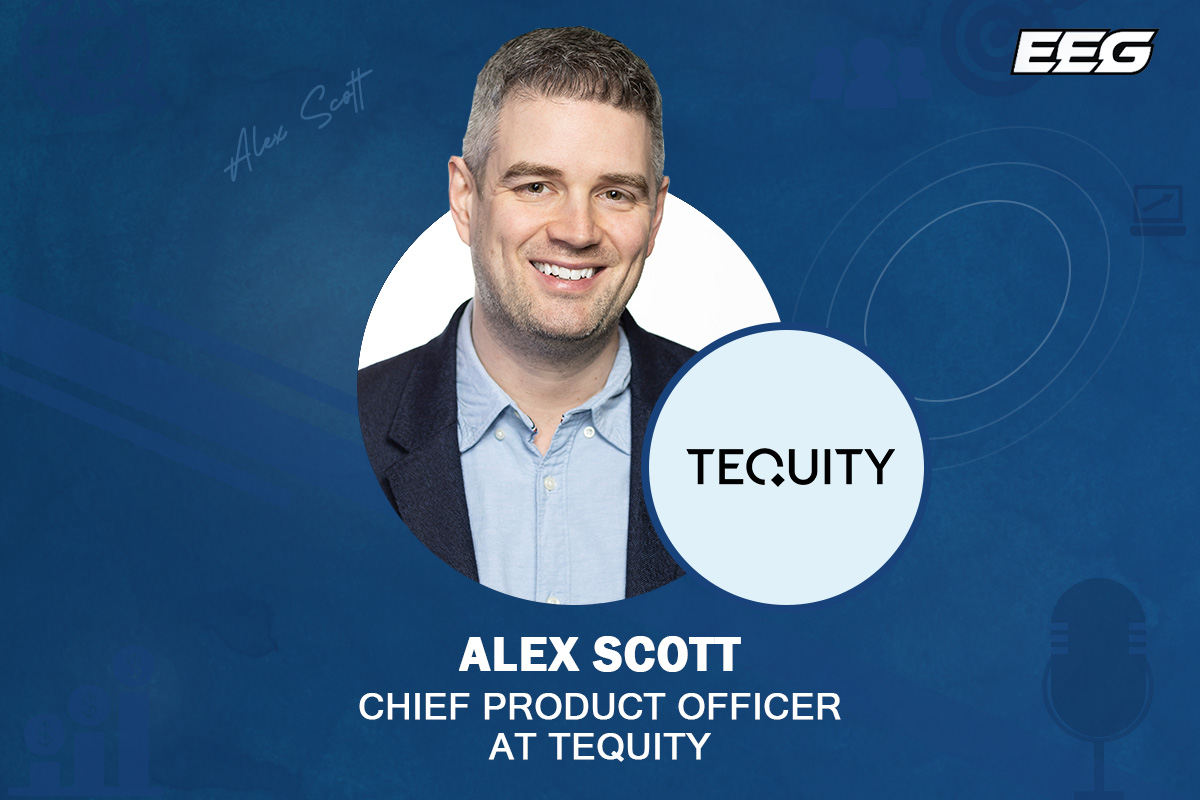
Following his appointment as Chief Product Officer at iGaming software pioneer Tequity, industry veteran Alex Scott outlines his vision for the company’s expanding product suite. With over 20 years of leadership experience, including driving WPT Global to become the world’s second-largest online poker room, he shares his insights on how Tequity’s approach is redefining both the games players enjoy and the way they are distributed.
You have held senior leadership roles at major operators and suppliers. What convinced you to join Tequity, and what are your main priorities as CPO?
Tequity is a business that I’ve admired since I first became aware of it. In that time I’ve heard so many positive things about how the company is able to move very quickly and decisively, while still delivering ultra high quality products for its partners. When I started interviewing for the position and meeting the people involved, that only reinforced the positive impression I had. It was clear to me that this was a company that is at the forefront of innovation in the iGaming space, creating and delivering content that is fresh and exciting.
My priority as CPO is to further accelerate the development of top-quality products that are highly relevant to today’s players. I’m excited to roll up my sleeves and get stuck in – there are so many possibilities!
Tequity recently secured BMM Testlabs certification for its RNG and the first batch of Originals titles. How does that accelerate your product roadmap?
This certification will open up many more potential customers for Tequity, and therefore many more opportunities for businesses to take advantage of Tequity’s services, like our bespoke Exclusives and our top-performing Originals. Operators fighting for market share are always looking for those added-value elements that can set them apart from the competition and our fully brandable, customisable and feature-packed content offers that key point of difference.
It will also enable the studios using our RGS and Publishing solutions to widen their own distribution and reach many more potential customers as well – just another reason to choose our RGS. We have seen the strong demand for our games and solutions from partners all over the world, and we believe that this appetite will be more than matched by operators in the regulated market space.
Finally, it represents s a step towards a wider regulated market expansion which I am excited to be involved in.
Player preferences are moving decisively toward fast-paced, community-driven experiences. How do Tequity’s game divisions cater to this next generation of player engagement?
One of the things that sets Tequity apart is that the company truly understands what the modern generation of players are looking for. They are discovering online casino in a very different way to past generations, and require simpler, easier to understand, more socially-driven content if you want their full attention. Today’s players expect instant gratification and seamless, mobile-first experiences that fit into their fast-paced lifestyles. They also want gameplay to feel like less of a solitary activity and more of a shared event.
Having spent recent months immersed in casino game development for the crypto generation, I’m really looking forward to contributing to these efforts and having an impact of my own.
You will be joining the Tequity team at iGB Live in London next month. What is the key takeaway you want operators and studios to leave with?
As the newest Tequity signing, I’m looking forward to meeting the rest of the team and many of our partners and customers at iGB Live.
Tequity is an extremely fast and capable company that builds high-quality, interesting products at the cutting-edge of the industry. My hope is that operators and studios leave the event understanding our expertise and capabilities. But I also want them to leave with a sense of the enthusiasm and passion that we have for building great games that stand out from the crowd.
The post Q&A with Tequity’s new Chief Product Officer Alex Scott appeared first on EE Gaming | Global iGaming & Tech Intelligence Hub.

-

 Bragg Gaming Group5 days ago
Massive Gaming launches Blitzcrown titles on Superbet Brazil via Bragg Hub
-
Compliance4 days ago
HIPTHER Launches HALLO: The Standard in Compliance Expertise
-
7Games5 days ago
7Games, Betão & R7 Launch FIRST.bet Sportsbook in Brazil
-
Compliance Updates4 days ago
HIPTHER Launches HALLO: The Standard in Compliance Expertise
-
Alex Cuoci5 days ago
Wealthsimple and Kalshi Partner to Bring Prediction Markets to Canada
-
30-0 Kongeserien4 days ago
Kongebonus launches 30-0 Kongeserien Eliteserien fantasy draft game
-
Bonusetu.com4 days ago
Finland Sets Casino Gambling Risk Limits at 2% of Income, 4 Days, 2 Game Types
-
Channelisation5 days ago
Swedish Gambling Authority consults tighter duty of care rules as channelisation slips