Industry News
PENN Entertainment Names Aaron LaBerge as Chief Technology Officer

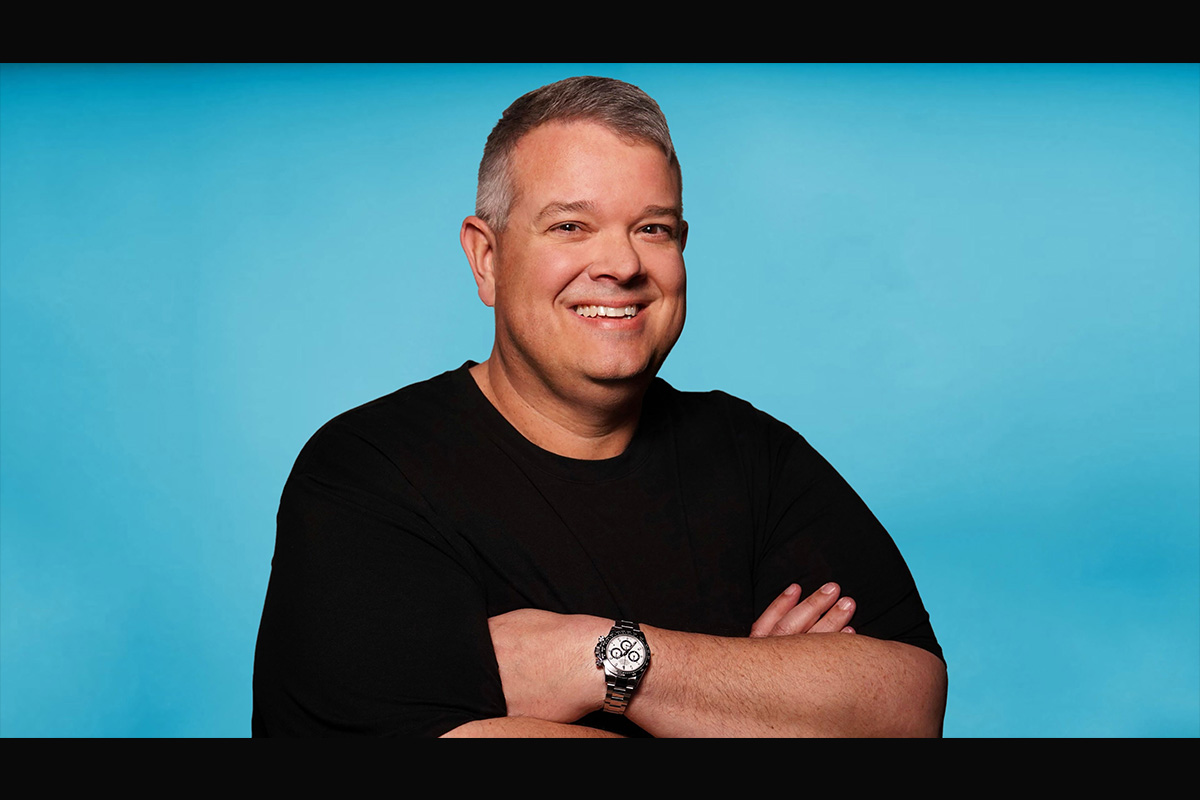
PENN Entertainment announced that Aaron LaBerge has been named Chief Technology Officer (CTO) effective July 1, 2024, subject to customary regulatory approvals. Mr. LaBerge will report directly to PENN CEO & President Jay Snowden.
In his new role, Mr. LaBerge will be responsible for driving the technology strategy and execution for PENN, while leading the multinational team of technologists and serving as the key business leader for the company’s Interactive division.
Mr. LaBerge spent more than 20 years at The Walt Disney Company, in two stints separated by five and a half years as a technology entrepreneur. He was most recently President & Chief Technology Officer for Disney Entertainment and ESPN where he was responsible for driving all technology and product development in support of The Walt Disney Company’s two media divisions. In that role, he helped set the vision and strategic leadership for how Disney uses technology to enable storytelling and innovation, drive its business, and create unparalleled consumer experiences with entertainment and sports content.
“We are thrilled to have someone of Aaron’s caliber join our PENN executive team. Having overseen a global organization of thousands of engineers, product developers, designers, technologists, and data scientists that created some of the largest scale and most successful media properties in the world, there is no better candidate to lead our Technology and Interactive division into its future. I know Aaron is looking forward to working with Todd George, our head of operations, and our entire Executive Team to continue growing our position as a leader in online gaming, sports betting, and digital sports media,” Mr. Snowden said.
“I’m excited to join another talented team at PENN Interactive and lead our technology strategy. PENN Entertainment is at the forefront of the fast-changing gaming and sports media industry. I plan to use my experience from Disney and ESPN to help make ESPN BET an essential piece of the sports fan experience. Together, we’ll push the limits and redefine how fans interact with sports and gaming,” Mr. LaBerge said.
Prior to his most recent role at the Walt Disney Company, Mr. LaBerge was Executive Vice President and Chief Technology Officer at ESPN from 2015 to 2018. At ESPN he played an instrumental role in the growth of ESPN’s consumer-facing digital media products and services – leading many of ESPN’s most ambitious and challenging projects and helping establish ESPN’s position as the leader in digital sports and innovative sports technology development. He was a key architect in the design, development, and engineering of ESPN’s state-of-the-art facilities in Bristol, CT; Los Angeles, CA; Charlotte, NC; and Austin, TX, as well as data centers and infrastructure that connect those facilities around the world, as well as the technology design and development to support the launch of the multi-platform SEC Network.
Between 2007 and 2012, LaBerge was co-founder and CEO of Fanzter, Inc. – a venture-funded consumer software and digital product development company. At Fanzter, he directed all day-to-day operations and led the development and launch of a variety of consumer-focused internet and mobile products, ground-breaking social and commerce technologies and more.
The post PENN Entertainment Names Aaron LaBerge as Chief Technology Officer appeared first on European Gaming Industry News.

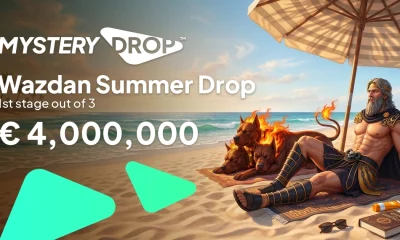







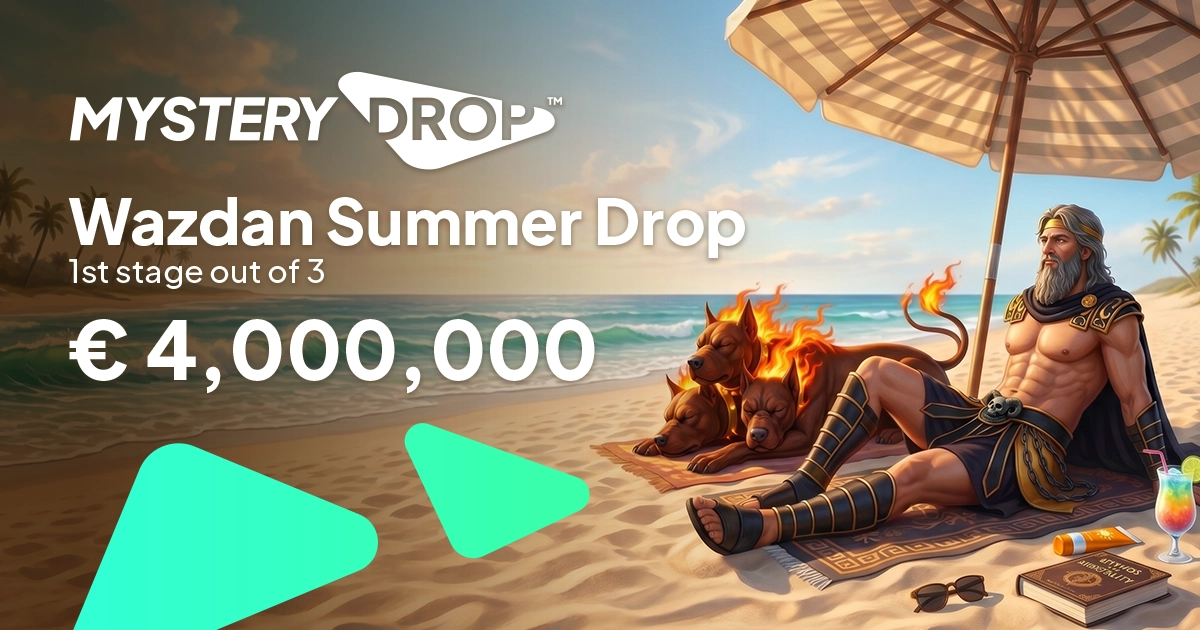
The operator-facing series runs 29 June to 13 September and uses Mystery Drop and Mystery Multiplier Drop mechanics.
Wazdan will launch a summer-long Network Promotion series for partner casinos, running from 29th June to 13th September. The campaign is structured in three stages with breaks between each phase.
The promotion will use Wazdan’s Mystery Drop and Mystery Multiplier Drop mechanics. The supplier said the programme is designed to be easy for operators to activate and will be supported with marketing materials, including promotional assets, brochures and newsletter content for partners to use across their own channels.
Alongside the promotion, Wazdan has a summer content roadmap with three slot releases scheduled: Mighty Hot: Amazonia (30th June), Magic Fruit$: Cherries (30th July) and Mighty Crown: Empire of Gold (6th August).
Radka Bacheva, Head of Sales and Business Development at Wazdan, said: “Summer presents a valuable opportunity for operators to keep engagement levels high, and this promotion has been designed to deliver exactly that through Wazdan’s proven promotional tools.
“Combined with our upcoming game releases, we are excited to offer partners a strong seasonal campaign with plenty of player appeal.”
The post Wazdan schedules three-stage Network Promotion campaign for summer appeared first on EE Gaming | Global iGaming & Tech Intelligence Hub.
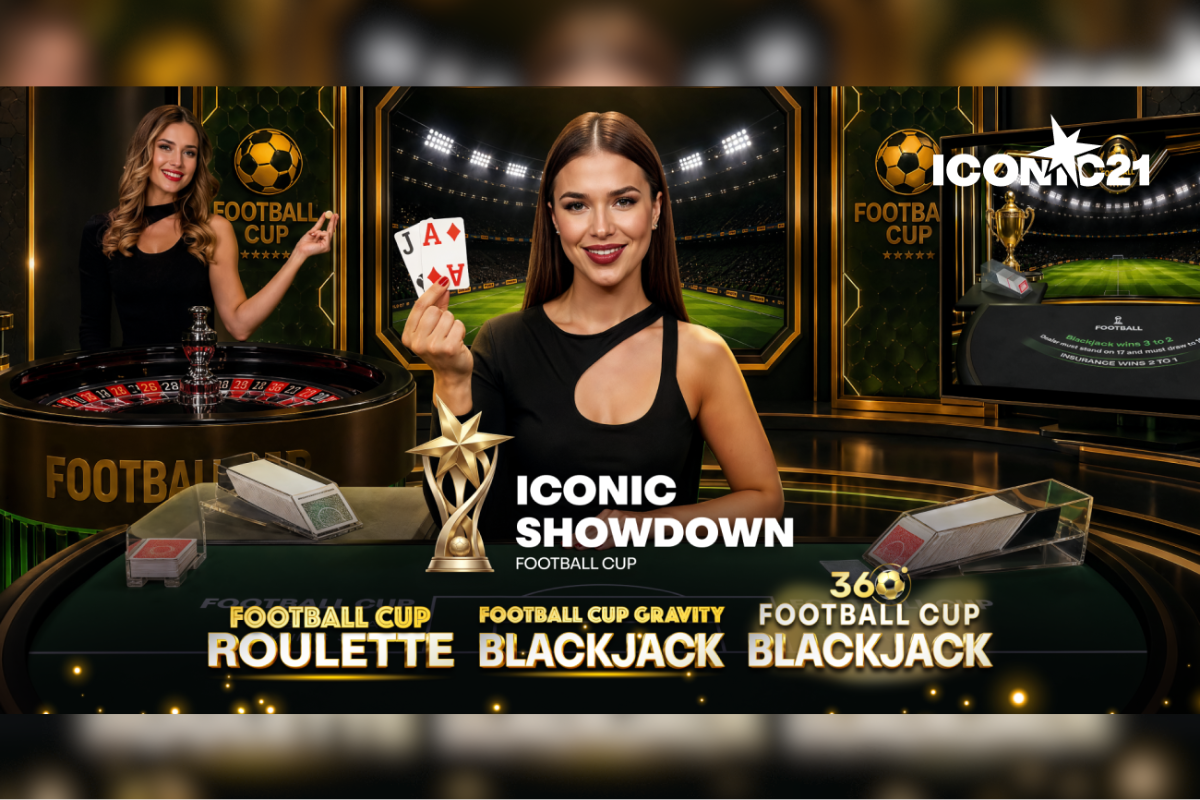
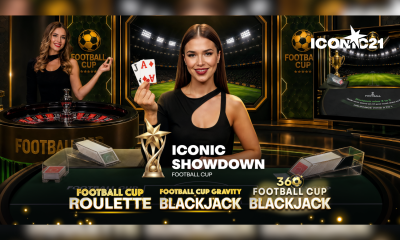
ICONIC21 has rolled out three limited-edition Football Cup-branded casino games and launched its first network tournament, ICONIC Showdown Football Cup, running from 9th of July to 19th of July.
The new titles are Football Cup Roulette, Football Cup Blackjack 360, and Football Cup Gravity Blackjack. ICONIC21 said the releases showcase different customisation approaches, including green screen production for the roulette environment and an updated visual rebrand for its RNG blackjack table.
For Football Cup Gravity Blackjack, ICONIC21 said it used its latest LED technology and applied the Gravity Series multiplier mechanic, with a custom felt, a football gate, and bespoke 3D-printed decorations.
Alongside the three new games, ICONIC21 pointed to its previously launched slot Soccer World Championship, plus The Kickoff and Top Card, which it said received football-season branding and UI/UX updates.
The ICONIC Showdown Football Cup tournament covers 11 games in total and is positioned around the quarter finals, semi-finals and final period. ICONIC21 said 1,000 winners will share a €50,000 prize pool, and operators can enroll via their account manager or by contacting the company directly.
Edvardas Sadovskis, Chief Product Officer at ICONIC21, said:
“What I’m most proud of with this project is the turnaround. We built three fully branded, technically distinct games, enhanced existing ones with promotional branding, and launched our first-ever network tournament around them, all timed to coincide with peak player interest and traffic.
That kind of speed doesn’t happen by accident, it reflects how this team works. ICONIC Showdown is a meaningful first step for us as a provider, and launching it during the Football Cup, with this much energy around the game, feels like the right way to do it. We’re genuinely excited to see how the leaderboard shapes up and even more excited for the finals.”
The post ICONIC21 launches Football Cup-branded casino games and debut network tournament appeared first on EE Gaming | Global iGaming & Tech Intelligence Hub.
Brand Ambassador
Ronaldinho visits CreedRoomz Yerevan studio to front Marble Cup and Kickoff Roulette

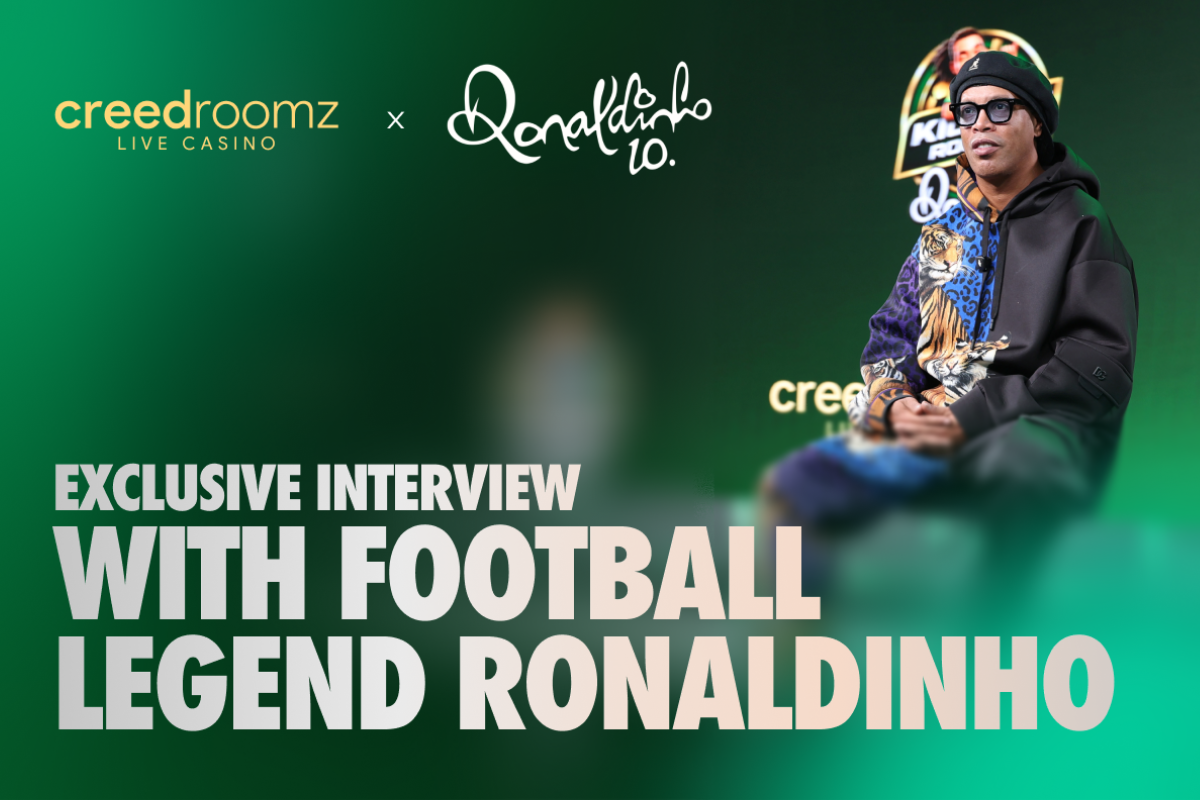
CreedRoomz has brought footballer Ronaldinho to its headquarters in Yerevan, where the company filmed an “exclusive interview” with the former player in connection with two new live casino game shows, Marble Cup and Kickoff Roulette. CreedRoomz said Ronaldinho is the global ambassador for both titles.
In the interview, Ronaldinho said: “For me, it’s a great joy to be a part of this partnership. Since arriving here at the office, everyone has treated me with great affection. I already feel at home, very happy.” Asked to choose between the two games, he added: “Honestly, it’s difficult to choose one, both are wonderful, I loved them, so it’s very difficult to choose one, I think everyone will really like them, I think the whole world will really enjoy them.”
Ronaldinho also described his first impressions of the studio and gameplay: “I was surprised and very happy, everything is very beautiful, everything is very innovative, so I believe that’s why everyone will really like them, so I’m looking forward to everyone starting to enjoy them a lot.”
On why CreedRoomz expects the titles to gain traction, he said: “These are different games. I think that will attract attention, the fact that football is a global passion also helps, so I believe everyone will like it for those reasons.. and for the innovation of everything that is happening.”
CreedRoomz linked the interview to upcoming “World Cup and R10 Tournaments,” with Ronaldinho closing by telling fans: “A message of gratitude for the continued affection. I’m very happy and excited. for the next competitions for the next games, the games are all ready, I hope everyone enjoys them and everyone be very happy and have good times together.”
The post Ronaldinho visits CreedRoomz Yerevan studio to front Marble Cup and Kickoff Roulette appeared first on EE Gaming | Global iGaming & Tech Intelligence Hub.

-

 Affiliate Industry6 days ago
Hub Affiliations Triumphs at the iGB Affiliate Awards 2026: Winner of Programme/Network Campaign of the Year
-
Asia7 days ago
The UAE Lottery joins SAGIP outreach with Philippine Consulate and Infinite Communities
-
Canada7 days ago
St8 extends Octoplay partnership into Ontario and the UK
-
Latest News6 days ago
N1 Partners at iGB L!VE 2026: Bringing Together Affiliates, Art and Innovation
-
Austria6 days ago
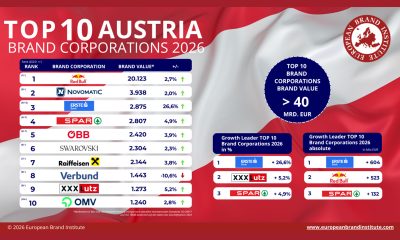
Austrian Brand Value Study: NOVOMATIC Defends Top Ranking
-
Canada7 days ago
St8 expands Octoplay aggregation deal to Ontario and the UK
-
Latest News7 days ago
LEON announces LEON.bet Masters, a new CS2 tournament in Portugal
-
Betsson CEO Pontus Lindwall6 days ago
Gaming in the Nordics launch event sets annual Copenhagen conference from 2027