Industry News
How to avoid network and server infrastructure issues during the development cycle

Mathieu Duperré, CEO, Edgegap
Regardless of whether you’re an indie developer or a AAA publisher, making games is never simple. Taking a game project from the initial concept to launch is a huge undertaking, especially when you begin incorporating multiplayer and social elements. Despite eye-watering budgets and huge teams of developers, countless games fall flat on release.
Thankfully, many of the common obstacles can be easily avoided and disruption to your release timeline kept to a minimum if you’re aware of the potential network and server infrastructure issues at key stages of development: the main development cycle, pre-launch, the launch period itself and once the game has launched.
Problems during the main development cycle
Some of the most common problems you’ll encounter on the tech side of the main development cycle can be the result of:
- Imperfect or hurried CI/CD pipelines. It can take days to push a new release for testing when you should be able to launch a few releases every day.
- Dev teams taking on too much in-house rather than seeking outside assistance (netcode, game engine, backend services).
- Trying to save funds through open-source projects that eventually become outdated, unsupported during your dev cycle or ends up in engineering money pits.
- Developers waiting until post-launch to focus on important elements such as crossplay.
- QA teams lacking constant access to the game build.
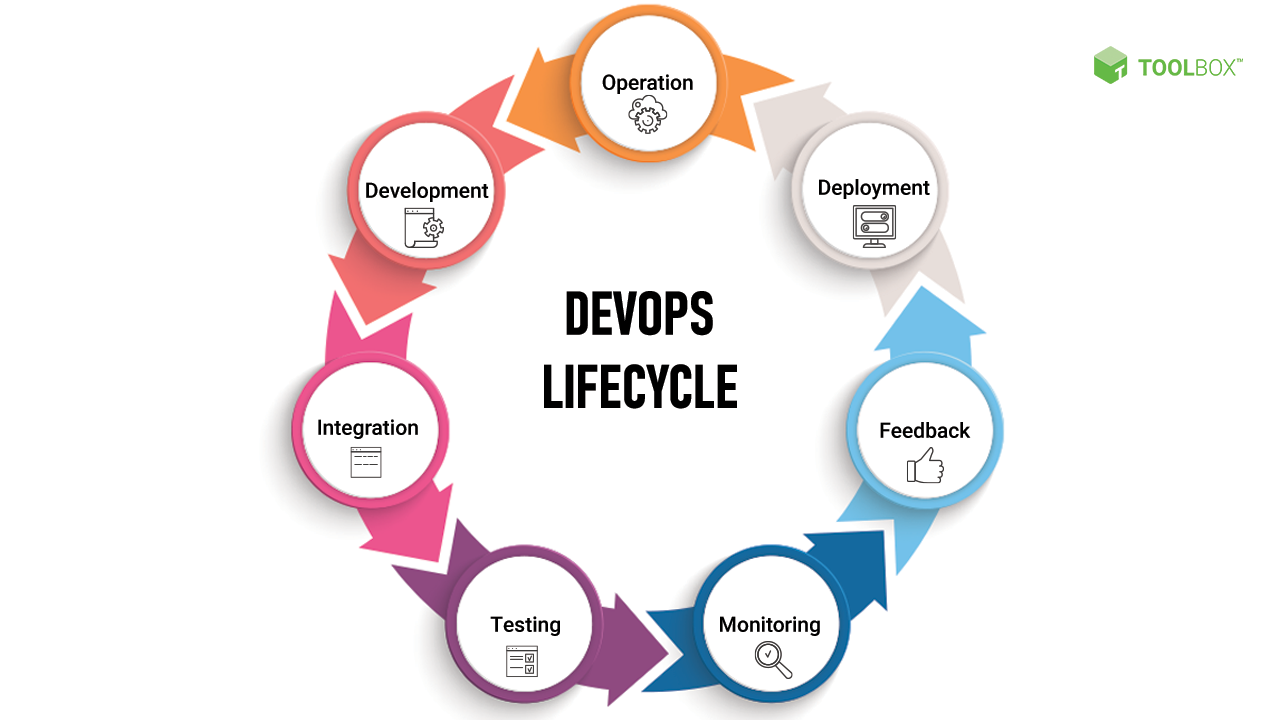
Any of these sound familiar? If so, it might be time to rethink your core strategy and whether you’re adhering to the DevOps methodology. Do you have a structured approach or are you lurching leftfield and drifting off course?
While developing your own netcode and game engine in-house can seem appealing, it’s important to consider the potential risks that might emerge further down the road. If problems with your netcode or a proprietary game engine present themselves at a particularly busy stage of development, you’ll wish you’d have outsourced them.
Considering where you can offload certain aspects of development to external partners can help reduce your team’s workload and improve their efficiency so they can focus on more pressing matters.
Mistakes to avoid just before the launch
One of the biggest mistakes you can make just before launch? Underestimating your CCU (concurrent users worldwide) and employing a low percentage buffer of around 10%. Misjudging your CCU is going to put too much strain on your servers and overall backend services and is one of the most common reasons players experience crashes around the launch. Similarly, don’t underestimate the number of regions you’ll need servers in too. A global game launch requires an equal distribution of worldwide servers to avoid latency issues.
When it comes to servers, it’s always best to plan ahead and scale back, rather than the other way around. Prioritise network partners who offer pay-as-you-go options for server access, so if you do need to scale back (or up) you can do so easily. This should always be the preferred option and will prevent you from being charged for servers you’re not using. It’s important to be aware of the risks associated with overestimating, as this can lead to studios signing long-term contracts and ultimately being overresourced.
Finally, one issue that can cause developers and studios a lot of trouble is data protection regulation laws. I’ve heard plenty of horror stories about studios turning a blind eye to privacy laws such as the General Data Protection Regulation (GDPR) and the California Consumer Privacy Act (CCPA). Make sure you’ve checked the specific rules regarding data collection in your region as early as possible to avoid a frantic rush of paperwork towards the end of development or, worse, incurring costly fines.
Obstacles on launch day
It can be easy to think that you’ve made it through the worst once you reach launch day, but this is usually the stage where major issues can suddenly appear. You may notice a bombardment of negative responses from Twitter, Steam and other platforms addressing critical issues with the game – make sure you address these rather than ignoring them. These responses can be important indicators of how the players are responding to your game and if you’ve factored their feedback in the development phase.
Once the game has launched, you will have the clearest indicator of how many servers you’ll need to support the players. This is where your planning will prove to be correct or wide of the mark if you’d reserved say 1000, but you only need 200.
A 24/7 support plan is an important consideration when the game is live, this will enable rapid fixes to negate as many disruptions as possible. A low-cost DDoS solution is also a crucial facet to bear in mind. A server orchestrator will help developers manage influx of traffic along with capturing crucial data that can be incorporated into the game as part of the observability phase.
Post-launch issues
Now that your game is in the world, there can be a strong temptation to introduce a plethora of new elements to the game to enhance the player experience. While on the face of it these are good ideas, new mods or minor updates can prove problematic and contain major bugs. Responding to these new issues can be distracting and take weeks or even months to solve.
On top of this, if you haven’t properly planned earlier in the process, major updates to your game servers could potentially lead to maintenance issues and significant downtime for your player base. If players have a bad experience on launch, they’ll likely just move on to the next best thing. When EA launched Battlefield 2042, server issues, loading times and game-breaking bugs plagued the game. Within months, player numbers dropped to fewer than 1,000 concurrent players on Steam.
Of course, there are a number of ways to circumvent these issues. It is crucial to choose a backend that can support multi-versioning A/B testing and facilitate rolling updates without outages. You’d be hard-pressed to find a gamer who enjoys an unplayable game. Automation can also help in the production pipeline, this includes deploying quick fix updates and upgrades which will reduce the human error factor.
Another consideration that is often overlooked is outsourcing for network and platform providers to remove a large in-house team dedicated to DevOps or Engineering. This is intensive work that will take up the time of staff, and outsourcing is a viable option and it makes perfect sense for smaller studios, especially to pursue this option purely from a cost-saving perspective.
Making edge count
Edge computing is often overlooked by game developers, but it can alleviate many of the issues described here, particularly around server provisioning and latency issues. Edge technology brings computation and data storage closer to the source of the data, placing it at the edge of the network where performance gain is most optimal. This reduces unnecessary travel and drastically speeds up the process resulting in close to a lag-free experience.
If you’re looking at cross-play for your game, infrastructure requirements become more complex. Edge computing helps to negate some of the most nagging delay issues that come with playing across different platforms. As cross-play becomes more of a consideration for developers, edge computing along with automation can come to be one of the solutions to some of the associated problems. Developers should consider the automation part of the equation when planning their game project. It becomes even more vital when you add more latency-reliant elements to a game.
Fail to plan, plan to fail
There is no one size fits all approach to game development or the challenges associated with it. But taking some of the steps outlined above can help negate potential issues and lessen their impact, preventing total derailment of a game before it even launches.
Small steps like putting your trust in external partners or looking at technologies like Edge computing to squeeze as much performance out of your game as possible might seem small, but their impact on development can’t be underestimated.
Planning for different eventualities at key stages of development will go a long way in ensuring your game is the best it can possibly be at launch. This will give your game the best chance at becoming a lasting hit, not a flash in the pan that’s marred by server issues or bugs.
The logistical side of creating a game might not always be glamorous or exciting, but it’s unavoidable. If your development pipeline is hit by server issues, you’ll be glad you planned ahead.
Powered by WPeMatico


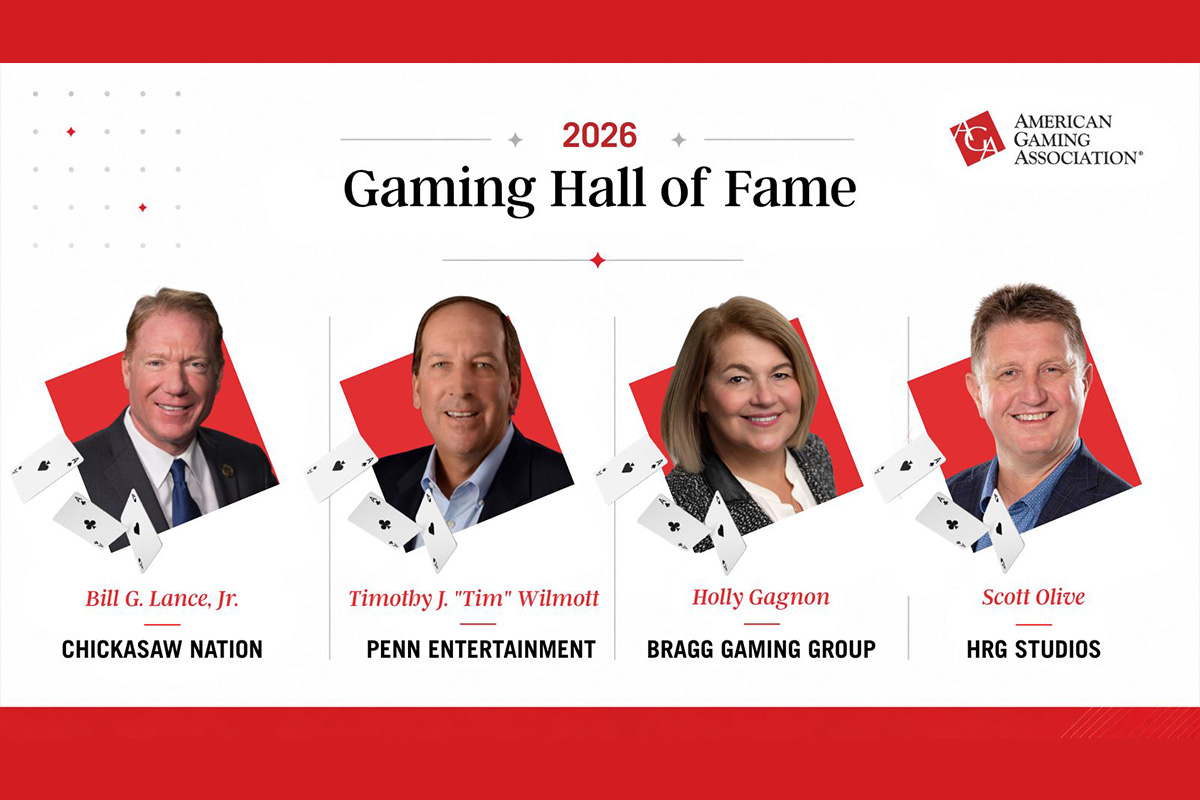
The American Gaming Association (AGA) announced the Gaming Hall of Fame Class of 2026, recognizing four individuals whose careers have profoundly shaped the legal gaming industry:
• Holly Gagnon, Board Member, Bragg Gaming Group
• Bill G. Lance, Jr., Secretary of State, Chickasaw Nation
• Scott Olive, Principal & Founder, HRG Studios
• Timothy J. “Tim” Wilmott, Retired Chief Executive Officer, PENN Entertainment
“The Gaming Hall of Fame recognizes the individuals whose vision, innovation, and dedication have helped shape today’s legal gaming industry. Holly, Bill, Scott, and Tim have each left a lasting mark through decades of service and leadership. Their contributions have set a high standard for those who follow,” said AGA President and CEO Bill Miller.
“This year’s inductees reflect the remarkable breadth of the gaming industry – from commercial and tribal gaming operators to suppliers. Each of them has helped advance gaming in significant ways, and we’re proud to welcome them to the Gaming Hall of Fame,” said AGA Chairman Lou Jacobs.
Since 1989, the Gaming Hall of Fame has celebrated the achievements of industry legends who have driven the commercial and tribal gaming industry forward. The Class of 2026 will be formally inducted at an invitation-only ceremony during the Global Gaming Expo (G2E) in Las Vegas this fall.
This year’s selection committee members include:
• Eric Schippers, SVP, Public Affairs & Government Relations, PENN Entertainment Inc.
• Mark Fulton, President, Cherokee Nation Entertainment
• Trevor Croker, CEO & Managing Director, Aristocrat Technologies
• Sherri Sosa, SVP, Human Resources, Hard Rock Las Vegas Hotel & Casino
• Mark Lipparelli, Chairman Emeritus, International Center for Responsible Gaming
• Kirsten Clark, Executive Director, IAGA
• Siobhan Lane, Executive Vice President & Chief Executive Officer, Gaming, Light & Wonder; Chair, Global Gaming Women
• Dr. Brett Abarbanel, Executive Director, UNLV International Gaming Institute
• Lou Jacobs, Co-CEO, Delaware North; Chairman, AGA
About the 2026 Inductees:
Holly Gagnon, Board Member, Bragg Gaming Group
Holly began her 34-year gaming career on the opening team of Foxwoods Resort Casino in 1992, at the birth of modern tribal gaming in America. She went on to hold senior financial and operational roles at Caesars Entertainment and MGM Resorts International before serving as President and CEO of Pearl River Resort, CEO of Chumash Enterprises for the Santa Ynez Band of Chumash Indians, and CEO of Seneca Gaming Corporation for the Seneca Nation of Indians. Named NAFOA Executive of the Year in 2016, Gagnon is a recognized champion of tribal economic development. As a founding member of Global Gaming Women and Distinguished Fellow at the UNLV International Gaming Institute, she has helped develop more than 300 gaming executives. She currently serves as a board member of Bragg Gaming Group.
Bill G. Lance, Jr., Secretary of State, Chickasaw Nation
Bill has served the Chickasaw Nation for decades in senior leadership roles spanning commerce, healthcare, and governance. As Secretary of Commerce for more than thirteen years, he oversaw more than 60 gaming, hospitality, retail, media, manufacturing, and tourism businesses employing approximately 7000 people. He also served as Administrator of the Chickasaw Nation Health System, overseeing construction of the 370,000-square-foot Chickasaw Nation Medical Center in Ada, Oklahoma. Lance currently serves as Secretary of State, representing the Chickasaw Nation in civic, business, and governance capacities.
Scott Olive, Principal & Founder, HRG Studios
Scott is one of the most influential game designers in the history of the slot machine industry. His career spans more than three decades, beginning at Aristocrat Gaming in 1997, where he helped drive the adoption of penny and Australian-style slots in U.S. gaming markets. After co-founding True Blue Gaming in 2007, Olive established HRG Studios in 2012, where he went on to create some of the most commercially successful slot titles ever produced.
Timothy J. “Tim” Wilmott, Retired Chief Executive Officer, PENN Entertainment
Tim spent more than three decades as one of the gaming industry’s most respected operational leaders. He served as Chief Executive Officer of Penn National Gaming from 2013 until his retirement in 2019, having previously served as President and Chief Operating Officer from 2008 to 2013. Before joining Penn National, Wilmott served as Chief Operating Officer of Harrah’s Entertainment and Division President of its Eastern Division, holding a series of leadership positions at Harrah’s properties dating back to 1988.
The post AGA Announces Gaming Hall of Fame Class of 2026 appeared first on Americas iGaming & Sports Betting News.

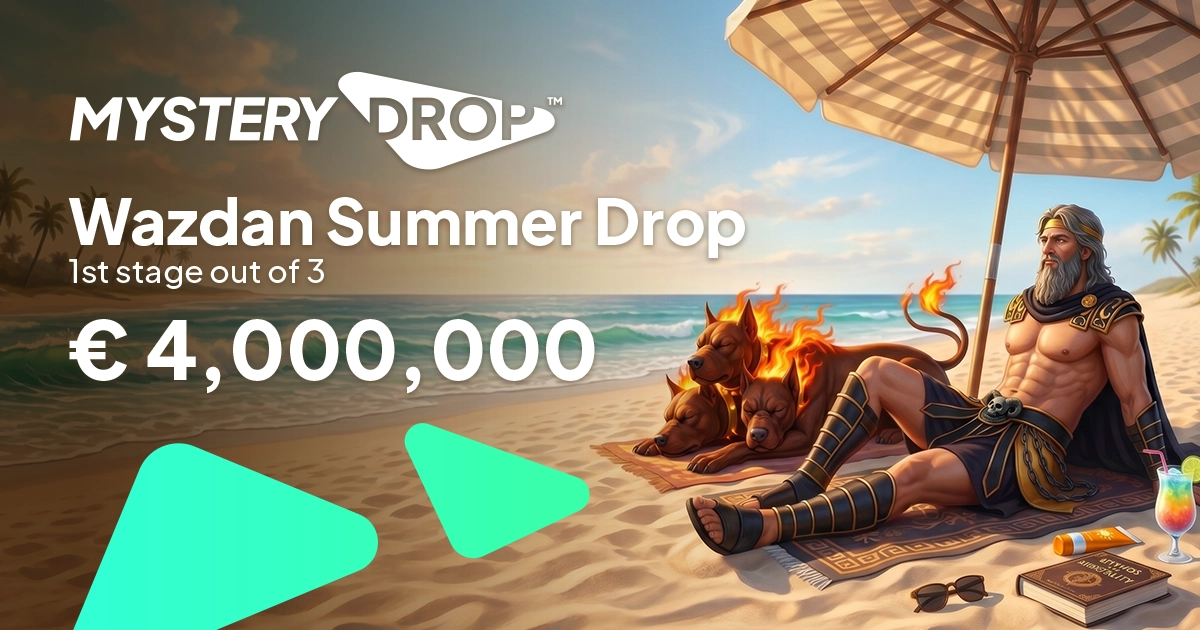
The operator-facing series runs 29 June to 13 September and uses Mystery Drop and Mystery Multiplier Drop mechanics.
Wazdan will launch a summer-long Network Promotion series for partner casinos, running from 29th June to 13th September. The campaign is structured in three stages with breaks between each phase.
The promotion will use Wazdan’s Mystery Drop and Mystery Multiplier Drop mechanics. The supplier said the programme is designed to be easy for operators to activate and will be supported with marketing materials, including promotional assets, brochures and newsletter content for partners to use across their own channels.
Alongside the promotion, Wazdan has a summer content roadmap with three slot releases scheduled: Mighty Hot: Amazonia (30th June), Magic Fruit$: Cherries (30th July) and Mighty Crown: Empire of Gold (6th August).
Radka Bacheva, Head of Sales and Business Development at Wazdan, said: “Summer presents a valuable opportunity for operators to keep engagement levels high, and this promotion has been designed to deliver exactly that through Wazdan’s proven promotional tools.
“Combined with our upcoming game releases, we are excited to offer partners a strong seasonal campaign with plenty of player appeal.”
The post Wazdan schedules three-stage Network Promotion campaign for summer appeared first on EE Gaming | Global iGaming & Tech Intelligence Hub.

ICONIC21 has rolled out three limited-edition Football Cup-branded casino games and launched its first network tournament, ICONIC Showdown Football Cup, running from 9th of July to 19th of July.
The new titles are Football Cup Roulette, Football Cup Blackjack 360, and Football Cup Gravity Blackjack. ICONIC21 said the releases showcase different customisation approaches, including green screen production for the roulette environment and an updated visual rebrand for its RNG blackjack table.
For Football Cup Gravity Blackjack, ICONIC21 said it used its latest LED technology and applied the Gravity Series multiplier mechanic, with a custom felt, a football gate, and bespoke 3D-printed decorations.
Alongside the three new games, ICONIC21 pointed to its previously launched slot Soccer World Championship, plus The Kickoff and Top Card, which it said received football-season branding and UI/UX updates.
The ICONIC Showdown Football Cup tournament covers 11 games in total and is positioned around the quarter finals, semi-finals and final period. ICONIC21 said 1,000 winners will share a €50,000 prize pool, and operators can enroll via their account manager or by contacting the company directly.
Edvardas Sadovskis, Chief Product Officer at ICONIC21, said:
“What I’m most proud of with this project is the turnaround. We built three fully branded, technically distinct games, enhanced existing ones with promotional branding, and launched our first-ever network tournament around them, all timed to coincide with peak player interest and traffic.
That kind of speed doesn’t happen by accident, it reflects how this team works. ICONIC Showdown is a meaningful first step for us as a provider, and launching it during the Football Cup, with this much energy around the game, feels like the right way to do it. We’re genuinely excited to see how the leaderboard shapes up and even more excited for the finals.”
The post ICONIC21 launches Football Cup-branded casino games and debut network tournament appeared first on EE Gaming | Global iGaming & Tech Intelligence Hub.

-

 10bet6 days ago
Ellis Park Stadium signs five-year naming rights deal with 10bet
-
central asia6 days ago
Groove confirms attendance at SBC Summit Tbilisi 2026
-
Bucharest5 days ago
Eeze opens 1,200 sqm Bucharest hub for technical teams
-
AB Trav och Galopp4 days ago
BetMakers Technology Group Selected to Distribute ATG Horse Racing Content Across Australia and New Zealand
-
API integration5 days ago
Belatra signs cooperation deal to distribute slots via VeliGames
-
Aviator5 days ago
Pernambuco court revokes Spribe’s interim relief in Aviator trademark dispute
-
game content5 days ago
R. Franco Digital releases fighting game-themed slot Spin Fighters
-
affiliate marketing6 days ago
SEOBROTHERS’ Aleksandra Drigo flags higher barriers for affiliates in regulated Alberta