Brazil
Rio de Janeiro State Shows the Greatest Interest in Real-Money Gambling in Brazil


The state of Rio de Janeiro has a disproportionally high number of real-money gamblers when you compare the percentage of players from the state making up the market share of total players in Brazil, against the population of the state of Rio de Janeiro.
Research by ENV Media, a performance-based media agency working in the iGaming industry, found that 14% of all real money gamblers in Brazil currently reside in the State of Rio de Janeiro. Yet the Brazilian 2022 census revealed that just roughly 7.9% of Brazil’s total population lives in the state of Rio de Janeiro. In other words, residents of the state of Rio de Janeiro make up almost twice the number of real-money gamblers in Brazil than the numbers relating to the state’s population suggest they should.
Break Down of Brazil’sd Most Populous States
With a population of 16,054, 524, Rio de Janeiro is the third biggest state in Brazil by population, behind Minas Gerais (20,538,718) and Sao Paulo (44,420, 459). According to the latest Brazilian Census carried out in 2022 by the Instituto Brasileiro de Geografia e Estatistica, Brazil’s current population is 203,062, 512. That makes it the seventh most populated country in the world, one above Bangladesh and one below Nigeria.
| Top 10 States | Population | % of Population | Player Share |
| São Paulo | 44,420,459 | 21.80% | 24% |
| Minas Gerais | 20,538,718 | 10.10% | 5% |
| Rio de Janeiro | 16,054,524 | 7.90% | 14% |
| Bahia | 14,136,417 | 6.90% | 6% |
| Paraná | 11,443,208 | 5.60% | 5% |
| Rio Grande do Sul | 10,880,506 | 5.30% | 7% |
| Pernambuco | 9,058,155 | 4.40% | 5% |
| Ceara | 8,791,688 | 4.30% | 6% |
| Pará | 8,116,132 | 4% | 2% |
| Santa Catarina | 7,609,601 | 3.70% | 3% |
| Goiás | 7,055,228 | 3.40% | 5% |
What about the Other States?
When focusing just on the top 10 most populous states in Brazil, which between them account for 77.4% of the total Brazilian population, there are some other eye-catching conclusions. Like the state of Rio de Janeiro, the state of Sao Paulo also accounts for a higher share of real-money gambling taking place in licensed online casinos based in Brazil when compared to the percentage of the overall population. But in this case, the difference is far smaller.
The state of Sao Paulo hosts 21.8% of Brazilian inhabitants and accounts for 24% of real-money players in Brazil, by far the state that houses the greatest number of gamblers in Brazil. The states of Rio Grande do Sul, Pernambuco, Ceara and Goiás all also accounted for a bigger share of the Brazilian gambling market than the share of the Brazilian population that they make up.
Goiás for example, hosts just 3.4% of Brazilians, yet players from that state make up 5% of Brazilian players who play for real cash. On the other hand, people from the states of Santa Catarina, Pará, Paraná and Bahia were in the opposite camp. In all four cases, the proportion of the Brazilian population they made up was less than the proportion they made up of the Brazilian gambling market.
Minas Gerais Residents Keep their Money in their Pockets
But the biggest discrepancy of all is related to the state of Minas Gerais. With a state population of 20,538, 718 as per 2022 numbers, it makes up 10.1% of the total Brazilian population. Yet the ENV research shows that residents of the state make up just 5% of real-money Brazilian gamblers.
That suggests that the state of Minas Gerais, whose cities include Belo Horizonte, Uberlandia, Contage and Juiz de Forma, is yet to embrace real-money gambling at the same rate as those from other Brazilian states.











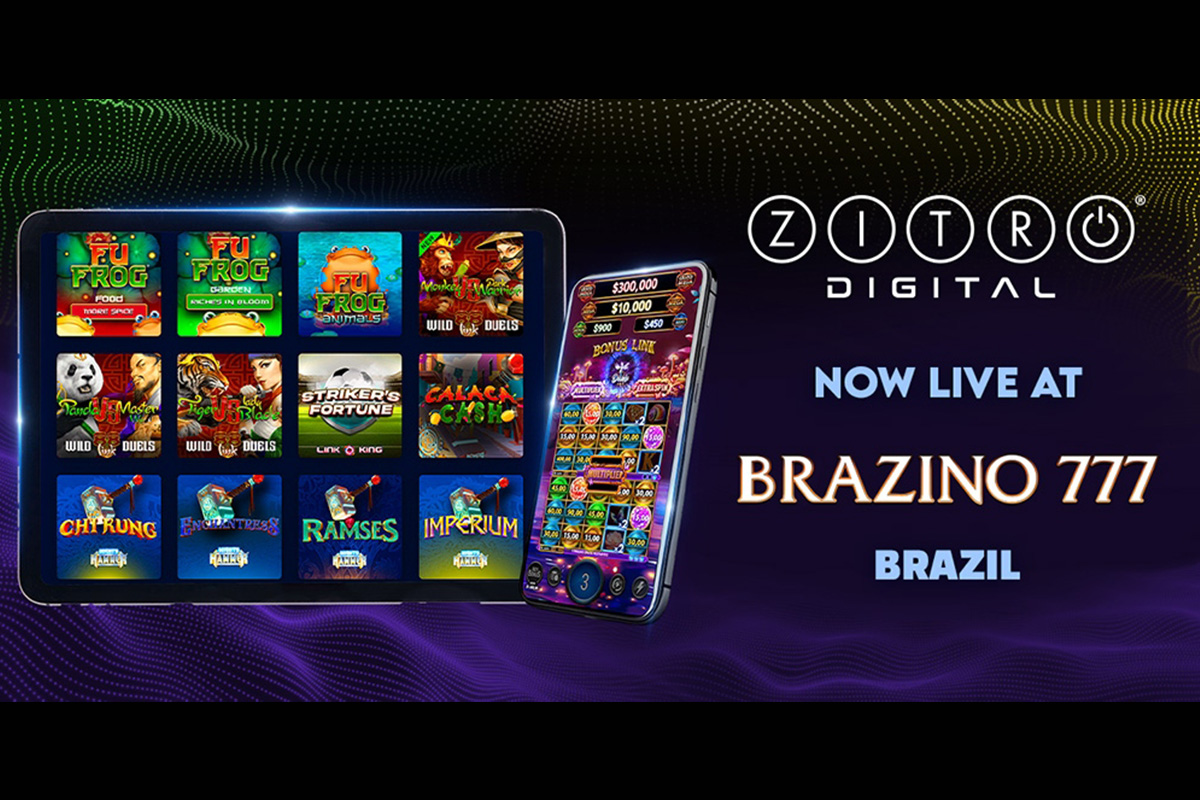
Zitro Digital, the online arm of leading gaming supplier Zitro, is further expanding its footprint in Brazil through a new partnership with Brazino777, one of the country’s most recognized online operators. The agreement strengthens Zitro Digital’s position in a key regulated market and reflects the company’s continued commitment to Latin America’s iGaming sector.
Brazino777 players now have access to Zitro Digital’s full portfolio, spanning slots and Video Bingo titles that combine the company’s proven land-based heritage with content developed exclusively for the digital space.
“At Brazino777, we are focused on delivering high-quality, top-performing games to our players. Zitro Digital’s portfolio strengthens our offering, and we’re confident it will resonate strongly with our Brazilian audience as we continue to grow and evolve our platform,” said Andre Medeiros, country manager for Brazil at Brazino777.
“Brazil is an important market for us, one where we see a strong connection with players and the local gaming culture. Launching our portfolio with Brazino777 gives us the opportunity to bring our content to a new segment of players, as part of our continued growth in the Latin American digital gaming scene,” said José Javier Martí, CCO at Zitro Digital.
The post Zitro Digital Goes Live on Brazino777 in Brazil appeared first on Americas iGaming & Sports Betting News.

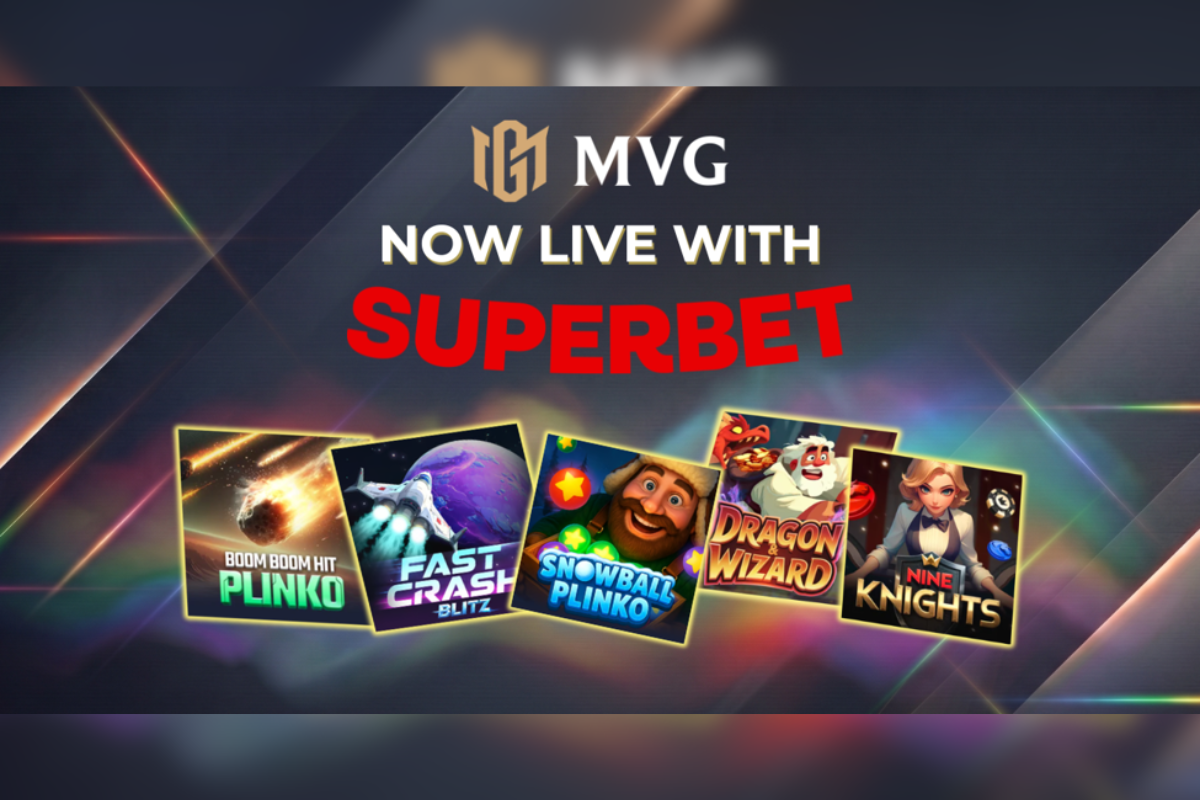
Massive Gaming (MVG) has gone live with Superbet Brazil, launching a selection of Blitzcrown studio titles via the Bragg hub game aggregation platform.
The initial rollout includes eight games from Blitzcrown, which focuses on non-traditional casino formats. Titles available at launch include Boom Boom Hit Plinko, Snowball Plinko, Fast Crash, and Dragon & Wizard.
The content is delivered through bragg hub, using Bragg Gaming Group’s existing aggregation relationship with Superbet in Brazil. The companies noted that Superbet secured a regulated licence ahead of the market’s January 2025 launch.
Blitzcrown’s instant-win games previously secured Brazil RGS, RNG, and individual game certifications from Gaming Laboratories International (GLI).
George Cho, Director at Massive Gaming, said: “Going live on Superbet Brazil is a landmark moment for Massive Gaming, and for Blitzcrown as a studio. Brazil is one of the most exciting regulated markets in the world, and being able to bring our content to Superbet’s players through Bragg’s platform is a testament to both the quality of our games, and the strength of these partnerships. We look forward to expanding our presence in the market as we continue to grow our portfolio.”
Hristofor Hristov, Commercial Director Aggregation at bragg, commented:
“We are thrilled to facilitate this exciting launch between Massive Gaming and Superbet in Brazil. Our bragg hub platform is specifically engineered to seamlessly deliver high-performing, localized content to major operators. Blitzcrown’s certified instant-win and non-traditional games are a perfect fit for the dynamic Brazilian audience, and this rollout underscores our commitment to fueling our partners’ growth in one of the world’s most vibrant regulated markets.”
The post Massive Gaming launches Blitzcrown titles on Superbet Brazil via Bragg Hub appeared first on EE Gaming | Global iGaming & Tech Intelligence Hub.
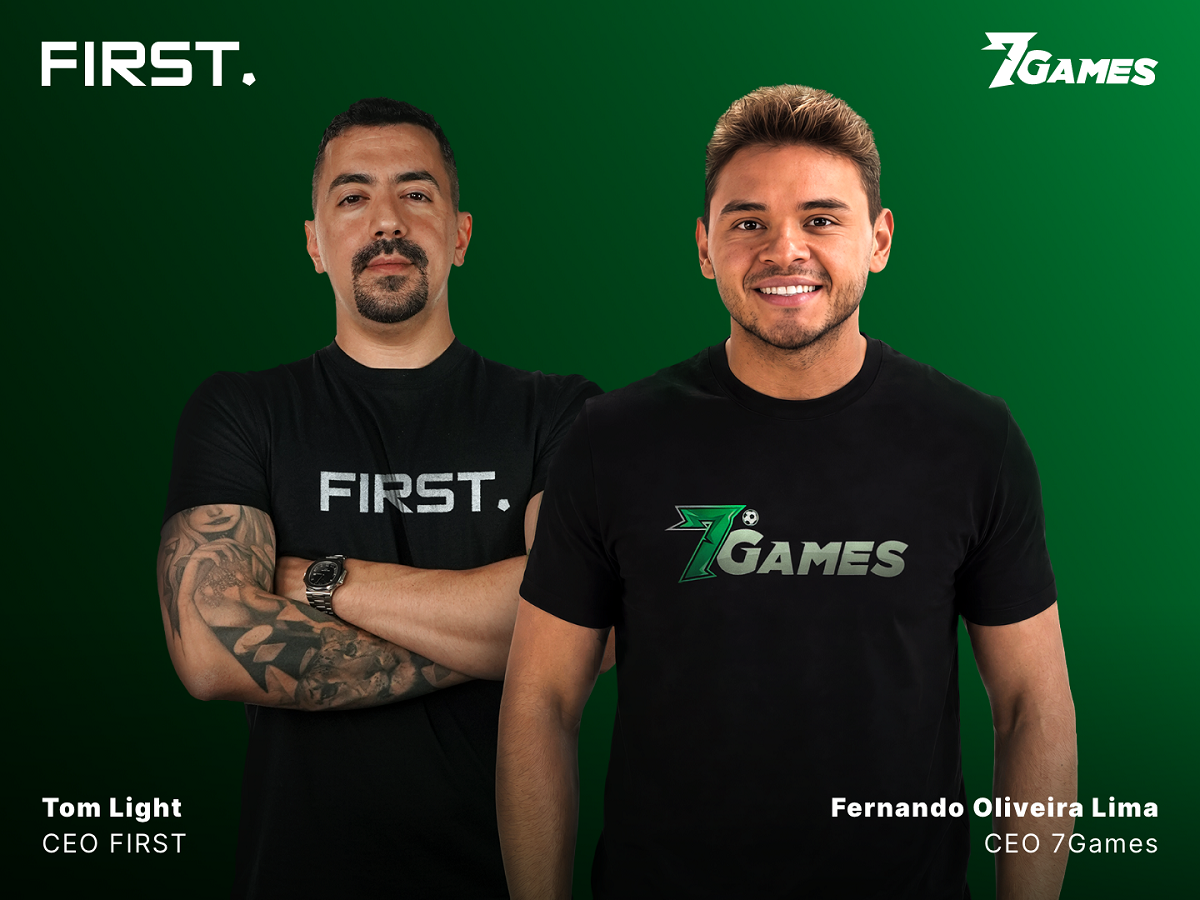
7Games partners with FIRST.bet to deliver Tier-1 sportsbook technology to one of Brazil’s largest casino operators.
7Games, Betão, and R7—brands managed by OIG Gaming Brazil Ltda. and recognized as key players in Brazil’s casino-led betting market—have launched a comprehensive sportsbook platform powered by FIRST.bet’s leading Tier-1 technology.
As one of Brazil’s most prominent casino operators, OIG Gaming Brazil Ltda. opted for FIRST.bet to seamlessly expand its reach into the sports betting sector across its trio of brands. This partnership underscores the scalability and robustness of FIRST.bet, demonstrating its capacity to support large-scale, multi-brand ecosystems in the competitive Brazilian market.
Leveraging FIRST.bet’s SportOS operating system, 7Games developed a customized sportsbook front end tailored to its unique branding and user experience. While players interact with a platform fully reflective of 7Games’ identity—from design to functionality—the underlying engine driving trading, pricing, live markets, and overall performance is powered by FIRST.bet.
As a casino-first operator venturing into sports betting, 7Games required a sportsbook solution aligning directly with the nuances of the Brazilian market. FIRST.bet delivered exactly that: a product optimized for Brazil, complete with Brazilian-Portuguese language capabilities, odds models tailored for national leagues, and high-performance live betting, trading, and risk management systems to meet the demands of a competitive scale.
“Brazil isn’t a market where you can afford slow growth—your product must hit the ground running,” explained Fernando Oliveira Lima, Founder and CEO of 7Games. “FIRST.bet provided us with a solution already optimized for this market, allowing us to concentrate on serving our players rather than troubleshooting underlying technology.”
Echoing this sentiment, Tom Light, Founder and CEO of FIRST.bet, added, “Success in Brazil hinges on getting the product right from day one. Operators who fail to meet those expectations are quickly left behind. With 7Games already commanding significant casino traffic, they now have a sportsbook designed to handle that scale. It’s their unique brand experience backed by an engine built for top-tier performance, which is exactly why we developed SportOS.”
The post FIRST.bet Launches Sportsbook with Brazil’s Biggest Online Casino Operator appeared first on EE Gaming | Global iGaming & Tech Intelligence Hub.

-

 DBET7 days ago
HockeyAllsvenskan names DBET main partner in three-year deal from 2026/27
-
Blazing Flower7 days ago
CT Interactive Strengthens its Presence in Romania with Newly Certified Games
-
Baltics7 days ago
Digitain Named Best Sportsbook Provider at HIPTHER Baltic & Nordics Gaming Awards 2026
-
Asia7 days ago
S8UL’s League of Legends roster qualifies to represent India at Asian Games 2026
-
Australia5 days ago
Former Star Entertainment Executives Mathias Bekier and Paula Martin Disqualified and Ordered to Pay Penalties
-
CFTC6 days ago
Novig Secures CFTC Designation, Bringing the First Prediction Market Built for Sports Fans Nationwide
-
Alberta6 days ago
MediaTroopers lines up eight operator partners ahead of Alberta launch
-
LatAm6 days ago
Innovative payment solutions provider teams up with leading LATAM fintech platform to expand digital wallet access for online betting customers in Mexico