Gaming
99% of gamers are excited by the potential of smart NPCs powered by advanced artificial intelligence

Inworld AI, a developer platform for advanced NPC behavior and dialogue, today released the findings of its new report ‘Gamer Attitudes to NPCs.’ In the first study of its kind, the report surveyed over 1,000 gamers in the US aged 16-50 and found high levels of excitement about the potential of AI in video games. Specifically, there was an overwhelming consensus that recent advancements in AI could change the face of gaming and usher in a new era of immersion and interaction with NPCs (non-playable characters) with individual personalities and the ability to converse unscripted voice-to-voice with the help of ChatGPT-like language models and multimodal behavior and perception systems.
The report found that:
- 84% of gamers agree that current NPCs make a positive difference to gameplay
- Over half (52%) dislike repetitive NPC dialogue
- 76% want to see NPCs with better situational awareness
- 78% would spend more time playing games with advanced AI NPCs
- 81% would be willing to pay more for a game with advanced AI NPCs
A long time (not) coming
NPCs have been a part of video gaming from as far back as the 1970s. Despite significant technological advancements in motion capture, graphics rendering, animation, and modeling, the technology that powers the behavior of NPCs has remained stagnant. In other words, NPCs have not developed personalities of their own or the ability to respond to players unscripted. This is despite the fact that the report found that 84% of players today believe NPCs are a crucial addition to gameplay, with an important role in building immersive stories and worlds.
Meaningful interaction promotes excitement and loyalty…
The report highlighted the importance of narratives and storylines to the majority of players. Meaningful interactions with NPCs were heavily sought after, with only 9% of players dismissing or avoiding NPCs during gameplay altogether. A large minority (40%) even admitted to talking to as many NPCs as possible to unlock more story content. Equally, 91% interacted with NPCs on some level and 78% said they would spend more time playing a game with ‘intelligent’ NPCs.
Kylan Gibbs, Co-Founder and CPO Inworld AI said: “ Humans are storytellers. We’re drawn to narratives that help us to make sense of the world around us. The same thing is true in the gaming world – the more immersive and believable a story is, the more we want to stay inside it. So it’s really no surprise that so many gamers want to unlock deeper stories through these NPC interactions.”
…and poor quality promotes frustration and derision
While trolling is most prevalent among younger gamers (39% of 16-24 year olds troll NPCs), across all age groups, it was apparent that gamers willingly and regularly watch NPCs doing ‘stupid’ things – particularly when the characters were two-dimensional and poor quality. The typical NPC characteristics that were most disliked by players were: repetitive dialogue, walking in circles, and inability to adapt to changes in games (disliked by 52%, 33% and 30% of players respectively.) Other traits such as awkward movements and lack of variation also contributed to their disconnect from NPCs.
A missed opportunity for artificial intelligence
Despite these frustrations however, only a tiny minority (5%) view current NPCs as pointless. “Gamers care deeply about NPCs,” continued Kylan. “They have a huge impact on gameplay but gamers are frustrated with the fact that they haven’t evolved. With advanced AI NPCs, there’s an opportunity for games to give players more of the immersive and realistic interactions with NPCs that gamers want.”
A large majority (76%) want better situational awareness from NPCs, and 60% would like to see more interactive dialogue and a sense of humor. Understanding these requirements and being able to cater to them proved to be an appealing concept for almost all gamers surveyed. The report noted that 79% of respondents said they were excited by the promise of AI NPCs, with 88% believing they would make a game more immersive. This is in tandem with 99% believing the inclusion of advanced AI NPCs would positively impact gameplay, and 81% willing to pay for the experience.
Florin Radu, Head of Partnerships, concluded: “Advances in AI have real potential to bring NPCs to life and revolutionize the way gamers interact with them. At Inworld, we’re leveraging this technology to make NPCs smarter and more interactive, so as to enrich game narratives and make gameplay more immersive. It’s little surprise that gamers are excited by the possibility of having a unique experience with NPCs every time they play – and it’s precisely this excitement that we think will result in many more developers including advanced AI NPCs in their games in the near future.”
Powered by WPeMatico


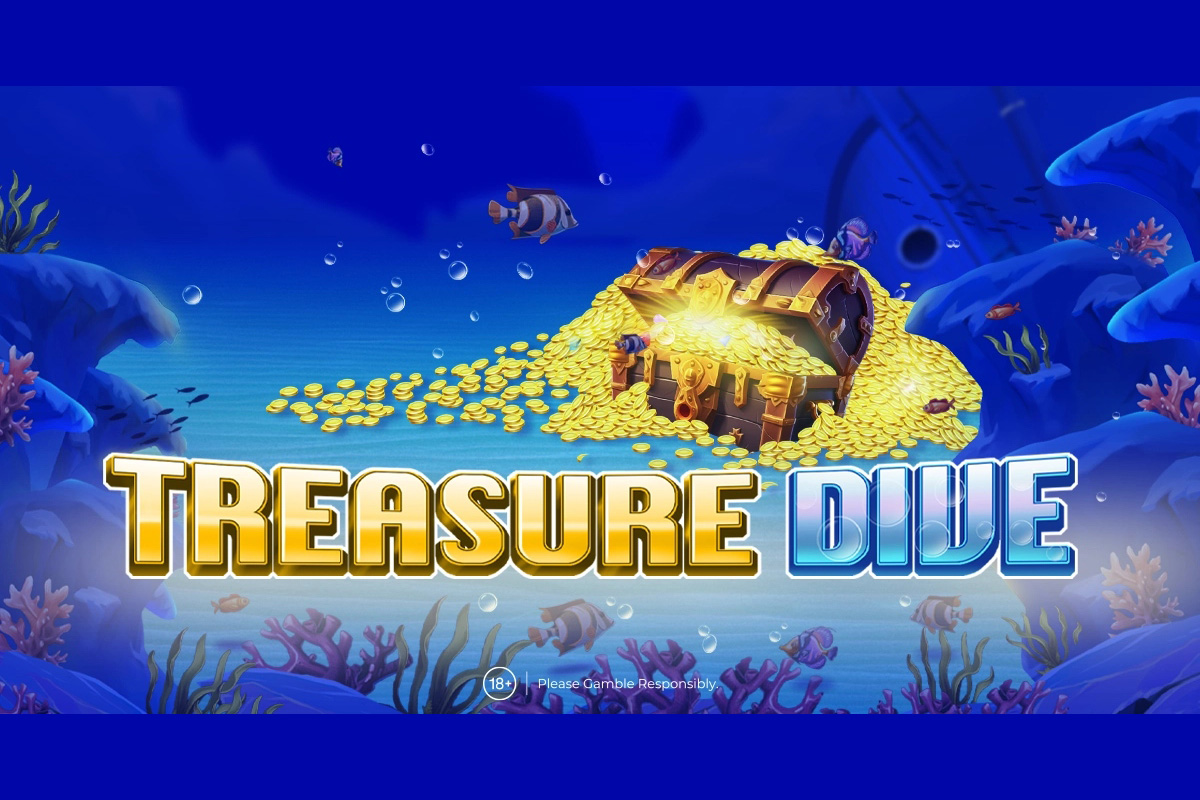
Amusnet has released Treasure Dive, an immersive new crash game that combines fast-paced gameplay, engaging mechanics and a captivating underwater adventure. Designed to appeal to players seeking high-risk, high-reward entertainment, the latest release reflects Amusnet’s ongoing commitment to delivering innovative gaming experiences that cater to a wide range of player preferences.
Set beneath the ocean’s surface, Treasure Dive follows a fearless diver on a mission to uncover long-lost riches hidden in the depths. With every meter descended, the multiplier climbs higher, encouraging players to decide whether to secure their winnings or continue the search for even greater rewards. With the Instant Cash Collect feature, players can lock in their winnings at any moment, adding a strategic layer to every decision as the multiplier continues to climb.
Suspense builds with every second until a lurking anglerfish emerges from the darkness, instantly ending the dive and the round. This simple yet engaging mechanic creates constant anticipation, rewarding strategic decision-making while delivering the excitement that has made crash games one of the industry’s fastest-growing categories.
The launch of Treasure Dive marks another step in the expansion of Amusnet’s crash portfolio, reinforcing the company’s strategy of enriching its game offering with fresh concepts that resonate with today’s players. By blending familiar crash mechanics with a distinctive theme and immersive storytelling, the title offers operators another compelling way to engage audiences looking for quick, dynamic gameplay without compromising on entertainment value.
Inspired by the thrill of discovering hidden treasures, Treasure Dive perfectly complements Amusnet’s growing collection of adventure-themed releases while introducing a fresh setting that stands out within the category. With its intuitive gameplay, atmospheric visuals and balanced mix of risk and reward, the game is designed to attract both experienced crash enthusiasts and newcomers eager to embark on their next underwater expedition.
Gamble
Play the game and multiply the winnings through the Gambling feature.
Multipliers
The game starts with a multiplier set at 1x and rises gradually and can go up to a max coefficient of 1,000,000. Multiplier can potentially crash at 1x, ending the game round.
50% Cash Out
Players can cash out 50% of their bet during the game round and continue playing with the remaining 50%.
Jackpot Cards
The Jackpot Cards bonus game is triggered at random during the gameplay to allow players to win impressive jackpots.
The post Amusnet Releases New Crash Game “Treasure Dive” appeared first on EE Gaming | Global iGaming & Tech Intelligence Hub.
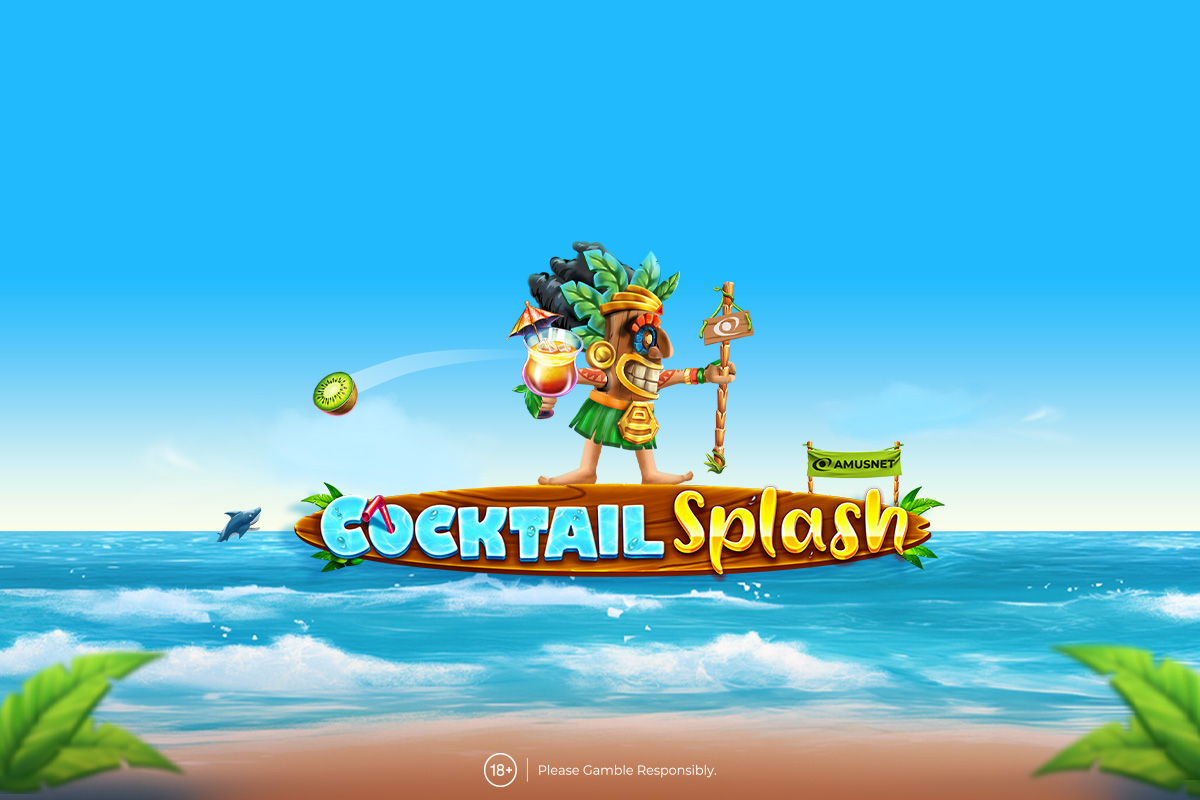
Amusnet has released Cocktail Splash, a high-energy crash game that blends summer vibes, fast decision-making and adrenaline-fueled gameplay into a bold new entertainment experience.
Set in a vibrant tropical ocean, Cocktail Splash throws players into a thrilling chase where a fearless rider glides across sparkling waves, cocktail in hand – while a relentless shark closes in, determined to steal the prize. Every second on the water raises the stakes as the multiplier climbs and tension builds, turning each run into a split-second decision: cash out or push further before the shark strikes.
At the heart of the gameplay is a simple but powerful risk-reward loop, enhanced by the 50% Cash Out feature, allowing players to secure part of their winnings while staying in the action for additional upside. This added layer of control creates more strategic depth without slowing down the fast-paced excitement.
Inspired by the signature Cocktail Rush experience, Cocktail Splash evolves the concept with sharper pacing, expressive visuals and an even more immersive crash structure. Powered by a Provably Fair algorithm, the game ensures transparent outcomes while maintaining the intensity and unpredictability that defines the genre.
With its mix of tropical aesthetics, instant engagement and high-stakes chase mechanics, Cocktail Splash reinforces Amusnet’s focus on delivering innovative, entertainment-driven crash titles designed to stand out in competitive game lobbies.
Amusnet continues to push the crash category forward – creating experiences that are not only visually striking but built to keep players on the edge of their seats from the first second to the last splash.
Gamble
Play the game and multiply the winnings through the Gambling feature.
Multipliers
The game starts with a multiplier set at 1x and rises gradually and can go up to a max coefficient of 1,000,000. Multiplier can potentially crash at 1x, ending the game round.
50% Cash Out
Players can cash out 50% of their bet during the game round and continue playing with the remaining 50%.
Jackpot Cards
The Jackpot Cards bonus game is triggered at random during the gameplay to allow players to win impressive jackpots.
The post Amusnet Releases Cocktail Splash, a Tropical-themed Crash Game appeared first on EE Gaming | Global iGaming & Tech Intelligence Hub.
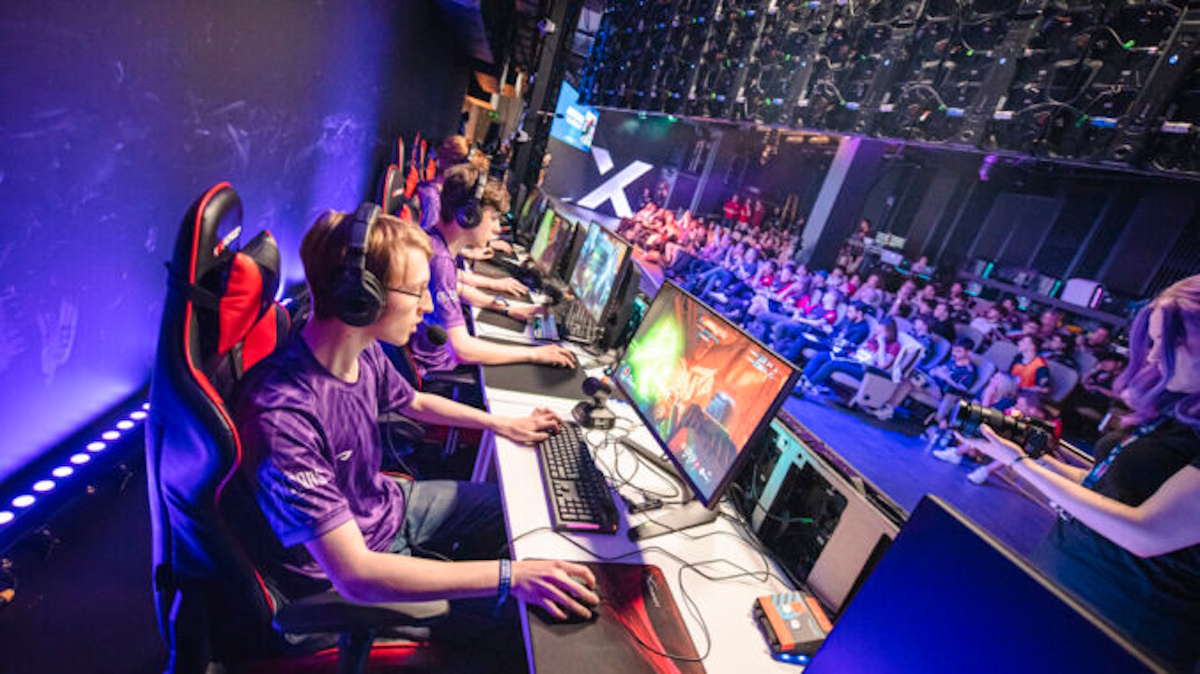
EFG, Hero Esports and Niko Partners survey 8,000 fans across eight markets; 74% report ads and brand presence influence buying.
ESL FACEIT Group (EFG), Hero Esports and Niko Partners have released a multi-country Gen Z esports study claiming around 400 million Gen Z consumers (20%) regularly engage with esports. The findings were published on 25th June 2026 in Cannes, France, in a white paper titled The Esports Generation: Who They Are & Why They Spend.
The report is based on survey data from 8,000 Gen Z esports fans aged 13-30 across eight markets. It positions esports as a high-attention channel for brands: 85% of respondents said they notice branding in esports, while 74% self-reported that advertising and brand participation in gaming spaces influences their purchasing behaviour. The study also reports that 66% have bought a product following a collaboration or co-branding partnership with an esports team, game or player.
On consumption and fandom touchpoints, the study found 71% regularly watch gaming content, including 66% who watch gaming livestreams and 33% who watch or listen to gaming podcasts. It also points to offline reach: 21% said they regularly attend gaming conventions and esports events, with the average respondent attending at least one in-person event in the past nine months.
The white paper also breaks out claimed purchase categories linked to esports collaborations over the past year, led by food and beverage (33%), electronics (33%) and fashion (32%). Beyond core categories, it reports 28% bought esports-related collectibles, 17% purchased makeup, beauty, or skincare products, and 10% bought from partnered brands in other categories.
Niccolo Maisto, CEO at ESL FACEIT Group said: “Esports has evolved into one of the most effective channels for companies looking to connect with Gen Z audiences at scale. What makes it unique is not just its reach, but the depth of engagement and trust that exists between fans, players, teams, and events. This research shows that esports fans are highly invested participants, not passive viewers, creating an opportunity for brands that show up authentically and build meaningful and lasting connections with this key audience.”
Danny Tang, Co-Founder and CEO of Hero Esports said: “This whitepaper confirms what we at Hero Esports have long believed: esports has evolved into a global cultural and economic force. The data shows an audience that is young, diverse, and deeply engaged. For brands, the message is clear—esports is no longer a niche market; it is the premier platform to connect with the next generation of consumers. We are proud to partner with Niko Partners and EFG to provide this blueprint for understanding and succeeding in this dynamic industry.”
Lisa Hanson, CEO at Niko Partners said: “Our data shows that, much like fans of other sports, Gen Z esports fans are incredibly passionate and have formed strong bonds within their communities. However, their media and consumer affinities extend well beyond gaming and esports, with our research revealing naturally connected interest areas that create valuable overlapping opportunities for brands and partners that show up authentically in this ecosystem.”
The post Study: 400m Gen Z esports fans say brand activations drive purchases appeared first on EE Gaming | Global iGaming & Tech Intelligence Hub.

-

 Affiliate Industry6 days ago
Hub Affiliations Triumphs at the iGB Affiliate Awards 2026: Winner of Programme/Network Campaign of the Year
-
Asia7 days ago
The UAE Lottery joins SAGIP outreach with Philippine Consulate and Infinite Communities
-
Canada7 days ago
St8 extends Octoplay partnership into Ontario and the UK
-
Latest News6 days ago
N1 Partners at iGB L!VE 2026: Bringing Together Affiliates, Art and Innovation
-
Austria6 days ago
Austrian Brand Value Study: NOVOMATIC Defends Top Ranking
-
Latest News7 days ago
LEON announces LEON.bet Masters, a new CS2 tournament in Portugal
-
Canada7 days ago
St8 expands Octoplay aggregation deal to Ontario and the UK
-
Betsson CEO Pontus Lindwall6 days ago
Gaming in the Nordics launch event sets annual Copenhagen conference from 2027