eSports
20 years of HyperX: How Has the Gaming Industry Changed?

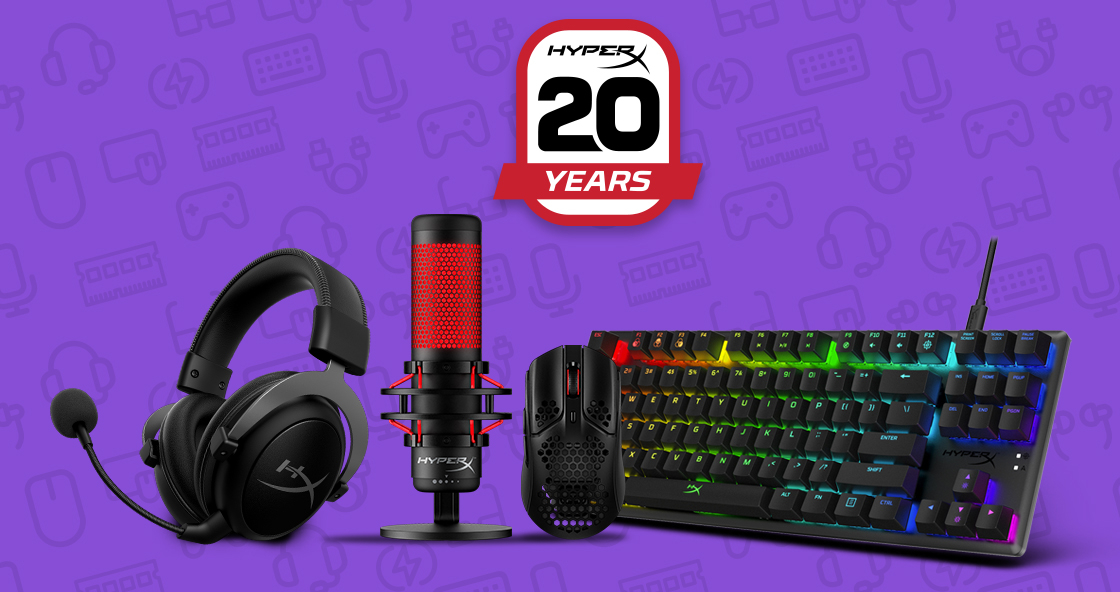
Paul Leaman, Vice President EMEA, HyperX provides some insight into just how much the gaming industry has changed in the last 20 years.
Over the last 20 years the gaming industry has changed and grown exponentially. By 2026 it is expected to be worth $321 billion. Besides this financial growth, we’ve seen huge strides in the visual aspect: video games from 8-bit graphics to almost lifelike characters and the introduction of VR. But it isn’t just the look and feel of games that has changed over the last 20 years. The technology we use to game, how we consume our games and who games, have all evolved in ways that few could have predicted in 2002. Here’s a look at some of the most fascinating developments in the gaming industry and what has led us to where we are today.
Evolving tech – the rise of wireless
Rewind 20 years and the PS2 and Xbox were still relatively new consoles to the market, having both launched within two years prior. For those who are not familiar with them, what they will probably find most surprising by today’s standards is that they came with wired controllers. Fast-forward a mere six years and we truly saw the beginning of a new wave of gaming technology – the rise of wireless. Xbox, PS3 and Nintendo Wii, all came with wireless controllers as standard and it would be the start of the modernisation of how people gamed. Wireless became the norm rather than the exception for controllers, headsets, mice, keyboards and chargers. As the technology continues to expand, more users are upgrading to wireless gaming hardware. The wireless gaming headset market alone, is expected to grow by 996.69 million USD during 2020-2024.
For a long time, wired connections led the way for enthusiast gamers. Having a more reliable, stable, physical connection would give you the least amount of lag or delay. However, significant research and development in the modern space has meant this is no longer the case. The ability to deliver to near-zero latency connectivity in wireless hardware has paved the way for its rise. Another important determining factor for gamers switching to wireless is due to aesthetics. Gamers can now create clean and tidy gaming set-ups that seamlessly fit into the design of their room.
Wireless headsets are becoming one of the most popular wireless gaming technologies. They offer freedom to gamers, with no cables to get tangled up in and the ability to move and talk freely. In today’s market most wireless gaming headsets have been designed so gamers spend less time charging and more time gaming in complete comfort with ergonomic designs. The biggest question mark has always been battery life and battery life degradation. However, this year we saw the first headset with up to 300 hours battery life and now gamers even have the option of in-ear buds, perfect for gaming on the move. Which begs the question, what will be possible next?
Gaming as a force for good
As the passion for gaming continues to grow around the world, it is no longer just seen as a hobby, but a thriving industry that is showing no signs of slowing down. Over 439 million people around the world tuned into esports events in 2020. This is a huge development from 2002 when competitive gaming was still very much in its infancy. While there is still a long way to go for gaming to be more inclusive, there have been huge strides taken in the last 20 years.
There is a long way to go to make gaming more inclusive for women and as it should be. However, over the last 20 years the industry has massively changed. There are now dedicated communities for women gamers, such as Sugar Gamers, r/GirlGamers and Women in Games International. These offer female gamers a greater voice and a safer space to make friends, share their experiences and learn more about the industry. We also have more female gaming ambassadors, that are improving women’s representation in games and communities specifically for female gamers. These play their part in facilitating a healthier environment and help pave the way to a brighter future for gaming.
Gaming is a great force for connecting different people, regardless of race, sexuality and gender. Gamers and the gaming industry is misunderstood by many, with typical stereotypes wildly outdated. In reality, the gaming community is over two billion globally and is very diverse and inclusive. For example, in the US alone, 65% of women between the ages of 10 and 65 play mobile games and research shows that 86% of UK parents game. If we think about COVID-19 and the global shutdown that ensued, gaming provided people with a way to stay connected virtually, even when they were physically isolated. Our research also showed that 50% of parents in the UK felt gaming improved their child’s mental health during lockdown and 52% felt their child coped better in lockdown because of gaming. And while we all need to stay on top of our screen time, gaming has a lot of benefits and can teach people values and skills. Multiplayer games foster teamwork and communication, gaming communities nurture belonging, and games can provide people a useful escape in troubling times. It is different for each person but ultimately, gaming has the power to be a force for good.
Online gaming
In the last 20 years, the world of online gaming has burst onto the scene and grown at a mindboggling rate. Since 2007, the online gaming market has continued to grow at a significant rate, with an annual growth rate of over 20% over the last five years. In the last 20 years, esports has gone from a vibrant niche to a central form of entertainment across the globe. Over 439 million people around the world tuned into esports events in 2020 and research from Nielsen found that 82% of global consumers played video games or watched video game content during the peak of the COVID-19 pandemic.
This meteoric rise has led to the opening of arenas such as the HyperX Esports Arena in Las Vegas. A multilevel arena designed to host every form of competitive gaming, the size and standard of the arena is one which historically was associated with traditional professional sports teams. Gaming is no longer just something people do in their spare time at home, it has place in a 30,000 square foot arena. We’re also seeing this level of growth as for many young gamers their idols and the “celebrities” they follow are no longer always in the traditional media. They’re streamers and content creators, such as Tim The Tatman or Valkyrae.
What to expect next
The transformation of the gaming industry over the last 20 years is nothing short of remarkable. The developments of huge online communities, the rise of gamers from all over the globe, from all different backgrounds, the constantly evolving technologies, and the growth of esports and online communities. Like any budding industry, it won’t stop here and it is going to be a fascinating journey. With the rise of new technologies, developing VR even further, completely immersive gaming; the possibilities are endless. And no doubt the next 20 years will be even more exciting.
Powered by WPeMatico

eSports
How Not to Tilt When Facing Challenges: NAVI Performance Coach Urszula Klimczak and GG.BET Have Released a Special Project about Mental Health

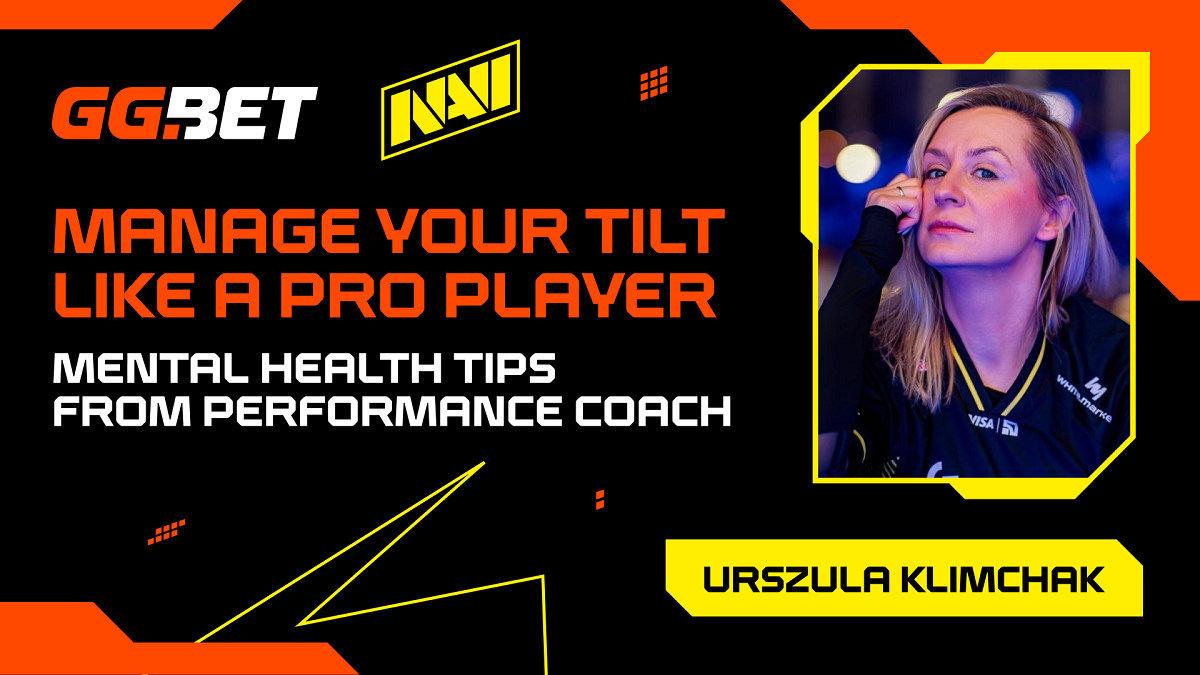
NAVI Performance Coach Urszula Klimczak and NAVI’s title sponsor GG.BET have unveiled Tilt Management, a special project dedicated to mental health. The initiative consists of three in-depth articles covering demotivation, burnout, and dealing with hate – some of the most common mental health challenges faced not only by esports players, but also by their fans. The project places a strong emphasis on practical value, featuring real-life esports cases, proven advice and everyday practices, as well as self-support exercises readers can apply on their own.
Mental health is becoming increasingly relevant year after year, regardless of profession or lifestyle. Many of the challenges professional players experience are familiar to millions of people in their everyday lives. These include loss of purpose, poor work-life balance, conflicts within teams, vulnerability to criticism, and more. While esports professionals can rely on performance coaches and team staff for support, people outside the industry often have to seek professional help on their own – something that does not always happen. One of the key goals of the project is to support people who may not have access to professional guidance by explaining how different issues manifest themselves, offering practical tools for self-care and recovery, and highlighting when it is important to seek help from specialists.
The first article focuses on demotivation. It explains how to recognize its early signs, how to distinguish it from simple exhaustion, and what NAVI does to prevent players from reaching this state. Particular attention is paid to techniques that help regain focus, manage daily routines, and gradually restore energy.
The second article explores burnout both within and beyond esports. Readers can assess themselves using descriptions of the five stages of burnout and their symptoms, learn about NAVI’s approach to maintaining performance under a demanding schedule, and discover why variety in everyday life and taking smaller, more frequent breaks are essential elements of burnout prevention.
The final chapter of the project addresses hate and negativity. It explains why hatred and aggression ultimately say more about the hater than the target, how to establish healthy boundaries, and how to avoid being consumed by criticism – especially self-criticism. NAVI’s strategy for dealing with hate, combined with practical exercises, can help readers to challenge negative thoughts and distinguish constructive feedback from a stream of harmful negativity.
All articles from the Tilt Management special project are available on EGamersWorld.
The post How Not to Tilt When Facing Challenges: NAVI Performance Coach Urszula Klimczak and GG.BET Have Released a Special Project about Mental Health appeared first on EE Gaming | Global iGaming & Tech Intelligence Hub.
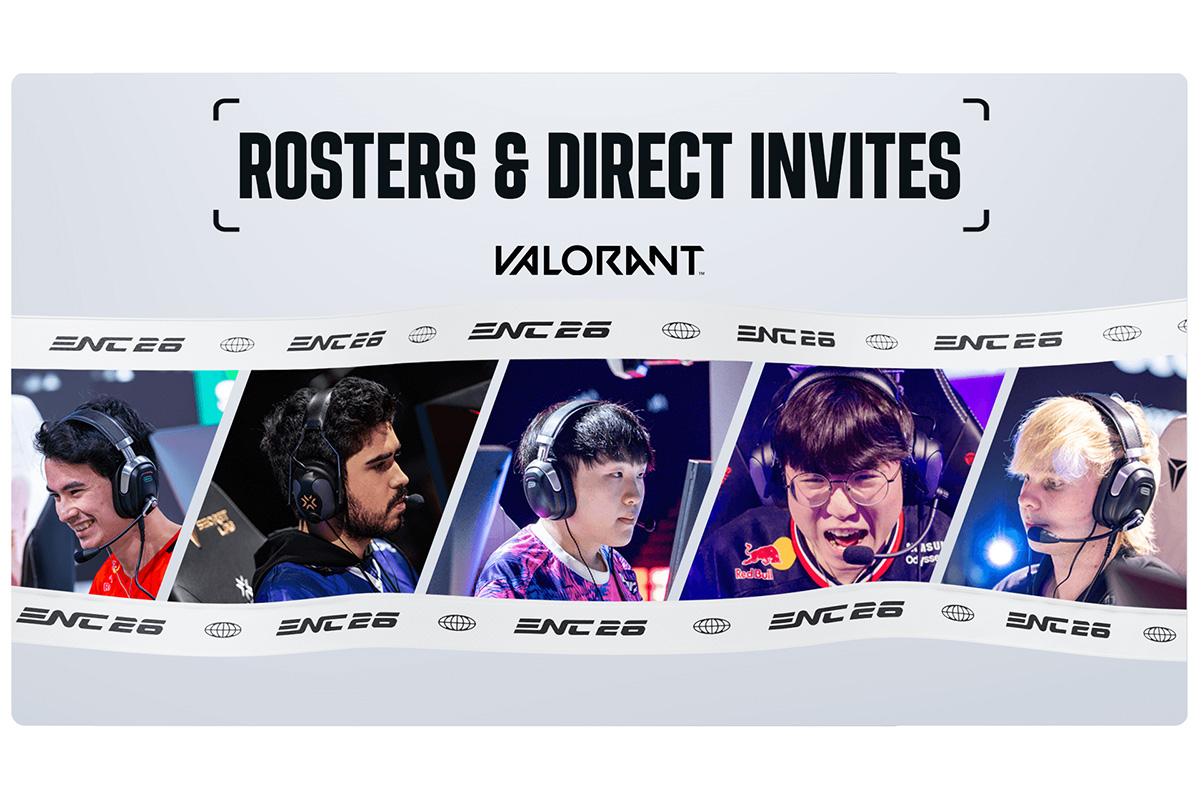
The Esports Foundation (EF) confirmed the official roster submissions and direct invite recipients for the VALORANT tournament at the Esports Nations Cup 2026 (ENC), the global nation-based esports competition set to debut in Riyadh, Saudi Arabia from November 2-29, 2026.
111 rosters representing 111 countries and territories have been officially submitted and confirmed for the VALORANT tournament. 32 of those rosters will compete at the ENC Finals for VALORANT, with 16 countries and territories receiving direct invitations through the official ENC 2026 Rankings. The system has scored, accumulated and ranked submitted roster player performances across all official Riot Games competitions through the conclusion of Masters London. Those invited countries and territories, and their submitted rosters, are:
• UNITED STATES OF AMERICA – trent, valyn, leaf, zekken, skuba, Ethan and Cryocells
• REPUBLIC OF KOREA – iZu, BuZz, Francis, Munchkin, Ivy and Dambi
• PEOPLE’S REPUBLIC OF CHINA – ZmjKK, CHICHOO, nobody, Knight, slowly, K1Ra and Lysoar
• CANADA – TenZ, mada, eeiu, Marved, JonahP, koalanoob and Zander
• TÜRKIYE – Alfajer, Ruxic, Lar0k, RieNs, xeus, Wo0t and s0pp
• BRAZIL – aspas, artzin, spikeziN, Less, Sacy, Sato and lukxo
• SINGAPORE – Deryeon, Jinggg, nephh, STYRON, wayne, Vera and JayH
• POLAND – kayak, kamo, starxo, PROFEK, westside, paTiTek and UNFAKE
• PHILIPPINES – Zeus, kellyS, xavi8k, invy, PatMen, Markyyy and Wild0reoo
• GREAT BRITAIN – Lime, Severe, benjyfishy, keiko, Ticey and YaBoiLewis
• CHINESE TAIPEI – Nicc, SpiritZ1, WsLeo, Spring, S1Mon and Yuicaw
• MALAYSIA – d4v41, theDoctorr, xan, Riza, Fixy, toggle and aplycs
• FINLAND – Jamppi, Derke, iluri, Famsii, H1ber, hoody and Snowi
• LITHUANIA – Boo, MiniBoo, Koshmaras, Kajuks, Destrian, roxie and vakk
• THAILAND – killua, Primmie, JitboyS, PTC, Apinya and Kadoom
• CHILE – kiNgg, erde, Mazino, keznit, Tunaso, Shyy and david
A clear favourite emerges near the top of the rankings: the US. G2 Esports’ highly decorated and highly dangerous trio of trent, valyn, leaf lead the way for the US, with multiple VCT Americas stage trophies to their names, and the desire to finally claim an international trophy still in their hearts. Joining them though are a handful of superstars that have won on VALORANT’s biggest stages: VALORANT’s only two-time world champion Ethan, his reigning world champion NRG teammates skuba, and former Masters Madrid winner zekken of MIBR, joined by one of the game’s most elite players in Cryocells. The best of the best from one of the game’s strongest regions are all together on one roster, and expectations are sky high.
But they only have to look north to spot an equally dangerous contender. Leading Canada is one of Ethan and skuba’s teammates, fellow world champion mada. Joining him are more VCT Americas standout players in FURIA duo eeiu and koalanoob, and Sentinels’ jonahP. And coming out of retirement to compete for Canada are two former Sentinels stars, and Masters winners, in TenZ and Marved. A match between Canada and the US at ENC would be a dream come true for VALORANT fans not just in North America, but around the world.
Brazil is bringing back former champions of their own. Sacy, the only VALORANT player to be able to claim a Masters and a Champions trophy, is back with his former teammate Aspas and less, alongside FURIA’s artzin and LEVIATAN’s spikezin. LEVIATAN’s tremendous victory at Masters London not only drastically improved Brazil’s ranking, but allowed kiNgg and Chile to just narrowly sneak into the top 16 and secure an invite.
Nongshim RedForce trio Francis, Ivy and Dambi will make up the core of the team representing South Korea, with DRX star BuZz and Gen.G star Munchkin joining them, while the People’s Republic of China roster is bolstered by an equally dangerous trio in ZmjKK, CHICHOO and nobody from EDward Gaming. Across Europe, a number of prolific duos will attempt to bring glory to their home nations, including Vitality twosome Derke and Jamppi for Finland, keiko and EWC 2025 champion Benjyfishy for Great Britain, and brothers Boo and MiniBoo for Lithuania. Teams from Singapore, Türkiye, Poland and the Philippines are also decorated with sensational talent and former trophy winners.
With Masters London concluded and invites to the top 16 teams sent out, the attention turns to the online regional qualifiers taking place June 26-28. The top two teams from the qualifiers for North America, South America, Western Europe, Eastern Europe, Asia and Southeast Asia/Oceania will qualify for ENC, alongside the sole winners of the MENA qualifier and the Sub Saharan African qualifier. The final two teams will go to Wildcard slots.
The post Esports Nations Cup 2026 Announces Official VALORANT Rosters appeared first on EE Gaming | Global iGaming & Tech Intelligence Hub.
AutoFull
AutoFull Powers IEM Cologne Major 2026 with World-First Massage Gaming Chairs Featuring Cooling & Heating Seat
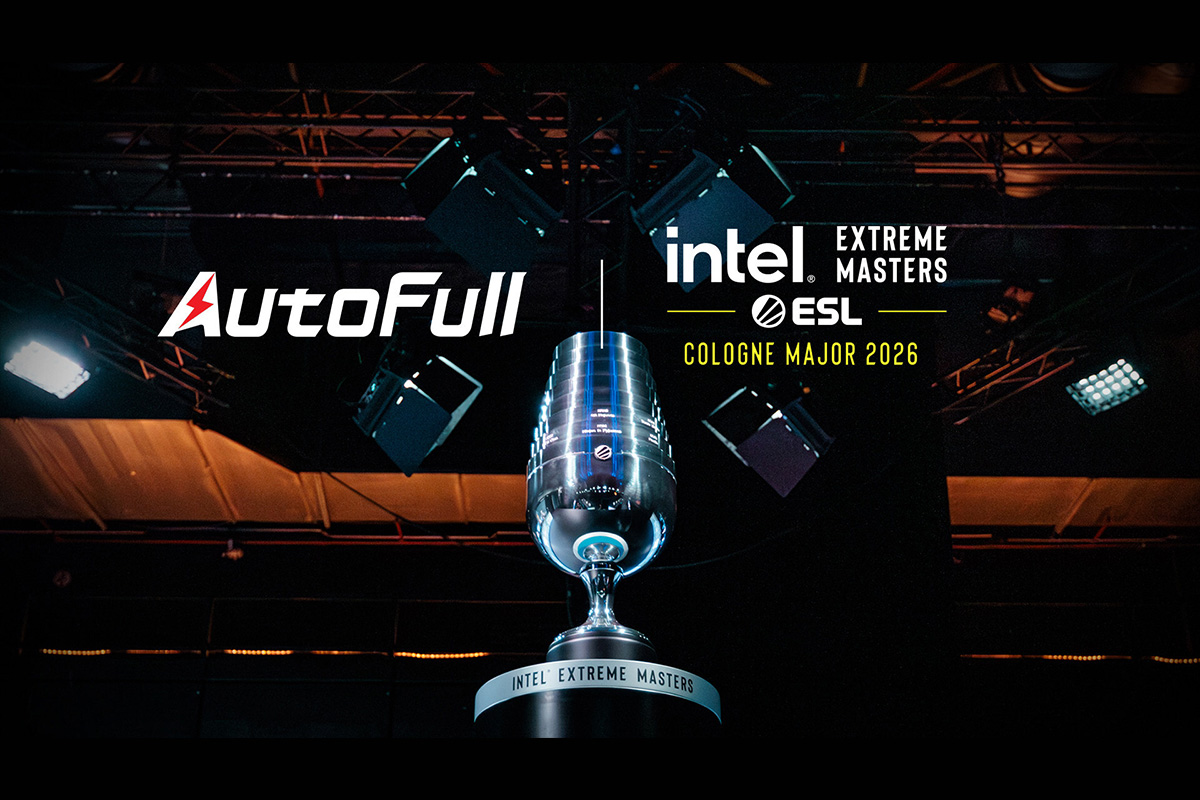
IEM Cologne Major 2026 concluded on June 21, with Team FALCONS claiming the championship after intense competition. As the Official Gaming Chair Partner of ESL Pro Tour 2026–27, AutoFull provided full-event seating support, equipping pro players with its latest flagship, the world’s first massage gaming chairs with cooling and heating seats: the M6 Ultra+ 2.0 Shiatsu Massage Gaming Chair and the M6 Ultra 2.0 Ergonomic Gaming Chair.
AutoFull officially signed gaming chair partner with ESL Pro Tour in April 2026, covering major events across the 2026–2027 season including Intel Extreme Masters, ESL Pro League and ESL Challenger League. Prior to Cologne, AutoFull also supported IEM Rio and IEM Atlanta, establishing a strong presence across the global competitive circuit.
“We are truly honored to support the ESL Pro Tour 2026–2027 season as the Official Gaming Chair Partner. Elite esports athletes require sustained focus and endurance during marathon matches. Through our professional seating technology, we aim to help these world-class competitors perform at their absolute best,” said Anna Ding, the Founder of AutoFull.
“We’re also incredibly proud to celebrate our brand ambassador, NiKo, on his recent Major championship victory. Watching him achieve this milestone is a testament to the dedication, resilience, and pursuit of excellence that define top-tier esports competition.”
Two AutoFull ergonomic gaming chair models, the M6 Ultra+ 2.0 Shiatsu and the M6 Ultra 2.0, integrate professional ergonomic design with tailored features for high-performance users.
The AutoFull M6 Ultra+ 2.0 combines a professional-grade 3D Shiatsu back and leg massage system, a climate-controlled cushion with dual-fan ventilation and graphene heating, adaptive dynamic lumbar tracking, 720° mechanical armrests and a 160° recline with an extendable footrest.
The AutoFull M6 Ultra 2.0 features an integrated ventilation, heating and massage system as well, 6-way adaptive lumbar tracking that follows the natural curve of the spine, a 3D ErgoCloud Neck Pillow with ultra soft cloud-like neck support, 720° multi-directional armrests and a 90°–160° recline for total comfort.
The post AutoFull Powers IEM Cologne Major 2026 with World-First Massage Gaming Chairs Featuring Cooling & Heating Seat appeared first on EE Gaming | Global iGaming & Tech Intelligence Hub.

-

 Australia6 days ago
Former Star Entertainment Executives Mathias Bekier and Paula Martin Disqualified and Ordered to Pay Penalties
-
game launches7 days ago
Pragmatic Play releases Mahjong Wins Triple Pot with 100,000x bonus prize
-
Africa7 days ago
African iGaming Alliance names SPRIBE a Platinum Supplier Member
-
Alejandra Burato6 days ago
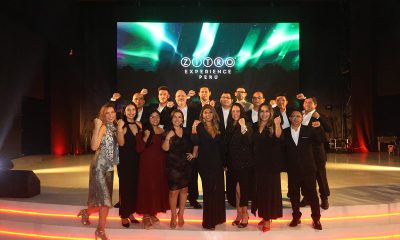
Record Attendance, Exciting New Releases, and a Resounding Success: This was Zitro Experience Peru
-
Digital Wallets7 days ago
Neosurf partners with Mercado Pago to add betting deposits in Mexico
-
Amusnet6 days ago
Weekend Reels | Week 25: Slot Drops & Trends
-
ArenaPlus6 days ago
DigiPlus Wins “Digital Operator of the Year” Award at 2026 Global Gaming Awards Asia-Pacific
-
Anthony Dalla-Giacoma6 days ago
Elysium Studios Releases its Latest Slot Game “Hood and Loot”