Gaming
The future of the gaming industry: brand loyalty and retention, Exclusive Q&A w/ Achille Traore, CEO of White Label Loyalty

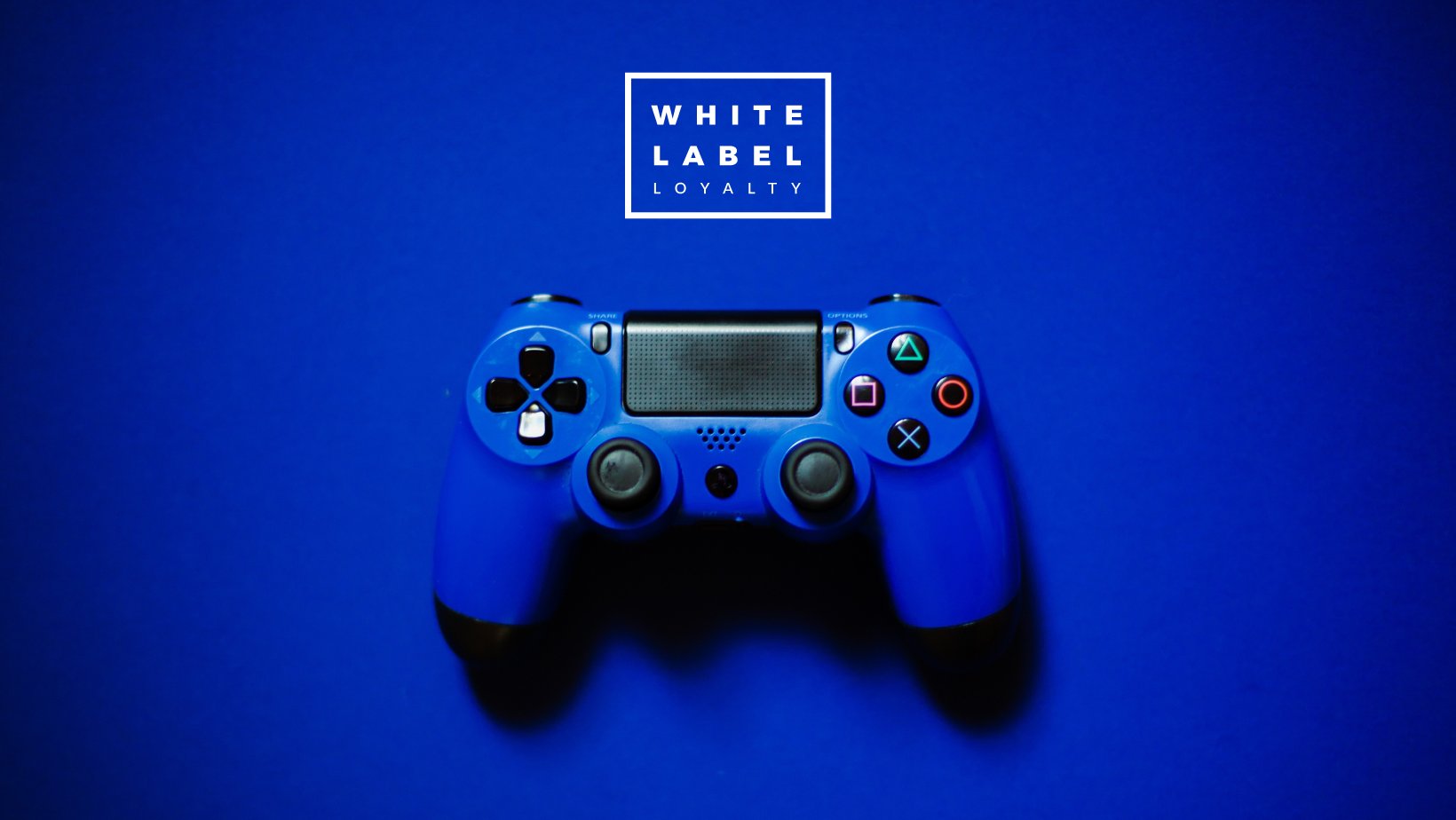
The gaming industry is highly competitive. Game developers only have one chance at making a user’s experience memorable. If a gaming company fails to capture user attention, customers will likely move on to another game or platform. Achille Traore, CEO of White Label Loyalty, discusses the opportunities awaiting gaming brands to create more loyal customers.
What are the main goals and objectives of brands in the gaming industry?
Most brands in the gaming industry are striving for the same thing: customer retention. The industry is well known for high engagement rates, but it’s also well known for low retention rates.
Player retention is important for gaming brands because existing customers are very valuable in the long run. It’s much easier to upsell and cross-sell to loyal users. Plus, the cost of acquiring new customers is becoming more and more expensive.
The gaming industry faces a number of challenges. What are they?
The first challenge is about engaging casual players and persuading them to play more frequently. And while there are many factors that contribute to this, including the quality of a game and the ability to market it effectively, gaming brands ultimately need to have a deep understanding of their customers.
The second challenge is knowing how to add value to a customer’s gaming experience. Not all users will find value in the same things. For one user, the value of a game may lie in the ability to customize characters with exclusive skins. For others, the value may lie in joining a community to meet other gamers.
Finally, gaming brands need to know how to break the barriers for people who haven’t gamed in a long time, or have never tried gaming before.
When it comes to gaming, how would you define loyalty and engagement?
A user that is truly engaged will spend a significant amount on in-game purchases.
Another way gamers show their loyalty is by engaging with communities via social media or forums like Reddit.
Loyal players can also become ambassadors for gaming brands. These players are more likely to engage with a brand outside of the game – they’ll spend money on equipment (such as a new console or PC), merchandise, and event tickets.
How does a gamer become loyal?
Loyalty often forms as a result of rewards. Players want to be rewarded. Whether it’s for completing a time-bound challenge, or unlocking different levels in a game, rewards add to a feeling of competition and accomplishment.
Gaming companies that reward customers for engagement can build real, long-term loyalty.
In order for gaming companies to better understand and engage their customers, what can they do?
Gaming companies must collect detailed data about their users to understand what drives them. Brands can use this data to build specific audience segments, which allows them to personalise and tailor marketing strategies to each customer profile.
Loyalty programs are an effective way to gather detailed information about user behaviour, needs, and preferences. When a gaming brand understands its customers, they can create customised rewards for each player segment, resulting in higher engagement and retention rates.
What are the best ways to reward players in the gaming industry?
With the right software, gaming brands can reward any kind of activity. For example, rewards could be given to streamers who refer games to others. Rewards could incentivise new customers to pick up their controllers again. Or, rewards can simply be used to show appreciation for those who dedicate their time and attention to a game.
Playstation Stars, a new loyalty program in the industry, rewards players for engaging with specific campaigns. Campaigns range from simply playing a game, to earning specific trophies or getting first place in a league table in your local area. Sony announced that the program uses a new type of reward – digital collectibles: “digital representations of things that Playstation fans enjoy, including figurines of beloved and iconic characters from games”.
What other opportunities await gaming brands?
With rewards, gaming companies can drive whatever specific behaviours they would like to see more of. For example, if a gaming brand wants to focus on new customer acquisition, they can build referrals into a rewards program. A fully-rounded loyalty program boosts acquisition as well as retention. While customers can do this on their own via social media or word of mouth, loyalty technology makes it as easy as possible for them to refer a game to family and friends.
There are so many different ways rewards can be used. From early access to a game, to free in-game currency, rewards help make a user’s experience more memorable and keep them engaged long-term. But rewards won’t be effective if gaming companies don’t understand what their customers actually want. That’s why it’s vital to start with data. Then, build a loyalty program that is based on what gamers find truly valuable.
Powered by WPeMatico


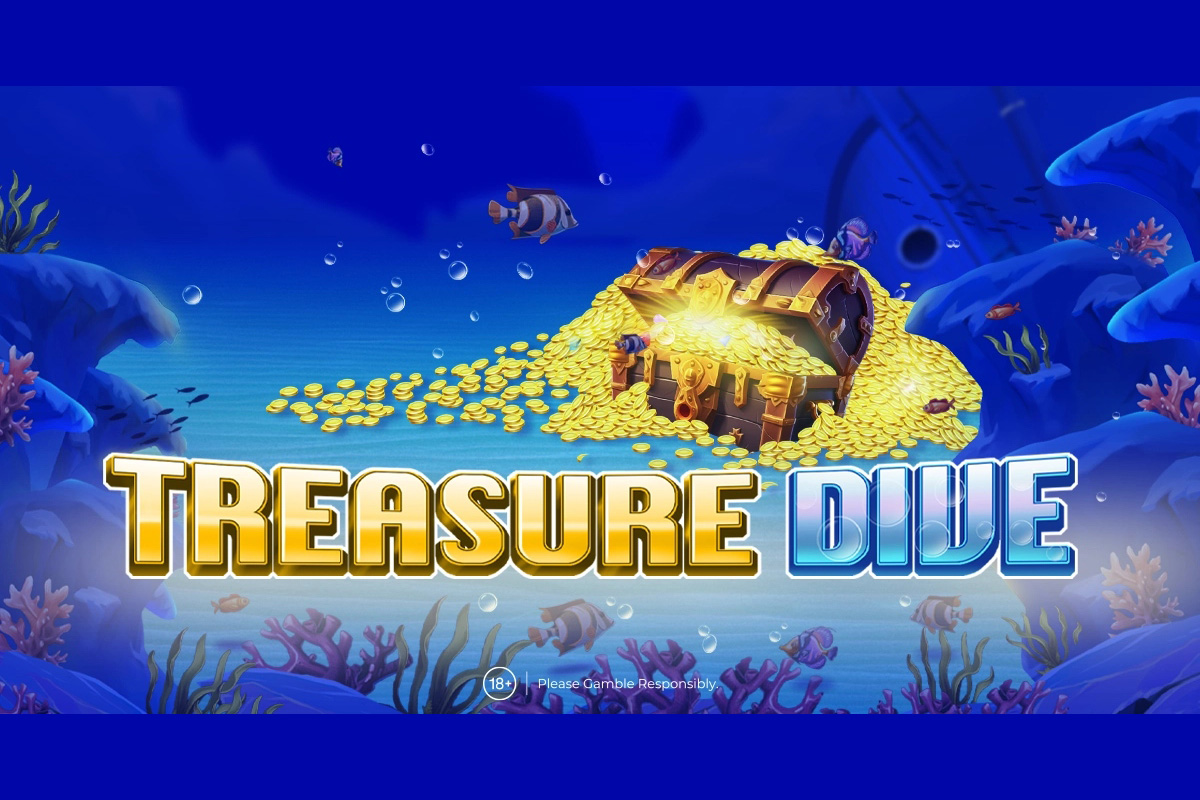
Amusnet has released Treasure Dive, an immersive new crash game that combines fast-paced gameplay, engaging mechanics and a captivating underwater adventure. Designed to appeal to players seeking high-risk, high-reward entertainment, the latest release reflects Amusnet’s ongoing commitment to delivering innovative gaming experiences that cater to a wide range of player preferences.
Set beneath the ocean’s surface, Treasure Dive follows a fearless diver on a mission to uncover long-lost riches hidden in the depths. With every meter descended, the multiplier climbs higher, encouraging players to decide whether to secure their winnings or continue the search for even greater rewards. With the Instant Cash Collect feature, players can lock in their winnings at any moment, adding a strategic layer to every decision as the multiplier continues to climb.
Suspense builds with every second until a lurking anglerfish emerges from the darkness, instantly ending the dive and the round. This simple yet engaging mechanic creates constant anticipation, rewarding strategic decision-making while delivering the excitement that has made crash games one of the industry’s fastest-growing categories.
The launch of Treasure Dive marks another step in the expansion of Amusnet’s crash portfolio, reinforcing the company’s strategy of enriching its game offering with fresh concepts that resonate with today’s players. By blending familiar crash mechanics with a distinctive theme and immersive storytelling, the title offers operators another compelling way to engage audiences looking for quick, dynamic gameplay without compromising on entertainment value.
Inspired by the thrill of discovering hidden treasures, Treasure Dive perfectly complements Amusnet’s growing collection of adventure-themed releases while introducing a fresh setting that stands out within the category. With its intuitive gameplay, atmospheric visuals and balanced mix of risk and reward, the game is designed to attract both experienced crash enthusiasts and newcomers eager to embark on their next underwater expedition.
Gamble
Play the game and multiply the winnings through the Gambling feature.
Multipliers
The game starts with a multiplier set at 1x and rises gradually and can go up to a max coefficient of 1,000,000. Multiplier can potentially crash at 1x, ending the game round.
50% Cash Out
Players can cash out 50% of their bet during the game round and continue playing with the remaining 50%.
Jackpot Cards
The Jackpot Cards bonus game is triggered at random during the gameplay to allow players to win impressive jackpots.
The post Amusnet Releases New Crash Game “Treasure Dive” appeared first on EE Gaming | Global iGaming & Tech Intelligence Hub.
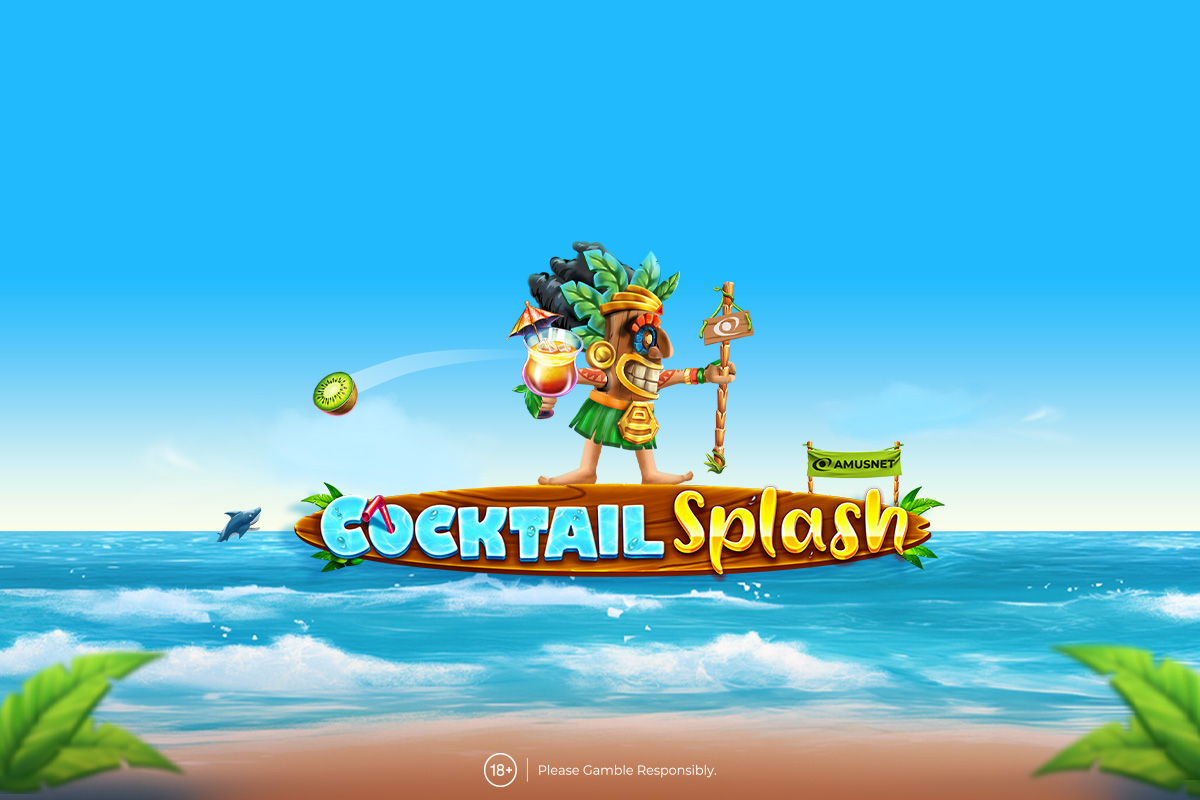
Amusnet has released Cocktail Splash, a high-energy crash game that blends summer vibes, fast decision-making and adrenaline-fueled gameplay into a bold new entertainment experience.
Set in a vibrant tropical ocean, Cocktail Splash throws players into a thrilling chase where a fearless rider glides across sparkling waves, cocktail in hand – while a relentless shark closes in, determined to steal the prize. Every second on the water raises the stakes as the multiplier climbs and tension builds, turning each run into a split-second decision: cash out or push further before the shark strikes.
At the heart of the gameplay is a simple but powerful risk-reward loop, enhanced by the 50% Cash Out feature, allowing players to secure part of their winnings while staying in the action for additional upside. This added layer of control creates more strategic depth without slowing down the fast-paced excitement.
Inspired by the signature Cocktail Rush experience, Cocktail Splash evolves the concept with sharper pacing, expressive visuals and an even more immersive crash structure. Powered by a Provably Fair algorithm, the game ensures transparent outcomes while maintaining the intensity and unpredictability that defines the genre.
With its mix of tropical aesthetics, instant engagement and high-stakes chase mechanics, Cocktail Splash reinforces Amusnet’s focus on delivering innovative, entertainment-driven crash titles designed to stand out in competitive game lobbies.
Amusnet continues to push the crash category forward – creating experiences that are not only visually striking but built to keep players on the edge of their seats from the first second to the last splash.
Gamble
Play the game and multiply the winnings through the Gambling feature.
Multipliers
The game starts with a multiplier set at 1x and rises gradually and can go up to a max coefficient of 1,000,000. Multiplier can potentially crash at 1x, ending the game round.
50% Cash Out
Players can cash out 50% of their bet during the game round and continue playing with the remaining 50%.
Jackpot Cards
The Jackpot Cards bonus game is triggered at random during the gameplay to allow players to win impressive jackpots.
The post Amusnet Releases Cocktail Splash, a Tropical-themed Crash Game appeared first on EE Gaming | Global iGaming & Tech Intelligence Hub.
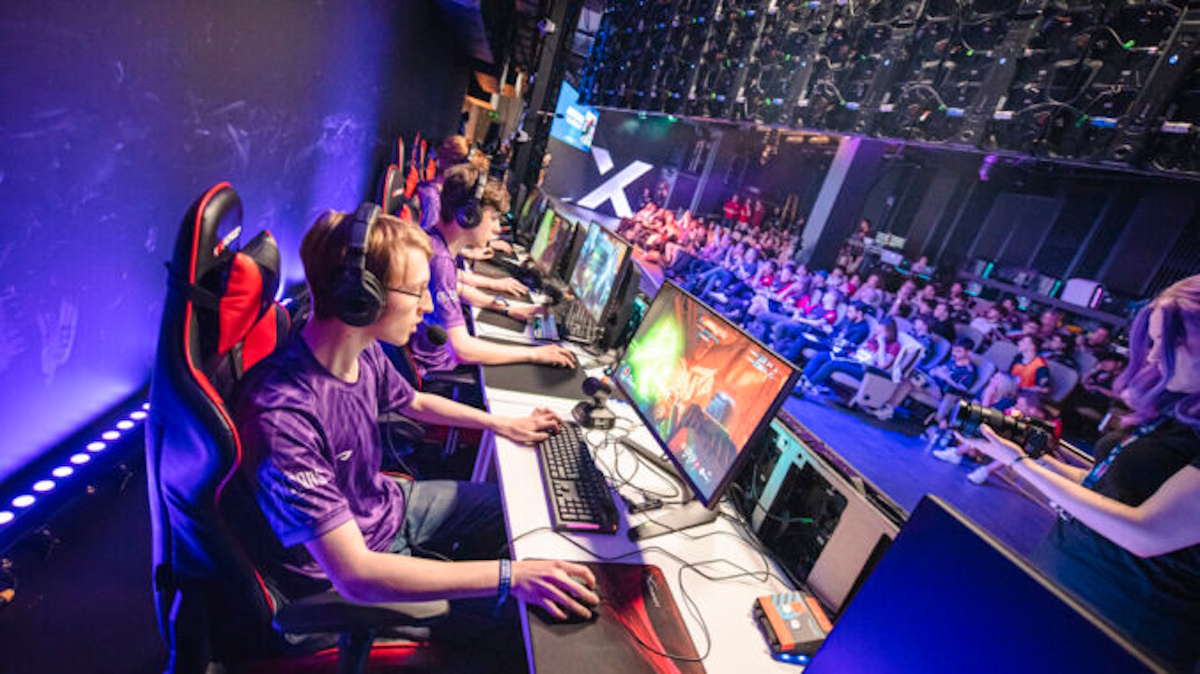
EFG, Hero Esports and Niko Partners survey 8,000 fans across eight markets; 74% report ads and brand presence influence buying.
ESL FACEIT Group (EFG), Hero Esports and Niko Partners have released a multi-country Gen Z esports study claiming around 400 million Gen Z consumers (20%) regularly engage with esports. The findings were published on 25th June 2026 in Cannes, France, in a white paper titled The Esports Generation: Who They Are & Why They Spend.
The report is based on survey data from 8,000 Gen Z esports fans aged 13-30 across eight markets. It positions esports as a high-attention channel for brands: 85% of respondents said they notice branding in esports, while 74% self-reported that advertising and brand participation in gaming spaces influences their purchasing behaviour. The study also reports that 66% have bought a product following a collaboration or co-branding partnership with an esports team, game or player.
On consumption and fandom touchpoints, the study found 71% regularly watch gaming content, including 66% who watch gaming livestreams and 33% who watch or listen to gaming podcasts. It also points to offline reach: 21% said they regularly attend gaming conventions and esports events, with the average respondent attending at least one in-person event in the past nine months.
The white paper also breaks out claimed purchase categories linked to esports collaborations over the past year, led by food and beverage (33%), electronics (33%) and fashion (32%). Beyond core categories, it reports 28% bought esports-related collectibles, 17% purchased makeup, beauty, or skincare products, and 10% bought from partnered brands in other categories.
Niccolo Maisto, CEO at ESL FACEIT Group said: “Esports has evolved into one of the most effective channels for companies looking to connect with Gen Z audiences at scale. What makes it unique is not just its reach, but the depth of engagement and trust that exists between fans, players, teams, and events. This research shows that esports fans are highly invested participants, not passive viewers, creating an opportunity for brands that show up authentically and build meaningful and lasting connections with this key audience.”
Danny Tang, Co-Founder and CEO of Hero Esports said: “This whitepaper confirms what we at Hero Esports have long believed: esports has evolved into a global cultural and economic force. The data shows an audience that is young, diverse, and deeply engaged. For brands, the message is clear—esports is no longer a niche market; it is the premier platform to connect with the next generation of consumers. We are proud to partner with Niko Partners and EFG to provide this blueprint for understanding and succeeding in this dynamic industry.”
Lisa Hanson, CEO at Niko Partners said: “Our data shows that, much like fans of other sports, Gen Z esports fans are incredibly passionate and have formed strong bonds within their communities. However, their media and consumer affinities extend well beyond gaming and esports, with our research revealing naturally connected interest areas that create valuable overlapping opportunities for brands and partners that show up authentically in this ecosystem.”
The post Study: 400m Gen Z esports fans say brand activations drive purchases appeared first on EE Gaming | Global iGaming & Tech Intelligence Hub.

-

 10bet6 days ago
Ellis Park Stadium signs five-year naming rights deal with 10bet
-
central asia6 days ago
Groove confirms attendance at SBC Summit Tbilisi 2026
-
Bucharest5 days ago
Eeze opens 1,200 sqm Bucharest hub for technical teams
-
AB Trav och Galopp4 days ago
BetMakers Technology Group Selected to Distribute ATG Horse Racing Content Across Australia and New Zealand
-
API integration5 days ago
Belatra signs cooperation deal to distribute slots via VeliGames
-
BETANO5 days ago
Play’n GO strengthens Latin American presence with Betano Colombia launch
-
game content5 days ago
R. Franco Digital releases fighting game-themed slot Spin Fighters
-
affiliate marketing6 days ago
SEOBROTHERS’ Aleksandra Drigo flags higher barriers for affiliates in regulated Alberta