Gaming
Pasha, NEO, Edward, HeatoN, kennyS and Maikelele announced as captains for the upcoming Kinguin Legends CS:GO tournament

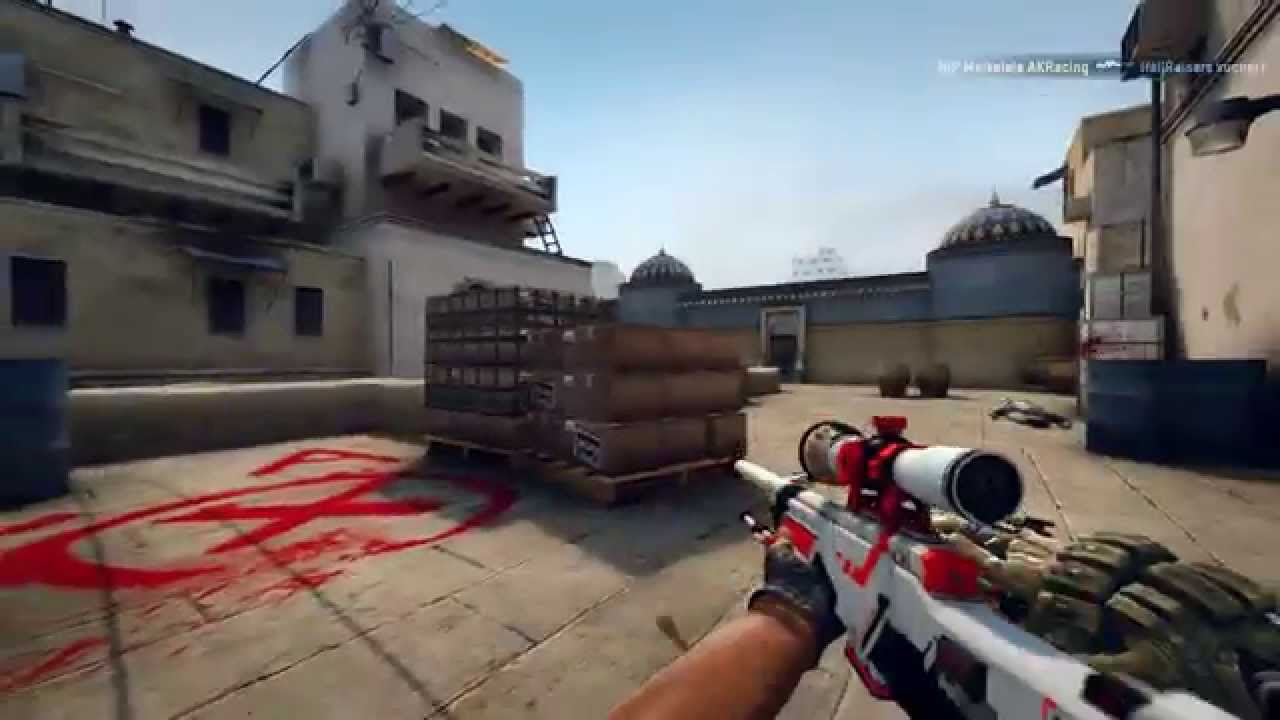
Kinguin is today unveiling further details of its upcoming CS:GO tournament, Kinguin Legends. Kinguin Legends is an entertainment-first focused event that will see six CS:GO stars return to competitive play once again and create a captivating event full of nostalgia along with an exciting experience for all CS:GO fans to enjoy.
The “Legends” will battle it out for a share of the €50,000 prize pool and for the right to call themselves the first Kinguin Legends Champion!
Each captain will recruit players, friends, and pros to join them as they gear up to re-enter competitive CS:GO in the hope of emerging as champion. Tournament rules will be modified to highlight legendary captains and their old rivals. A custom designed Kinguin Legends 1v1 map has been exclusively created for the tournament. The only rule for all teams is that the average age of all five players must be 26 or over. The tournament kicks off on September 13th and will run until September 18, with teams playing through an initial round-robin tournament format followed by a best-of-three play-offs to determine who comes out on top.
The captains of the event are led by a group of legendary Counter-Strike players including:
-
Jarosław “pashaBiceps” Jarząbkowski, Polish legend, mostly known from the Golden Five. He has won many significant tournaments with Virtus Pro including winning and MVP of EMS One Katowice 2014, DreamHack Open Bucharest 2016 and Intel Extreme Masters VI. Pasha was ranked the 3rd best player of 2014 by HLTV.
-
Filip “NEO” Kubski, Polish legend, also known from the Golden Five. He has won many significant tournaments with Virtus Pro including ELEAGUE Season 1, ESL Major Series One Katowice 2014 and Intel Extreme Masters VI. NEO was ranked the best player of 2011 by HLTV, rated the best CS 1.6 player of all time by 12up and voted ‘Player of the Decade’ (2000’s) by HLTV users.
-
Ioann “Edward” Sukhariev, Ukrainian legend and veteran with a long career at NAVI. He was the trophy bearer for the IEM Katowice 2022 and was ranked the 5th best player of 2010 by HLTV for CS 1.6.
-
Emil “HeatoN” Christensen, Swedish legend, best known for his career at Ninjas in Pyjamas and SK Gaming winning multiple CPL tournaments and becoming the first person inducted into the Esports Hall of Fame at ESL One: Cologne 2016. HeatoN was rated one of the best CS 1.6 players of all time by 12up.
-
Mikail “Maikelele” Bill, Swedish legend, known for his career at teams including Team Kinguin, Ninjas in Pyjamas and Godsent. He has won multiple tournaments at Assembly Winter 2015 and WePlay! Forge of Masters Season 2 while coming 2nd at one of the biggest tournaments of 2016 at DreamHack Winter. Maikelele was the creator of the first international superteam in CS:GO history with Team Kinguin.
-
Kenny “kennyS” Schrub, French legend, best known for his career at Team EnVyUs and G2 Esports winning multiple tournaments including DreamHack Open Cluj-Napoca 2015, World Electronic Sports Games 2016 and ESL Pro League Season 5. “kennyS” was named “Esports Player of the Year” at The Game Awards 2015.
The online stage of the tournament (13-15th September) will be casted by Mamoon “TeaTime” Sabri, Travis “TravCS” Landaw Mott, Harvey “Skriv” Rodgers and Michael “YouM3” Cassidy. James Banks will be hosting the casting team for the finals (17-18th of September) and will be joined by Jack “Jacky” Peters and Davis “DAVEY” Stafford. Accompanying the team will be Halvor “Vendetta” Gulestøl and Dominik “Neo” Dąbrowski from the analysis desk. Meanwhile, the Polish stream will be hosted by Filip “Testree” Mątkowski. Other guest appearances are expected from Counter-Strike personalities to help relive old moments and bring some entertaining ribbing to the legends.
Viktor Romaniuk Wanli, Founder and Creative Director at Kinguin said: “I am delighted to be welcoming such iconic players to Kinguin Legends to create an exciting entertainment event, with new stories for fans to watch and enjoy. Kinguin has a deep-rooted passion for esports and we hope that Kinguin Legends CS:GO will be our first step to creating a long lasting and fully-loaded entertainment experience for fans all over the world. To have kKennyS, Pasha, Edward, Neo and Maikelele playing against each other again is mind blowing! I recall HeatoN as the ultimate Counter-Strike player back in my early involvement with esports since CPL. It’s unbelievable that I may see him play to win again! We have big ambitions with Kinguin Legends and will be bringing more exciting esports events to our community in the future.”
Kinguin Legends Captain and ex-CS:GO professional “pashaBiceps” Jarosław Jarząbkowski said: “I am very happy to be able to participate in the Kinguin Legends project. This is a great initiative that will definitely allow us to feel the emotions associated with the great CS:GO scene again. I’m looking forward to the duels with NEO, Edward, HeatoN, kennyS and Maikelele. It will be a great show!”
For this tournament, Kinguin is partnering with the CS:GO matchmaking portal, Esportal, who will be hosting the Kinguin Legends streams on its front page as the official technology partner.
Powered by WPeMatico

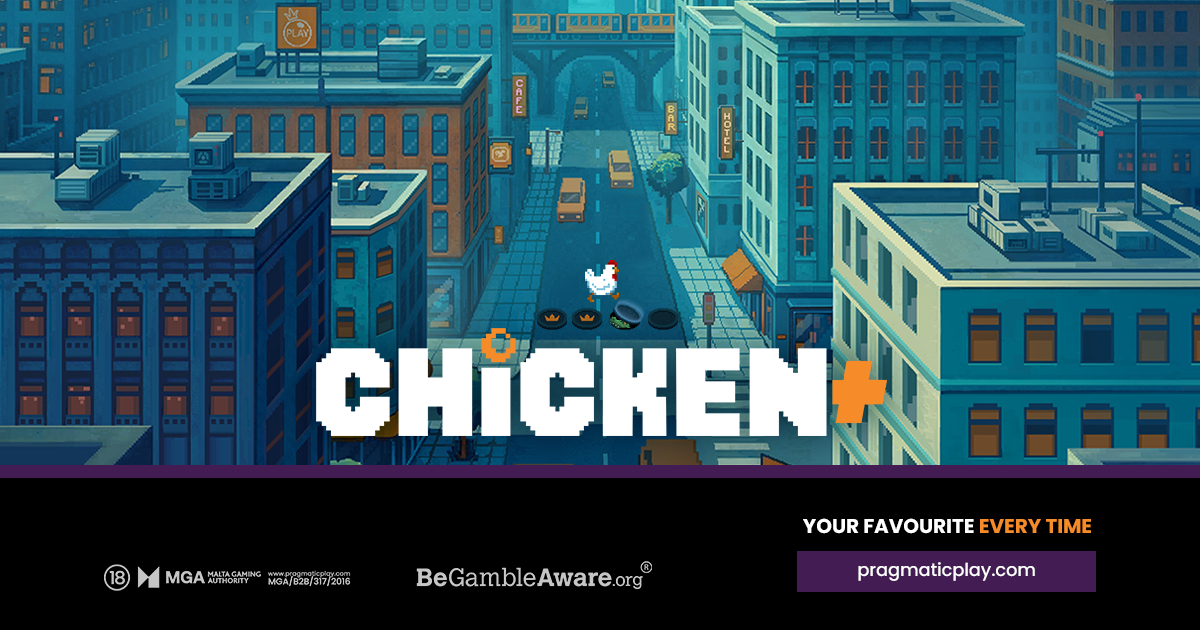
Pragmatic Play, a prominent content provider for the iGaming sector, has enhanced its arcade collection with the debut of Chicken+, a retro-themed game showcasing fast-paced action and significant winning opportunities.
Brought to existence with retro 8-bit visuals, the game tests players to evade approaching vehicles and various dangers, leading the chicken safely over the road.
With each lane successfully cleared, the win multiplier increases. Players can withdraw their earnings whenever they choose or try to navigate all lanes for the top reward, but a single random mishap concludes the round as a defeat. Players are able to view the possible winnings and the likelihood of success in reaching each lane to aid in their decision-making.
There are four levels of risk – Easy, Mid, Hard, and Daredevil. Raising the level reduces the number of lanes per round and increases the volatility, enhancing the maximum win potential from 24x in Easy mode to over 3,000,000x in Daredevil.
Blending nostalgic visuals with an eccentric theme, a user-friendly interface, and rapid betting rounds, Chicken+ meets the increasing demand for engaging, fast-paced games.
The title signifies the newest entry in Pragmatic Play’s continually growing arcade collection, succeeding the launches of Plinko+, Spire+, and Mines+.
Sharon McHugh, Director of Public Relations at Pragmatic Play, said: “Chicken+ blends retro charm with simple, high-engagement mechanics. With configurable risk levels and significant win potential, it stands out as another compelling addition to Pragmatic Play’s diverse arcade portfolio, inviting players to test their nerve and cross the road.”
The post Pragmatic Play Elevates Arcade Roster with the Im-Peck-Able Chicken+ appeared first on Eastern European Gaming | Global iGaming & Tech Intelligence Hub.
Brazil
LOUD and SuperGaming Launch Prime Rush in Brazil, Bringing Battle Royale and Extraction Gameplay for Mobile

Prime Rush, a new mobile shooter blending battle royale survival with extraction-style mechanics, has officially launched in Brazil on the Google Play for Android and the App Store for iOS. Developed by SuperGaming in collaboration with Spacecaps—the parent company of LOUD—the game has been shaped by direct input from Brazilian players and creators throughout its Closed Beta and Early Access phases.
Prime Rush introduces a fresh twist on the traditional battle royale formula. Beyond simply being the last squad standing, players can secure victory early by extracting Cosmium, a rare resource that appears during the final circle. This dual win condition forces squads to choose between outlasting opponents or adopting a more tactical approach to secure extraction.
The game also features a dynamic tactical ability system designed for fast-paced mobile combat. Active abilities such as DeadEye, Shield Dome, Super Speed, and Hunter’s Instinct allow players to approach matches with different strategies, focusing on precision, defense, mobility, or intelligence.
Bruno Bittencourt, CEO of LOUD, said:
“We’ve always believed Brazil has one of the most passionate gaming communities in the world, yet for years we’ve been playing games that weren’t built with us in mind. Prime Rush is a game created for Brazilian players, shaped daily by the communities we’ve built over the past decade. We’ve been listening to them every single day. It’s a game that finally feels like home.”
Roby John, CEO and Co-founder of SuperGaming, added:
“Brazil has one of the most competitive mobile shooter audiences we’ve seen, and from the beginning we wanted Prime Rush to be both authentic and accessible. That meant building a game that feels true to Brazil while ensuring it runs smoothly across a wide range of devices, so more players can experience it as intended.”
Set on the island of Maré, the game’s main battlefield supports its battle royale extraction format. It also introduces a Mini TDM mode (Favela)—a fast-paced 4v4 mode designed for quick, high-intensity firefights on the go.
At launch, players can choose from a roster of Brazilian heroes including Juliana, Rafael, Miguel, Rogério, Dos Santos, Julia, and Gustavo, with deep customization options available. Weapon personalization is enhanced through Evo-X skins, featuring upgradeable visuals, multiple Chromas, unique animations, custom sound effects, and distinctive combat feedback elements.
Prime Rush also debuts with several limited-time modes such as DeadEye Rush, Pants in the Air, and Weapon Roulette, offering short, action-packed sessions beyond the core gameplay.
The game launches alongside its first Ranked Season, where players can progress through tiers including Bronze, Silver, Gold, Platinum, Diamond, Champion, Legend, and Cosmic.
Check out the launch trailer right here: https://www.youtube.com/watch?v=Op5KreKoLmY
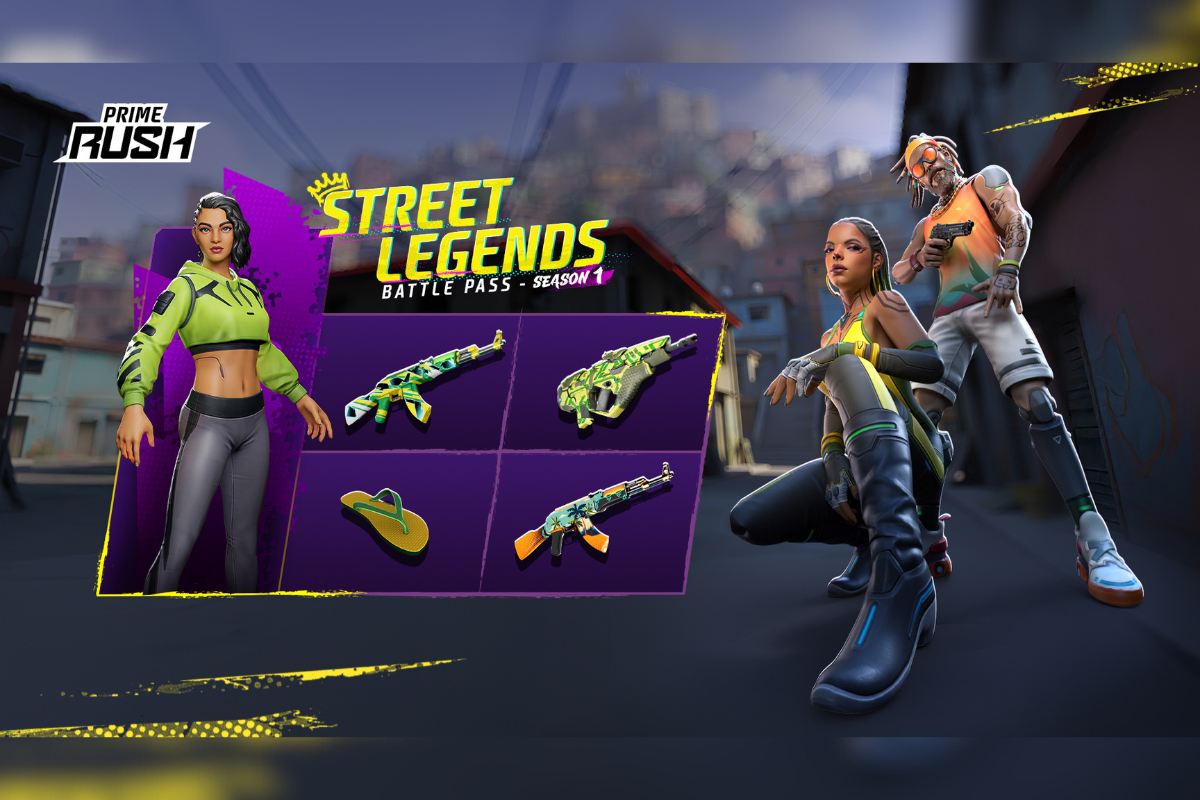
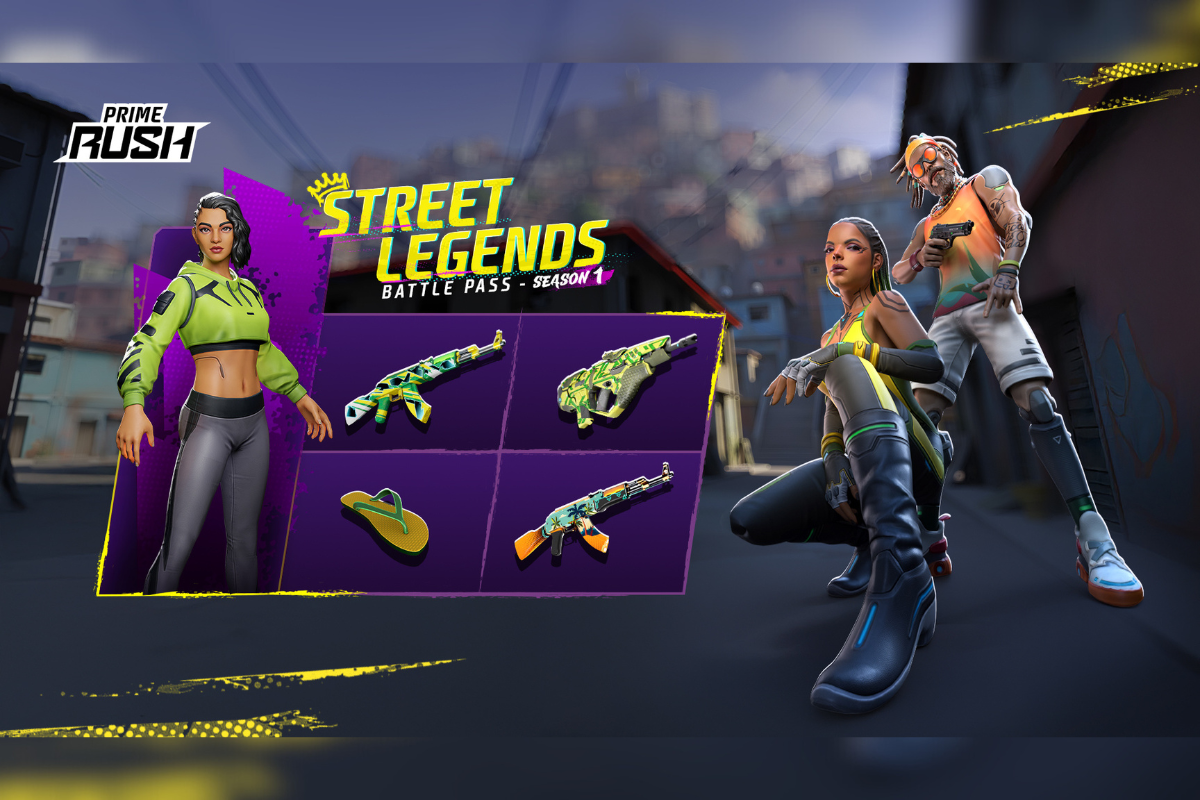
Season 1 Battle Pass: Street Legends introduces a range of rewards, including:
- New Avatars: Laura, Juliana, Rafael
- Weapon Skins: Subliminar, Grafitada, Suavidade, Firmeza, Raiz, Brabo, AK-BR7
- Melee Weapon: Chinela (Slipper)
- Vehicle Skin: Lenda Urbana
- Additional items such as stickers, dive trails, emotes, and portraits
Powered by SuperGaming’s in-house SuperPlatform, the game supports Android 7+ devices with 4GB RAM and iOS 15+. Early Access data shows stable performance at 40 FPS on lower-end devices, with up to 60 FPS on mid- to high-end hardware, ensuring accessibility across a broad range of devices in Brazil.
SuperGaming continues to optimize Prime Rush for additional devices, with performance and visual quality varying depending on hardware and player settings.
The post LOUD and SuperGaming Launch Prime Rush in Brazil, Bringing Battle Royale and Extraction Gameplay for Mobile appeared first on Eastern European Gaming | Global iGaming & Tech Intelligence Hub.
Brazil
LOUD and SuperGaming Launch Prime Rush in Brazil, Bringing Battle Royale and Extraction Gameplay for Mobile

Prime Rush, a new mobile shooter combining battle royale survival with extraction-style gameplay, has officially launched in Brazil on the Google Play Store for Android and the App Store for iOS. Developed by SuperGaming in partnership with Spacecaps, the parent company of LOUD, the game has been built with direct feedback from Brazilian players and creators during its Closed Beta and Early Access phases.
Prime Rush introduces a unique twist to the traditional battle royale format. In addition to surviving until the end of the match, squads can secure an early victory by extracting Cosmium, a rare resource that spawns during the final circle. This dual win condition creates a match environment where squads must decide whether to outlast opponents in a final-circle finish or take a more tactical route to win through Cosmium extraction.
The game also features a flexible tactical ability system built for high-tempo mobile combat. Active Abilities such as DeadEye, Shield Dome, Super Speed, and Hunter’s Instinct allow players to approach matches through precision, defence, mobility, and intel respectively.
Speaking on this development Bruno Bittencourt, CEO of LOUD said, “Brazil has one of the most passionate gaming communities in the world, yet we’ve spent years playing games that weren’t built with us in mind. Prime Rush is a game created for Brazilian players, shaped daily by the communities we’ve built over the past decade. We’ve been listening to them every single day. It’s a game that finally feels like home.”
“Brazil has one of the most competitive mobile shooter audiences that we have seen, and from the start we wanted Prime Rush to be both authentic and accessible,” said Roby John, CEO and Co-founder of SuperGaming. “For us, that meant building a game that feels true to Brazil while also making sure it runs smoothly across a broad range of devices so more players can experience it the way it was meant to be played.”
The battle takes place on the island of Maré, the setting for Prime Rush’s battle royale extraction experience. Prime Rush also includes a Mini TDM mode (Favela). This is a quick 4v4 mode designed for shorter, high-intensity firefights on the go.
At launch, the game introduces a lineup of new Brazilian heroes including Juliana, Rafael, Miguel, Rogério, Dos Santos, Julia, and Gustavo, with character customization allowing players to personalize their experience. Players can also customize their weapon experience with the new Evo-X skins. These are upgradeable gun skins featuring three switchable Chromas, enhanced visuals and VFX, unique inspect and reload animations, custom fire SFX, unique kill feed treatment, and distinct muzzle and tracer effects.
Prime Rush goes live with multiple limited-time modes including DeadEye Rush, Pants in the Air, and Weapon Roulette, offering players shorter duration matches for quick jump-in and jump-out between sessions beyond its core battle royale extraction gameplay.
The game launches with its first Ranked Season, allowing players to climb through Bronze, Silver, Gold, Platinum, Diamond, Champion, Legend, and Cosmic.
Check out the launch trailer right here: https://www.youtube.com/watch?v=Op5KreKoLmY
Season 1 Battle Pass: Street Legends
The Season 1 Battle Pass: Street Legends is also here, bringing a new lineup of rewards for players as they progress through the season. These include:
- New Avatars: Laura, Juliana, Rafael
- Weapon Skins: Subliminar, Grafitada, Suavidade, Firmeza, Raiz, Brabo, AK-BR7
- Melee Weapon: Chinela (Slipper)
- Vehicle Skin: Lenda Urbana
- Additional Rewards: Stickers, Dive Trails, Emotes, and Portraits
Prime Rush System Requirements
Powered by SuperPlatform, SuperGaming’s in-house tech-stack, Prime Rush currently supports Android 7 and above with 4GB RAM, as well as iOS 15 and above. Based on Early Access performance reports, the game delivers a stable 40 FPS on lower-end devices with recommended graphics settings, while mid to high-end devices can achieve up to 60 FPS.
This makes Prime Rush playable across a wide range of mobile devices, helping ensure that more players in Brazil can access the game on both Android and iOS.
SuperGaming is continuously optimizing Prime Rush to support more devices over time. Performance and visual fidelity may vary depending on hardware and user-selected graphics settings.
The post LOUD and SuperGaming Launch Prime Rush in Brazil, Bringing Battle Royale and Extraction Gameplay for Mobile appeared first on Americas iGaming & Sports Betting News.

-

 Asia5 days ago
Skyesports and GodLike signs MoU with Maharashtra Cyber to promote esports and cyber hygiene in Maharashtra
-
Africa5 days ago
TaDa Gaming Officially Enters the Regulated South African Market
-
Central Europe5 days ago
Casino Interlaken teams up with Wazdan to bolster Swiss market presence
-
AGLC5 days ago
Bede Gaming cleared for Alberta market entry
-
Central Europe5 days ago
Sportradar Extends its Data and Audiovisual Betting Rights Agreement with Deutscher Fussball-Bund
-
Andrzej Hyla5 days ago
Wazdan Releases its Latest Slot “Easter Coins”
-
Alberta4 days ago
Media Troopers Prepares for Alberta iGaming Launch with Canadian Gaming Law Firm
-
B2B Gaming License5 days ago
Massive Gaming Gains MGA B2B Approval to Accelerate Global iGaming Alliances