Gaming
Neobank ZELF Expands Into Gaming: Launches Banking in Discord

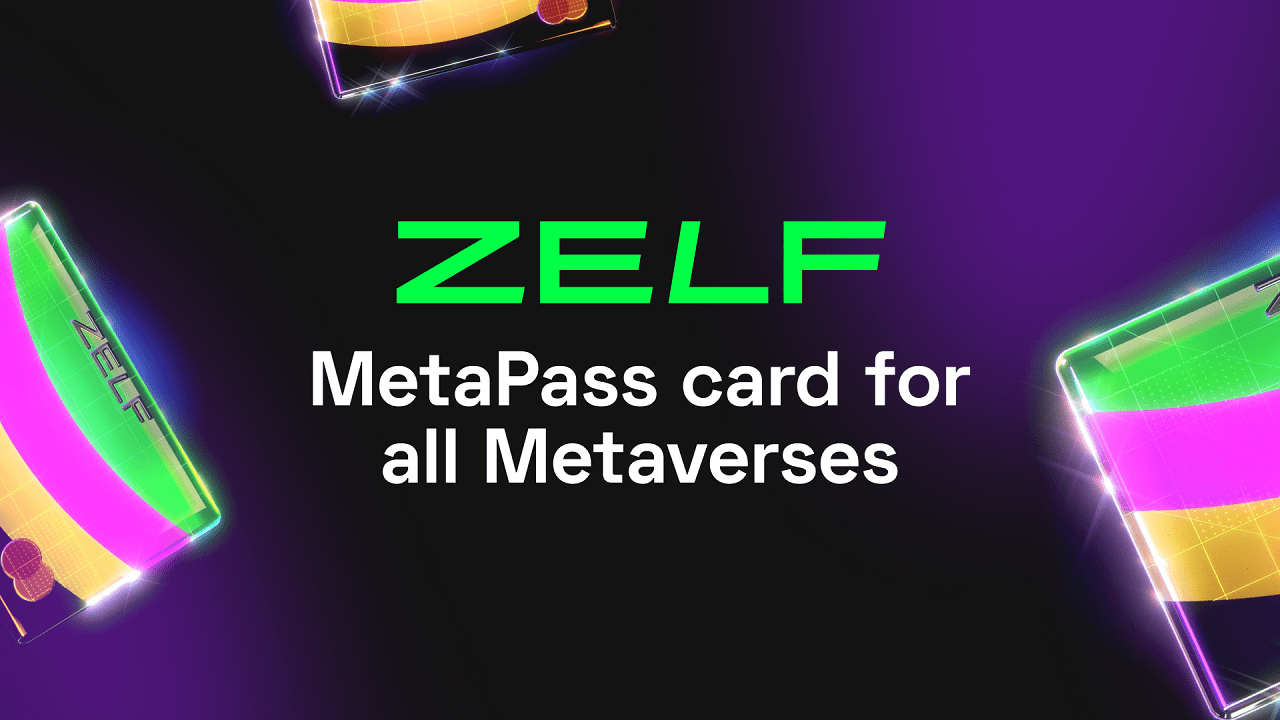
ZELF releases banking functionality in the popular gaming messenger Discord
Fintech will enable the trade of in-game assets in a safe and a fiscally compliant way for players to earn real money
Powering the Play-to-Earn revolution, positioning ZELF as the first neobank of the metaverse
Discord currently has 140 million users with 70% of those using the chat server to game
Today, ZELF, the leading Gen Z neobank embedded in popular social messengers, is releasing a banking integration for Discord, the leading chat server for gamers. The new functionality enables a world-first: a way for gamers to do their banking within Discord, their “always-on” messenger and the possibility to trade virtual assets (skins, in-game cosmetics, weapons etc.) in their favorite games, through real money transactions. From this month, users will be able to order their ZELF gaming card straight from Discord.
As Play-to-Earn gains momentum, traditional game manufacturers are coming under increased pressure from players who need a way to capitalize on their skills and in-game investments. At the same time, Play-to-Earn NFT game publishers are facing demands from regulators to implement controlled, fiscally regulated solutions to combat money laundering, assure taxation and anti-terrorism financing compliance.
ZELF has already begun integrating with several leading game manufacturers to help them curb illegal trade of in-game assets. According to BNP Paribas, the size of this market is currently $19bn. With ZELF, game operators will be able to share in the revenue of out-of-the-game exchanges, sales and even loans, while providing more transparency and fairness to the market and much needed transaction guarantees for the buyers and sellers. Until now, game manufacturers could only tackle this by banning it in their terms and conditions, suing marketplaces and shutting down players linked to such transactions.
Elliot Goykhman CEO & Founder of ZELF stated: “We are really excited that our technology will allow players worldwide to capitalize on their gaming skills, while providing a safe environment for buyers and sellers to trade virtual assets outside of their favorite games. ZELF in Discord will bring much needed security and transparency for the P2P transactions of skins, weaponry, characters, in-game cosmetics and much more, enabling the future of metaverse banking.”
“The economic models of NFT-based play-to-earn games have garnered much speculation, which is why we’re excited to extend play-to-earn functionality to popular non-crypto games. In providing these kinds of controlled financial services to the gaming industry, we are helping to ensure the sustainability of the gaming economies. We believe our tech is coming at the right time to position ZELF as the bank for the gaming generations and the first neobank of the metaverse,” he concluded.
This latest move from the neobank represents a horizontal expansion of its existing messenger base, but also a vertical expansion into the gaming industry, where it aims to achieve first mover advantage in banking for games and virtual worlds. Launched in 2020, ZELF has already gained more than one million registered users and plans to grow to five million by the end of 2022.
Powered by WPeMatico


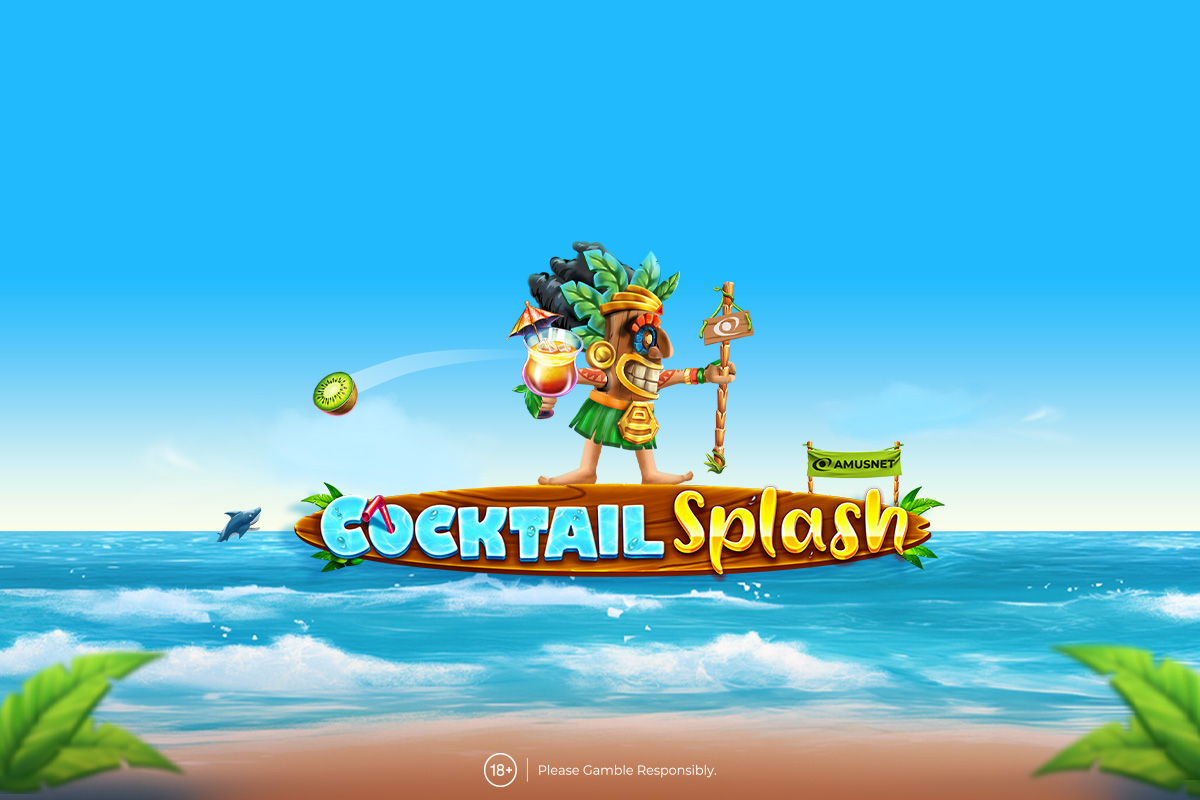
Amusnet has released Cocktail Splash, a high-energy crash game that blends summer vibes, fast decision-making and adrenaline-fueled gameplay into a bold new entertainment experience.
Set in a vibrant tropical ocean, Cocktail Splash throws players into a thrilling chase where a fearless rider glides across sparkling waves, cocktail in hand – while a relentless shark closes in, determined to steal the prize. Every second on the water raises the stakes as the multiplier climbs and tension builds, turning each run into a split-second decision: cash out or push further before the shark strikes.
At the heart of the gameplay is a simple but powerful risk-reward loop, enhanced by the 50% Cash Out feature, allowing players to secure part of their winnings while staying in the action for additional upside. This added layer of control creates more strategic depth without slowing down the fast-paced excitement.
Inspired by the signature Cocktail Rush experience, Cocktail Splash evolves the concept with sharper pacing, expressive visuals and an even more immersive crash structure. Powered by a Provably Fair algorithm, the game ensures transparent outcomes while maintaining the intensity and unpredictability that defines the genre.
With its mix of tropical aesthetics, instant engagement and high-stakes chase mechanics, Cocktail Splash reinforces Amusnet’s focus on delivering innovative, entertainment-driven crash titles designed to stand out in competitive game lobbies.
Amusnet continues to push the crash category forward – creating experiences that are not only visually striking but built to keep players on the edge of their seats from the first second to the last splash.
Gamble
Play the game and multiply the winnings through the Gambling feature.
Multipliers
The game starts with a multiplier set at 1x and rises gradually and can go up to a max coefficient of 1,000,000. Multiplier can potentially crash at 1x, ending the game round.
50% Cash Out
Players can cash out 50% of their bet during the game round and continue playing with the remaining 50%.
Jackpot Cards
The Jackpot Cards bonus game is triggered at random during the gameplay to allow players to win impressive jackpots.
The post Amusnet Releases Cocktail Splash, a Tropical-themed Crash Game appeared first on EE Gaming | Global iGaming & Tech Intelligence Hub.
EFG, Hero Esports and Niko Partners survey 8,000 fans across eight markets; 74% report ads and brand presence influence buying.
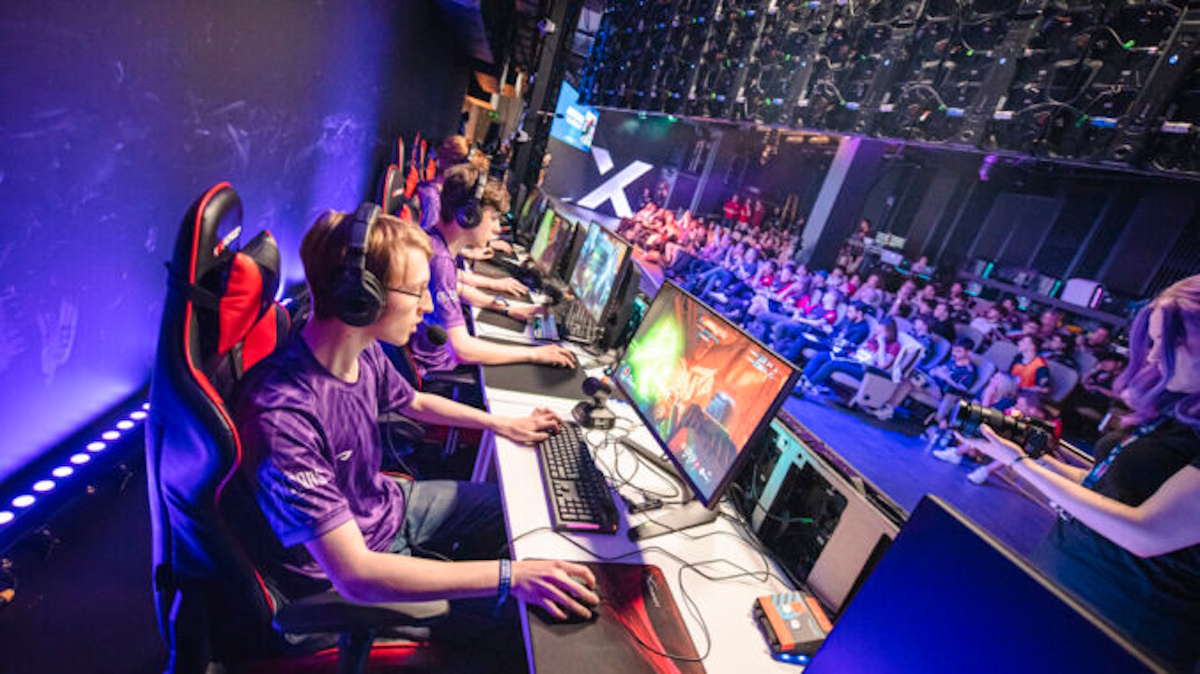
ESL FACEIT Group (EFG), Hero Esports and Niko Partners have released a multi-country Gen Z esports study claiming around 400 million Gen Z consumers (20%) regularly engage with esports. The findings were published on 25th June 2026 in Cannes, France, in a white paper titled The Esports Generation: Who They Are & Why They Spend.
The report is based on survey data from 8,000 Gen Z esports fans aged 13-30 across eight markets. It positions esports as a high-attention channel for brands: 85% of respondents said they notice branding in esports, while 74% self-reported that advertising and brand participation in gaming spaces influences their purchasing behaviour. The study also reports that 66% have bought a product following a collaboration or co-branding partnership with an esports team, game or player.
On consumption and fandom touchpoints, the study found 71% regularly watch gaming content, including 66% who watch gaming livestreams and 33% who watch or listen to gaming podcasts. It also points to offline reach: 21% said they regularly attend gaming conventions and esports events, with the average respondent attending at least one in-person event in the past nine months.
The white paper also breaks out claimed purchase categories linked to esports collaborations over the past year, led by food and beverage (33%), electronics (33%) and fashion (32%). Beyond core categories, it reports 28% bought esports-related collectibles, 17% purchased makeup, beauty, or skincare products, and 10% bought from partnered brands in other categories.
Niccolo Maisto, CEO at ESL FACEIT Group said: “Esports has evolved into one of the most effective channels for companies looking to connect with Gen Z audiences at scale. What makes it unique is not just its reach, but the depth of engagement and trust that exists between fans, players, teams, and events. This research shows that esports fans are highly invested participants, not passive viewers, creating an opportunity for brands that show up authentically and build meaningful and lasting connections with this key audience.”
Danny Tang, Co-Founder and CEO of Hero Esports said: “This whitepaper confirms what we at Hero Esports have long believed: esports has evolved into a global cultural and economic force. The data shows an audience that is young, diverse, and deeply engaged. For brands, the message is clear—esports is no longer a niche market; it is the premier platform to connect with the next generation of consumers. We are proud to partner with Niko Partners and EFG to provide this blueprint for understanding and succeeding in this dynamic industry.”
Lisa Hanson, CEO at Niko Partners said: “Our data shows that, much like fans of other sports, Gen Z esports fans are incredibly passionate and have formed strong bonds within their communities. However, their media and consumer affinities extend well beyond gaming and esports, with our research revealing naturally connected interest areas that create valuable overlapping opportunities for brands and partners that show up authentically in this ecosystem.”
The post Study: 400m Gen Z esports fans say brand activations drive purchases appeared first on EE Gaming | Global iGaming & Tech Intelligence Hub.


HIPTHER has launched HALLO (Highly Aligned Leaders in Legal Operations), a new platform designed to help organizations find and engage compliance professionals, legal operations experts and industry vendors. The company announced the launch in Europe.
HIPTHER said HALLO brings together a professional directory, industry intelligence hub, community platform and visibility tools aimed at sectors including gaming, fintech, payments, AI, cybersecurity, digital identity, AML and blockchain. The platform includes an Individual Professional Membership and an Enterprise Membership, with HIPTHER stating that all memberships include a 14-day free trial.
Alongside membership options, HIPTHER said compliance professionals can create free, publicly visible “Expert” profiles outlining experience and areas of specialization, with additional premium visibility opportunities available. The company positioned the platform as a way for organizations to discover and evaluate qualified compliance and legal operations expertise.
A core feature at launch is “HALLO Resources,” which HIPTHER described as an open-access compliance intelligence section that aggregates more than 17,000 regulatory and compliance-focused articles from the HIPTHER media network. HIPTHER said the section is updated daily, includes search by topic, jurisdiction and keyword, and covers areas such as gaming, fintech, AI, payments, AML, digital policy, cybersecurity and regulatory affairs.
Zoltan Tuendik, Co-Founder & Head of Business at HIPTHER, said: “Navigating the modern regulatory landscape requires more than just standard legal advice; it demands highly specialized, agile compliance expertise. With the launch of HALLO, we are bridging the critical gap between organizations facing complex global standards and the elite professionals who can guide them through. By combining an active directory with a massive intelligence hub, we are setting a new standard for compliance collaboration and empowering businesses to move forward with absolute confidence.”
HIPTHER also linked HALLO to its conference and media activities, including advertising and thought leadership opportunities through the Wayseers Booklet, an annual handbook it said is distributed at HIPTHER conferences in Europe and reaches more than 1,500 professionals across gaming, fintech, AI, compliance and regulatory sectors.
The post HIPTHER Launches HALLO: The Standard in Compliance Expertise appeared first on Americas iGaming & Sports Betting News.

-

 AGCO7 days ago
AGCO Fines Great Canadian Entertainment $120,000 for Using Unauthorised Gaming System Software at Four Casinos
-
Affiliate Industry5 days ago
Hub Affiliations Triumphs at the iGB Affiliate Awards 2026: Winner of Programme/Network Campaign of the Year
-
Canada7 days ago
St8 extends Octoplay partnership into Ontario and the UK
-
Latest News5 days ago
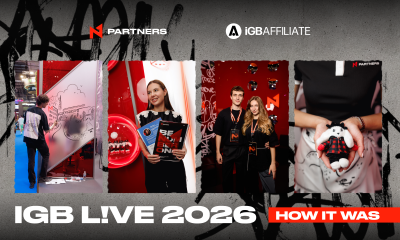
N1 Partners at iGB L!VE 2026: Bringing Together Affiliates, Art and Innovation
-
Asia7 days ago
The UAE Lottery joins SAGIP outreach with Philippine Consulate and Infinite Communities
-
0007 days ago
Booming Games launches Booming Buffalo Hold and Win Extreme 25,000
-
Latest News7 days ago
LEON announces LEON.bet Masters, a new CS2 tournament in Portugal
-
Canada7 days ago
St8 expands Octoplay aggregation deal to Ontario and the UK