Interviews
Do Responsible Gaming Policies Go Far Enough? An Insider’s Perspective

Exclusive Q&A with GoodLuckMate CEO and Founder Nerijus Grenda
With responsible gaming ever at the forefront of discussions around gambling and with all eyes on the UK as it conducts its once-in-a-generation review of its gambling laws, there could be big changes coming to the industry as a whole.
GoodLuckMate CEO and Founder Nerijus Grenda makes the case for the iGaming industry going even further in its efforts to protect vulnerable players. And he believes that technology holds the key to removing cases of human error that can lead to costly lawsuits and fines.
European Gaming catches up with Grenda to explore how the industry might adapt over the coming years, whether that’s via changes to the law or by mutually beneficial cooperation.
First off, how has the industry changed its stance on responsible gaming? Do you feel that things are heading in the right direction?
I must say that responsible gaming has made great strides over the last decade or so. There is far more awareness about the issues on the part of the industry, the staff working within it, and the players themselves. All this can only be regarded as a good thing. Nowadays, many players around the world have access to free online tests for gambling addiction, tools to limit playing time, deposit amounts, and overall losses, and there is the opportunity to self-exclude from gambling altogether. Add to this the fact that it’s much easier to get help from free professional help via a wealth of links and advice articles and you can see that we’ve come a very long way.
From my experience of working within the industry for many years, I can also see how staff training programs have benefitted all parts of organizations, especially when it comes to spotting the negative behavioral patterns exhibited by some gambling addicts. And this training is usually extended to all parts of the business, from the C-level staff to the customer support teams that act as the first line of defense against gambling addiction. So, yes, I can honestly say that things have been and are continuing to move in the right direction. But now it’s time to go even further!
Do you think more can be done by online casinos and sports betting sites to protect vulnerable players? Can technology play a major role in this?
Absolutely yes to both questions. Without a doubt, there is always more the industry can do to help vulnerable players before problems get out of hand. And in addition to the training I mentioned above, technology has to play the leading role in tackling the problem. From some of the cases I have read about players suing online casinos, it seems like there is either not enough technology being used to detect issues in the first place or that these processes are being overridden by staff wanting to keep a player on the hook. For example, there should be no way that source of funds checks aren’t carried out as soon as a player crosses a certain threshold for depositing and/or losing significant amounts – with no exceptions. Somewhere in the chain, some of these things are being missed or ignored and that really needs to change.
Another way in which technology should be employed is in spotting sudden changes in betting behavior. I have no doubt that some companies are already doing this, but it should become the default across the entire industry. For example, if a player suddenly goes from betting a couple of hundred per month to thousands, there should be technological mechanisms for flagging the behavior and for an additional source of funds check to be carried out. By doing this, any potential gambling addiction cases or illegal sources of money are nipped in the bud. The same goes for employing technology to help staff spot fake IDs and other supporting documents in the case of underage players, for example. There are many ways in which technology can help us.
Will the UK Review of the Gambling Act 2005 shake up the wider industry? What changes do you see being on the cards once it has concluded?
While I am not based in the United Kingdom, I have been keeping a close eye on the reports coming out and the rather negative media attention being focused on the once-in-a-generation review – as I’m sure many others within the industry are doing. From what I’ve been reading lately, I think there will be further restrictions on the advertising of gambling products on TV, particularly at times when there are a lot of teenagers and young adults watching. For example, I believe that the ban on all gambling advertising before the 9 PM watershed might extend to all major sporting events where young adults are watching. Additionally, I’ve seen a lot of concern being expressed about the Premier League’s reliance on gambling companies as commercial partners. So, it might be the case that teams will soon need to change their shirt sponsors, too.
There is also intense media scrutiny on FOBTs (fixed odds betting terminals, otherwise known as slots). Because of this, betting limits have been put in place and I expect that some of these same ideas for limiting player losses to make the leap over to online slots, too. And another related area I see mentioned in media reports is the practice of cross-selling from one gambling product to another. With the UK being a huge market for sports betting, there is a natural tendency within the industry to move these players from relatively low-profit sports betting over to the far more profitable game types such as slots. However, there could be recommendations to limit cross-selling. Alternatively, players may need to have a separate account for each game type – hence making it more difficult for online casinos to convince players to make the switch.
Do you feel that media attention on cases involving gambling addicts negatively affects the entire industry? And do these cases shape public opinion?
One hundred percent! Major cases are usually reported fairly high up in the news running order simply because the numbers make for an interesting read. People have a natural tendency to find out how a single person was able to not only bet but also lose hundreds of thousands, or even millions in some cases. And the way pretty much all of these cases are reported casts a negative shadow over the entire gaming industry. Almost invariably, we are made to see the online casino in question as the bad guy (and their statements are usually reserved for the very end of the article), with much of the focus being on how the source of funds checks were not carried out properly, or how the player was targeted with numerous offers and enticements over a sustained period of time, for example. All of this undoubtedly shapes public opinion negatively.
Finally, is there enough will within the casino industry to continue to push responsible gaming, or is the profit motive always going to supersede player protection?
While profit is and always will be the main motive behind choosing to set up and run an online casino or sportsbook site, I think a little more focus on responsible gaming would help avoid very costly lawsuits and/or fines later down the line. Furthermore, even if these costs can easily be factored in as a necessary part of the business, the negative press attention that comes along with these cases simply isn’t justifiable in the long run. By getting things right in the first place, there’s more opportunity to build a respectable brand that will endure for many years to come – and with that comes long-term profit, of course. I also think that if the industry works as a whole, shares data on any potential loopholes they’ve spotted, and continues to focus on responsible gaming as an entirely positive aspect of the gambling industry, then everyone wins.
Powered by WPeMatico

Andréa Curral
“No iGaming, marcas sólidas dependem de consistência, experiência e relacionamento de longo prazo”


Com uma trajetória construída em grandes grupos globais de mídia, entretenimento e varejo digital, Andréa Curral chega ao Grupo Esportes Gaming Brasil para ocupar o cargo de Diretora de Marketing em um momento estratégico para o mercado brasileiro de apostas regulamentadas.
Após passagens por empresas como Privalia, Discovery e Warner Bros., a executiva assume o desafio de fortalecer o posicionamento institucional e a estratégia de marca das operações Esportes da Sorte, Onabet e Lottu em um cenário cada vez mais competitivo, regulado e orientado por experiência do consumidor.
Em meio ao amadurecimento do setor de iGaming no Brasil, temas como branding, jogo responsável, aquisição eficiente, reputação e conexão cultural ganham relevância crescente para operadoras que buscam crescimento sustentável e diferenciação de longo prazo.
Nesta entrevista exclusiva ao Gaming Americas, Andréa Curral fala sobre como sua experiência em mercados tradicionais contribui para a construção de marcas mais sólidas no iGaming, o papel do marketing na promoção do jogo responsável, os desafios de equilibrar branding e performance em um ambiente altamente dinâmico e as estratégias do Grupo EGB para ampliar presença durante grandes eventos esportivos e manifestações culturais no país.
Andréa, você construiu uma trajetória sólida em gigantes globais de mercados tradicionais como Privalia, Discovery e Warner Bros.
Como essa experiência em branding e experiência do consumidor contribui hoje para sua atuação no iGaming com o Grupo EGB?
Andréa Curral – O principal aprendizado que trago de empresas de mídia, entretenimento e varejo digital é que marcas sólidas não se sustentam apenas em grandes campanhas, mas em consistência, experiência e construção de relacionamento no longo prazo. No iGaming, isso é ainda mais relevante, porque a relação com o usuário passa diretamente por confiança, clareza e segurança.
No Grupo EGB, buscamos aplicar uma visão integrada entre branding, performance e experiência do consumidor.
Isso significa tratar conteúdo como um ativo estratégico, trabalhar comunicação com lógica editorial e segmentação inteligente, além de utilizar métricas e tecnologia para melhorar continuamente a jornada do usuário.
Minha experiência em ambientes altamente competitivos também contribui para equilibrar crescimento, posicionamento institucional e eficiência operacional em um momento de amadurecimento importante para o mercado brasileiro.
Diante do atual momento de consolidação do mercado regulado no Brasil, quais são os principais focos e diretrizes da sua diretoria para o posicionamento institucional das marcas do grupo, Esportes da Sorte, Onabet e Lottu, dentro desse novo cenário?
O cenário atual exige marcas mais claras, operações mais eficientes e uma relação mais consistente com o público. Nossa estratégia está estruturada em três pilares principais: diferenciação de portfólio, experiência do usuário e construção de reputação.
Esportes da Sorte, Onabet e Lottu possuem posicionamentos distintos dentro do grupo, isso reduz a sobreposição e fortalece a identidade de cada operação. Mas um pilar comum a toda nossa empresa é o jogo responsável. É nossa responsabilidade garantir um ambiente controlado e saudável para a diversão.
Somos uma empresa com DNA brasileiro e nossos contratos de patrocínio vão além da exposição de mídia. Incentivamos a cultura nacional, gerando experiências relevantes, que conectam as marcas a territórios de grande relevância popular, como esporte, entretenimento e cultura.
Ao mesmo tempo, o aumento do custo de aquisição torna essencial uma operação integrada entre marketing, produto, atendimento e retenção, sempre alinhada às diretrizes de jogo responsável e à regulamentação vigente.
O Grupo EGB enfatiza o compromisso com o “jogo responsável”.
Como o marketing pode atuar de forma prática na educação do apostador e na promoção de bem-estar, transformando essa diretriz em comunicação efetiva para o público?
Para nós, jogo responsável não pode ser tratado apenas como uma obrigação regulatória ou uma mensagem complementar de comunicação. Ele precisa fazer parte da experiência do usuário, da operação e da construção de reputação da companhia.
O marketing tem um papel importante nesse processo ao comunicar com clareza, evitar promessas irreais e contribuir para uma relação mais consciente do usuário com o entretenimento.
Isso envolve reforçar mensagens sobre limites, autocontrole, pausas e transparência nas regras.
Também acreditamos que comunicação responsável ajuda a fortalecer um ambiente mais seguro e sustentável para todo o ecossistema. No longo prazo, confiança e reputação são ativos fundamentais para qualquer marca que queira crescer de forma consistente no setor.
Em termos de estratégia de crescimento, como você equilibra construção de marca de longo prazo (branding) com performance de curto prazo em um setor altamente dinâmico e competitivo como o iGaming?
Hoje Branding e performance trabalham em conjunto, de forma absolutamente integrada, para que os resultados de crescimento sustentável não dependam apenas de aquisição. Por isso, trabalhamos uma operação orientada por métricas, dados e otimização contínua, sem perder a visão estratégica de longo prazo.
A construção de marca passa por coerência, qualidade da experiência, clareza de comunicação e consistência na entrega. Esse mecanismo de relacionamento cria comunidade e reforça a confiança do usuário na marca.
A Copa do Mundo é um dos momentos mais disputados pela atenção do público.
Como o Esportes da Sorte está estruturando sua estratégia de mídia, conteúdo e transmissões oficiais para garantir presença forte e multiplataforma durante o torneio?
A Copa representa um dos maiores momentos de mobilização do entretenimento esportivo, então estruturamos uma estratégia multiplataforma que combina mídia, conteúdo e experiências presenciais.
O Esportes da Sorte fechou o patrocínio oficial das transmissões da Copa no SBT e na N Sports, garantindo presença em TV aberta, streaming, canais digitais e propriedades online das emissoras. Essa entrega amplia frequência e alcance de marca ao longo do torneio.
Mas entendemos que presença de mídia sozinha não é suficiente. Por isso, trabalhamos campanhas institucionais que conectam entretenimento, cultura popular e engajamento emocional.
“Torça como um Corinthiano”, por exemplo, usa a relação histórica da torcida do Corinthians com o clube para resgatar a conexão do brasileiro com a Seleção. Já “Convoque” aposta em humor, fantasia e linguagem digital para ampliar diálogo com diferentes públicos.
Tudo isso é desenvolvido mantendo o compromisso com comunicação responsável e alinhada às diretrizes do setor.
Dentro desse ecossistema de marca e entretenimento, quais serão os principais desdobramentos das ações de rua e patrocínios locais durante os períodos de grande consumo esportivo, como a Copa do Mundo?
Para os grandes eventos esportivos, nossa estratégia combina presença multiplataforma com experiências de proximidade junto ao público.
O objetivo é fazer com que as marcas do grupo estejam inseridas de forma orgânica na rotina e nos espaços de convivência dos torcedores, conectando entretenimento, conteúdo e experiência de marca.
Além da presença em mídia e transmissões oficiais, vamos trabalhar ativações proprietárias e ações presenciais em diferentes regiões do país, sempre buscando fortalecer relacionamento, engajamento e conexão cultural com o público.
Essa atuação também conversa diretamente com a visão do Grupo EGB de transformar patrocínios em plataformas contínuas de experiência e conteúdo, indo além da exposição tradicional e construindo relevância de longo prazo para as marcas.
Além do futebol, o Grupo EGB também investe em grandes manifestações culturais e eventos populares, como Carnaval e festivais regionais.
Como essas ativações se conectam à estratégia global de marca e à construção de presença no território brasileiro?
Nossa estratégia de marca está muito conectada à cultura popular e aos grandes territórios de mobilização do público brasileiro. O esporte é um pilar importante, mas não é o único.
Hoje o grupo apoia iniciativas de grande relevância nacional, como o Galo da Madrugada, o Festival de Parintins e o Carnaval em diferentes capitais brasileiras.
Essas propriedades ajudam a ampliar a presença nacional, fortalecer relacionamento com diferentes comunidades e criar conexões mais orgânicas com o público.
Mais do que exposição, buscamos desenvolver projetos de longo prazo que integrem conteúdo, experiência e ativação local. Isso permite que os patrocínios deixem de funcionar apenas como mídia tradicional e passem a operar como plataformas de relacionamento e construção institucional das marcas.
The post “No iGaming, marcas sólidas dependem de consistência, experiência e relacionamento de longo prazo” appeared first on Americas iGaming & Sports Betting News.
2026 sports betting
For Sportradar, the 2026 World Cup is set to reshape acquisition and engagement in sports betting
With expectations of generating approximately US$ 50 billion in bets worldwide, the 2026 World Cup is already seen by the industry as the largest commercial event in the recent history of sports betting.
In an expanded tournament with 48 teams, 104 matches and a duration of 39 days across three different countries, Latin American operators are preparing to compete for attention, retention and conversion in an increasingly competitive environment driven by real-time data.
More than media volume or massive campaigns, experts point out that the competitive differentiator in the next World Cup will be the ability for personalization, automation and dynamic activation during the micro moments of the match.
Technologies based on artificial intelligence, live data and micro betting are already transforming the way operators approach acquisition and engagement in major international tournaments.
At the same time, regulatory advancement in Latin America and the maturation of bettor behavior are increasing pressure for more efficient, contextual campaigns aligned with local compliance requirements.
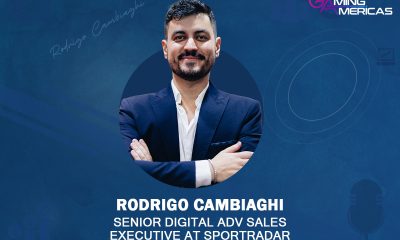
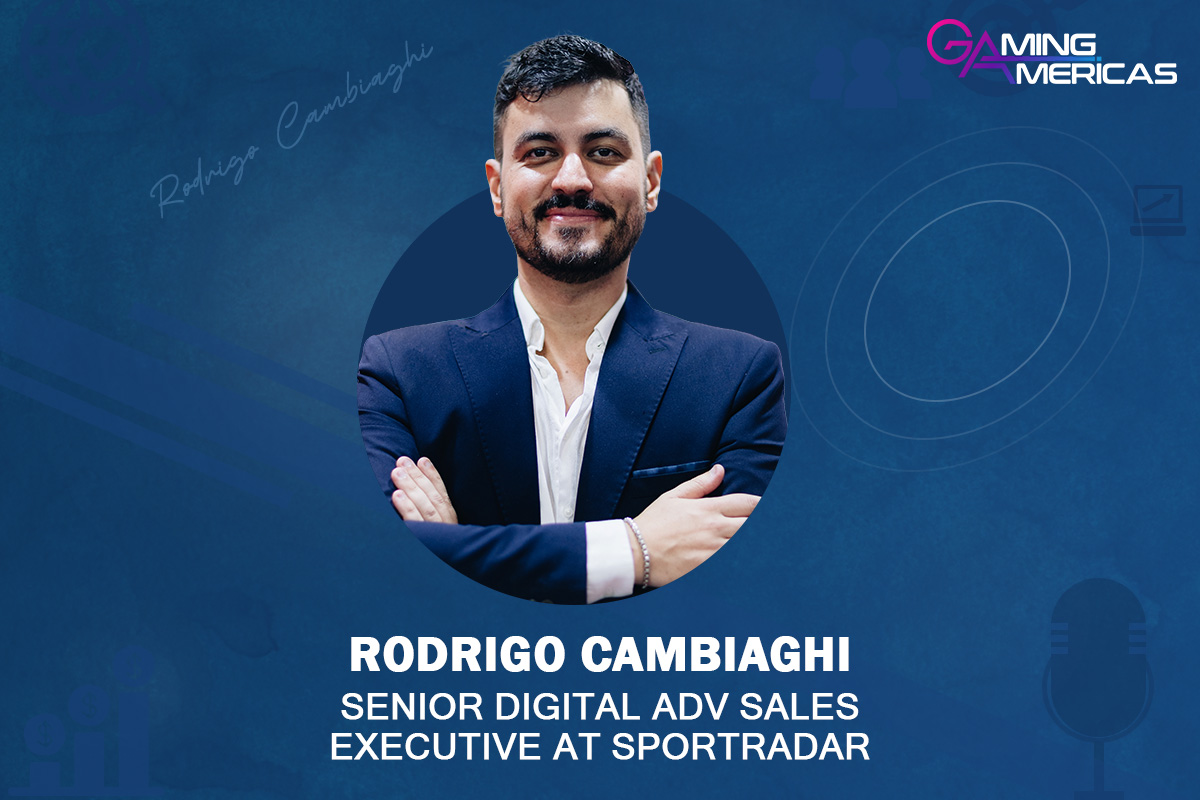
In this interview, Sportradar, represented by Rodrigo Cambiaghi, Senior Digital Advertising Sales Executive for Latin America, analyzes how operators can prepare for the 2026 World Cup, which strategies performed best in the Euro Cup and Copa América, the impact of real-time personalization and the challenges of executing regional campaigns in a fragmented regulatory landscape.
The estimated global betting volume for the 2026 World Cup is US$ 50 billion. What does this number represent in terms of real opportunity for Latin American operators, and what are the main risks for those who do not prepare?
Sportradar – The estimated US$ 50 billion betting volume during the 2026 World Cup shows the scale of the opportunity the tournament represents for Latin American operators.
We are talking about the largest attention and engagement event in the industry, in an edition that will feature 48 teams and 104 matches, creating more moments of connection with fans and more acquisition opportunities over 39 days of competition.
But the competitive differentiator will not lie solely in the size of media investment. The most prepared operators will be those capable of using data, technology and personalization to activate real-time campaigns aligned with the emotional context of the match.
Today, consumers expect more relevant experiences connected to what is happening on the field at that exact moment, whether it is a goal, a comeback or an outstanding individual performance.
At the same time, there is a significant risk for those who fail to prepare properly. Generic campaigns, relying only on bonuses or media volume, tend to lose efficiency in an extremely competitive environment.
Without robust real-time data infrastructure and continuous optimization capabilities, it becomes much more difficult to capture moments of highest betting intent and transform increased tournament traffic into sustainable long-term growth.
In the end, the 2026 World Cup should consolidate an important shift in the industry, where scale remains relevant, but technology, personalization and real-time execution become the true competitive differentiators.
You mention a “generalized sameness” in the market. What did the most successful operators at Euro 2024 and Copa América do differently in terms of advertising technology?
What we saw in Euro 2024 and Copa América was an important shift in approach.
The most successful operators moved away from broad and generic campaigns to adopt strategies much more driven by data, context and real-time fan behavior.
Instead of treating every minute of a match the same way, they began activating campaigns at moments of highest emotion and betting intent.
Advertising technology played a central role in this. Campaigns started using live data, automation and artificial intelligence to adjust messages, offers and creatives according to what was happening on the field.
A goal, a period of attacking pressure, an outstanding individual performance or even changes in match dynamics became triggers for dynamic campaign activation across multiple channels, including social, video, audio and programmatic.
The result was much more relevant and efficient communication. During Euro 2024 and Copa América, operators that combined branding, performance and moment-driven campaigns saw significant growth in deposits and a reduction in CPA, even in a highly competitive environment.
How do dynamic creative ads triggered by match moments actually work in practice — a goal, a corner, a shift in pace? Can you give a concrete example of a campaign?
Today, dynamic creative ads operate in a way that is closely connected to the logic of micro betting, which is precisely betting on fast and specific events within the match.
Instead of waiting for the final result of the game, fans interact with micro moments in real time, such as the next corner, the next shot on goal or whether a specific player will hit the target in the next play.
In practice, the technology monitors live match data and identifies moments of increased intensity or betting intent.
If a team starts applying heavy pressure, for example, the system can automatically activate campaigns related to the next corner, next shot on goal or other relevant offensive actions.
All of this happens within seconds, with personalized creatives being distributed across digital channels while the emotion of the play is still unfolding.
This model makes the experience much more contextual and relevant for the user. Instead of generic campaigns, fans receive messages aligned with the exact moment of the game and their own consumer behavior. It is precisely this combination of real-time data, automation and micro betting that is reshaping how operators approach acquisition and engagement during major sporting events.
The concept of “always on” is central to your approach. How do operators maintain relevance in the minutes between goals, when betting intent still exists but the peak moment has passed?
The “always on” concept is based on the understanding that fan engagement does not disappear between major match events.
Even when the game enters a period without goals, attention still exists in live statistics, anticipation of the next play, individual player performance and social media conversations. It is precisely in this interval that the most prepared operators are able to maintain relevance using real-time data and personalization.
In practice, this means activating campaigns and betting suggestions aligned with the current context of the game. If a team is applying more pressure, for example, users may receive offers related to the next corner, next shot on goal or other micro betting markets.
The focus shifts away from only the major event, such as a goal, and expands to include the entire dynamics of the match.
The key difference lies in the ability to transform live data into more relevant and continuous experiences. With automation, AI and behavior-driven campaigns, operators are able to keep users engaged throughout the entire match journey, not only during peak emotional moments.
The 2026 World Cup lasts 39 days and takes place across three countries. How should an operator structure its marketing budget to be agile enough to capitalize on unexpected outcomes without losing brand consistency?
In a tournament like the 2026 World Cup, flexibility becomes just as important as budget size. The most efficient operators do not work with a rigid plan from start to finish.
They structure campaigns capable of redistributing investment in real time, based on performance, audience behavior and narratives that emerge throughout the tournament.
This is especially important in a World Cup with 104 matches, multiple time zones and different markets involved.
Unexpected stories always emerge, such as surprise teams, viral players or matches that generate much higher-than-expected spikes. Prepared operators are able to react quickly to these moments, increasing presence in channels and campaigns that are performing best in that specific context.
At the same time, brand consistency remains fundamental. A common mistake is concentrating almost all investment solely on acquisition and immediate performance.
The strongest brands are able to balance awareness, acquisition and retention throughout the 39 days of competition, maintaining a clear identity while adjusting messaging, formats and campaign intensity as fan behavior evolves during the tournament.
What are the main differences between Latin American markets in terms of bettor behavior during major tournaments, and how does this affect campaign strategy?
Although football is a shared cultural element across Latin America, the region’s markets present very different levels of maturity, regulation and digital behavior.
In more mature markets, users already hold multiple accounts and have greater familiarity with live betting, making personalization, retention and user experience key factors. In newer markets, there is still a very strong focus on acquisition and awareness building.
We also see important differences in emotional fan behavior. During major tournaments, engagement tends to grow strongly as local teams progress in the competition.
This makes highly localized campaigns much more impactful than generic regional strategies. User behavior changes rapidly according to narrative, team performance and social media momentum at that moment.
For this reason, campaign strategy must be flexible and driven by real-time data. There is no single approach for the entire region.
The most efficient operators are able to adapt creatives, messaging, channels and even investment intensity based on the specific behavior of each market, maintaining cultural relevance and higher acquisition and retention efficiency.
The regulatory landscape in Latin America is fragmented. How can operators working across multiple markets run efficient campaigns without compromising local compliance?
Regulatory fragmentation is one of the main challenges in the industry today in Latin America, especially for operators working across multiple markets at the same time.
Each country has different rules regarding advertising, targeting, permitted channels and responsible communication, which requires campaigns to be much more adaptable and compliance-driven from the very beginning of planning.
In this scenario, technology and automation play a fundamental role. The most prepared operators work with platforms capable of applying market-specific restrictions in real time, adjusting targeting, formats, frequency and messaging according to local regulation. This allows operational efficiency without compromising compliance or regulatory safety.
At the same time, it is important to find a balance between standardization and local relevance. Regional strategy can be centralized in terms of brand, technology and data intelligence, but activation must respect the cultural and regulatory context of each country.
The most efficient campaigns today are precisely those that manage to combine regional scale with highly localized execution.
The post For Sportradar, the 2026 World Cup is set to reshape acquisition and engagement in sports betting appeared first on Americas iGaming & Sports Betting News.
Brasil
Para Sportradar, Copa do Mundo 2026 deve redefinir estratégias de aquisição e engajamento nas apostas esportivas
Com expectativa de movimentar cerca de US$ 50 bilhões em apostas ao redor do mundo, a Copa do Mundo de 2026 já é vista pela indústria como o maior evento comercial da história recente das apostas esportivas.
Em um torneio expandido, com 48 seleções, 104 partidas e duração de 39 dias em três países diferentes, operadoras da América Latina se preparam para disputar atenção, retenção e conversão em um ambiente cada vez mais competitivo e orientado por dados em tempo real.
Mais do que volume de mídia ou campanhas massivas, especialistas apontam que o diferencial competitivo da próxima Copa estará na capacidade de personalização, automação e ativação dinâmica durante os micro momentos da partida.
Tecnologias baseadas em inteligência artificial, live data e micro betting já vêm transformando a forma como operadoras trabalham aquisição e engajamento em grandes torneios internacionais.
Ao mesmo tempo, o avanço regulatório na América Latina e o amadurecimento do comportamento do apostador elevam a pressão por campanhas mais eficientes, contextualizadas e alinhadas às exigências locais de compliance.
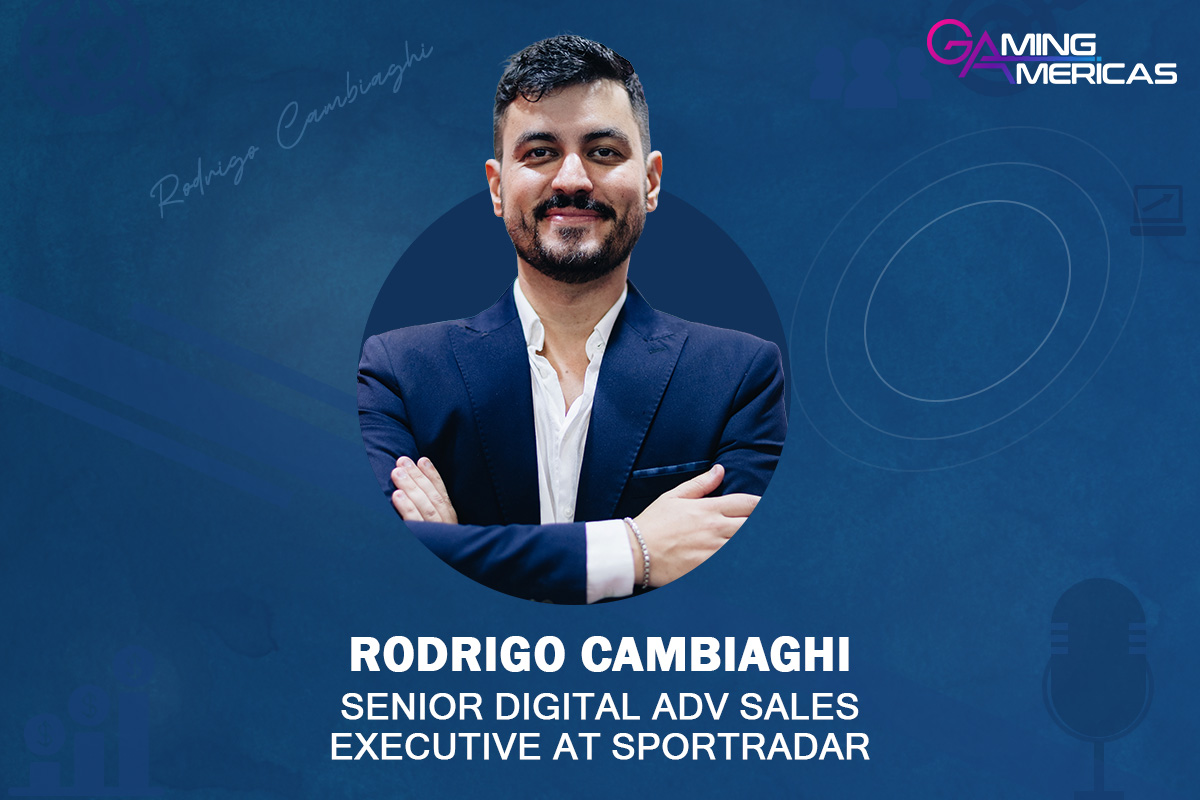
Nesta entrevista, a Sportradar, representada por Rodrigo Cambiaghi, Executivo Sênior de Vendas de Publicidade Digital para a América Latina, analisa como as operadoras podem se preparar para a Copa do Mundo de 2026, quais estratégias tiveram melhor desempenho na Eurocopa e Copa América, o impacto da personalização em tempo real e os desafios de executar campanhas regionais em um cenário regulatório fragmentado.
O volume global estimado de apostas na Copa de 2026 é de US$ 50 bilhões. O que esse número representa em termos de oportunidade real para as operadoras latino-americanas, e quais são os principais riscos de quem não se preparar?
Sportradar – O volume estimado de US$ 50 bilhões em apostas durante a Copa de 2026 mostra o tamanho da oportunidade que o torneio representa para as operadoras latino-americanas.
Estamos falando do maior evento de atenção e engajamento da indústria, em uma edição que terá 48 seleções e 104 partidas, criando mais momentos de conexão com o torcedor e mais oportunidades de aquisição ao longo de 39 dias de competição.
Mas o diferencial competitivo não estará apenas no tamanho do investimento em mídia. As operadoras mais bem preparadas serão aquelas capazes de usar dados, tecnologia e personalização para ativar campanhas em tempo real, alinhadas ao contexto emocional da partida.
Hoje o consumidor espera experiências mais relevantes, conectadas ao que está acontecendo em campo naquele momento, seja um gol, uma virada de placar ou uma grande atuação individual.
Ao mesmo tempo, existe um risco importante para quem não se preparar adequadamente. Campanhas genéricas, dependentes apenas de bônus ou volume de mídia, tendem a perder eficiência em um ambiente extremamente competitivo.
Sem infraestrutura robusta de dados em tempo real e capacidade de otimização contínua, fica muito mais difícil capturar os momentos de maior intenção de aposta e transformar o aumento de tráfego do torneio em crescimento sustentável no longo prazo.
No fim, a Copa de 2026 deve consolidar uma mudança importante na indústria, em que escala continua relevante, mas tecnologia, personalização e capacidade de execução em tempo real passam a ser os verdadeiros diferenciais competitivos.
Você menciona uma “mesmice generalizada” no mercado. O que as operadoras de maior sucesso na Eurocopa 2024 e na Copa América fizeram de diferente em termos de tecnologia publicitária?
O que vimos na Eurocopa 2024 e na Copa América foi uma mudança importante de abordagem.
As operadoras mais bem sucedidas deixaram de trabalhar apenas com campanhas amplas e genéricas para adotar estratégias muito mais orientadas por dados, contexto e comportamento do torcedor em tempo real.
Em vez de tratar todos os minutos de uma partida da mesma forma, elas passaram a ativar campanhas nos momentos de maior emoção e intenção de aposta.
A tecnologia publicitária teve um papel central nisso. As campanhas passaram a usar dados ao vivo, automação e inteligência artificial para ajustar mensagens, ofertas e criativos de acordo com o que acontecia em campo.
Um gol, uma sequência de pressão ofensiva, uma atuação individual de destaque ou até mudanças na dinâmica da partida passaram a funcionar como gatilhos para ativação dinâmica de campanhas em múltiplos canais, incluindo social, vídeo, áudio e programático.
O resultado foi uma comunicação muito mais relevante e eficiente. Durante a Euro 2024 e a Copa América, operadores que combinaram branding, performance e campanhas orientadas por momentos registraram crescimento significativo em depósitos e redução de CPA, mesmo em um ambiente extremamente competitivo.
Como funcionam na prática os anúncios criativos dinâmicos acionados por momentos da partida, um gol, um escanteio, uma mudança de ritmo? Pode dar um exemplo concreto de campanha?
Hoje, os anúncios criativos dinâmicos funcionam de forma muito conectada à lógica do micro betting, que é justamente a aposta em eventos rápidos e específicos dentro da partida.
Em vez de esperar o resultado do jogo, o torcedor passa a interagir aos micro momentos em tempo real, como o próximo escanteio, a próxima finalização ou se determinado jogador vai acertar o alvo na próxima jogada.
Na prática, a tecnologia monitora dados ao vivo da partida e identifica momentos de aumento de intensidade ou intenção de aposta.
Se uma equipe começa a pressionar muito, por exemplo, o sistema consegue ativar automaticamente campanhas relacionadas ao próximo escanteio, próximo chute no gol ou próxima ação ofensiva relevante.
Tudo isso acontece em segundos, com criativos personalizados sendo distribuídos em canais digitais enquanto a emoção do lance ainda está acontecendo.
Esse modelo torna a experiência muito mais contextual e relevante para o usuário. Em vez de campanhas genéricas, o torcedor recebe mensagens alinhadas ao momento exato do jogo e ao comportamento dele como consumidor. É justamente essa combinação entre dados em tempo real,
automação e micro betting que vem mudando a forma como as operadoras trabalham aquisição e engajamento durante grandes eventos esportivos.
O conceito de “always on” é central na sua proposta. Como as operadoras mantêm relevância nos minutos entre os gols, quando a intenção do apostador ainda existe, mas o momento de pico já passou?
O conceito de “always on” parte do entendimento de que o engajamento do torcedor não desaparece entre os grandes momentos da partida.
Mesmo quando o jogo entra em um período sem gols, a atenção continua existindo nas estatísticas ao vivo, na expectativa pelo próximo lance, no desempenho individual dos jogadores e nas conversas em redes sociais. É justamente nesse intervalo que as operadoras mais preparadas conseguem manter relevância usando dados em tempo real e personalização.
Na prática, isso significa ativar campanhas e sugestões de apostas alinhadas ao contexto do jogo naquele momento. Se uma equipe está pressionando mais, por exemplo, o usuário pode receber ofertas relacionadas ao próximo escanteio, próxima finalização ou outros mercados de micro betting.
O foco deixa de ser apenas o grande evento, como um gol, e passa a incluir toda a dinâmica da partida.
O diferencial está na capacidade de transformar dados ao vivo em experiências mais relevantes e contínuas. Com automação, IA e campanhas orientadas por comportamento, as operadoras conseguem manter o usuário engajado durante toda a jornada da partida, e não apenas nos momentos de pico emocional.
A Copa de 2026 dura 3G dias e acontece em três países. Como uma operadora deve estruturar seu orçamento de marketing para ser ágil o suficiente para capitalizar em resultados inesperados sem perder consistência de marca?
Em um torneio como a Copa de 2026, flexibilidade passa a ser tão importante quanto tamanho de orçamento. As operadoras mais eficientes não trabalham com um plano rígido do início ao fim da competição.
Elas estruturam campanhas capazes de redistribuir investimento em tempo real, de acordo com performance, comportamento do público e narrativas que surgem ao longo do torneio.
Isso é especialmente importante em uma Copa com 104 jogos, múltiplos fusos horários e diferentes mercados envolvidos.
Sempre surgem histórias inesperadas, como seleções surpresa, jogadores que viralizam ou partidas que geram picos muito acima do previsto. Operadoras preparadas conseguem reagir rapidamente a esses momentos, aumentando presença nos canais e campanhas que estão performando melhor naquele contexto específico.
Ao mesmo tempo, consistência de marca continua sendo fundamental. Um erro comum é concentrar praticamente todo o investimento apenas em aquisição e performance imediata.
As marcas mais fortes conseguem equilibrar awareness, aquisição e retenção ao longo dos 39 dias de competição, mantendo uma identidade clara enquanto ajustam mensagens, formatos e intensidade de campanha conforme o comportamento do torcedor evolui durante o torneio.
Quais são as principais diferenças entre os mercados latino-americanos em termos de comportamento do apostador durante grandes torneios, e como isso afeta a estratégia de campanha?
Apesar do futebol ser um elemento cultural comum em toda a América Latina, os mercados da região apresentam níveis muito diferentes de maturidade, regulação e comportamento digital.
Em mercados mais maduros, o usuário já possui múltiplas contas e maior familiaridade com apostas ao vivo, o que torna personalização, retenção e experiência do usuário fatores decisivos. Já em mercados mais recentes, ainda existe um foco muito forte em aquisição e construção de awareness.
Também vemos diferenças importantes no comportamento emocional do torcedor. Durante grandes torneios, o engajamento costuma crescer de forma muito forte conforme as seleções locais avançam na competição.
Isso faz com que campanhas altamente localizadas tenham um impacto muito maior do que estratégias regionais genéricas. O comportamento do usuário muda rapidamente de acordo com narrativa, desempenho da seleção e repercussão social daquele momento.
Por isso, a estratégia de campanha precisa ser flexível e orientada por dados em tempo real. Não existe uma abordagem única para toda a região.
As operadoras mais eficientes conseguem adaptar criativos, mensagens, canais e até intensidade de investimento conforme o comportamento específico de cada mercado, mantendo relevância cultural e maior eficiência de aquisição e retenção.
O cenário regulatório na América Latina é fragmentado. Como as operadoras que atuam em múltiplos mercados podem executar campanhas eficientes sem comprometer a conformidade local?
A fragmentação regulatória é um dos principais desafios da indústria hoje na América Latina, especialmente para operadoras que atuam em múltiplos mercados ao mesmo tempo.
Cada país possui regras diferentes sobre publicidade, segmentação, canais permitidos e comunicação responsável, o que exige campanhas muito mais adaptáveis e orientadas por compliance desde o início do planejamento.
Nesse cenário, tecnologia e automação têm um papel fundamental. As operadoras mais preparadas trabalham com plataformas capazes de aplicar restrições específicas por mercado em tempo real, ajustando segmentação, formatos, frequência e mensagens de acordo com a regulamentação local. Isso permite manter eficiência operacional sem comprometer conformidade ou segurança regulatória.
Ao mesmo tempo, é importante encontrar equilíbrio entre padronização e relevância local. A estratégia regional pode ser centralizada em termos de marca, tecnologia e inteligência de dados, mas a ativação precisa respeitar contexto cultural e regulatório de cada país.
As campanhas mais eficientes hoje são justamente aquelas que conseguem combinar escala regional com execução local altamente contextualizada.
The post Para Sportradar, Copa do Mundo 2026 deve redefinir estratégias de aquisição e engajamento nas apostas esportivas appeared first on Americas iGaming & Sports Betting News.

-

 Africa7 days ago
MozzartBet is Live on Fast Track’s AI-native CRM Platform
-
Brasil3 days ago
Para Sportradar, Copa do Mundo 2026 deve redefinir estratégias de aquisição e engajamento nas apostas esportivas
-
content-supplier7 days ago
Pragmatic Play adds football theme to Big Bass series with new slot
-
content distribution7 days ago
Peter & Sons signs slots deal with Tivoli Casino in Denmark
-
Compliance Updates6 days ago
Expanse Studios Secures Colombia Market Certification
-
Asia6 days ago
Playson Secures Approval from PAGCOR for Game Distribution in Philippines
-
Blueprint Gaming5 days ago
Blueprint Gaming announces The Goonies Quest for Treasure 3 slot
-
eSports5 days ago
Esports Foundation sets Esports World Cup 2026 venue at Paris Expo Porte de Versailles