Austria
EU Court Ruling on Online Gambling Liability: Players Can Sue Foreign Operators’ Directors Under Their Home Country Law (Case C-77/24 Wunner)


Published: 15 January 2026
Jurisdiction: Court of Justice of the European Union (CJEU)
Case: C-77/24 (Wunner)
A major ruling from the Court of Justice of the European Union (CJEU) is reshaping the legal landscape for cross-border online gambling in the EU. In Case C-77/24 (Wunner), the Court clarified that a player can, as a general rule, rely on the law of their country of residence when bringing a legal claim to establish tort/delict liability against the directors of a foreign gambling provider that did not hold the required local licence.
In plain terms: If an operator offers online gambling in a country without being licensed there, the player’s losses may legally be treated as “damage” occurring in the player’s home country—making it easier for the player to sue under the rules and protections of that local market.
This decision is likely to have significant implications not only for gambling operators, but also for directors, C-level executives, compliance leaders, and corporate legal teams, especially those managing cross-border growth strategies, grey-market exposure, or “EU passporting assumptions” that do not apply to gambling.
What Happened in Case C-77/24 (Wunner)?
The case centers around an Austrian resident who participated in online gambling offered by a Maltese provider called Titanium Brace Marketing Limited (“Titanium”), which was reportedly available across the European market.
Titanium held a gambling licence in Malta, but did not hold a licence in Austria.
The Austrian player filed legal proceedings in Austria against two directors of Titanium to recover losses incurred through online gambling activity, arguing that:
-
the gambling contract was null and void, and
-
under Austrian law, the directors were personally and jointly and severally liable because the company offered illegal games of chance in Austria without the required local authorisation.
However, the directors disputed the jurisdiction and the applicable law, claiming that:
-
the event that gave rise to the damage occurred in Malta
-
the damage occurred in Malta
-
therefore Austrian courts should not have jurisdiction
-
and Maltese law—not Austrian law—should apply
This created a critical conflict-of-laws problem that many cross-border online gambling disputes face: where did the “damage” actually occur in an online gambling transaction?
The Key Legal Question: Where Does the Player’s “Damage” Occur?
The CJEU examined the issue under the Rome II Regulation (Regulation (EC) No 864/2007), which sets the rules on which country’s law applies to non-contractual obligations (tort/delict) in cross-border situations.
Under Rome II, the general rule is:
the law applicable to a non-contractual obligation is the law of the country in which the damage occurs.
This rule applies:
-
regardless of where the event giving rise to the damage occurred, and
-
regardless of where indirect consequences occur.
This distinction matters enormously in online gambling, where the operator, bank accounts, infrastructure, licensing and corporate entity may sit in one jurisdiction, while the player plays from another.
CJEU Decision: The Damage Occurs Where the Player Resides
The Court ruled that in the context of a player seeking damages for gambling losses incurred via an online operator that lacked a licence in the player’s country, the damage sustained by the player is deemed to have occurred in the Member State where the player is habitually resident.
In this case:
 Player residence: Austria Operator jurisdiction: Malta Damage is deemed to occur: Austria
Therefore, Austrian law would apply as the default rule, because it is the law of the country where the damage occurred.
This is a powerful statement for cross-border enforcement because it significantly strengthens the position of the player in local legal proceedings.
Why This Is Bigger Than One Operator vs One Player
Operators and B2B suppliers often debate where online gambling “takes place”:
-
Where the website is hosted?
-
Where the operator is incorporated?
-
Where the payment processor is located?
-
Where the player clicks the spin button?
The Court recognized the reality of online gambling: it is not easily tied to one physical location.
Instead, the Court anchored the legal “place of damage” in the most relevant point of impact: where the player participates and is protected by local law.
This is not just a technical detail. It changes the legal risk profile for operators pursuing cross-border traffic without local authorisation.
Directors Can Be Targeted Personally Under Tort/Delict Claims
One of the most important elements in this decision is that the lawsuit was not only against the company (which was in liquidation), but also against the directors.
The Court clarified that Rome II applies to an action seeking to establish tortious liability aimed at directors for the infringement of a national prohibition on offering games of chance without a licence.
Crucially, the Court stated that this type of claim is not excluded under the category of “non-contractual obligations arising out of the law of companies.”
That matters because:
-
directors may be pursued for external obligations under national law
-
liability cannot automatically be pushed behind the corporate shield
-
liquidation status doesn’t necessarily end the route to recovery
-
plaintiffs may try to recover from individuals when the company can’t pay
For executive leadership, this decision amplifies the importance of cross-border compliance controls and licensing certainty before market entry.
What is Rome II Regulation and Why Does It Matter for iGaming?
The Rome II Regulation governs which national law applies when a tort/delict crosses borders inside the EU.
In iGaming, tort/delict claims can arise in scenarios such as:
-
offering gambling without a licence in a player’s country
-
breach of national consumer protections
-
misleading marketing practices
-
aggressive bonus or VIP retention practices
-
AML/KYC failures causing financial harm
-
payment disputes framed as “damage”
This ruling confirms that when the player’s alleged damage manifests in their home country, their home law may apply even if the operator is licensed elsewhere.
For operators, that’s a fundamental shift in predictability: you can be licensed and compliant in Jurisdiction A, but still face litigation under Jurisdiction B if you are not authorised there.
What About the Bank Transfer to Malta? Does That Change Anything?
In the case background, the player funded their account by transferring money from an Austrian bank account to a Maltese bank account connected to the operator, structured as a real account for the client.
This detail is important because many operators might assume that:
“Since the money went to Malta, the financial harm happened in Malta.”
But the Court’s logic places the relevant harm in Austria because:
-
the player participated from Austria
-
the Austrian prohibition existed to protect Austrian interests
-
the alleged wrongdoing was the availability of unlicensed gambling to the Austrian public
-
the loss actually “manifested itself” where the player played
This is a regulatory confirmation that payment routing does not automatically determine where damage occurs.
The “Manifestly Closer Connection” Exception: Is There a Way Out?
Rome II does allow a court to apply another law if the situation is manifestly more closely connected with another country.
This is not an automatic escape route, but it provides legal flexibility when circumstances clearly point away from the default rule.
However, for many online gambling cases, “habitual residence of the player” will likely remain the dominant factor, because:
-
online gambling is consumed at home
-
national gambling prohibitions are designed to protect local public policy
-
consumer harm and addiction protections are domestic priorities
What This Means for Online Gambling Operators
For licensed operators, this ruling reinforces a simple message:
Having a licence somewhere in the EU does not mean you are safe everywhere in the EU.
Online gambling remains a regulated activity at national level. The court’s approach supports local enforcement actions, local consumer claims, and local standards for liability.
Key operator implications:
-
Greater exposure to player claims in their home countries
-
Increased likelihood of multi-jurisdiction legal disputes
-
Stronger incentives for local licensing compliance
-
Higher risk in “cross-border availability” strategies
-
Potential personal liability pressure on management/directors
What This Means for Directors and Executive Teams
Directors and senior leaders should treat this ruling as a board-level issue, not just a legal memo.
Because once claims start targeting individuals:
-
risk becomes personal
-
reputational impact rises
-
insurers and D&O coverage becomes critical
-
governance and compliance documentation matters more
-
market-entry decisions need formal defensibility
If an operator “knows or should know” a jurisdiction requires local licensing and still targets players, it can become harder to argue that leadership lacked responsibility.
What This Means for Compliance and Legal Teams
This ruling increases pressure on compliance departments to strengthen controls around:
-
geo-blocking enforcement and logging
-
affiliate and marketing restrictions
-
local licensing checks for incoming traffic
-
responsible gaming enforcement tied to jurisdiction
-
internal “grey market” classification and decision logs
-
audits showing intent to prevent unlicensed access
It also encourages compliance leaders to align more closely with the business side.
Because in many organizations, unlicensed market exposure doesn’t come from direct intent—it comes from:
-
affiliate channels
-
SEO traffic
-
paid ads leakage
-
influencer content
-
“international” brand messaging
-
insufficient enforcement of region-based access restrictions
What This Means for Casinos and Land-Based Brands Expanding Online
For land-based casino groups moving into digital, this decision is a warning against the “soft launch across Europe” approach.
Many casino brands assume cross-border digital rollout is comparable to hospitality marketing. It isn’t.
If a casino group launches online and traffic arrives from unlicensed jurisdictions, the legal risk may follow the player back home—even if the operational core sits in a licensed hub.
Potential Industry Impact: A Stronger Local Enforcement Future
This judgment fits into a broader trend across Europe:
-
member states defending national gambling restrictions
-
regulators pressuring operators on compliance and marketing
-
increased litigation from players seeking loss recovery
-
courts being less tolerant of grey market monetization
-
stronger accountability mechanisms for leadership
In practice, it could accelerate:
-
more local lawsuits by players
-
more action against executives when companies dissolve or liquidate
-
more demand for proof of compliance intent and enforcement
-
more re-evaluation of licensing strategy in “borderline” markets
Strategic Takeaways for iGaming Operators
If you manage a regulated brand, this ruling supports three high-level strategic priorities:
1) Local licensing is the only stable long-term route
Short-term grey exposure may now bring long-term legal cost.
2) Geo-compliance must be demonstrable
It’s no longer enough to “have a tool.”
You need logs, enforcement, and proof of execution.
3) Executive governance matters
If leadership risk becomes personal, the organization must show that compliance decisions were not casual.
Final Thoughts: A Defining Ruling for Cross-Border Online Gambling Risk
The CJEU decision in Case C-77/24 (Wunner) gives players a major advantage in cross-border online gambling disputes: the ability, in general, to rely on the law of their country of residence when bringing tort/delict claims against the directors of a foreign provider that lacked the required licence.
This is not a symbolic ruling. It is a practical legal framework that:
-
strengthens local consumer protection
-
reinforces national licensing regimes
-
increases compliance pressure
-
and raises personal accountability risks for leadership
For operators with ambitions across Europe, the message is clear:
Cross-border growth must be built on compliance-first foundations, not geographic ambiguity.
FAQ: Quick Answers for Operators and Industry Leaders
Can players sue under their home country law?
As a general rule under Rome II, yes—if the damage is deemed to occur in their country of habitual residence.
Does a Maltese licence protect an operator across the EU?
No. Gambling is regulated nationally, and this ruling reinforces that reality.
Can directors be personally targeted?
Yes—especially where claims are framed as external tort/delict obligations, not just internal company law matters.
Can courts apply another country’s law instead?
Only where the case is manifestly more closely connected with another country, based on all circumstances.
The post EU Court Ruling on Online Gambling Liability: Players Can Sue Foreign Operators’ Directors Under Their Home Country Law (Case C-77/24 Wunner) appeared first on Eastern European Gaming | Global iGaming & Tech Intelligence Hub.









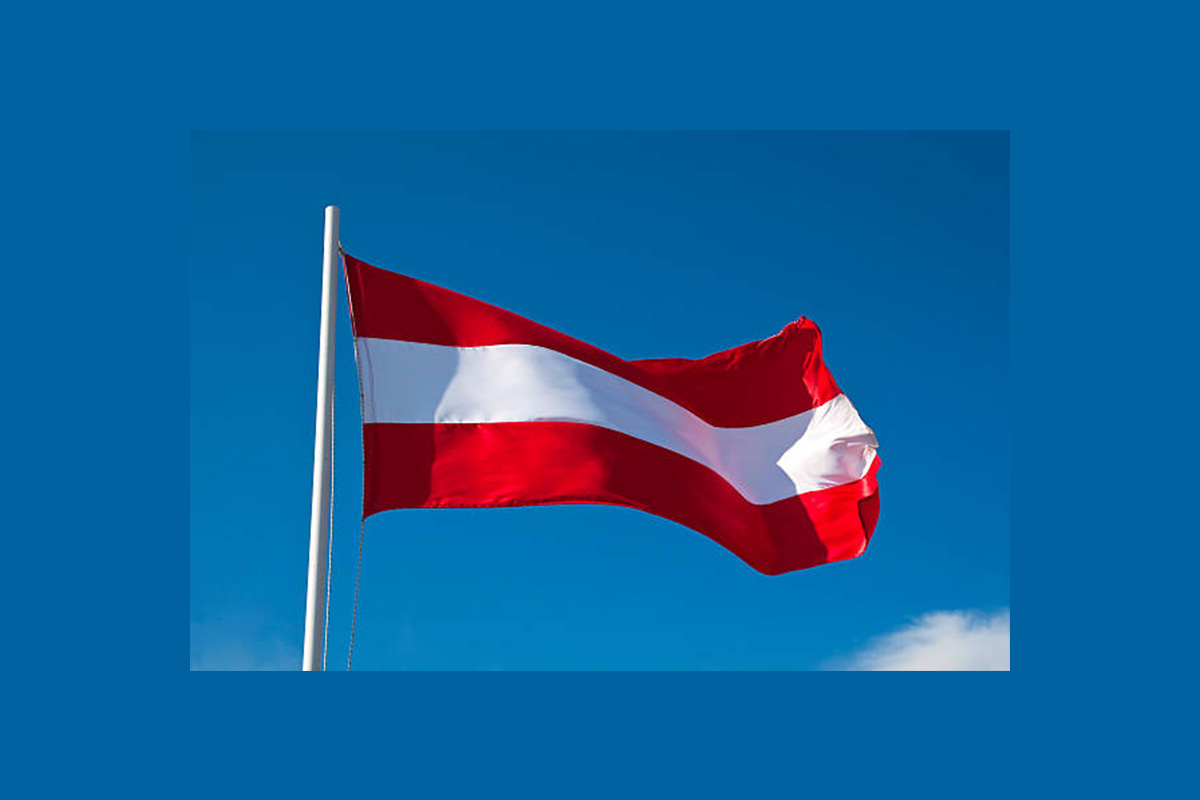
Debate is raging within the Austrian government about whether to impose a cooling off period and freeze ex-grey market operators out of its upcoming open online casino market, with local operators looking to inflict maximum punishment and legal experts arguing that the proposal would be self-defeating.
Austria is on course for an historic opening of its long monopolized online casino market. Currently, only Casinos Austria, via its brand Win2Day, has the approval of the Austrian government to offer online casino games to the general public.
But for many years, that legal status was ignored by operators based largely out of Malta, who populated a vibrant grey market by leaning on the controversial argument that Austria’s monopoly model is in violation of EU law.
These offshore operators were eventually forced to retreat by a series of high profile court rulings that found Austrian consumers have the right to reclaim any and all losses to an operator without an Austrian licence.
Facing potentially hundreds of millions of euros in compensation claims, grey market providers have largely retreated to Malta, where Bill 55 continues to protect them.
With liberalisation now on the horizon, some forces within the Austrian government and the local gambling industry are insistent that companies which took part in the grey market should not be allowed to simply apply for a licence and wipe the slate clean.
Who’s in favour?
Those lobbying the hardest for a cooling off period are Austrian incumbents.
“One day you’re offering illegal services and the next day you get a license – that’s absurd,” a spokesperson for Casinos Austria told the Kronen Zeitung newspaper.
They are joined by German-headquartered gambling giant Novomatic, which operates a number of land-based venues in Austria under the brand Admiral.
Having sat on the sidelines of the online market for many years, Admiral is incensed by the idea that it could be competing on day one of a new market with operators who did not take the same approach.
The three parties that form Austria’s coalition government are still debating the issues, according to reports.
The only major practical example of a true “cooling off” period occured in the Netherlands, where an 18-month prohibition was in place that prevented many companies from entering the market when it opened in 2021.
At the time, Kindred reported that being forced to sit out market launch had cost it $16.2m a month, wiping out effectively 50 percent of the group’s EBITDA.
Kindred, which has since transformed into FDJ United following an acquisition by the French lottery giant, subsequently regained its strong Dutch position following the end of the cooling off window.
Likely to cool
At least one Austrian legal expert believes that there is a good chance that some form of cooling off, or an equivalent punishment, will be enacted as part of the new law.
“At the moment, it is likely that some form of cooling-off period will be introduced, perhaps by introducing sanctions that apply prior to licensing, but the details are yet to be determined,” said Nicholas Aquilina, a partner at Brandl Talos law firm.
“Whether a cooling-off period will be introduced and how restrictive measures will be will have a substantial impact on the success of the long-overdue opening of Austria’s online gambling market,” he added.
The time pressures referenced by Aquilina relate to the expiry of Win2Day’s exclusive licence, which is set to run out in October 2027. The government intends to establish its new online gambling regime well ahead of that date, so that new licences can be issued in time.
Any attempt to extend Win2Day’s monopoly could run into challenges with EU tender laws and the other highly unpalatable option is to leave the nation in limbo with no legal providers at all.
Complications
Despite how the debate has been framed by some parties, the reality will not be as simple as either allowing ex-grey market offenders into the new Austrian online casino marketplace free of consequence or forcing them to spend time in the sin bin.
There is broad political agreement that any international operator looking to obtain a licence in Austria must pay back taxes owed on its former activity in order to be granted approval.
Operators will also need to settle any outstanding player refund claims, something which could cost companies huge sums and may ultimately keep some of them out of the market for good.
There are thought to be thousands of pending refunds, which operators have largely been refusing to pay while they take refuge behind Malta’s Bill 55.
Against that backdrop, lawyers Christian Rapani and Felix Hohenthanner argue that the penalties for returning to Austria will likely be harsh enough.
“A further exclusion of two to three years on top of that would, in our view, work against the reform’s own central objective. The operators currently holding the largest share of Austrian play are exactly the ones a cooling-off period would shut out. If they cannot offer a licensed product for two to three years, their customers, it is highly likely, will not migrate to the licensed providers,” they told EEGaming.
Ultimately, the two lawyers said, the push for a cooling off period is more about protecting the vested interests in Austria’s casino market than an attempt to keep gamblers safe.
“Our impression is that the proposal is supported essentially only by the land-based operators and by the single provider that already holds a licence in Austria, in other words by those who benefit from keeping new entrants out. We therefore see it less as a genuine player-protection measure than as a last attempt to preserve existing market positions,” they said.
The post Austria Could Force Offshore Operators To Sit Out Market Launch appeared first on EE Gaming | Global iGaming & Tech Intelligence Hub.
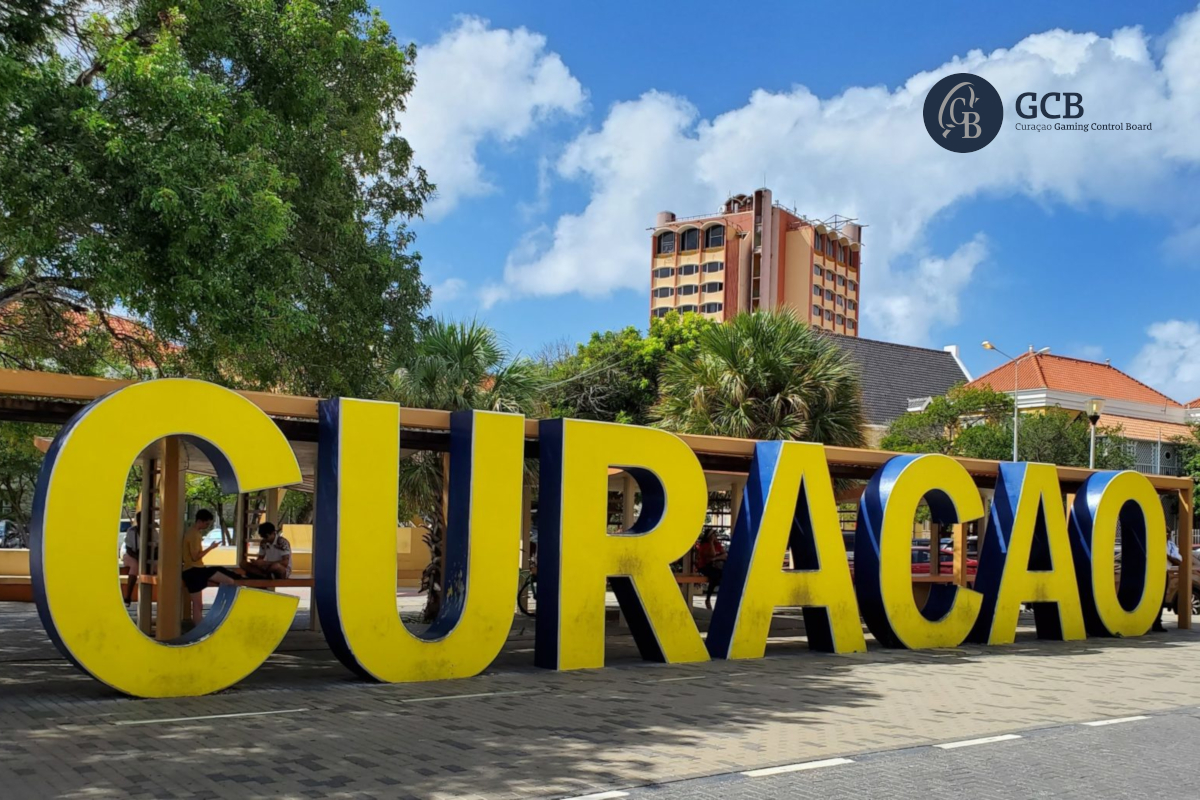
The sprawling tendrils of the player refund drama look to finally have ensnared Curacao, much in the way they have imperilled Malta for the past few years, after a local court ruled that a refund owed to a player in Austria must be paid by an operator based on the Caribbean island.
Experts believe the ruling marks a turning point for Curacao in the long-running player refund saga — the attempts by players to reclaim all of their losses from offshore operators in European grey markets.
Last week, the highest legal authority of the Dutch Caribbean islands — The Joint Court of Justice of Aruba, Curaçao, Sint Maarten, and of Bonaire, St. Eustatius and Saba — found in favour of an Austrian gambler.
The individual had originally won their case back in 2023, when an Austrian court ruled that she was entitled to all of the €25,518.42 lost to Raging Rhino N.V., which operates the brand LuckyDays.
This ruling is just one of thousands that have been issued in Austria and Germany over the past five years, with hundreds of millions of euros in refunds either already paid out via judgements and settlements or, more likely, blocked by gambling-friendly jurisdictions.
For the most part, this wave of pro-player judgements has created issues for Malta, where a larger number of current and former grey market gambling providers are headquartered.
That ultimately led to the infamous Bill 55, a piece of legislation which empowers judges in Malta to block rulings from foreign courts against local gambling companies, on the grounds that permitting the refunds to go ahead would violate the country’s public order.
Bill 55 remains highly controversial and is coming under sustained pressure from a series of cases currently being heard before the Court of Justice of the European Union (CJEU).
Order maintained
Curacao has also traditionally offered a friendly environment for online gambling operators, albeit with a considerably more tarnished reputation than Malta.
So it has come as a surprise to many observers that judges in the Raging Rhino case have ultimately sided with lawyers attempting to transfer a refund judgement from Austria.
According to reports in the Curacao Chronicle, Raging Rhino attempted to match the Maltese defense, arguing that allowing the refund to go through would violate Curacao’s public order
Judges also refused to allow the gambling company to re-litigate the case in any way, asserting that their task was simply establishing whether the foreign judgment could be safely recognised in Curacao.
Raging Rhino were also ordered to pay €2,286.72 in legal costs, the Chronicle said.
A tipping point
Although the volume of cash involved in this case is relatively minor, it represents the tip of a potentially vast iceberg that could cost operators in Curacao huge sums.
Lawyers and litigating funding companies have spent years finding potential clients and buying up claims from anyone who gambled in Austria and Germany with an operator without a local licence.
That includes plenty of gambling companies in Curacao, which has long hosted a bustling offshore gambling community.
Until recently, that sector was almost completely hidden by opaque layers of regulation, however recent reforms on the island have forced operators to apply for new licence and, in so doing, join a public register that displays their status.
According to that register, Raging Rhino’s Curacao licence expired on March 26, but it has an application which is currently being assessed.
Although this new era of transparency remains the target of criticism, last week’s ruling demonstrates that forcing companies out into the open is also opening them up to greater legal risk.
The Raging Rhino judgement is blood in the water for the many legal teams and litigating funding firms that have hundreds, if not thousands, of player refund cases on their books.
With major support from Malta, lawyers representing gambling companies have been fairly successful in protecting their clients, following an initial wave of settlements.
Although the tide may be gradually turning against the industry, thanks to the CJEU, pro-industry lawyers still believe that player lawyers who have spent considerable sums acquiring claims are desperate to find ways to generate income while they remain stymied by Bill 55.
A weak point in the armour of Curacao operators, who have for so long resisted any international enforcement, is likely to spur a flurry of new claims and attempts to have judgments transferred from Germany and Austria.
At least one expert in online gambling law believes that this judgment will effectively end all operations in Germany and Austria for Curacao-based companies.
This would mirror the experience of Malta, which saw its local operators pushed out of Austria by the threat of refund judgments.
Maltese firms that chose not to apply for an online slots or betting licence have also exited Germany.
With judges having established a precedent that European refund judgments can be transferred to Malta, a wave of similar cases is sure to follow, raising serious questions about the status of Curacao as a haven for the offshore online gambling industry.
The post Landmark Player Refund Ruling Threatens Curacao appeared first on Eastern European Gaming | Global iGaming & Tech Intelligence Hub.
Wazdan has continued its European growth strategy by entering the Austrian iGaming market through a new partnership with win2day, the country’s only licensed online casino operator. The move represents a significant milestone for the developer as it strengthens its footprint in regulated markets across the region.
The agreement will see a selection of Wazdan’s most recognisable titles made available to Austrian players, including 9 Coins , Hot Slot: 777 Cash Out, and Mighty Wild: Panther. These initial releases mark the beginning of a broader rollout strategy aimed at steadily expanding the studio’s presence on the platform.
Gradual Rollout Strategy
Following the initial launch, Wazdan plans to introduce one new title each month to the win2day portfolio. This phased approach allows the operator to continuously refresh its offering while ensuring each addition aligns with player preferences and market demand.
By focusing on quality over volume, the partnership is designed to enhance player engagement through carefully selected content that combines strong visual appeal with innovative gameplay mechanics.
Bringing Signature Features to Austria
In addition to its established titles, Wazdan will introduce Austrian players to its suite of proprietary features that have become central to its brand identity. These include Hold the Jackpot, Cash Infinity, Collect to Infinity, Sticky to Infinity, and Cash Out.
These mechanics are designed to increase player interaction and extend gameplay sessions by adding dynamic elements and customizable experiences. As operators increasingly seek differentiated content, such features play a key role in enhancing retention and overall player satisfaction.
Partnering with a Trusted Operator
win2day is operated by Austrian Lotteries, a long-established organization with more than four decades of experience in the market. As the sole licensed online casino operator in Austria, win2day holds a unique position, combining strict regulatory compliance with a strong reputation for responsible gaming.
The collaboration brings together Wazdan’s expertise in game development with win2day’s established market presence, creating a partnership focused on delivering high-quality and secure entertainment to players.
Andrzej Hyla, Chief Commercial Officer at Wazdan, said:
“Entering the Austrian market with win2day is a significant milestone for Wazdan and a rewarding step in our continued European expansion. Partnering with a trusted, long-established operator allows us to deliver the quality user experience we are known for to a new audience.”
Georg Wawer, Managing Director of win2day, added:
“As Austria’s only licensed online gaming operator, we are committed to offering a carefully curated portfolio of high-quality games. Partnering with Wazdan allows us to combine engaging gameplay with the highest levels of safety and responsibility.”
Strengthening Regulated Market Presence
As the European iGaming landscape continues to evolve, expansion into regulated jurisdictions remains a key priority for leading developers. Wazdan’s entry into Austria highlights its commitment to sustainable growth through strategic partnerships and compliance-driven market entry.
By aligning with a trusted operator and delivering proven content alongside innovative features, Wazdan is well-positioned to establish a strong presence in the Austrian market.
The post Wazdan strengthens European foothold with Austrian market entry via win2day appeared first on Eastern European Gaming | Global iGaming & Tech Intelligence Hub.

-

 Bragg Gaming Group6 days ago
Massive Gaming launches Blitzcrown titles on Superbet Brazil via Bragg Hub
-
Compliance6 days ago
HIPTHER Launches HALLO: The Standard in Compliance Expertise
-
Alex Cuoci6 days ago
Wealthsimple and Kalshi Partner to Bring Prediction Markets to Canada
-
7Games6 days ago
7Games, Betão & R7 Launch FIRST.bet Sportsbook in Brazil
-
Compliance Updates6 days ago
HIPTHER Launches HALLO: The Standard in Compliance Expertise
-
Bonusetu.com5 days ago
Finland Sets Casino Gambling Risk Limits at 2% of Income, 4 Days, 2 Game Types
-
30-0 Kongeserien5 days ago
Kongebonus launches 30-0 Kongeserien Eliteserien fantasy draft game
-
Channelisation6 days ago
Swedish Gambling Authority consults tighter duty of care rules as channelisation slips