Kiron Interactive
Kiron Interactive names Rob Peché as Global Head of Sales

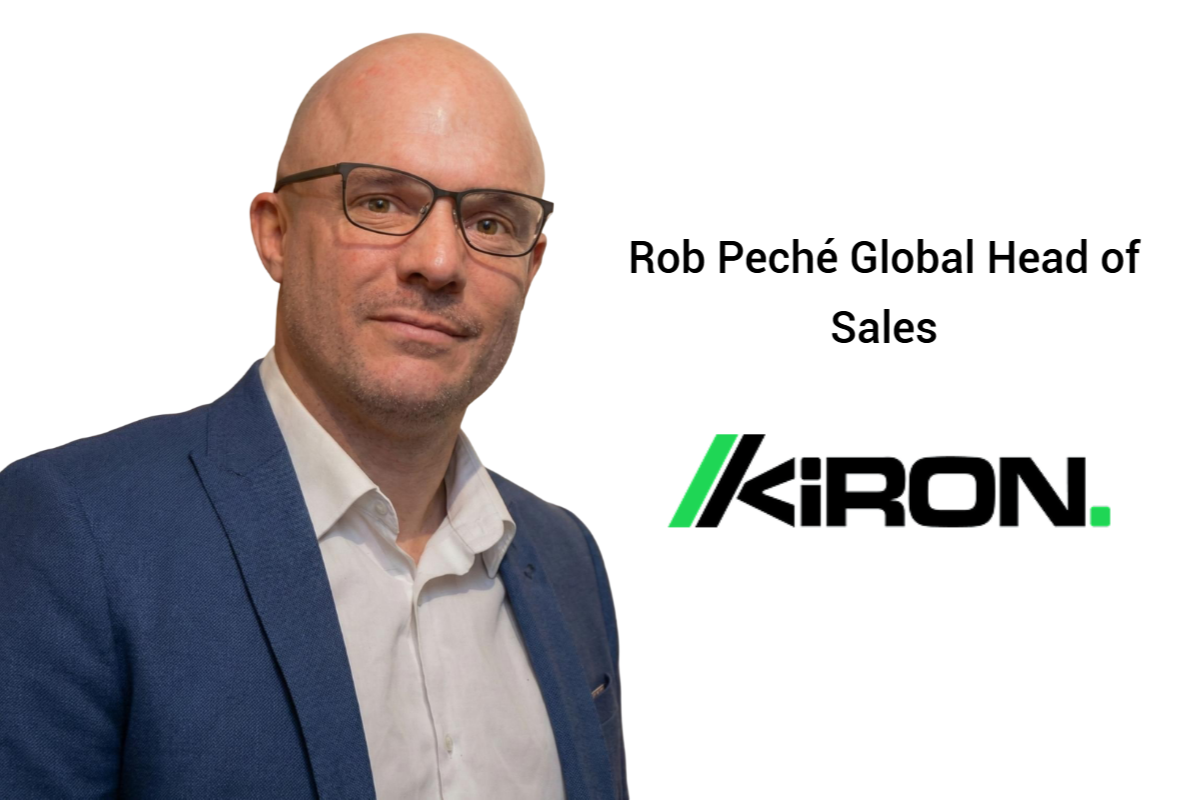
Kiron Interactive has named Rob Peché as Global Head of Sales.
Rob has a stellar track record of over 20 years in the industry, having held senior commercial roles with some of the industry’s most respected names including Evolution, Sportradar, OKTO, SG Gaming, William Hill and Gala Coral.
As Global Head of Sales at Kiron Interactive, Rob will be responsible the company’s continued global expansion into new markets as well as further consolidating its position in existing markets. Under his leadership Kiron plans to accelerate is expansion into regulated markets where it has secured licences to operate in. Rob will report directly to Co-CEO, Steven Spartinos.
Steven Spartinos at Kiron Interactive, said: “I’d like to give a warm welcome to Rob, who joins the Kiron team as Global Head of Sales. Rob is a distinguished and experienced commercial executive, and joins Kiron at a pivotal moment for the business as we continue to strengthen our position in key markets.
“After an extensive search, Rob was a clear front runner for the job, and I am excited to bring him on board to drive our ambitious growth expansion plans during the current year and thereafter.”
Rob Peché, Global Head of Sales at Kiron Interactive, added: “Kiron has built a reputation for high quality content that players trust and operators rely on. I am joining at a point where virtual sports continue to justify their place as a must have element in every successful content portfolio. My focus is simple. Strengthen our existing partnerships, open the right new doors, and make sure Kiron continues to set the benchmark for quality, reliability, and relevance across regulated markets.”
The post Kiron Interactive names Rob Peché as Global Head of Sales appeared first on Eastern European Gaming | Global iGaming & Tech Intelligence Hub.











Looking beyond Brazil, which LatAm market stands out most right now, and what makes it attractive?
Liam Hoofe, Content Strategist at GameOn
Based on our research for GO Intel, I think Chile is the market to watch out for the most. The size of the opportunity is potentially massive, with the Chilean Senate’s own figures estimating that more than 5 million Chileans are already gambling online.
The demand is definitely there, and broader discussions about a regulatory framework are underway. Our estimates in GO Intel also put channelisation rates at 80% if enforcement and regulation ran smoothly.
The proposed ‘cooling-off’ period for operators already active there is also quite a unique approach, and it will benefit those who approach the market with the right foundations in place.
Of course, as we’ve seen with Brazil, there will no doubt be a lot of public debate around the market, and the tax structure could be complex, but of the three we researched, this one still stands out the most.
Paulina Hovar, Lead Sales Manager LATAM at BGaming
Right now, Mexico and Argentina stand out the most to me.
Mexico has been showing steady growth for a while now. It’s already a fairly mature market with strong operator presence, but there’s still plenty of room to scale. At the same time, one of the main things to watch is the tax situation and how regulation may develop in the future, since that could impact profitability and market dynamics.
Argentina is interesting for a different reason. The market is regulated at the provincial level, so it’s much more decentralized. That creates opportunities because entry can be more flexible, but it also means you need to understand the local landscape and choose partners and regions carefully.
Ramiro Atucha, Board Advisor to Kiron Interactive
Mexico stands out. The size of the market alone makes it attractive, and the current regulation is already acceptable enough for public companies to feel comfortable operating there. It’s also moving toward a more formal framework, so there’s still margin to grow. Beyond Mexico, I’d point to Chile, certain provinces in Argentina, and Colombia. All three have their own dynamics, but they’re markets you can’t ignore right now.
When entering markets that are still evolving from a regulatory perspective, what’s the right balance between moving early and waiting for clarity?
Liam Hoofe, Content Strategist at GameOn
That’s the million-dollar question, and it’s one I’m not sure there is a 100% correct answer to. For me, it’s about building relationships, ensuring you have the right infrastructure in place, and understanding a market before you invest.
Operators and studios that just enter with no understanding of the culture and of the way the regulatory landscape could adapt are putting themselves at risk of failing.
Trying to remain one step ahead of regulation and working alongside the regulators to help the market mature is always going to be a much better approach than just waiting for regulation to come into place and being reactive.
Paulina Hovar, Lead Sales Manager LATAM at BGaming
It depends on how mature the market is.
If the regulatory framework is already clear and established, then the best approach is to operate fully within the licensed model from day one.
But in markets that are still in a gray or transitional stage, where operators are already active, it can make sense to take a more gradual approach. That could mean building partnerships, adapting the product to local needs, and preparing for future regulation before fully committing.
You also have to be very careful about legal and reputational risks. Every market is different, so timing and level of involvement should be assessed on a case-by-case basis.
Ramiro Atucha, Board Advisor to Kiron Interactive
As early as possible, as long as it isn’t illegal or forbidden. That’s the right moment to enter and transition through the regulatory process. Brazil is the clearest example. Sports betting was legalized in 2018, but the full regulatory framework only came in late 2023, with licensed operations starting in 2025. The operators that used those years to attract players, test the market and build name recognition without breaking the law made a real difference. By the time regulation arrived, they were already established.
As markets like Chile, Peru, and Uruguay develop, what will separate the brands that succeed from those that struggle?
Liam Hoofe, Content Strategist at GameOn
The biggest differentiator for me is localisation, and by that, I mean real localisation, not just translating a game into Spanish and calling it a day. This means actually creating products and promotions that speak to local audiences. LatAm is not just some big monolithic market with a one-size-fits-all solution – brands that succeed there are the ones that understand this. The ones who know that a player in Chile is not the same as one in Uruguay or Brazil are going to be the big winners.
On top of that, working closely with regulators and showing genuine concern for players’ well-being in these markets will make a huge difference. It’s not enough anymore to just display simple responsible gambling tools; players want to see it in your actions, and it’s obvious to them which brands really care and which are just ticking boxes.
And finally, local partnerships. Some of the most successful companies we work with are those that really integrate themselves and find local partners that offer genuine insight into communities, and can be leveraged to build trust. This can be achieved in a number of different ways, whether it’s through working with local content creators and influencers or getting involved with local charities and events.
Paulina Hovar, Lead Sales Manager LATAM at BGaming
As markets like Chile, Peru, and Uruguay continue to develop, the following three factors will set successful brands apart from the rest.
First, strong local partnerships. Without people on the ground and a real understanding of how each market works, it’s very difficult to build a sustainable position.
Second, product adaptation. Translation alone is never enough. Companies need proper localization that reflects user behavior, cultural differences, and local audience preferences.
And third, regulatory readiness. The companies that invest early in certification, compliance, and building the right processes will have a major advantage later on. It’s expensive and takes time, but in regulated markets, long-term preparation usually makes the difference between short-term growth and lasting success.
Ramiro Atucha, Board Advisor to Kiron Interactive
Brands that bring international experience and proven competitiveness from other markets, combined with genuine local understanding, will get the best of both worlds. The international background gives you credibility and product depth. The local presence gives you a product that’s actually adapted to how players in that country behave. Neither side works on its own. In Chile, Peru, and Uruguay, the operators who get this combination right are the ones who’ll separate from the pack.
The post LatAm: Beyond Brazil – Chile, Uruguay and Peru’s Regulatory Trajectories appeared first on Americas iGaming & Sports Betting News.
The football-themed virtual sports title is built on Kiron’s GOAL Premier engine and adds new betting markets to MaxBet’s Serbia offering.
Kiron Interactive has launched its Fans World Cup virtual football game with MaxBet Serbia, expanding its footprint in the country’s regulated market.
The title is built on Kiron’s GOAL Premier engine and features short-format virtual matches themed around international football. Kiron said the product includes broadcast-style visuals and a range of betting markets.
Steven Spartinos, Co-CEO of Kiron Interactive, said: “Football continues to be the most popular sport across Europe, and Fans World Cup was developed to capture the passion and excitement of the World Cup currently taking place in the USA. We are delighted to see the game launch with MaxBet Serbia, a valued partner that shares our commitment to delivering high quality entertainment . This launch represents another important step in expanding the reach of our proprietary games portfolio across key regulated markets.”
Zeljka Jevic, Virtual Games Manager at MaxBet added: “We are always looking for innovative content that resonates with our players and strengthens our offering. Fans World Cup delivers a fresh take on virtual football, combining high quality visuals and a format that reflects the excitement of the international competition. This launch reinforces our successful partnership with Kiron and our shared commitment to delivering premium entertainment experiences to our players.”
Kiron said Fans World Cup offers football betting markets including full time result, correct score, goalscorers and card outcomes. The supplier framed the MaxBet rollout as part of its wider strategy to grow distribution of proprietary virtual sports content through operator partnerships in regulated markets.
The post Kiron Interactive rolls out Fans World Cup with MaxBet Serbia appeared first on EE Gaming | Global iGaming & Tech Intelligence Hub.
Kiron Interactive has launched its Kiron.Lite Virtual League with MojaBet brands across the Democratic Republic of Congo, Senegal, Zambia and Nigeria. The rollout also includes Ghana via Keedbet and Benin via LNB Pari.
Kiron said Kiron.Lite is built for mobile-first and low-bandwidth environments, aiming to maintain performance across varying network conditions. The company positioned the deployment as a response to operator demand for content that can reach more players without impacting gameplay.
Steven Spartinos, Co-CEO of Kiron Interactive, said: “The expansion of Kiron.Lite with MojaBet is an important step in making virtual sports content more accessible across diverse African markets. In many regions, players are engaging primarily through mobile devices and often within bandwidth constrained environments. Kiron.Lite was developed specifically to address those realities, delivering a high quality virtual sports experience with significantly reduced data requirements. This launch reflects our continued focus on creating products that are commercially effective for operators while remaining accessible and relevant to local player behaviours.”
Aris Filippopoulos for MojaBet added: “Kiron.Lite Virtual League aligns strongly with the needs of our player base across multiple African markets. The product delivers an engaging football entertainment experience while supporting the mobile first environments that are increasingly defining player interaction today.”
The post Kiron rolls out Kiron.Lite Virtual League with MojaBet brands across six African markets appeared first on Eastern European Gaming | Global iGaming & Tech Intelligence Hub.

-

 Australia7 days ago
Former Star Entertainment Executives Mathias Bekier and Paula Martin Disqualified and Ordered to Pay Penalties
-
Alejandra Burato7 days ago
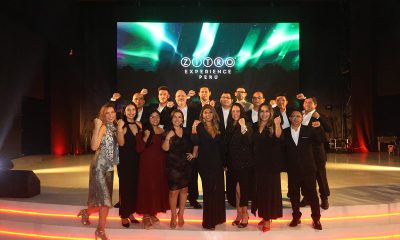
Record Attendance, Exciting New Releases, and a Resounding Success: This was Zitro Experience Peru
-
Amusnet7 days ago
Weekend Reels | Week 25: Slot Drops & Trends
-
ArenaPlus7 days ago
DigiPlus Wins “Digital Operator of the Year” Award at 2026 Global Gaming Awards Asia-Pacific
-
Anthony Dalla-Giacoma7 days ago
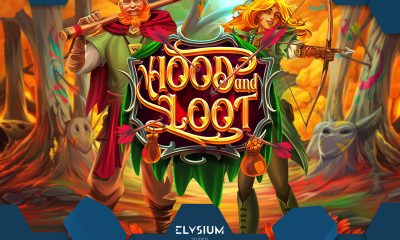
Elysium Studios Releases its Latest Slot Game “Hood and Loot”
-
Greece7 days ago
SYNOT Games Announces New Partnership with Superbet
-
Bragg Gaming Group4 days ago
Massive Gaming launches Blitzcrown titles on Superbet Brazil via Bragg Hub
-
Compliance4 days ago
HIPTHER Launches HALLO: The Standard in Compliance Expertise