Brazil
Delasport Launches First Partnership in Brazil


Delasport, a global leader in sportsbook and iGaming solutions, launched its first official partnership in Brazil. With this key step, Delasport is expanding its global presence and advancing the Brazilian sports betting landscape with its highly innovative technology and comprehensive player engagement tools.
Following the recent regulatory advancements in Brazil’s gaming sector, Delasport has successfully obtained the necessary certifications to operate in the country. The company’s entry into this high-potential market aligns with its global strategy to provide world-class betting experiences in regulated markets worldwide.
“Brazil represents a key milestone in our global expansion strategy, and we are happy to launch with the first partner and another one on the way, this time with our full solution,” said Unai Concha, Senior Business Director at Delasport. “We are thrilled to bring our premium sportsbook and iGaming solutions to Brazilian operators, empowering them with the best technology available in the industry today.”
Delasport’s offerings in Brazil include:
- A fully managed localized sportsbook platform that is full of innovative features tuned to elevate players’ betting experience
- AI-driven personalization and engagement tools to optimize player retention
- Advanced risk management and fraud prevention solutions
Brazil’s regulated sports betting market is expected to experience rapid growth, and Delasport is committed to ensuring a seamless and responsible betting experience for operators and players alike. By leveraging its expertise and innovative solutions, the award-winning B2B supplier aims to play a pivotal role in shaping the future of online gaming in Brazil.
The post Delasport Launches First Partnership in Brazil appeared first on Gaming and Gambling Industry in the Americas.

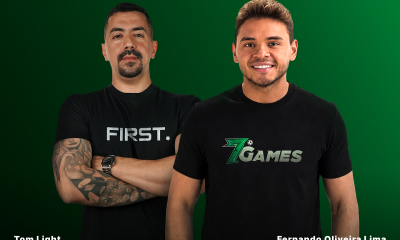

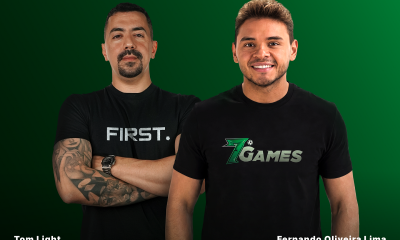









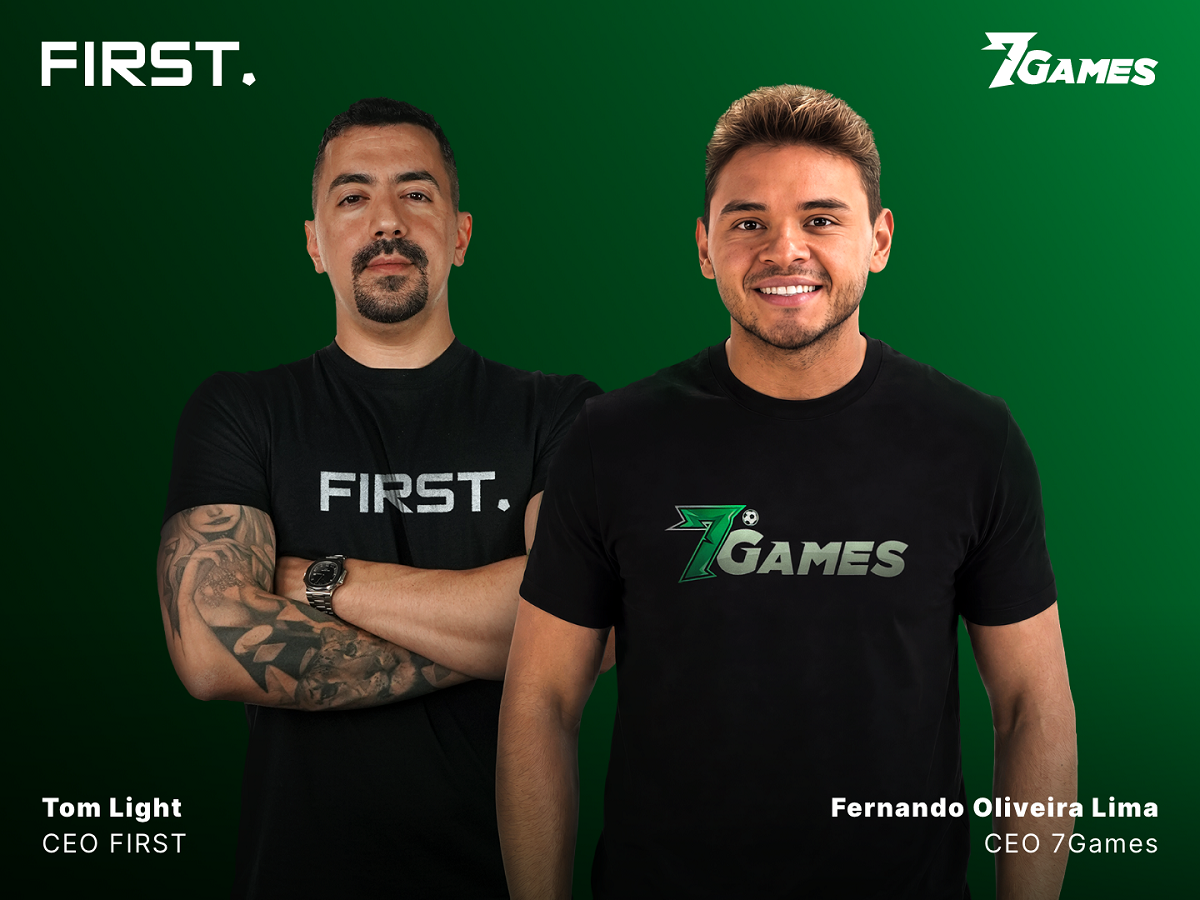
7Games partners with FIRST.bet to deliver Tier-1 sportsbook technology to one of Brazil’s largest casino operators.
7Games, Betão, and R7—brands managed by OIG Gaming Brazil Ltda. and recognized as key players in Brazil’s casino-led betting market—have launched a comprehensive sportsbook platform powered by FIRST.bet’s leading Tier-1 technology.
As one of Brazil’s most prominent casino operators, OIG Gaming Brazil Ltda. opted for FIRST.bet to seamlessly expand its reach into the sports betting sector across its trio of brands. This partnership underscores the scalability and robustness of FIRST.bet, demonstrating its capacity to support large-scale, multi-brand ecosystems in the competitive Brazilian market.
Leveraging FIRST.bet’s SportOS operating system, 7Games developed a customized sportsbook front end tailored to its unique branding and user experience. While players interact with a platform fully reflective of 7Games’ identity—from design to functionality—the underlying engine driving trading, pricing, live markets, and overall performance is powered by FIRST.bet.
As a casino-first operator venturing into sports betting, 7Games required a sportsbook solution aligning directly with the nuances of the Brazilian market. FIRST.bet delivered exactly that: a product optimized for Brazil, complete with Brazilian-Portuguese language capabilities, odds models tailored for national leagues, and high-performance live betting, trading, and risk management systems to meet the demands of a competitive scale.
“Brazil isn’t a market where you can afford slow growth—your product must hit the ground running,” explained Fernando Oliveira Lima, Founder and CEO of 7Games. “FIRST.bet provided us with a solution already optimized for this market, allowing us to concentrate on serving our players rather than troubleshooting underlying technology.”
Echoing this sentiment, Tom Light, Founder and CEO of FIRST.bet, added, “Success in Brazil hinges on getting the product right from day one. Operators who fail to meet those expectations are quickly left behind. With 7Games already commanding significant casino traffic, they now have a sportsbook designed to handle that scale. It’s their unique brand experience backed by an engine built for top-tier performance, which is exactly why we developed SportOS.”
The post FIRST.bet Launches Sportsbook with Brazil’s Biggest Online Casino Operator appeared first on EE Gaming | Global iGaming & Tech Intelligence Hub.
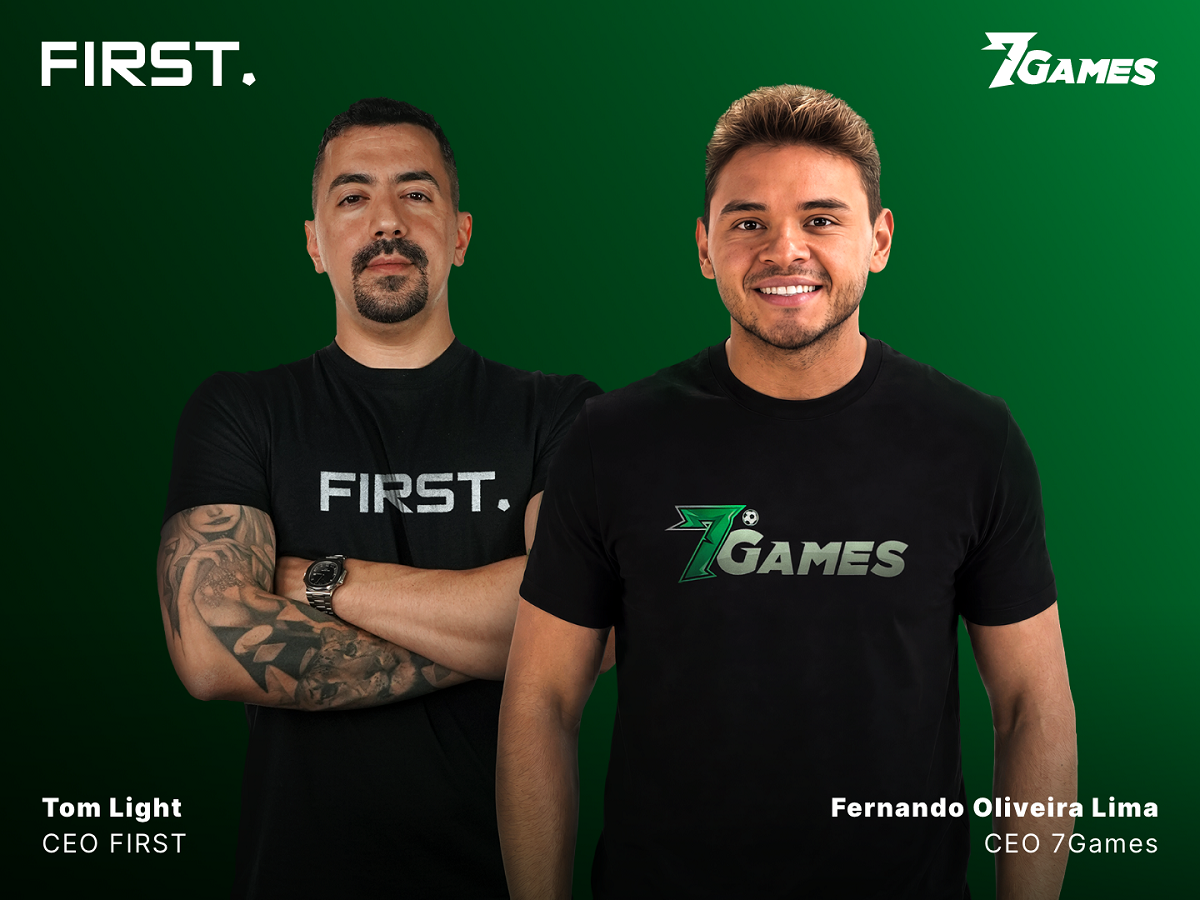
7Games selects FIRST.bet to bring Tier-1 sportsbook technology to one of the biggest casino operators in Brazil.
7Games, Betão and R7, three brands operated by OIG Gaming Brazil Ltda. and among Brazil’s largest casino-led betting brands, have gone live with a full sportsbook powered by Tier-1 technology from FIRST.bet.
Already among Brazil’s biggest casino operators, OIG chose FIRST.bet to power the move into sports across all three brands, proving the engine reaches Brazil-scale operators running multiple brands at once.
7Games built its own sportsbook front end on SportOS, the FIRST.bet operating system, with the FIRST.bet engine running underneath. Players see a sportsbook that is entirely 7Games, its brand, its design, its experience, while the trading, pricing, live markets and performance come from FIRST.bet.
7Games is a casino-led brand moving into sports, so it needed a sportsbook that already fits Brazil, not one it would have to adapt. FIRST.bet ships that out of the box: a Brazilian-Portuguese product, odds models tuned to the Brazilian leagues, and the live betting, trading and risk management needed to compete at national scale.
“Brazil is not a market you can grow into slowly. The product has to work from day one,” said Fernando Oliveira Lima, Founder and CEO of 7Games. “FIRST.bet gave us a sportsbook that already fits this market, so we could focus on our players instead of fixing the technology underneath them.”
“Brazil rewards operators who get the product right and punishes the ones who don’t,” said Tom Light, Founder and CEO of FIRST.bet. “7Games already commands serious traffic on the casino side. Now they have a sportsbook built to hold up under that kind of pressure, on their own front-end, running on our engine. That is exactly what SportOS was built for.”
The post 7Games, Betão & R7 Launch FIRST.bet Sportsbook in Brazil appeared first on Americas iGaming & Sports Betting News.
18th Federal Civil Court of the Federal District blocks enforcement of Brazilian registration No. 501759803 after action by Aviator Studio Brazil.
A Federal Court in Brazil has ordered the suspension of Spribe’s trademark registration for “Aviator,” preventing the company from relying on exclusivity rights tied to Brazilian trademark registration No. 501759803 until a final judgment is issued.
The decision was issued by the 18th Federal Civil Court of the Federal District, following legal action brought by Aviator Studio Brazil. Aviator Studio said the court recognized the strength of its claims on the grounds of invalidation of Spribe’s trademarks.
According to Aviator Studio, the case centers on evidence that the Aviator trademark was created and used years before Spribe obtained trademark protection in Brazil. The company said the court acknowledged evidence that the Aviator brand originated in Georgia in 2016 and was formally registered there in 2018.
The court also took note of prior judicial decisions in Georgia that, according to Aviator Studio, invalidated Spribe’s registration of the Aviator trademark and confirmed the rights of the original trademark owner.
“This decision represents an important step in protecting the Aviator brand and enforcing intellectual property rights internationally. In practical terms, this means that, until the final resolution of the Spribe’s trademark invalidation proceedings, Spribe will no longer be able to continue it’s disruptive practices against operators, including sending threatening letters or initiating legal actions related to the use of Aviator Studio’s trademark.” comments George Pruidze, CEO of Aviator Studio. “We remain committed to defending the integrity of the Aviator brand and ensuring that its legitimate ownership is recognized across all jurisdictions.”
The post Brazil federal court suspends Spribe’s Aviator trademark rights pending final ruling appeared first on EE Gaming | Global iGaming & Tech Intelligence Hub.

-

 América Latina6 days ago
Las diferencias locales de Argentina representan tanto un desafío como una oportunidad para el sector del iGaming
-
Latest News6 days ago
Connect with N1 Partners at G Gate Conf 2026
-
Gmonitor.ai5 days ago
Gmonitor llega a Latinoamérica: la plataforma de inteligencia de mercado para operadores debuta en seis mercados regulados
-
 Latest News5 days ago
Sportradar Report | World Cup 2026: Opportunities for the Latin American Sports Betting Market
-
game-launch6 days ago
Million Games launches East West Wild slot with progressive multipliers
-
Africa6 days ago
Booming Games signs content deal with World Sports Betting in South Africa
-
eSports6 days ago
G2 partners with PUBG MOBILE Esports to scale Western Europe competition
-
AI6 days ago
Veikkaus rolls out OpenBet’s Neccton responsible gambling platform ahead of 2027 reform