Latest News
Extendy. How much does it cost to operate an online casino?


When thinking about launching their own online casino, many arbitrageurs consider a white label solution as the best option. With so many platforms on the market to choose from, it’s no wonder that many may feel deterred by all the work involved. Fully-fledged, high-level operations are offered only by a few white label casinos. What’s more, attempting to launch an online casino by one’s self essentially involves building a new business from scratch with all the risks and pitfalls that accompany it.
In this article, we will discuss all that goes into launching and operating an online casino based on one of our experience, the main departments and tasks involved, the number of employees needed at the start, and the costs involved in employing teams of iGaming professionals.

Payment Processing / PSP
Deals with player payment processing – from connecting payment methods to quickly resolving issues with deposits.
While part of the team monitors deposit drops, the other works ‘on the front line’ 24/7. This involves handling all player requests, and financial reconciliation. The Payment Processing department also ensures the necessary number of payment methods and their proper functioning: searching by GEO, signing, testing, integration, routing (switching payment methods), and communicating with payment account managers.
Included in the tasks of the Payment Processing team are helping to avoid signing unreliable payment methods, ensuring quick onboarding and annual payment method verification, quickly resolving deposit issues, and thus avoiding additional chargeback fees.
The department includes monitoring managers, inbound request handlers, business developers, lawyers, account managers, and technical specialists. To set up a PSP team would require at least 5 employees, with the cost of the team starting from €9000 depending on the location.
Payments, Risk & Fraud
Handles KYC, regulates payments, conducts checks when necessary, and identifies and combats fraud. While the team primarily uses automated solutions in their daily tasks, a significant part of the daily work is performed by employees.
Payment verification is carried out in several stages. Identifying fraud sometimes resembles detective work – one needs to study the overall behavior of different groups of players and look for patterns. Fraud is constantly evolving which also means employees in this department will be continuously analyzing, adjusting and tweaking processes to prevent fraudulent clients from returning, and to prevent various risks, including license complaints.
The department’s work affects direct potential losses from fraud, which can be quite substantial. A few months back, thanks to the quick work of the Payment, Risk and Fraud’s team, we were able to promptly identify and prevent a potential case of abuse of funds which could have cost us several hundred thousands of dollars.
When setting up a Payment, Risk and Fraud team, you could expect small volumes of FTDs (First Time Deposits). This means you can start off with a team of 6 employees which would cost around €9000 a month. Training employees and finding employees who are well-experienced in identifying unusual fraudulent schemes can prove to be particularly difficult, so these aspects should be taken into consideration.
CRM
Responsible for tournaments and gamification, this department’s key functions are player retention and upselling. The functionality can vary depending on which CRM system is used: more advanced solutions allow you to set up more flexible chains of actions and bonuses, quickly connect new GEOs, introduce player missions, and much more. However, such systems require more experienced employees to launch and manage activities for different segments of players, including VIPs.
When setting up your online casino, you could be looking at recruiting three CRM managers for one brand, and, depending on the location and the managers’ experience, the cost could begin at around €8000. Once again, it is important to consider the few experienced specialists on the market which could mean the price could be even higher.

Game Management
Responsible for negotiating with game providers and discussing promotions with game studios. The game management department also handles the placement of games on the casino site while taking the GEO into account. For instance, players in different countries will likely prefer different games. Localisation and dedicating proper prioritization to players will help increase casino revenue.
Specialists with a deep understanding of games and the markets might be hard to come by, and the cost of one manager when setting up a brand could start at around €2000 depending on the location.
Content
Responsible for player communication. This includes explaining tournament rules, drafting marketing material about upcoming tournaments and campaigns, drafting notifications, email newsletters, Gamble Addiction & Anti-Money Laundering policies, payout rules, various terms and conditions, and much more.
Discrepancies in the terms and conditions of ongoing tournaments can lead to thousands of support requests and even more serious consequences such as discrepancies in payout limits indications, followed by player complaints and license revocation.
When launching your content department, each language team can consist of 3 content writers who are native speakers of the language they are writing in, with each team costing around €5000 per month.
BI Analytics
One of the most important departments in an online casino, its main aim is to help the business make the right decisions. BI is critical for marketing, VIP management, CRM, antifraud, payments, and much more. The analytics team processes huge amounts of data from various sources, allowing other departments to monitor important metrics, evaluate efficiency, and optimize work.
Building an effective BI Analytics department can take up to a year and costs start from around €300,000 per year. The main expenses are the employees, software, and hardware. We should point out that investing more in the employees, or choosing rather to invest in the software aspect will have an effect on the level of automation but will not significantly impact the final cost.
While “Ready-made solutions” usually provide access to an analytical solution, there still needs to be someone who will manage it. Therefore, an operational team with high expertise is needed. Its size can vary from 5 to 20 employees depending on the tasks and solutions used. On average, the cost of the team’s work, including software and hardware expenses will be around €25,000 euros per month. An analytics team can start out with three employees, and can cost about €14,000 euros per month.
Support
This is the first point of communication for players, and the quality of the department’s work directly affects player retention and loyalty. Properly written player communication scripts, case resolution algorithms, and team training help with this.
Support agents work 24/7 to help solve various problems encountered by players regarding fund deposits and withdrawals, player and payment verification, and account settings. Customer support agents also explain tournament rules, promotions and campaigns, as well as casino features such as bonuses, missions, etc.
An effective customer support team usually includes between 20 to 70 customer support agents, depending on the level of automation and the GEOs involved. As the number of GEOs grows, finding enough employees with the required language skills and suitable experience can be a challenge. When setting up a customer support team, you need to consider starting out with at least 6 people, and the cost of this team would be around €7000.
Call Center
Partially complements support functions in solving new player problems but also performs other important business tasks, such as reactivation. A properly set up call center could mean a return of up to 20% of players.
Another function of call centers is collecting feedback and passing it onto the product team. For example, optimizing bonuses could result in players receiving more attractive rewards and an increase in deposits for the casino.
A call center department can start off with two employees, and can cost around €3000 per month.
VIP Management
Working with VIP players is key in casino operations, ensuring retention of high-paying clients and revenue growth. VIP managers develop a VIP management strategy and set metrics to classify clients as VIPs, such as average bet size, frequency of play, or deposit amount.
The main principle in working with VIPs is to provide a highly personalized service through creating exclusive promotions and bonuses based on the VIP players’ preferences and actions on the site. Unique bonus calendars need to be developed for each product the client plays: casino, sports, live.
The VIP manager should have a good sense of the player, a desire to solve problems, and have a sense of empathy, as well as be able to upsell bonuses, games, and other offers to the client.
The department also handles objections, resolves complex cases, and legal issues together with lawyers and other departments such as Risk & Fraud.
When starting out, a VIP department can consist of two managers, and should cost around €6000.

Conclusion
When launching an online casino, you’ll be looking at a minimum of 30 professionals and a minimum monthly cost of €63,000. This amount is based on CIS countries and only includes the net salaries of department heads and employees, mainly at mid-level. When hiring on the international market or head-hunting the best industry professionals, you could be looking at double the cost per team, and possibly higher.
Extendy is a white label solution that offers turnkey operations without additional costs for partners. We look forward to discussing the possibilities of launching your online casino brand. Reach out to us by filling in an application on the website if you want to discuss the possibility of cooperation and launching your casino brand with us.
The post Extendy. How much does it cost to operate an online casino? appeared first on European Gaming Industry News.













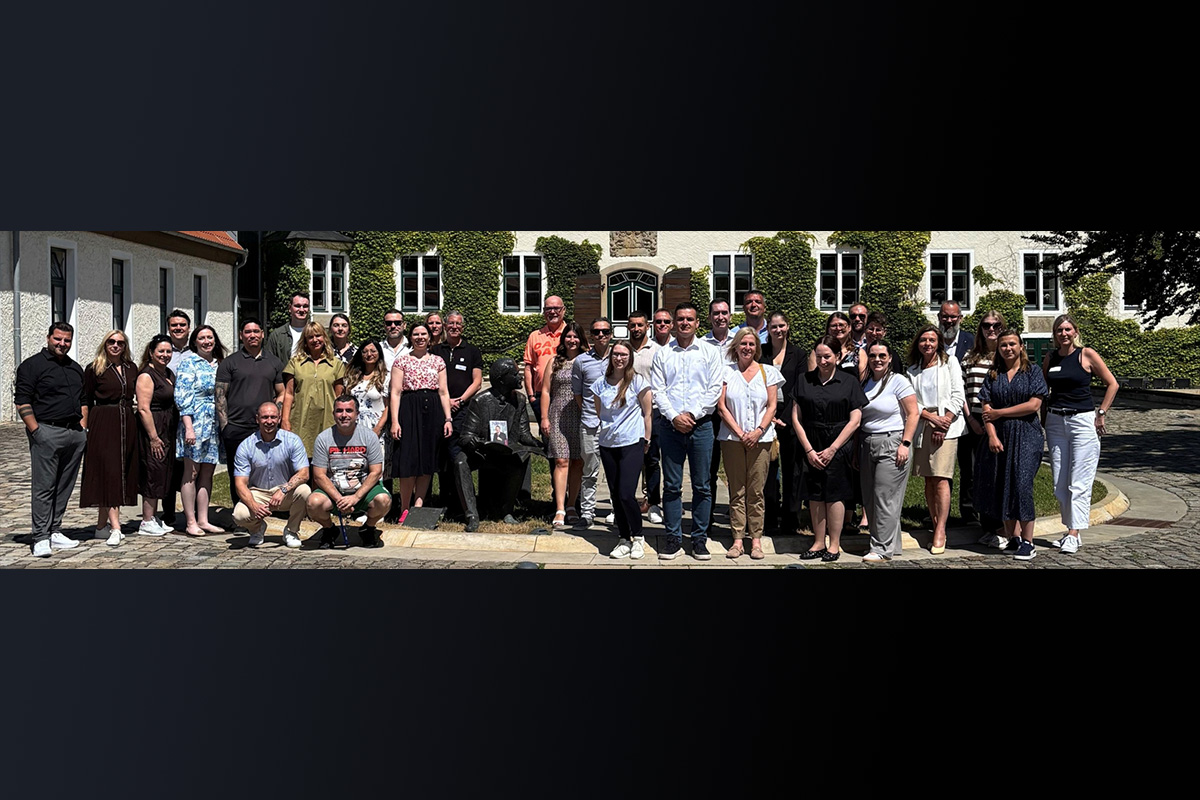
Under the theme “Perspectives,” a total of 43 compliance staff members from the Merkur Group across various countries gathered from 30 June to 1 July to further develop compliance processes in a sustainable manner. Colleagues from Germany, Spain, England, Malta, Australia and the US traveled to the two-day meeting at Benkhausen Castle, the in-house training centre of the Merkur Group. The workshop set the stage with expert presentations on global and digital topics such as cybersecurity, risk management and artificial intelligence. A panel discussion featuring representatives from various international companies within the Merkur Group, as well as a digital quiz, rounded out the programme.
In keeping with its guiding principle, the workshop focused on sharing experiences, fostering global networking and providing impetus for the further development of compliance processes. Because informal exchanges are also key to close cooperation, the evening programme created a relaxed atmosphere and gave participants the opportunity to continue their conversations, make new connections, and further strengthen team spirit across company and national boundaries.
“The ideas and diverse perspectives gained during the workshop will now be incorporated into our day-to-day work and help us to continuously improve collaboration and existing processes,” said Ludwig Beckmann, Chief Compliance Officer of the Merkur Group.
The concluding feedback session also highlighted just how valuable the international exchange is. The term “collaboration” came up particularly often, a clear indication of how highly the participants value working closely together within the international compliance network.
The post Merkur Group Strengthens Global Compliance Strategy appeared first on EE Gaming | Global iGaming & Tech Intelligence Hub.
Anne Marie Caulfield
GRAI Launches New Campaign Helping Parents to Spot the Signs of Underage Gambling
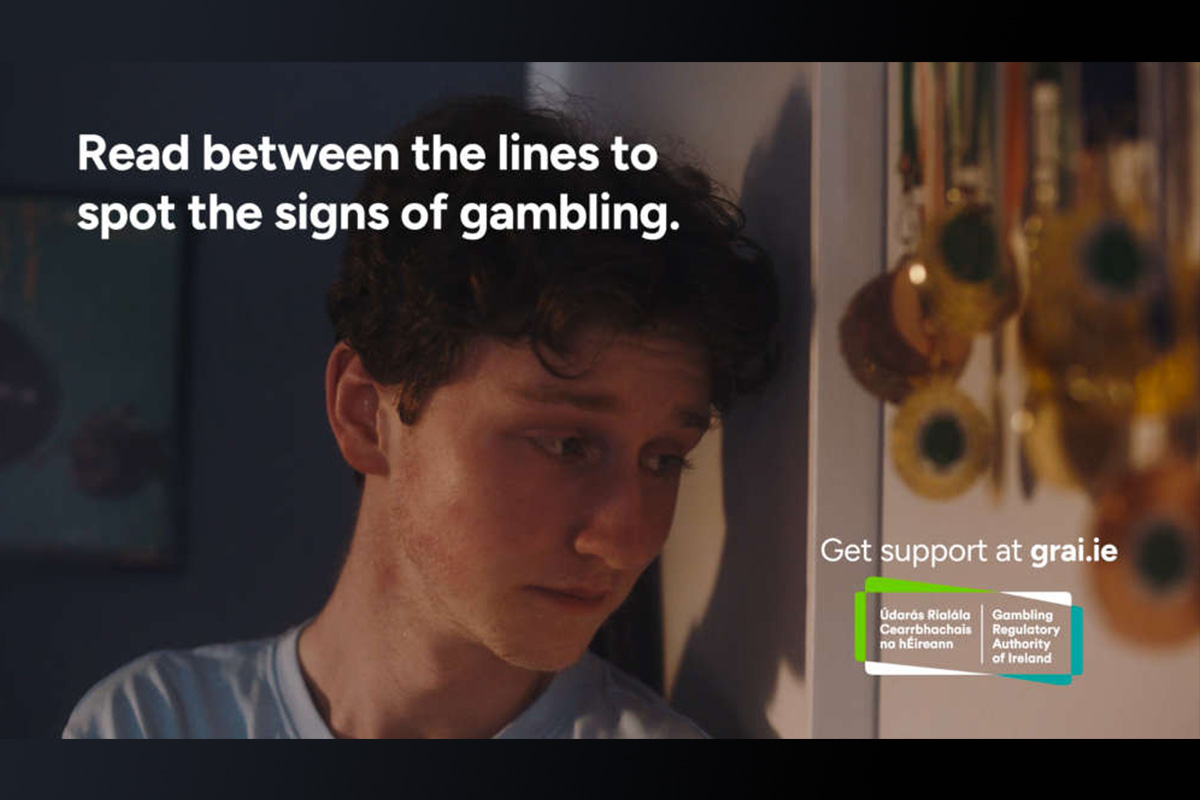
The Gambling Regulatory Authority of Ireland (GRAI) is encouraging parents and guardians to be alert to the signs of gambling among young people and to intervene early to prevent gambling harm.
The signs of gambling aren’t always visible, the GRAI in partnership with the Health Service Executive Addiction Services have developed dedicated advice on www.grai.ie to equip families with the knowledge to recognise the signs, advice on how to start the conversation with their children about gambling, and where to seek help if required.
To support the guidance, the GRAI has launched a national public awareness campaign across video on demand, radio, digital audio, and social media platforms, bringing this message directly to families across Ireland.
With the lines between entertainment and gambling increasingly blurred, especially online, what may look like harmless fun can still involve risk, money and chance in ways that affect young developing brains. Research commissioned by the GRAI and conducted by the Economic and Social Research Institute (ESRI) found that children who gamble are twice as likely to develop a gambling problem as adults.
Anne Marie Caulfield, CEO of the GRAI said: “We have launched this campaign to help parents start an important conversation about the risks of underage gambling. Children and young people are among the most at-risk members of Irish society when it comes to gambling exposure and harm. Children’s brains are still developing the judgement and impulse-control systems used to weigh up risk, which makes gambling appealing to them.
“With online gambling available at any time of the day, it is easy for the warning signs to be hidden. The guidance the GRAI developed with the HSE Addiction Services sets out some of the key behavioural signs to look out for in your child.”
The post GRAI Launches New Campaign Helping Parents to Spot the Signs of Underage Gambling appeared first on EE Gaming | Global iGaming & Tech Intelligence Hub.

Amusnet has launched VIP LIVE Roulette, a new addition to its Live Casino portfolio, offering a premium European roulette experience designed for players who prefer higher stakes, greater comfort and a sophisticated gaming environment.
Created for those who appreciate a more considered approach to live roulette, VIP LIVE Roulette combines elegant studio production with elevated table limits and an extended betting window. The additional betting time allows players to place larger, more strategic wagers at a comfortable pace, creating a smoother and more engaging experience without changing the familiar flow of the game.
Built on the classic European roulette format, the game enhances traditional gameplay with a range of intuitive features that support both convenience and strategic play. Players can personalise their sessions using Favourite & Special Bets, quickly repeat previous wagers with Auto-Rebet and follow live Statistics to inform their decisions throughout the game.
Set in a dedicated VIP studio, the game delivers a polished live presentation with professional dealers, high-definition streaming and a clean, modern environment that recreates the atmosphere of an exclusive casino floor. Every element has been designed to combine the authenticity of live roulette with the expectations of today’s premium player segment.
VIP LIVE Roulette joins Amusnet’s growing Live Casino portfolio, further strengthening the company’s offering with a title that balances timeless gameplay with contemporary player preferences. As operators continue to expand their live casino proposition, the game provides an opportunity to appeal to high-value audiences looking for an elevated roulette experience that combines premium presentation, seamless gameplay and greater flexibility at the table.
History Re-bet feature
Pick again the lucky numbers for the last spins.
Favourite Bets
This function allows players to save their personally tailored bets or bet combinations for quick access during gameplay.
Game Statistics
Make the strategy with statistics for the last spins.
Jackpot Cards
Once the Jackpot Cards Bonus game is triggered, impressive Jackpots are revealed.
The post Amusnet Launches VIP LIVE Roulette, Bringing a Refined Experience to Live Casino Players appeared first on EE Gaming | Global iGaming & Tech Intelligence Hub.

-

 Compliance Updates5 days ago
Arizona Department of Gaming Issues Cease-and-Desist Orders to Multiple Operators Linked to Underage Gambling and Illegal Activity
-
 Latest News7 days ago
ELA Games releases Flames Fruits Frenzy Hold and Win slot
-
Compliance Updates6 days ago
KONAMI GROUP’s Konami Gaming Inc. First to Submit Manufacturer License Application in Japan’s Emerging IR Market
-
Latest News7 days ago
PG Soft appoints Hugo Baungartner as General Manager LatAm
-
Canada7 days ago
Canada’s Safer Gambling Gap: Why Market Success Doesn’t Always Equal Player Safety
-
Latest News7 days ago
Booming Games launches Fish Tales: Double Catch Max Scatter
-
Latest News7 days ago
Tom Horn Gaming ships Royal Ruby FeatureStorm slot worldwide on 14 July 2026
-
Latest News7 days ago
BC.GAME names Guillermo Ochoa brand ambassador for Mexico push