Latest News
The Lottery of the Future: How Digital Technology Will Transform Experience and Impact


Growing demands for businesses to demonstrate that they are purposeful, accountable and worthy of trust will combine with new digital technologies to transform the experience and impact of lotteries in the coming decade, according to a new report published by Allwyn, the leading multi-national lottery operator. Global lottery sales are expected to grow to more than half a trillion US Dollars by 2035, and by more than 40% compared with 2025, according to H2 Gambling Capital.
Working with The Future Laboratory, a strategic foresight consultancy, Allwyn has produced the industry’s first in-depth analysis of the future lottery experience. In The Future of Lottery: A Game for Change, experts say that lotteries are well positioned to meet the expectations of the consumers of 2035.
The emphasis on social responsibility, transparency and meaning from younger adults will see lottery brands double down on their commitment to supporting socially driven causes and responsible gaming, the report says.
“It’s impossible to ignore the power of purpose when considering how Gen Z or young millennials think about where and how they will spend their money in the future,” says Martin Raymond, co-founder of The Future Laboratory.
As digital natives, these groups will also look to brands to embrace new technological possibilities, such as augmented reality and new forms of community engagement and social play.
The report outlines a number of ways in which lotteries could innovate to improve the player experience. For example:
- Making the social impact of lotteries more visible: The use of smartphone apps, QR codes and interactive terminals can tell engaging stories about where lottery returns or taxes are directed – such as supporting investments in sports facilities, arts and cultural institutions or other types of community funding. The report says this heightened transparency could resonate with younger adult consumers’ desire for progress and activism.
- Enhancing the social dimension of game play: Younger adults who play the lottery want to do so within their social circle, sharing their experiences with others. Technology could enable new multi-player formats to promote community and a sense of camaraderie both in the play itself but also in crowdsourcing funds for specific themes or issues.
- Involving players in how lottery funds are spent: Lottery players could collaborate alongside traditional distributors of funds – even between different countries – to help decide the causes, projects or charities that are most deserving of their funds, perhaps choosing between a range of options presented digitally. Multi-national lottery operators have the opportunity to build links and communities between players and causes that transcend traditional geographic boundaries. “As lotteries become more international, they have the potential to become vehicles for achieving broader goals, such as addressing climate change or reducing social inequalities, by focusing on a coordinating a critical mass of inter-related micro solutions,” says the report.
- Using virtual worlds and augmented reality (AR): Lotteries could use virtual worlds to show players how their money is making positive contributions to make the social impact more vivid. AR could allow customers to use their smartphones to scan physical objects to reveal hidden digital lottery tickets or participate in location-based games to win prizes.
Robert Chvátal, CEO of Allwyn Group, said: “Allwyn’s success in running lotteries is because we keep innovating to meet the needs and expectations of both current and new customers. While not every prediction in The Future of Lottery report will come to pass, every word of it will act as a catalyst for us at Allwyn to keep developing lotteries to meet the demands of players in the future, thereby returning more money to governments and good causes.”
Pavel Turek, Allwyn’s Chief Global Brand, Corporate Communication and CSR Officer, said: “As regulated businesses, trust is the cornerstone of the lottery industry’s relationship with the public. As younger generations of consumers expect more from businesses, lotteries have the potential to double down on being a positive force for change in their communities over the next decade.”
Martin Raymond, co-founder and editor-in-chief of The Future Laboratory, said: “Far from a game of chance and luck, the lottery of the future has the opportunity to be a positive vehicle of change for individuals, for communities and for societies at large. Now, thanks to next-generation tech, the industry has more channels that ever to address emerging audiences – bringing the value-focused adult Gen Zs along for the journey with immersive game experiences, responsible strategies and play that has purpose at its core.”
Experts who contributed to the report include Anthony Steed, head of virtual new environments and computer graphics at University College London, Katie Hillier, chief digital anthropologist at Liiv Group and Rosanna Iacono, CEO of The Growth Activists.
The post The Lottery of the Future: How Digital Technology Will Transform Experience and Impact appeared first on European Gaming Industry News.












Brazil
Vitor Paulin ends cycle at Luck.bet with data-driven transformation, new website, and new campaign featuring Caio Castro as legacy


Vitor Paulin ends cycle at Luck.bet with data-driven transformation, new website, and new campaign featuring Caio Castro as legacy.
The executive leaves the operator as of June 1 after leading the structuring of a team of more than 40 professionals and delivering the company’s highest results in Turnover and GGR.
Vitor Paulin, Chief Marketing & Growth Officer (CMGO) at Luck.bet, is ending his cycle at the operator as of June 1, 2026. During his tenure leading the company’s marketing operations, the executive drove a complete transformation that integrated Brand, Performance and Media, Affiliates, Influencers, CRM, PR, Product, and BI/Analytics into a single customer journey — Acquisition, Retention, Monetization, and Recovery.
The results were significant throughout his entire period at the company, with a marked acceleration in the second half of 2025 when he implemented the data-driven methodology: +54% Turnover, +49% GGR, +26% monthly active users, +22% average ticket size, +22% First Time Deposit (FTD), and +16% conversion rate from Registration to FTD.
Vitor leaves Luck.bet with three structural deliverables to the company: the completion of a data-driven culture implementation, a new operator website, the new brand campaign featuring Caio Castro — produced under his leadership and scheduled to launch in the coming weeks — and a new multidisciplinary team of more than 40 professionals structured in squads and operating under a data-driven culture focused on performance and customer-centricity.
“Throughout my time at Luck.bet, we led a complete marketing transformation. In the second half of 2025, with the data-driven methodology fully in place, we achieved +54% Turnover, +49% GGR, +26% monthly active users, and +22% average ticket size. It was a collective effort supported by a multidisciplinary team of more than 40 professionals, including new hires.
I thank Ivan Dutra and the entire Luck.bet team for the partnership and trust throughout this cycle,” said Vitor Paulin, former CMGO of Luck.bet.
Reflecting on his legacy at the operator, the executive highlights the integration between departments:
“The biggest legacy is structural: we transformed the operation into a data-driven marketing machine focused on results, integrating Brand, Performance, Affiliates, Influencers, CRM, PR, Product, and BI/Analytics into a single journey — Acquisition, Retention, Monetization, and Recovery.
I leave with the migration to the new Luck.bet website completed, the upcoming campaign featuring Caio Castro ready to go live in the coming weeks, and a team of more than 40 professionals consolidated and operating. The house is organized for the next cycles,” he added.
Regarding next steps, the executive plans a short break for strategic reflection before starting a new cycle: “I will take a short window for perspective before the next executive cycle.
In the coming weeks I will be open to conversations with market leaders — my main focus remains iGaming, with a natural extension into companies born digital such as fintechs, retail-techs, e-commerce, and the new economy in regulated markets in Brazil, Latin America, and Europe.
And who knows, I may also venture into entrepreneurship — I have no shortage of ideas for new products!” he concluded.
The post Vitor Paulin ends cycle at Luck.bet with data-driven transformation, new website, and new campaign featuring Caio Castro as legacy appeared first on Americas iGaming & Sports Betting News.

For the 10th consecutive year, global gaming supplier AGS announced it has been named one of the Best and Brightest Companies to Work For® in the Nation.
Presented by the National Association for Business Resources (NABR), the Best and Brightest Companies to Work For awards are not pay-to-play. Instead they are based on an independent, research-driven assessment of company practices and employee survey results.
Ten straight years places AGS in rare company by any measure; in gaming, it’s unprecedented.
No other gaming manufacturer has been recognized in the program or been awarded this designation, making this recognition a standout achievement for the team and the industry.
“Ten years of this honor is a testament not to us as a company, but to the remarkable individuals who power everything we do,” said David Lopez, President and Chief Executive Officer of AGS.
“We’ve built something truly special here – a people-first culture of long-term excellence that I’m incredibly proud of and that continues to propel us forward.”
Companies are evaluated across a comprehensive set of criteria that reflect the employee experience.
These include compensation and benefits, engagement and retention, education and development, achievement and recognition, civility and inclusion, leadership, communication, community initiates and corporate responsibility, and overall workplace well-being.
AGS earned high marks for its focus on key areas such as benefits, communications and shared vision, civility and inclusion, and employee enrichment, engagement and retention – surpassing the Best and Brightest benchmark, which reflects the median score of other participating companies.
In 2026, only 19 other companies in the country reached the 10-year mark, and just 46 organizations in total have been recognized for more than 10 years.
“What makes this recognition meaningful is that it’s based on how our employees truly feel,” said Kim Nasuta, Senior Vice President of Human Resources at AGS.
“Ten years in a row speaks to the consistency of our values and how deeply embedded they are in how we hire, support, and grow our people.”
This milestone reflects a decade of AGS’ consistent, employee-first culture – an accomplishment that is difficult to sustain year after year.
Ten years through real change is even harder. In that stretch, AGS doubled its employee count and office footprint, tripled its game studios, and expanded from two countries to ten.
The company looked different almost every year. The culture didn’t.
AGS was also awarded the same honor in the Atlanta market, which reflects the local impact, while the national honor acknowledges AGS’ broader commitment to culture across its U.S. footprint, which includes offices and game studios in Las Vegas, Reno, Scottsdale, Austin, and Oklahoma City.
The Metro Atlanta offices – home to many of the company’s R&D, engineering, and operations teams – continues to be a foundation of the Company’s innovation and culture.
Additionally, AGS supports a vast network of remote sales and field service employees located near customer operations throughout the country – extending the Company’s culture of connection and performance beyond physical offices. AGS also has a strong global presence with teams located in eight countries outside of the U.S.
This latest recognition follows AGS also being named to the 2026 USA TODAY Top Workplaces USA list for a second year in a row, solidifying its position as a standout employer in the gaming industry and beyond.
The post AGS celebrates 10 straight years as a best and brightest company to work for in the nation appeared first on Americas iGaming & Sports Betting News.
La Copa Mundial de 2026 promete ser un punto de inflexión para el mercado brasileño de apuestas deportivas, el primer gran test de estrés en un entorno totalmente regulado, con proyecciones que alcanzan los R$ 19 mil millones en movimiento en el país.
En este escenario, Stellar Gaming (EstrelaBet) se posiciona en el centro de esta transformación, donde la tecnología, la seguridad jurídica y la experiencia del usuario se convierten en pilares estratégicos de crecimiento.
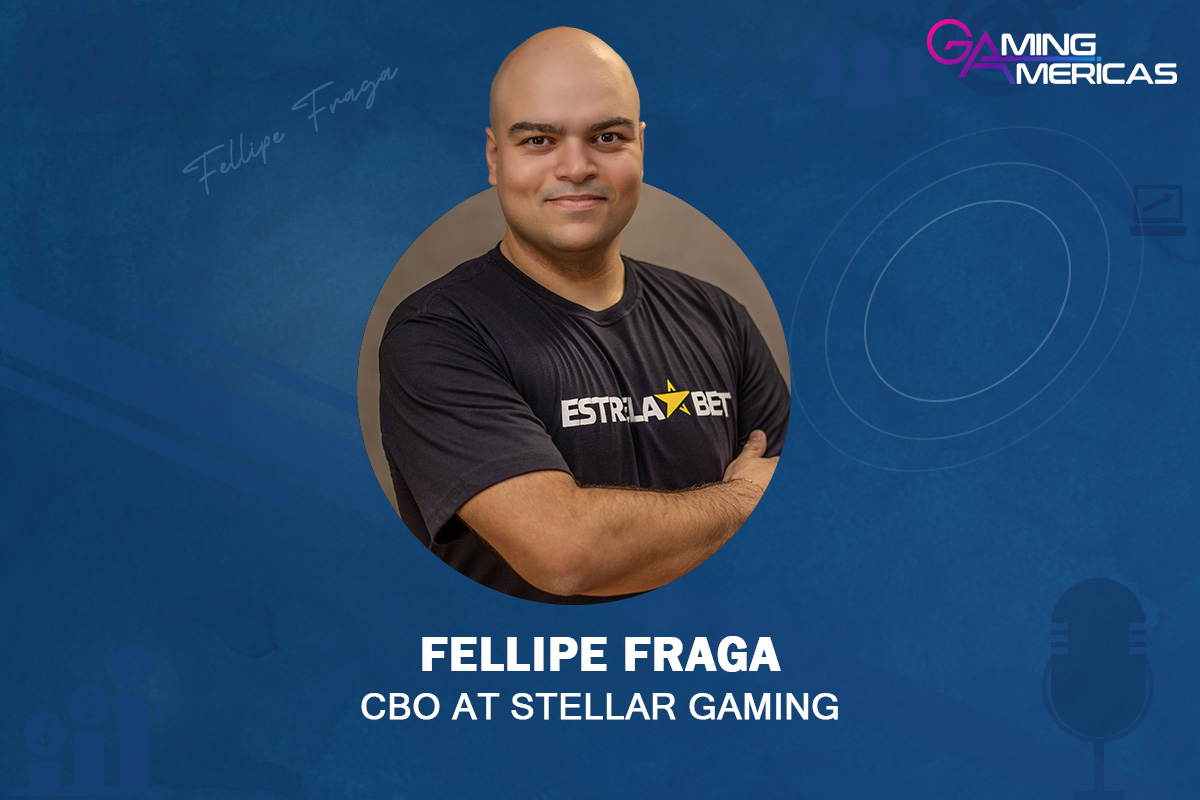
En una entrevista exclusiva, Fellipe Fraga, CBO de Stellar Gaming, analiza cómo la madurez del mercado regulado, el avance del juego responsable, la evolución de la infraestructura tecnológica y la lucha contra el mercado ilegal van a moldear la “mejor Copa de todos los tiempos” para el entretenimiento digital en Brasil, y el legado que este evento dejará para la industria.
La Copa Mundial de 2026 es el primer gran ‘test de estrés’ del mercado brasileño totalmente regulado, con proyecciones de alrededor de R$ 19 mil millones en volumen de negocio en el país. ¿Cómo evalúa Stellar Gaming que la seguridad jurídica y la madurez operativa harán de este torneo la ‘mejor Copa de los últimos tiempos’ para el entretenimiento digital en Brasil?
Fellipe Fraga – En la Copa Mundial de 2022, todavía estábamos luchando por la regulación del mercado, lo que lamentablemente no ocurrió a tiempo.
Esta vez, tendremos la oportunidad de probar no solo a nivel tecnológico, sino también en términos de comportamiento del cliente, ya que veremos el impacto del mayor evento deportivo del mundo.
Además, en las operaciones reguladas, las herramientas de control previstas en la normativa específica garantizan una experiencia segura para el cliente y potencian el alcance del juego responsable.
Con esto, los próximos dos meses representan grandes expectativas para el sector.
En un evento masivo que atrae a millones de nuevos apostadores, las preocupaciones sobre el juego problemático cobran relevancia. EstrelaBet tiene una alianza pionera con la FUMEC. ¿Cómo funciona en la práctica la matriz predictiva de riesgos basada en inteligencia artificial para identificar patrones atípicos y garantizar que el Mundial sea un momento de ocio seguro, alejando a la marca del estigma del mercado ‘gris’ del pasado?
Una de las grandes ventajas del avance tecnológico es poder utilizarlo para mejorar la experiencia colectiva, y no es diferente cuando hablamos del juego responsable.
Al introducir mecanismos de machine learning con datos y conceptos de ciencia del comportamiento, podemos mejorar la predictibilidad del riesgo en comportamientos en los que el cliente muestra señales de alejarse del juego responsable.
Esto permite que la operación actúe para reducir estos riesgos, garantizando que el entretenimiento con apuestas sea únicamente lo que debe ser: diversión.
Sabemos que los usuarios brasileños son mobile-first y no toleran fricciones durante un partido importante. EstrelaBet ha mejorado recientemente el tiempo de carga en un 60% y reducido la latencia de las apuestas en vivo en un 80%. ¿Cómo se traduce esta infraestructura ‘Fórmula 1’, liderada por el equipo de tecnología, en confianza y retención del usuario en los momentos de mayor pico del torneo?
La principal dirección que debemos tomar es ponernos en el lugar del cliente y entender qué puede generar fricción en la experiencia. Un sitio inestable y lento no es bien recibido.
Por eso adoptamos una mentalidad que llamamos “EstrelaTech”, enfocada en el desarrollo tecnológico para mejorar la experiencia del cliente.
Esto genera automáticamente confianza en el rendimiento, la estabilidad y la calidad del servicio, lo que, junto con nuestros socios tecnológicos, permite ofrecer una plataforma donde el entretenimiento ocurre de forma más fluida.
El CEO de la marca, João Gerçossimo, trajo recientemente del SXSW el concepto de la ‘Economía de la Atención 3.0’, donde el sentido de pertenencia a la comunidad supera a las ofertas agresivas. ¿Cómo planea EstrelaBet aplicar esta filosofía durante el Mundial para fidelizar clientes sin depender únicamente de bonos de adquisición transaccionales?
El Mundial es una excelente oportunidad para acercar al cliente a la marca.
El 5 de junio lanzaremos una gran campaña que conecta al público y a la marca con el deseo nacional de conquistar el sexto título mundial.
Esta conexión va más allá del producto en sí y se centra en la relación entre el cliente y la empresa.
El trabajo de nuestro equipo de marketing ha sido excelente, incluyendo en la elección de socios de medios, que logran comunicarse con el público y transmitir los mensajes clave, no solo sobre entretenimiento, sino también sobre una mentalidad moderna en torno a la salud, la actividad física y la tecnología.
La integridad deportiva es un pilar de un mercado regulado sólido. Hoy, EstrelaBet utiliza sistemas de IA que alcanzan hasta un 90% de precisión en la detección de comportamientos sospechosos, como el abuso de múltiples cuentas. ¿Cómo se utilizará esta tecnología para proteger la plataforma contra fraudes durante la alta volatilidad del Mundial?
El producto de apuestas es, esencialmente, la incertidumbre del futuro, ya sea en un juego online o en un evento deportivo.
Cualquier situación que intente garantizar un resultado futuro vacía la esencia del producto.
Por lo tanto, defender la integridad deportiva es extremadamente importante para nosotros en sí misma, y combinada con nuestra pasión por el deporte como plataforma de entretenimiento, nos hace aún más comprometidos con su protección.
Con tecnología y alianzas, somos capaces de monitorear comportamientos sospechosos y rastrear intentos de fraude en tiempo real.
Aunque el Mundial tiene el peso de ser el mayor evento deportivo, con todas las miradas puestas en él y, en consecuencia, reduciendo el riesgo de comportamientos sospechosos en el campo, es fundamental garantizar que tampoco haya influencia negativa en las operaciones, permitiendo que no solo la IA sino también el diálogo con los socios funcione de la mejor manera posible.
Con la Copa del Mundo realizándose en las Américas (EE. UU., México y Canadá), la zona horaria es extremadamente favorable para los apostadores brasileños. Sumado al avance del 5G, ¿cuál es la expectativa de EstrelaBet sobre la explosión de las apuestas en vivo (in-play betting) y los micro-momentos durante los partidos de Brasil?
El mercado brasileño ya utiliza predominantemente el teléfono móvil. Los partidos que se jugarán, muchas veces fuera del horario laboral, permitirán potenciar el acto de sentarse a ver un partido.
Por lo tanto, la tendencia es un aumento significativo de la actividad durante la Copa del Mundo, donde el factor social —estar con amigos, ver el partido juntos y apostar— jugará un papel importante.
Tu, Fellipe Fraga, como CBO de la marca, ha sido vocal sobre el hecho de que restringir excesivamente las plataformas licenciadas solo empuja a los usuarios hacia el mercado ilegal. Durante un evento con la magnitud de la Copa del Mundo, ¿cómo pueden el sector regulado y el gobierno trabajar juntos para educar al público y evitar la fuga de ingresos hacia operadores no licenciados?
La Copa del Mundo es una enorme oportunidad para el sector público en sentido amplio, no solo el regulador, sino también el Gobierno Federal e incluso los legisladores, para unir fuerzas en favor del sector regulado.
Solo a través de operaciones adecuadas es posible tener datos, acceso a información de comportamiento y una recaudación fiscal correcta que permita el desarrollo del país, junto con la promoción adecuada de iniciativas de juego responsable.
Esperamos que esta conciencia ayude a combatir un mercado ilegal que, si no se enfrenta, solo beneficiará a actividades ilícitas.
Para el mercado, la Copa del Mundo de 2026 es considerada el “Super Bowl extendido”. Tras el pitido final el 19 de julio, ¿cuál será el principal legado de este torneo de US$ 35 mil millones para el mercado brasileño de apuestas deportivas, considerando los avances en gobernanza, tecnología y protección del usuario final?
El Mundial de 2026 permitirá una comprensión completa del comportamiento del cliente en el mercado de apuestas.
Tendremos datos, resultados e información recopilada de las distintas iniciativas y estrategias que adopte el mercado.
El aumento del volumen permitirá validar las tesis de juego responsable e integridad deportiva, así como garantizar que los usuarios traten las apuestas como entretenimiento adecuado durante los momentos de ocio mientras ven los partidos.
The post Stellar Gaming y la mejor Copa de todos los tiempos appeared first on Americas iGaming & Sports Betting News.

-

 iGaming industry6 days ago
Pragmatic Play Releases its Latest Slot Game “The Big Dog House”
-
Aphrodite Legends of Olympus™6 days ago
Inspired Expands Portfolio with Three New iGaming Slots: THE GREAT EGGSCAPE™, APHRODITE LEGENDS OF OLYMPUS™, GOLD FEVER MINE ALL MINE™
-
betting market6 days ago
BiS Brasília brings together experts and authorities to discuss the future of Brazil’s betting market
-
AGLC6 days ago
Alberta iGaming Corporation Appoints Dan Keene as its CEO
-
Alberta6 days ago
Play’n GO secures Alberta iGaming supplier licence from AGLC
-
BetGames6 days ago
Weekend Reels | Week 21: Slot Drops & Trends
-
40 Coins of Chance6 days ago
SYNOT Games Enters into a New Partnership with Topwin
-
Alberta6 days ago
Play’n GO granted Alberta iGaming licence, expanding Canadian market footprint