eSports
United States In-Game Advertising Market Competition Forecast & Opportunities, 2028


The “United States In-Game Advertising Market Competition Forecast & Opportunities, 2028” report has been added to ResearchAndMarkets.com’s offering.
The United States in-game advertising market has experienced rapid growth and is projected to reach a value of $13.09 billion by 2028 from $7.45 billion in 2022, growing at a CAGR of 10.2% fueled by various factors such as the increasing popularity of esports among gaming audiences and the integration of native and non-disruptive ad formats.
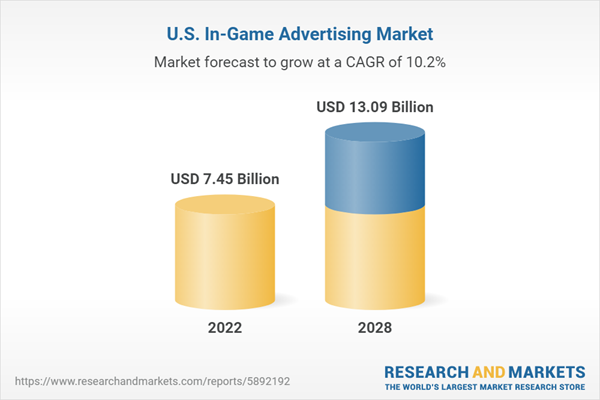
United States In-Game Advertising Market Scope
In-game advertising includes a wide range of formats and strategies. One of the most common methods is integrating static or dynamic ads into the game environment. These formats can be billboards, posters, or even virtual product placements within the game. Such layouts are carefully designed to blend seamlessly with the game’s aesthetics, ensuring they don’t break the player’s immersion.
The growing interest in social and mobile games is expected to positively impact the expansion of the in-game advertising market share. Advertisements can be integrated into desktop and mobile games through in-game advertising through advertisements, clip art, billboards, and background screens.
United States In-Game Advertising Market Overview
United States in-game advertising market share will benefit from growing social and mobile gaming. Ads, cutscenes, billboards, and background graphics can be used to add ads to desktop and mobile games. Since these ads are not intrusive, players can experience the game smoothly. In-game ads are expected to have a stronger audiovisual impact and leave viewers with a positive and lasting product impression.
United States in-game advertising is driven by several factors, including lower ad costs, increased reach and ROI, fast integration, and clear ad setup in social games. In addition, the inclusion of trusted gaming payment methods will reduce fraud, which may drive the market during the forecast period. Market growth is fueled by a growing selection of free-to-play smartphone games that monetize through in-game ads.
Increasing time and the cost to develop new games and shorter product life cycles are expected to impede market growth. The growing reluctance of video game companies as a result of declining advertising revenues is expected to challenge the growth of the in-game advertising market. In addition, market growth can be hindered by the need to limit poorly designed advertisements with low consumer impact. The increase in irrelevant and intrusive advertisements related to online and social gaming is expected to adversely affect the United States in-game advertising market growth.
United States In-Game Advertising Market Drivers
The United States in-game advertising market is driven by various key factors such as the rising popularity of console gaming and esports. The game has come to become an accepted form of distraction, which draws a wide and diverse audience.
The United States in-game advertising market growth is likely to be boosted by the rising availability of high-speed internet connections and the significant increase in the number of smartphone users in the country. Additionally, a surging number of gamers in the country is expected to contribute to the expansion of the United States in-game advertising market during the forecast period.
In addition, the adoption of various gambling payment mechanisms will reduce fraud, which may increase the expansion of the United States in-game advertising market during the forecast period. In-game advertising is growing portions of free-to-play mobile games and is expected to boost industry growth. This service can earn extra money for game creators, which helps in the expansion of the industry.
The surging popularity of online and mobile games drives the expansion of the United States in-game advertising market during the forecast period. Game advertisers are using in-game advertisements to reach their target audience as more people are using online and mobile games for their entertainment.
United States In-Game Advertising Market Trends
A major trend in the United States in-game advertising market is the integration of native and non-disruptive ad formats which drives the industry’s growth during the forecast period. Advertisers are moving away from intrusive and disruptive ad placements that can negatively impact the gaming experience. Instead, they implement strategies to seamlessly incorporate advertising into the game environment, such as in-game billboards, product placements, and branded virtual products. This approach allows advertisers to capture players’ attention without causing significant disruption, improving both user experience and advertising effectiveness.
Additionally, the rise in influencer marketing collaborations fuels the growth of the United States in-game advertising market during the forecast period. Influencers and creators in the gaming community have gained significant influence and followers, making them valuable partners for advertisers. Brands are increasingly partnering with gaming influencers to promote their products or services through sponsored gameplay, branded content, or product reviews. This collaboration helps advertisers leverage the trust and loyalty built by influencers, which increases brand visibility and engagement with their target audience.
Furthermore, there is more emphasis on metrics and measurement in the United States in-game advertising market which drives the industry’s growth during the forecast period.
United States In-Game Advertising Market Challenges
A major challenge in the United States in-game advertising market is increasing competition among companies for the consumer’s attention in games may hinder the growth of the market during the forecast period.
Additionally, the difficulty of companies in targeting the right audience impedes the United States in-game advertising market expansion during the forecast period. Advertisers must ensure that their ads reach the targeted demographic of the gaming community. However, targeting a precise audience can be difficult due to the diversity and segmentation of the gaming market. Different types, platforms, and gaming habits require tailored approaches that can be difficult to achieve effectively.
Furthermore, the issue of advertisement intrusiveness may hinder the growth of the United States in-game advertisement market during the forecast period. The intrusiveness of advertisements is a major concern of the companies. It is very important to balance the integration of ads into games without compromising the user experience. Intrusive ads that interfere with gameplay or with immersion can cause players to react negatively and may create lack of interest for the game.
United States In-Game Advertising Market Opportunities
The United States in-game advertising market provides various opportunities to the companies to have a competitive edge in the market. Esports has grown significantly in the United States, with widespread recognition of professional games and attracting millions of viewers. This phenomenon offers advertisers a great opportunity to target their brand to popular eSports events, teams, or individual players. In-game advertising can take the form of sponsorship, branded content, or product placement within games, allowing companies to gain exposure and build brand loyalty among the passionate sports community.
The advantage of in-game advertising is that it offers different advertising options for brands to reach their target audience and increase engagement. While in-game and in-field billboards are frequently explored by many developers and publishers, they represent only a fraction of the ad formats available. There are 3 formats of in-game advertising: static ads, dynamic ads, and advergaming. Each format offers several different options to help businesses build and maintain brand awareness without disrupting the users’ experience.
Furthermore, robust infrastructure and technological upgradation provide opportunities to companies in the United States in-game advertising market. Advertisers are able to monetize in-game advertising due to the availability of high-speed internet connections and the rising penetration of streaming platforms in the country.
Key Attributes:
| Report Attribute | Details |
| No. of Pages | 77 |
| Forecast Period | 2022 – 2028 |
| Estimated Market Value (USD) in 2022 | $7.45 Billion |
| Forecasted Market Value (USD) by 2028 | $13.09 Billion |
| Compound Annual Growth Rate | 10.2% |
| Regions Covered | United States |
Competitive Landscape
Company Profiles: Detailed analysis of the major companies present in the United States in-game advertising market.
- Activision Blizzard, Inc.
- AppsFlyer Inc.
- Frameplay Corporation
- Pubfinity LLC
- Super League Gaming, Inc.
- Motive Interactive, Inc.
- MediaSpike, Inc.
- Electronic Arts Inc.
- Playwire LLC
- Bidstack Group PLC
Market Dynamics
Drivers
- Proliferation of mobile devices
- Increasing internet penetration
- Rising gaming audience
Market Trends & Developments
- Rising popularity of esports
- Growing influencer marketing collaborations
- Increasing popularity of console gaming
- Integration of native and non-disruptive ad format
- Growing popularity of video games
Challenges
- Increasing competition
- Difficulty in targeting the right audience
Impact of COVID-19 on United States In-Game Advertising Market
- Impact Assessment Model
- Key Segments Impacted
- Key Regions Impacted
Report Scope:
United States In-Game Advertising Market, By Type:
- Static Ads
- Dynamic Ads
- Advergaming
United States In-Game Advertising Market, By Platform:
- Smartphone/Tablet
- PC/Laptop
For more information about this report visit https://www.researchandmarkets.com/r/x022xb




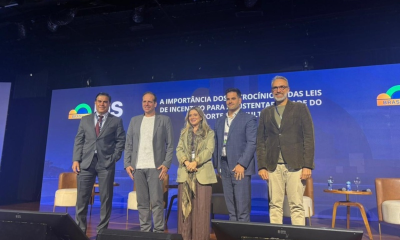



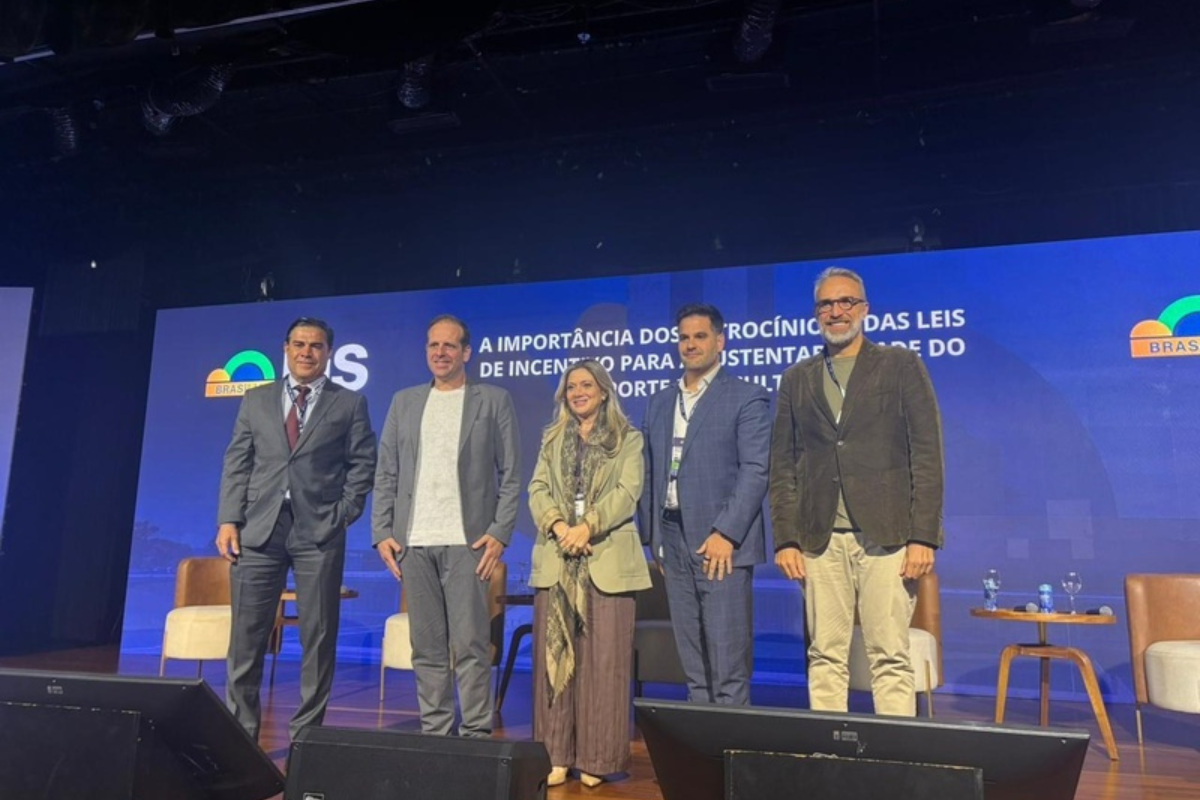
Esportes Gaming Brasil director Hugo Baungartner used a panel appearance at BiS Brasília (Brazilian iGaming Summit) to argue that sports and cultural sponsorships should be measured by their long-term impact, not just brand visibility. Baungartner spoke during the session “A Importância dos Patrocínios e das Leis de Incentivo para a Sustentabilidade do Esporte e da Cultura.”
During the debate, Baungartner said sector maturity requires a long-term approach that turns sponsorships into platforms for relationship-building and local ecosystem development, connecting with fans, consumers and communities.
He highlighted the group’s sports partnerships with Corinthians, Ceará, Náutico and Ferroviária, as well as support for Brazilian cultural events including Carnaval, São João and the Festival de Parintins. Baungartner said major events can move entire supply chains by boosting tourism, commerce and job opportunities, and pointed to the importance of working with local suppliers and professionals in Parintins to expand the positive impacts of sponsorship spending.
Baungartner also addressed challenges in Brazil’s regulated betting market, saying consolidation depends on governance, integrity and consumer protection, alongside efforts to combat illegal operators. He said advances in provider regulation and stronger financial traceability mechanisms are important steps to limit unauthorized activity and improve user security.
“Patrocínio responsável é aquele que cria conexão real com o público e deixa legado no território. No esporte e na cultura, isso significa investir com governança, transparência e propósito, fortalecendo um ecossistema que gera renda, emprego e oportunidades”, afirmou.
The post Esportes Gaming Brasil exec calls for ‘responsible sponsorship’ at BiS Brasília appeared first on Americas iGaming & Sports Betting News.
eSports
Team Vitality and Fulllife Unveil a New FPS Jersey for the Valorant Masters London and IEM Cologne Major 2026

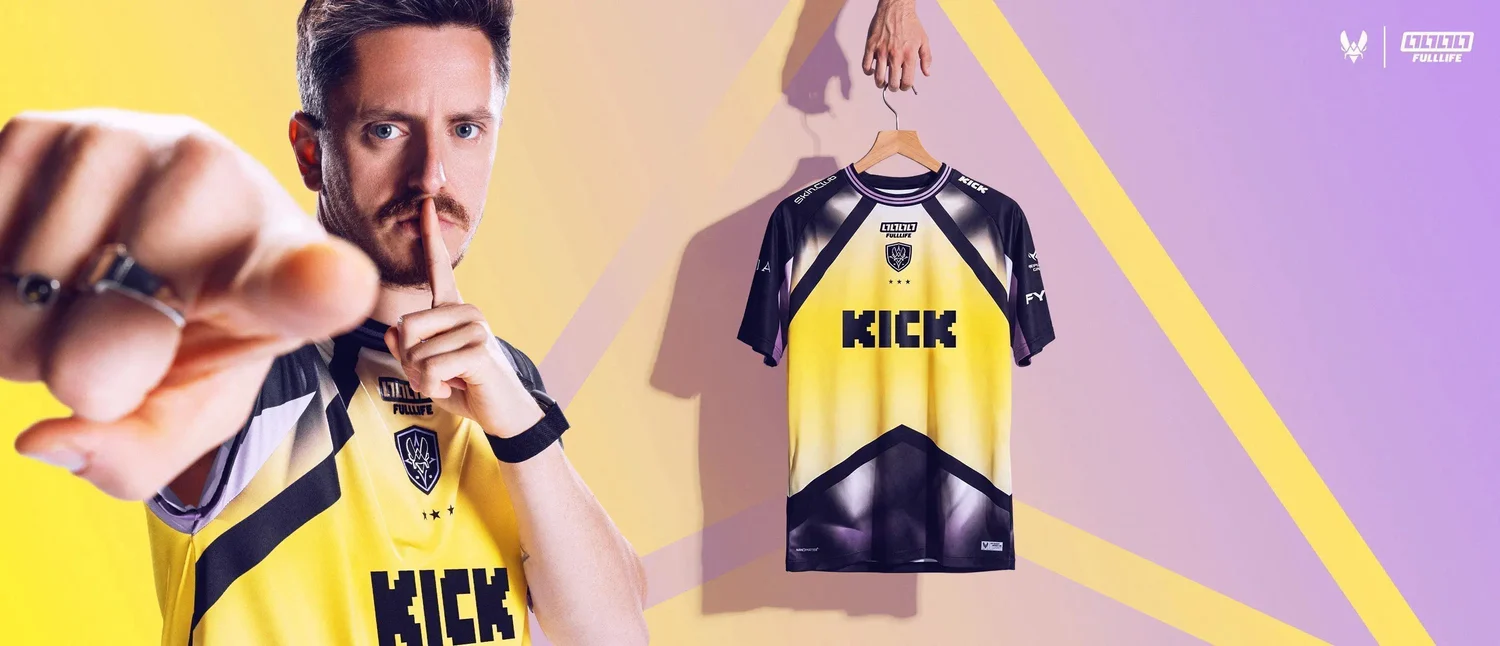
Team Vitality has unveiled its new “FPS Jersey,” specially designed for IEM Cologne 2026 and the VALORANT Masters 2026 in collaboration with its apparel partner Fulllife. Conceived as a strong symbol of ambition, performance and legacy, the jersey features an exclusive central crest and introduces a bold visual evolution for the club.
After making history on Counter-Strike, Team Vitality is celebrating its FPS DNA through a jersey dedicated to its two flagship titles. Through this initiative, the club reinforces its ambition to leave a lasting mark on the world’s biggest FPS stages and establish this jersey as a new benchmark within the esports industry.
AN EXCEPTIONAL JERSEY FOR A HISTORIC MOMENT
For this new release, Team Vitality embraces a completely new visual approach. For the first time in the club’s history, purple is introduced alongside its iconic yellow and black colours, in line with the organisation’s new 2026 artistic direction. This bold creative choice allows the jersey to stand out within the esports landscape while surprising and exciting fans.
The symbol featured on the front of the jersey reinterprets an iconic part of the club’s logo: the “V” combined with the lower section of the bee’s body. This graphic element, called the “Mini Bee,” is integrated throughout the jersey’s design to symbolise the swarm — representing collective strength, the identity of the Hive and the power of the Team Vitality community.
Fulllife has brought its technical expertise to a piece designed both for competition and for the fans in the stands. Every detail reflects the club’s continued rise on the international stage and its ambition to leave a lasting legacy in esports. The accompanying apparel collection also incorporates the same colour palette and includes lifestyle pieces designed for everyday wear.
“We are extremely proud of this new FPS-focused marketing campaign — a true love letter to Counter-Strike and VALORANT. An exclusive jersey, a dedicated fan zone, and numerous activations created hand in hand with our partners for our fans… We are ready for two major international events, with the clear ambition of continuing to establish Team Vitality among the best esports clubs in the world,” said Amélie Canet, Chief Marketing Officer.
PERFORMANCE AND RESPONSIBILITY
The FPS Jersey is manufactured in Portugal using NanoMatter, a technical fabric made from 100% recycled polyester and specifically developed for competitive players. Ultra-comfortable, lightweight and breathable, it is designed to perform under the most demanding conditions.
Each order is delivered in Fulllife’s iconic Capsule packaging, redesigned in Team Vitality’s colors, FSC-certified and accompanied by 100% recycled and recyclable polybags.
“This jersey is one of the boldest pieces we have ever produced. Our role was to bring a strong creative vision to life using the best materials and manufacturing processes available, delivering a product that truly reflects Team Vitality’s ambitions on the international stage,” said Maxime Baziadoly, General Manager of Fulllife.
The post Team Vitality and Fulllife Unveil a New FPS Jersey for the Valorant Masters London and IEM Cologne Major 2026 appeared first on Eastern European Gaming | Global iGaming & Tech Intelligence Hub.
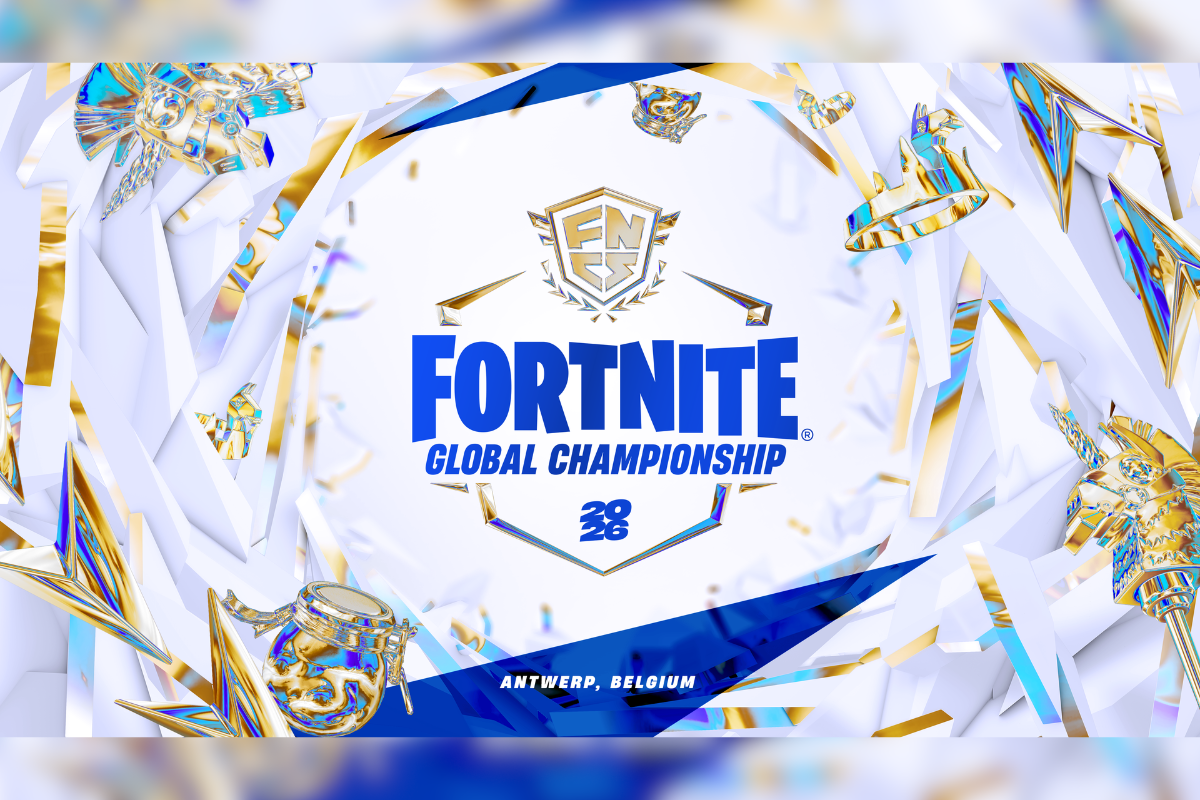
Epic Games and BLAST will host the 2026 Fortnite Global Championship in Antwerp, Belgium, on September 26-27, marking the FNCS season finale at Lotto Arena.
Epic and BLAST said the event brings the Fortnite competitive circuit and BLAST to Antwerp for the first time. The announcement was made at the Fortnite Major 1 Summit in Düsseldorf, Germany.
A $2,000,000 USD prize pool will be at stake, alongside the FNCS Global Championship trophy crafted by silverware artisan Thomas Lyte.
Epic and BLAST positioned Antwerp—located in the Benelux region—as a travel-friendly destination for fans coming from Belgium, the Netherlands, France and Germany. Ticket information is available via the venue listing.
The post Epic Games and BLAST bring 2026 Fortnite Global Championship to Antwerp appeared first on Eastern European Gaming | Global iGaming & Tech Intelligence Hub.

-

 Brasil7 days ago
Para Sportradar, Copa do Mundo 2026 deve redefinir estratégias de aquisição e engajamento nas apostas esportivas
-
Belatra7 days ago
Weekend Reels | Week 22: Slot Drops & Trends
-
Anatel7 days ago
Brazil betting regulation: new advertising restrictions & AML rules
-
Andréa Curral6 days ago
“No iGaming, marcas sólidas dependem de consistência, experiência e relacionamento de longo prazo”
-
2026 sports betting7 days ago
For Sportradar, the 2026 World Cup is set to reshape acquisition and engagement in sports betting
-
Latest News7 days ago
How RocketPlay Closed 100% of Its Complaints in 2025: Inside the System
-
eSports6 days ago
G2’s Otis Lawrence wins 2026 F1 Sim Racing World Championship
-
Brazil7 days ago
Mercado de bets en Brasil: nuevas restricciones publicitarias y reglas AML